Why Mouse Problems Matter in Suwanee, GA

Suanees’s Climate: A Mouse Magnet
Suanees enjoys warm, humid summers and mild winters, creating an ideal year‑round habitat for the common house mouse (Mus musculus). The region’s abundant vegetation, plentiful water sources, and dense suburban landscaping provide both shelter and food. When temperatures dip in the cooler months, mice instinctively seek the warmth of homes, slipping through tiny cracks and gaps that are often unnoticed by busy homeowners.
Health Hazards You Can’t Ignore
Beyond the nuisance factor, mice pose serious health risks. They are carriers of hantavirus, salmonella, and leptospirosis, diseases that can be transmitted through droppings, urine, or direct bites. Their fur and dander become potent allergens, aggravating asthma and triggering sneezing fits, especially in children and seniors. Moreover, when mice contaminate pantry items, they leave behind pathogens that can spoil food and cause gastrointestinal illness.
Structural Damage: Hidden Costs
House mice have a relentless need to gnaw, which can compromise the integrity of a home. Their incisors can chew through electrical wiring, creating fire hazards, and they readily damage insulation, drywall, and even wooden furniture. A single mouse can create multiple entry points, and an unchecked infestation may lead to costly repairs that far exceed the price of professional treatment.
Seasonal Spikes: When Mice Are Most Active
In Suanees, mouse activity peaks during spring and fall. Spring brings new breeding cycles, while cooler fall evenings push mice indoors to escape the chill. These seasonal surges often coincide with homeowners’ busy schedules, making early detection and prompt action critical. Ignoring the early signs during these periods can quickly turn a minor sighting into a full‑blown infestation.
DIY vs. Professional Intervention: The Real Cost
Many homeowners consider DIY traps and poison as a quick fix, but the hidden expenses add up. Over‑the‑counter solutions rarely address the root cause—entry points and nesting sites—leading to repeated purchases and ongoing frustration. A professional service, like Anthem Pest Control, offers a comprehensive approach: inspection, sealing, and targeted treatment, all backed by a transparent price structure. Investing in expert help now can save you from escalating health risks, structural damage, and the endless cycle of temporary fixes.
Spotting Mouse Activity and Early Warning Signs

Detecting a mouse before it multiplies into a full‑blown infestation can save you time, stress, and money. The key is to know what to look for and where to look for it. Below are the most reliable clues and quick checks you can perform right now.
Common Signs of Mouse Activity
- Droppings: Small, dark, rice‑shaped pellets about ¼ inch long. Look for them along baseboards, in cabinets, and behind appliances.
- Gnaw marks: Fresh gnawing appears light‑colored and shiny, while older bites turn gray. Check wood, plastic, and even wiring.
- Nesting material: Mice love shredded paper, fabric scraps, cotton, or insulation. Bundles of this material often sit in hidden corners.
- Audible scurrying: A faint rustle or squeak, especially at night, usually signals movement in walls, attics, or crawl spaces.
Where to Inspect
Mouse pathways are narrow and close to food sources. Systematically examine these high‑risk zones:
- Behind refrigerators, stoves, and dishwashers – moisture and crumbs attract mice.
- Attic rafters and insulation – warm, undisturbed spaces make perfect hideouts.
- Basement corners and utility rooms – look near water heaters, furnaces, and stored boxes.
- Exterior entry points – gaps around pipes, vents, and foundation cracks no larger than a quarter‑inch.
Distinguishing Mice from Other Rodents
While rats leave larger, cigar‑shaped droppings (about ½ inch), mouse droppings are noticeably smaller and more uniform. Mice also create finer gnaw marks and prefer tighter entryways. If you see large chew holes or droppings over an inch long, you’re likely dealing with a rat, which requires a different treatment plan.
Quick DIY Checks Before Calling a Pro
- Flashlight sweep: Dim the lights, shine a bright flashlight along baseboards and inside cabinets. Droppings will glint.
- Paper towel test: Place a few sheets of white paper in suspected areas overnight. Fresh droppings or gnaw marks will appear on the paper.
- Seal obvious gaps: Use steel wool and caulk to block any openings larger than ¼ in. This immediate action can halt further entry.
- Food audit: Store pantry items in airtight containers and clean up crumbs promptly. Removing food sources reduces mouse motivation.
Why Early Detection Pays Off
Finding a few droppings or a single gnaw mark is far less costly to treat than eradicating a mature colony that has compromised insulation, wiring, and stored goods. Early intervention often allows for targeted baiting or trapping, which reduces chemical usage and keeps treatment expenses low. Moreover, catching mice before they multiply protects your home’s structural integrity and safeguards your family’s health.
How Much Does Professional Mouse Control Cost in Suwanee?
When you call a licensed technician in Suwanee, you can expect a mouse‑control bill that falls between $150 and $350 for a standard residential job. This range reflects the average cost reported by local experts at Anthem Pest Control Anthem Pest Control – Mouse Control Cost in Suwanee, GA. The lower end usually covers a basic inspection and a single‑application treatment, while the upper end includes more extensive baiting, sealing, and a limited warranty. Prices can vary, but most homeowners see a clear, upfront estimate before any work begins. Anthem Pest Control prides itself on providing a written estimate that separates labor, materials, and any optional add‑ons, so you never face surprise fees.
What Drives the Price?
Several factors can push the price up or pull it down. The most common drivers are:
- Severity of infestation – A light presence may need only a few bait stations, while a heavy infestation requires multiple visits and extensive bait placement.
- Property size and layout – Larger homes or multi‑unit buildings need more product and longer labor time, especially if there are hard‑to‑reach crawl spaces or attics.
- Treatment type – Snap traps are inexpensive, but bait stations, ultrasonic devices, or full‑home sealing programs increase material costs.
- Warranty or follow‑up – Adding a 30‑day or 6‑month guarantee adds a flat fee, but it protects you from recurring mouse activity.
- Accessibility and prep work – Opening walls or clearing debris requires extra labor and raises the bill.
One‑Time Service vs. Recurring Maintenance
A one‑time visit typically includes inspection, a single treatment, and a short‑term guarantee. This option works for homeowners who have caught a mouse early and want a quick fix. A typical one‑time treatment ranges from $150 to $250. Recurring maintenance plans, on the other hand, schedule quarterly or monthly visits, replace bait stations regularly, and often include a longer warranty. While the upfront cost is higher—averaging $350 to $450 per year—the ongoing plan spreads the expense and reduces the chance of a new infestation, delivering peace of mind for the long haul.
Service Tier Options
Anthem Pest Control packages are organized into three clear tiers, letting you match service level to budget and risk tolerance.
- Basic – Inspection, placement of up to three snap traps, up to 2 hours of labor, and a 30‑day follow‑up call.
- Standard – All Basic features plus four bait stations, sealing of obvious entry points, a detailed monitoring report, and a 90‑day warranty.
- Premium – Full home assessment, unlimited bait stations, comprehensive structural sealing, quarterly visits, rodent‑proofing advice, emergency call‑out service, and a 6‑month guarantee.
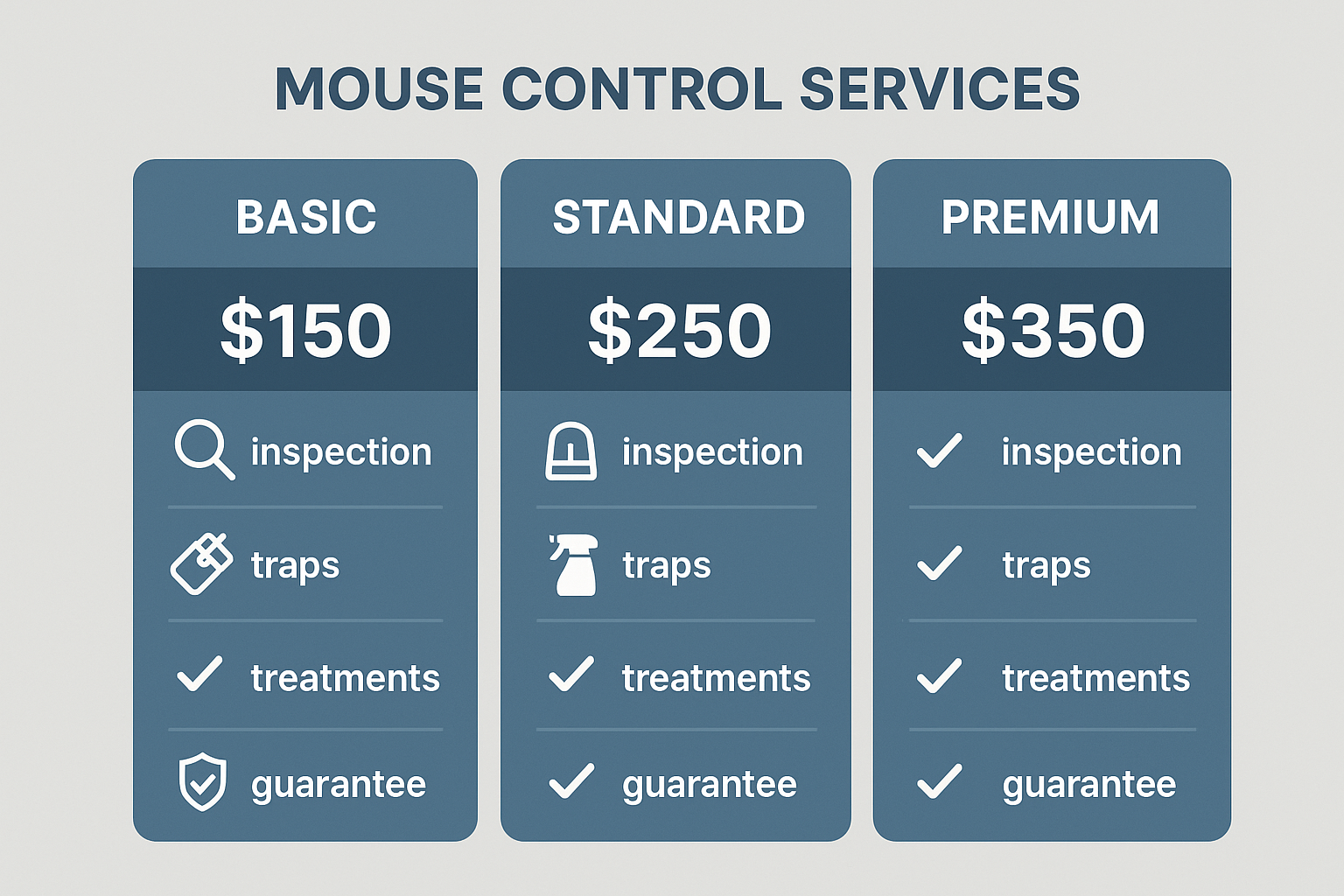
By comparing the tier features and considering the factors above, you can choose a plan that fits your budget while keeping your home mouse‑free.
Choosing the Right Treatment and Exclusion Plan
When mice start making a home in your Suwanee house, the first step isn’t just about catching them—it’s about creating an environment they can’t re‑enter. At Anthem Pest, we combine proven treatment tools with a four‑step exclusion strategy that protects your family, pets, and the planet.
Common Treatment Options
- Snap Traps – Instant kill, low cost, and no chemicals. Ideal for tight spaces, but they must be placed where children and pets can’t reach.
- Live‑Catch Traps – Capture mice unharmed for release. Great for pet‑friendly homes, yet requires frequent monitoring and proper relocation.
- Bait Stations – Enclosed containers with low‑dose rodenticide. Highly effective for hidden populations; however, they must be positioned out of reach of kids and animals and handled by a licensed technician.
- Low‑Toxic Repellents – Natural oils or ultrasonic devices that discourage entry. Safe for households with pets, but they work best when paired with physical barriers and aren’t a standalone solution.
Each method has its strengths, and the best choice often depends on your home layout, family dynamics, and personal comfort with chemicals. Our technicians evaluate those factors before recommending a tailored mix.
Seal First, Trap Second
Setting traps before sealing entry points is like putting a net in a leaky boat—it won’t stop water from flooding in. Mice can squeeze through gaps as small as a dime, so we start by identifying and sealing cracks, vents, and utility openings. This not only reduces the number of visitors but also forces any remaining rodents toward the traps you’ve placed.
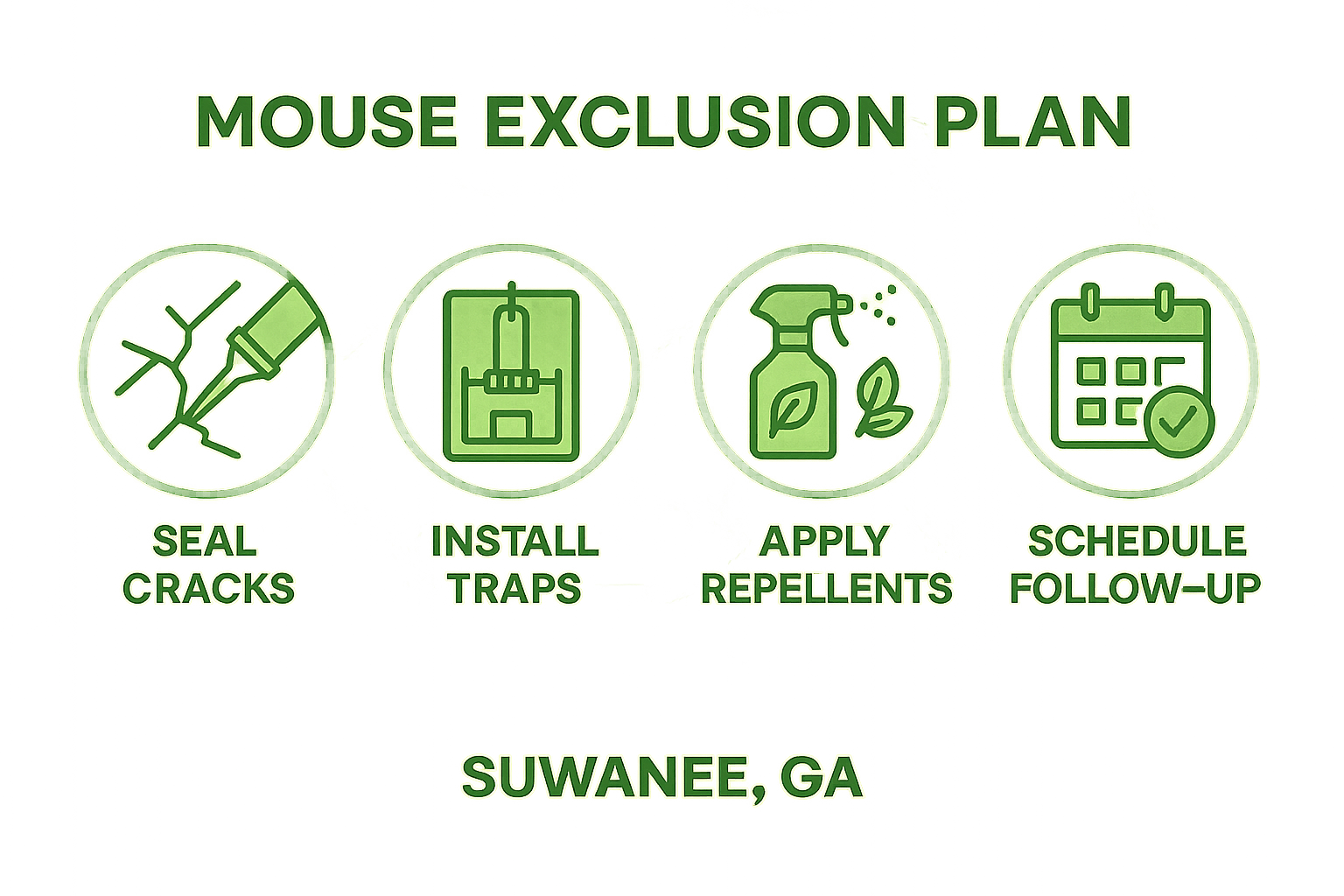
The Four‑Step Exclusion Process
- Seal Cracks & Gaps – We use steel wool, caulk, and rodent‑grade mesh to close every potential entry.
- Install Targeted Traps – Based on your home’s layout, we position snap, live‑catch, or bait stations where mice travel most often.
- Apply Eco‑Friendly Repellents – Natural deterrents are applied along exterior walls and interior perimeters to reinforce the barrier.
- Schedule Follow‑Up Visits – Our team returns to check trap activity, replace devices, and re‑inspect seals, ensuring the problem stays solved.
The accompanying infographic (see below) visualizes each step, making it easy for homeowners to see where they fit into the process and what to expect at each visit.
Eco‑Friendly Practices & Local Compliance
Anthem Pest follows Georgia’s strict rodent‑control regulations, using low‑toxicity products whenever possible and disposing of any waste responsibly. Our exclusion materials are recyclable, and we prioritize non‑chemical deterrents to protect local wildlife and water sources.
By marrying the right treatment—whether snap traps for quick knock‑down or live‑catch options for a pet‑safe approach—with a disciplined exclusion plan, we give Suwanee homeowners a lasting solution. The result? Fewer mouse sightings, a safer household, and peace of mind that lasts season after season.
Get Expert Mouse Control from Anthem Pest Today
Detecting a mouse problem early in Suwanee can mean the difference between a quick fix and a full‑scale infestation. Because rodents multiply fast, catching the signs—scratched insulation, droppings, or gnaw marks—allows our technicians to intervene before walls, wiring, or stored food become compromised.
Anthem Pest offers three transparent pricing tiers to match any budget. The Basic Tier covers a thorough inspection, exclusion of entry points, and a single treatment session. The Standard Tier adds quarterly follow‑ups and bait‑station replenishment. The Premium Tier provides year‑round monitoring, unlimited treatments, and a documented exclusion plan—all with a clear, upfront price and no hidden fees.
Our exclusion plan starts with sealing cracks, repairing vents, and installing door sweeps—critical steps that cut off every possible entryway. We then place strategically positioned bait stations and monitor activity with discreet traps, ensuring any remaining visitors are caught before they can establish a nest.
What sets us apart is our deep knowledge of Suwanee’s housing styles and seasonal mouse activity. Our certified technicians use EPA‑approved, low‑toxicity products that are safe for children and pets, and we back every job with a satisfaction guarantee. If you’re not completely mouse‑free, we’ll return at no extra charge.
Ready for a mouse‑free home? Schedule a free, no‑obligation inspection today. Call us at 877‑371‑8196 or click Anthem Pest Control to request your quote. Our friendly team will walk you through the process, answer any questions, and set up a treatment plan that fits your schedule.