Understanding the Rat Problem in Brookhaven, GA
Brookhaven’s humid subtropical climate, with warm summers and mild winters, creates an ideal environment for two of the most common rodent culprits: Norway rats (Rattus norvegicus) and roof rats (Rattus rattus). The city’s mix of older homes, tree‑lined streets, and well‑maintained parks provides plentiful shelter, food sources, and nesting sites. Dense residential neighborhoods, combined with frequent irrigation and abundant leaf litter, give these rodents the cover they need to thrive right alongside homeowners.
Local health department records show a steady rise in rat sightings over the past five years. In 2023 alone, Brookhaven reported more than 1,200 confirmed rat sightings, a 15 % increase from the previous year. Damage reports filed with the city’s code‑enforcement office jumped from 320 incidents in 2020 to over 460 in 2023, indicating that rats are not only being seen but are actively causing problems in homes and businesses across the area.
Health Risks Posed by Rats
Rats are more than a nuisance; they are vectors for several serious diseases that can affect entire families. When rats gnaw on food containers, contaminate surfaces with urine, or shed hair and droppings, they can transmit pathogens that linger in the environment for weeks.
- Hantavirus – inhaled aerosolized droppings or urine can lead to severe respiratory illness, sometimes fatal.
- Leptospirosis – a bacterial infection spread through contact with contaminated water or soil, causing fever, muscle pain, and kidney damage.
- Salmonella – rats frequently carry this bacteria, which can contaminate kitchen surfaces and lead to food‑borne illness.
Structural Damage You Can’t Ignore
Beyond health concerns, rats cause costly physical damage that compromises a home’s integrity. Their powerful incisors enable them to chew through a variety of materials, often going unnoticed until the damage becomes severe.
- Chewed electrical wiring – creates fire hazards and can trip circuit breakers.
- Compromised insulation – leads to heat loss in winter and higher cooling costs in summer.
- Damaged foundation and wooden joists – gnawed support beams weaken the structural framework.
- Clogged drainage and vent systems – nests in gutters and vents block airflow, encouraging moisture buildup and mold.
Economic Impact on Homeowners
The financial fallout from a rat infestation extends far beyond the immediate repair bill. On average, Brookhaven homeowners report a 5–7 % reduction in property value after a documented rat problem, as potential buyers view the issue as a red flag. Utility bills often climb 10–15 % because damaged insulation forces HVAC systems to work harder. Moreover, many insurance policies either raise premiums or deny coverage for damage deemed to be a result of rodent activity, leaving homeowners to foot the bill out of pocket.
Understanding the true cost of a rat problem helps you weigh prevention against remediation. For a detailed breakdown of typical treatment expenses in Brookhaven, visit the Anthem Pest Rat Control Cost Guide. This resource outlines average pricing for inspection, extermination, and long‑term prevention plans, giving you a clear picture of what to expect before you call a professional.
How to Spot a Rat Infestation

Detecting a rat problem early can save you time, money, and a lot of stress. Rats multiply quickly, and the longer they hide, the more damage they cause to wiring, insulation, and food supplies. Below, we break down the tell‑tale clues you’ll notice around your home and give you a practical DIY inspection checklist.
Physical Signs
Droppings are the most obvious indicator. Look for small, dark, rice‑shaped pellets about half an inch long. They often accumulate in corners, behind appliances, and along baseboards. Fresh droppings are shiny; older ones turn matte.
Gnaw marks appear on wood, plastic, and even metal. Rats have a constant need to file down their incisors, so you’ll see clean, shallow grooves—often around ¼ inch wide—on beams, cabinets, and wiring.
Burrow entrances are tiny holes, typically ½ to ¾ inch in diameter, found near foundations, crawl‑space vents, or garden beds. The soil around these openings may be disturbed or piled up.
Grease tracks look like dark smears along walls, especially where rats travel back and forth. These oily streaks are a result of their fur picking up residue from food and waste.
Urine stains can appear as yellowish rings on surfaces. When rats repeatedly use the same spot, the urine can seep into wood or drywall, leaving a faint, lingering odor.
Behavioral Clues
Rats are nocturnal, so scratching or scurrying noises in walls, attics, or crawl spaces after dark are a red flag. You may also hear occasional high‑pitched squeaks—especially when they feel threatened.
A musty, musky smell is another warning sign. It’s the result of their urine, droppings, and secretions mixing with the environment. If a particular area of your home smells “off,” investigate further.
Inspection Hotspots
- Crawl spaces and basements
- Attics and roof voids
- Kitchen cabinets and pantry shelves
- Exterior foundations and basement walls
- Garage and utility rooms
DIY Inspection Checklist
- Gather tools: flashlight, disposable gloves, a small mirror, a dust mask, and a sturdy ladder.
- Wear protection: Rats can carry diseases; gloves and a mask reduce exposure to droppings and urine.
- Start at the exterior: Walk the perimeter, looking for burrow holes, gnaw marks on siding, and disturbed soil.
- Check interior entry points: Inspect gaps around pipes, vents, and doors. Seal openings larger than ¼ inch.
- Search for droppings: Use the flashlight and mirror to peek behind appliances, under sinks, and inside cabinets.
- Listen for activity: At night, sit quietly in the attic or basement and note any scratching or squeaking.
- Document findings: Take photos of each sign and note the location. This helps professionals assess the scope later.
- Clean safely: If you collect droppings, place them in a sealed bag and dispose of them according to local regulations.
When to Call a Professional
If you encounter any of the following, it’s time to reach out to Anthem Pest Control:
- More than a handful of droppings or gnaw marks—indicating a population larger than a single pair.
- Evidence of damage to electrical wiring or structural components.
- Repeated sightings despite attempted DIY traps.
- Signs of a hidden nest, such as large piles of shredded material in concealed spaces.
- Any health concerns, especially if household members have allergies or respiratory issues.
Professional exterminators have the tools and expertise to locate hidden colonies, apply rodent‑specific baits safely, and seal entry points permanently. Early intervention not only protects your home’s integrity but also keeps treatment costs manageable.
The True Cost of Rat Control – Pricing Options Compared
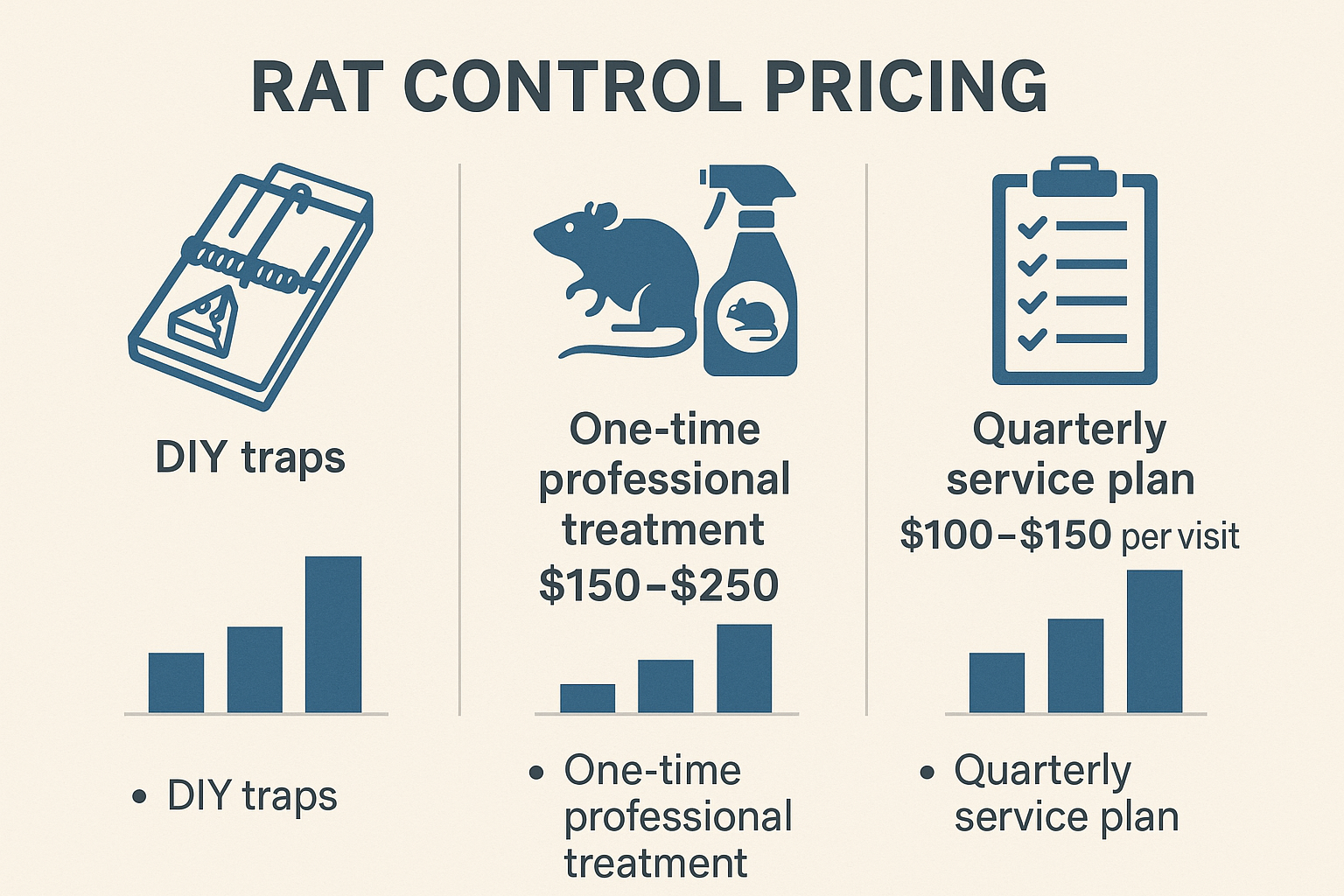
When a rat makes its way into your Brookhaven home, the first question most homeowners ask is, “How much will it cost to get rid of it?” The answer isn’t a single number—it depends on the method you choose, the level of service you need, and how long you plan to protect your property. Below, we break down the three most common financial routes: DIY kits, a one‑time professional treatment, and an ongoing quarterly service plan. Understanding the price structure of each option helps you weigh short‑term expense against long‑term peace of mind.
DIY Rat Control: Up‑Front Material Costs
Do‑it‑yourself kits are appealing because you control every dollar spent. Typical DIY tools include snap traps, electronic traps, and bait stations. A basic snap‑trap set runs about $20‑$30, while a rechargeable electronic trap can cost $40‑$60. Bait stations—often pre‑filled with rodenticide—are sold in packs ranging from $15 to $35. The total material outlay for a modest household usually lands between $20 and $50, not counting the occasional replacement trap.
DIY methods require you to handle placement, monitoring, and disposal. If you miss a hidden entry point or fail to rotate traps, you may end up buying more equipment over time. For a homeowner who enjoys hands‑on pest management and has a clear understanding of rat behavior, the low upfront cost can be a genuine advantage.
One‑Time Professional Treatment
A single professional visit bundles inspection, targeted baiting, sealing of obvious entryways, and a follow‑up check to confirm activity has ceased. Anthem Pest Control typically charges between $150 and $250 for this comprehensive service, depending on the size of the property and the severity of the infestation.
What you’re really paying for is expertise: a certified technician uses industry‑grade bait stations, can identify structural vulnerabilities you might overlook, and provides a written report detailing what was done and what still needs attention. The cost also includes safe handling of rodenticides, which is crucial for homes with children or pets.
Quarterly Service Plans
For homeowners who want continuous protection, a quarterly service plan spreads the expense across four visits per year. Each visit includes a fresh inspection, replenishment of bait stations, and reinforcement of sealed entry points. Prices range from $100 to $150 per visit, translating to an annual investment of $400‑$600.
The real value of a service plan lies in prevention. By addressing new entryways before rats can exploit them, you avoid the costly emergency call‑outs that often accompany a full‑blown infestation. Additionally, many pest companies—including Anthem—offer a discounted rate for bundled services, such as adding mosquito control or termite monitoring to the same schedule.
Pros and Cons: Effectiveness vs. Labor
- DIY: Low upfront cost, but high labor and monitoring effort. Effectiveness hinges on correct trap placement and regular maintenance.
- One‑Time Professional: Higher immediate expense, yet includes expert inspection and guaranteed follow‑up. Best for acute infestations where you need fast, reliable results.
- Quarterly Plans: Moderate per‑visit cost, with the advantage of ongoing prevention and reduced risk of re‑infestation. Ideal for homes in high‑risk areas or for owners who prefer a “set it and forget it” approach.
Cost‑Benefit Comparison
| Option | Initial Outlay | Annual Maintenance | Total Year 1 Cost | Break‑Even Point (Years) |
|---|---|---|---|---|
| DIY Kit | $40 | $30 (replacements) | $70 | — |
| One‑Time Pro | $200 | $0 | $200 | ≈3 years (vs. quarterly plan) |
| Quarterly Plan | $120 (first visit) | $120‑$150 per visit | $480‑$600 | — |
Transparent pricing means you’ll see exactly what you’re paying for on the invoice: labor, materials, and any additional services such as sealing or follow‑up visits. Anthem Pest Control lists each line item, so there are no surprise fees. By comparing the numbers above, homeowners can decide whether a modest DIY start‑up, a single professional blitz, or a preventive quarterly schedule offers the best return on investment for their specific situation.
Seasonal Rat Activity and Timing Your Treatment
Rats in Brookhaven don’t operate on a year‑round schedule; their behavior shifts with the climate, food availability, and breeding cycles. Understanding these patterns lets you plan inspections and treatments when they’ll have the greatest impact, saving you money and keeping your home rat‑free.
Breeding Cycle and Temperature Influence
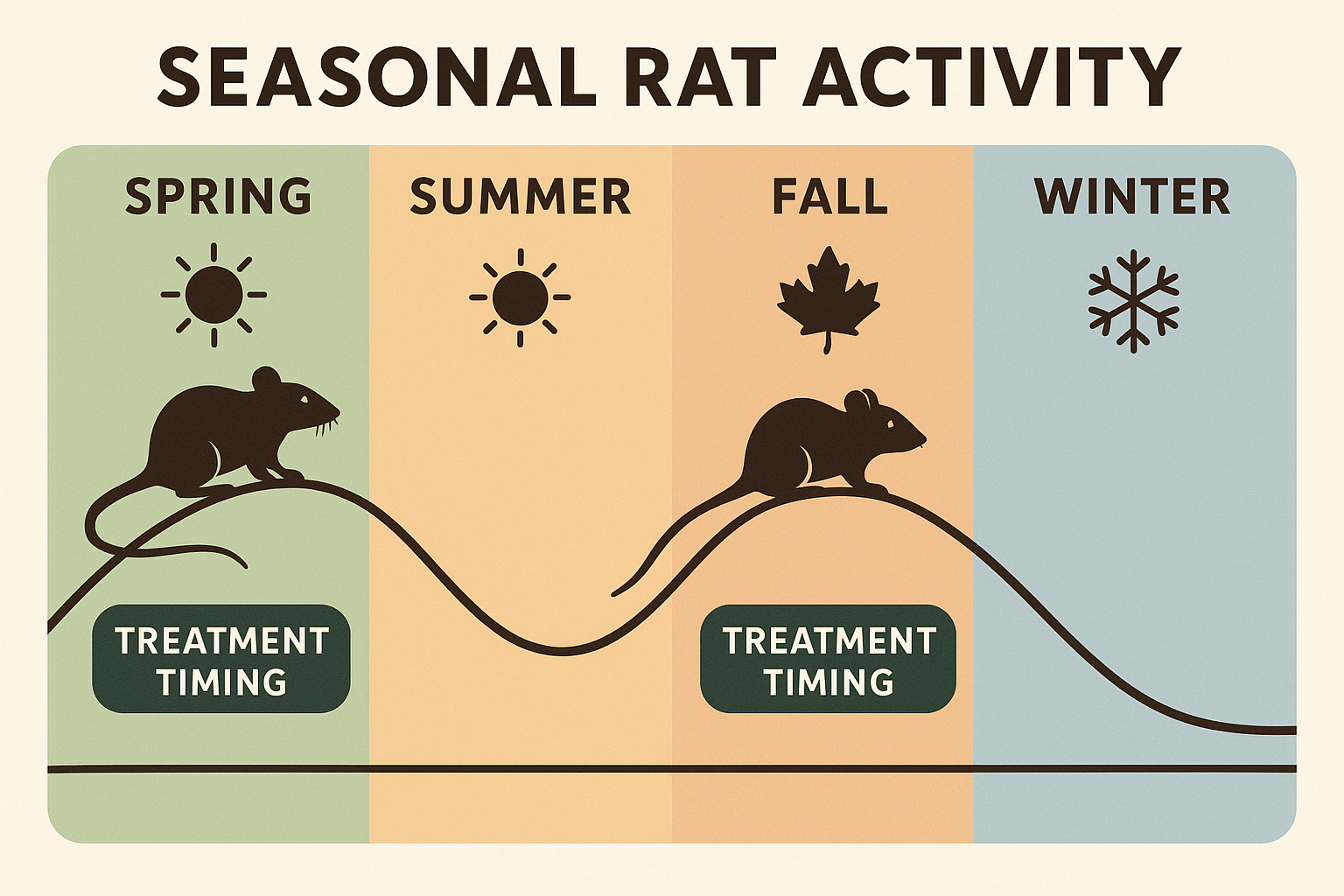
Rats can breed throughout the year, but the frequency spikes when temperatures rise above 50°F (10°C). A female can produce up to five litters annually, each with 6‑12 pups, and gestation lasts just 21 days. Warm weather accelerates metabolism, shortens gestation, and increases food‑seeking activity, which is why you’ll notice distinct seasonal surges.
Spring Peak: Nipping the Nesting Boom
As soon as the soil thaws and outdoor vegetation flourishes, rats seize the opportunity to build new nests. By early April, you’ll often see a dramatic rise in sightings and gnaw marks. Treating during this window—ideally before the first major breeding cycle—disrupts nest formation and prevents a population explosion that can overwhelm a home later in the summer.
Summer Lull: Heat‑Driven Indoor Migration
Mid‑summer brings a temporary dip in outdoor activity because extreme heat drives rats to seek cooler, shaded environments. While the overall numbers may decline, the risk of indoor migration rises as rodents look for air‑conditioned spaces and readily available water sources. Maintaining exclusion barriers and conducting a focused interior inspection during this lull is crucial to stop rats from establishing a permanent foothold.
Fall Surge: Seeking Shelter Before Winter
When temperatures start to drop in September and October, rats begin a frantic search for warm shelter. They’ll infiltrate attics, crawl spaces, and wall voids, often squeezing through gaps as small as a quarter‑inch. This is the ideal time to seal entry points, reinforce foundation cracks, and apply a pre‑winter baiting program to eliminate any newcomers before they settle for the cold months.
Winter Slowdown: Hidden but Not Gone
During the coldest months, rat activity appears to slow dramatically. However, they remain hidden deep within walls and insulation, surviving on stored food. Winter is the perfect season for vigilant monitoring—using snap traps, motion‑activated cameras, or professional inspection services—to ensure that no survivor slips through your defenses. Maintaining barriers and keeping food sealed are the only effective strategies until spring returns.
Recommended Treatment Schedule
Align your pest‑control actions with the seasonal activity chart below to maximize results and minimize unnecessary applications.
| Season | Typical Rat Activity | Recommended Action |
|---|---|---|
| Early Spring (March‑April) | Breeding surge, new nest construction | Full‑property inspection, exterior baiting, seal all entry points |
| Summer (May‑August) | Reduced outdoor activity, indoor migration | Interior trap placement, monitor high‑traffic areas, reinforce barriers |
| Fall (September‑October) | Search for shelter, increased indoor presence | Pre‑winter sealing, bait stations, final exterior treatment |
| Winter (November‑February) | Low visibility, hidden activity | Regular monitoring, maintain traps, keep food storage secure |
Professional Treatment Methods and What to Expect

When you call Anthem Pest Control, the first thing you’ll notice is a thorough, methodical approach that starts long before any chemicals are applied. Our certified technicians begin with a detailed walkthrough that covers every possible entry point—inside the home, in the attic, within crawl spaces, and around the exterior perimeter. By mapping out walls, utility openings, and landscaping features, we create a precise picture of where rats are nesting, traveling, and feeding.
Choosing the Right Control Strategy: Trapping, Baiting, or Fumigation
Not every rat problem calls for the same solution. Our team evaluates three core methods:
- Trapping is ideal for isolated infestations or when a homeowner prefers a non‑chemical approach. Snap traps and live‑capture devices are placed along established runways.
- Baiting becomes the go‑to when activity is widespread. EPA‑approved rodenticides are concealed in tamper‑resistant bait stations, ensuring that only target rodents have access.
- Fumigation is reserved for severe, structural infestations where nests are hidden deep within walls or voids. This method requires sealing the home and using a short‑acting gas that eliminates rodents quickly.
Our technicians explain the reasoning behind the chosen method, so you know exactly why a particular approach fits your situation.
Equipment and Materials You’ll See
During the service visit, you’ll notice a few key pieces of equipment:
- EPA‑approved rodenticides housed in locked bait stations.
- Heavy‑duty snap traps positioned in high‑traffic zones.
- Electronic monitoring devices that record trap activity and send real‑time data to our office.
- Protective gear—including gloves, goggles, and disposable coveralls—to keep both the technician and your family safe.
Safety Protocols: Protecting Pets, Children, and the Home
Safety is non‑negotiable. Before any product is placed, we:
- Discuss pet and child precautions, such as restricting access to bait stations.
- Wear certified protective equipment to prevent contamination.
- Label all treatment areas clearly and provide written instructions for post‑treatment handling.
After the service, we conduct a post‑treatment clearance walk to verify that all devices are correctly positioned and that no hazardous material is left exposed.
Follow‑Up Visits: Monitoring Success and Maintaining a Rat‑Free Home
One visit rarely solves a serious infestation. Our standard protocol includes:
- A 7‑day check‑in to replace any consumed bait and reset traps.
- A 30‑day comprehensive inspection that reviews trap logs, looks for new activity, and adjusts treatment zones as needed.
- A warranty period—usually 90 days—during which any re‑infestation is handled at no extra charge, provided the homeowner has followed our prevention guidelines.
From First Call to Final Clearance: A Real‑World Timeline
Day 1 – Initial Contact: You call, we schedule a same‑day or next‑day appointment, and gather basic info about the infestation.
Day 2 – On‑Site Inspection: The technician conducts the walkthrough, identifies hotspots, and presents a tailored treatment plan.
Day 3 – Treatment Day: Depending on the chosen method, we set traps, install bait stations, or, in rare cases, perform a sealed fumigation.
Day 10 – First Follow‑Up: We replace depleted bait, retrieve trapped rats, and adjust device placement.
Day 30 – Comprehensive Review: A full inspection confirms that activity has ceased. We discuss long‑term prevention steps, such as sealing entry points and landscape modifications.
Day 90 – Warranty Check: If any new signs appear, we revisit the property at no additional cost, reinforcing the barriers that keep rats out.
By the time you reach the final clearance, you’ll have a clear understanding of what was done, why it worked, and how to keep your Brookhaven home rat‑free for years to come.
Protect Your Home – Next Steps with Anthem Pest Control
Why early detection, smart pricing, and timing matter
Spotting a rat problem before it spreads saves you money, protects your family’s health, and prevents structural damage. Choosing the right pricing plan—whether a one‑time treatment or a seasonal protection package—ensures you only pay for what you truly need. And because rats are most active in spring and early fall, scheduling service at the right time maximizes the impact of every application.
The Anthem advantage
When you call Anthem Pest Control, you’re partnering with licensed technicians who know Brookhaven’s neighborhoods inside out. Our transparent pricing lets you see exactly what each service includes, eliminating surprise fees. We combine local expertise with a satisfaction guarantee, so you can trust that the job is done right the first time. From safe rodent baits to discreet exclusion work, every solution is tailored to your home’s layout and your budget.
How to schedule your inspection
- Pick up the phone and dial 877‑371‑8196.
- Visit our website and fill out the quick online form.
- Email us at info@anthempest.com with your address and preferred time.
Our friendly staff will confirm a convenient slot, send you a reminder, and prepare any paperwork you’ll need for the visit.
What to expect from our team
Our team will assess your property, recommend the most cost‑effective solution, and keep your home rat‑free year‑round. We’ll walk you through the treatment plan, explain safety measures, and provide a clear timeline so you know exactly what’s happening at each step.
Ready for a rat‑free home?
Visit Anthem Pest Control for more information and to request your free quote. Let us handle the rodents while you enjoy peace of mind.