
Why Druid Hills Homeowners Need to Worry About Rats
Druid Hills sits just north of Atlanta, nestled among rolling hills, mature oak trees, and classic bungalow-style homes. The neighborhood’s leafy streets, spacious yards, and historic stone foundations create an inviting environment for families—but they also provide perfect shelter and food sources for unwanted guests like rats, making proactive rat control Druid Hills GA especially important. With a mix of older structures and lush landscaping, the area offers countless hidden pathways for rodents to slip in and set up shop. The nearby creek and the cluster of mature maple trees create moist micro-habitats that rats love, turning a beautiful yard into a hidden runway for gnawing pests.
How common is the rat problem?
According to the Centers for Disease Control and Prevention (CDC), an estimated 1 in 3 American households reports seeing a rodent at least once a year. The Environmental Protection Agency (EPA) adds that urban and suburban regions with dense vegetation see rodent activity rates up to 45 % higher than rural areas. In Fulton County, where Druid Hills resides, city‑wide rodent complaints have risen by 12 % over the past two years, signaling a growing local trend that homeowners can’t afford to ignore. A 2023 Druid Hills Homeowners Association survey recorded a 15 % rise in resident‑reported rodent sightings compared with the previous year, underscoring a local surge that mirrors national trends.
Health risks that hit home
Rats are more than a nuisance; they are carriers of serious diseases. Hantavirus, transmitted through inhaled particles of rat urine or droppings, can cause severe respiratory illness. Leptospirosis spreads when contaminated water contacts broken skin or is ingested, leading to fever, muscle pain, and even kidney failure. Salmonella bacteria, often found on rat fur, can contaminate kitchen surfaces and cause food‑borne illness. Beyond infections, many residents experience allergic reactions to rat dander and shed hair, triggering sneezing, itching, and asthma attacks. Children and seniors are especially at risk, as their developing or compromised immune systems can turn a mild exposure into a serious medical emergency.
Economic damage you’ll feel in your wallet
Rats chew through almost anything that contains cellulose, which includes wood framing, drywall, and even insulation. Their gnawing on electrical wiring poses a fire hazard and can force costly repairs. In a typical Druid Hills home, a single infestation can damage siding, garden beds, and underground irrigation lines, resulting in repair bills that easily exceed $2,000. Landscaping takes a hit too—burrowing rodents destabilize soil, uproot plants, and create unsightly mounds that diminish curb appeal and property value. Even the foundation can crack when rats tunnel beneath slabs, leading to costly concrete repairs that easily add another thousand dollars to the bill.
What you’ll learn next
In the sections that follow, we’ll walk you through how to spot early signs of rat activity, understand seasonal patterns that dictate when infestations peak, and evaluate the most effective treatment options—from humane traps to professional baiting programs. We’ll also break down the cost considerations so you can budget for a solution that protects your home without breaking the bank. We’ll also outline realistic budgeting, showing typical treatment fees in Druid Hills ranging from $150 for a single‑visit inspection to $800 for a full‑scale eradication plan.
Spotting a Rat Infestation – Identification and Early Warning Signs
What a brown rat looks like
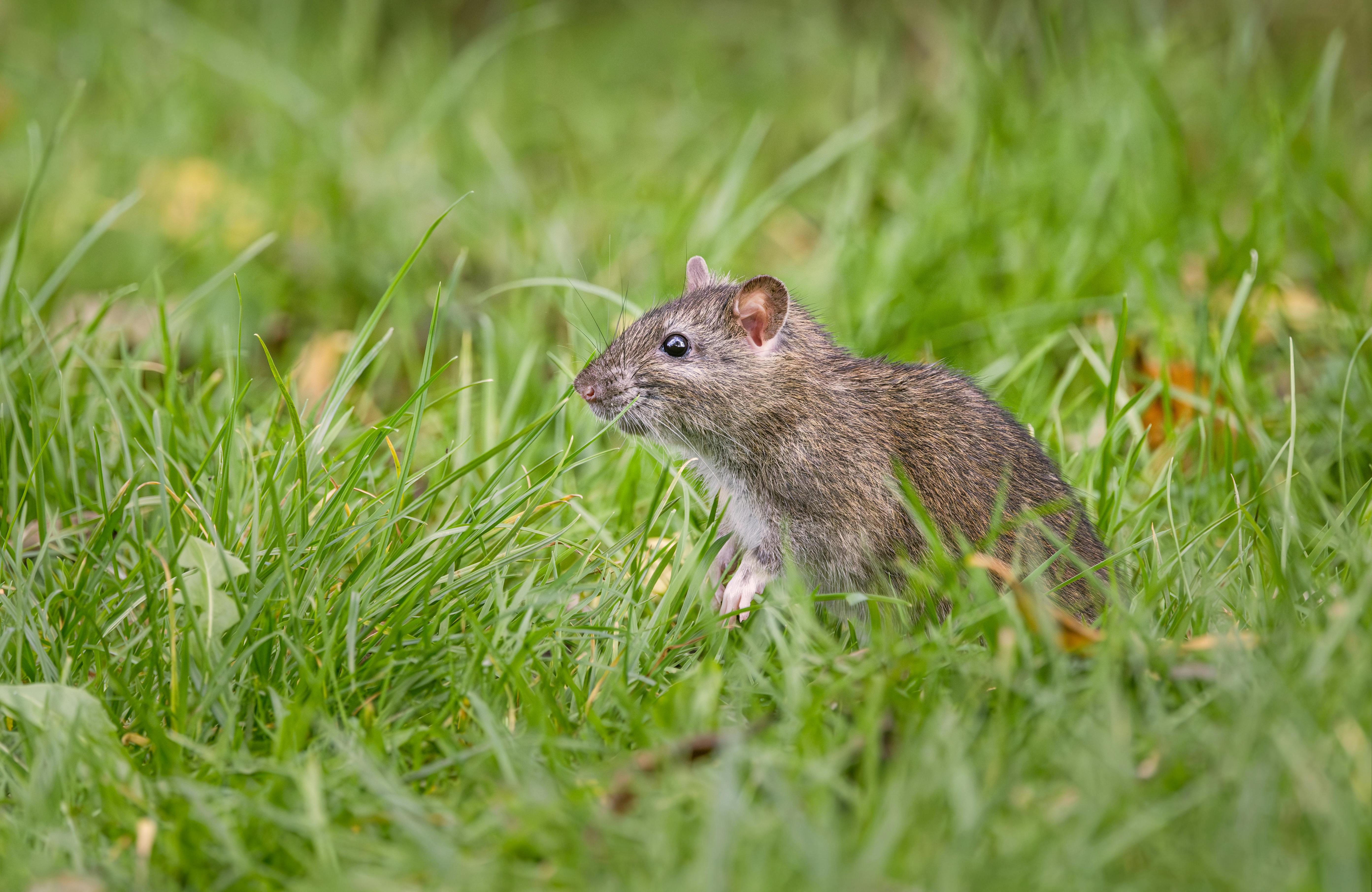
Brown rats (Rattus norvegicus) are the most common rodent you’ll encounter in Druid Hills. Adults measure 9‑11 inches from nose to tail tip, with a stout body about 3‑5 inches long and a thick, scaly tail that’s roughly the same length as the body. Their fur ranges from dark brown to a reddish‑brown hue, and they have small, beady eyes, prominent whiskers, and a blunt snout. Unlike mice, rats have a heavier build, a blunt rather than pointed head, and a tail that’s uniform in thickness – not tapered.
Typical entry points
Rats are skilled climbers and squeezers; they can fit through openings as small as a half‑inch. Common ways they get inside include:
- Gaps under exterior doors or sliding patio doors.
- Unsealed utility openings for water, gas, or electrical lines.
- Vents and chimney flues that lack proper mesh.
- Roof eaves, soffits, or damaged siding where they can climb and drop.
- Cracks around the foundation or in basement walls.
Visible signs of activity
Once inside, rats leave a trail of evidence. Look for:
- Droppings – ½‑inch, dark brown, capsule‑shaped pellets, often found along walls, behind appliances, or in pantry corners.
- Gnaw marks – Fresh, clean cuts on wood, plastic, or wiring; note that rat teeth leave a distinct V‑shaped bite.
- Chewed food containers – Cardboard boxes, cereal bags, or pet food bins with ragged edges.
- Urine stains – Yellowish, oily spots that may fluoresce under a black‑light.
- Nesting material – Shredded paper, fabric, insulation, or dried plant matter piled in hidden corners.
Audible clues
Rats are most active at dusk and during the night. Listen for:
- Soft scratching or scurrying sounds within walls, ceilings, or attic spaces.
- High‑pitched squeaks, especially when a rat is startled or moving through confined gaps.
How to tell rats apart from other critters
While mice, squirrels, and even raccoons can leave similar messes, a few details help you pinpoint rats:
- Size of droppings – Rat pellets are larger than mouse droppings (which are about ¼‑inch).
- Gnaw pattern – Rats chew in larger, more irregular circles; squirrels tend to gnaw on wood with a more uniform, shallow bite.
- Location – Squirrels are usually found in attics or roof spaces, whereas rats favor low‑lying walls, crawl spaces, and kitchen cabinets.
- Noise pitch – Rat squeaks are deeper than the high‑pitched chirps of mice.
Quick inspection checklist
Use this 7‑step walk‑through to catch an infestation early:
- Inspect exterior doors and windows for gaps wider than ½ inch.
- Check utility penetrations and seal any openings.
- Examine vents, chimney caps, and roof eaves for missing mesh.
- Look for droppings in pantry shelves, behind appliances, and in garage corners.
- Run a flashlight along baseboards and inside cabinets for gnaw marks or nesting material.
- Listen for nighttime scratching by standing quietly in the kitchen or living room.
- Record any findings and contact a professional pest service if you spot multiple signs.
Early detection saves you time, money, and stress. If you notice two or more of these clues, reach out to Anthem Pest Control for a thorough inspection and a tailored rat‑control plan.
When Are Rats Most Active in Druid Hills?
Breeding cycles and temperature’s role
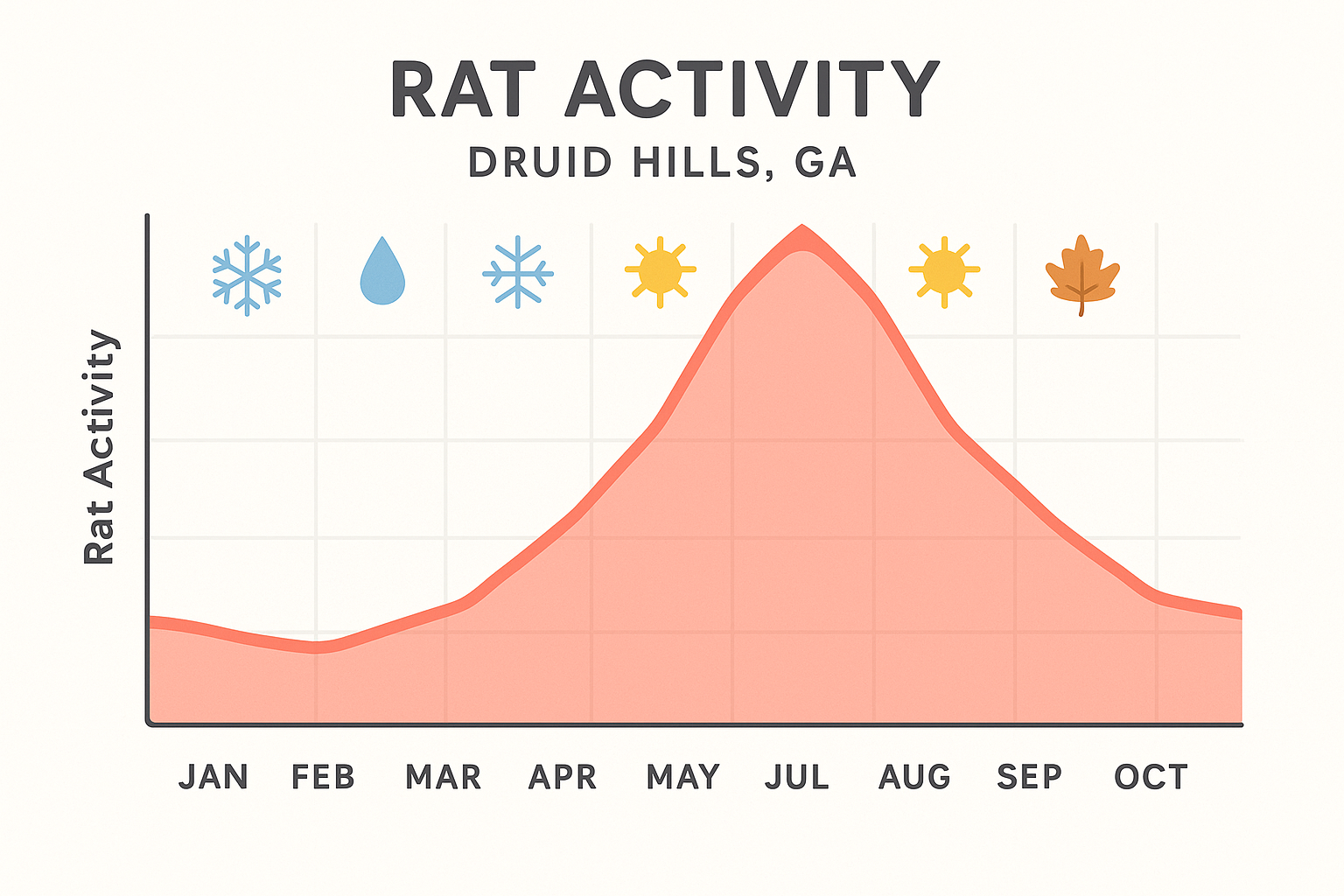
Rats breed year‑round, but their reproductive pace spikes when temperatures hover between 68°F and 80°F. In Druid Hills, these conditions typically arrive in early spring and linger through late summer. During warm months, a single female can produce up to five litters, each containing 6‑12 pups. The combination of abundant food, moisture, and shelter fuels rapid population growth, making the warm season the most critical period for homeowners.
Reading the seasonal line chart
The line chart above visualizes average rat captures per month over the past three years. Peaks appear in May, June, and July, reflecting the height of breeding activity. A noticeable dip occurs in December and January, when colder nights suppress foraging and breeding. The chart’s gentle rise in September‑October signals a secondary surge as rats seek indoor refuge before the first frost.
Local climate patterns and rat behavior
Druid Hills experiences warm, humid summers and relatively mild winters. High humidity supports the vegetation and ground cover rats love for nesting, while the summer heat drives them to seek cool, shaded burrows near homes. When winter temperatures dip below 50°F, rats retreat to heated structures, increasing indoor sightings. This climate‑driven shift explains why indoor activity spikes in late fall, even as outdoor numbers decline.
Indoor vs. outdoor activity by season
During spring and summer, most rats remain outdoors, foraging in gardens, compost piles, and storm drains. Homeowners may notice droppings in attics or crawl spaces, but direct contact is rare. As autumn approaches, the search for warmth pushes many rodents inside, where they exploit wall voids, basements, and pantry storage. In winter, indoor activity dominates; you might hear scurrying in walls or find gnawed insulation.
Seasonal inspection recommendations
- Early spring (mid‑March to early April): Conduct a thorough exterior sweep. Seal cracks, trim vegetation away from foundations, and clear debris that could harbor nests.
- Late summer (late August to early September): Re‑inspect for new entry points created by storm damage. Focus on roof eaves, soffits, and attic vents.
- Before winter (late October to early November): Perform an interior check. Look for signs of gnawing, droppings, and fresh burrows in basements, crawl spaces, and kitchen cabinets.
Following these checkpoints aligns your prevention efforts with the rats’ natural rhythm, reducing the chance of an infestation taking hold.
For a comprehensive, science‑backed guide on seasonal rodent prevention, visit the CDC’s rodent prevention page. It offers practical steps you can combine with Anthem Pest Control’s professional services to keep your home rat‑free year round.
Effective Treatment Options for Rat Control

When rats have made a home in your Druid Hills property, a one-size-fits-all approach rarely works, which is why professional rat control Druid Hills GA solutions focus on customized treatment plans. The most reliable way to protect your family, pets, and belongings is to follow an Integrated Pest Management (IPM) strategy. IPM blends prevention, monitoring, and targeted control methods, allowing you to keep the rodent population low while minimizing chemical exposure and long-term costs.
Mechanical Controls
Traps are the backbone of any DIY rat‑control plan. They provide immediate results and let you see exactly which animals you’re dealing with.
- Snap traps – Quick, inexpensive, and highly effective when placed along walls and near gnaw marks. Pros: No poison, instant kill, reusable. Cons: Requires careful placement to avoid accidental injury; can be unsettling for some homeowners.
- Electronic traps – Deliver a high‑voltage shock that kills instantly. Pros: Hygienic (no mess), reusable, often equipped with indicator lights. Cons: Higher upfront cost and need for battery replacement.
- Live‑catch traps – Capture rats unharmed for relocation. Pros: Non‑lethal, useful for humane‑focused households. Cons: Requires immediate release far from the home, and released rats may return if the source problem isn’t solved.
Chemical Controls
When mechanical methods fall short, rodenticides become a valuable tool—provided they’re used correctly.
- Rodenticides – Anticoagulant baits (e.g., brodifacoum) are the most common. They work slowly, allowing rats to return to their nests and share the poison.
- Bait stations – Tamper‑resistant boxes that protect children, pets, and non‑target wildlife while delivering the poison where rats travel.
- Placement tips – Position stations along walls, behind appliances, and in dark corners—areas rats consider safe pathways.
- Safety precautions – Follow EPA rodent‑pesticide guidelines: wear gloves, keep bait out of reach of children and pets, and never apply directly on food surfaces. Always read the label and consider professional placement for high‑risk environments.
Environmental Controls
Removing what attracts rats is often the most sustainable solution.
- Sanitation – Store food in sealed containers, clean up spills promptly, and manage compost or garbage bins with tight‑fitting lids.
- Eliminate water sources – Fix leaky pipes, clear clogged drains, and avoid standing water in pet dishes.
- Seal entry points – Inspect the exterior for gaps larger than ¼ inch. Use steel wool, caulk, or hardware cloth to block holes around vents, utility lines, and foundation cracks.
- Landscape management – Trim vegetation away from the house, keep firewood stacked off the ground, and remove debris that can serve as nesting material.
Professional Services
Sometimes the safest, fastest, and most thorough approach is to call a licensed pest‑control partner.
- Smoke treatments – Emit a harmless, rodent‑repellent smoke that forces rats out of concealed spaces, making follow‑up trapping easier.
- Scheduled baiting programs – Professionals rotate bait types and locations to prevent resistance and ensure continuous pressure on the population.
- Follow‑up monitoring – Technicians place tracking stations and conduct regular inspections, adjusting the plan as needed to keep rats at bay.
- Regulatory compliance – Certified applicators adhere to state and EPA regulations, guaranteeing that chemicals are applied safely and legally.
Safety Considerations for Families, Pets, and the Environment
Every control method should be weighed against potential risks. Mechanical traps pose a physical hazard if left where children play, while rodenticides can cause secondary poisoning if a pet ingests a dead rat. The EPA’s rodent‑pesticide guidelines stress proper labeling, secure storage, and prompt clean‑up of any spilled bait. When in doubt, schedule a professional assessment—Anthem Pest Control’s technicians are trained to protect both your home and the surrounding ecosystem while delivering lasting rat control.
How Much Does Rat Control Cost in Druid Hills?
What Drives the Price?
When you ask a pest-control pro for a quote, several variables shape the final number for rat control Druid Hills GA services. In Druid Hills, the most common factors are:
- Property size: Larger homes or multi‑unit buildings need more bait stations, traps, and labor hours.
- Infestation severity: A single sighting costs far less than a full‑blown colony that has nested in walls, attics, or crawl spaces.
- Treatment type: DIY kits, one‑time professional exterminations, and ongoing maintenance plans each have distinct price structures.
- Frequency of service: Monthly or quarterly follow‑ups add to the total but also reduce the chance of a re‑infestation.
Average Monthly Service Prices: Druid Hills vs. Neighboring Areas
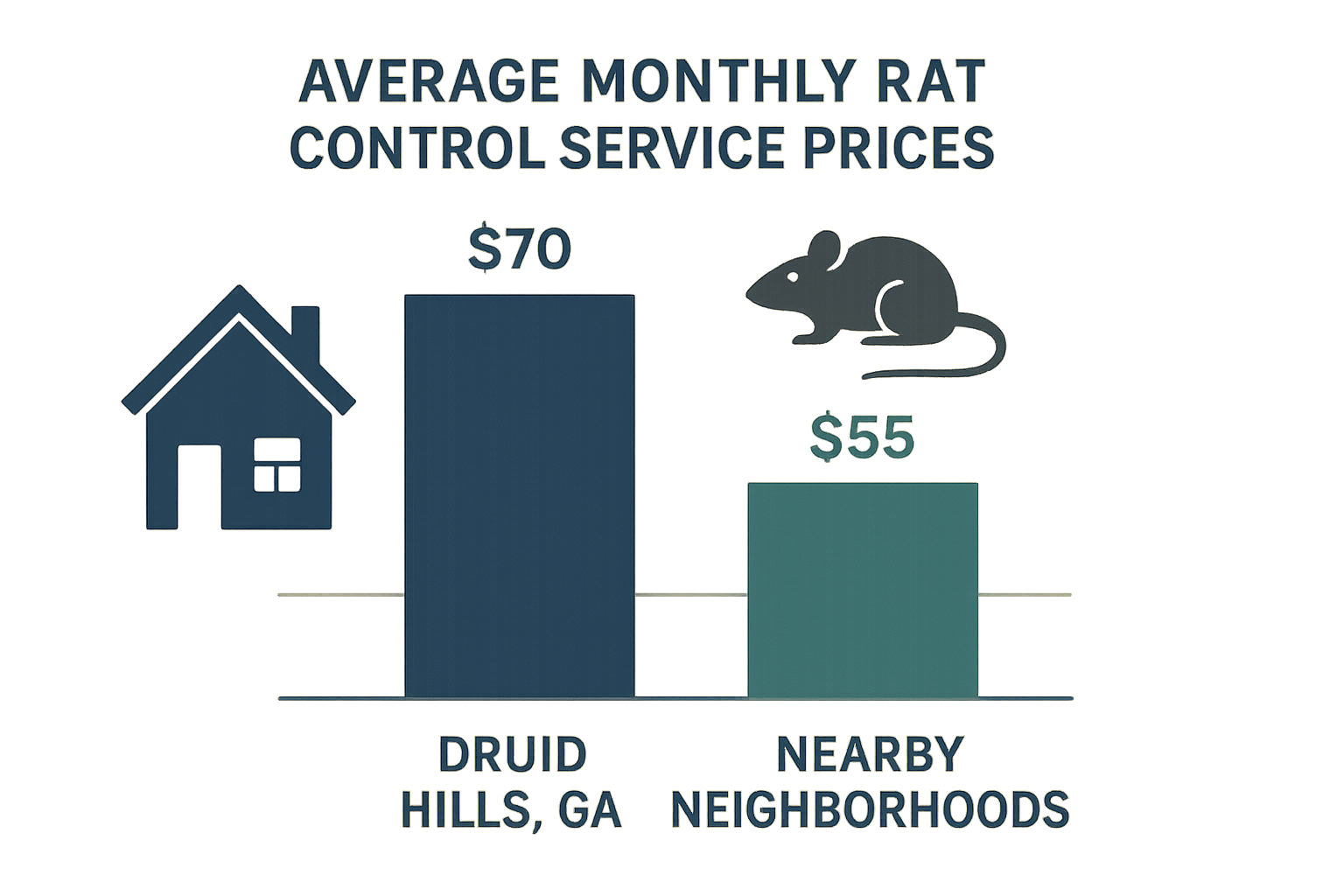
The bar‑chart above shows typical monthly fees for a comprehensive rat‑control package. Druid Hills averages $115 per month, slightly higher than nearby Brookhaven ($105) but lower than Decatur ($125). The differences reflect local property density, average infestation levels, and the prevalence of older homes that may need extra sealing work.
Typical Price Ranges
Understanding the spectrum of options helps you budget wisely:
- DIY kits: $30 – $80 per kit. These include snap traps, bait stations, and basic instructions. They’re best for minor, isolated sightings.
- One‑time professional treatment: $150 – $350. This covers an on‑site inspection, placement of traps or bait stations, and a follow‑up visit within two weeks.
- Ongoing maintenance plans: $90 – $130 per month. A recurring schedule typically includes quarterly inspections, seal‑up of entry points, and replenishment of bait.
What’s Included in a Transparent Quote?
At Anthem Pest Control, a clear estimate never leaves you guessing. A standard quote for Druid Hills homeowners includes:
- Comprehensive inspection of interior and exterior entry points.
- Identification of active nests and high‑traffic pathways.
- Professional placement of traps or bait stations, calibrated to your property’s size.
- Sealing of obvious gaps (e.g., foundation cracks, vent openings).
- One follow‑up visit to assess effectiveness and adjust treatment.
- Written warranty outlining service guarantees and any exclusions.
Industry Benchmarks
The National Pest Management Association (NPMA) conducts an annual price survey that sets the national median for rodent control at $120 per month for a full‑service plan. Druid Hills sits comfortably within that benchmark, confirming that local providers are neither overcharging nor under‑delivering.
Getting Accurate Quotes and Avoiding Hidden Fees
To protect your budget and ensure you receive value, follow these practical tips:
- Ask for a written breakdown: Every line item—inspection, treatment, seal‑up, follow‑up—should be itemized.
- Confirm the service frequency: Some companies quote a low upfront price but tack on extra visits later.
- Inquire about guarantees: A reputable firm will stand behind its work with a clear warranty period.
- Check for additional fees: Look out for travel surcharges, after‑hour rates, or “equipment fees” that weren’t disclosed initially.
- Get multiple estimates: Comparing three local quotes gives you leverage and a realistic price range.
By understanding the components that shape cost and demanding full transparency, you can budget confidently and keep Druid Hills homes rat‑free without surprise charges.
Protect Your Home Today with Anthem Pest Control
Rats aren’t just a nuisance in Druid Hills—they’re a genuine health and safety hazard. These clever rodents can gnaw through insulation, wiring, and structural wood, creating fire risks and costly repairs. Moreover, they carry diseases that can contaminate food and surfaces, putting your family at risk. Spotting the first signs—droppings, gnaw marks, or a fresh scent of urine—allows you to act before an infestation spreads, saving you time, money, and worry.
Druid Hills experiences seasonal rat activity spikes, especially in late summer when outdoor food sources dwindle and rodents seek shelter indoors. The most effective strategies align with these peaks: thorough inspection, targeted baiting, and strategic exclusion measures such as sealing entry points. Combining these tactics during peak months dramatically reduces the chance of a full‑blown invasion, while year‑round monitoring keeps your home protected long after the initial treatment.
That’s where Anthem Pest Control steps in. Our technicians are trained to identify the specific rodent species present, choose the safest and most effective products, and implement a customized exclusion plan. We pride ourselves on transparent pricing—no hidden fees, just a clear quote that matches the scope of work. Whether you need a quick knock‑down of an existing problem or a comprehensive prevention program, our team delivers results that meet both safety standards and your budget.
Ready to take the next step? Schedule a free, no‑obligation inspection and receive a detailed quote tailored to your home’s unique layout. Call us today at 877‑371‑8196 or visit anthempest.com to book online. Our friendly staff will arrange a convenient time, walk you through the findings, and explain every recommended action.
Don’t wait for the signs to multiply. Acting now with professional rat control Druid Hills GA means you’ll enjoy a pest-free home, peace of mind, and protection against the costly damage rats can cause. Let Anthem Pest Control handle the heavy lifting so you can focus on what matters most—your family’s comfort and safety. Reach out today, and let’s secure your home together.