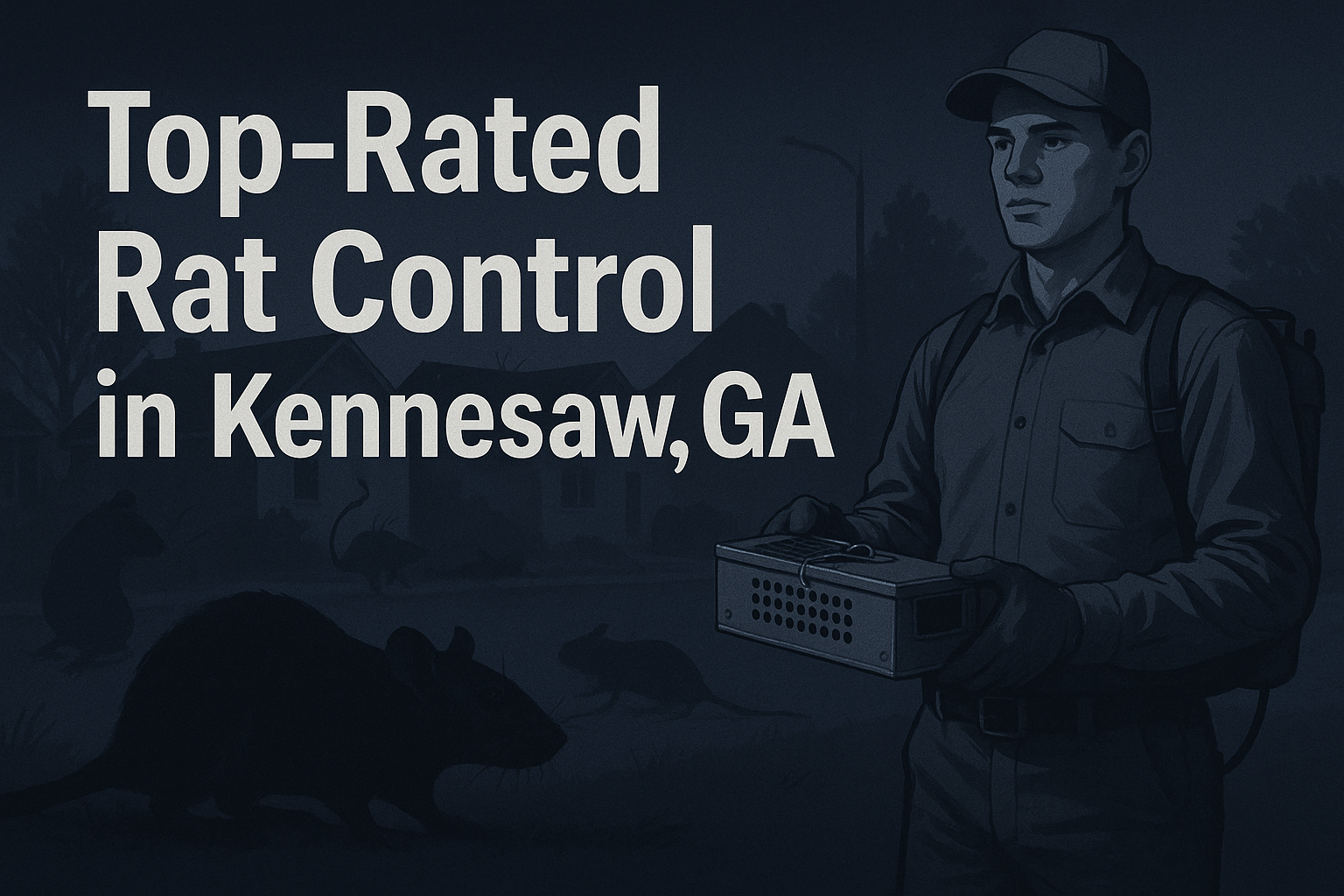
Rising Rat Complaints in Kennesaw: Why Homeowners Should Act
Just last week a family in Acworth’s Town Center neighborhood called us after spotting a pair of rats scurrying across their kitchen floor while dinner was still on the table. Across town, residents of Olde Town reported hearing nightly squeaks behind their walls, only to discover gnawed insulation and droppings in the attic. These stories aren’t isolated; they’re the latest signs of a noticeable surge in rodent activity throughout Kennesaw.
Health officials warn that a single rat can carry more than a dozen diseases, including leptospirosis, salmonella and hantavirus, each capable of turning a simple bite or inhaled droplet into a serious illness. At the same time, the physical damage is costly—gnawed electrical wiring creates fire hazards, while chewed insulation forces homeowners to replace entire sections of wall cavity, often running into hundreds of dollars in repairs.
Beyond the tangible risks, the presence of rats erodes peace of mind. Families start to dread hearing the faint rustle of whiskers at night, and the constant worry about contamination can strain even the most resilient household.
That’s why this guide breaks everything down for you: a transparent cost chart, the most effective treatment options, seasonal prevention tips, and a straightforward path to hiring Anthem Pest—your local experts who understand Kennesaw’s unique challenges.
Next, we’ll map out the current infestation landscape so you can see exactly where the hotspots are and why swift action matters.
What You Need to Know About Kennesaw’s Rat Problem
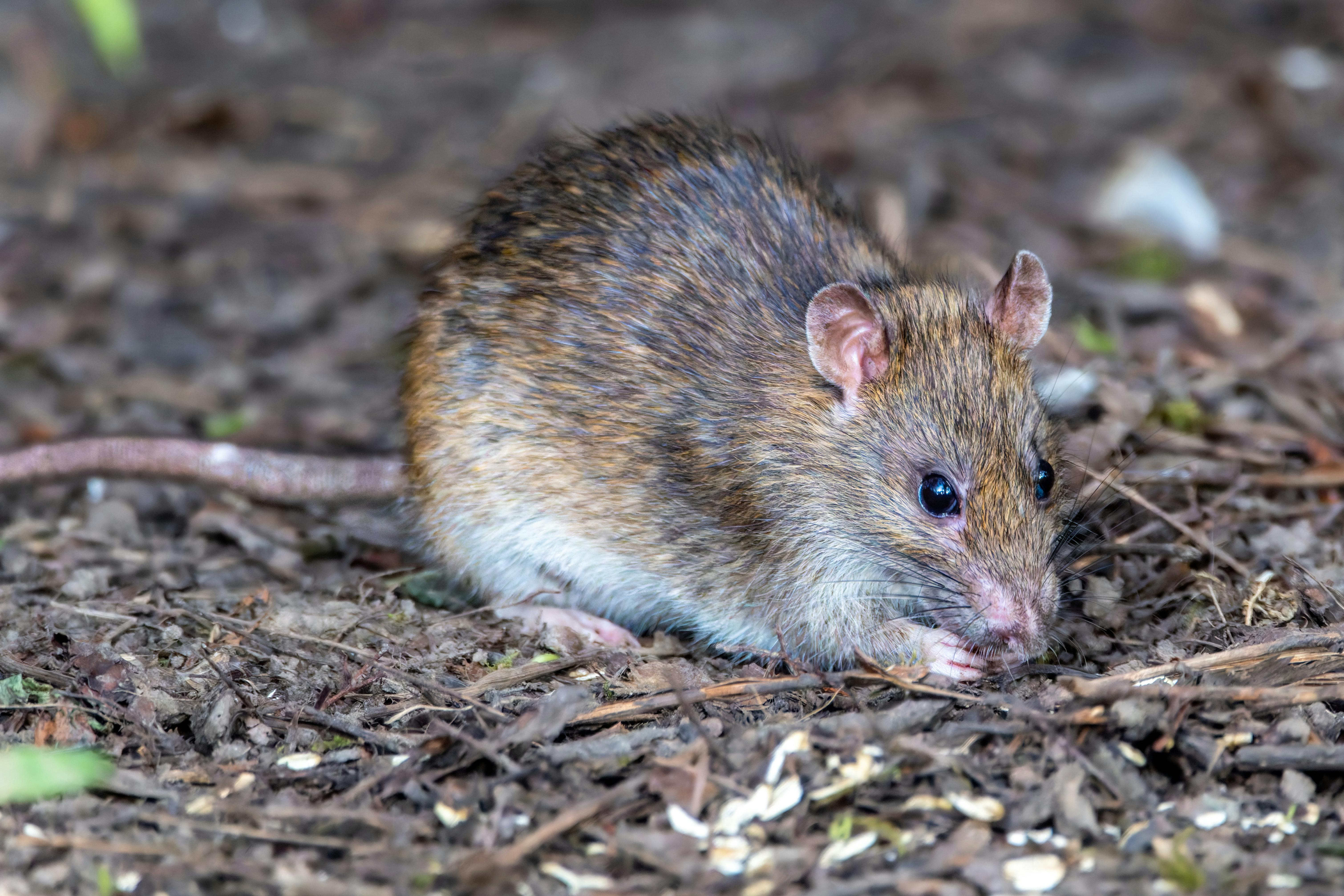
In Kennesaw, two rodent culprits dominate residential infestations: the Norway rat (Rattus norvegicus) and the Roof rat (Rattus rattus). Norway rats prefer ground‑level habitats—sewers, basements, and dense vegetation—while Roof rats are arboreal, nesting in attics, roof spaces, and elevated vegetation. Both species are opportunistic feeders, drawn to food scraps, pet food, and even garden produce.
The latest 2023 Kennesaw Health Department report documented a 12% increase in rodent‑related complaints compared with the previous year. This uptick reflects not only growing populations but also heightened awareness among homeowners who are learning to recognize the warning signs of an invasion.
Visual Signs That a Rat Is Inside Your Home
- Small, dark droppings—about the size of a grain of rice—found along baseboards, in cabinets, or near food containers.
- Gnaw marks on wood, plastic, or even electrical wiring, often appearing as clean, beveled cuts.
- Chewed or frayed wires, which pose a fire hazard as well as a sign of nesting activity.
- Fresh burrows or tunnels in garden beds, under decks, or along foundation walls.
- Nocturnal scurrying sounds, especially in walls, ceilings, or attic spaces.
Spotting these clues early can save you from costly damage. Droppings indicate a feeding site, gnaw marks warn of structural compromise, and chewed wires can trigger electrical failures or fires. Prompt identification lets a professional like Anthem Pest Control intervene before a small problem balloons into a full‑blown infestation.
Seasonal Peaks in Kennesaw
Kennesaw’s humid subtropical climate creates two peak periods for rat activity. In late spring (April–May), milder temperatures and abundant vegetation provide ideal breeding conditions. A second surge occurs in early fall (September–October) when rats seek shelter from cooling nights. Knowing these windows helps homeowners schedule inspections and preventive treatments at the most effective times.
Breaking Down the Price Tag: What You’ll Actually Pay

Inspection Fees – The First Step
Before any treatment begins, a certified technician will walk through your property to locate activity hotspots, entry points, and structural vulnerabilities. In the Kennesaw area, reputable companies charge between $120 and $180 for this comprehensive inspection. The fee typically includes a written report and a tailored action plan, so you know exactly what’s needed before you sign a contract.
Treatment Options & Associated Costs
Once the inspection is complete, you’ll choose a method that matches your budget and the severity of the infestation. Below is a quick cost snapshot for the most common solutions:
| Method | Unit Cost | Additional Service Fees |
|---|---|---|
| Snap traps | $15‑$30 each | None (DIY) or $30‑$50 for professional placement |
| Bait stations | $30‑$60 per unit | $150‑$250 installation & monitoring |
| Exclusion & sealing | – | $200‑$500 (depends on home size and number of entry points) |
Snap traps are the most budget‑friendly, but they require regular checking and proper placement. Bait stations provide continuous protection but carry a higher upfront service charge. Exclusion work—sealing gaps, repairing vents, and reinforcing doors—often represents the most effective long‑term investment, especially for larger homes.
Ongoing Monitoring Contracts
Many homeowners opt for a monthly monitoring plan to keep rodents at bay year‑round. Expect to pay $30‑$60 per month, which includes routine inspections, trap servicing, and any necessary adjustments. This predictable expense can save you from costly emergency calls later on.
National Benchmark – EPA Data
The U.S. Environmental Protection Agency reports a national average cost of $250‑$400 for professional rodent control [EPA Rodent Control]. Your Kennesaw quote will likely sit within this range, but transparent pricing lets you compare apples to apples.
Hidden Costs of DIY Failures
While a DIY approach might seem cheap, failed traps or improperly placed bait can lead to hidden expenses:
- Property damage: Rats gnaw electrical wiring, insulation, and structural wood, potentially triggering fire hazards or costly repairs.
- Health risks: Exposure to rodent droppings can cause Hantavirus, leptospirosis, and allergic reactions, which may require medical attention.
- Repeated service calls: Ineffective DIY methods often mean you’ll need a professional to clean up after the fact, inflating the overall bill.
Anthem’s Upfront Pricing Sheet
Anthem Pest Control believes in clear, no‑surprise quotes. Our pricing sheet breaks down each service line‑item, so you know exactly what you’re paying for—whether you choose a single bait station or a full‑scale exclusion project.
From Traps to Bait Stations: Choosing the Right Treatment
Snap, Live‑Catch, and Electronic Traps
Snap traps remain the most cost‑effective option for quick kills. They work best along walls, behind appliances, and in dark corners where rats travel. Position the trigger plate perpendicular to the rodent’s path and use a strong bait such as peanut butter or dried fruit.
Live‑catch traps are ideal for homeowners who prefer a humane approach. Place them near active runways and check them at least twice daily to prevent stress‑related deaths. Remember to release captured rats at least two miles away from your property, as required by Georgia wildlife regulations.
Electronic traps deliver a swift, high‑voltage shock and eliminate the mess associated with snap traps. They are safe for families when placed out of reach of children and pets. For maximum success, locate them along established runways and use a small amount of bait to trigger the sensor.
Bait Stations and Anticoagulant Rodenticides
Bait stations protect users by enclosing the poison inside a tamper‑resistant box. EPA‑registered anticoagulants such as bromadiolone or difethialone are the most common choices because they cause internal bleeding that rats cannot detect.
Proper handling is critical: wear disposable gloves, keep stations out of reach of children and non‑target wildlife, and label each unit with the product name and expiration date. Rotate active stations every 30 days to maintain efficacy and comply with local regulations.
Exclusion: Sealing the Entry Points
Even the best traps won’t solve a problem if rats can slip back in. Start by inspecting the foundation, vents, and utility openings. Install door sweeps on exterior doors, use steel wool or copper mesh to fill gaps, and cap chimney flues with a stainless‑steel screen.
Seal any cracks larger than ¼ inch with cement or expanding foam. Remember that rats can chew through soft materials, so opt for metal flashing or hardware cloth for long‑term protection.
Integrated Pest Management (IPM) Approach
IPM blends monitoring, sanitation, and targeted treatment for sustainable control. Begin with a thorough inspection, then reduce food and water sources by storing grain products in airtight containers and fixing leaky pipes.
Combine traps with strategically placed bait stations, and follow up with exclusion work. This synergy lowers the rat population while minimizing chemical use, aligning with Anthem Pest Control’s commitment to safe, effective solutions.
Case Study: Two‑Step Bait‑and‑Exclusion Success
A Kennesaw homeowner reported a persistent rat sighting problem. After a professional inspection, we implemented a two‑step program: first, we set bait stations along the perimeter and interior runways for three weeks; second, we sealed over 20 entry points identified during the inspection.
Within four weeks, the homeowner observed an 85 % reduction in activity, confirmed by fewer droppings and no new sightings. The combined strategy demonstrated how proper placement and exclusion can dramatically improve outcomes.

Local Expertise Meets National Standards
When you call Anthem Pest Control in Kennesaw, you’re not just hiring a neighborhood handyman—you’re partnering with a company that carries the weight of national certifications while keeping its foot firmly planted on the streets of Cobb County. Our technicians arrive in your driveway knowing the specific rodent pressures of Kennesaw, Acworth, Marietta, and the surrounding neighborhoods, yet they apply the same rigor and best‑practice standards that the industry’s top professionals follow across the United States.
National Certifications Backed by Local Knowledge
Every technician on our crew is a National Pest Management Association (NPMA) member and holds an EPA‑approved pesticide applicator license. Those credentials mean we use products that have passed the strictest safety and efficacy tests, and we follow a treatment protocol that aligns with federal guidelines. In practice, this translates to a rat‑control plan that’s both aggressive enough to eradicate an infestation and gentle enough to protect your family, pets, and the environment.
Service Footprint You Can Trust
Our service area stretches beyond the city limits of Kennesaw. We regularly serve homeowners in Acworth, Marietta, Smyrna, and the nearby cul‑de‑sacs of East Cobb. By mapping local rodent activity patterns, we tailor each visit to the unique layout of your property—whether it’s a historic bungalow with crawl‑space access or a new construction home with a sealed foundation. That hyper‑local focus, combined with national best practices, ensures you get a solution that works for your specific situation.
Proof Points from Real Homeowners
- Google rating: 4.9 stars from over 200 verified reviews, reflecting consistent satisfaction with our speed, professionalism, and results.
- 2023 Homeowner Survey: 92% of respondents said they would recommend Anthem Pest to friends and family for rodent control.
- Many customers highlight our “quick response” and “no‑surprise pricing” as the biggest reasons they stay loyal.
Our Guarantee—Because Confidence Is Contagious
We stand behind every rat‑treatment with a 30‑day follow‑up inspection. If any rodent activity persists after the initial service, we’ll return at no extra charge and apply a free re‑treatment. This guarantee isn’t just a promise; it’s a safety net that lets you sleep soundly, knowing we’ll keep the problem solved—not just temporarily patched.
Transparency is a core value at Anthem Pest. To see exactly what you’ll pay before we even set foot on your property, view our detailed pricing sheet. No hidden fees, no guesswork—just a clear, upfront cost for a comprehensive rat‑control solution that protects your home and peace of mind.
Year‑Round Defense: Seasonal Rat Prevention for Kennesaw Homeowners
Rats are opportunistic, and Kennesaw’s varied climate gives them a chance to move in at any time of year. The smartest defense is a seasonal checklist that turns routine yard work into a proactive barrier. Follow the steps below, and you’ll keep your home uninviting to these unwanted guests all year long.
Spring Checklist
- Clear debris – piles of leaves, twigs, and discarded pallets are perfect nesting material. Rake them away and compost only in sealed bins.
- Trim trees and shrubs – overgrown branches that touch your roof provide a highway for rats to climb onto your attic.
- Inspect mulch – fresh mulch can hide burrows. Turn it over, remove any clumps, and consider using gravel near the foundation.
Summer Checklist
- Secure garbage cans – use tight‑fitting lids and keep cans on a concrete pad away from walls.
- Remove bird feeders – spilled seed attracts rats. If you must feed birds, place feeders on sturdy poles at least 10 feet from the house.
- Check outdoor lighting – bright lights draw insects, which in turn lure rats. Use motion‑sensor bulbs to limit nighttime illumination.
Fall Checklist
- Seal gaps – inspect exterior walls, vents, and utility openings. Use steel wool and caulk to close cracks larger than ¼ inch.
- Store firewood off the ground – stack wood on pallets and keep it at least 18 inches away from the foundation.
- Clean gutters – clogged gutters retain moisture, encouraging rats to nest under eaves.
Winter Checklist
- Inspect interior entry points – check around doors, windows, and the basement for new gaps caused by settling.
- Maintain heat barriers – keep crawl spaces insulated and ensure vent covers are intact to prevent rats from seeking warmth.
- Limit indoor food sources – store pantry items in sealed containers and promptly clean up crumbs after meals.
High‑risk neighborhoods such as the Kennesaw Mountain area feature dense foliage and older homes with more foundation cracks. Residents there should be especially diligent with tree trimming and gap sealing, as the surrounding woods provide a natural rat corridor.
| Season | Key Actions |
|---|---|
| Spring | Clear debris, trim trees/shrubs, inspect and turn mulch |
| Summer | Secure garbage cans, remove bird feeders, adjust outdoor lighting |
| Fall | Seal exterior gaps, store firewood off ground, clean gutters |
| Winter | Check interior entry points, maintain crawl‑space insulation, limit indoor food sources |
When DIY Works and When to Call the Pros
Success Rates
Recent data from the National Pest Management Association (NPMA) shows a stark contrast in outcomes: DIY snap‑traps or glue boards achieve roughly 45% success in eliminating a rat infestation, while a professionally‑managed Integrated Pest Management (IPM) program exceeds 85% success. The gap isn’t just numbers—it reflects the depth of inspection, bait placement precision, and follow‑up monitoring that only trained technicians provide.
Legal Limits on Rodenticides
The EPA classifies most rodenticides as restricted-use pesticides. Homeowners in Georgia may purchase only certain low‑toxicity baits, and many potent formulations are off‑limits without a certified applicator’s license. Attempting to use prohibited products can result in fines, liability for accidental poisoning, and even civil penalties if wildlife or a neighbor’s pet is harmed.
Safety First
Children, pets, and non‑target wildlife are the most vulnerable when toxic baits are scattered around a home. Even “safe” products can cause severe gastrointestinal distress if ingested. Professional crews use tamper‑proof stations, place baits in concealed voids, and follow strict de‑contamination protocols to keep your family out of harm’s way.
Cost‑Benefit Snapshot
| Scenario | Up‑Front Cost | Potential Hidden Costs | Overall Effectiveness |
|---|---|---|---|
| DIY traps & low‑tox bait | $30‑$80 | Repeated purchases, property damage, possible medical bills | ~45% success |
| Professional IPM | $250‑$500 (one‑time) | Minimal; warranty covers re‑treatments | >85% success |
Decision‑Making Flowchart
- Minor signs only (single droppings, occasional gnaw marks)
- Start with snap traps or live‑catch devices.
- Monitor for 7‑10 days.
- If activity stops, continue preventive measures.
- Extensive activity (multiple droppings, gnawing on wiring, burrows, or audible scurrying)
- Contact a licensed pest professional immediately.
- Expect a full inspection, targeted bait stations, and a follow‑up schedule.
In short, a DIY approach can buy you time when the problem is truly isolated. When the evidence points to a growing colony, the legal, safety, and cost advantages of professional IPM make it the clear choice.
Quick Answers to Common Rat Concerns
How long does a treatment take?
Our technicians typically spend 1‑2 hours conducting a thorough inspection, identifying entry points, and mapping activity hotspots. Once the plan is set, installing bait stations or snap traps adds another 30–60 minutes. Most homeowners see the entire process wrapped up within a half‑day visit. The quick turnaround lets you resume normal activities without prolonged disruption.
Will traps kill pets?
Pet safety is a top priority. We recommend placing pet‑proof snap traps behind appliances or in wall voids where cats and dogs can’t reach. Bait stations equipped with child‑ and pet‑resistant locks keep the poison sealed, eliminating accidental exposure. We also advise inspecting traps daily to ensure they remain secure. Always follow the placement guide we provide after service.
How often should I schedule follow‑up?
During the peak rat season (April through October) we advise a follow‑up visit every 30 days to reset traps and refresh bait. In the off‑season, a quarterly check‑in is sufficient to ensure no new activity has begun. Quarterly visits let us catch early activity before it escalates.
Are bait stations safe for children?
Yes, when you choose EPA‑approved stations. These units are tamper‑resistant and lock securely, preventing curious hands from accessing the bait. Keep stations out of reach—ideally mounted at least 4 feet high or in concealed wall cavities. For detailed safety guidelines, see the EPA FAQs on rodenticide safety.
What signs indicate a re‑infestation?
Watch for fresh droppings, new gnaw marks on wiring or wood, and an uptick in nocturnal scurrying or squeaking. If you notice these clues within a few weeks of treatment, give us a call so we can reassess and adjust your control plan. Prompt reporting helps us intervene before the population grows.
Take Action with Anthem Pest Control Today
At Anthem Pest Control, you’ve learned that our transparent pricing means you know exactly what you’re paying for, our proven treatment methods eliminate rats quickly, seasonal prevention keeps them out year‑round, and our expert support is just a call away.
What sets us apart is our deep Kennesaw knowledge, a 30‑day satisfaction guarantee, and EPA‑approved technicians who follow the safest protocols for your home and family.
Our technicians arrive on time, fully equipped, and conduct a thorough inspection that identifies entry points, nesting sites, and any hidden activity. Within minutes they’ll outline a customized action plan that fits your budget and timeline.
Ready to act? Schedule a free, no‑obligation inspection today—just call 877‑371‑8196 or visit our website to book online. Our team will assess your situation, recommend the right plan, and get you protected fast.
Don’t let rats jeopardize your family’s health or your property—let Anthem’s trusted experts safeguard your home now.