Why Rat Control Matters in Marietta

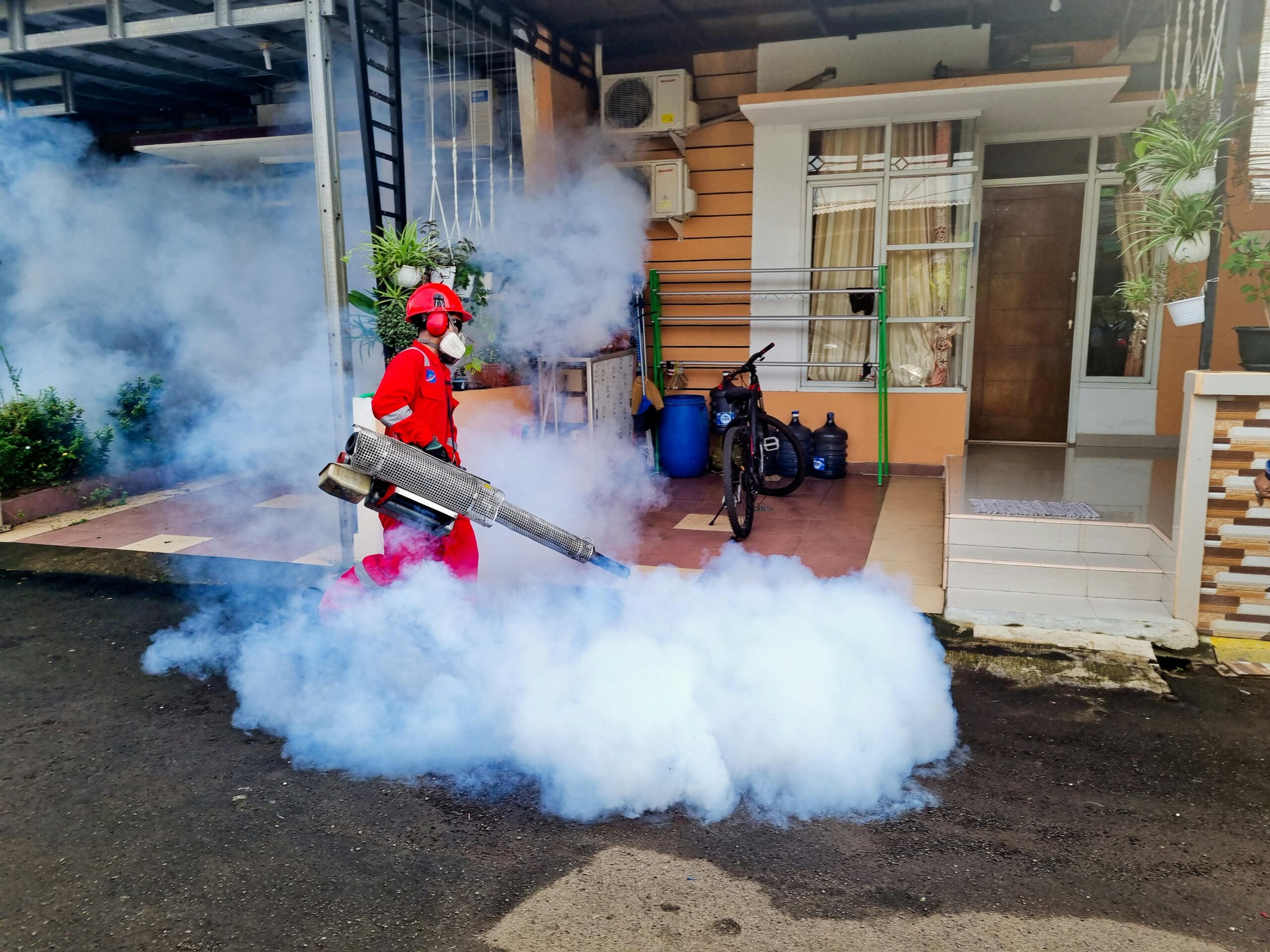
Rats are more than a nuisance; they are a serious health threat to every Marietta household. According to the EPA rodent health information, rodents are carriers of Hantavirus, salmonella, leptospirosis, and a host of other pathogens. A single bite or even inhalation of dust contaminated with rat droppings can trigger severe respiratory illness, while contaminated food surfaces spread salmonella, leading to gastrointestinal distress—highlighting the importance of professional rat control Marietta GA for protecting your home and family.
Beyond disease, rats wreak havoc on the structural integrity of homes. Their relentless gnawing can chew through wood, plastic, and even soft metals, compromising door frames, siding, and pipe insulation. When rats infiltrate attic insulation, they create gaps that reduce energy efficiency and increase utility bills. More dangerously, their habit of gnawing on electrical wiring creates hidden fire hazards that can ignite without warning.
Marietta’s humid subtropical climate and abundant green spaces provide an ideal breeding ground for rodents. Seasonal rains push rats indoors in search of shelter, while dense neighborhoods offer easy access to food sources such as pet feed, garbage, and garden produce. For homeowners, waiting until an infestation is visible often means dealing with extensive damage and costly medical bills.
- Health risks: Hantavirus pulmonary syndrome (up to 36% fatality rate) and salmonella infections affecting thousands annually.
- Property damage: Structural gnawing, insulation loss, and increased fire risk from chewed wiring.
- Local pressure: Marietta’s climate and urban layout accelerate rodent activity, making early intervention essential.
Proactive rat control isn’t just a precaution—it’s a safeguard for your family’s well‑being and your home’s longevity. Partnering with a local expert like Anthem Pest Control ensures you receive targeted, EPA‑compliant solutions that address both the immediate infestation and the long‑term prevention of future invasions.
Spotting the Signs of a Rat Infestation
What the rats look like
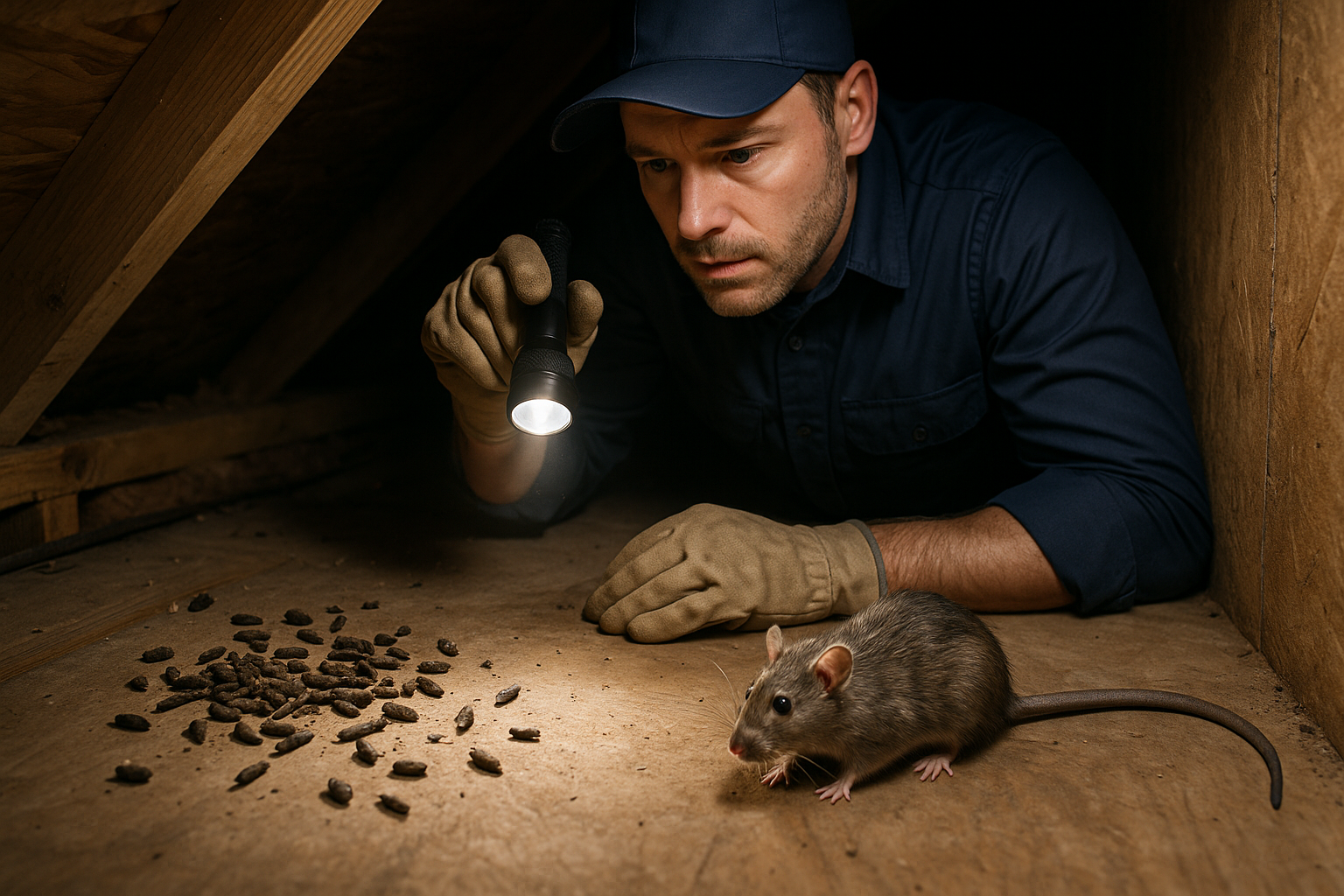
In Georgia, the two most common rodent culprits are the Norway rat (Rattus norvegicus) and the roof rat (Rattus rattus). Norway rats are stockier, with a blunt nose, short tail, and a brown‑to‑gray coat that tapers toward the tail. They favor ground‑level burrows, sewers, and dense vegetation. Roof rats are slimmer, have a pointed snout, longer tail that’s nearly as long as their body, and a sleek black‑to‑dark‑brown fur. They’re excellent climbers, often found in attics, roof spaces, and high‑up vegetation.
Hallmark signs of activity
- Gnaw marks: Fresh, clean cuts on wood, plastic, or wiring, usually about ¼‑inch wide. Norway rats tend to gnaw at ground‑level structures, while roof rats target elevated beams and insulation.
- Droppings: Dark, ½‑inch long pellets with blunt ends. A single rat can produce 30‑50 droppings per day, and they often appear in clusters along walls, under appliances, or near food sources.
- Greasy runways: Dark, oily smears along baseboards, behind cabinets, or in attic joists. These are the rats’ travel paths, and the grease helps them move silently.
- Nocturnal scurrying: Hearing rapid footfalls or squeaks after dark is a clear indicator, especially if the sound echoes from walls or ceiling voids.
Real‑world example from Kennesaw Mountain
A family in the Kennesaw Mountain neighborhood recently called us after noticing a sudden increase in droppings. Our inspection revealed roughly 30 droppings per square foot along the kitchen baseboard and in the attic insulation—far above the normal background level. The pattern matched roof rat activity, with droppings concentrated near ceiling joists and a greasy runway leading to a hidden entry point behind a vent cover.
Separating rat clues from other pests
While cockroach droppings are smaller, irregular, and often found near food spillage, rat pellets are uniform, larger, and tend to appear in straight lines. Termite mud tubes feel papery and are usually found on foundations, not in attic spaces. Additionally, gnaw marks from squirrels are larger and deeper, often accompanied by visible chew marks on exterior siding. By comparing size, location, and texture, homeowners can confidently pinpoint rat activity before it spreads.
When Rats Are Most Active in Marietta
According to the Centers for Disease Control and Prevention, rodent sightings in the Southeast surge during the late‑summer and early‑fall months (see the CDC’s rodent overview). In Marietta, the combination of lingering heat and the start of the rainy season creates ideal conditions for rats to leave their burrows in search of food and shelter.
Warm, humid months fuel breeding cycles
Rats breed year‑round, but the reproductive rate spikes when temperatures stay between 70 °F and 85 °F and humidity remains above 60 %. During July and August, a single female can produce up to five litters, each containing six to twelve pups. The rapid population growth means that a few unnoticed mice in June can become a full‑blown infestation by September if left unchecked.
Homeowner calendar for proactive control
Timing your prevention and treatment steps to match the rats’ life cycle saves you time, stress, and money. Below is a simple, month‑by‑month guide:
- Spring (March‑May): Seal entry points, trim vegetation, and schedule a professional inspection to catch early activity.
- Summer (June‑August): Conduct weekly visual checks, set snap traps or bait stations, and keep outdoor garbage tightly covered.
- Fall (September‑November): Perform a thorough “eradication sweep,” replace any compromised seals, and consider a one‑time rodenticide application under professional supervision.
Regularly inspect attics, crawl spaces, and garage corners for gnaw marks, droppings, or fresh burrows.
Early intervention cuts long‑term costs
Addressing a rat problem before the breeding peak reduces the number of animals you need to remove, which in turn lowers treatment fees and limits damage to insulation, wiring, and stored food. Homeowners who act in spring or early summer typically spend 30‑40 % less on follow‑up services than those who wait until the infestation is visible in the fall.
By aligning your pest‑management plan with the seasonal rhythm of rat activity, you protect your home more efficiently and keep your budget under control.
Proven Rat Control Methods Used by Anthem Pest
When a rat infestation strikes a Marietta home, you need a strategy that’s both thorough and affordable. Anthem Pest combines science‑backed techniques with local expertise to deliver lasting results. Below we break down the four core methods we employ, explain how they work, and compare their pros, cons, costs, and overall effectiveness.
Integrated Pest Management (IPM)
IPM starts with a detailed inspection to pinpoint entry points, nesting sites, and food sources. Our technicians then implement exclusion measures, improve sanitation, and set up ongoing monitoring stations. By tackling the problem at its source, IPM reduces the need for repeated chemical treatments and keeps your family and pets safe.
Baiting
We offer a range of baiting options, from classic snap traps to state‑of‑the‑art electronic traps. When chemicals are required, we use EPA‑registered rodenticides such as bromadiolone, applying them in tamper‑proof stations that meet strict safety guidelines. Proper placement and regular checks ensure maximum uptake while minimizing exposure to children and pets.
Trapping & Removal
Live‑catch traps let you relocate a rodent without killing it, ideal for homeowners who prefer a humane approach. Kill traps—including snap and electronic models—provide rapid results for severe infestations. Our team handles all removal, disposes of carcasses safely, and sanitizes the area to prevent disease spread.
Exclusion Techniques
Sealing cracks, installing steel mesh around vents, and fitting chimney caps are essential for long‑term protection. These physical barriers block rats from re‑entering your home, making future infestations far less likely. We prioritize durable, weather‑resistant materials that stand up to Georgia’s climate.
Method Comparison
| Method | Pros | Cons | Cost Range (USD) | Effectiveness |
|---|---|---|---|---|
| Integrated Pest Management | Holistic, reduces repeat visits, pet‑safe | Initial inspection time | $150–$300 | 85–95 % |
| Baiting (rodenticides & traps) | Fast kill rates, scalable for large sites | Requires careful placement, potential non‑target risk | $100–$250 | 75–90 % |
| Trapping & Removal | Humane options, immediate visual confirmation | Labor‑intensive, may need multiple trips | $120–$280 | 70–85 % |
| Exclusion Techniques | Long‑term barrier, no chemicals | Upfront material cost, may need structural repairs | $200–$400 | 90–98 % |
According to the NPMA 2023 rodent control efficacy study, integrated approaches that combine exclusion, sanitation, and targeted baiting achieve the highest long‑term success rates. Anthem Pest tailors each plan to your home’s layout and budget, ensuring you get the most effective solution without overspending.
Local Knowledge Meets National Standards
When a rat scurries through your attic, you need more than a quick fix—you need a partner who understands the quirks of Marietta neighborhoods while adhering to the strictest industry guidelines. At Anthem Pest, we combine deep local insight with certifications that set the bar nationwide.
Certified for Safety and Effectiveness
All of our technicians are EPA‑registered applicators. This designation means we are trained to use pesticides responsibly, follow federal safety protocols, and keep your family and pets protected during every treatment. The EPA registration also requires ongoing education, so our team stays current on the latest, most effective rodent‑control methods.
National Pest Management Association Membership
Anthem Pest is a proud member of the National Pest Management Association (NPMA). Membership grants us access to cutting-edge research, industry-wide best practices, and a network of pest-control professionals who share a commitment to ethical service. In practice, that translates to smarter inspection techniques, precise bait placement, and proven prevention plans that work long after the initial visit—ensuring reliable rat control Marietta GA solutions for your home or business.
Service Area You Can Trust
We don’t just serve a zip code; we know the streets, the older homes, and the new developments that
Simple Steps Homeowners Can Take Today
Taking a few simple steps now can dramatically reduce the chances of rats finding their way into your Marietta home.
- Keep garbage sealed and away from building perimeters. Use tightly‑fitting lids, store bins on a concrete pad, and keep them at least three feet from walls.
- Trim tree branches and vines that touch the roof. Overhanging limbs act as highways onto the attic; cutting them back removes a direct entry point.
- Store pet food in metal containers. Plastic bags can be chewed through; metal containers with airtight seals lock the scent inside.
- Repair leaky pipes and eliminate standing water. Moisture attracts rodents; fix drips, clear clogged drains, and ensure gutters direct water away from the foundation.
- Use steel wool or copper mesh for small holes. Stuff openings around vents, utility lines, and foundation cracks, then seal with caulk for a durable barrier.
Before you start, walk the exterior of your house with a flashlight and note any gaps larger than a quarter‑inch. Common culprits include gaps around utility lines, vent pipes, and the foundation. Filling these openings now prevents rats from squeezing through later.
When you combine these measures, you create multiple layers of defense that make your home unattractive to rats. Regularly inspect the perimeter after storms, replace damaged mesh, and keep the yard tidy to deny shelter.
Even with diligent DIY work, a single missed entry can lead to an infestation. If you notice gnaw marks, droppings, or noisy activity, contact Anthem Pest Control for a professional inspection and targeted treatment.
To help you stay on track, we’ve prepared a printable one‑page checklist. It’s available as a PDF you can download, print, and tick off as you complete each task. Print it, hang it on your refrigerator, and tick each item weekly for best results.
Rat Control FAQs for Marietta Residents
How long does a treatment last?
Most professional rat‑control programs in Marietta combine bait stations with structural exclusion. The bait itself remains effective for about 30‑45 days, giving you a full month of residual activity after placement. Exclusion work—sealing cracks, installing door sweeps, and repairing vents—doesn’t wear out; it lasts as long as the repairs remain intact. We typically schedule a follow‑up inspection four weeks after the initial service to confirm that the bait is still active and no new entry points have appeared.
Are rodenticides safe for children and pets?
Rodenticides approved for residential use are EPA‑registered and formulated to minimize accidental exposure. When we place bait stations, they are locked, tamper‑proof units positioned out of reach of children and pets—usually behind appliances, in garages, or inside sealed wall cavities. The EPA rodenticide guidelines require clear labeling, child‑resistant packaging, and strict placement practices, all of which we follow on every job. The low‑toxicity formulations used by Anthem Pest are designed to cause no harm when used as directed.
What is the warranty on exclusion work?
Our exclusion warranty is designed to give homeowners peace of mind. Anthem Pest typically guarantees that all sealed entry points will remain intact for 12 months after the service date. If a rat re‑enters through a location we previously treated, we’ll return at no extra charge to reassess, reseal, and, if necessary, re‑bait the affected area. The warranty does not cover damage caused by the homeowner’s own renovations or extreme weather that creates new gaps, but we’ll always advise you on how to maintain a rodent‑proof home.
Protect Your Home with Professional Rat Control
Early detection, prompt professional treatment, and a solid prevention plan are the three pillars that keep rats out of your Marietta home. Spotting droppings, gnaw marks, or unusual noises early lets a technician act before an infestation spreads, saving you time, money, and stress.
Professional rat control goes beyond a single bait or trap. Certified technicians assess entry points, identify nesting sites, and apply targeted solutions that meet both local regulations and national best practices. After the initial eradication, they set up ongoing monitoring and sealant work to block future invasions, giving you lasting protection.
Beyond the initial treatment, our technicians will walk you through simple, homeowner‑friendly steps—such as sealing foundation cracks, trimming vegetation away from the house, and storing food in airtight containers. These low‑cost actions, paired with our scheduled follow‑up visits, create a barrier that rats find impossible to breach.
Ready to take the next step? Schedule a free, no-obligation inspection or request a personalized quote today. Our Marietta team combines local knowledge with national best practices to keep your home rat-free with expert rat control Marietta GA services. Let us handle the hard work while you enjoy peace of mind.
Call now at 877‑371‑8196 or visit Anthem Pest Control to get started.