Recognizing Silverfish in Your Home
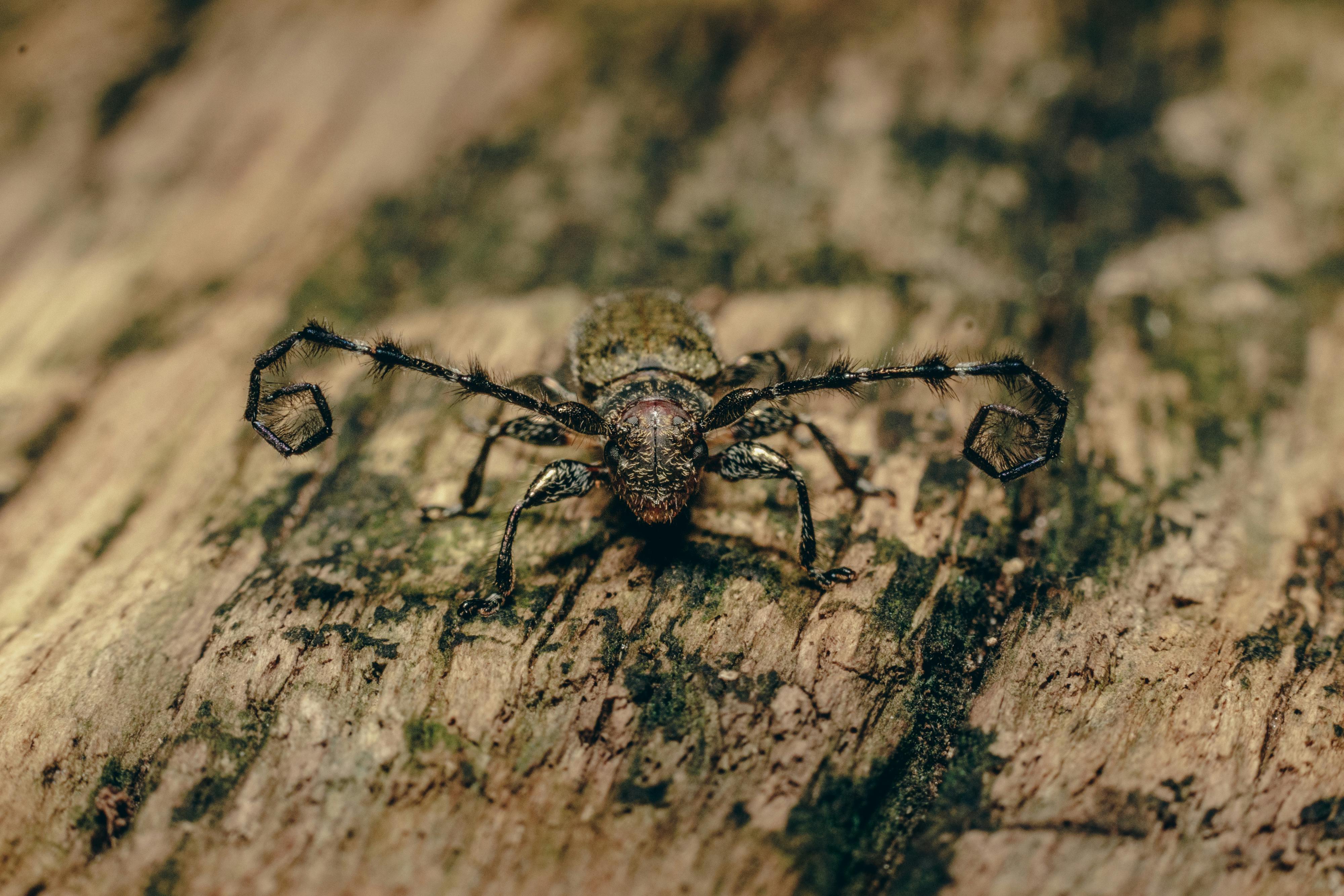
Silverfish are among the most easily overlooked pests because they move so quickly and hide in the smallest cracks. Knowing what they look like and where they love to linger is the first step in catching an infestation before it spreads and requires professional silverfish control Decatur GA homeowners can rely on.
What a Silverfish Looks Like
These tiny, wingless insects range from ½ to ¾ inch (12‑19 mm) in length. Their bodies are elongated and covered with tiny, overlapping scales that give them a silvery‑gray or bronze sheen. The most distinctive feature is their fish‑like motion: a rapid, undulating side‑to‑side crawl that can make them seem to glide across surfaces. Unlike many household bugs, silverfish have three long, bristle‑tipped tail‑like appendages that help them balance as they scuttle.
Where Silverfish Hide in a Georgia Home
In the humid climate of Decatur, silverfish gravitate toward areas that stay moist and dark. Typical hotspots include:
- Bathrooms – under sinks, behind tiles, and around shower stalls.
- Kitchens – pantry shelves, under appliances, and around leaky pipes.
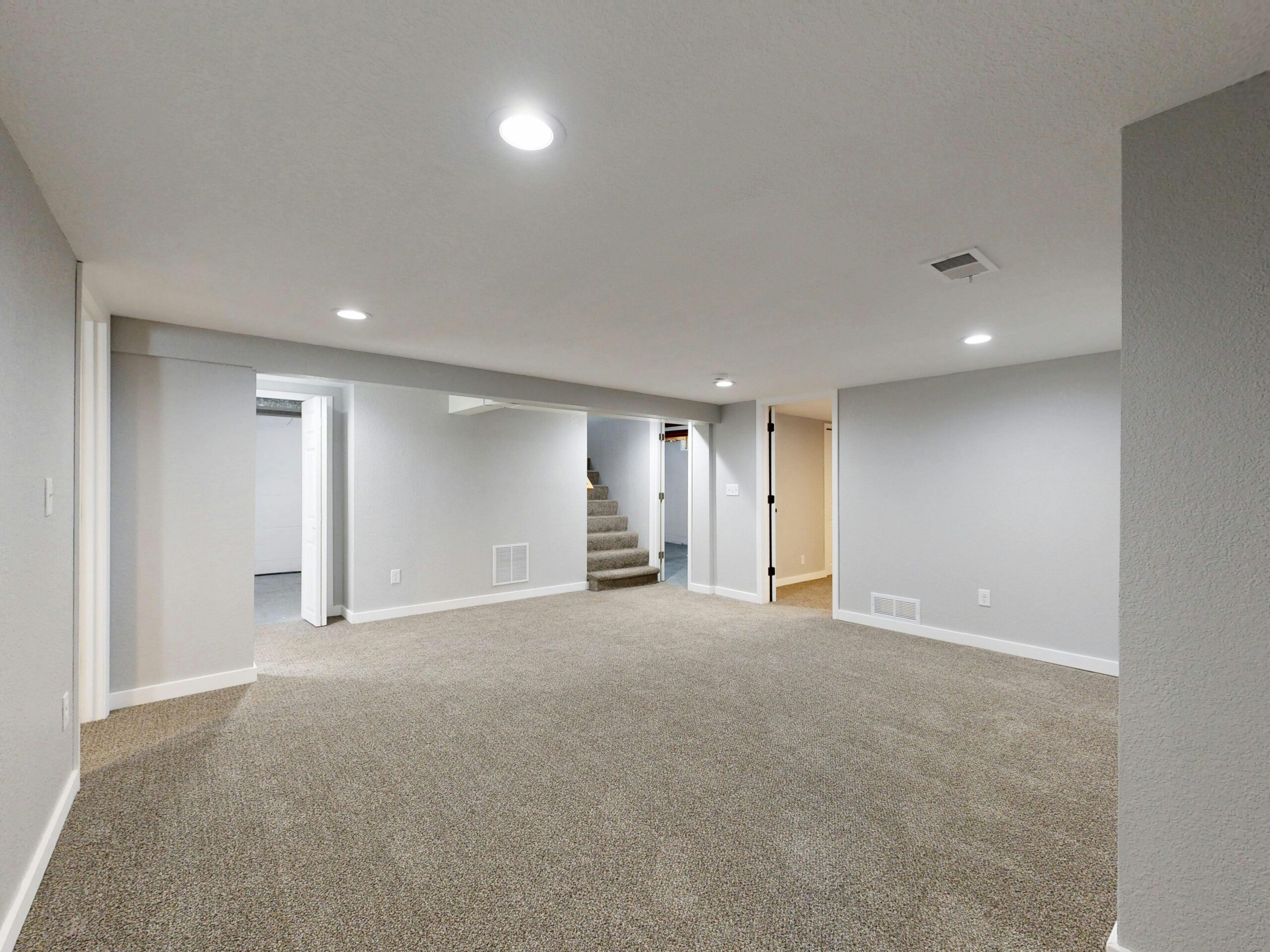
- Basements and crawl spaces – especially where concrete walls meet wooden framing.
- Wood trim and baseboards – the natural crevices provide shelter and a food source.
- Stacks of paper, books, or cardboard – the starches in these materials are a favorite snack.
Early Warning Signs of Silverfish Activity
Even if you haven’t seen a live specimen, several tell‑tale clues can alert you to their presence:
- Shed skins – tiny, translucent exoskeletons that look like fish scales.
- Fecal specks – small, pepper‑like droppings often found near food sources.
- Yellowish or brown stains – a result of the silverfish’s digestive enzymes on paper or fabric.
- Damage to fabrics, books, or wallpaper – irregular holes or ragged edges where they have fed on starches, sugars, or glue.
How to Differentiate Silverfish from Similar Pests
It’s easy to mistake silverfish for earwigs or small cockroaches, but a few key differences help you tell them apart:
- Earwigs have a pair of pincers (cerci) at the rear and tend to move in a more deliberate, straight line.
- Cockroaches are broader, have a flattened oval shape, and often display a glossy, reddish‑brown color.
- Silverfish are slender, lack wings, and display that characteristic side‑to‑side “wiggle” when they move.
Quick DIY Inspection Checklist
Use this short checklist during your next home walk‑through. If you tick more than a couple of boxes, it’s time to call a professional.
- Check under bathroom sinks and behind toilets for shed skins.
- Inspect kitchen pantry corners, especially near cereal boxes and flour.
- Feel baseboards and wood trim for tiny, silvery specks.
- Look at bookshelves, especially older volumes, for yellow stains or ragged pages.
- Examine basement corners and crawl‑space joists for moisture and any droppings.
- Listen for the faint rustling sound of silverfish moving at night – a subtle “shhh” can be a giveaway.
Spotting these signs early lets you act before silverfish multiply and cause noticeable damage. If you find multiple indicators, reach out to Anthem Pest Control at 877‑371‑8196 for a thorough inspection and a tailored treatment plan that protects your home year‑round.
Why Silverfish Pose a Unique Threat in Decatur, GA
Decatur’s humid subtropical climate fuels rapid silverfish growth
Decatur sits squarely in the humid subtropical zone, meaning warm temperatures and high relative humidity for most of the year. Silverfish thrive in environments where moisture is abundant; even a slight rise in indoor humidity can shorten their life cycle from several months to just weeks. Summer evenings often bring nightly dews, while the city’s occasional rainstorms leave basements and crawl spaces damp for days. Those moist conditions create a perfect breeding ground for silverfish, allowing populations to explode before homeowners even notice a single sighting.
Southern home features that invite silverfish
Many residences in Decatur were built decades ago and retain classic Southern design elements that unintentionally attract silverfish. Wooden baseboards, plaster walls, and exposed joist cavities provide the dark, protected crevices these insects love. Bathrooms and kitchens, where steam from showers and cooking accumulates, stay humid longer than other rooms, especially if ventilation is lacking. In older homes, gaps around pipe penetrations and unfinished attic insulation become highways for silverfish to move between the exterior and interior, further expanding their reach.
Potential damage to your home and belongings
While silverfish are not known to bite or spread disease directly, the damage they cause can be both costly and frustrating:
- Staining fabrics: Their tiny jaws chew on natural fibers like cotton, silk, and wool, leaving unsightly holes or yellowish spots.
- Ruining books and paper: Silverfish feed on starches and cellulose, meaning cherished novels, family photo albums, and important documents can become riddled with holes.
- Compromising stored food: Dry pantry items such as cereals, flour, and pet food become attractive snacks, leading to contamination and waste.
- Unsightly wall spots: Their excrement and shed skins accumulate in corners, creating dark specks that look like mold or mildew.
Health considerations for Decatur homeowners
Even though silverfish are not vectors for serious illness, they can still impact indoor air quality. Shed skins and fecal pellets become airborne allergens, especially for residents with asthma or sensitivities. When silverfish infiltrate food storage areas, they can introduce bacteria from their bodies onto pantry goods, raising the risk of foodborne irritation. For families with young children or pets, these subtle health concerns add another layer of urgency to early detection and control.
Local expertise backs up the data
Anthem Pest Control has tracked silverfish activity across Decatur for years, confirming that the city’s climate and home construction patterns create a perfect storm for these pests. Our recent blog post, Silverfish Control in Decatur, GA, cites local inspection reports that show a steady rise in sightings during the humid months. By leveraging that data, our technicians can tailor treatment plans—targeting moisture sources, sealing entry points, and applying low‑toxicity insecticides—to protect your home before silverfish cause irreversible damage.
Effective Silverfish Treatment Options
DIY Methods
Many homeowners start with over‑the‑counter solutions because they’re inexpensive and easy to apply. Common DIY tools include:
- Boric acid: A fine powder that adheres to silverfish trails and disrupts their digestive system. It works well in cracks and crevices but can be messy and must stay dry to remain effective.
- Diatomaceous earth (DE): Microscopic silica particles that pierce the insect’s exoskeleton, causing dehydration. DE is safe around pets when applied correctly, yet it loses potency in humid areas.
- Sticky traps: Glue‑coated cards placed near baseboards or pantry shelves capture wandering silverfish. Traps help confirm an infestation but do little to eradicate the colony.
Pros: Low cost, immediate availability, and a sense of control. Cons: Limited residual action, frequent re‑application, and potential exposure to children or pets if not handled carefully.
Professional Chemical Treatments
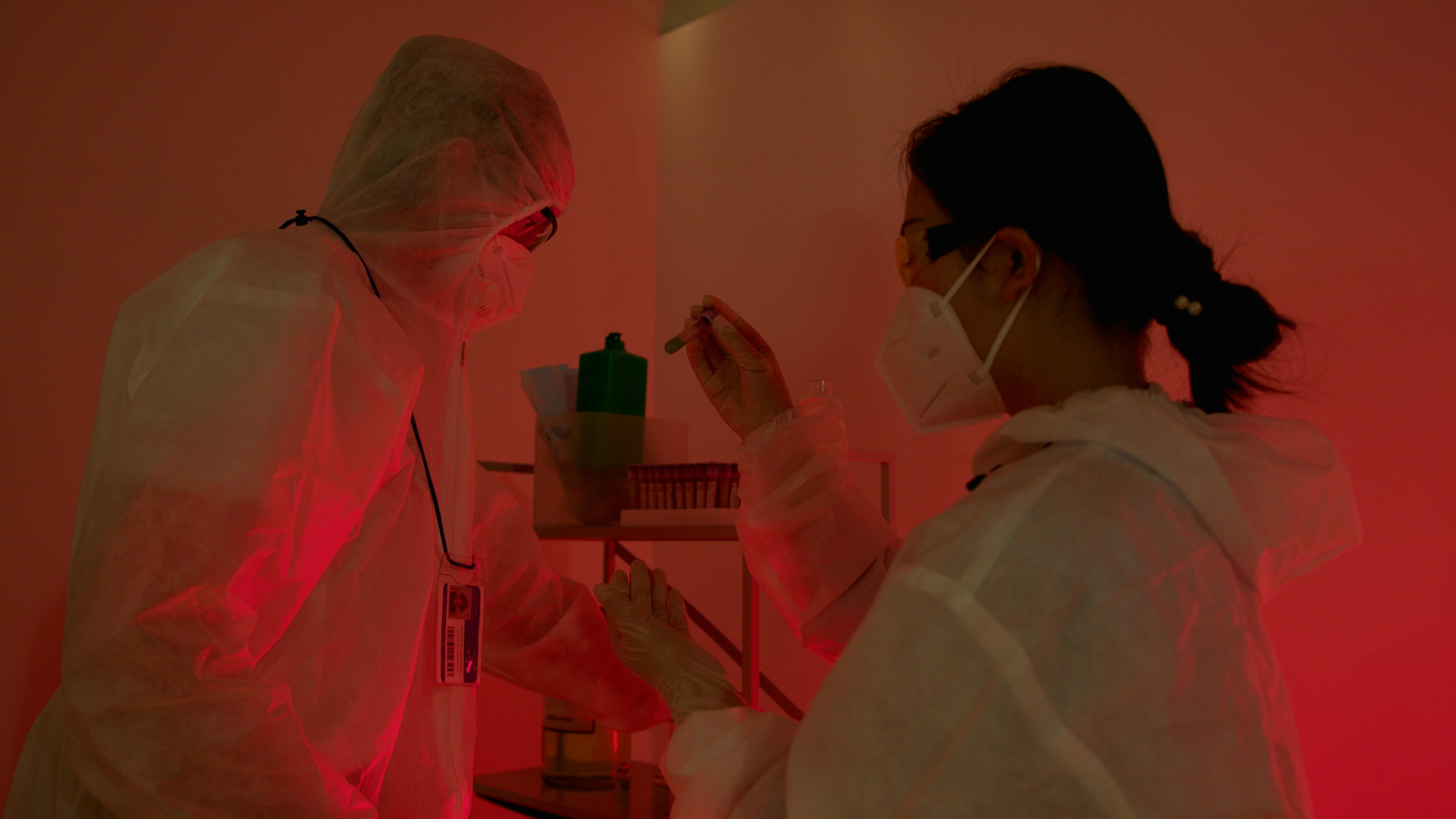
Licensed technicians bring EPA‑approved products that provide long‑lasting protection. The most effective formulations include:
- Residual sprays: Applied to baseboards, wall voids, and behind appliances, these sprays leave a protective barrier that kills silverfish on contact for weeks.
- Dusts (e.g., silica‑based or borate dust): Lightly dusted into voids, they remain active even after cleaning, targeting hidden insects that avoid surface sprays.
- Bait stations: Encased gels or granules that attract silverfish, allowing them to ingest a slow‑acting toxin that spreads through the colony.
Because professionals know the exact placement and dosage, these treatments reduce the risk of over‑application and ensure the chemicals reach the insects where they hide.
Non‑Chemical Options
When chemicals aren’t preferred, several physical or environmental strategies can suppress silverfish populations:
- Heat treatment: Raising indoor temperatures to 120‑130°F for several hours eradicates all life stages, especially in severe infestations.
- Dehumidification: Silverfish thrive in damp environments; using dehumidifiers or improving ventilation drops humidity below 50%, making homes less inviting.
- Structural sealing: Caulking cracks, installing door sweeps, and repairing leaky pipes remove the shelter and water sources they depend on.
These methods are safe for families and pets, but they often require a combination of steps and consistent maintenance to stay effective.
How Anthem Technicians Treat Silverfish
Anthem follows a systematic, evidence‑based process to ensure every hidden pocket is addressed:
- Inspection: A certified technician conducts a thorough visual and moisture assessment, identifying entry points, breeding sites, and high‑risk areas.
- Targeted application: Based on the inspection, the tech selects the optimal blend of residual spray, dust, or bait, applying it precisely to cracks, voids, and under appliances.
- Environmental adjustment: Recommendations for dehumidification, ventilation upgrades, and sealing are provided and, when requested, performed by Anthem staff.
- Follow‑up visit: Within 7‑10 days, a second visit confirms treatment success, re‑applies any needed products, and offers a customized prevention plan.
Safety Considerations
All Anthem products are EPA‑registered and formulated for indoor use around children and pets. Technicians wear protective gear, label treated areas, and provide clear post‑treatment instructions. Homeowners are advised to keep pets and small children away from treated zones for the recommended drying time—usually a few hours—before normal activity resumes.
Why Choose Anthem Pest Control
Hiring Anthem means you get more than a spray job:
- Trained staff: Every technician completes rigorous certification and ongoing education on the latest silverfish control techniques.
- Guaranteed results: Anthem stands behind its work with a satisfaction guarantee, offering free re‑treatment if silverfish reappear within the warranty period.
- Local expertise: Decatur homeowners benefit from technicians who understand regional humidity patterns, building styles, and common entry points specific to the area.
- Transparent pricing: A detailed estimate outlines all services, so there are no surprise fees.
By combining proven chemical options, non‑chemical safeguards, and a meticulous service protocol, Anthem delivers a comprehensive solution that DIY attempts simply can’t match.
Comparing Silverfish Control Pricing in Decatur
When you call a pest-control professional, the first thing you’ll hear is the price. For silverfish control Decatur GA homeowners typically encounter three basic pricing structures: a one-time service, a quarterly maintenance plan, or an annual protection package. Understanding what each option includes helps you match the service to your home’s needs and your budget.

| Package | Visits per Year | Follow‑up Inspections | Emergency Response | Typical Price Range |
|---|---|---|---|---|
| One‑time | 1 | None | Not included | $120 – $180 |
| Quarterly | 4 | 4 (one per visit) | Up to 2 emergency calls | $350 – $450 |
| Annual | 6 | 6 (including mid‑year check) | Unlimited emergency calls | $480 – $620 |
Factors that influence the final price
Even within the same package, the cost can shift based on three key variables:
- Home size: Larger square footage means more product and longer labor time.
- Infestation severity: A light, occasional sighting requires less chemical work than a full‑blown colony hidden in wall voids.
- Treatment type: Traditional sprays are usually cheaper than low‑dose heat or nitrogen‑based methods, which some homeowners prefer for safety.
Evaluating value beyond the price tag
Choosing the cheapest option can backfire if the service lacks critical features. Consider these quality indicators when comparing quotes:
- Response time: How quickly will a technician arrive after you report a new sighting?
- Warranty coverage: Does the plan guarantee a re‑treatment at no extra cost if silverfish return within the coverage period?
- Technician expertise: Certified technicians who specialize in indoor pests bring a deeper understanding of silverfish habits and hideouts.
Anthem’s transparent pricing model
Anthem Pest Control eliminates guesswork by presenting a clear, itemized quote for each package. The estimate lists exactly how many treatment visits, inspections, and emergency calls you’ll receive, along with any applicable discounts for multi‑year commitments. This upfront approach lets Decatur homeowners see the full value of their investment before signing any agreement.
Seasonal Silverfish Activity and Prevention Strategies
When you look at the seasonal line graph for silverfish in Georgia, the trend is unmistakable: activity climbs steadily in early spring, hits a broad peak from April through September, and then tapers off as winter sets in. The highest counts align with the warm, humid months when silverfish find the moisture they crave, while the dip from December to February reflects cooler, drier conditions that suppress their breeding cycles.
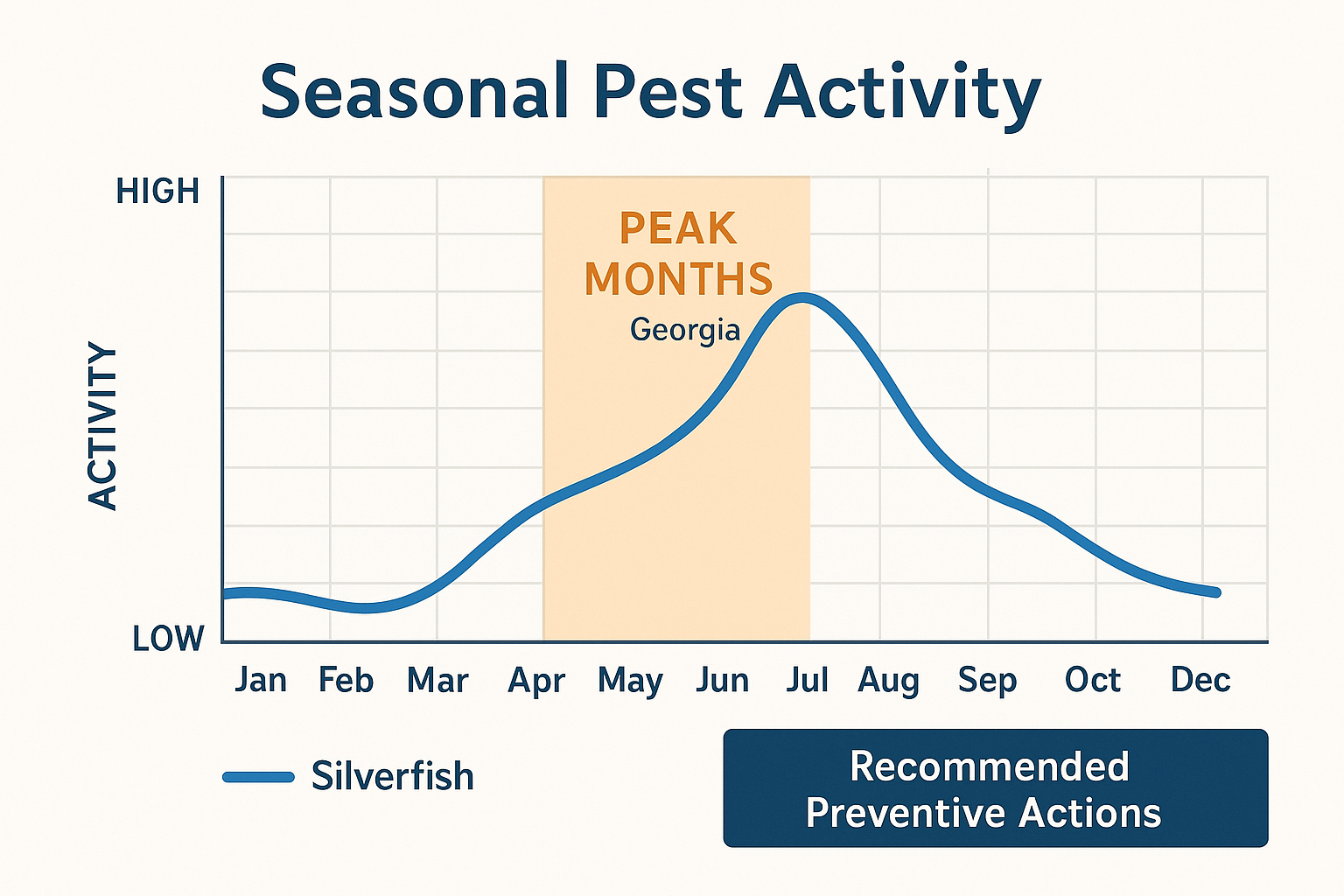
The surge in activity isn’t random; it’s driven by two key environmental factors. First, temperature spikes raise the metabolic rate of silverfish, accelerating their life cycle. Second, higher humidity levels—often above 60 % relative humidity—create the damp habitats they need for feeding and laying eggs. When both heat and moisture converge, silverfish populations explode, making early detection and prevention critical.
Understanding this pattern lets you line up a seasonal prevention checklist that tackles the problem before it starts.
Spring – Seal, Dry, Inspect
- Seal cracks and gaps around foundations, windows, and door frames to block entry points.
- Reduce indoor humidity by running exhaust fans in bathrooms and kitchens, and consider a portable dehumidifier for basements.
- Inspect stored items such as books, clothing, and seasonal decorations for signs of silverfish damage, and move them off the floor.
- Check attic insulation for moisture buildup and repair any roof leaks.
Summer – Dehumidify, Repair, Airtight
- Use dehumidifiers in high‑risk rooms like the laundry, pantry, and crawl spaces to keep relative humidity below 50 %.
- Fix leaky pipes and dripping faucets promptly; standing water is a silverfish magnet.
- Keep pantry airtight with sealed containers for grains, flour, and cereals.
- Trim vegetation away from the house foundation to improve air circulation.
Fall – Clean, Replace, Schedule
- Deep‑clean basements and storage closets, removing cardboard boxes and old newspapers that retain moisture.
- Replace weather‑stripping on exterior doors to prevent drafts that bring in damp air.
- Schedule a professional inspection with Anthem Pest to catch early infestations before the cooler months arrive.
- Ventilate attics and garages after the summer heat subsides.
Winter – Maintain, Monitor, Clear
- Maintain low indoor humidity by running the furnace’s built‑in dehumidifier or a standalone unit.
- Monitor for condensation on windows, pipes, and HVAC ducts; wipe away moisture immediately.
- Keep heating vents clear of dust and debris that can trap moisture and provide shelter.
- Store winter clothing in sealed plastic bins rather than cardboard boxes.
Anthem’s quarterly follow‑up program is timed to coincide with these peak periods. Our technicians visit in early spring, midsummer, early fall, and late winter, delivering targeted treatments right when silverfish are most active and reinforcing the preventive steps you’ve taken. By aligning professional care with the natural seasonal cycle, you gain a proactive edge that keeps your home silverfish‑free year after year.
Protect Your Home with Anthem Pest Control
Quick recap: You now know how to spot silverfish—those silvery, fish-shaped insects that dart out from closets, bathrooms, and damp basements. We discussed the risks they pose, from damaging paper, clothing, and food to indicating excess moisture that could invite other pests. You’ve learned the main treatment options, including targeted baits, residual sprays, and professional heat or cryonite treatments, as well as the typical pricing structure for silverfish control Decatur GA (often ranging from $150–$300 for a single-service visit, with discounts for annual plans). Finally, we covered seasonal prevention tips: de-clutter, fix leaks, use silica-based desiccants, and schedule a spring inspection when silverfish activity peaks.
Why choose Anthem Pest Control for those steps? Our technicians live and work in the Decatur community, so we understand the local climate, building styles, and the hidden moisture pockets that attract silverfish. We pair that neighborhood knowledge with a commitment to safe, EPA‑approved products that protect your family and pets while eliminating the pest. Every plan we design is transparent—no surprise fees, no “one‑size‑fits‑all” approach.
If you’ve spotted silverfish or simply want peace of mind, our certified technicians are ready to assess your home and design a customized plan—no hidden fees, just clear, affordable protection.
Give us a call today for a free, no‑obligation quote. Our friendly staff will walk you through the process, answer any questions, and schedule a convenient time for treatment.
Contact us: 877‑371‑8196 for your free quote.
Ready to take the next step? Visit Anthem Pest Control and discover why Decatur homeowners trust us for reliable silverfish control Decatur GA to keep their homes silverfish-free year after year.