Why Silverfish Are a Hidden Threat in Brookhaven Homes

Silverfish (Lepisma saccharina) are small, elongated insects that resemble a fish‑shaped grain of rice. They are nocturnal, preferring the darkness of closets, basements, and crawl spaces. Their diet is surprisingly broad—starches, sugars, paper, glue, and even the delicate fibers in clothing make for a tasty midnight snack.
Brookhaven’s climate is a perfect match for these pests. According to NOAA climate data, the city averages more than 50 % relative humidity (RH) year‑round, with summer peaks that often exceed 60 % RH. Silverfish thrive in humid environments because moisture softens the cellulose in paper and wood, giving them easier access to food and shelter. When humidity rises, the insects become more active, spreading quickly through walls, attics, and storage areas.
Consider the story of a Brookhaven homeowner who, after a rainy summer, opened a filing cabinet to find water‑stained tax documents shredded by a silverfish invasion. The damage wasn’t just cosmetic; important records were rendered unreadable, forcing the family to spend time and money reconstructing paperwork.
Ignoring a silverfish infestation can cost far more than a few ruined sheets. Typical damages include:
- Irreversible damage to books, photographs, and legal documents.
- Holes and staining in clothing, curtains, and upholstery.
- Structural wear on drywall, insulation, and wooden trim where the insects feed on mold and organic debris.
The EPA reports that 1–2 % of U.S. homes experience silverfish‑related damage each year, a figure that rises in humid regions like Georgia. While that percentage seems small, the cumulative financial impact can be significant for homeowners who let the problem fester.
Because silverfish are stealthy and reproduce quickly, a minor sighting often signals a larger, hidden population. Professional treatment not only eliminates the current infestation but also addresses the moisture conditions that allow these pests to thrive—protecting both your belongings and the structural integrity of your Brookhaven home.
Identifying Silverfish and Their Hotspots in the Atlanta Metro Area
What a Silverfish Looks Like
Silverfish are slender, fish‑shaped insects that typically measure ½ to ¾ inch (12–19 mm) in length. Their bodies are a silvery‑gray to light brown hue, covered with overlapping, scale‑like hairs that give them a subtle metallic sheen. The most recognizable feature is a trio of long, bristle‑like setae protruding from the rear of the abdomen, which resemble tiny antennae and help distinguish them from carpet beetles or moth larvae.
Life Cycle at a Glance
Silverfish develop through three stages: egg, nymph, and adult. A female can lay up to 100 eggs in dark, damp crevices. The eggs hatch into nymphs that look like miniature adults but lack fully developed scales. Nymphs molt several times—often 5 to 10 molts—over a period of months before reaching maturity. Once adult, a silverfish can live for up to three years, reproducing continuously as long as the environment remains hospitable.
Where They Thrive in a Brookhaven Home
Silverfish are moisture lovers. They gravitate toward any location where relative humidity stays above 50 %. Common hotspots include:
- Basements and crawlspaces with poor ventilation
- Bathrooms, especially around sinks, tubs, and shower enclosures
- Attics where roof leaks or condensation occur
- Kitchen pantries and pantry shelves that store dry goods
- Closets and laundry rooms with stacked clothing or damp fabrics
Local Context: Brookhaven’s Unique Challenges
Brookhaven’s housing stock is a mix of historic homes and modern condos. Older homes often feature plaster walls and lath that retain moisture longer than newer drywall, creating ideal pockets for silverfish colonies. In contrast, many newer condominiums share central ventilation systems, which can inadvertently circulate humid air from one unit to another, spreading the problem across an entire building.
Recent infestation reports on the Brookhaven pest‑control blog highlight a surge in silverfish sightings during the summer months, especially after heavy rains that raise indoor humidity levels.
NOAA Humidity Data Supports the 50 % Threshold
According to NOAA’s climate normals for Brookhaven, the average relative humidity from June through August hovers between 55 % and 68 %. These figures confirm why silverfish become most active during the warm, muggy season. Homeowners who notice condensation on windows or a persistent musty odor should suspect elevated humidity and take steps to dehumidify.
By learning to recognize the insect’s physical traits and understanding the specific areas where moisture accumulates, Brookhaven residents can spot a silverfish problem early—before it spreads to books, clothing, or pantry goods. Early detection combined with targeted treatment is the most cost‑effective way to keep these nocturnal nuisance pests out of your home.
What Brookhaven Homeowners Pay for Professional Silverfish Elimination
When a silverfish infestation shows up, most Brookhaven homeowners prefer a licensed technician over a DIY fix. Knowing the price range helps you decide whether a single‑visit spray or a full‑service plan fits your budget and how those costs compare to off‑the‑shelf solutions.
Single‑Visit Chemical Treatment
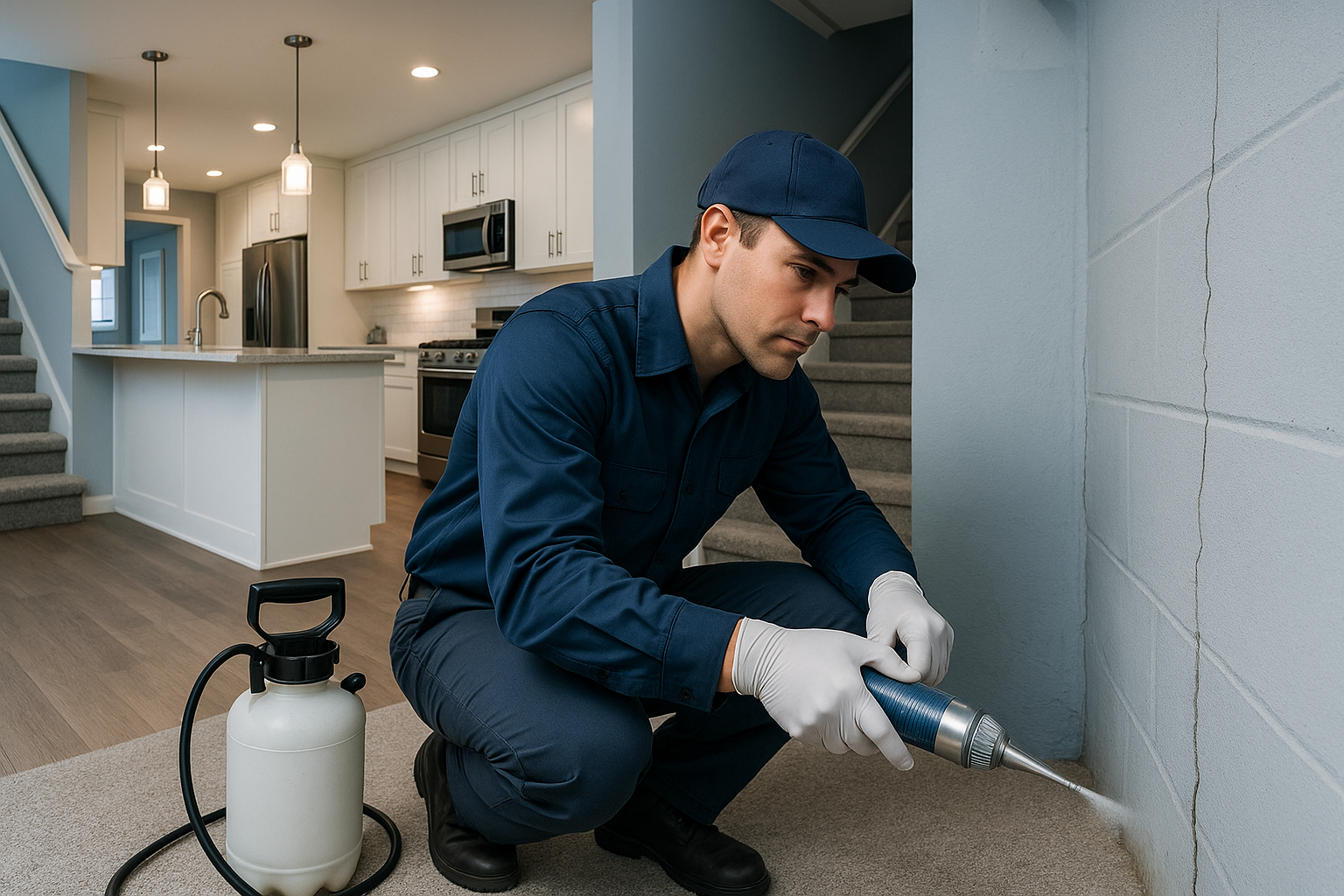
Most pest‑control companies, including Anthem Pest, charge $200–$350 for a one‑time application of a professional insecticide. The technician targets hidden cracks, baseboards, and moisture‑prone areas where silverfish thrive, then provides a 30‑day guarantee that most DIY sprays can’t match.
Comprehensive Package (Dust + Baits + Follow‑Up)
For a more thorough approach, a package that combines dusting, bait placement, and a post‑treatment inspection typically runs between $400 and $700. This option is ideal for larger homes or properties with recurring moisture problems, as the follow‑up visit ensures any surviving insects are caught before they rebound.
Natural‑Option Pricing
If you favor low‑toxicity methods, expect a similar price band. Boric‑acid kits, diatomaceous earth applications, or other eco‑friendly products are often bundled into a $200–$350 single‑visit or $400–$700 comprehensive plan, depending on the amount of product and labor required.
Typical Service & Price Overview
| Service | Price Range |
|---|---|
| Single‑Visit Chemical Treatment | $200 – $350 |
| Comprehensive Package (Dust + Baits + Follow‑Up) | $400 – $700 |
| Natural‑Option Kits (Boric Acid, Diatomaceous Earth) | $200 – $350 (single) / $400 – $700 (package) |
Bundled Discounts and Savings
Many local providers, Anthem Pest included, offer discounts when you combine silverfish control with other services—such as ant or rodent management. A bundled “ant‑rodent + silverfish” contract can shave 10‑15 % off the total, turning a $700 comprehensive job into a $595‑$630 investment.
All figures are based on the 2024 cost data published on Anthem Pest’s official silverfish‑control cost page. For the most accurate quote, contact a Brookhaven technician who can assess your home’s size, moisture levels, and existing pest activity.
How Brookhaven Exterminators Eradicate Silverfish
Insecticides & Dusts
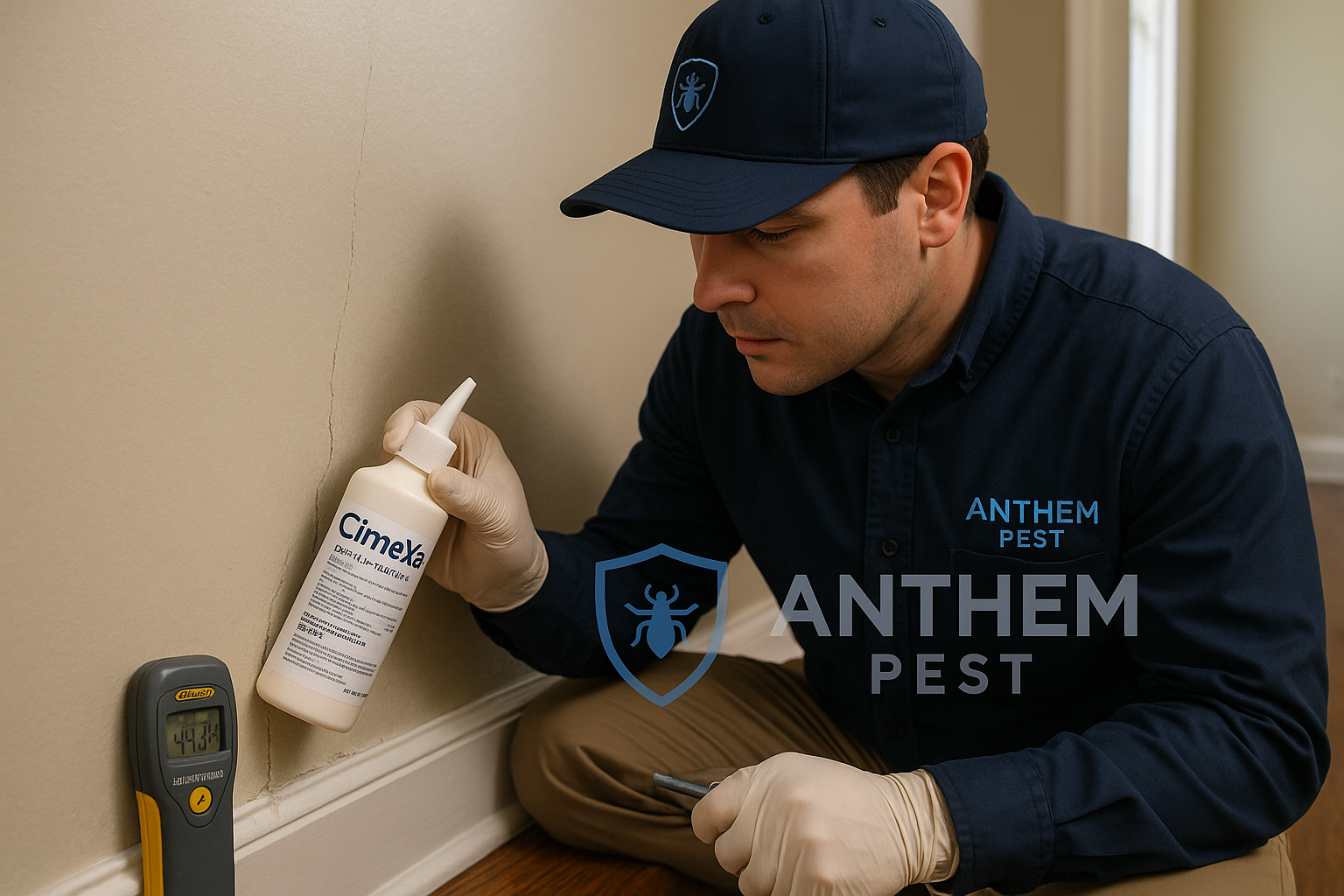
Professional teams in Brookhaven rely on EPA‑registered products that offer long‑lasting protection. CimeXa is a silica‑based dust that adheres to the exoskeleton of silverfish, causing desiccation. When applied correctly in dry voids—such as baseboard gaps, attic joists, and crawl‑space floor joists—it can provide up to six months of residual control. D‑Fense Dust combines silica with a food‑grade attractant, boosting uptake by wandering insects. Both products list silica (SiO₂) as the active ingredient and hold current EPA registration numbers, ensuring they meet federal safety standards.
Baits
Modern bait formulations target the feeding habits of silverfish. Niban and Intice Perimeter 10 contain low‑dose insect growth regulators that interrupt molting cycles. Technicians place bait stations in attics, under floorboards, and along perimeter walls where humidity is highest. Proper spacing—approximately one station per 25 sq ft—maximizes encounter rates without crowding the area.
Traps
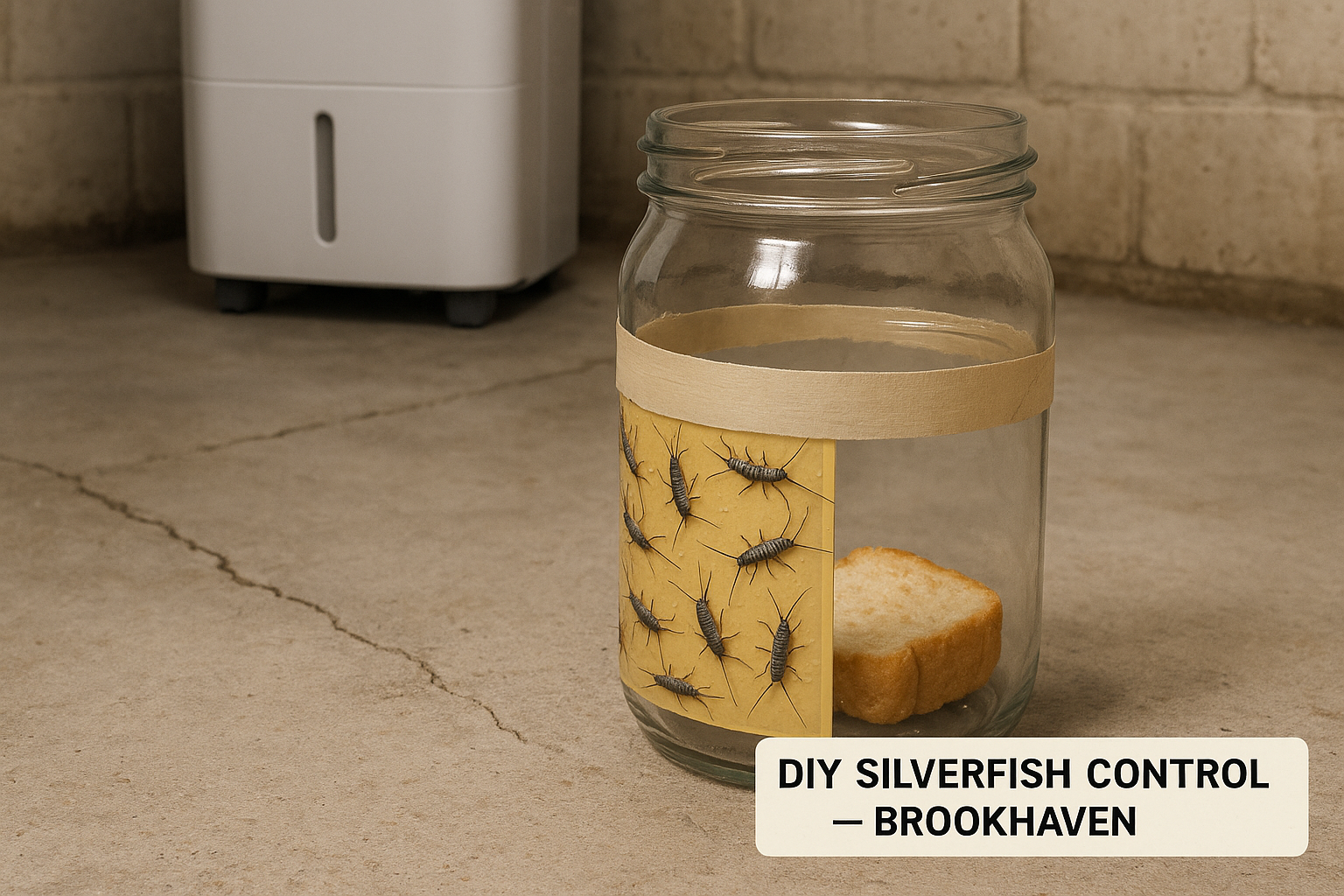
Detection is a critical first step. Pheromone‑sticky monitors are hung in low‑traffic corners; the scent mimics natural food sources, drawing silverfish onto a clear adhesive surface. For homeowners who prefer a DIY touch, simple jar traps—filled with a few grains of flour and a damp cotton ball—can be positioned near suspected entry points. These low‑cost tools help verify the extent of an infestation before and after treatment.
Inspection & Prevention
Eradication alone won’t hold if the environment remains inviting. Exterminators conduct a thorough inspection, sealing cracks with silicone caulk and installing door sweeps where needed. Moisture control is paramount; a calibrated moisture meter confirms relative humidity stays below 50 % in vulnerable spaces. Dehumidifiers, proper ventilation, and prompt repair of leaks eliminate the damp conditions silverfish love. Finally, technicians advise homeowners to remove starch‑rich materials—paper, flour, pet food crumbs—to cut off the insects’ food supply.
Real‑World Success Story
One Brookhaven family reported frequent silverfish sightings in their basement and upstairs closets. After a two‑visit program—first applying CimeXa dust in all dry voids, then placing Niban bait stations in the attic and crawlspace—the household saw a 90 % reduction in sightings within three weeks. Follow‑up inspections confirmed the dust remained intact and the bait stations were still active, demonstrating the combined power of residual dust and attract‑and‑consume baits.
What sets local technicians apart is their expertise with moisture‑meter verification and precise product placement. By blending scientifically proven chemicals, strategic baiting, and rigorous preventive measures, Brookhaven exterminators deliver lasting silverfish control that homeowners can trust.
Do-It-Yourself Silverfish Management for Budget‑Savvy Homeowners
Silverfish thrive in damp, dark corners, but you don’t need a professional contract to keep them at bay. Follow these five low‑cost steps, each backed by real‑world results, and you can expect up to a 60 % drop in activity according to a recent DIY study.
1. Reduce Humidity
Silverfish reproduce quickly when the relative humidity (RH) stays above 60 %. Aim for under 50 % by:
- Running a dehumidifier in basements, closets, and bathrooms.
- Repairing leaky pipes, faucets, and roof penetrations.
- Improving ventilation with exhaust fans or by opening windows on dry days.
Use a cheap hygrometer to monitor RH; when it consistently reads below 50 %, the insects lose the moisture they need to survive. Consider placing silica‑gel packets in drawers; they absorb lingering moisture without chemicals.
2. Cedar Oil Spray
Cedar oil is a natural repellent that disrupts the silverfish’s scent trails. Mix 2 tablespoons of cedar oil with 1 cup of water, pour into a spray bottle, and mist baseboards, floor seams, and corners once a week. Test the spray on a hidden spot first to ensure no discoloration on painted surfaces.
3. Borax or Boric Acid Powder
Both powders act as a stomach poison when the insects walk over them. Sprinkle a thin layer in hidden cracks, behind appliances, and under furniture. Safety tip: wear gloves and a mask, and keep the area inaccessible to children and pets. Leave the powder undisturbed for 48 hours; the insects will encounter it during their nightly foraging.
4. Cedar Shavings
Dry cedar shavings absorb moisture and emit a scent that silverfish avoid. Place a handful in closets, pantry shelves, and storage bins. Replace every few weeks to maintain potency.
5. Regular Cleaning
Denial of food sources is critical. Vacuum crevices and baseboards weekly, discard paper clutter, and sweep up crumbs or spilled grains. A clean environment removes the starches and cellulose that silverfish love.
When these actions are combined, homeowners report a noticeable decline in sightings within two weeks. For the full study, see DIY study.
What Makes a Silverfish Exterminator ‘Top‑Rated’ in Brookhaven?
Licensing & Certifications
In Georgia, any pest‑control operator must hold a valid Georgia State Pest Control License and be registered with the Georgia Department of Agriculture. Technicians are required to complete continuing education on pesticide safety, integrated pest management (IPM), and specific training for indoor pests such as silverfish. Anthem Pest’s team meets every state requirement and holds additional certifications from the National Pest Management Association (NPMA), confirming they stay current on the latest control techniques.
Guarantees & Warranty Policies
Top‑rated providers back their work with clear guarantees. Anthem Pest offers a repeat‑treatment guarantee: if silverfish reappear within 30 days of service, a follow‑up visit is provided at no extra charge. This warranty demonstrates confidence in their treatment protocols and protects homeowners from hidden costs.
Customer Review Metrics
| Average Rating | Number of Reviews | Most Recent Review Highlights |
|---|---|---|
| 4.8 ★ | 112 | Prompt response, friendly technicians, effective silverfish elimination. |
Response Time Expectations
Homeowners dealing with a sudden silverfish outbreak need fast action. The industry benchmark for a “top‑rated” service is a 24‑hour emergency response. Anthem Pest guarantees that a qualified technician will be on the phone within the hour and on site the next business day, or sooner for urgent cases.
EPA‑Approved & Eco‑Friendly Products
Effective silverfish control relies on products that are both potent and safe for families and pets. Anthem Pest uses only EPA‑approved treatments such as CimeXa (a silica‑based dust) and D‑Fense Dust, applying them with IPM principles that minimize chemical exposure while targeting hidden cracks, baseboards, and historic woodwork common in Brookhaven homes.
Anthem Pest’s Local Edge
- 24‑hour emergency response and free home inspection.
- Transparent, upfront pricing—no hidden fees.
- Technicians trained specifically on the unique architecture of historic Brookhaven residences.
- Dedicated local support line: 877‑371‑8196.
Ready to protect your home from silverfish? Call 877‑371‑8196 now to schedule your free inspection and experience a truly top‑rated service.
Silverfish FAQ for Brookhaven Homeowners
Below are answers to the most common silverfish questions we hear from Brookhaven residents. Use this quick reference to decide if you need a professional visit.
Do silverfish carry diseases?
No, silverfish are not known to transmit diseases to humans. Their primary concern is structural – they feed on starchy materials such as paper, book bindings, wallpaper, and natural fabrics, which can lead to costly damage over time. While you won’t get sick from a silverfish sighting, the loss of irreplaceable documents or heirloom clothing can be frustrating. The U.S. Environmental Protection Agency (EPA) confirms that silverfish pose no direct health threat, but they are a nuisance that warrants professional control.
How long does treatment last?
Most residential silverfish programs combine dust applications with bait stations. Dusts containing low‑toxicity insecticides can remain active for up to six months, creating a protective barrier in cracks, voids, and baseboard spaces. Bait stations, which attract and poison wandering insects, typically retain their efficacy for three to four months before the lure depletes. Re‑inspection after the initial treatment window helps ensure any residual activity is still effective, and a follow‑up visit can be scheduled as needed (Anthem Pest).
Can pets be harmed?
Professional silverfish products used by Anthem Pest are EPA‑approved and formulated for low toxicity to mammals. Nevertheless, we always advise keeping pets and children away from treated areas until the product has dried or settled, usually a matter of minutes to an hour. Following the label directions—such as ventilating rooms and restricting access—provides an extra safety layer. In practice, thousands of households in Brookhaven have completed our silverfish treatments without incident, making it a pet‑friendly option when applied correctly.
Protect Your Brookhaven Home from Silverfish Today
Spotting a silverfish early can save you a lot of money and hassle. When you catch the signs—tiny fish‑like tracks, yellow‑brown scales, or the faint scent of coriander—prompt action prevents a small nuisance from turning into a full‑blown infestation that damages books, clothing, and drywall. Professional treatment provides lasting control because certified technicians apply targeted insecticides and set up preventive barriers that DIY methods often miss. That said, a homeowner‑run approach—reducing moisture, sealing cracks, and using traps—can lower the risk and buy you time, though a follow‑up visit from a pest professional is usually needed to guarantee complete eradication.
Brookhaven’s humid climate and historic homes create the perfect environment for silverfish to thrive. Our local experts understand how moisture levels in older foundations, cedar‑shingle roofs, and basement crawl spaces affect pest activity. We tailor each plan to your property’s unique construction, ensuring the treatment works where the insects hide.
Ready to protect your home without the stress? Call Anthem Pest today at 877‑371‑8196 for a free, no‑obligation silverfish inspection and quote. Our friendly, knowledgeable technicians will assess your situation, explain the process, and set up a solution that fits your budget.
We also offer a customized maintenance schedule so you stay ahead of any future silverfish activity.
Our team is ready to help you safeguard your Brookhaven residence—just visit Anthem Pest Control or pick up the phone now.