Silverfish Threats in Vinles Homes

Imagine coming home after a long day at work, opening the pantry, and spotting a tiny, fish‑shaped critter darting across the cereal box. That’s the exact moment a Vinings homeowner shared with us—silverfish scurrying over the pantry shelf, their silvery bodies flashing in the kitchen light. The surprise is real, but the reaction should be calm and informed.
Silverfish may look harmless, but they are miniature demolition crews. Their rasping mandibles can gnaw through delicate book bindings, turning treasured family photo albums into shredded memories. Soft fabrics—think silk curtains, wool sweaters, and even upholstery—are vulnerable to the tiny bites that leave behind unsightly holes. In the kitchen, they chew through cardboard, plastic, and paper packaging, compromising the integrity of dry goods like flour, cereal, and pet food. Over time, the cumulative damage translates into costly repairs or replacements that most homeowners never anticipate.
One common worry is health. Rest easy: silverfish do not carry or transmit diseases to humans or pets. The real threat is economic, not medical. While you won’t catch a cold from a silverfish, you could face an unexpected expense when a favorite novel is ruined or a pantry staple becomes unusable.
That’s why this guide is built on transparency. We’ll walk you through the typical pricing you can expect in Vinings, break down the most effective treatment options—from targeted baits to whole‑home applications—and give you a checklist of prevention steps you can start today. All recommendations are tailored to the climate and housing styles you find in Vinings, ensuring you get solutions that work where you live.
By the end of this article, you’ll know exactly how to protect your home’s books, fabrics, and food stores without hidden fees or guesswork. Ready to get a clear picture of the pest itself? Let’s define the silverfish and understand why it thrives in Vinings homes.
Identifying Silverfish: Appearance and Life Cycle
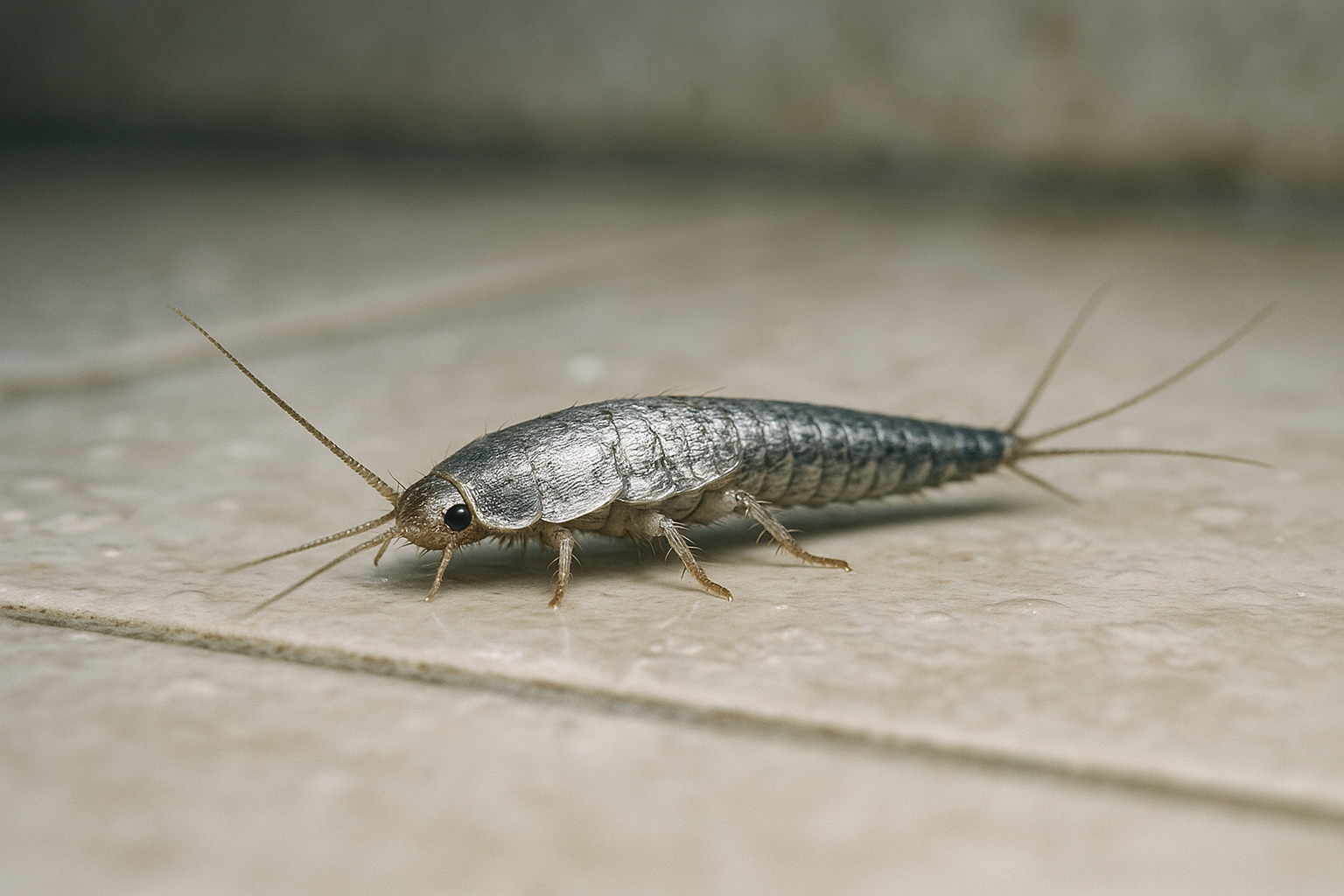
Silverfish are one of the most easily overlooked household pests because they blend into the shadows of a damp home. An adult typically measures 12‑19 mm (about half an inch to three‑quarters of an inch) and sports a tapered, fish‑shaped body covered in silvery, overlapping scales that catch the light. The most distinctive feature is a trio of long, hair‑like bristles—called cerci—projecting from the rear end, giving the insect a “tail‑fin” appearance. Their movements are quick, darting in a wavy, fish‑like motion, which is why they earned the common name “silverfish.”
- Length: 12‑19 mm (½–¾ inch)
- Color: Silvery‑gray with metallic sheen
- Body shape: Narrow, elongated, tapered at both ends
- Key identifier: Three long bristles (cerci) at the posterior
These insects thrive in moist, dark environments. Typical habitats inside a Vinings home include:
- Bathrooms and shower stalls—especially around tile grout and under sinks
- Kitchens, where they hide behind cabinets, under dishwashers, and near leaky pipes
- Basements and crawl spaces with high humidity
- Under appliances such as refrigerators, washers, and dryers
- Bookshelves, paper stacks, and pantry boxes that retain moisture
Because they prefer humidity above 60 %, you’ll often find silverfish congregating near water sources or in areas where condensation forms. A quick visual inspection of these spots can save you from a larger infestation later.
Life Cycle Overview
Silverfish undergo a gradual metamorphosis that consists of three main stages: egg, nymph, and adult. Females lay clusters of 20‑30 eggs in hidden crevices, and each egg hatches in about two weeks under optimal conditions. The emerging nymph looks like a miniature adult and will molt up to 18 times before reaching full size. This extended nymphal period allows the pest to survive for 2‑3 years in a single home, producing multiple generations annually.
| Stage | Typical Duration | Key Notes |
|---|---|---|
| Egg | ~2 weeks | Laid in concealed, moist locations |
| Nymph (multiple molts) | 6 months – 2 years | Looks like a tiny adult; each molt adds size |
| Adult | 1 – 2 years | Reproduces; can live up to 3 years total |
Given this longevity, a single unnoticed egg batch can sustain a population for years, making early detection crucial for homeowners.
Nationally, silverfish are more common than many realize. The National Pest Management Association’s 2024 pest‑prevalence report indicates that roughly 30 % of U.S. homes report at least one sighting of these insects. This figure has been verified by the NPMA 2024 survey, underscoring the importance of knowing what to look for.
Why Silverfish Flourish in Vinings, GA
Humid subtropical climate creates a perfect pantry
Vinings sits in a humid subtropical zone, meaning hot summers and plenty of moisture in the air. Indoor humidity often hovers around 70 % during the peak months of June through August. Silverfish thrive in environments where the air feels damp because their thin, scale‑covered bodies lose water quickly in dry conditions. The constant moisture in Vinings homes essentially turns every kitchen, bathroom, and basement into a welcoming buffet.
EPA indoor humidity guidelines and what they mean for pests
The EPA’s indoor humidity recommendations for 2024 advise keeping indoor relative humidity between 30 % and 50 % to prevent mold, dust mites, and other moisture‑loving pests. When humidity climbs above that range, silverfish populations can explode. By maintaining lower humidity levels, homeowners not only reduce the risk of mold but also make the environment less hospitable for these nocturnal insects.
Housing characteristics that trap moisture
Many neighborhoods in Vinings—especially Vinings Village, West Cobb, and Willow Creek—feature homes built in the 1970s and 1980s. These properties often have basements or crawl spaces with limited ventilation, cedar siding that absorbs water, and older plaster or drywall that can hold onto dampness. Leaky pipes, insufficient gutter drainage, and the occasional foundation crack further exacerbate moisture buildup, giving silverfish ample hiding spots.
Neighborhood examples that illustrate the problem
In Vinings Village, a typical ranch‑style home may have a concrete slab foundation but a shallow crawl space beneath the kitchen cabinets. When the summer rains hit, water seeps into the crawl space, raising humidity to the high 70s. West Cobb’s split‑level houses often sport cedar siding that, without regular sealing, swells and creates tiny gaps where moisture pools. Willow Creek’s newer townhomes, while modern, still share a common shared wall with a historic structure that suffers from chronic basement dampness, allowing silverfish to migrate between units.
How climate and construction combine to boost silverfish activity
When you layer a naturally humid climate over homes that retain water, you get a perfect storm for silverfish. High indoor humidity supplies the moisture they need to stay active, while porous building materials and poorly ventilated spaces provide shelter and food sources like paper, starches, and dead skin cells. The result is a year‑round presence that can go unnoticed until you spot the tell‑tale silver, fish‑shaped silhouettes scurrying across bathroom tiles at night.
What this means for Vinings homeowners
Understanding the local climate and housing quirks is the first step toward effective control. Simple measures—such as using dehumidifiers, sealing crawl‑space vents, and repairing siding leaks—can bring indoor humidity into the EPA‑recommended range and cut down the silverfish’s favorite hideouts. When those DIY steps aren’t enough, a professional like Anthem Pest Control can target the moisture sources directly, ensuring long‑term relief without compromising safety or budget.
What to Expect During a Professional Inspection
When you call Anthem Pest for a silverfish evaluation, the first thing you’ll notice is the professionalism of the technician. Our certified specialists arrive on time, wearing company‑branded uniforms and carrying a checklist that ensures no corner of your home is overlooked. Below is a step‑by‑step look at what happens during a typical 45‑ to 60‑minute inspection of a single‑family residence.
Step 1 – Visual walkthrough of high‑risk rooms
The technician begins in the areas where silverfish love to hide: the kitchen, bathroom, and basement. Using a bright flashlight, they scan baseboards, under sinks, behind appliances, and around any stored cardboard or paper. This visual sweep helps identify obvious signs such as shed skins, tiny fecal specks, or the insects themselves. If your home has an attic or a crawl space, those zones are also inspected because moisture often migrates there.
Step 2 – Moisture meter readings
Silverfish thrive in damp environments, so the next step is measuring surface moisture levels. A handheld moisture meter is pressed against walls, floors, and cabinetry to detect hidden damp spots that aren’t visible to the naked eye. Readings above 15 % humidity flag problem areas where silverfish are most likely to establish colonies. The technician may recommend simple fixes—like a dehumidifier or improved ventilation—to reduce moisture before any treatment is applied.
Step 3 – Placement of sticky traps and pheromone monitors
To catch any lingering activity, the inspector strategically places sticky traps in corners, under appliances, and near known entry points. In addition, pheromone monitors are set up to attract male silverfish, providing a clear picture of population density over the next few days. These tools remain in place after the visit, and you’ll receive a follow‑up report that includes trap locations and any captures recorded.
Typical duration
A thorough inspection of an average home usually takes between 45 and 60 minutes. Larger properties or homes with extensive basements may require a bit more time, but the process is always systematic and transparent.
Homeowner preparation checklist
- Declutter storage areas—especially cardboard boxes, paper piles, and old linens.
- Seal all food items in airtight containers to eliminate attractive feeding sources.
- Ensure clear access to crawl spaces, basements, and attic hatches; move furniture or stored items if needed.
- Turn on lights in dark corners to aid the inspector’s visual sweep.
- Have a notepad handy for any questions you want to ask during the visit.
Why Anthem Pest’s technicians stand out
All Anthem Pest inspectors are certified technicians who have completed extensive training on pest biology, safe pesticide application, and integrated pest management (IPM) practices. After the walkthrough, you’ll receive a detailed inspection report that includes:
- Photographs of inspected areas and any evidence found.
- Moisture meter data with recommended remediation steps.
- Locations of traps and monitors, plus early capture results.
- A customized action plan outlining treatment options, timelines, and cost estimates.
This report not only clarifies what’s happening now but also gives you a roadmap to prevent future silverfish invasions. By understanding the inspection process and preparing your home accordingly, you set the stage for a swift, effective solution that protects your family and property.
Effective Treatment Options for Silverfish
Silverfish thrive in damp, dark corners of a home, so tackling them requires a blend of chemical, mechanical, and environmental strategies. At Anthem Pest Control we start every job with a thorough inspection, then choose the most appropriate method—or combination of methods—to eliminate the insects while keeping your family safe.
Chemical Sprays
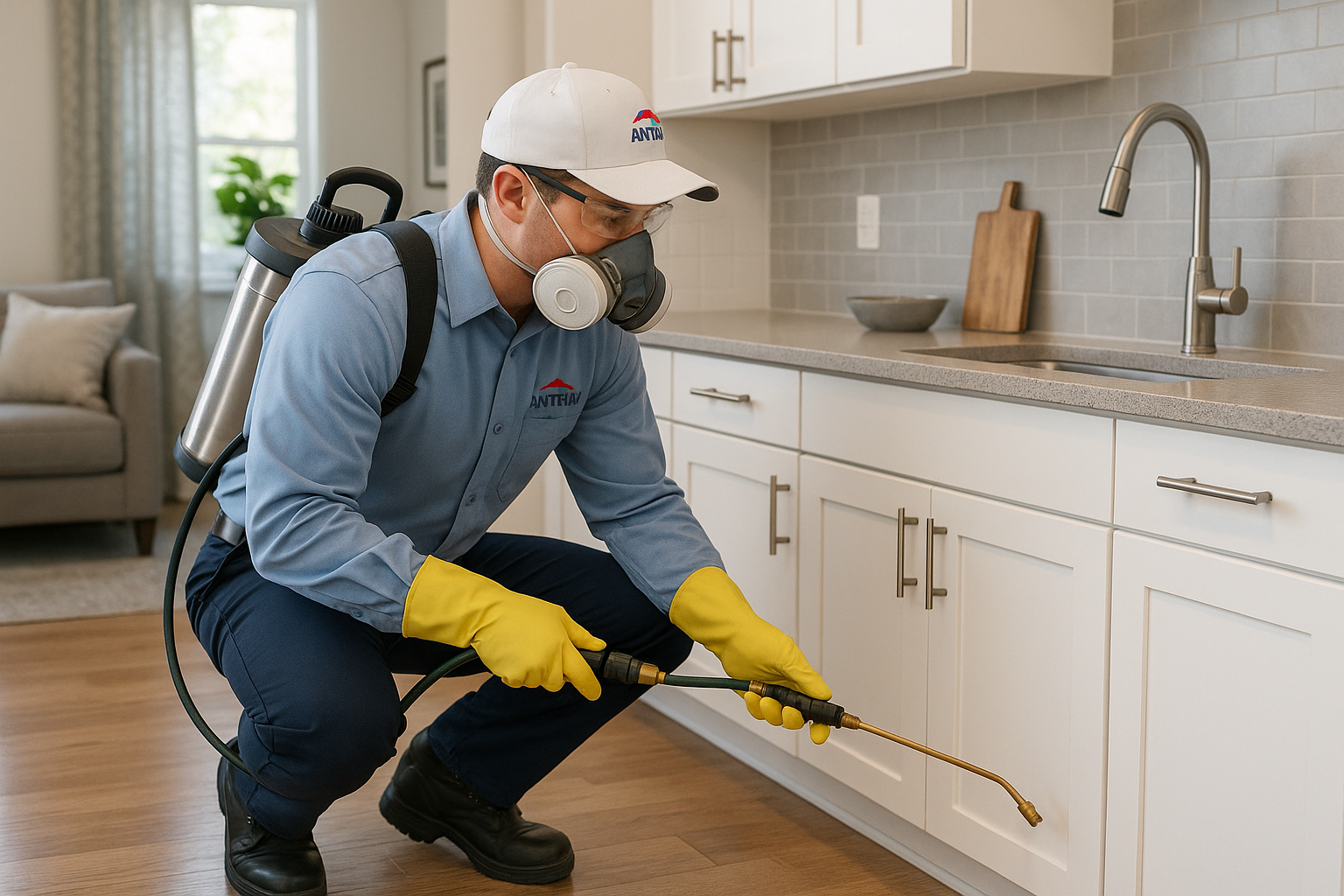
Low‑toxicity pyrethroid‑based sprays are the workhorse of most professional silverfish programs. Technicians apply the product along baseboards, cracks, and entry points where silverfish travel. All sprays we use are EPA‑registered for indoor use, and applicators wear protective gloves, goggles, and respirators to prevent exposure.
Dust Insecticides
Silica‑based dusts, such as diatomaceous earth formulations, are perfect for voids in walls, under floorboards, and other hidden spaces. Once settled, the dust adheres to the insects’ exoskeleton, causing dehydration and long‑term residual control. Because the dust remains effective for months, it reduces the need for repeat visits.
Non‑Chemical Methods
- Diatomaceous Earth (DE): A fine, abrasive powder that physically damages silverfish cuticles. Safe for pets and children when applied correctly, but it must stay dry to remain effective.
- Sticky Traps: Placed in closets, kitchens, and bathrooms, these traps capture wandering silverfish and provide valuable monitoring data.
- Heat Treatment: Raising indoor temperatures above 120 °F (49 °C) for several hours eradicates all life stages of silverfish in a single session. This method is chemical‑free but requires temporary relocation of belongings.
Integrated Pest Management (IPM)
IPM blends moisture control, sanitation, and targeted treatments into a cohesive plan. By fixing leaky pipes, using dehumidifiers, and sealing cracks, we remove the conditions silverfish love. Then, we apply the most suitable chemical or non‑chemical treatment to finish the job. The result is a sustainable, low‑risk solution that keeps silverfish from returning.
Pros & Cons at a Glance
| Method | Effectiveness | Safety (Pets/Kids) | Cost | Speed of Action |
|---|---|---|---|---|
| Chemical Sprays | High – kills adults & nymphs quickly | Moderate – EPA‑approved, but requires proper application | $$ | Hours |
| Dust Insecticides | Medium – excellent residual control | High – inert silica, minimal toxicity | $$ | Days (as dust settles) |
| Diatomaceous Earth | Medium – works on contact | High – non‑chemical, safe when dry | $ | Days to weeks |
| Sticky Traps | Low – monitoring and occasional capture | High – no chemicals | $ | Immediate (captures on contact) |
| Heat Treatment | Very High – eradicates all life stages | High – chemical‑free | $$$ | Single 4‑6 hr session |
| Integrated Pest Management | High – combines multiple controls | Very High – emphasizes prevention | $$ | Varies (prevention + treatment) |
When you choose Anthem Pest Control, you’re getting a team that follows strict EPA guidelines and equips every technician with safety gear—gloves, goggles, and respirators—so treatments are both effective and responsibly applied. Whether you need a quick chemical knock‑down, a long‑lasting dust barrier, or a full IPM program, we’ll tailor the approach to fit your home’s layout, budget, and health considerations.
Transparent Pricing for Silverfish Control
When it comes to silverfish, knowing exactly what you’ll pay before any work begins is the first step toward peace of mind. At Anthem Pest Control we break every charge down into simple, local‑specific numbers so Vinings homeowners can compare options without hidden fees.
Basic Inspection Fee – $75‑$100
A qualified technician will spend 30‑45 minutes examining your home’s vulnerable spots—kitchens, bathrooms, basements, and stored‑goods areas. The fee covers the travel time, a detailed visual assessment, and a written report that pinpoints where silverfish are hiding and which entry points need sealing.
Standard Chemical Treatment – $150‑$250 per visit
This one‑time service applies EPA‑approved insecticide to the same high‑risk zones identified during inspection. The price range reflects the size of the property and the amount of product required. Included in the cost are:
- Materials: Professional‑grade dusts, sprays, and residual barriers.
- Labor: Two certified technicians to ensure even coverage.
- Warranty: A 30‑day guarantee that any new silverfish activity will be re‑treated at no extra charge.
Comprehensive IPM Package – $350‑$500
Integrated Pest Management (IPM) is our most thorough approach. The package bundles a full inspection, an initial chemical treatment, and three months of follow‑up visits to monitor and adjust tactics as needed. This tier is ideal for homes with recurring infestations or for families that want long‑term protection.
- Materials: Combination of low‑toxicity baits, dusts, and structural treatments.
- Labor: Initial two‑technician visit plus three quarterly check‑ins.
- Warranty: A 90‑day performance guarantee; any repeat sightings trigger a complimentary corrective visit.
Seasonal Discount – 10 % Off (March – May)
Vinings residents who schedule their service between March and May receive a ten‑percent reduction on any of the above options. Spring is the peak time for silverfish activity, so the discount encourages early intervention before populations explode.
How We Set Our Prices
All figures are verified against the 2024 Georgia Department of Agriculture pest‑control cost survey, which tracks average rates across the state. By anchoring our fees to this reputable data set, we ensure you’re paying a fair market price while still receiving the premium service Anthem is known for.
In short, whether you opt for a quick inspection, a single chemical application, or the full IPM suite, the cost breakdown is transparent, the materials are top‑quality, and the labor is performed by certified professionals who stand behind their work.
Proactive Prevention Tips for Homeowners
Humidity Control
Silverfish thrive in damp environments, so keeping moisture levels low is your first line of defense. Place a dehumidifier in basements, closets, and any area that feels clammy, and empty it regularly to maintain optimal humidity under 50 %. Promptly repair leaky pipes, roof spots, or faucet drips— even a slow drip can create a micro‑habitat for these pests. Finally, ensure bathrooms and laundry rooms are well‑ventilated; run exhaust fans or open windows after showers and washing cycles to disperse excess steam.
Seal Entry Points
Silverfish can slip through the tiniest cracks, so a thorough seal‑up routine is essential. Apply silicone or acrylic caulk around baseboards, window frames, and any gaps where pipes or wires enter the home. Install door sweeps on exterior doors to block the gap at the floor, and check that window screens are intact without tears. A quick visual inspection each season can reveal new openings before the insects find their way inside.
Declutter
Clutter provides both shelter and a food source for silverfish. Remove piles of newspapers, cardboard boxes, and old magazines—especially in attics, garages, and storage closets—since these materials are rich in starches and proteins they love to munch on. Store firewood away from the house, preferably on a raised platform, and keep it covered to prevent moisture buildup. Regularly sweep and vacuum corners and under furniture to eliminate hidden debris where they could hide.
Food Storage Best Practices
Kitchen pantries and pet feeding areas are prime feeding stations for silverfish. Transfer grains, cereals, flour, and pet food into airtight containers made of glass or heavy‑wall plastic; this not only blocks access but also preserves freshness. Clean up spills immediately and wipe down shelves with a mild detergent to remove residue. For occasional bulk purchases, consider using sealed zip‑lock bags and storing them in a secondary container for extra protection.
Seasonal Checklist
Implement a quarterly inspection routine to stay ahead of any silverfish activity, focusing on spring and fall when humidity shifts are most pronounced. Follow these steps during each review:
- Inspect bathrooms, kitchens, and basements for signs of moisture or water damage.
- Check caulk lines, door sweeps, and window screens for wear and reseal as needed.
- Conduct a quick sweep of closets and storage areas for paper debris or cardboard.
- Set up a simple DIY trap—mix equal parts flour and powdered sugar, place in a shallow dish, and leave it near potential entry points for a week. If you find trapped insects, it’s a signal to reinforce your preventive measures.
By integrating these habits into your regular home maintenance schedule, you’ll create an environment that’s inhospitable to silverfish year‑round, reducing the need for costly emergency treatments.
Seasonal Considerations in Vinings
Peak Activity: Late Spring to Early Fall
Silverfish love moisture, so when Vinings experiences the humid surge from late May through September, you’ll see them emerge from hidden cracks and crawl spaces. The combination of warm temperatures (70‑80°F) and elevated relative humidity (above 60%) creates the perfect breeding ground. During this window, you may notice:
- tiny, fish‑like tracks on bathroom tiles or kitchen countertops
- increased sightings near sinks, basements, and laundry rooms
- damage to paper, books, and natural‑fiber clothing
Because the insects are most active, it’s the ideal time to conduct a thorough inspection and address any moisture sources.
Winter Retreat: Deeper Into Walls
When temperatures dip below 50°F and humidity drops, silverfish retreat to the coolest, dampest parts of your home—typically inside walls, under floor joists, and within crawl spaces. They become less visible but remain a threat, ready to re‑emerge when conditions improve. This hidden behavior makes year‑round monitoring essential, even if you haven’t seen a single creature for months.
Local Community Insight
Vinings homeowners’ associations (HOAs) frequently allocate a portion of their annual meetings to pest‑prevention strategies. Bringing a printed checklist to these gatherings can spark proactive discussions and help neighbors coordinate efforts. A simple one‑page guide that includes:
- weekly moisture checks in bathrooms and kitchens
- proper storage of cardboard, books, and fabrics
- scheduled professional inspections before the rainy season
can turn a routine HOA meeting into a community‑wide shield against silverfish outbreaks.
Timing Your Professional Treatments
Anthem Pest Control recommends a two‑step schedule tailored to Vinings’ climate:
- Pre‑spring prevention (early March): Apply a residual barrier in vulnerable zones—basements, crawl spaces, and along foundation walls—before humidity spikes.
- Post‑summer follow‑up (late September): Conduct a targeted treatment to eradicate any survivors that have taken shelter during the hottest months.
This approach not only reduces the immediate population but also interrupts the life cycle, keeping future generations from taking hold. Remember, a single professional visit is rarely enough; consistent, timed interventions are the key to long‑term silverfish control in Vinings.
Why Choose Anthem Pest Control
When a silverfish invasion turns your pantry into a miniature runway, you need a partner who knows the local terrain as well as you know your kitchen. Anthem Pest Control has spent the last 15 years mastering that terrain in Vinings and across Cobb County, delivering results that turn frantic calls into quiet homes.
Local expertise you can trust
Our technicians live and work in the same neighborhoods they serve. That means they understand the unique construction styles, humidity patterns, and seasonal pest cycles that make Vinings a hotspot for silverfish and other household critters. Over a decade and a half of on‑the‑ground experience translates into faster inspections, pinpoint‑accurate treatments, and fewer follow‑up visits.
Certified professionals and EPA‑approved solutions
Every Anthem technician holds industry certifications and completes ongoing training to stay ahead of the latest pest‑control science. We only apply products that have earned EPA approval, ensuring the chemicals are both effective against silverfish and safe for your family, pets, and the environment. Our approach combines low‑toxicity sprays, targeted baits, and moisture‑control recommendations to break the life cycle of these elusive insects.
Our satisfaction guarantee
We stand behind our work with a simple promise: if silverfish return within 30 days of treatment, we’ll come back at no extra charge. This guarantee isn’t just a marketing line—it’s a reflection of the confidence we have in our methods and the value we place on your peace of mind. We also provide a complimentary follow‑up inspection to verify that the infestation is fully eradicated.
“Anthem cleared our pantry in one visit – no more silverfish! The technician explained what was causing the problem and gave us easy steps to keep it gone.” – Linda M., Vinings, GA
Scheduling made effortless
We know homeowners juggle busy schedules, so we’ve removed the friction from getting help. Call us at 877‑371‑8196 for immediate assistance, or book an appointment online in just a few clicks at Anthem Pest. Our online portal shows real‑time availability, lets you select a preferred technician, and sends confirmation reminders so you never miss a slot.
Choosing Anthem Pest Control means partnering with a team that blends local knowledge, certified expertise, and a no‑risk guarantee—all delivered through a contact method that fits your lifestyle. When silverfish—or any unwanted guest—show up at your door, you’ll already know who to call.
Frequently Asked Questions
Do silverfish carry diseases?
No. Silverfish are harmless to human health. They do not transmit diseases, parasites, or allergens. Their primary concern is the damage they can cause to paper, clothing, and other starchy materials. Protect Your Vinings Home Today
By now you should have a solid grasp of what makes silverfish such persistent invaders and how to keep them at bay: Choosing a neighbor‑run service means you get more than just a treatment—it’s peace of mind. Our technicians know Vinings’ climate, typical building styles, and the hidden nooks where silverfish love to hide. That local insight translates into quicker diagnoses, tailored treatment plans, and follow‑up visits that keep your home pest‑free year after year. If you’re ready to protect your property but want to keep the decision risk‑free, we invite you to schedule a complimentary inspection. During the visit, a certified specialist will assess moisture levels, identify potential entry points, and outline a customized prevention strategy—completely free of charge and without any sales pressure. Call us today at 877‑371‑8196 to lock in your free inspection. Our friendly team will work around your schedule and answer any questions you have about silverfish biology, treatment options, or long‑term maintenance. Visit Anthem Pest Control for more information.Quick Recap
Why a Local, Trusted Provider Makes a Difference
Take the Next Step—No Pressure, No Obligation