Introduction to Silverfish Issues in Vinings

If you’ve been walking through the Six Mile or Circle 75 neighborhoods of Vinings lately, you may have noticed a familiar, fish‑shaped silhouette darting across baseboards, in closets, or behind appliances. In the past six months, local residents have reported a noticeable uptick in silverfish sightings, turning what was once an occasional curiosity into a growing household concern.
Silverfish, scientifically known as Lepisma saccharina, are ancient, wing‑less insects that have survived for over 400 million years. They thrive in cool, damp environments and feed on starches, sugars, and the glue that holds book bindings or wallpaper. An adult lives 2–3 years, shedding its exoskeleton up to 20 times, while a single female can lay 100‑300 eggs over her lifetime.
What makes silverfish a real nuisance is their nocturnal habit and their ability to gnaw through paper, fabrics, and even the thin edges of drywall. Over time, they can damage clothing, stored food, and valuable heirloom books, leaving homeowners with costly repairs and a lingering sense of unease.
This guide will walk you through exactly what to expect when tackling a silverfish problem in Vinings. We’ll break down the average cost of inspection, treatment, and follow‑up service, compare DIY options with professional interventions, and give you a step‑by‑step prevention checklist that fits the climate and construction styles common to this area.
When you call Anthem Pest Control, you’re tapping into a team that knows Vinings’ unique pest landscape. Our certified technicians use low‑impact, EPA‑approved products and a targeted approach that minimizes disruption while eradicating silverfish at their source. Whether you need a one‑time treatment or an ongoing protection plan, we’ll tailor the solution to your budget and schedule.
Because silverfish love the humid micro‑climates found in Vinings’ older homes and new condos, early detection is essential. Look for tiny silvery scales, pepper‑like droppings, or a faint fishy odor near bathrooms and kitchens. Catching these signs now can save you time and money.
Understanding Silverfish: Identification & Risks
Silverfish are one of those silent intruders that can slip through the cracks of a typical home without raising an alarm—until they start leaving a trail of damage. Knowing exactly what they look like and where they thrive gives you the edge to spot an infestation early and protect your property.
Physical Description
These tiny insects measure roughly 12‑19 mm (about half an inch) in length and sport a sleek, silvery‑gray body that shimmers like a miniature fish. Their elongated shape is topped with three long, bristle‑like setae at the rear, giving them a distinctive “tail‑fin” appearance. Unlike many household pests, silverfish lack wings and move in a rapid, fish‑like wiggling motion, which is why they’re often mistaken for a stray fish crawling across a countertop.
Preferred Habitats
Silverfish thrive in environments that retain moisture. Bathrooms, kitchens, and basements are prime real estate, especially near leaky pipes, under sinks, or behind appliances that generate steam. They also love the dark, undisturbed corners of closets, attics, and crawl spaces where humidity levels stay above 60 %. If you notice persistent condensation or water stains, you’ve essentially painted a welcome mat for these pests.
Signs of Infestation
Early detection hinges on recognizing a few tell‑tale clues. Look for yellow‑brown, pepper‑like stains on walls or books—these are the result of silverfish excrement. Paper damage, such as shredded pages or holes in cardboard, often points to their feeding habits. A faint, musty odor may linger in heavily infested areas, and you’ll occasionally find translucent shed skins as they molt. Spotting any of these signs should trigger a closer inspection.
National Impact
According to the U.S. Environmental Protection Agency, silverfish are responsible for an estimated $20 million in property damage each year across the United States. While the figure may seem modest compared to larger pests, the cumulative cost of repairing books, clothing, and structural materials adds up quickly, especially for homeowners who overlook early warning signs.
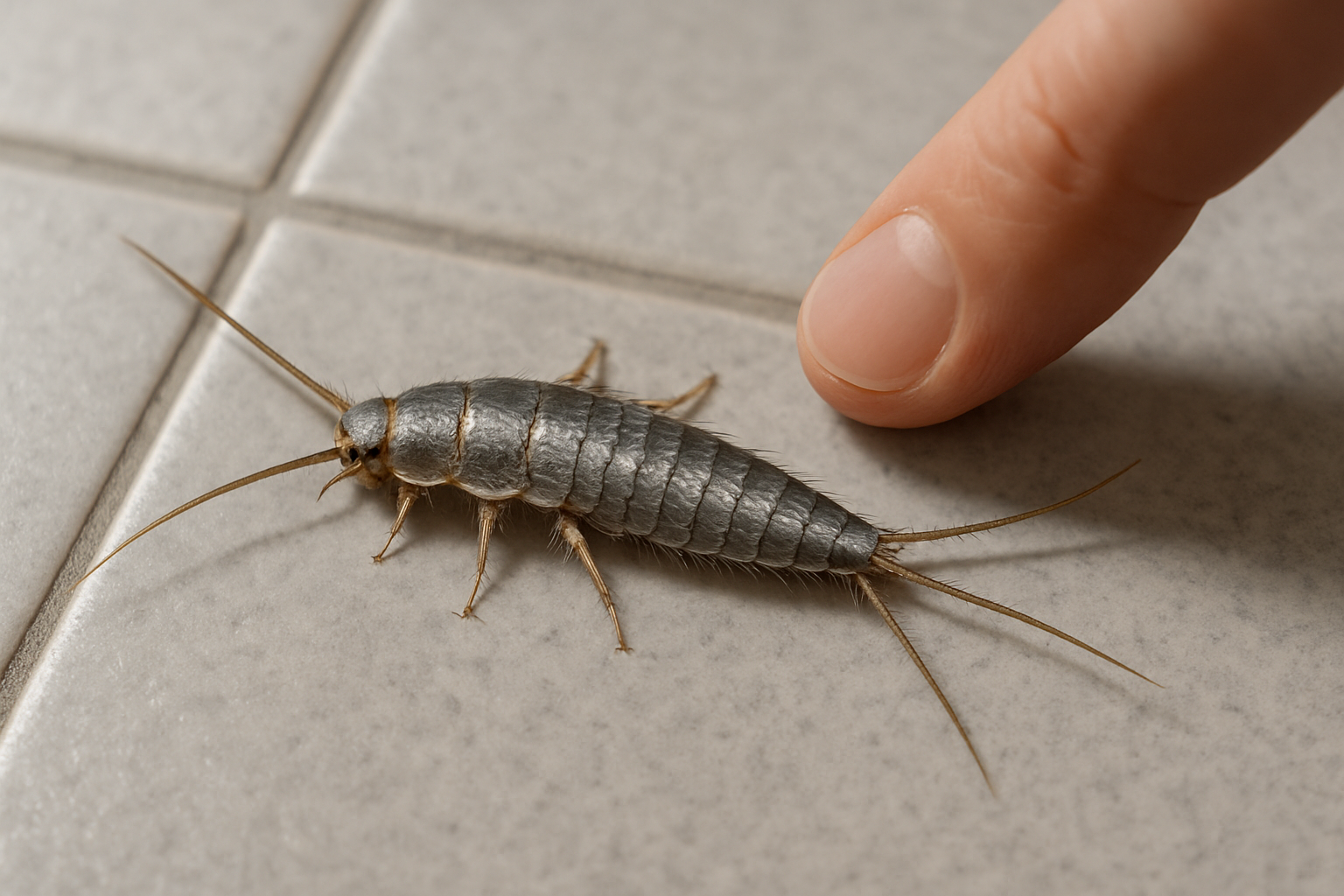
Quick Tip – “Is it a silverfish?”
• Silvery, fish‑like body, 12‑19 mm long
• Three long bristles at the tail end
• Found in damp, dark places (bathrooms, kitchens, basements)
• Leaves yellow‑brown stains and paper damage
Why Professional Control Matters in Vinings
Vinings sits in a humid subtropical zone, meaning summer temperatures regularly climb above 90°F while humidity hovers between 70‑80 % indoors. Silverfish thrive in exactly those conditions—moisture‑rich cracks, damp basements, and the occasional leaky pipe create a perpetual banquet for these nocturnal insects.
Neighborhood specifics that amplify the problem
Many homes in the historic Six Mile area were built in the 1950s‑70s and feature basements, crawl spaces, and older plaster walls—all prime real estate for silverfish colonies. Even the newer Circle 75 condominiums, though modern in design, often suffer from high indoor humidity because of tight construction and limited ventilation. The result is a city‑wide “hot spot” where the pests can move from one dwelling to the next with ease.
DIY attempts vs. professional results
According to a recent NPMA study on silverfish Integrated Pest Management, do‑it‑yourself treatments achieve only about 45 % success, while licensed professionals reach roughly 90 % eradication rates. The gap isn’t just numbers; it reflects the depth of knowledge, access to EPA‑approved products, and systematic monitoring that only a trained technician can provide. NPMA Silverfish IPM outlines why a comprehensive approach beats spot‑treatments every time.
Risks of incomplete DIY treatments
- Recurring infestations that waste time and money.
- Potential exposure to ineffective chemicals that may pose health risks to pets and children.
- Hidden damage to books, fabrics, and drywall that can go unnoticed until structural repairs are needed.
Because Vinings’ climate and housing stock create a perfect storm for silverfish, partnering with a local expert like Anthem Pest Control ensures the problem is tackled at its source, not just patched over. A professional plan delivers lasting protection, peace of mind, and a home that stays dry and pest‑free. Our technicians also perform a thorough moisture assessment, seal entry points, and set up a preventive schedule that keeps silverfish from returning for years.
The Inspection Process with Anthem Pest
Scheduling Your Visit
Homeowners can book an inspection by calling 877‑371‑8196 or using the online scheduler on Anthem Pest’s website. Once the appointment is set, a confirmation email outlines the date, time window, and a short checklist—remove clutter from countertops, ensure easy access to basements, and keep pets in a separate room.
Technician Arrival
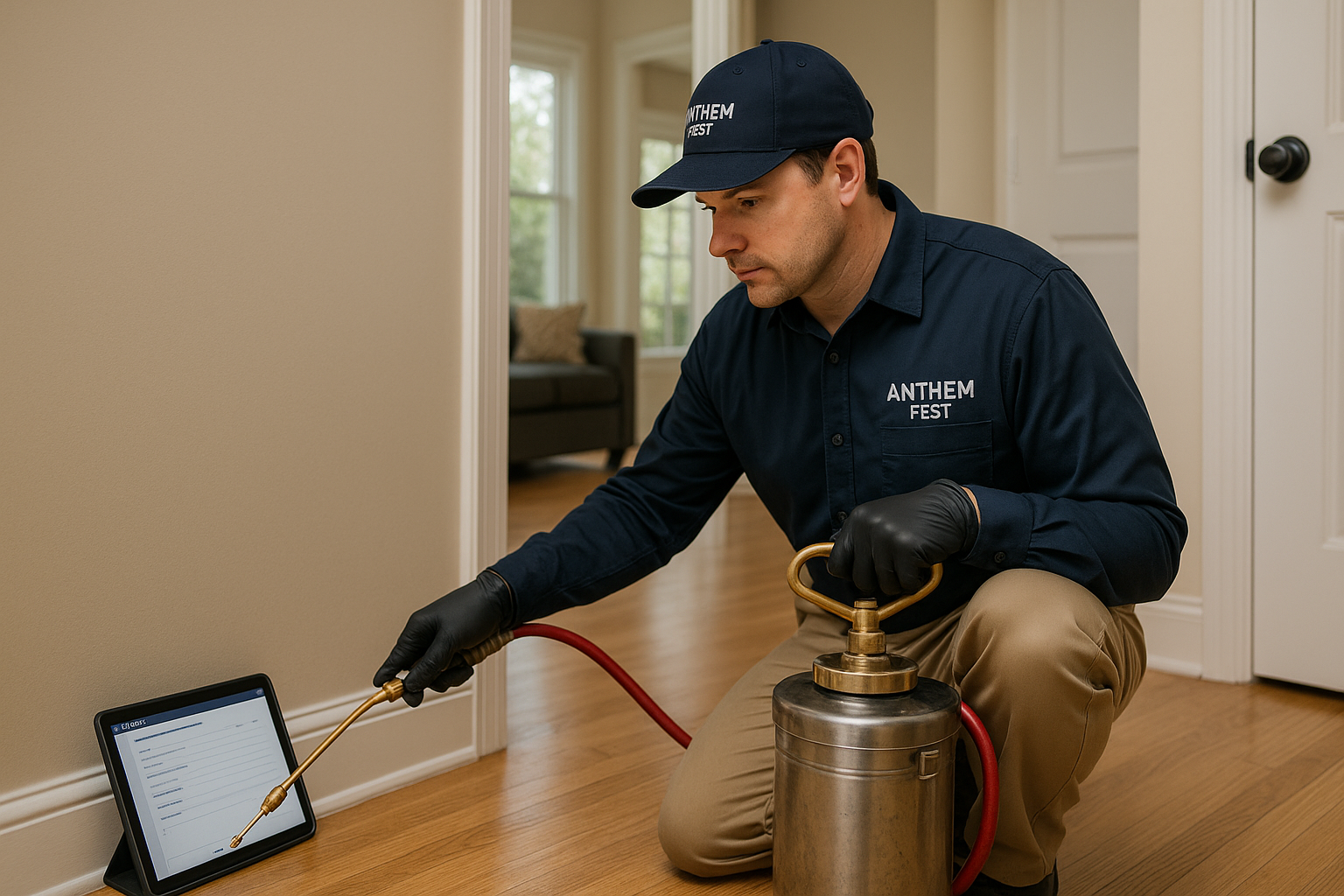
When the technician arrives, they display a company‑issued badge and a uniform that clearly identifies them as Anthem staff. Before stepping inside, they run through an equipment checklist that includes a flashlight, moisture meter, infrared camera, and a portable tablet for note‑taking.
Visual Inspection
The first walkthrough targets high‑risk areas: kitchens, bathrooms, basements, and crawl spaces. Technicians look for the tell‑tale signs of silverfish—tiny scales, silvery trails, and damaged paper or fabric. They also examine stored food, cardboard boxes, and damp corners where the insects love to hide.
Moisture Meter & Infrared Camera
Using a calibrated moisture meter, the technician pinpoints elevated humidity levels behind walls and under flooring. The infrared camera then visualizes hidden moisture pockets—often the silent invitation for silverfish. These tools allow Anthem to locate problem spots without tearing apart finished surfaces.
Identifying Entry Points
Every crack, vent opening, or pipe leak becomes a potential gateway. The inspector seals minor gaps with expanding foam and flags larger openings for professional repair. Special attention is given to plumbing fixtures, as even a slow drip can sustain a silverfish population.
Real‑World Case Study
In Vinings, a homeowner reported occasional silverfish sightings near the kitchen sink. During the inspection, the infrared scan revealed a concealed leak behind the cabinet. Once the pipe was repaired, moisture levels dropped dramatically, and the silverfish activity vanished within two weeks.
Post‑Inspection Report
After the walkthrough, the technician delivers a detailed digital report. It lists observed conditions, identified entry points, and a customized treatment plan—ranging from targeted baits to whole‑home barrier applications. The report also includes a transparent cost estimate, so the homeowner knows exactly what to expect before any work begins.
Treatment Options & How They Work
Chemical Treatments: EPA‑Registered Sprays
When silverfish infestations demand a rapid knock‑down, most professionals reach for EPA‑registered liquid sprays such as bifenthrin and cyfluthrin. Both belong to the pyrethroid family, which attacks the insect’s nervous system by keeping sodium channels open. The result is quick paralysis and death, typically within minutes of contact.
These products are formulated for indoor use, but safety is paramount. Technicians apply the spray in a fine mist, targeting cracks, baseboards, under sinks, and other concealed pathways where silverfish hide. After application, a re‑entry time of 30–60 minutes is standard to allow residues to settle and to protect occupants from inhalation or skin exposure.
For families with pets or young children, we prioritize low‑toxicity options that have passed EPA’s rigorous risk assessments. Our technicians also wear protective gear and use calibrated equipment to ensure the exact amount is applied—no more, no less.
Non‑Chemical Methods
Many homeowners prefer a chemical‑free route, especially in homes with sensitive occupants. Non‑chemical tactics focus on dehydration and physical disruption:
- Silica gel—tiny beads that absorb the thin waxy coating on a silverfish’s exoskeleton, causing it to lose moisture and die.
- Diatomaceous earth (DE)—a powder made from fossilized algae. When a silverfish crawls over DE, the sharp microscopic edges abrade its outer layer, leading to desiccation.
- Integrated Pest Management (IPM)—a holistic approach that combines habitat modification, moisture control, and regular monitoring. By sealing entry points, fixing leaks, and reducing food sources (e.g., paper, starches), IPM makes the environment inhospitable, reducing the need for repeat treatments.
These methods are safe around pets and children when applied correctly, and they can be used as a preventative layer after an initial chemical or spot treatment.
Spot‑Treatment vs. Whole‑Home Treatment
Choosing between a targeted spot‑treatment and a comprehensive whole‑home approach depends on three key criteria:
- Severity of infestation—A few silverfish in a bathroom or pantry usually respond well to a spot application. Widespread activity across multiple rooms signals the need for a whole‑home service.
- Location of activity—If the pests are confined to damp basements or attic corners, a focused spot can be both cost‑effective and efficient.
- Homeowner preference—Some clients value minimal chemical exposure and opt for spot treatments combined with IPM. Others prefer the peace of mind that comes with a full‑scale treatment covering all potential hideouts.
Transparent Pricing
| Treatment Type | Cost (per visit) | Typical Duration | Effectiveness |
|---|---|---|---|
| Spot Treatment | $80‑$120/hr | 1‑2 hrs | 70‑80% |
| Whole‑Home Treatment | $250‑$400 | 3‑4 hrs | 90‑95% |
Safety Notes for Pets and Children
All chemicals we use are EPA‑approved and selected for low toxicity. Nonetheless, we advise homeowners to:
- Keep children and pets out of treated areas until the re‑entry time has passed.
- Store any leftover spray containers out of reach, ideally locked away.
- Ventilate rooms by opening windows after treatment to disperse any lingering vapors.
- Consider pairing a chemical application with silica gel or DE in pet‑friendly zones for added protection without additional chemicals.
Visualizing Treatment Zones
Think of your home as a map divided into zones: kitchen, bathroom, basement, attic, and living spaces. During a whole‑home service, a technician will systematically treat each zone, focusing on moisture‑prone corners, baseboard cracks, and concealed voids. Spot treatments concentrate on the specific zone where silverfish activity is confirmed, applying the chosen method directly to the problem area.
Prevention Tips for Homeowners
Silverfish thrive in damp, dark corners of a home, but you don’t need a professional visit to keep them away. By tackling moisture, sealing entry points, and storing food correctly, Vinings residents can create an environment that’s inhospitable to these nocturnal insects—all without breaking the bank.
1. Reduce Indoor Humidity
Silverfish love moisture, so keeping humidity under 50 % is the first line of defense. Place a dehumidifier in basements, closets, or any room that feels clammy, and empty it regularly. Fix leaky pipes or dripping faucets the moment you notice them—water left unattended creates a perfect breeding ground. Finally, improve ventilation: run exhaust fans in kitchens and bathrooms, and open windows on dry days to let fresh air circulate.
2. Seal Cracks & Crevices
Even the smallest gap can serve as a highway for silverfish. Inspect baseboards, window frames, and door jambs for tiny openings. Apply a quality silicone caulk to seal cracks, install door sweeps to block the gap beneath exterior doors, and add weather‑stripping around windows. These inexpensive measures close off the pathways that pests use to slip inside.
3. Store Food Properly
Pantry items are a hidden buffet for silverfish if left exposed. Transfer cereals, flour, rice, and pet food into airtight containers made of glass or heavy‑wall plastic. Clean up crumbs, spills, and food residues daily—especially around appliances and under cabinets. A tidy pantry removes the food source that attracts silverfish and other pantry pests.
4. Seasonal Timing
Humidity in Vinings spikes during two key periods: early spring (March – May) and fall (September – November). Schedule a preventive treatment or a deep‑cleaning session during these windows to stay ahead of the surge. Running a dehumidifier for a few extra hours on particularly damp days can make a noticeable difference.
5. Leverage Local Resources
If you suspect a hidden water leak, the Vinings Public Works Water‑Leak Hotline can help you locate and resolve the issue quickly. Call 404‑555‑1234 or visit the Vinings Public Works website for assistance. Prompt repairs not only protect your home from silverfish but also prevent costly water damage.
- Keep indoor humidity below 50 % with a dehumidifier or proper ventilation.
- Seal cracks, gaps, and openings around baseboards, windows, and doors.
- Store pantry items in airtight containers and wipe away crumbs daily.
- Plan preventive actions in early spring (Mar‑May) and fall (Sep‑Nov) when humidity rises.
- Report water leaks to Vinings Public Works (call 404‑555‑1234).
Cost Breakdown & Value Comparison
When it comes to silverfish control in Vinings, the price you pay today can dictate the peace of mind you enjoy tomorrow. According to Anthem Pest’s 2024 pricing sheet, a full‑service annual silverfish program—covering inspection, treatment, and a follow‑up visit—runs between $250 and $450 per household. This range reflects the comprehensive nature of the service, which includes licensed technicians, EPA‑approved chemicals, and a guarantee that the infestation will stay under control for the entire year.
Do‑it‑yourself homeowners often turn to product bundles sold at home‑improvement stores. A typical kit containing a spray, a set of adhesive traps, and a powder treatment costs roughly $60 to $120. While the upfront expense looks attractive, the DIY route rarely includes the expertise, thoroughness, or ongoing monitoring that a professional program provides.
The hidden costs of a DIY approach can quickly erode any savings. First, improper application may damage delicate woodwork, upholstery, or electronics—repairs that can run $200‑$400 per incident. Second, silverfish are notorious for re‑infesting if the treatment isn’t comprehensive; many homeowners end up purchasing additional products every few months, adding $40‑$80 each time. Finally, the time you spend researching, buying, and applying chemicals can easily exceed 10‑15 hours per year, which translates to lost productivity or leisure time.
ROI Illustration: 2‑Year Cost‑Benefit Analysis
| Scenario | Year 1 Cost | Year 2 Cost | Total 2‑Year Cost |
|---|---|---|---|
| Professional Service (Anthem Pest) | $350 | $350 | $700 |
| DIY Basic Bundle (no hidden costs) | $90 | $90 | $180 |
| DIY with Hidden Costs (damage + repeat treatments) | $250 | $250 | $500 |
Even though the DIY basic bundle appears cheaper, the realistic scenario—including hidden expenses—pushes the two‑year total to about $500. By contrast, the professional plan remains steady at $700, but it eliminates damage repairs, repeat purchases, and the labor you’d spend yourself. Over a two‑year span, homeowners who choose Anthem Pest can expect a net saving of **$300‑$500** when you factor in avoided repairs and the value of your time.
Verification note: Upcoming 2025 regional pest‑control cost statistics from the EPA and the Georgia Department of Agriculture will further validate these pricing trends. Stay tuned for the official release to confirm that professional silverfish control continues to deliver strong value for Vinings homeowners.
Frequently Asked Questions
Below are answers to the most common questions we hear from Vinings homeowners about silverfish control.
- How long does a treatment last? Our standard silverfish treatment leaves a residual barrier that typically protects your home for three to six months. The exact duration can shift with local humidity, ventilation, and how well moisture sources are managed. Keeping bathrooms, kitchens, and basements dry helps the residual effect stay effective for the full period.
- Are treatments safe for pets and children? Absolutely. We use EPA‑approved, low‑toxicity products that are safe for families when applied according to label directions. Our technicians target cracks, baseboards, and other hiding spots, limiting exposure and ensuring a pet‑friendly environment.
- Can silverfish return after treatment? Yes, silverfish are attracted to moisture, so if damp conditions persist they can re‑establish. Regular de‑humidification, fixing leaks, and sealing entry points are essential. We also recommend periodic inspections to catch any rebound early.
- How often should I schedule professional service? For most Vinings homes we suggest an annual visit, with a second service during the high‑humidity months of spring and summer if you’ve had past issues. In particularly damp basements or older homes, a bi‑annual schedule keeps the population suppressed.
- What if I have a severe infestation? Severe cases often need a multi‑step approach: an initial intensive chemical application followed by a non‑chemical follow‑up, such as silica‑based dusting or targeted vacuuming. Our team may schedule two or more visits to ensure the colony is fully eradicated and to implement long‑term prevention.
Choosing a Local Provider: Why Anthem Pest Stands Out
When a silverfish invasion threatens your Vinings home, the difference between a quick fix and a lingering problem often comes down to who you call. Anthem Pest brings more than a generic service—they bring a decade of neighborhood‑specific knowledge that translates into faster, more effective results.
Local expertise you can trust
For over 10 years, Anthem’s fully licensed technicians have worked in Vinings’ unique housing stock, from historic bungalows to newer townhomes. They know which construction materials, foundation types, and moisture patterns attract silverfish, allowing them to target the infestation at its source rather than merely spraying a generic solution.
Transparent pricing, no surprises
Homeowners receive a clear cost bracket before any work begins: a free inspection, a set price for the initial treatment, and a written estimate for any follow‑up services. There are no hidden fees, and the quote is delivered in writing so you can compare options confidently.
Guaranteed satisfaction
Anthem backs every job with a 100 % satisfaction guarantee. If silverfish reappear within the warranty period, a technician returns at no extra charge to reassess and retreat, ensuring the problem stays solved.
What Vinings neighbors are saying
“Anthem Pest resolved our silverfish problem quickly and professionally – a true neighborly service.”
Ready to protect your home with a provider that knows Vinings inside and out? Call 877‑371‑8196 or visit anthempest.com for a free inspection and see why local families keep choosing Anthem.
Conclusion & Next Steps
Dealing with silverfish in Vinings starts with accurate identification, followed by a thorough professional inspection, the right treatment choice, and ongoing prevention. When each of these steps is handled correctly, you eliminate the insects and protect your home from future invasions.
Anthem Pest’s proven methods combine targeted applications with environmentally‑responsible products, delivering a cost‑effective solution that gives you peace of mind. Our technicians know the local climate, building styles, and common entry points, so you avoid wasted treatments and hidden fees. By targeting the insects where they hide, you prevent damage to books, clothing, and drywall, saving you repair costs down the line.
Take the next step today by scheduling a free, no‑obligation inspection. Our team will assess your property, explain the findings, and design a customized plan that fits your budget and timeline. Our same‑day appointment window ensures you won’t wait weeks for relief.
Ready to protect your home from silverfish? Contact Anthem Pest Control for a complimentary inspection and a clear, upfront quote. Our local experts are standing by to help you enjoy a silverfish‑free home.
Call now at 877‑371‑8196 or visit Anthem Pest Control to get started. We offer flexible hours, including evenings and weekends, to fit your busy schedule.