Introduction to Silverfish Issues in Smyrna

Imagine stepping into your Smyrna bathroom and spotting a tiny, silvery fish‑shaped critter darting across the cool tiles, or catching a flash of movement on a kitchen counter while you’re preparing dinner. Those quick, moth‑like insects are silverfish, and they’re more common in Georgia homes than most homeowners realize, often prompting questions about the silverfish control cost Smyrna.
Beyond the unsettling sight, silverfish can cause real damage. Their elongated mouthparts chew through the starches and proteins found in books, wallpaper, and clothing, leaving unsightly holes and weakening fibers. In the pantry, they gnaw at cereal, flour, and dried fruit, contaminating food supplies with shed skins and feces. Over time, a modest infestation can erode the value of personal belongings and create a persistent hygiene concern.
In this guide you’ll discover exactly what you need to tackle the problem without surprise fees. We’ll break down transparent, cost‑effective treatment options—from DIY traps to professional heat‑treatment plans—so you can compare prices before you decide. You’ll also receive locally‑tailored prevention tips that consider Smyrna’s humid summers and occasional rain‑driven spikes in moisture, the key conditions that silverfish love. Finally, we’ll show how Anthem Pest’s data‑driven approach and certified technicians can deliver lasting control while keeping your family safe.
Our tone is that of a trusted neighbor who happens to be a pest‑control professional. We rely on recent Georgia‑specific studies that link indoor humidity levels above 60 % to rapid silverfish population growth, and we translate that data into simple actions you can start today. By the end of this section, you’ll feel confident that the silverfish you see today won’t become a long‑term nightmare.
Anthem Pest has serviced more than 1,200 Smyrna residences, mapping infestation hotspots down to the block level. Their technicians perform a moisture audit, seal entry points, and apply low‑odor, EPA‑approved products that target silverfish without harming pets or plants. Pricing is presented up front, so you know exactly what the job will cost before any work begins.
Identifying Silverfish in Smyrna Homes
Silverfish are small, silvery‑gray insects that often go unnoticed until they start scurrying across a bathroom floor or kitchen counter. An adult measures roughly 12–19 mm (½–¾ in.) in length and is covered with overlapping, fish‑like scales that give it a shimmering appearance. Their most distinctive behavior is a rapid, side‑to‑side “wriggle” that looks like a tiny fish darting through water, even though they are fully terrestrial. They have long antennae that sweep forward in tight cracks, and three tail‑like cerci that twitch, sensing vibrations.
In Smyrna homes, silverfish gravitate toward moist, dark environments. The most common hotspots include:
- Bathrooms – especially around shower stalls, grout lines, and under sinks.
- Kitchens – behind appliances, in pantry corners, and near leaky faucets.
- Basements and crawl spaces – where humidity levels stay high.
- Any area with a slow‑dripping pipe or water‑logged grout, as moisture fuels their development.
Real‑world example: A homeowner in the Burnt Hickory neighborhood was fixing a leaking pipe under the kitchen sink when a handful of silvery insects darted out from the damp wood. The resident later discovered additional clusters near the bathroom vanity, confirming a small but active silverfish population thriving on the persistent moisture. The homeowner contacted a pest specialist, who confirmed moisture as the attractant and scheduled a targeted treatment to eradicate the colonies.
Nationally, silverfish are far from rare. According to the 2024 EPA indoor‑pest report, approximately 15‑20 % of U.S. households report a silverfish sighting each year. That translates to millions of homes dealing with these elusive pests, and Smyrna’s humid climate makes it a prime location for the insects to establish hidden colonies.
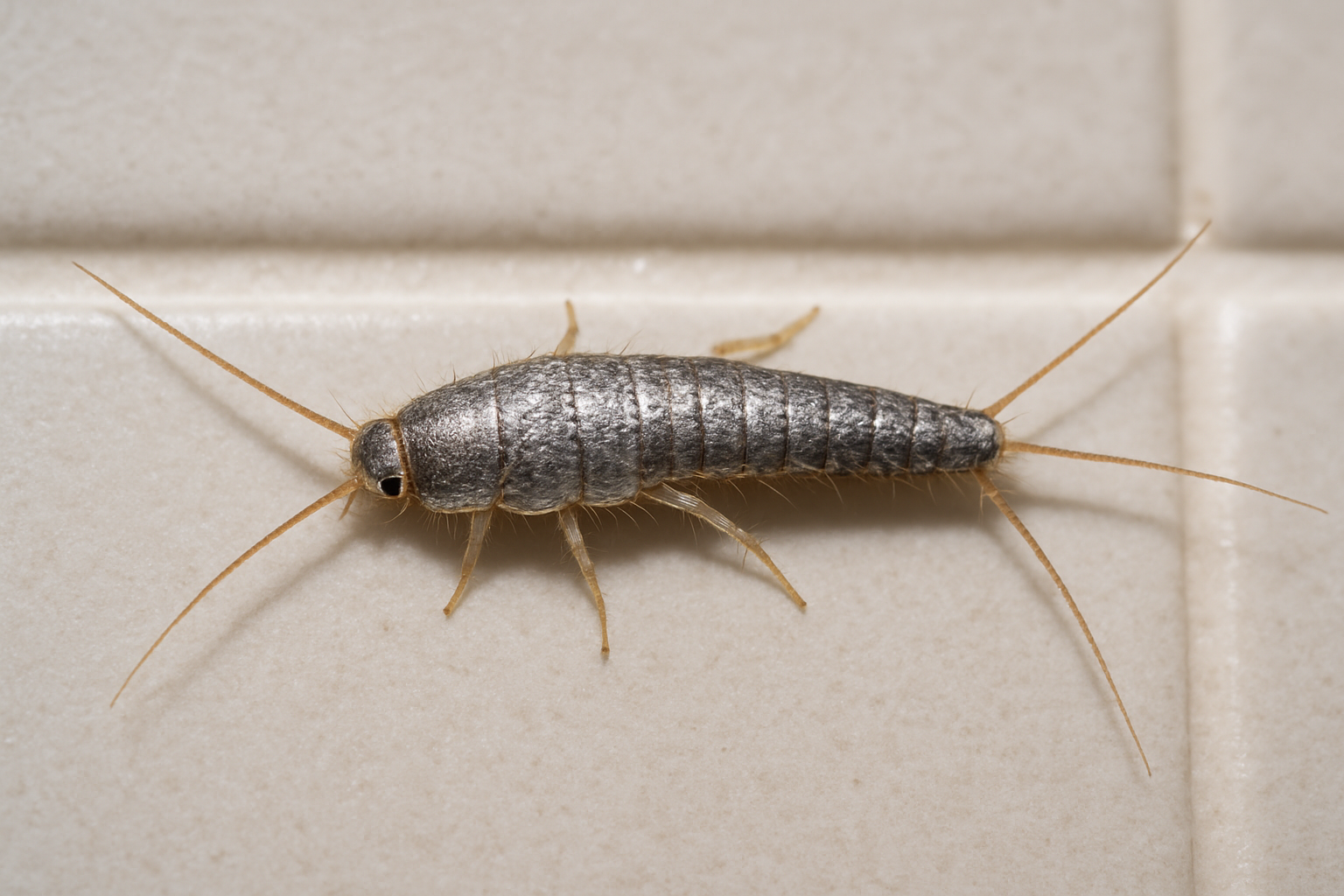
Quick Visual Cue Checklist
- Length between 12‑19 mm with a tapered, fish‑like body.
- Silvery‑gray, metallic sheen from overlapping scales.
- Fast, side‑to‑side “wiggle” when disturbed.
- Found in damp corners: bathroom grout, kitchen sink cabinets, basement joists.
- Presence of tiny, irregular holes in paper, book pages, or stored clothing.
Spotting any of these signs should prompt a closer inspection and, if needed, a professional treatment plan. Early identification lets Anthem Pest Control target the source of moisture, seal entry points, and apply a targeted silverfish control program before the infestation spreads.
Why Smyrna Is a Silverfish Hotspot
Silverfish thrive where moisture meets shelter, and Smyrna, Georgia, offers both in abundance. Understanding the local conditions that favor these nocturnal insects helps homeowners spot problems early and choose the right prevention strategy.
Climate: Humid Subtropical Comfort
Smyrna sits in a humid subtropical zone, where summer humidity routinely hovers around 70 %. Those damp evenings create the perfect micro‑climate for silverfish, which require a relative humidity above 60 % to remain active. Even during milder months, nighttime dew and occasional rain keep indoor humidity elevated, especially in poorly ventilated spaces. These conditions persist in homes without dehumidification, making basements and closets ideal feeding grounds for insects.
Housing Stock: Older Homes and Moisture‑Retaining Basements
Much of East Cobb and the historic districts of Smyrna feature homes built before the 1970s. These structures often have crawl spaces, unfinished basements, and older plaster or woodwork that absorb and hold moisture. Leaky foundations, outdated plumbing, and limited vapor barriers allow water to linger, turning basements into silverfish sanctuaries. Older insulation traps moisture, and foundation cracks allow groundwater seepage during heavy rains, making homeowners consider the silverfish control cost Smyrna for professional prevention and treatment.
Neighborhood Snapshots
- East Cobb – Characterized by sprawling ranch‑style houses with expansive basements that stay cool and damp year‑round.
- Southside Smyrna – A mix of mid‑century homes and newer infill where landscaping irrigation can seep into foundations.
- Historic Downtown – Brick walk‑ups and converted warehouses with high ceilings and hidden nooks that retain humidity.
Scientific Insight: Moisture Levels Drive Activity
A 2023 study from the University of Georgia Extension found a direct correlation between basement moisture content and silverfish populations. Homes with basement humidity above 65 % reported up to three times more silverfish sightings than drier units. The extension’s surveys of 120 Metro Atlanta basements showed each 5 % humidity rise linked to a 20 % jump in silverfish activity. This data underscores why Smyrna’s older, moisture‑rich homes become hotbeds for infestation.
By recognizing these factors—climate, building age, and localized humidity—homeowners can target the most vulnerable areas and work with Anthem Pest Control to keep silverfish out of their living spaces.
Early Detection and DIY Inspection Checklist
Spotting silverfish before they turn into a full‑blown infestation saves you time, stress, and money. Follow this quick, step‑by‑step routine each month to catch the tell‑tale signs in your Smyrna home.
Inspection Checklist
- Open pantry boxes and cereal containers; look for tiny, silvery scales or the fish‑like insects themselves.
- Slide a flashlight under the refrigerator, stove, and dishwasher. Silverfish love the dark, damp spaces behind appliances.
- Examine bathroom grout, tile seams, and the underside of sinks for moisture buildup and tiny droppings.
- Pull back baseboard trim in closets and laundry rooms; these cracks often hide a hidden population.
- Check any paper stacks, books, or cardboard boxes stored in damp corners for feeding damage.
Tools You’ll Need
- Flashlight – a bright, handheld beam reveals hidden corners without disturbing the insects.
- Sticky glue traps – place a few along baseboards and behind appliances to confirm activity.
- Handheld moisture meter – quickly identify spots with elevated humidity, the favorite breeding grounds for silverfish.
Real‑World Success Story
One Smyrna homeowner followed the checklist, set three glue traps behind the kitchen pantry, and within 48 hours the traps captured five silverfish. The quick visual confirmation allowed the family to call Anthem Pest Control early, preventing a larger outbreak and keeping their pantry food safe.
Important Disclaimer
DIY methods are for detection only. While traps and inspections reveal the presence of silverfish, they do not eradicate an established colony. For complete removal and long‑term protection, contact a licensed professional like Anthem Pest Control. Our certified technicians use safe, targeted treatments that eliminate the pests and address the underlying moisture issues.
Professional Treatment Options and Pricing
Chemical Treatments
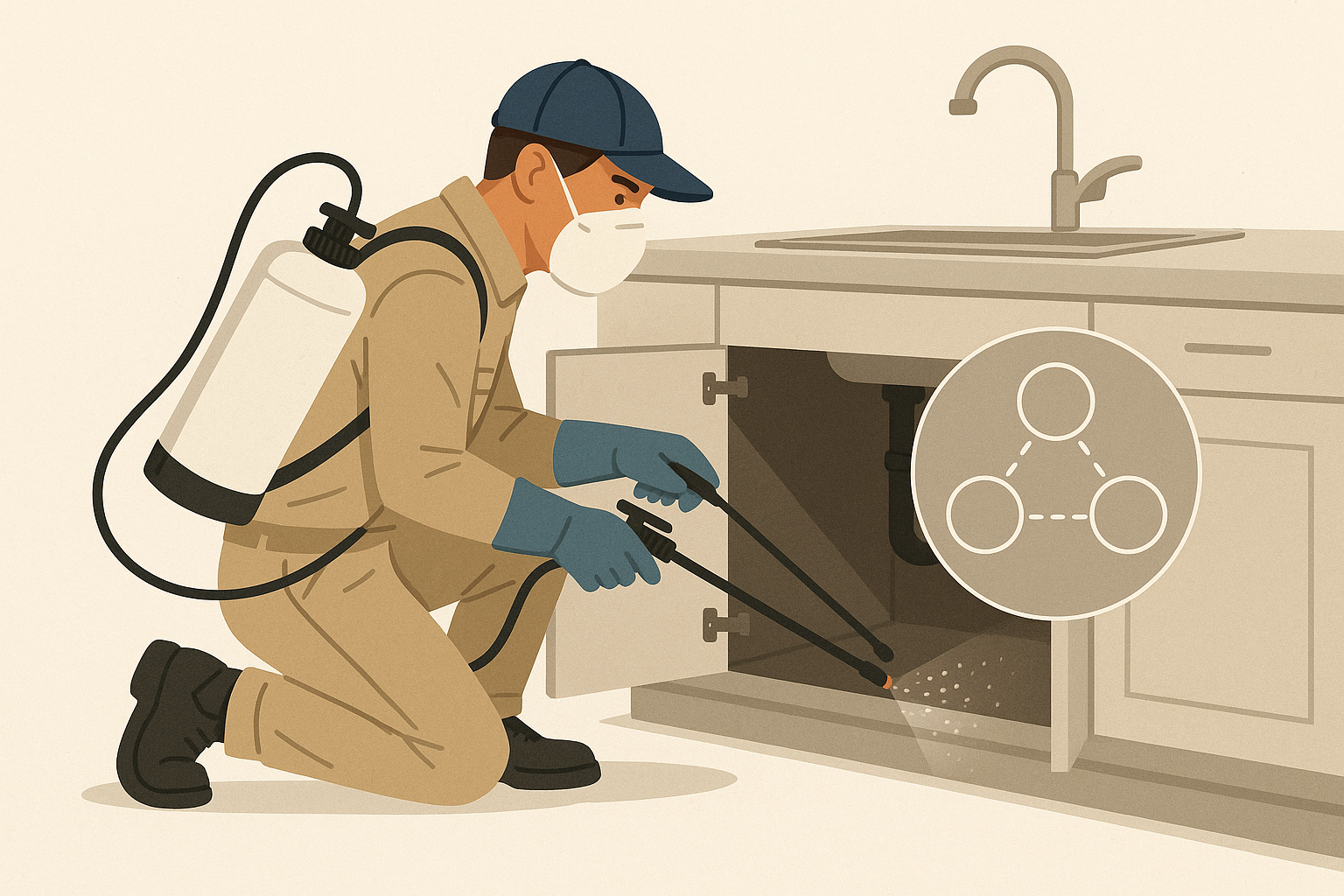
The most common professional method relies on low‑toxicity baits and residual sprays. Boric‑acid‑based baits are placed in cracks, baseboards, and pantry corners where silverfish travel, delivering a slow‑acting poison that they carry back to the colony. For immediate knock‑down, technicians apply a pyrethroid‑based residual spray to seams, under appliances, and inside wall voids, creating a protective barrier that kills insects on contact for weeks.
Even though these products are labeled low‑toxicity, families with young children or curious pets should keep treated areas off‑limits for at least 24 hours. Technicians wear gloves and use precise applicators to limit overspray, and they will advise you on proper ventilation and cleaning before the area is fully re‑occupied.
Heat Treatment
Heat treatment takes a different tack: the entire home is raised to about 120 °F for four to six hours. At that temperature, silverfish eggs, larvae, and adults cannot survive, and the heat penetrates hidden cracks and wall voids where chemicals often miss.
Because the process uses portable industrial heaters, technicians monitor temperature with calibrated sensors to avoid damage to electronics, plastics, or paint. Homeowners should remove heat‑sensitive items—like candles, electronics, and certain cosmetics—before the crew arrives.
Integrated Pest Management (IPM)
Integrated Pest Management (IPM) blends chemical, physical, and cultural tactics for lasting control. First, a technician inspects moisture sources—leaky pipes, condensation, or poor ventilation—and recommends fixes, because silverfish thrive in damp environments. Next, cracks and gaps around baseboards, windows, and utility openings are sealed, cutting off entry routes. Finally, a targeted, low‑dose chemical is applied only where activity is confirmed, reducing overall pesticide use while keeping the infestation in check.
Safety Assurance
All products used by Anthem Pest are EPA‑registered and applied by fully licensed technicians, so you can trust that each treatment meets federal safety standards and is backed by a guarantee of effectiveness.
Pricing Overview
Pricing in Smyrna reflects the level of service and the extent of the infestation. For most single‑room or spot‑treatments, you’ll see an initial visit cost ranging from $80 to $150, which includes inspection, the chosen chemical application, and a follow‑up call.
Prevention Strategies for HomeownersControl Humidity Silverfish thrive in damp environments, so reducing moisture is the single most effective barrier. Place a dehumidifier in basements, laundry rooms, or any area that feels clammy, aiming for a relative humidity below 50 %. Promptly repair leaky pipes, dripping faucets, and roof leaks—water left unchecked creates the perfect breeding ground. In bathrooms, run the exhaust fan during showers and leave it on a few minutes afterward to pull humid air outside. Opening windows on dry days or installing a small ventilation grille can also help air circulate and dry out hidden pockets of moisture.Seal Entry PointsEven the tiniest cracks give silverfish a highway into your home. Inspect baseboards, window frames, and door jambs for gaps, then apply a quality silicone or acrylic caulk to seal them. Install door sweeps on exterior doors; the brush or rubber strip blocks insects from slipping underneath. Screened vents and utility openings should be fitted with fine mesh, and any damaged screens must be replaced promptly. These simple fixes create a continuous barrier that keeps not only silverfish but other unwanted guests at bay.Store Food ProperlyPantry staples such as grains, flour, cereal, and pet food are a silverfish buffet if left exposed. Transfer these items into airtight containers made of glass or heavy‑wall plastic, and label each container with the purchase date. Keep the pantry clean by wiping down shelves with a mild detergent solution weekly, and sweep away crumbs or spilled flour immediately. By eliminating food sources, you remove the incentive for silverfish to linger or reproduce in your kitchen.Seasonal Maintenance ChecklistSilverfish activity spikes after periods of high humidity, typically in spring and fall. Conduct a deep‑cleaning and moisture inspection twice a year to stay ahead of the problem.
- Early Spring: Vacuum baseboards, under appliances, and behind furniture; check for water stains or condensation on walls and windows.
- Mid‑Spring: Test dehumidifiers, replace any worn caulk, and ensure door sweeps are snug.
- Early Fall: Repeat the vacuum and inspection routine, focusing on any new condensation from cooling temperatures.
- Mid‑Fall: Re‑seal any fresh cracks that appeared during summer expansion and restock airtight containers before holiday baking.
When silverfish start scurrying across your bathroom floor, the difference between a quick fix and a recurring infestation often hinges on who you call. A local pest-control partner knows the specific habits of Smyrna’s pests, the climate patterns that trigger their activity, and the municipal regulations that govern treatment chemicals. Choosing a provider that lives and works in the same community gives you faster response times, personalized service, and the peace of mind that comes from supporting a neighbor, while also understanding the silverfish control cost Smyrna.h after a late‑night shower or notice a sudden surge over the weekend, our team is on call around the clock to schedule an inspection within hours.
- Fully licensed technicians: Every technician holds a Georgia state pest‑control license and completes ongoing training, ensuring they apply the latest industry standards safely and effectively.
- EPA‑registered products: We use only solutions approved by the Environmental Protection Agency, which means proven efficacy against silverfish while protecting your family, pets, and the environment.
Trust signals you can verify instantlyThese credentials are publicly visible, so you can verify them with a single click.
- A+ rating with the Better Business Bureau: Our BBB profile shows a clean record, prompt dispute resolution, and a commitment to ethical business practices.
- Dozens of verified Smyrna homeowner testimonials: Real‑life reviews detail everything from the professionalism of our crew to the lasting results of our treatments.
- Transparent pricing: No hidden fees; you receive a clear, written estimate before any work begins.
Our local office sits just minutes from downtown Smyrna, allowing us to dispatch crews faster than regional chains.Ready to stop silverfish before they turn your home into a pantry for the unwanted? Call 877‑371‑8196 now for a free, no‑obligation inspection. Our friendly staff will confirm your location, schedule a technician, and answer any questions you have about the process.For more details about our Smyrna services, visit our dedicated landing page: Anthem Pest Smyrna.Frequently Asked Questions about Silverfish ControlHow long does a silverfish treatment last?Most professional treatments remain effective for six to twelve months when they are paired with proper moisture management. The EPA notes that eliminating excess humidity—by fixing leaks, using dehumidifiers, and improving ventilation—keeps the environment inhospitable for silverfish, extending the life of any chemical or bait application. Regular inspections help you catch any early signs of resurgence before they become a full‑blown infestation. Applying a residual insecticide along baseboards provides a barrier that lasts throughout the season.Are the chemicals safe for pets?EPA‑registered baits and low‑toxicity sprays used by trained technicians are formulated to minimize risk to humans and animals. When applied correctly, these products pose little danger, but we still advise keeping pets away from treated zones until the spray or bait has dried completely. Following label directions and allowing the product to settle ensures a safe environment for your family and furry companions. We recommend ventilating the treated area for at least 30 minutes after application to disperse lingering vapors.Can silverfish return after treatment?Re‑infestation is possible if the underlying moisture problem isn’t addressed. Silverfish thrive in damp, dark places, so without fixing leaks or reducing humidity, they can quickly recolonize. Ongoing integrated pest management (IPM)—including regular cleaning, sealing cracks, and scheduled inspections—greatly reduces the risk of a comeback. Consistent monitoring lets us intervene early, keeping your home silverfish‑free year after year. If you notice increased activity within a few weeks, contact your technician for a treatment to interrupt the cycle.Final Thoughts and How to Get a Free QuoteLiving in Smyrna, Georgia, you’ve learned that silverfish thrive in the humid, shaded corners of homes. By now you can spot their tell‑tale fish‑shaped bodies, recognize the damage they cause to paper, clothing, and drywall, and understand why early detection matters.The most effective way to keep those pests at bay is a two‑step approach: professional treatment followed by ongoing prevention. In Smyrna we recommend targeted insecticide applications, crack‑and‑crevice sealing, and moisture control to eliminate the environment silverfish love.Choosing a trusted provider like Anthem Pest means you get licensed technicians, EPA‑approved products, and a treatment plan tailored to your home’s layout. That expertise translates into safe, effective, and long‑lasting control—something DIY sprays simply can’t guarantee.Remember, the key takeaways are: identify the pest early, act quickly with professional treatment, maintain low humidity, seal entry points, and partner with a local expert who knows Smyrna’s unique climate.Ready to protect your home from silverfish? Contact Anthem Pest today for a free, no‑obligation quote. Call us at 877‑371‑8196 or visit Anthem Pest Control to schedule your assessment.Our team will walk you through every step, answer any questions, and ensure you feel confident in the protection plan—without any hidden fees or high‑pressure sales tactics.
| Service | Price Range |
|---|---|
| Initial Visit (Chemical Spot Treatment) | $80–$150 |
| Full‑Home Heat Treatment | $250–$400 |
| Full‑Home IPM Package | $300–$500 |
| Follow‑Up Visit | $60–$90 |