Spotting Common Spiders in and Around Your Home
Spiders are an integral part of the ecosystem, silently catching insects that could otherwise become indoor pests. Understanding their biology helps homeowners see why most of the eight-legged visitors are harmless and when spider control Decatur GA services may be warranted. According to the EPA and the CDC, the overwhelming majority of spider species pose no threat to humans, pets, or property

Common Indoor Spiders
These species are the ones you’re most likely to encounter in basements, closets, or sunny corners of your living room.
- American House Spider (Parasteatoda tepidariorum) – About ½ inch long, brown to tan with a faintly mottled abdomen. It spins irregular, tangled cobwebs in corners, behind furniture, and in ceiling cracks. Usually found in dry, undisturbed areas.
- Cellar Spider (Pholcidae family) – Long, slender legs with a small, rounded body (≈ ¼ inch). Their web resembles a messy sheet with a tangled funnel. Frequently spotted in basements, crawl spaces, and bathroom corners where humidity is higher.
- Common House Orb Weaver (Neoscona crucifera) – Medium‑size (≈ ¾ inch), brownish‑gray with a distinctive hourglass pattern on the abdomen. Constructs classic circular orb webs in window frames, eaves, and outdoor lights that spill into the house.
Distinguishing Dangerous Species
Two spiders in Georgia deserve a closer inspection because of their venomous bite.
- Brown Recluse (Loxosceles reclusa) – Light to dark brown, violin‑shaped marking on the cephalothorax, and a uniformly colored abdomen. Prefers dark, undisturbed places such as closets, attics, and woodpiles. Their bite can cause necrotic lesions.
- Southern Black Widow (Latrodectus mactans) – Shiny black body, about ½ inch long, with a bright red hourglass on the underside of the abdomen. Builds irregular, tangled webs near ground‑level outdoor structures, but may wander indoors during extreme heat.
Key visual cues—body shape, coloration, and web type—are the quickest way to separate these from the benign house spiders listed above.
Safety Precautions When Handling or Observing a Spider
- Never crush a spider; use a cup and a piece of paper to relocate it outdoors.
- Wear gloves if you need to move a spider from a high‑traffic area.
- Keep children and pets away until the spider is safely removed.
- If you suspect a brown recluse or black widow, avoid direct contact and call a professional pest service immediately.
- Wash your hands after handling any spider‑containing objects.
How Proper Identification Guides Treatment Choices
Accurate identification tells you whether a simple relocation will suffice or if a targeted treatment plan is necessary. For harmless species like the American house spider, regular cleaning and sealing entry points usually keep numbers low. In contrast, a confirmed brown recluse or black widow presence often triggers a focused chemical barrier or indoor fogging performed by licensed technicians—methods that are both safe for occupants and effective against the specific threat.
By learning to spot the size, color, and web patterns of the spiders around your home, you empower yourself to make informed decisions, avoid unnecessary pesticide use, and enlist professional help only when truly needed. This proactive approach aligns perfectly with Anthem Pest Control’s commitment to safe, affordable, and transparent pest solutions for every Decatur homeowner.
Seasonal Spider Activity in Decatur, GA
Decatur’s Climate and Its Influence on Spiders
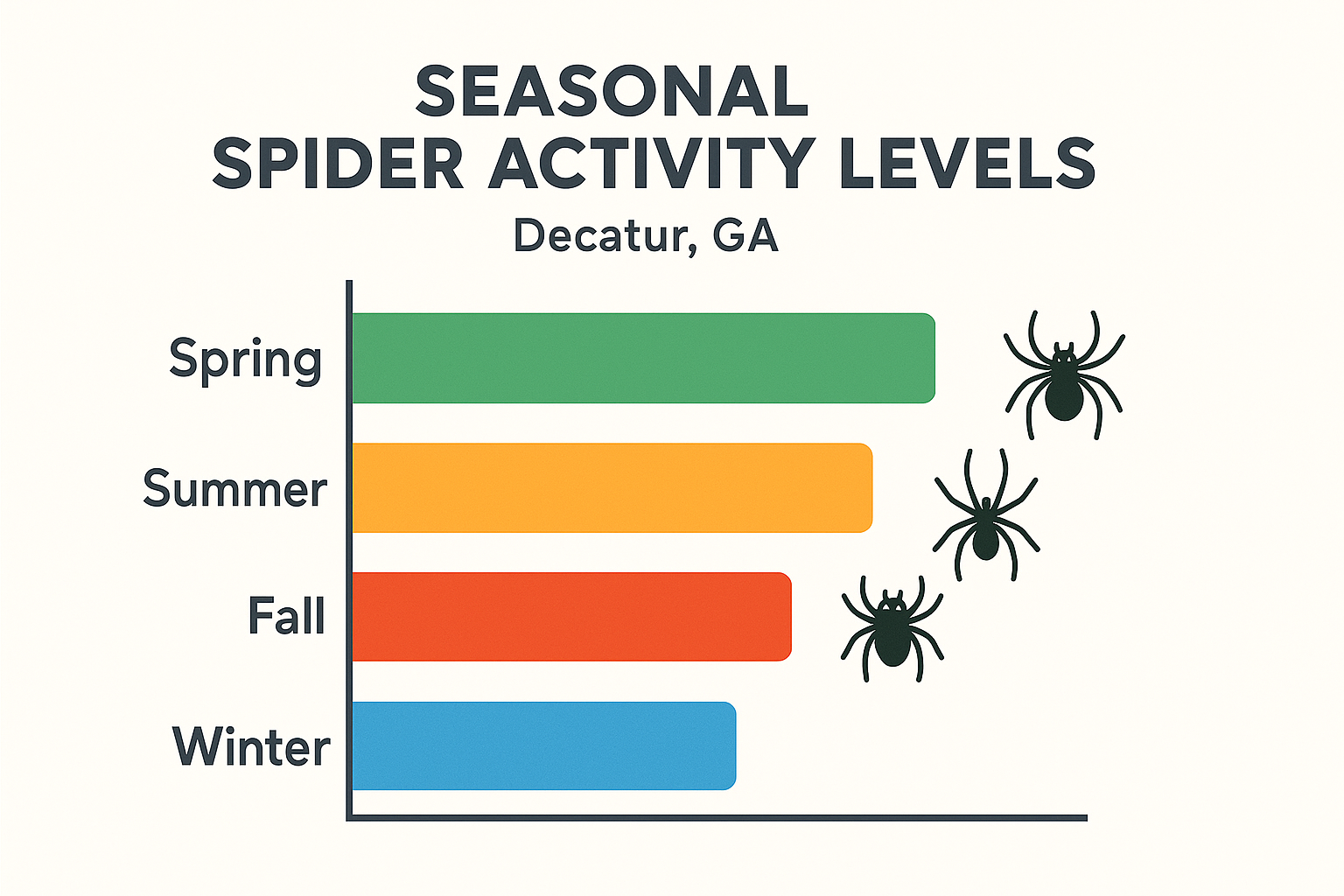
Decatur sits in the humid subtropical zone, meaning hot, moist summers and mild, damp winters. Average high temperatures climb above 90 °F (32 °C) in July, while winter lows rarely dip below 30 °F (‑1 °C). Rainfall is fairly evenly distributed, but the summer months bring brief thunderstorms that spike humidity. Spiders are ectothermic—they rely on external heat to regulate activity—so these temperature and moisture swings dictate when they spin webs, hunt, and seek shelter.
Summer Surge: Orb Weavers and Their Webs
From late May through September, orb‑weaving species such as the Araneus genus dominate gardens, porches, and fence lines. Warm days and high humidity provide ideal conditions for building large, circular webs that can capture flying insects. During peak summer, you’ll notice a dense “silk curtain” in sunny spots, especially where morning dew lingers. This is the time these spiders reach reproductive maturity, so egg sacs become abundant and future populations are set.
Fall Shift: Cellar Spiders and Indoor Encroachment
As temperatures dip in October and November, many outdoor hunters retreat to cooler, drier micro‑habitats. The common cellar spider (Pholcus phalangioides) takes advantage of lower humidity by moving indoors, where basements, crawl spaces, and attic corners maintain a stable environment. Their long, delicate legs and messy sheet webs are a hallmark of fall indoor activity. While they are harmless, their presence often signals that other pests—like flies or silverfish—are also seeking shelter.
Winter Lull and Spring Reawakening
December through February brings a natural slowdown. Most adult spiders seek protected crevices, and only a few hardy species remain active. However, as March warms and rainfall increases, dormant eggs hatch, releasing a new generation of ground‑hunting spiders (e.g., wolf spiders) and early‑season orb weavers. Spring is also when spiderlings disperse on silk “ballooning” rides, traveling short distances to colonize fresh foliage.
Indoor vs. Outdoor Activity Patterns
Temperature is the primary driver, but humidity plays a supporting role. Outdoor activity peaks when daytime highs exceed 75 °F (24 °C) and relative humidity stays above 60 %. Indoors, spiders thrive in areas where moisture accumulates—under sinks, in bathrooms, or around leaky pipes. In the summer, you’ll see more outdoor webs; in the fall and winter, indoor corners become the hotspot. Understanding this shift helps homeowners target the right spaces at the right time.
When to Call Anthem Pest for Inspection and Prevention
Timing your pest‑control actions with the spider life cycle maximizes effectiveness and reduces unnecessary chemical use. Follow these guidelines:
- Late Spring (mid‑April to early May): Schedule a pre‑emptive inspection. Technicians can identify early web builders and apply perimeter treatments before populations explode.
- Mid‑Summer (July): Request a focused outdoor treatment to break the orb‑weaver boom and limit egg‑sac production.
- Early Fall (late September): Arrange an indoor inspection. This is the optimal window to target cellar spiders and seal entry points before they establish permanent indoor colonies.
- Late Fall (October–November): Implement a preventive spray in crawl spaces and basements to deter winter‑seeking spiders and the insects they prey on.
- Winter Check‑up (January): A quick visual assessment can catch any unexpected indoor activity and ensure that moisture‑control measures (like dehumidifiers) are in place.
By aligning inspections and treatments with Decatur’s seasonal spider rhythms, you’ll keep your home comfortable year-round while minimizing the need for repeat visits for spider control Decatur GA. For personalized scheduling, give Anthem Pest Control a call at 877-371-8196 or visit anthempest.com.
What to Expect During a Professional Spider Inspection
Pre‑inspection preparation for homeowners
Before the technician arrives, a quick tidy-up can make the inspection more efficient for spider control Decatur GA services. Clear away boxes, laundry piles, and stored items from corners and basements—spiders love cluttered hide-outs. Jot down any recent spider sightings, including the location and time of day; this information helps the inspector focus on hotspots you may have missed.
Arrival and safety gear

When the Anthem Pest Control specialist pulls up, you’ll notice a clean, branded uniform, disposable gloves, a mask, and sometimes a hard hat. This gear isn’t just for show—it protects both the technician and your family from any allergens or chemicals that might be used later.
Exterior assessment
The first step is a thorough walk‑around of your home’s perimeter. The inspector checks for:
- Foundation cracks or gaps where spiders can slip inside.
- Overgrown vegetation or mulch that provides a bridge to the house.
- Exterior lighting that attracts insects, which in turn draw spiders.
- Visible web sites on eaves, shutters, and garden structures.
Identifying these entry points early helps the technician recommend simple landscape or sealing fixes that reduce future invasions.
Interior assessment
Inside, the focus shifts to the places spiders love most:
- Quiet corners of living rooms and bedrooms.
- Basement walls and crawl spaces where humidity is higher.
- Attic rafters and insulation—ideal for funnel‑web and house spiders.
- High‑traffic rooms such as kitchens and bathrooms, especially around sinks and drains.
The technician will pause at each spot, looking for webs, egg sacs, and signs of spider activity.
Inspection tools in action
Modern pest professionals rely on a small toolbox of reliable instruments:
- Flashlight: A high‑lumens beam reveals webs in dark corners and attic joists.
- Moisture meter: Detects damp areas that attract spiders and their prey.
- Sticky traps: Placed temporarily to confirm species and activity levels.
- Digital camera or tablet: Captures photos of problem areas for your records.
Each tool serves a purpose, and the inspector explains its use as they go, keeping you in the loop.
Documentation and communication
Every observation is recorded in a digital inspection report. You’ll see annotated photos, a map of high‑risk zones, and notes on structural concerns (like cracks or ventilation gaps). The technician walks you through the findings, answering questions and clarifying which spiders are harmless versus those that pose a health risk.
How the inspection report shapes the treatment plan and pricing
The final report becomes the blueprint for your customized spider control Decatur GA strategy. It outlines:
- Specific treatment methods (e.g., perimeter spray, indoor residual applications, or targeted bait stations).
- Recommended follow‑up visits based on infestation severity.
- Estimated cost breakdown, showing exactly where each dollar is spent.
Because Anthem Pest Control values transparent pricing, you’ll see a clear line‑item list. This transparency builds confidence—knowing why a particular service is recommended and how it prevents future spider problems.
By understanding each step—from the quick prep you do at home to the detailed report you receive—you can feel assured that a certified technician is methodically eliminating spider threats while safeguarding your family and property.
Treatment Options and How They Work
Chemical Treatments
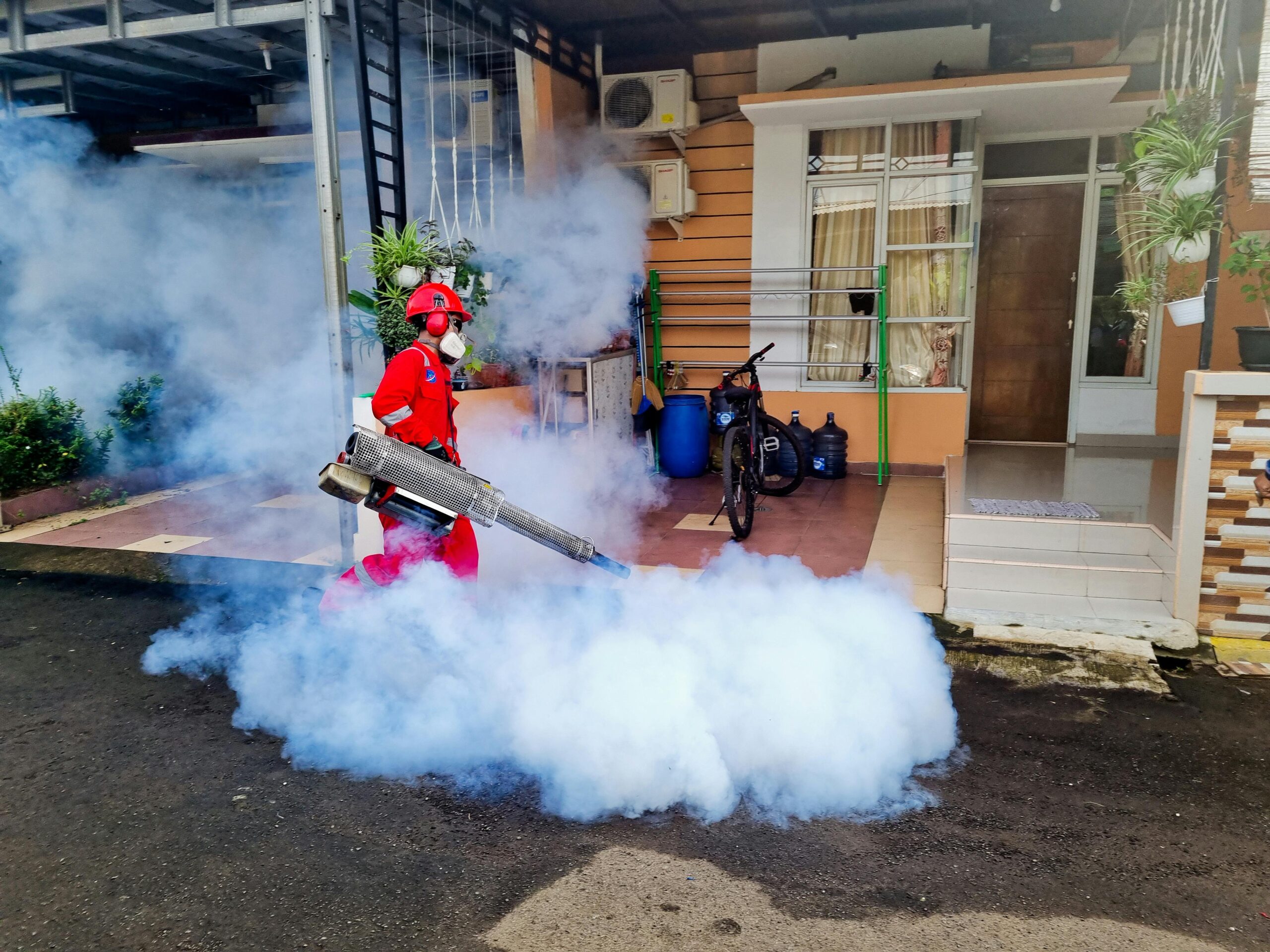
Professional exterminators rely on EPA‑registered residual sprays to create a lasting barrier against wandering spiders. These formulations cling to surfaces such as siding, foundation walls, and outdoor furniture, killing any spider that crosses the treated line for weeks. Perimeter fogging expands that protection by dispersing a fine mist around the home’s exterior, reaching hidden cracks and overhangs where spiders like to hide. Inside, crack‑and‑crevice applications target the narrow entry points—baseboard seams, window frames, and utility openings—where spiders set up their webs. Because these chemicals are designed for long‑term efficacy, they reduce the need for frequent re‑applications, but they must be applied by licensed technicians who follow strict safety protocols and EPA label directions.
Non‑Chemical Options
When homeowners prefer a pesticide‑free approach, several mechanical methods can keep spiders at bay. Glue boards placed along high‑traffic zones capture wandering spiders without contaminating the home environment. Diatomaceous earth, a fine powder made from fossilized algae, works by abrading the spider’s exoskeleton, causing dehydration and death; it is most effective in dry, undisturbed areas such as basements and crawl spaces. Structural modifications—sealing gaps, repairing damaged screens, and trimming vegetation away from the house—remove the habitats that attract spiders in the first place. These non‑chemical tactics are inexpensive, safe for pets and children, and complement any chemical program.
Integrated Pest Management (IPM) Approach
IPM blends monitoring, sanitation, exclusion, and targeted treatments into a cohesive strategy. First, a technician conducts a thorough inspection to identify spider species, locate breeding sites, and assess the level of infestation. Regular sanitation—removing clutter, vacuuming webs, and keeping outdoor lighting low—reduces the insects that spiders prey on. Exclusion focuses on sealing entry points, installing door sweeps, and repairing vent screens to block future invasions. Finally, treatments—whether chemical or non‑chemical—are applied only where monitoring indicates activity, minimizing product use while maximizing impact. For a deeper dive into best practices, see the National Pest Management Association’s spider‑control guidelines.
Frequency of Applications
The required treatment schedule varies with spider species and infestation severity. Aggressive web‑builders such as the southern house spider often need an initial high‑dose residual spray followed by a maintenance touch‑up every 8–12 weeks during peak seasons. For less aggressive species like cellar spiders, a single spring application may suffice if the home is well‑sealed. Heavy infestations discovered in basements or garages typically demand a series of treatments: an initial deep‑clean and structural repair, a chemical or diatomaceous application, and a follow‑up visit after 4 weeks to address any survivors. Adjusting the interval based on seasonal spider activity—more frequent in warm, humid months—keeps populations under control without over‑treating.
Benefits of Professional Application Versus DIY Products
DIY sprays and traps are tempting for their low upfront cost, but they often lack the residual power, proper coverage, and safety assurances of professional products. Licensed technicians have access to industry‑grade formulations that penetrate deep cracks and remain effective for months, reducing the need for repeated homeowner effort. Moreover, professionals conduct a risk assessment, ensuring that chemicals are applied away from children’s play areas, pet zones, and food preparation surfaces. They also provide documentation of EPA compliance, which can be important for insurance or real‑estate transactions. While a homeowner can supplement a professional plan with glue boards or diatomaceous earth, relying solely on over‑the‑counter solutions rarely achieves lasting spider control.
Comparing Spider Control Pricing Tiers
When it comes to keeping spiders out of your Decatur home, Anthem Pest Control offers three clearly defined service packages. Whether you need a quick fix, a seasonal safety net, or a comprehensive, year‑round shield, our Basic, Standard, and Premium tiers let you match the level of protection to your budget and infestation severity.
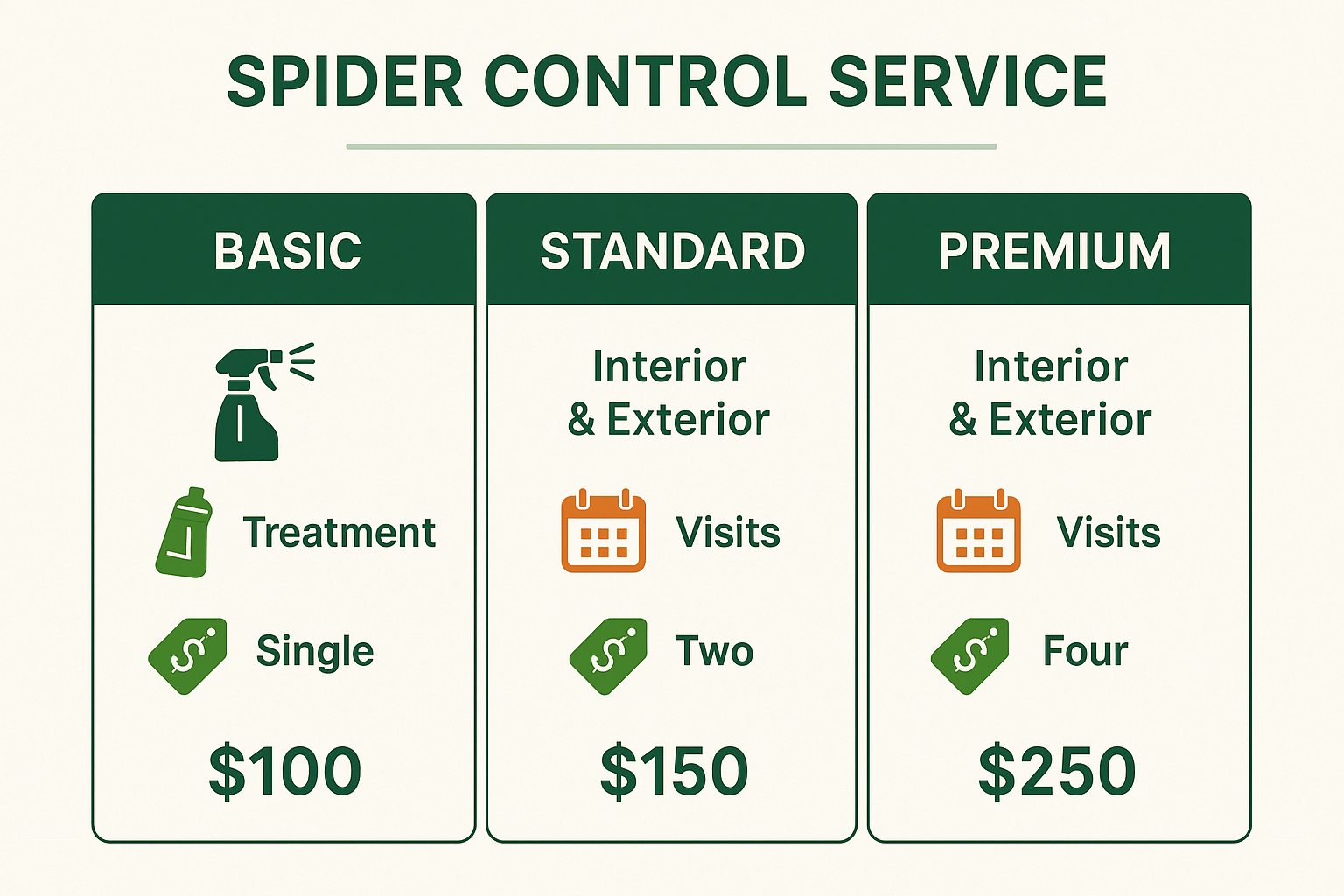
The infographic above gives a snapshot of what each tier includes. Below is a detailed table that breaks down the core components, frequency of visits, coverage area, and typical price range you can expect in Decatur, GA.
| Tier | Treatment Type | Number of Visits | Coverage Area | Price Range (USD) |
|---|---|---|---|---|
| Basic | Single residual spray | 1 | Up to 1,500 sq ft | $99 – $149 |
| Standard | Residual spray + one follow‑up | 2 | Up to 2,500 sq ft | $179 – $229 |
| Premium | Full Integrated Pest Management (IPM) program with monitoring devices | 3+ | Whole‑home (up to 4,000 sq ft) plus perimeter | $279 – $349 |
What’s Included in Each Tier?
Basic is perfect for homeowners who have spotted a few solitary spiders and want an immediate, low‑cost solution. Our technician applies a high‑efficacy residual spray that continues to work for several weeks, targeting common indoor species such as cellar spiders and house spiders.
Standard adds a follow‑up visit about two weeks after the initial treatment. This extra step ensures any newly hatched spiders or missed hiding spots are addressed, providing a more reliable barrier for medium‑size homes or moderate infestations.
Premium is the most thorough option. It combines the residual spray with a full Integrated Pest Management (IPM) program: monitoring traps, perimeter treatments, and seasonal adjustments. This tier is ideal for larger properties, high‑traffic homes, or families who want the peace of mind that comes with continuous protection.
Choosing the Right Tier for Your Home
Start by assessing the severity of the spider activity. If you’ve only seen a handful of spiders in a single room, the Basic tier usually suffices. For homes where spiders appear in multiple areas—kitchens, basements, and garages—the Standard tier offers that extra follow‑up to catch hidden nests.
Consider the size of your home next. Our Basic package covers up to 1,500 sq ft, which works well for apartments or smaller ranch‑style houses. If you own a larger residence (up to 2,500 sq ft) or have an attached garage, the Standard tier ensures the entire footprint receives treatment. For sprawling properties, multi‑level homes, or those with extensive landscaping, the Premium tier’s whole‑home and perimeter approach delivers the most comprehensive defense.
Don’t forget lifestyle factors. Families with young children or pets may prefer the Premium tier’s IPM program, which emphasizes minimal chemical exposure while still providing robust control.
All of our tiers use EPA‑approved products and come with a satisfaction guarantee. If you’re not happy with the results, we’ll re‑treat at no extra cost.
Protect Your Home with Anthem Pest Control
Accurate spider identification, timing your treatment to the season, and a thorough professional inspection are the three pillars of lasting control. Knowing whether you’re dealing with a harmless house spider or a venomous brown recluse tells the technician which product and method will work best. Treating too early can waste chemicals, while waiting until the insects have multiplied forces you to use larger, more invasive applications. A qualified inspection catches hidden nests, entry points, and other pests that often accompany spiders, setting the stage for a targeted, cost‑effective plan.
- Accurate identification: Knowing the exact spider species lets us choose the safest, most effective treatment.
- Season‑appropriate timing: Applying control measures when spiders are most vulnerable reduces chemical use and costs.
- Professional inspection: A thorough walk‑through reveals hidden webs, entry points, and other pests that could undermine any treatment.
Anthem Pest Control brings that expertise to every Decatur home with a team of fully licensed technicians who stay current on state‑mandated certifications and continuing education. Each professional is trained to apply EPA‑approved treatments that meet strict safety standards for children, pets, and the environment. Because we believe pricing should never be a surprise, Anthem provides transparent, itemized quotes before any work begins, so you know exactly what you’re paying for. And with a nationwide network, we can draw on the latest regional research to fine‑tune our spider protocols for Georgia’s unique climate.
Transparency runs through our service. Before any spray or bait, we give you a detailed estimate that breaks down labor, product costs, and follow‑up visits. No hidden fees, no surprise invoices. Because Anthem works nationwide, we use data from neighboring markets to ensure you receive the most up‑to‑date, cost‑effective protocol for Georgia’s spider activity.
All EPA‑approved products are low‑odor and designed to minimize risk to humans and pets while delivering rapid knock‑down of spiders. Technicians wear protective gear and follow strict application guidelines, so you can trust the treatment protects your family and home.
Beyond spiders, Anthem’s mission is to create a pest‑free environment that lets you enjoy your home without worry. Our solutions are designed to be both effective and affordable, using the minimum amount of product needed to break the life cycle of the pest while protecting the health of your family. Whether you’re battling ants in the kitchen, rodents in the attic, or occasional bed‑bug sightings, our integrated approach tackles the problem at its source and prevents future invasions. The result is a comprehensive shield that works year‑round, not just a one‑time spray.
Ready to put those spiders—and any other unwanted guests—out of business? A free, no-obligation quote from Anthem Pest Control gives you a clear picture of what a customized spider control Decatur GA treatment plan looks like, and our technicians can schedule an on-site inspection before the next peak season arrives. Simply call 877-371-8196 or visit Anthem Pest Control to lock in your appointment. Taking action today means you’ll sleep easier tonight, knowing your home is protected by the same professionals who serve neighborhoods across the country.