Recognizing Stink Bugs and Their Impact
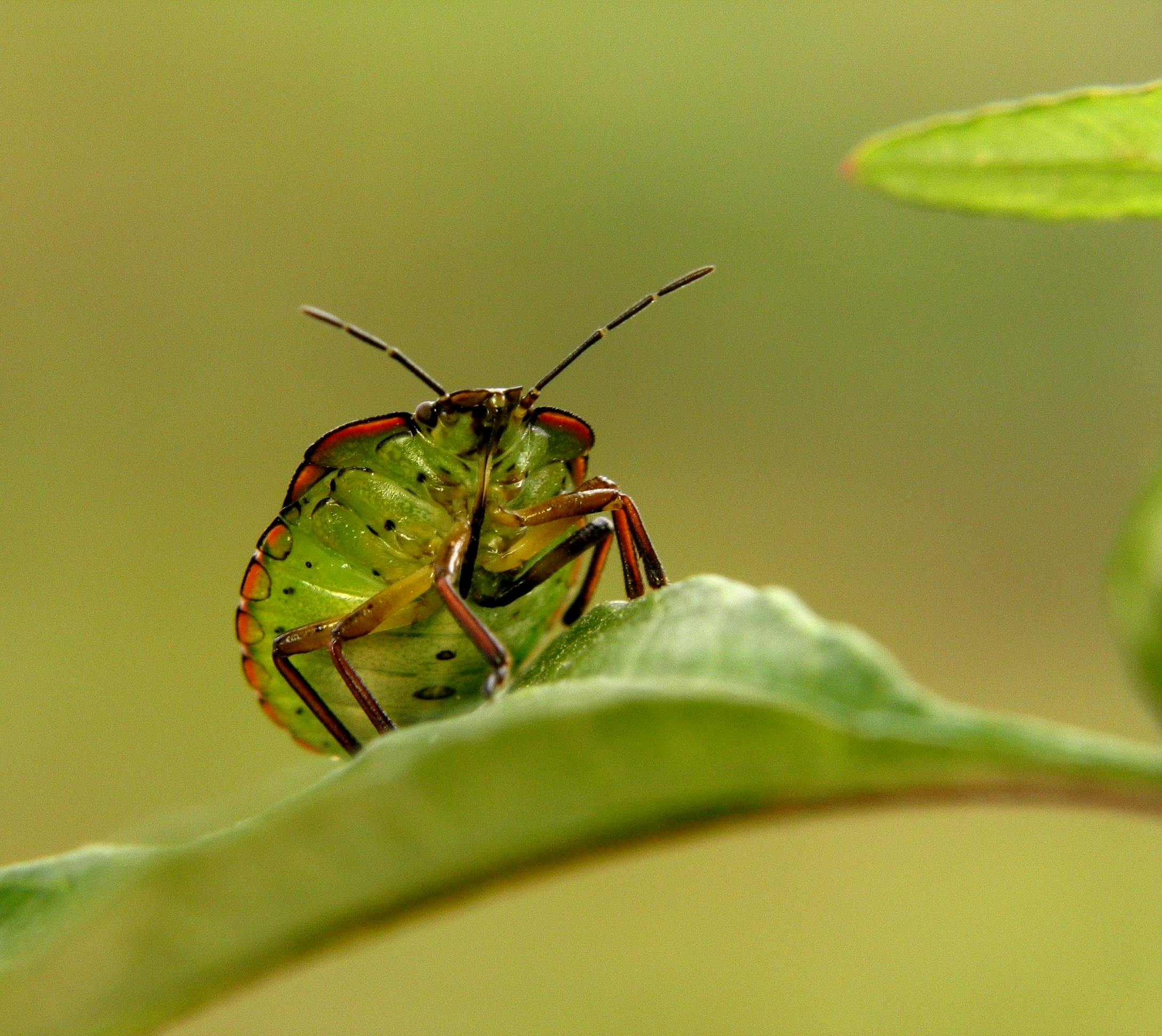
Stink bugs may be small, but they’re hard to ignore once they start gathering on your windowsill. The most common culprit in Georgia homes is the brown marmorated stink bug (Halyomorpha halys). Adults typically measure ½ to ¾ inch (12‑18 mm) in length, boasting a glossy, shield‑shaped back that ranges from light brown to a mottled, almost mahogany hue. Their bodies are slightly flattened, making it easy for them to slip through narrow gaps.
When you’re trying to spot one, look for three tell‑tale features:
- Shield‑shaped silhouette – the “bug‑shield” is wider than it is tall.
- White‑gray markings – a faint, lace‑like pattern runs along the edges of the wings.
- Long, segmented antennae – usually five segments, each getting progressively thinner.

These insects are opportunistic explorers. In the cooler months they seek out the warmest places they can find, and your home offers a perfect sanctuary. Common entry points include:
- Ill‑fitted windows and sliding doors.
- Gaps around exterior vents and exhaust fans.
- Cracks in siding, foundation, or around utility penetrations.
- Unsealed attic hatches and crawl‑space openings.
Understanding their seasonal rhythm helps you anticipate invasions. Stink bugs spend the summer feeding on fruit trees, corn, and ornamental plants. As temperatures dip in late summer and early fall, they begin overwintering—searching for protected, heat‑retaining spots. By October, you’ll often see them congregating on sunny walls, then slipping inside through the tiniest of cracks as night falls.
Why does this matter to you? First, the odor they release when crushed or threatened is notoriously pungent—a mix of cilantro and burnt rubber that can linger on countertops and fabrics for days. Second, they are a food‑safety risk: when they infiltrate kitchens, they can contaminate pantry items, fruits, and vegetables with their defensive chemicals. While they don’t bite or sting, their presence can ruin a batch of harvested tomatoes or a bag of stored grains.
Beyond the kitchen, a heavy infestation can affect your garden’s health. Stink bugs feed by inserting their needle‑like mouthparts into plant tissue, causing wilting, deformed fruit, and even premature leaf drop. In ornamental shrubs, the damage appears as brown, sunken spots that detract from curb appeal.
Spotting them early is the cheapest defense. Picture yourself standing at a kitchen window on a crisp evening, noticing a lone brown bug perched on the sill. That quick visual cue—“One bug, many more could be waiting inside”—should prompt a thorough inspection of seals, screens, and vent covers. If you catch the problem before numbers swell, you’ll save both time and money on professional treatment.
At Anthem Pest Control, we’ve seen how a single overlooked stink bug can turn into a full‑blown indoor invasion. Recognizing the insect’s appearance, knowing where it loves to slip in, and understanding the seasonal push that drives it indoors are the first steps toward keeping your home odor‑free and your pantry untouched.
When Stink Bugs Are Most Active in Georgia
Georgia’s warm, humid climate is a perfect breeding ground for the brown‑marmorated stink bug. Mild winters rarely kill the overwintering adults, and the long, sunny growing season gives their offspring plenty of time to multiply. Understanding how temperature and daylight shift month‑to‑month lets you pinpoint when the bugs are most likely to show up on your porch, in your garden, and eventually inside your home.
The Peach State’s climate combines three key factors that favor stink bugs: average summer highs above 85 °F, humidity that stays above 60 % for most of the year, and a relatively short cold snap in winter. Those conditions accelerate egg development and keep nymphs active longer than they would be in cooler regions. In coastal and central Georgia, the bug season can start as early as late February, while the mountainous north may see a slight delay of a week or two. Knowing these nuances helps you fine‑tune inspections for your specific neighborhood.
Seasonal activity at a glance
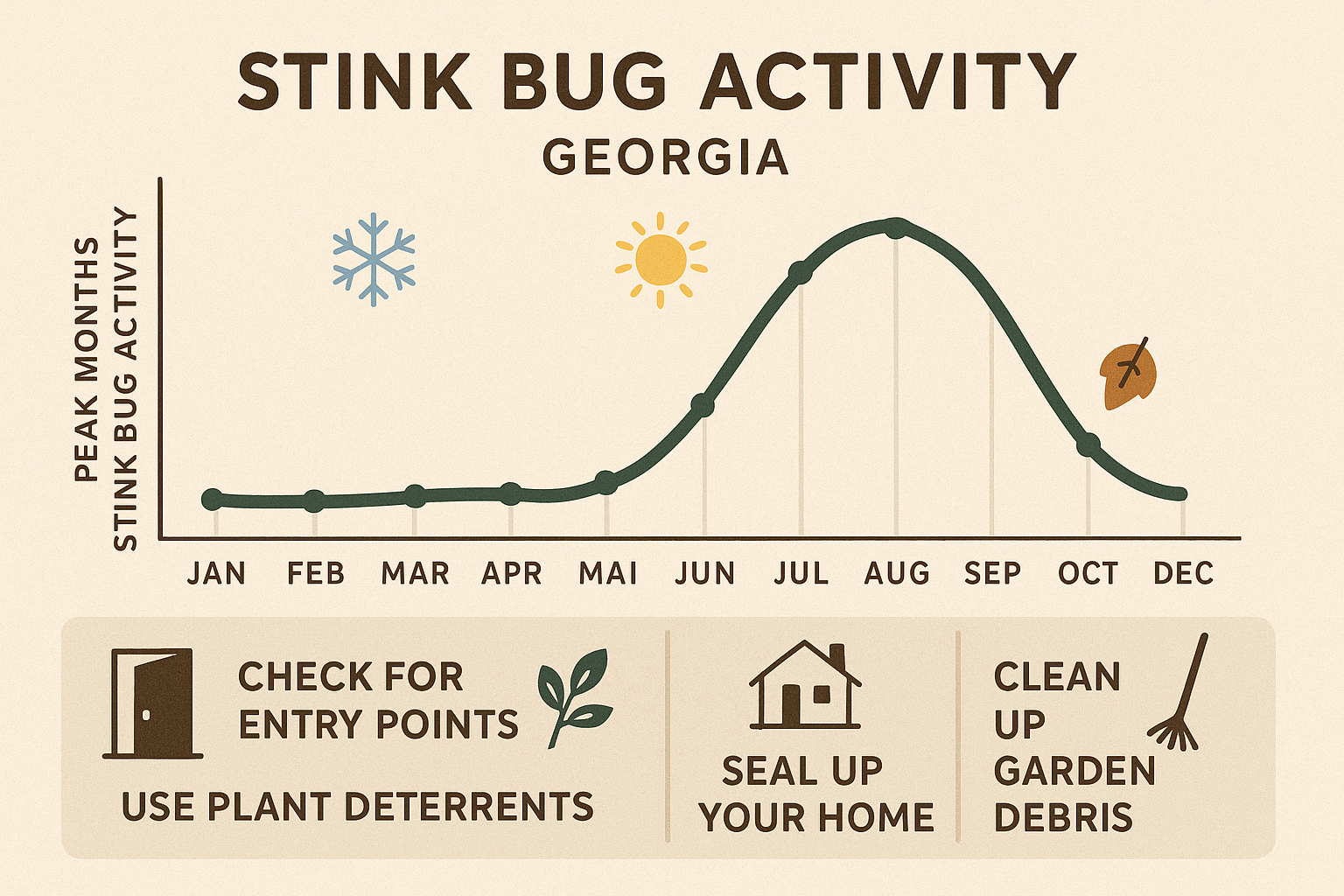
The infographic above breaks the year into four phases. Below is a quick month‑by‑month table that adds a temperature range, the typical activity level, and a one‑sentence preventive tip you can act on right away.
| Month | Avg Temp (°F) | Activity Level | Quick Tip |
|---|---|---|---|
| January | 40‑55 | Low – bugs are hunkered in wall voids | Inspect attic and crawl spaces for cracks; seal with caulk. |
| February | 45‑60 | Low‑moderate – occasional emergence | Check exterior door sweeps for gaps. |
| March | 55‑70 | Rising – nymphs hatch, start feeding on crops | Trim low‑lying branches that touch the house. |
| April | 60‑75 | Moderate – population builds quickly | Reduce outdoor lighting after dusk to avoid attracting bugs. |
| May | 70‑85 | High – adults emerge, abundant in gardens | Apply a perimeter barrier around the foundation. |
| June | 78‑90 | High – peak feeding on fruit and vegetables | Harvest ripe produce promptly; keep compost covered. |
| July | 80‑92 | High – insects are most active | Inspect screens for tears; repair immediately. |
| August | 78‑90 | High – still feeding, preparing for migration | Start sealing vents and utility openings. |
| September | 70‑85 | Critical – bugs seek shelter indoors | Turn off porch lights after 9 p.m.; use yellow bulbs. |
| October | 60‑75 | Critical – indoor invasion peaks | Conduct a thorough interior inspection; call a professional if needed. |
| November | 50‑65 | Declining – bugs settle in wall voids | Seal any new cracks discovered during fall cleanup. |
| December | 40‑55 | Low – dormant over winter | Leave exterior lights off or use motion‑sensor timers. |
Use the table as a checklist throughout the year. When the average temperature climbs into the 80‑90 °F range, prioritize garden sanitation and exterior barriers. When temperatures dip below 75 °F, shift focus to sealing entry points and managing indoor lighting. The chart also helps you schedule professional treatments at the most effective moments—usually a pre‑emptive perimeter spray in late May and a targeted indoor barrier in early September.
Why late summer to early fall matters most
From late August through early October, stink bugs transition from outdoor feeding to an indoor “overwintering” phase. The combination of cooler nights and dwindling food sources drives them to crawl through the tiniest cracks around windows, doors, and utility penetrations. That is the window when a homeowner’s actions have the greatest impact. Simple steps—turning off unnecessary exterior lighting, sealing gaps no larger than a pencil, and installing door sweeps—can cut indoor populations by up to 70 %.
Linking activity spikes to homeowner habits
Every time you leave a porch light on after dusk, you create a beacon that draws bugs toward the house. Likewise, leaving garden debris or uncovered compost piles provides a night‑time buffet that fuels rapid reproduction. By aligning your preventive tasks with the temperature trends shown in the chart, you stay one step ahead of the insects. For example, when average highs dip below 80 °F in September, focus on interior sealing; when temperatures climb above 85 °F in June, concentrate on garden sanitation.
Timing inspections and treatments to these seasonal cues is the most cost‑effective strategy. Anthem Pest Control can perform a pre‑emptive perimeter treatment in May, followed by a focused indoor barrier in September, ensuring you enjoy a stink‑bug‑free home through the colder months.
Treatment Options – DIY vs. Professional Services

When a stink bug invasion starts to feel like a summer soundtrack of “pfffft,” homeowners often wonder whether a quick DIY fix will do the trick or if it’s time to call in the pros. Both routes have merit, but understanding their strengths, weaknesses, and realistic outcomes can save you time, money, and a lot of frustration.
Common DIY Tactics
- Vacuuming: A handheld or shop‑vac can quickly remove bugs from walls, windowsills, and light fixtures. Remember to seal the bag or empty the canister outdoors to prevent re‑release.
- Sealing cracks and gaps: Caulk, weather‑stripping, and door sweeps block the tiny entry points stink bugs love. Focus on foundation seams, window frames, and utility penetrations.
- Homemade sprays: Solutions such as diluted dish soap, neem oil, or a mix of water and essential oils (e.g., peppermint) can knock bugs down on contact. These sprays are inexpensive but provide only short‑term knock‑down.
- Traps: Light‑based traps or simple sticky boards placed near entry zones can catch a few insects, giving you a visual cue of infestation levels.
Limitations of DIY Approaches
While the above methods are low‑cost and easy to start, they often fall short when dealing with a full‑blown infestation:
- Incomplete coverage: Stink bugs hide in wall voids, attics, and behind appliances—areas a vacuum or spray can’t reach.
- Safety concerns: Homemade chemicals may irritate skin or eyes, and improper use of aerosols can create fire hazards.
- Recurring infestations: Without addressing the source (the cracks and the surrounding landscape), bugs will simply return each season.
- Time investment: Daily vacuuming and re‑applying sprays can quickly become a full‑time chore, especially during peak summer months.
Professional Approach: What Sets It Apart
Professional pest technicians bring a systematic, science‑backed plan to the table. A typical service from Anthem Pest Control includes:
- Comprehensive inspection: Technicians use flashlights, moisture meters, and visual cues to locate breeding hotspots, entry points, and hidden colonies.
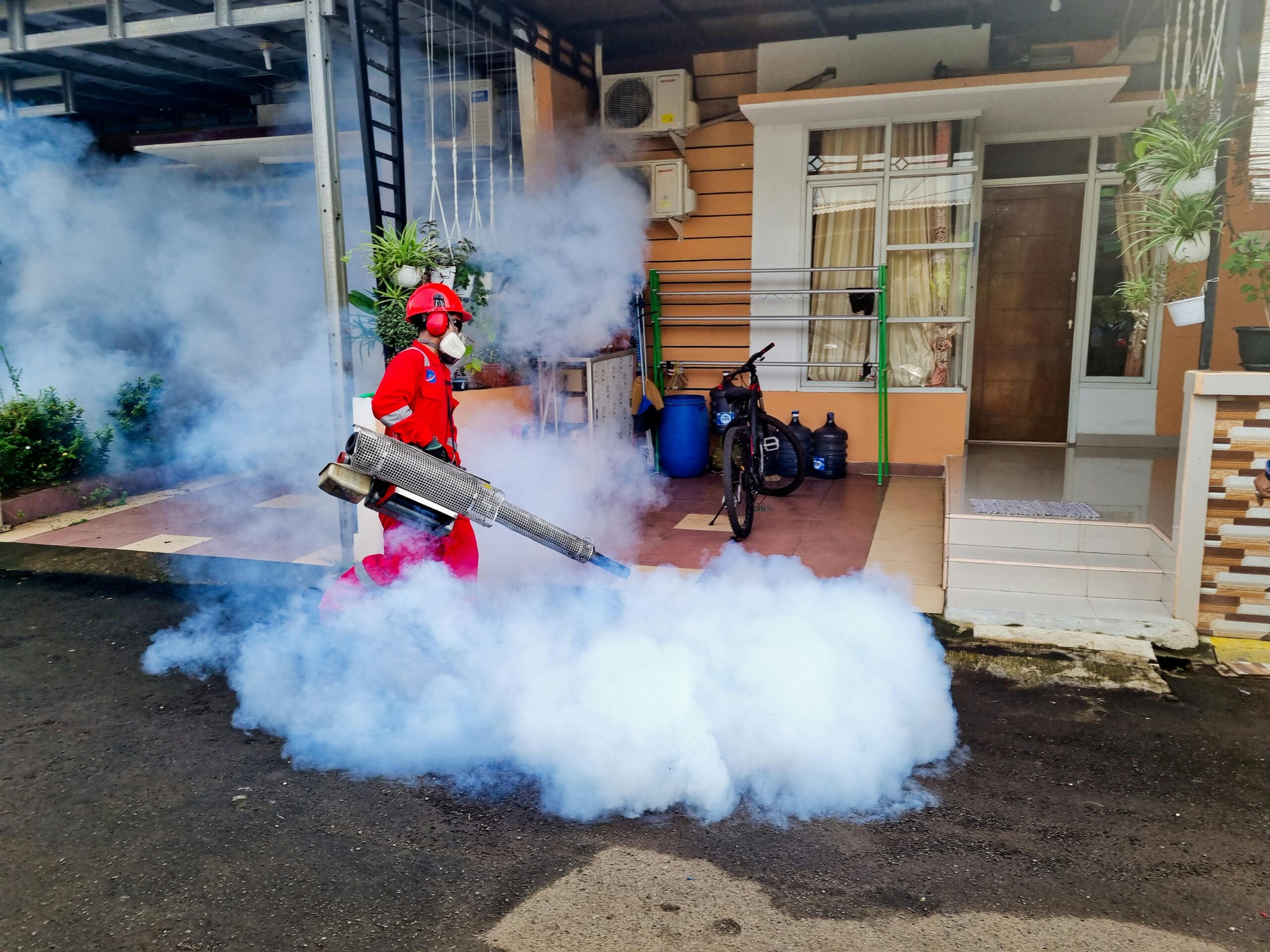
- Targeted smoke or chemical application: Using EPA‑approved products, they apply a low‑odor smoke or micro‑encapsulated spray directly into wall voids, under eaves, and around foundation cracks. The smoke penetrates tight spaces that a spray can’t reach.
- Seal and fortify: After treatment, the team reinforces existing seals with high‑quality caulk and installs door sweeps where needed, creating a long‑lasting barrier.
- Follow‑up visits: A second appointment, usually 2–4 weeks later, ensures any survivors are eliminated and that the barrier remains intact.
- Safety documentation: Homeowners receive a detailed report outlining the products used, safety precautions, and recommendations for future prevention.
Why Professional Treatment Often Wins the Long Game
Professional services excel in three critical areas:
- Depth of penetration: Smoke machines can travel through insulation and behind drywall, delivering an insecticide directly to the bug’s hiding place.
- Regulatory compliance: All products are EPA‑registered, meaning they’ve been tested for efficacy and human safety when applied according to label instructions.
- Long‑term results: By combining chemical treatment with structural sealing, most homeowners see a 70‑90% reduction in stink bug activity for the remainder of the season.
Safety First – DIY vs. Pro
When you tackle stink bugs yourself, you’re handling chemicals without a label’s guidance, risking skin irritation or accidental inhalation. Professionals wear protective gear, follow strict exposure limits, and use formulations that are less likely to linger on surfaces where children or pets play.
Bottom Line
If you’re dealing with a handful of stray bugs, a quick vacuum and a well‑placed caulk job might suffice. However, when the scent of “pfffft” becomes a daily nuisance, the thorough, EPA‑compliant approach offered by Anthem Pest Control delivers the safety, coverage, and peace of mind that DIY simply can’t match.
For a deeper dive into best‑practice stink bug treatments, visit the Anthem Pest Control guide on stink bug control. This resource outlines the science behind each method and helps homeowners decide which route aligns best with their budget and comfort level.
Comparing Stink Bug Control Pricing Plans
Three Common Pricing Structures
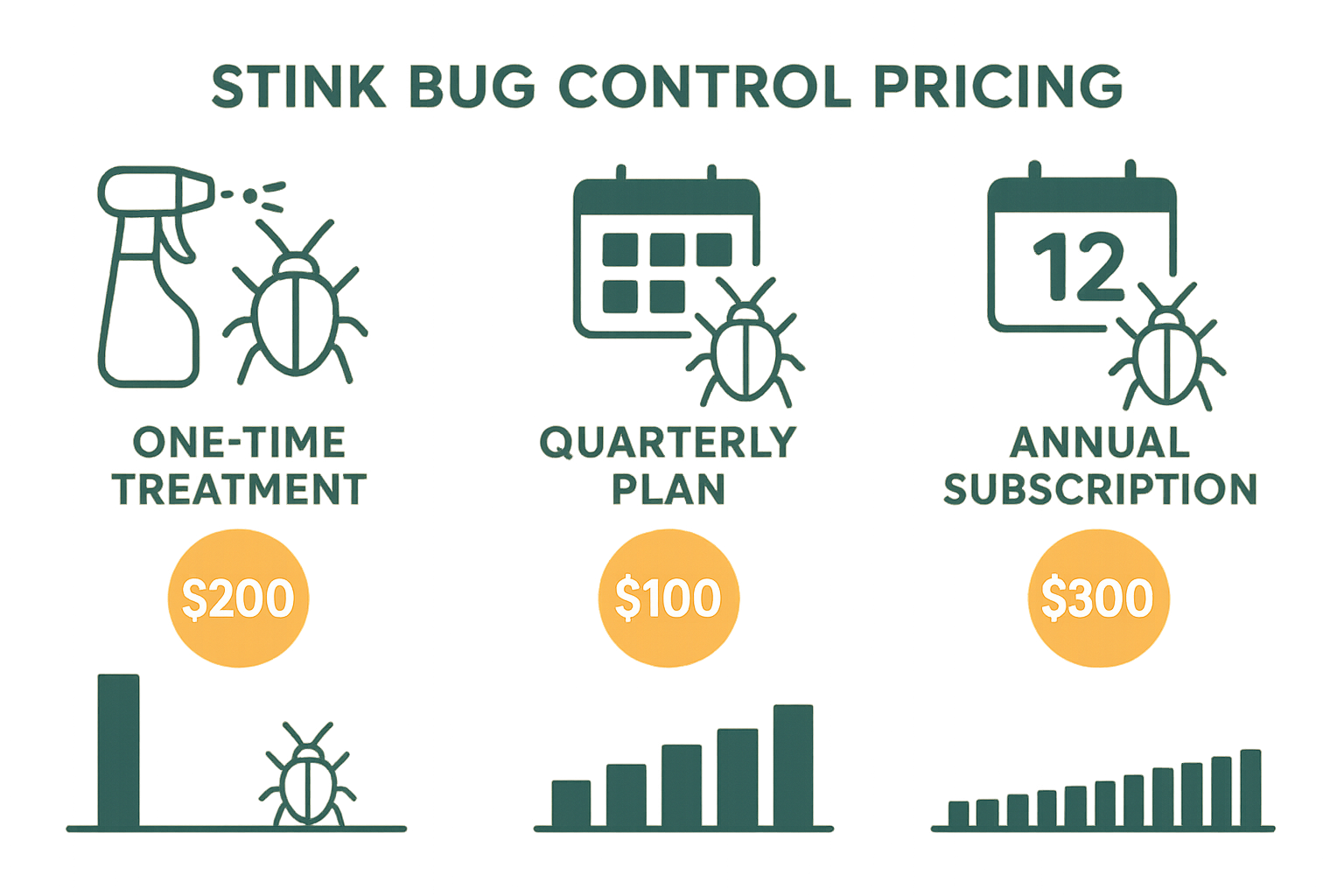
When you call Anthem Pest Control, you’ll typically encounter one of three pricing models: a one‑time treatment, a quarterly plan, or an annual subscription. Each model reflects a different level of commitment and protection, allowing you to match the service to the severity of your stink‑bug problem and your budget.
One‑Time Treatment
This option is ideal for homeowners who notice a sudden, isolated infestation—perhaps a few bugs in the kitchen or a single hot spot in the attic. You pay a flat fee for a comprehensive inspection, targeted application, and a post‑treatment follow‑up. Because the service is limited to a single visit, the cost is usually the lowest of the three options.
- Best for: One‑off incidents or “test runs” before committing to a larger plan.
- Typical price range: $120‑$200 per treatment, depending on square footage.
- Coverage: Immediate knock‑down of the current population, but no guarantee against future invasions.
Quarterly Plan
A quarterly plan spreads four visits across the year, aligning with the stink bug’s seasonal peaks (late summer through early fall). This model balances cost and protection, offering regular monitoring and re‑application when needed. Homeowners who live near wooded areas or have experienced recurring infestations often find this plan the sweet spot.
- Best for: Seasonal hotspots and moderate‑risk properties.
- Typical price range: $350‑$450 annually, billed per visit or in a single payment.
- Coverage: Ongoing prevention, plus a warranty that covers re‑treatment if bugs return between visits.
Annual Subscription
The most comprehensive choice, the annual subscription, guarantees eight to twelve visits per year, depending on your home’s size and the level of protection you select. This plan is designed for homeowners who want “set it and forget it” peace of mind, especially in neighborhoods where stink bugs are a chronic nuisance.
- Best for: High‑risk zones, large properties, or families who value a pest‑free environment year‑round.
- Typical price range: $600‑$800 per year, often with a discounted rate for multi‑year contracts.
- Coverage: Unlimited re‑treatments within the subscription period, a full‑service warranty, and a guarantee of a pest‑free home.
Visual Overview
Tips for Evaluating Value
Before you decide, weigh these three factors:
- Coverage frequency: More visits usually mean fewer surprise re‑infestations.
- Warranty & guarantee: A solid warranty can save you money if bugs return between scheduled visits.
- Long‑term cost vs. short‑term savings: A higher upfront subscription may be cheaper than paying for multiple one‑time treatments over a year.
Next Step: Get Your Free Quote
Every home is unique, so exact pricing depends on square footage, infestation level, and any special considerations (like pet‑friendly treatments). Contact Anthem Pest Control today for a free, no‑obligation quote tailored to your Decatur property. Our experts will walk you through the numbers, answer any questions, and help you choose the plan that fits both your budget and your desire for a stink‑bug‑free home.
Protect Your Home from Stink Bugs Today
Stink bugs can turn a quiet summer night into an uncomfortable, smelly ordeal. By now you should be able to spot the tell‑tale shield‑shaped bodies, know when they’re most active, and understand the range of treatment options available. Let’s quickly recap the essentials so you can act with confidence.
- Identification: Look for brown‑to‑green insects about half an inch long, with a distinctive “V” on the back. They often hide in wall voids, attics, and under siding.
- Seasonal timing: Adult stink bugs emerge in late spring, seek shelter in early fall, and can remain hidden through winter. Early intervention—ideally before they settle for the colder months—prevents a massive indoor invasion.
- Treatment options: Homeowners can start with sealing cracks, removing food sources, and using indoor traps. For a lasting solution, professional treatments such as perimeter sprays, indoor residual applications, and targeted baiting are far more effective.
While DIY steps are a good first line of defense, they rarely eradicate a well‑established population. Professional pest control brings three critical advantages:
- Safety: Trained technicians apply EPA‑approved products with precision, minimizing exposure to your family and pets.
- Effectiveness: Licensed experts know the exact timing, dosage, and placement needed to break the stink bug life cycle.
- Longevity: A comprehensive treatment plan includes follow‑up visits and preventive measures that keep bugs from returning season after season.
At Anthem Pest Control, we combine local knowledge of Decatur’s climate with a nationwide network of specialists. Our technicians conduct a thorough, free inspection—no obligations, no hidden fees. After evaluating your home’s unique vulnerabilities, we provide a transparent quote that outlines every step, from initial treatment to ongoing monitoring.
Ready to take the next step? Give us a call today at 877‑371‑8196 to schedule your complimentary inspection. Our friendly team will walk you through the process, answer any questions, and set up a treatment schedule that fits your calendar.
Choosing Anthem means you’re partnering with a company that values:
- Clear, upfront pricing—no surprise charges.
- Safe, environmentally responsible products.
- Prompt, reliable service for homeowners across the United States.
Don’t let stink bugs take over your home this season. Act now, and enjoy a pest‑free environment for you and your family.
Visit Anthem Pest Control’s website to learn more about our stink bug solutions and read testimonials from satisfied homeowners.