Recognizing Brown Marmorated Stink Bugs in Suwanee, GA

The brown marmorated stink bug (Halyomorpha halys) has become one of the most noticeable nuisance pests in Suwanee, Georgia. Adults are about ½ inch long, with a shield‑shaped body that sports a mottled brown‑gray coloration and distinctive white‑colored bands along the edges of the abdomen. Their antennae are long and segmented, and when they feel threatened they emit a characteristic odor that can linger in indoor spaces for days.
Why homeowners should be concerned
Unlike many garden insects, brown marmorated stink bugs are highly adaptable and can thrive in both outdoor and indoor environments. In Suwanee’s warm, humid climate they reproduce quickly, producing multiple generations each year. A single female can lay up to 400 eggs, leading to rapid population spikes that overwhelm gardens, fruit trees, and even the interior of homes.
Typical habitats and entry points
- Exterior refuges: they hide in leaf litter, tall grasses, and the cracks of siding or brickwork.
- Indoor hideouts: sunny windowsills, attic insulation, and wall voids provide ideal winter shelters.
- Entry routes: gaps around doors, utility lines, and poorly sealed foundation cracks are common pathways into the house.
Seasonal arrival patterns in Suwanee
In north‑central Georgia, brown marmorated stink bugs first appear in early spring, attracted to the budding foliage of ornamental shrubs and fruit trees. Their numbers swell through late summer, and as temperatures dip in October, they seek warm indoor spaces for overwintering. By late November most of the local population will be clustered inside homes, often near south‑facing windows.
Damage you might notice
These bugs are not just a smelly nuisance; they cause real damage. Outdoors, they feed on a wide range of plants—apples, peaches, soybeans, and ornamental roses are common targets. Feeding creates brown, sunken lesions that can reduce fruit quality and ornamental appeal. Inside, they may release their odor when crushed, and large clusters can stain walls or fabrics with a yellowish residue.
Early warning signs for homeowners
- Unusual, pungent scent near windows or doorways, especially in the fall.
- Clusters of flat, shield‑shaped insects on glass surfaces—often gathered in groups of 10‑20.
- Visible bugs in attic insulation or wall voids during routine inspections.
- Small, pale‑green egg masses glued to the undersides of leaves in late summer.
Spotting any of these indicators early can save you a costly infestation later in the season. For detailed regional data on stink bug activity in Suwanee, see the Anthem Pest Control report. Recognizing the bug’s appearance, habits, and seasonal behavior empowers you to act quickly—whether that means sealing entry points, removing outdoor refuges, or calling a professional for targeted treatment.
When Stink Bugs Are Most Active – A Seasonal Overview for Suwanee
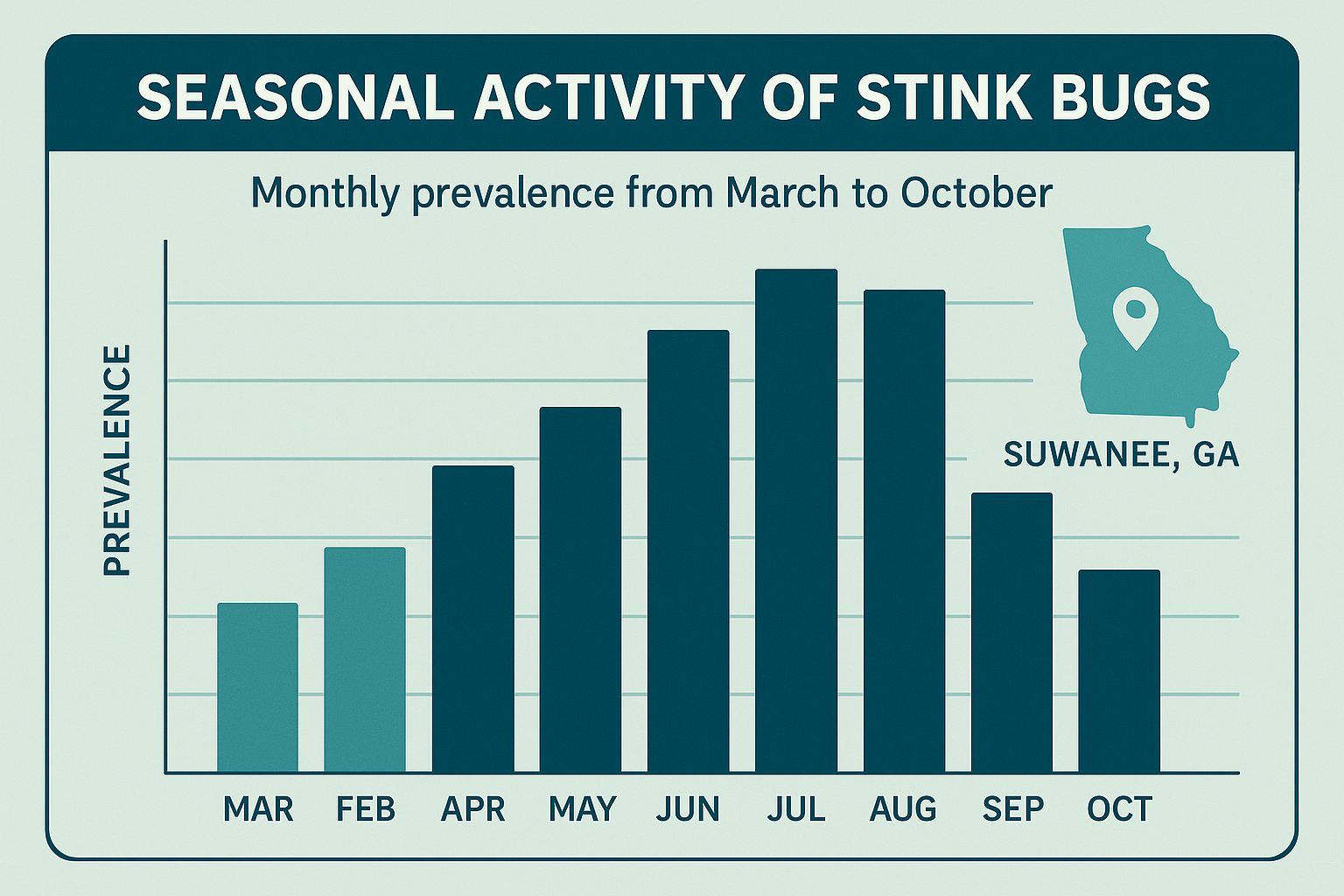
Understanding when stink bugs are out and about is the first step to keeping them out of your home. Below is a quick‑look chart that maps their activity month by month right here in Suwanee, Georgia. The visual helps you see at a glance when the bugs start to appear, when they hit their stride, and when they begin to fade.
Peak Activity: May through September
From late spring into early fall, temperatures consistently sit between 70°F and 85°F, creating the perfect breeding ground for stink bugs. During May, you’ll notice the first adults emerging from overwintering sites. Their numbers swell in June and July, reaching a high point in August when humidity is also at its peak. September marks the tail end of the season, but you may still catch a few late‑season stragglers as they search for shelter before winter.
Low‑Activity Periods: October to April
Cooler nights and dropping daytime highs slow the insects’ metabolism. By October, most adults have found cracks, wall voids, or attic spaces to hunker down for the winter. From November through March, activity is minimal—often limited to a few survivors that have not yet found a safe hiding spot. April brings the first warm days, prompting the next wave of emergence.
What Drives These Patterns?
- Temperature: Stink bugs become active when daytime temps rise above 65°F. Below that, they remain dormant.
- Humidity: Moist air encourages feeding and mating, especially in midsummer.
- Day length: Longer daylight hours signal the insects to reproduce, while shorter days cue them to seek shelter.
Monthly Monitoring Checklist for Homeowners
- May: Walk the perimeter of your house. Look for clusters on sunny walls or garden plants.
- June‑July: Inspect window screens, door seals, and exterior lights. Early signs include tiny brown specks on light fixtures.
- August: Check attic vents and roof eaves—bugs often congregate here before heading indoors.
- September: Perform a final sweep of crawl spaces and basement windows before the first frost.
- October‑April: Reduce clutter in storage areas and seal any cracks you notice during routine maintenance.
By keeping a simple calendar in mind, you can spot the first hint of a stink‑bug invasion before they breach your walls. Early detection gives you a larger window for professional treatment or DIY barriers, ultimately saving you time, hassle, and money.
Remember, the sooner you act—ideally in May or early June—the easier it is to keep these smelly intruders out of your kitchen, living room, and bedroom.
Effective Stink Bug Treatment Options for Homeowners
Professional Pest‑Control Approaches
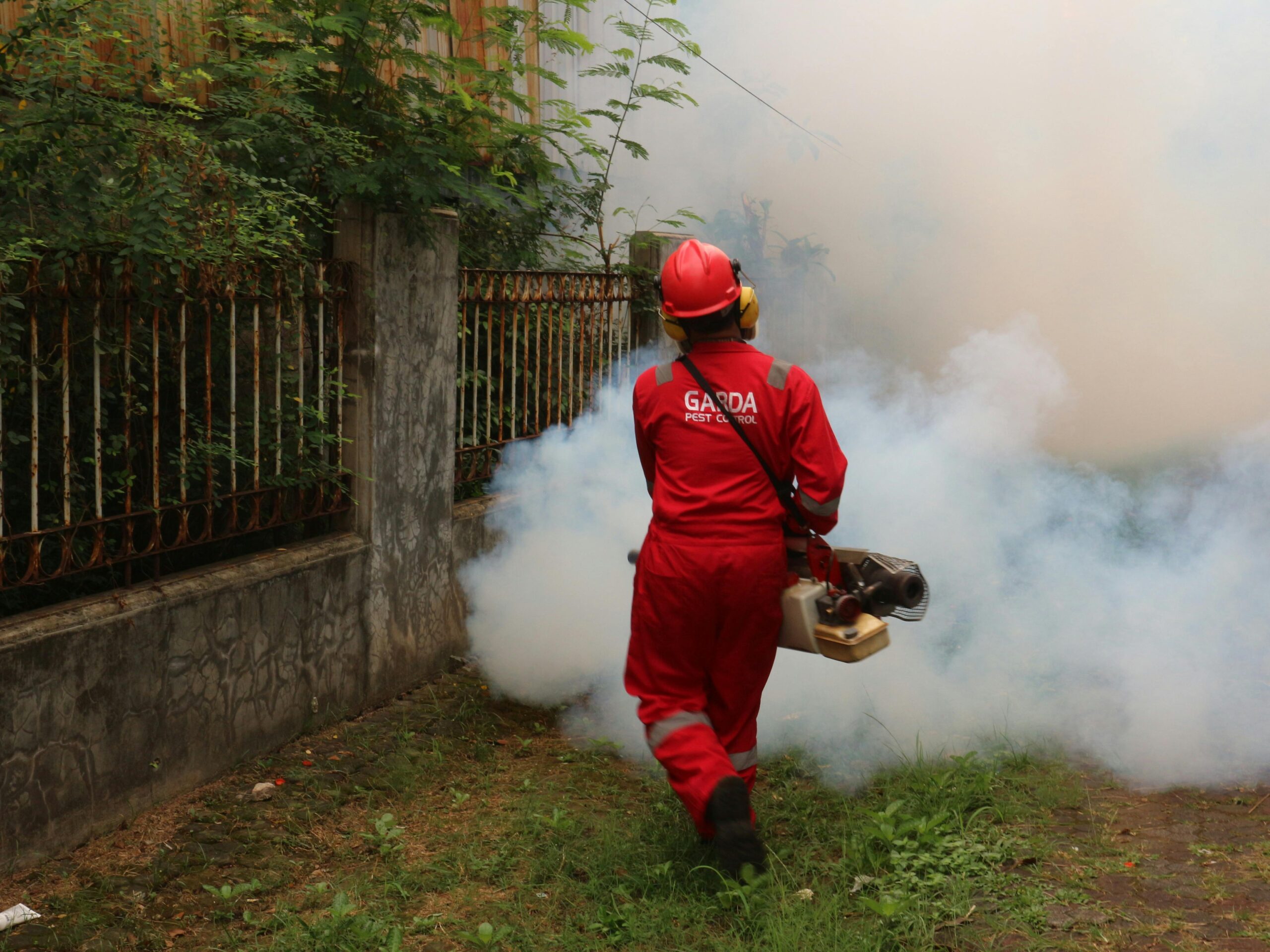
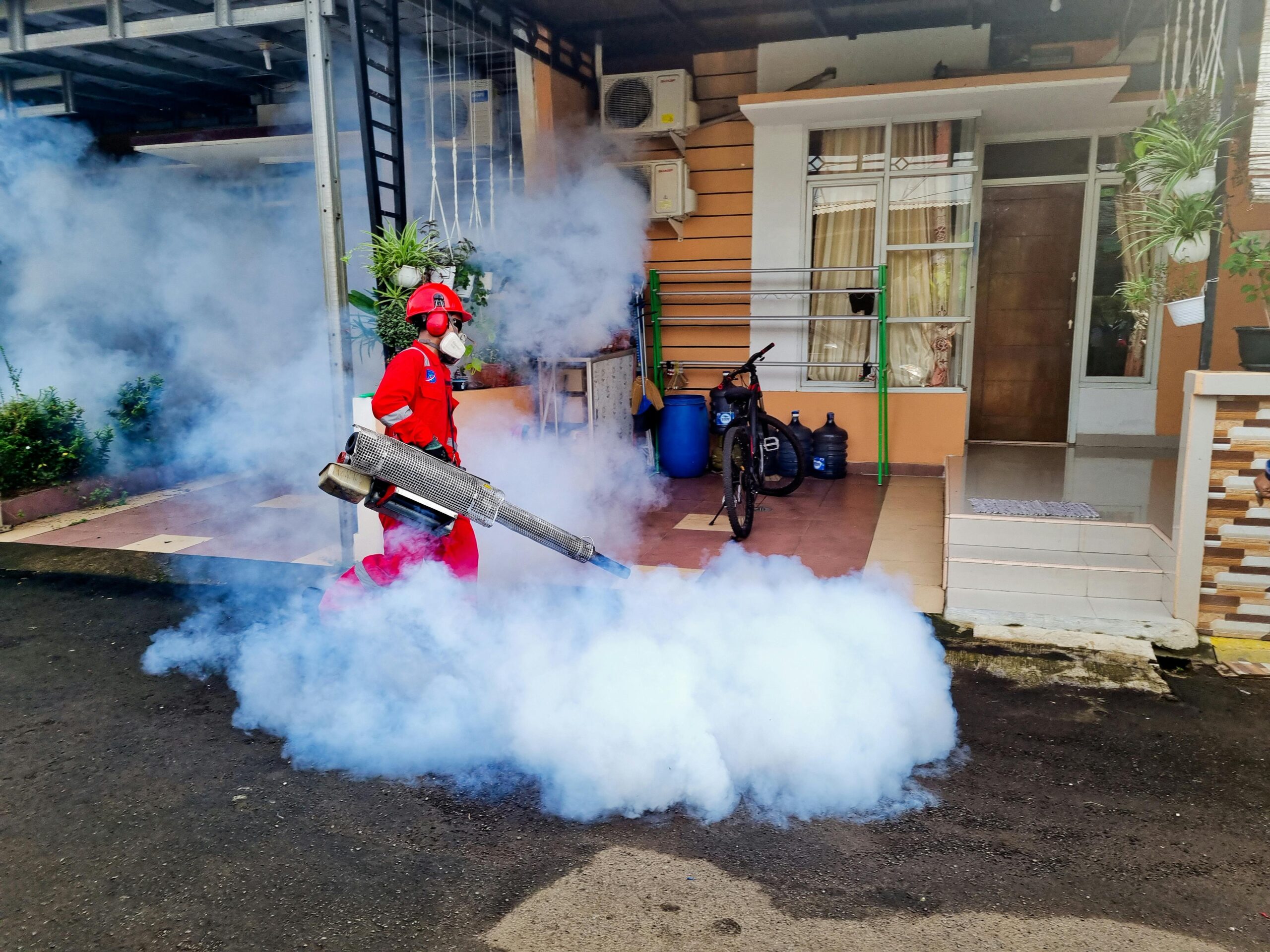
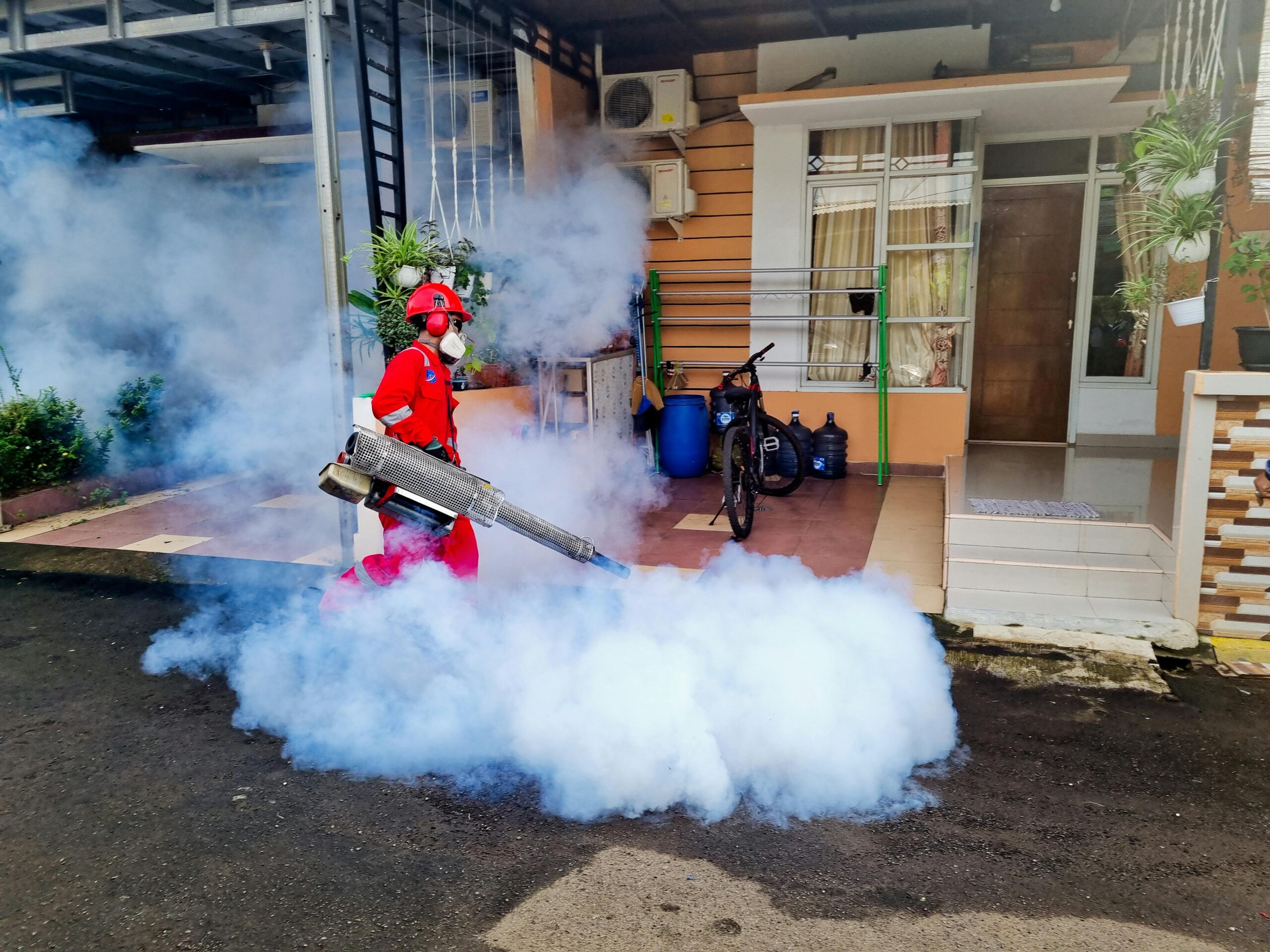
In Suwanee, the most reliable way to keep stink bugs at bay is through a combination of targeted spray treatments, perimeter barriers, and indoor fogging. Sprays are applied to the exterior of the house—under eaves, around windows, and along foundation walls—where stink bugs first enter. Perimeter barriers create a chemical shield that repels bugs before they reach the structure, while indoor fogging distributes a fine mist inside attics, basements, and crawl spaces to eradicate any survivors that have slipped past the exterior defenses.
One‑Time vs. Quarterly Service Models
A one‑time treatment is ideal for homeowners who have just discovered a stink‑bug infestation and need an immediate knock‑down. The technician focuses on high‑risk entry points and treats the interior in a single visit. By contrast, a quarterly service spreads applications throughout the season—typically in early spring, mid‑summer, and fall—maintaining a protective barrier that adapts to bug activity cycles. Quarterly plans are especially effective in Suwanee’s humid climate, where bugs can rebound quickly after a single spray.
Safety First: Low‑Toxicity and EPA‑Approved Products
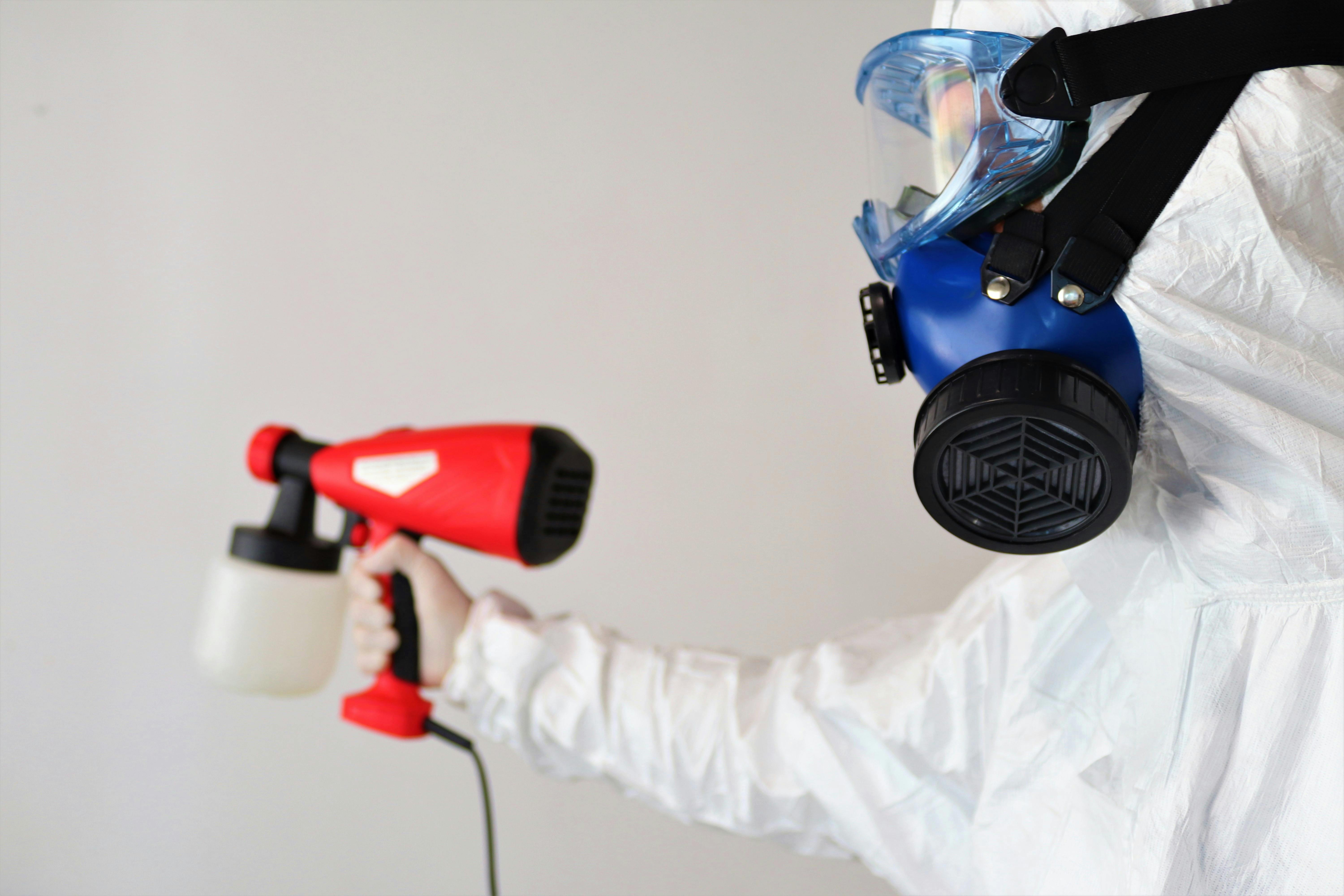
Anthem Pest Control prioritizes homeowner safety by using EPA‑approved chemicals with low toxicity to humans and pets. Technicians wear protective gear, such as gloves, goggles, and respirators, to prevent exposure during application. The products are formulated to break down rapidly after contact, minimizing residual risk while still delivering the potency needed to eliminate stink bugs. This approach satisfies both the strict regulations of Georgia’s Department of Agriculture and the peace‑of‑mind that homeowners expect.
Preparing Your Home for Treatment
Before the technician arrives, a few simple steps can boost the effectiveness of any treatment. Clear clutter from basements, garages, and attics where bugs love to hide. Vacuum up dead insects and debris to reduce food sources. Seal obvious cracks around doors, windows, and utility entries with caulk or weather‑stripping. These actions limit the places stink bugs can shelter and make the pesticide work directly where it’s needed.
Why a Licensed Technician Matters
Hiring a licensed professional brings expertise that DIY products simply can’t match. Technicians conduct a thorough inspection, identify hidden entry points, and tailor the pesticide mix to the specific stink‑bug species present in Suwanee. They also have access to commercial‑grade formulations that provide longer residual control than over‑the‑counter sprays. The result is a faster, more comprehensive eradication with fewer re‑infestations.
DIY Options: When They Fall Short
Homeowners can purchase aerosol sprays, sticky traps, or natural repellents, but these solutions often lack the coverage and persistence needed for a full‑season defense. DIY products may work for a few isolated bugs, yet they rarely address the hidden nests and entry points that fuel a population surge. Moreover, improper application can increase health risks and may even push stink bugs deeper into walls, making future professional treatment more difficult. For most Suwanee residents, partnering with Anthem Pest Control delivers the safest, most cost‑effective outcome.
Comparing Stink Bug Control Costs – One‑Time vs. Quarterly Service

Understanding the price structure for stink‑bug control helps you decide whether a single treatment or a recurring plan delivers the best value for your home. The infographic above breaks the numbers down into three easy‑to‑read sections: upfront cost, what’s included, and potential savings.
Typical Cost Ranges
- One‑time treatment: $150 – $250 per visit. This covers a full inspection, a targeted spray, and a post‑treatment follow‑up.
- Quarterly service plan: $120 – $180 per visit, billed every three months. Most providers bundle the four visits for a discount that can lower the annual total by 15‑25%.
What Each Service Includes
Both options start with a thorough inspection of your interior and exterior, focusing on entry points, cracks, and vulnerable landscaping. The technician then:
- Applies a low‑toxicity residual spray around the perimeter and in hidden cracks.
- Targets interior hiding spots with a spot‑treatment for active bugs.
- Provides a written report that notes any structural repairs or landscaping changes that could improve long‑term control.
- Schedules a follow‑up call or visit to confirm that the population is down and to answer any questions.
Average Savings With Quarterly Service
| Service Type | Number of Visits | Cost per Visit | Total Annual Cost | Potential Savings vs. One‑Time |
|---|---|---|---|---|
| One‑time | 4 (one per season) | $200 (average) | $800 | — |
| Quarterly Plan | 4 | $150 (discounted) | $600 | $200 (≈25% less) |
When you spread the work across four visits, you not only lock in a lower price per service, you also benefit from ongoing monitoring that catches new infestations before they become a full‑blown problem.
Factors That Can Influence Your Quote
Pricing isn’t one‑size‑fits‑all. Expect adjustments based on:
- Home size: Larger square footage means more spray coverage.
- Infestation level: Heavy populations may require extra spot treatments.
- Property type: Multi‑unit buildings, historic homes, or properties with extensive landscaping can add complexity.
- Access issues: Difficult-to‑reach areas (attics, crawl spaces) might incur a small service fee.
Because every home is unique, the most accurate way to know what you’ll pay is to request a customized quote. Our technicians will walk you through the estimate, explain each line item, and help you choose the plan that fits your budget and peace‑of‑mind goals.
Ready to see the numbers for your specific situation? Contact Anthem Pest Control today for a free, no‑obligation quote and take the first step toward a stink‑bug‑free home.
Protect Your Home Today with Anthem Pest Control
By now you know how to spot a stink bug, when they’re most active in Suwanee, and which treatment routes—DIY sprays, barrier applications, or full‑home inspections—can keep them out. Those details matter because stink bugs aren’t just a summer nuisance; they can hide in walls, crawl into food, and cause costly damage if left unchecked.
Quick Recap
- Identification: Shield‑shaped, brown‑gray bugs that release a pungent odor when crushed.
- Seasonal timing: Peaks in late summer through early fall, when adults seek shelter for winter.
- Treatment options: Home‑owner sprays, perimeter barriers, and professional whole‑house treatments.
Why a Professional, Scheduled Service Pays Off
DIY attempts often miss the hidden entry points that a trained technician finds during a thorough inspection. Anthem Pest Control offers a scheduled service plan that treats your home before the bugs even think about moving in. By sealing cracks, treating vents, and applying a residual barrier, the plan reduces repeat infestations and eliminates the need for expensive emergency visits later in the season. In the long run, that preventive approach saves you both time and money. Most homeowners see a 70‑80 % reduction in stink‑bug sightings after just one full‑season program, and the average annual cost—typically $150‑$200—pays for itself many times over in avoided damage and lost food.
Anthem Pest Control – Your Local Stink‑Bug Specialists
Serving Suwanee, GA, for years, Anthem’s licensed technicians understand the unique construction styles and landscaping quirks that invite stink bugs into this region. We use EPA‑approved, low‑toxicity products that protect your family and pets while delivering lasting results. Our transparent pricing model means you’ll know exactly what you’re paying for—no hidden fees, no surprise add‑ons. Whether you choose a one‑time treatment or a year‑round protection package, the cost is clearly outlined up front, so you can budget confidently.
Ready for a Free, No‑Obligation Quote?
Take the first step toward a bug‑free home today. Call us at 877‑371‑8196 or visit our website to request a free quote. Our friendly team will walk you through the options, answer any questions, and schedule a convenient appointment that fits your calendar.
Visit Anthem Pest Control for your personalized stink bug solution.