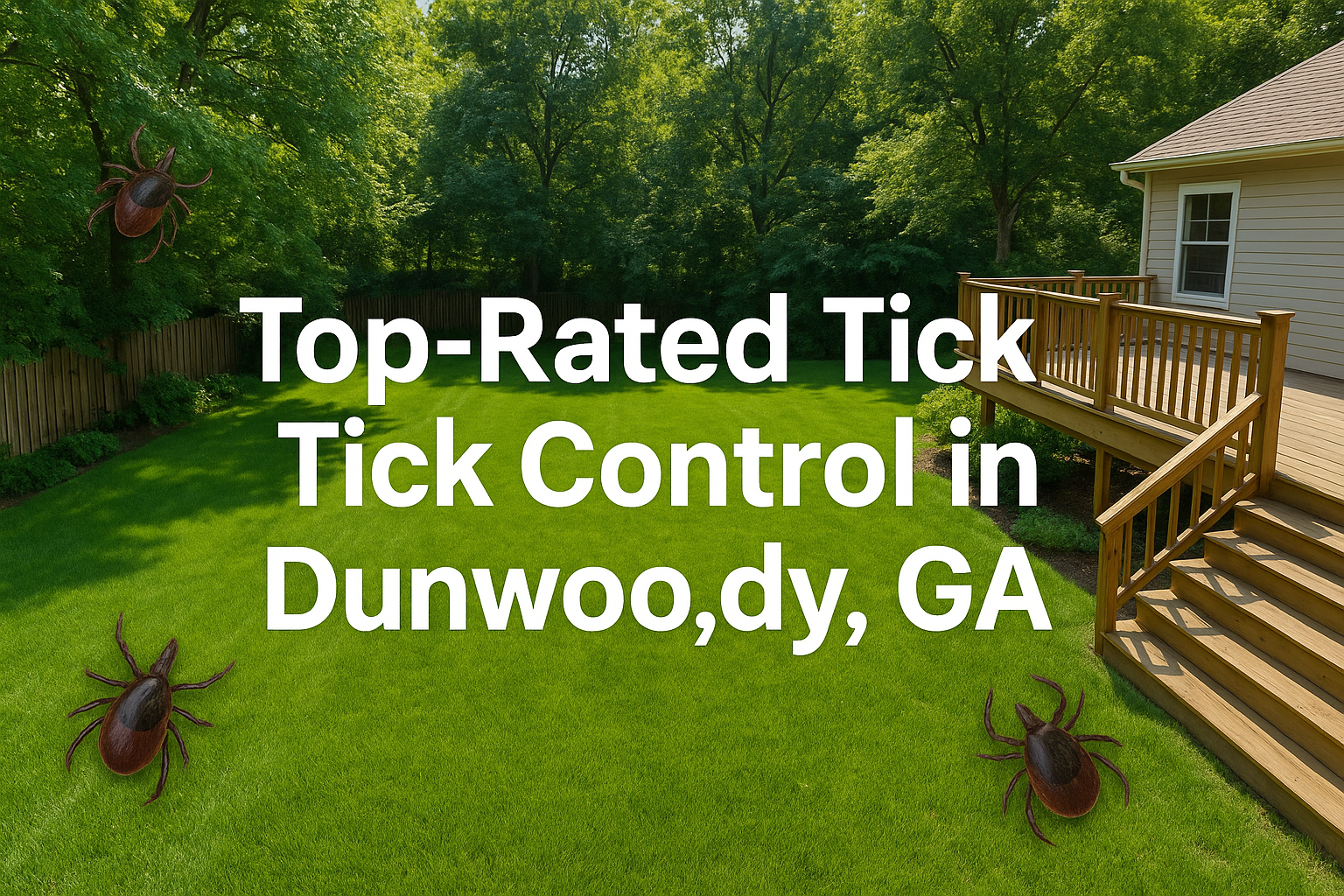
Why Tick Control Matters for Dunwoody Homeowners

Recent CDC surveillance shows a sharp rise in tick-borne disease reports across Metro Atlanta, making tick control Dunwoody GA services more important than ever for local homeowners. Cases of Lyme disease and Rocky Mountain spotted fever have climbed by more than 20% in the past two years. Those numbers aren’t just statistics—they translate into real-world emergencies for families who spend evenings on their porches or let pets roam the yard.
Dunwoody’s humid subtropical climate, abundant oak and pine canopies, and the patchwork of shaded lawns, flower beds, and wooded edges create the perfect micro‑habitat for black‑legged ticks. Even a well‑maintained backyard can harbor leaf litter and moist soil pockets where ticks thrive, waiting for a passing host.
Choosing to ignore the threat can cost homeowners in three major ways:
- Health risks: Tick bites can transmit serious illnesses, leading to costly medical bills and prolonged recovery time.
- Property value impact: Neighborhoods known for pest problems often see slower home‑sale cycles and reduced appraisal values.
- Convenience and peace of mind: Constant vigilance—checking pets, scanning skin, and limiting outdoor activities—drains time and energy.
Anthem Pest Control has been safeguarding Dunwoody homes for over a decade. Our locally trained technicians understand the area’s unique tick hotspots, and we offer a 24‑hour hotline (877‑371‑8196) for rapid response whenever a bite or infestation is suspected. With transparent pricing and environmentally responsible treatments, we’re the trusted partner that turns a ticking time‑bomb into a managed, low‑risk environment.
This section sets the stage for the comprehensive guide that follows, covering treatment options, cost breakdowns, and proactive tips to keep your family and pets bite‑free all year long.
Tick Species Commonly Found in Dunwoody
In the leafy suburbs of Dunwoody, three tick species account for the majority of bites reported each year. Knowing how each looks and where it thrives helps you spot trouble before it climbs onto a family member or pet. Below is a quick guide to the American dog tick, the Lone Star tick, and the Blacklegged (deer) tick—plus the latest local statistics that show why vigilance matters.
American Dog Tick (Dermacentor variabilis)
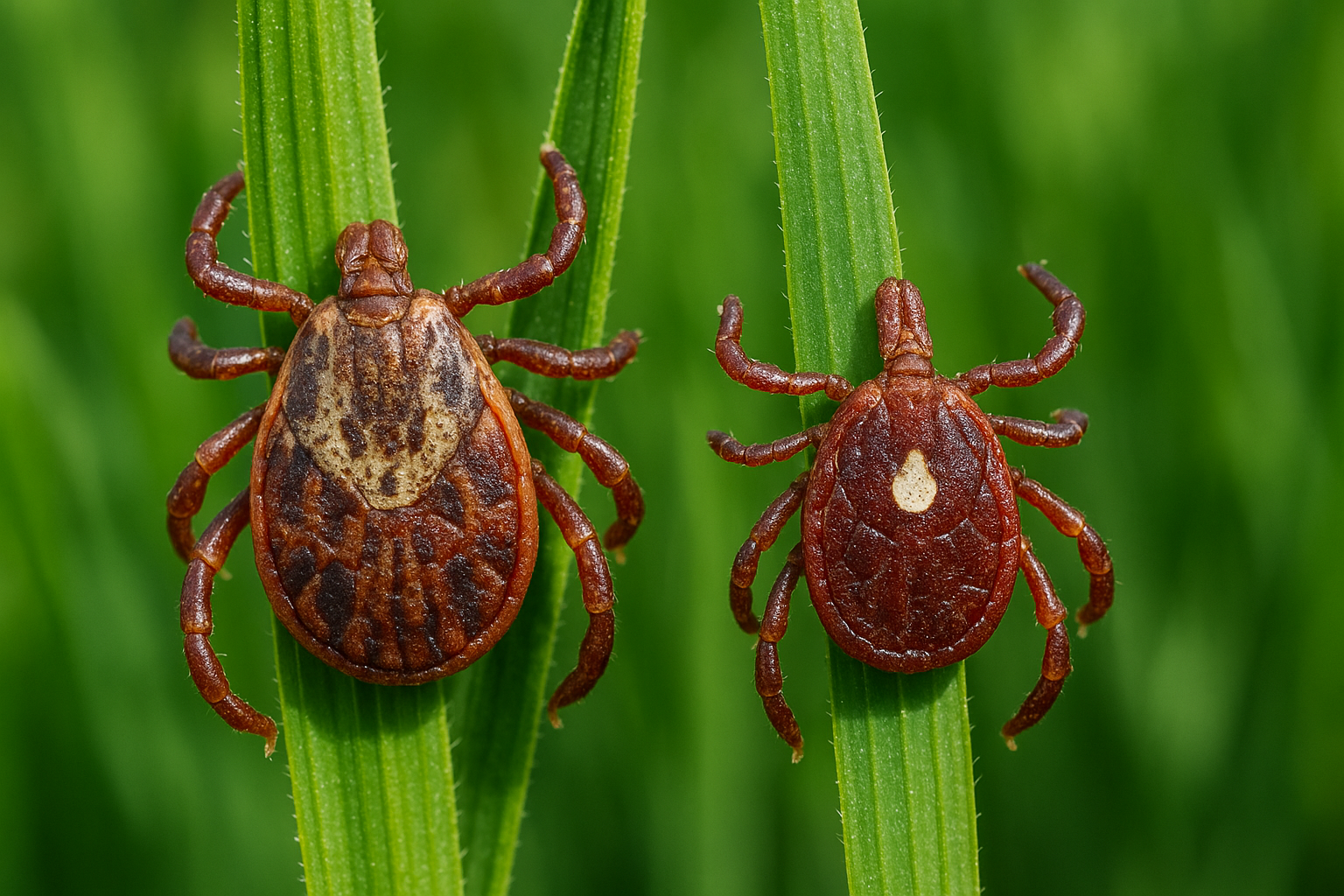
These ticks are medium‑sized, with a brown‑gray body and a distinctive white‑gray shield‑shaped pattern on the back of the adult female. They prefer open, sunny fields, grassy edges, and the perimeters of residential yards where dogs frequently roam. Their activity peaks in late spring and early summer, and they are most often found questing on low vegetation.
Lone Star Tick (Amblyomma americanum)
Named for the single white dot on the adult female’s back, the Lone Star tick is larger than the dog tick and has a reddish‑brown hue. It thrives in wooded areas with thick underbrush, especially where leaf litter accumulates. This species is aggressive; it will climb onto a host quickly and is responsible for the growing number of allergic reactions reported in the metro Atlanta region.
Blacklegged (Deer) Tick (Ixodes scapularis)
Also called the deer tick, it is the smallest of the three, measuring less than 3 mm when unfed. Its body is dark brown to black, and the legs appear pale, giving a “black‑legged” impression. Deer ticks favor shaded, humid micro‑environments—think dense canopy, leaf‑covered trails, and the edges of forested parks. They are the primary vector for Lyme disease in Georgia.
According to CDC data, Fulton County saw a 22 % increase in reported tick bites between 2023 and 2024, a trend that mirrors the rise in suburban development bordering natural habitats. Within Dunwoody, neighborhoods such as Lenox Park and Peachtree Park register the highest encounter rates. The combination of mature trees, abundant leaf litter, and frequent pet activity creates ideal micro‑climates for tick development, allowing populations to multiply faster than in more manicured lawns.
Knowing the visual cues for each species lets you act quickly—removing a tick within 24 hours dramatically cuts the chance of disease transmission. Keep a magnifying glass handy during yard walks and check pets after every outing.
How Homeowners Can Recognize Each Species
- American dog tick: 6‑12 mm, gray‑brown with a white‑gray shield on the female’s back.
- Lone Star tick: Larger (up to 13 mm), reddish‑brown, single white spot on adult females.
- Blacklegged (deer) tick: Tiny (under 3 mm), dark brown body, noticeably pale legs.
Health Risks Ticks Pose to Your Family
When a tick latches onto a loved one, the danger isn’t just a bite—it’s the potential for serious disease. In Georgia, and especially around Dunwoody, four tick‑borne illnesses show up most often: Lyme disease, ehrlichiosis, Rocky Mountain spotted fever, and Southern tick‑associated rash illness (STARI). Understanding each threat helps you act fast.
What the bugs can give you
- Lyme disease – Caused by Borrelia burgdorferi. Early signs include a bullseye rash, fever, headache, and fatigue. If untreated, it can affect the heart, joints, and nervous system.
- Ehrlichiosis – Transmitted by the lone‑star tick. Symptoms start with fever, muscle aches, and a rash that may spread to the palms and soles. Prompt antibiotics usually clear the infection, but delayed treatment can lead to organ damage.
- Rocky Mountain spotted fever – Carried by the American dog tick. Look for sudden fever, severe headache, and a petechial rash that appears 2–5 days after the bite. This illness can be fatal without early doxycycline therapy.
- Southern tick‑associated rash illness (STARI) – Often linked to the lone‑star tick in the Southeast. It begins with a red, expanding rash and mild flu‑like symptoms. While it’s usually self‑limiting, antibiotics are recommended to speed recovery.
How common are these diseases?
According to the CDC, there were roughly 30,000 reported cases of Lyme disease in the United States in 2023. Georgia contributed about 1.2 % of those cases—approximately 360 infections. Ehrlichiosis and Rocky Mountain spotted fever are also reported statewide each year, with Georgia ranking among the top ten for ehrlichiosis cases.
A local story that hits home
Last spring, the Martinez family from Dunwoody set out for a weekend hike on the nearby Indian Springs Trail. Their 10‑year‑old son returned with a small, red bump on his ankle. Within 48 hours, he developed a fever, headache, and the classic “bullseye” rash. A visit to their pediatrician confirmed early‑stage Lyme disease. After a ten‑day course of doxycycline, the boy was back to his energetic self—proof that tick exposure can happen in a single afternoon and that swift treatment makes all the difference.
For a deeper dive into tick‑borne diseases, visit the CDC’s tick‑borne disease page. Staying informed is the first step toward protecting your family’s health.
Anthem Pest’s Integrated Tick Management Solutions
What Integrated Tick Management Means
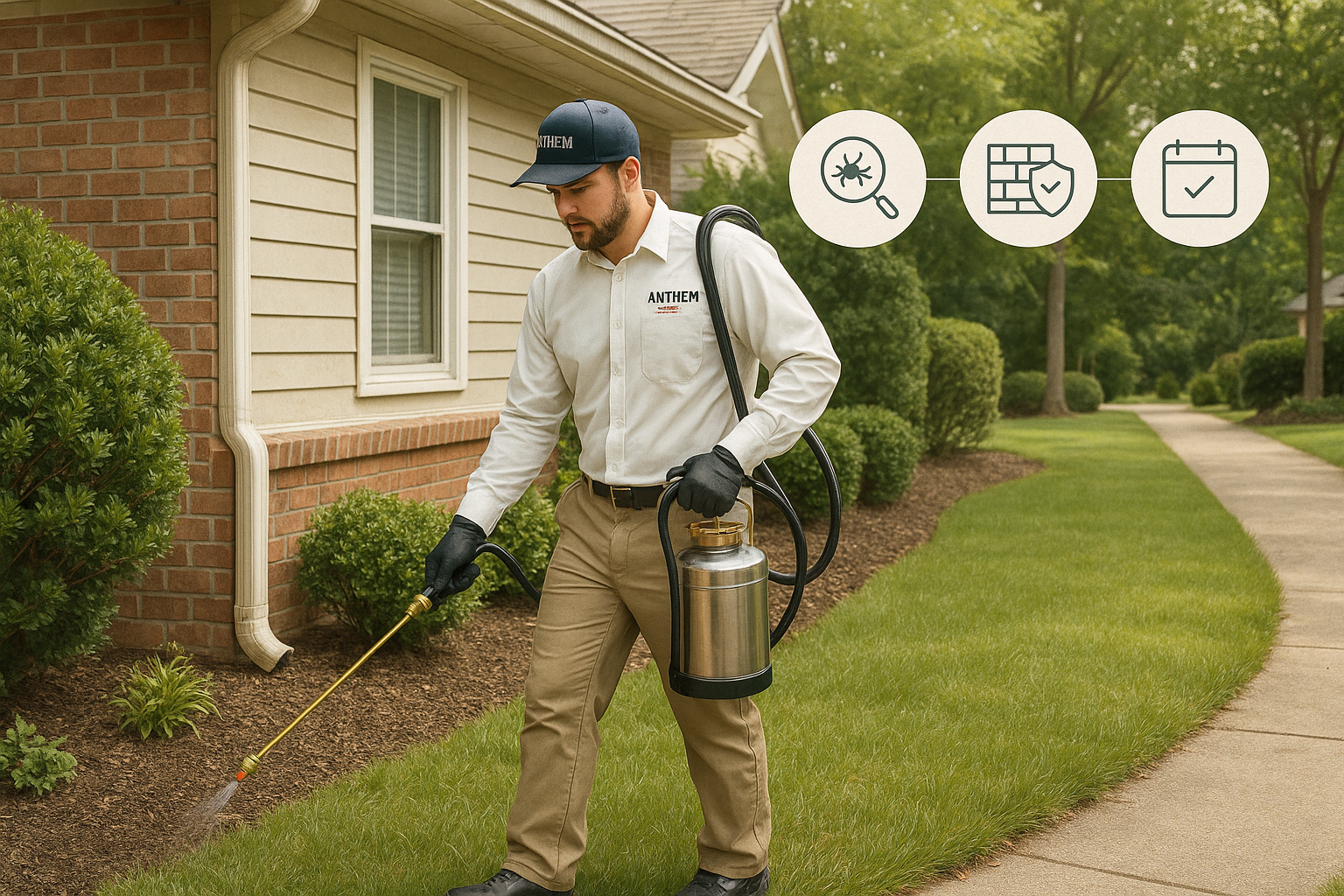
Integrated Tick Management (ITM) is a layered approach that blends chemical, mechanical, and educational tactics to keep ticks away year‑round. Rather than a single “spray‑and‑forget” fix, ITM targets the tick life cycle at multiple points—outdoor habitats, entry zones, and even the pets that can carry them indoors. The result is a sustainable, low‑risk program that protects families while respecting the surrounding ecosystem.
Perimeter Barrier Sprays
Our cornerstone service is a perimeter barrier spray applied to foundations, shrub borders, and mulch beds. We use EPA‑registered bifenthrin (Reg. No. 71084) and permethrin (Reg. No. 71486), both proven to create a residual shield that remains effective for up to eight weeks. Technicians calibrate equipment to ensure even coverage, focusing on the exact zones where ticks quest for a host.
Targeted Spot Treatments
High‑risk micro‑habitats—such as dog runs, garden beds, and shaded wood piles—receive spot treatments that concentrate the active ingredient where ticks are most likely to linger. By treating only the problem areas, we reduce overall chemical usage while delivering a powerful knock‑down effect where it matters most.
Organic Options for Eco‑Conscious Homes
Homeowners who prefer a greener solution can opt for our neem‑based spray. Extracted from the neem tree, this botanical product disrupts tick feeding behavior without harming beneficial insects. While its residual life is shorter than synthetic options, it offers an effective, low‑toxicity alternative for families focused on environmental stewardship.
Pet‑Centric Treatment Partnerships
Ticks often hitch a ride on our four‑legged companions. Anthem Pest partners with local veterinarians to synchronize outdoor treatments with oral preventatives such as afoxolaner or fluralaner. This coordinated strategy creates a double barrier—protecting pets from bites and limiting the number of ticks that can re‑enter the yard.
Case Study: Lenox Park Home
One Lenox Park homeowner reported an alarming tick presence in early spring. After a single seasonal ITM application—including perimeter barrier, spot treatments, and a neem boost—the property’s tick count dropped by 85 % according to a follow‑up inspection. The family noted fewer bites on both children and pets, and they have since enrolled in our annual maintenance plan.
Further Reading
For a deeper dive into the science behind our methods, see the EPA Tick Control Guidance. The document outlines best practices, safety considerations, and the regulatory framework that informs every product we apply.
How Much Professional Tick Control Costs in Dunwoody
When it comes to protecting your yard and family from ticks, knowing the exact price you’ll pay for professional tick control Dunwoody GA services helps you decide whether expert treatment is worth the investment.
In Dunwoody, Anthem Pest Control follows the same pricing structure that major national providers such as Terminix and Orkin reported for 2024. Below are the most common options you’ll encounter.
- One‑time perimeter treatment: $150‑$300 per 1,500 sq ft. This includes a thorough spray of the property’s outer edge and any high‑traffic zones where ticks are most likely to hitch a ride.
- Quarterly maintenance plan: $200‑$400 per visit. The plan bundles re‑application, a detailed inspection, and a follow‑up report, ensuring tick pressure stays low throughout the season.
- Add‑on pet protection package: $50‑$80 per pet per year. A pet‑safe formulation is applied to indoor spaces and pet bedding, creating a barrier that keeps fleas and ticks off your animals.
- DIY spray can (for reference): $30‑$60 per can. Most over‑the‑counter products cover roughly 1,000 sq ft and require multiple applications for comparable results.
What Drives the Price?
Three main factors influence the final quote:
- Property size: Larger yards need more product and labor, pushing the price toward the upper end of the range.
- Landscape complexity: Dense shrubs, rock gardens, or multiple levels increase the time needed for thorough coverage.
- Tick pressure level: Areas with a known history of high tick activity may require stronger formulations or additional visits.
Professional vs. DIY: The Bottom Line
A single DIY can might look cheaper, but it often fails to reach the hidden corners where ticks hide, and you’ll likely need to re‑apply every two weeks during peak season.
In contrast, a quarterly professional visit delivers a licensed technician’s expertise, a guaranteed coverage map, and ongoing monitoring—all for roughly the cost of three to four DIY cans.
Overall, most Dunwoody homeowners find that the peace of mind and long‑term reduction in tick‑borne disease risk far outweigh the modest premium over a do‑it‑yourself approach.
Optimal Timing for Tick Treatments in Dunwoody
Understanding when ticks are most active in our region is the first step toward keeping your yard and family safe. In Dunwoody, the tick lifecycle creates two distinct peaks of activity each year: the warm-weather surge from March through June and a cooler-weather resurgence during September and October. Scheduling professional tick control Dunwoody GA treatments during these windows maximizes kill rates and reduces the chance of a re-infestation.
Why Early Spring Matters
Adult female ticks lay eggs in the soil during the winter months, and larvae begin to emerge as temperatures climb above 50°F. By applying a pre‑emptive treatment in late February to early March, you intercept the first wave before it can establish a foothold. This timing also gives the pesticide enough time to settle into the grass and leaf litter where ticks hide, creating a protective barrier that lasts through the early summer surge.
Fall Follow‑Up for the Second Wave
As summer wanes, humidity levels rise again, prompting a second bout of nymph activity. Scheduling a follow‑up application in late September tackles this late‑season spike, ensuring that any ticks that survived the spring treatment are eliminated before they can seek hosts in your yard.
Simple Seasonal Calendar
- Late Feb – Early Mar: First pre‑emptive treatment (spring)
- Mar – Jun: Peak tick activity – monitor pets and children
- Sep – Oct: Second peak – stay vigilant
- Late Sep: Follow‑up treatment (fall)
By aligning your pest‑control schedule with these seasonal patterns, you give Anthem Pest Control the best chance to deliver lasting protection. If you’re unsure about the exact dates or need help coordinating treatments, give us a call at 877‑371‑8196 or visit our website for a personalized plan.
Why Anthem Pest Stands Out as Dunwoody’s Tick Expert
When it comes to protecting your family and lawn from ticks, you need more than a generic spray—you need a partner that blends national expertise with a deep‑rooted understanding of Dunwoody’s neighborhoods. Anthem Pest does exactly that.
Industry‑Recognized Certifications
- NPMA‑Certified Technician: Every technician who steps onto your property has earned the National Pest Management Association’s certification, proving they’ve mastered the latest integrated pest‑management techniques.
- 100 % EPA‑Compliant Products: We only apply treatments that meet the Environmental Protection Agency’s strict safety standards, so you can trust that your children, pets, and garden stay protected.
Confidence‑Backed Guarantee
We stand behind our work with a 5‑year guarantee on tick control services. If ticks return within that period, we’ll re‑treat at no extra cost—no hoops, no fine print.
What Dunwoody Neighbors Are Saying
“Anthem Pest showed up the same day we called, and within a week the tick activity dropped dramatically. The crew was friendly, explained every step, and answered all our questions. I feel safe letting my kids play outside again.” — Linda M., Peachtree Park homeowner
Local Insight Meets National Standards
Our technicians live and work in the Atlanta metro area, so they know the micro‑climates, common tick habitats, and seasonal patterns unique to Dunwoody. Coupled with NPMA training and EPA‑approved products, this local knowledge translates into faster, more effective results for you.
Get Started Today
Ready to reclaim your yard? Call us at 877‑371‑8196 or visit anthempest.com to schedule a free inspection. Let Anthem Pest put its expertise to work and keep your home tick‑free.
Frequently Asked Questions About Tick Control
How long does a tick treatment last?
Most barrier sprays applied by Anthem Pest Control remain effective for 8‑12 weeks, creating a protective shield around your home’s perimeter. Homeowners who opt for a quarterly maintenance plan can extend coverage year‑round, ensuring any new hatchlings are intercepted before they bite. Heavy rain or excessive irrigation can wash away the barrier, so a touch‑up may be needed sooner in those conditions.
Are the chemicals safe for children and pets?
We use EPA‑registered products that are approved for residential use when applied exactly as the label directs. These formulations have been tested for acute toxicity, and re‑entry times are typically 30 minutes to an hour for people and pets. For detailed safety data, see the EPA pesticide safety page. Following the label instructions—such as keeping kids and pets off treated areas until the drying period ends—keeps everyone safe. We also recommend keeping windows closed and pets indoors until the spray has fully dried to minimize any exposure.
What if ticks reappear after treatment?
A resurgence can happen if wildlife carries new ticks into the yard or if dense vegetation provides a haven. Our technicians will perform a re‑inspection and may apply a spot‑treatment to hotspots. Combining professional care with regular lawn mowing, leaf removal, and keeping woodpiles away reduces future infestations. For more information on tick‑borne diseases, visit the CDC tick disease guide. If ticks persist, we can arrange a follow‑up appointment within two weeks to reassess and target any remaining problem areas.
Take Action Today for a Tick‑Free Yard
Ticks aren’t just a nuisance; they pose real health risks to your family and pets. Proactive management protects against Lyme disease, Rocky Mountain spotted fever, and other illnesses while giving you peace of mind when you step outside.
Anthem Pest offers affordable, transparent pricing backed by proven results across Georgia. Our treatment plans are customized to your yard’s size and tick pressure, so you never pay for services you don’t need.
Ready to act? Call our 24‑hour hotline at 877‑371‑8196 or schedule a free inspection online. One quick call puts a professional on your calendar within hours.
Our experienced technicians will assess your property, recommend the right treatment plan, and ensure your family can enjoy the outdoors safely. We use EPA‑approved products and follow strict safety protocols, so you can trust the job is done right.
Visit Anthem Pest Control to learn more about professional tick control Dunwoody GA services and lock in your free inspection today.