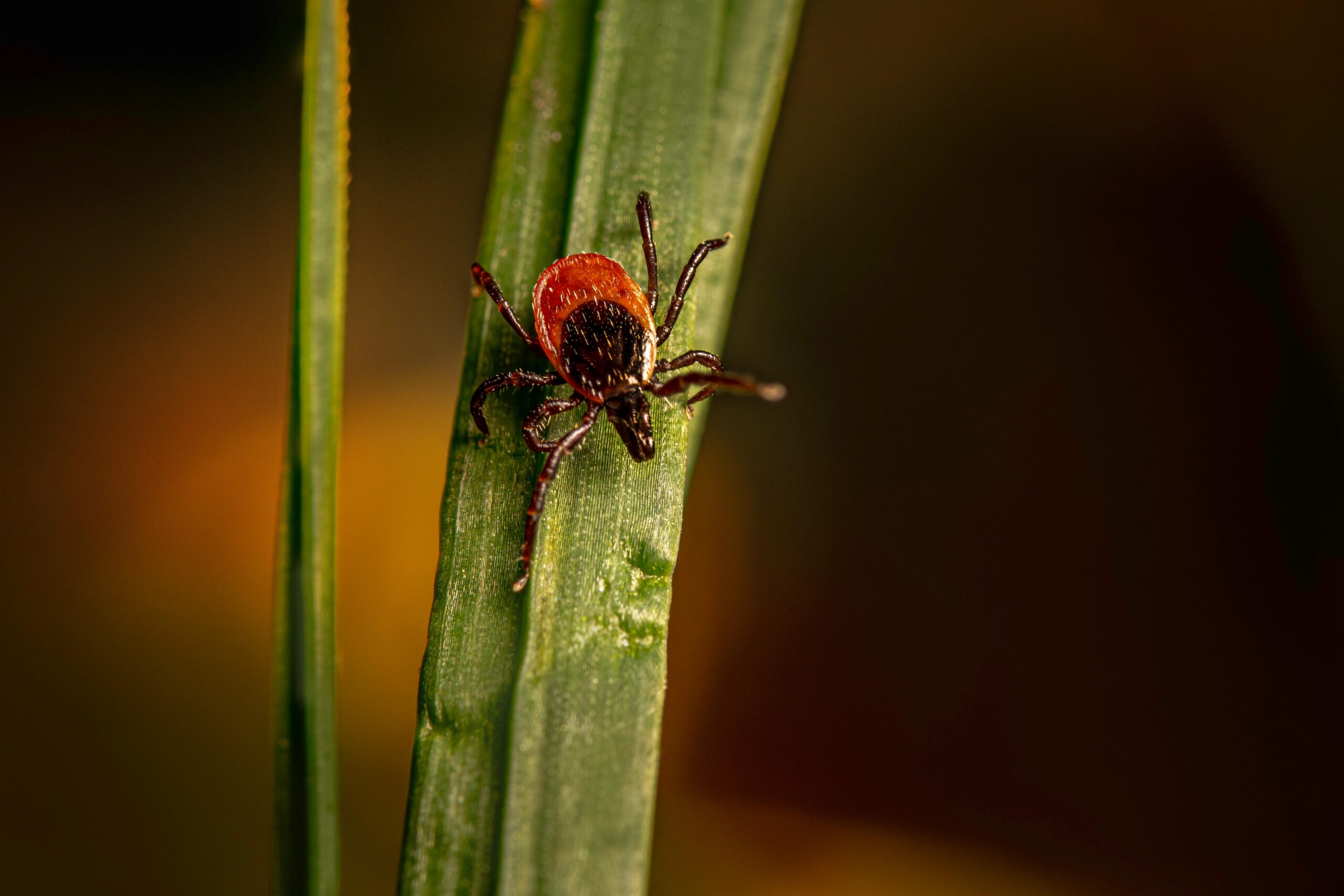
Why Ticks Are a Growing Concern in Suwanee, GA
Suwanee’s warm, humid summers and mild winters create a perfect cocktail for ticks. The town’s mix of hardwood forests, residential lawns, and nearby wetlands provides the shade, moisture, and hosts that ticks need to thrive. When grass is left a few inches tall, leaf litter piles up, and wildlife such as deer or raccoons wander through, you’re essentially setting up a seasonal boarding house for these tiny parasites.
Tick Species You’re Most Likely to Encounter
- Lone Star tick (Amblyomma americanum) – known for aggressive biting habits and a bite that can cause a painful rash.
- American Dog tick (Dermacentor variabilis) – commonly found in yards with tall grass and a frequent carrier of several bacterial diseases.
Diseases That Can Jump From Tick to Human
- Lyme disease – bacterial infection that can lead to joint pain, fatigue, and neurological issues if untreated.
- Rocky Mountain spotted fever – a potentially fatal illness marked by fever, headache, and a distinctive rash.
- Ehrlichiosis – causes flu‑like symptoms, severe headaches, and can progress to organ damage.
Georgia’s Mosquito & Tick Surveillance, accessed through MosquitoJoe, shows a worrying trend in Gwinnett County. In 2023 the agency recorded 1,245 tick bite reports, a 27 % jump from the previous year, and documented 38 confirmed cases of Lyme disease across the county. Those numbers translate to real families facing medical appointments, lab tests, and sometimes weeks of antibiotic therapy.
Early Warning Signs in Your Yard
Spotting ticks before they bite is all about recognizing the habitat cues:
- Tall, uncut grass or overgrown garden beds.
- Accumulated leaf litter or mulch that stays damp for days.
- Frequent visits from deer, squirrels, or raccoons—natural tick hosts.
- Visible ticks on pets after a walk in the neighborhood.
The Hidden Cost of Ignoring Tick Infestations
Beyond the obvious health risks, untreated tick problems can drain your wallet and your lifestyle. A single bout of Lyme disease can cost upwards of $5,000 in medical bills, lab work, and lost wages. Rocky Mountain spotted fever and ehrlichiosis can add similar expenses, especially if complications arise. Even before illness strikes, many homeowners limit outdoor activities—barbecues, gardening, or playing with kids—out of fear of a bite. That loss of enjoyment is hard to quantify, but it’s a real quality‑of‑life hit that can turn a beautiful yard into a dreaded no‑go zone.
Understanding why ticks are proliferating in Suwanee is the first step toward protecting your family and reclaiming your outdoor space. A proactive plan, backed by a trusted local expert, can stop the cycle before it costs you health, money, and peace of mind.
Seasonal Tick Activity in Suwanee – When to Treat
Understanding when ticks are most active is the first step to a successful control plan. Below is a seasonal chart that maps tick activity in Suwanee from January through December, giving you a visual roadmap for timing your treatments.
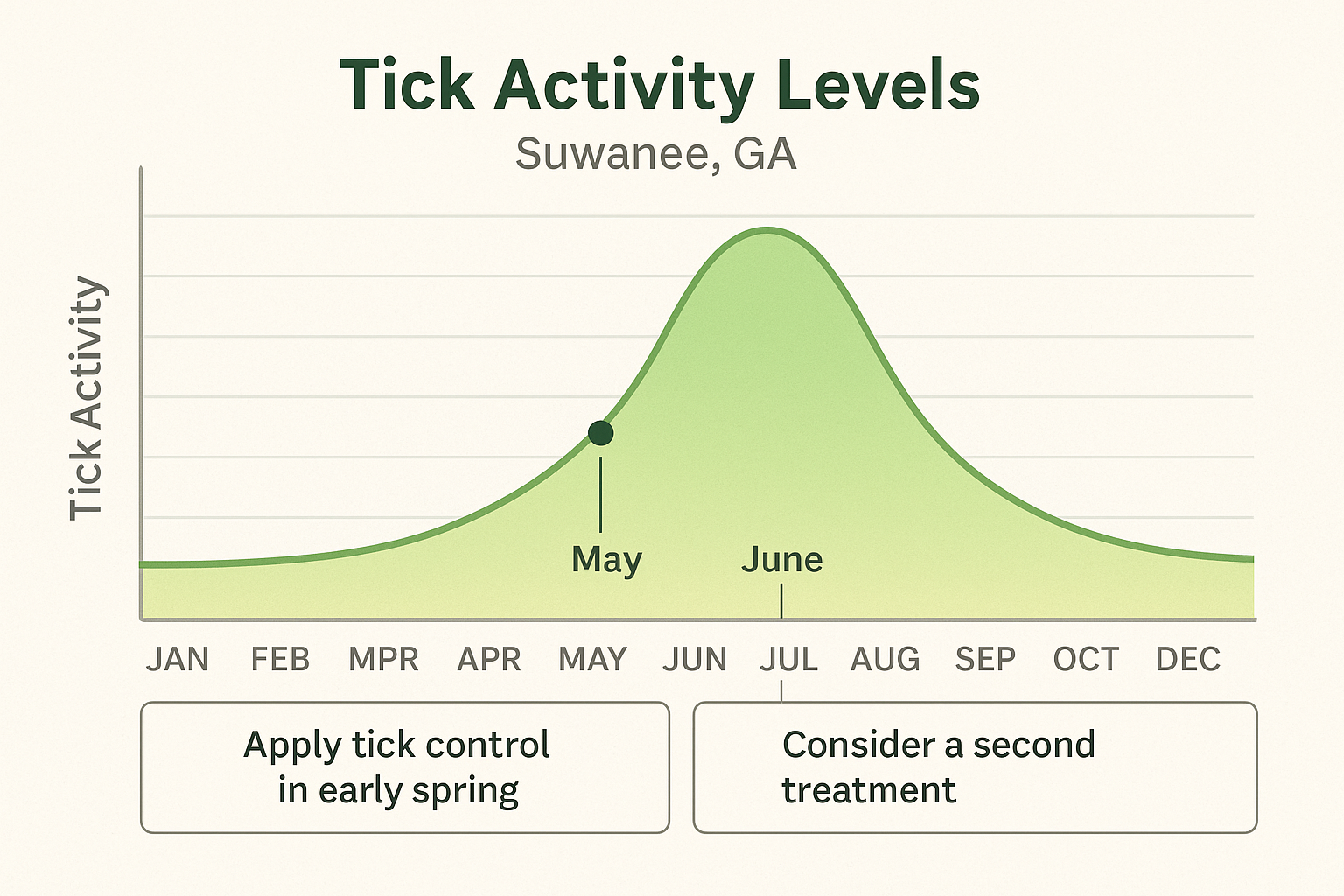
The chart highlights two clear peaks: early spring (April‑June) and early fall (September‑October). During these windows, temperature and humidity combine to create ideal conditions for tick development. Warm days accelerate larval growth, while the moisture from spring rains or autumn dew keeps the leaf litter damp—perfect habitats for questing ticks looking for a host.
Ticks follow a temperature‑dependent life cycle. Eggs hatch when soil temperatures rise above 50°F, and larvae become active as soon as leaf litter stays moist for several days. In Suwanee’s spring, rising temps and frequent rain create a humid micro‑climate that fuels rapid larval and nymph development. By fall, cooler evenings and lingering moisture revive the nymphs that survived the summer heat, leading to the second activity surge.
Month‑by‑Month Treatment Recommendations
- January – February: Inspect indoor spaces and keep pets on a veterinarian‑approved tick preventive.
- March: Schedule a pre‑emptive barrier spray for your yard; early application stops the first wave of nymphs.
- April: Apply a second, more thorough perimeter treatment as larvae begin to emerge.
- May: Treat high‑traffic zones (playgrounds, garden beds) with a targeted micro‑spray.
- June: Conduct a mid‑season check; retreat any missed hotspots before the summer lull.
- July – August: Focus on indoor prevention—vacuum carpets, wash bedding, and keep grass trimmed.
- September: Re‑apply a full‑yard barrier spray to catch the fall surge of nymphs.
- October: Perform a final retreat on edges and wooded borders as ticks prepare for overwintering.
- November – December: Maintain a tidy yard, store firewood away from the house, and continue pet preventives.
Keep a simple treatment log—note the date, product used, and any observed tick activity. This record lets you see patterns year over year and adjust future applications for the most cost‑effective protection.
Weather anomalies can shift these patterns. A wet spring may push the first peak into March, while an unusually mild winter can trigger early tick activity as soon as February. Conversely, a dry summer can suppress the midsummer lull, extending the need for vigilance.
By aligning your treatment calendar with the seasonal chart, you give Anthem Pest Control a clear target for each application, ensuring maximum effectiveness and minimizing the chance of a surprise tick infestation.
Eco‑Friendly Tick Control Options for Pets and Families
Why Chemical Exposure Matters
When you’re watching your kids play in the yard or letting the family dog romp through the grass, the last thing you want is a hidden dose of harsh chemicals. Traditional tick sprays often contain synthetic pyrethroids that can irritate skin, trigger respiratory issues, or cause neurological symptoms in sensitive pets and children. Parents and pet owners increasingly ask for solutions that protect without compromising health, which is why eco‑friendly alternatives have moved to the forefront of integrated pest‑management (IPM) strategies.

Pet‑Safe Plant‑Based Spray
One of the most popular green choices on the market is a plant‑derived spray that uses essential oils such as rosemary, geranium, and citronella. Packaged in a convenient spray bottle, the product is designed for direct application on dogs, cats, and even outdoor furniture. Because the formula relies on natural repellents rather than lethal toxins, it’s classified as a “repellent” rather than an insecticide.
How It Works: Repellent vs. Insecticide
The spray creates a scented barrier that ticks find unpleasant, discouraging them from climbing onto your pet’s coat. Unlike conventional insecticides that aim to kill ticks on contact, this repellent offers protection for up to 48 hours per application. For families that prefer a non‑lethal approach, the extended protection window pairs well with regular grooming and tick checks.
Eco‑Option vs. Conventional Sprays
| Feature | Eco‑Friendly Plant Spray | Conventional Synthetic Spray |
|---|---|---|
| Active ingredient | Essential oils (rosemary, geranium, citronella) | Pyrethroid chemicals (e.g., permethrin) |
| Mode of action | Repellent – deters ticks | Insecticide – kills on contact |
| Protection duration | Up to 48 hours per spray | Up to 7 days (varies by product) |
| Safety for pets/children | Low irritation risk; safe for most breeds | Potential skin irritation; not recommended for kittens, puppies, or pregnant pets |
| Cost per ounce | ≈ $15‑$20 | ≈ $10‑$15 |
| Environmental impact | Biodegradable, minimal runoff | Persistent residues; can affect beneficial insects |
Applying Safely and Integrating with Yard Treatments
To get the most out of a pet‑safe spray, follow these steps:
- Clean the coat first. A quick bath removes debris that could block the oil’s scent.
- Apply to the fur, not the skin. Mist the spray from a distance of 6‑8 inches, focusing on the neck, back, and tail base.
- Re‑apply after swimming or heavy sweating. Water and sweat can wash away the oils.
- Combine with yard‑wide eco treatments. Use a botanical perimeter spray or tick‑reducing landscaping (e.g., cedar mulch) to lower the overall tick population.
When you pair the pet‑friendly spray with a broader IPM plan—regular lawn mowing, removing leaf litter, and targeted botanical barriers—you create multiple layers of defense. This approach keeps your family and four‑legged companions safe while still delivering the tick control performance homeowners in Suwanee, Georgia expect from a professional service like Anthem Pest Control.
Choosing the Right Tick Control Service – Packages, Pricing, and Professional Treatment
When Suwanee homeowners think about tick control, Anthem Pest Control is often the first name that comes to mind. With a decade of service in Gwinnett County, Anthem has built a reputation for delivering safe, EPA‑approved solutions that keep families and pets protected without breaking the bank. Their transparent pricing model and locally‑trained technicians make it easy to understand exactly what you’re paying for and why it works.

Service Packages Overview
| Package | Price (per season) | Coverage Area | Treatment Frequency | Included Products |
|---|---|---|---|---|
| Basic | $149 | Up to 2,500 sq ft | One‑time perimeter spray | Eco‑friendly granules |
| Standard | $229 | Up to 5,000 sq ft | Two treatments (spring & fall) | Granules + spot‑on pet‑safe spray |
| Premium | $329 | Up to 8,000 sq ft | Quarterly treatments + annual inspection | Granules, perimeter spray, and wildlife‑safe barrier |
What a Professional Technician Does
During a scheduled visit, a certified Anthem technician follows a three‑step protocol designed to eradicate ticks at their source:
- Soil Treatment: Granular insecticide is applied to the top six inches of soil where tick larvae develop, creating a long‑lasting barrier.
- Perimeter Spray: A fine mist is sprayed around the home’s exterior walls, walkways, and shaded areas—hotspots where adult ticks wait for a host.
- Thorough Inspection: The technician checks high‑risk zones (under decks, pet bedding, garden beds) and provides a written report with any follow‑up recommendations.
DIY vs. Professional Treatment
| Aspect | DIY Approach | Professional Service |
|---|---|---|
| Coverage | Often limited to visible areas | Whole‑yard treatment, including hidden soil zones |
| Warranty | None or short‑term | 12‑month guarantee with re‑treatment if needed |
| Follow‑up Visits | Rarely included | Scheduled inspections and touch‑ups |
| Long‑Term Cost | Higher cumulative spend on over‑the‑counter products | Predictable seasonal pricing; often cheaper over three years |
Pricing Benchmarks in Suwanee
Anthem’s tick‑control cost page lists the same seasonal rates shown in the table above, aligning closely with local market averages. For comparison, Active Pest Control in Suwanee typically charges $180 for a basic perimeter spray and $280 for a comprehensive quarterly program. Anthem’s tiered pricing therefore offers a transparent, value‑driven alternative that doesn’t sacrifice efficacy.
How to Choose the Right Package
Start by measuring your yard. If you have less than 2,500 sq ft and no pets that spend a lot of time outdoors, the Basic plan provides sufficient protection. Larger properties—or homes with dogs, cats, or children who play on the grass—benefit from the Standard package’s added pet‑safe spray and a second seasonal treatment.
For expansive yards, multiple garden beds, or a history of heavy tick infestations, the Premium tier is the safest bet. Its quarterly applications keep the tick population suppressed year‑round, and the annual inspection helps catch any resurgence before it becomes a problem.
Finally, weigh your budget against peace of mind. While a DIY kit may look cheaper upfront, the professional approach eliminates guesswork, offers a warranty, and often saves money in the long run by preventing medical visits or pet treatments caused by tick‑borne illnesses.
Protect Your Home Today with Anthem Pest Control
Ticks are more than a nuisance; they can transmit Lyme disease, Rocky Mountain spotted fever, and other serious illnesses that affect both people and pets. In Suwanee, the peak activity period runs from early spring through late fall, with a surge in May‑June and again in September‑October. Delaying treatment until the next season gives these parasites a chance to establish a foothold in your lawn, garden, and outdoor play areas.
Why Choose a Professional, Eco‑Conscious Service?
Anthem Pest Control combines thorough coverage with environmentally responsible practices, giving you peace of mind that the job is done right without harming your family or wildlife.
- Comprehensive coverage: Our technicians inspect every tick‑prone zone—from shaded borders to high‑traffic pet paths—and apply a treatment plan that reaches hidden hotspots.
- Pet‑safe formulations: We use EPA‑approved products that are proven effective yet low in toxicity, so your dogs and cats can roam freely after a short drying period.
- Guaranteed results: If ticks reappear within the warranty window, we’ll re‑treat at no extra cost, ensuring your yard stays protected season after season.
- Local expertise: Our Suwanee team knows the micro‑climates and common tick species in the area, tailoring each application to the specific threats you face.
Ready to take the next step? We offer a free, no‑obligation quote that’s customized to the size, layout, and unique challenges of your property. Simply reach out and we’ll schedule a quick on‑site assessment.
Ready to enjoy a tick‑free yard this season? Call Anthem Pest Control at 877‑371‑8196 for a free quote or visit Anthem Pest Control today.