Why Centipedes Are a Problem for Peachtree City Homeowners
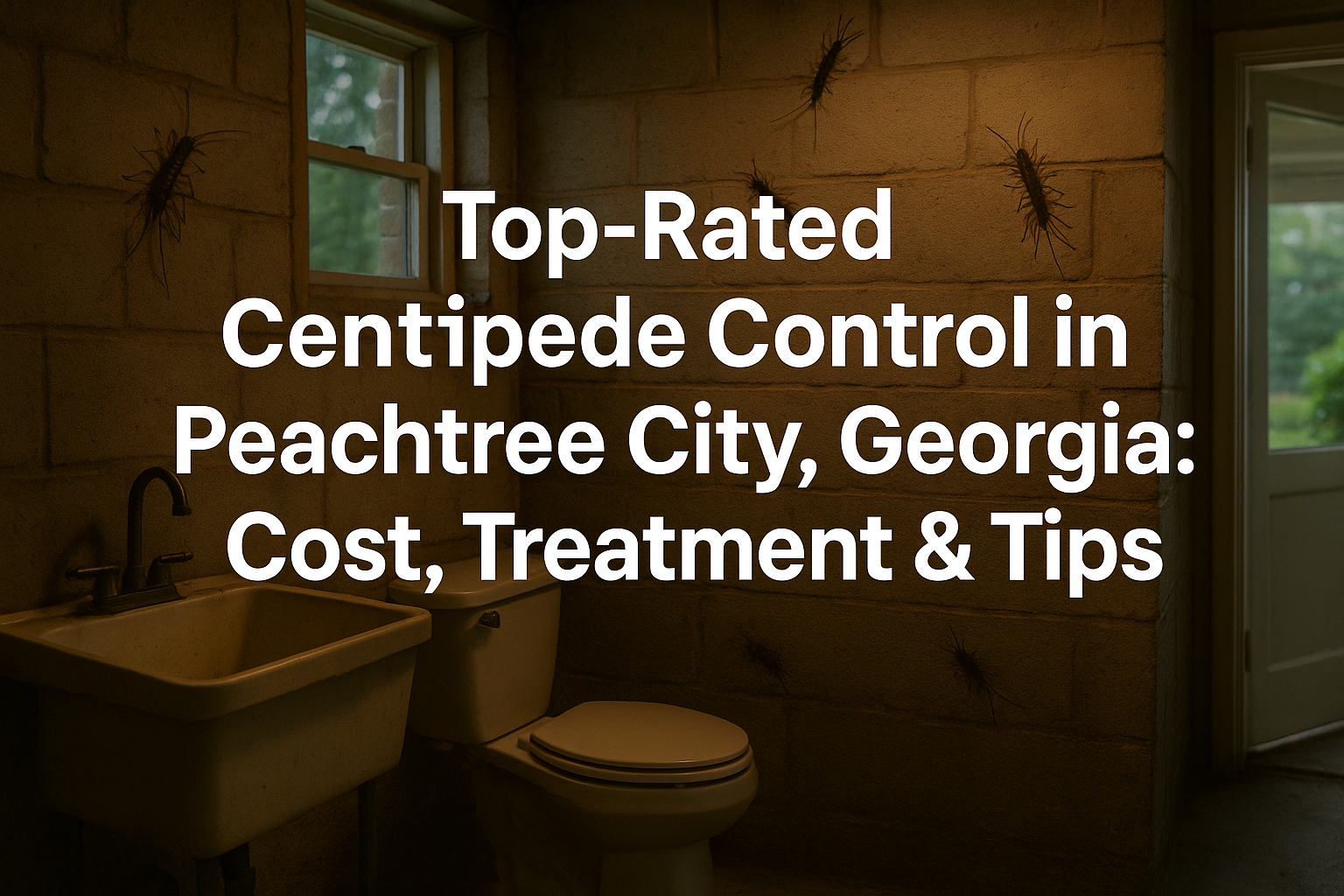
If you’ve ever flipped on the bathroom light and spotted a long, squiggly critter dart across the floor, you’re not alone—centipedes are right at home in Peachtree City’s humid climate. It’s not just the occasional creepy-crawly either; neighborhoods like Kedron, Braelinn, and Planterra Ridge are prime hangouts for centipedes thanks to our lush yards and regular downpours that keep everything nice and moist. That dampness may keep your landscaping green, but it also invites centipedes indoors, especially into basements, crawlspaces, and bathrooms—areas where moisture lingers.
Now, here’s where it hits close to home: centipedes may look harmless, but their presence often points to bigger moisture issues that can threaten your home’s structure over time. And let’s be honest, no one wants to tiptoe across the bathroom in fear of stepping on something with a dozen legs.
If you’re considering professional help, the typical cost to treat centipede infestations around Peachtree City runs between $50 and $200 per visit. That price varies depending on your home’s size and how much ground needs to be covered, but it’s a good ballpark to keep in mind when weighing your options.
You might be wondering if this is something you can handle yourself or if it’s better left to the pros. The next sections will walk you through what works (and what doesn’t) for DIY prevention, break down the details of expert treatments, and give you a local’s guide to keeping centipedes—and the moisture they thrive on—out of your house for good. Reclaim your comfort and let’s get your home back to feeling pest-free.
What Impacts the Cost of Centipede Control in Peachtree City?
If you’re dealing with centipedes in your Peachtree City home, you’re probably wondering what it’ll take to get rid of them—and what it’s going to cost. Honestly, there’s no one-size-fits-all answer, but knowing what goes into the pricing can save you surprise headaches.
- How Big Is the Problem?—The extent of your infestation plays a huge role. Tackling a couple of centipedes in a guest bath versus a swarm taking over your finished basement (especially in neighborhoods like Wilksmoor or Everton Collection) means more effort, more materials, and yes, a higher bill.
- How Bad Is It?—A single sighting can sometimes be handled quickly, but a heavy, repeat infestation? That often calls for follow-up visits and stronger (sometimes specialty) products. The worse it is, the more it typically costs.
- Your Home’s Layout and Landscape—Got a finished basement, dense landscaping, or places where moisture tends to collect? Centipedes love shady, damp spots. Homes with these features take a bit more work to treat and seal off, which can impact the final price.
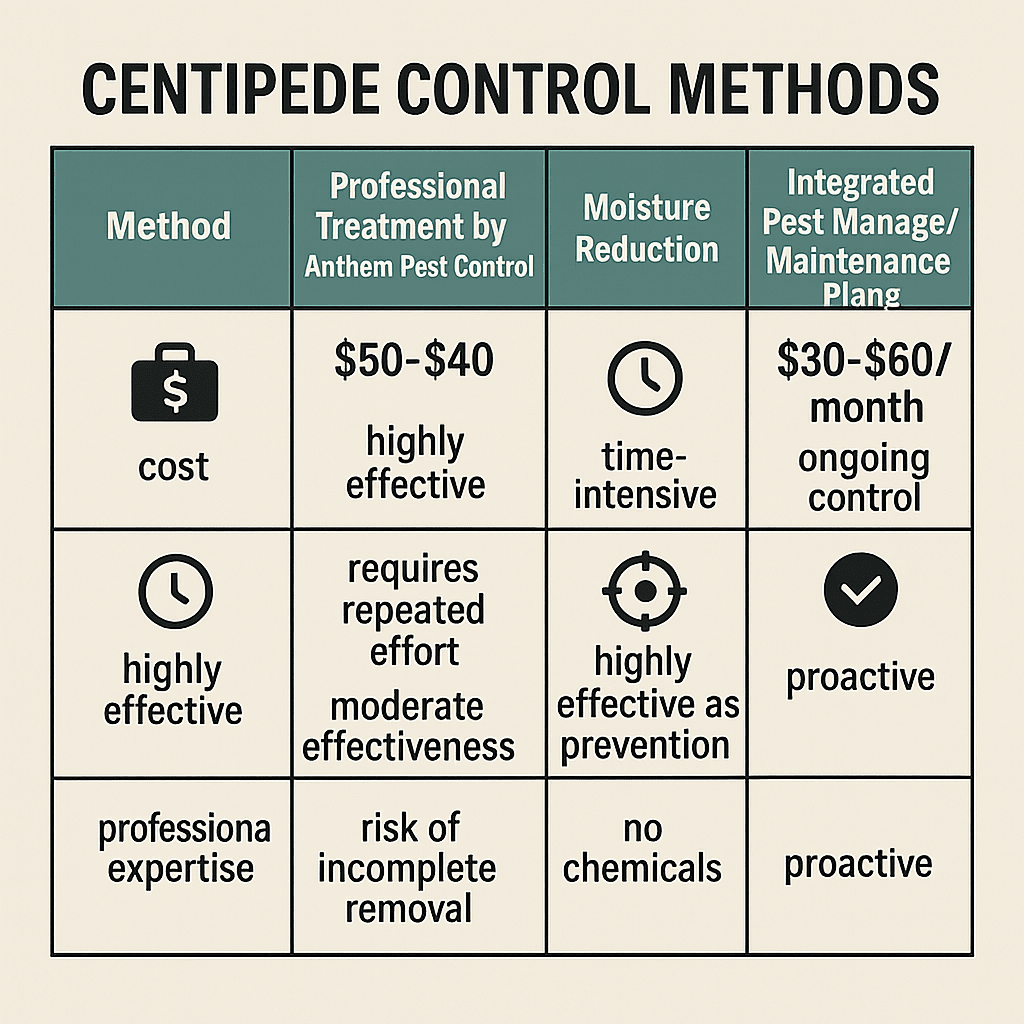
- Treatment Choices—A one-time visit falls on the lower end of the price range, but if you want ongoing peace of mind, most local pros (including Anthem Pest Control) offer maintenance plans. These plans help keep bugs away all year and can actually save you money down the road if you’re in a high-risk area.
For centipede extermination in Peachtree City, you’ll typically see prices for a one-time visit ranging from $50 to $200. Heavier, widespread problems put you closer to the higher end. If you want continuous protection with maintenance plans, expect to pay around $30–$60 a month, which covers regular inspections and preventative treatment.
Every home and situation is a little different, which is why companies like Anthem Pest Control tailor solutions to fit your needs. Want to see their full range of pest solutions? Check out their pest services here.
What Impacts the Cost of Centipede Control in Peachtree City?
If you’re dealing with centipedes in your Peachtree City home, you’re probably wondering what it’ll take to get rid of them—and what it’s going to cost. Honestly, there’s no one-size-fits-all answer, but knowing what goes into the pricing can save you surprise headaches.
- How Big Is the Problem?—The extent of your infestation plays a huge role. Tackling a couple of centipedes in a guest bath versus a swarm taking over your finished basement (especially in neighborhoods like Wilksmoor or Everton Collection) means more effort, more materials, and yes, a higher bill.
- How Bad Is It?—A single sighting can sometimes be handled quickly, but a heavy, repeat infestation? That often calls for follow-up visits and stronger (sometimes specialty) products. The worse it is, the more it typically costs.
- Your Home’s Layout and Landscape—Got a finished basement, dense landscaping, or places where moisture tends to collect? Centipedes love shady, damp spots. Homes with these features take a bit more work to treat and seal off, which can impact the final price.
- Treatment Choices—A one-time visit falls on the lower end of the price range, but if you want ongoing peace of mind, most local pros (including Anthem Pest Control) offer maintenance plans. These plans help keep bugs away all year and can actually save you money down the road if you’re in a high-risk area.
For centipede extermination in Peachtree City, you’ll typically see prices for a one-time visit ranging from $50 to $200. Heavier, widespread problems put you closer to the higher end. If you want continuous protection with maintenance plans, expect to pay around $30–$60 a month, which covers regular inspections and preventative treatment.
Every home and situation is a little different, which is why companies like Anthem Pest Control tailor solutions to fit your needs. Want to see their full range of pest solutions? Check out their pest services here.
Why Peachtree City’s Climate and Homes Impact Centipede Problems (and Solutions)
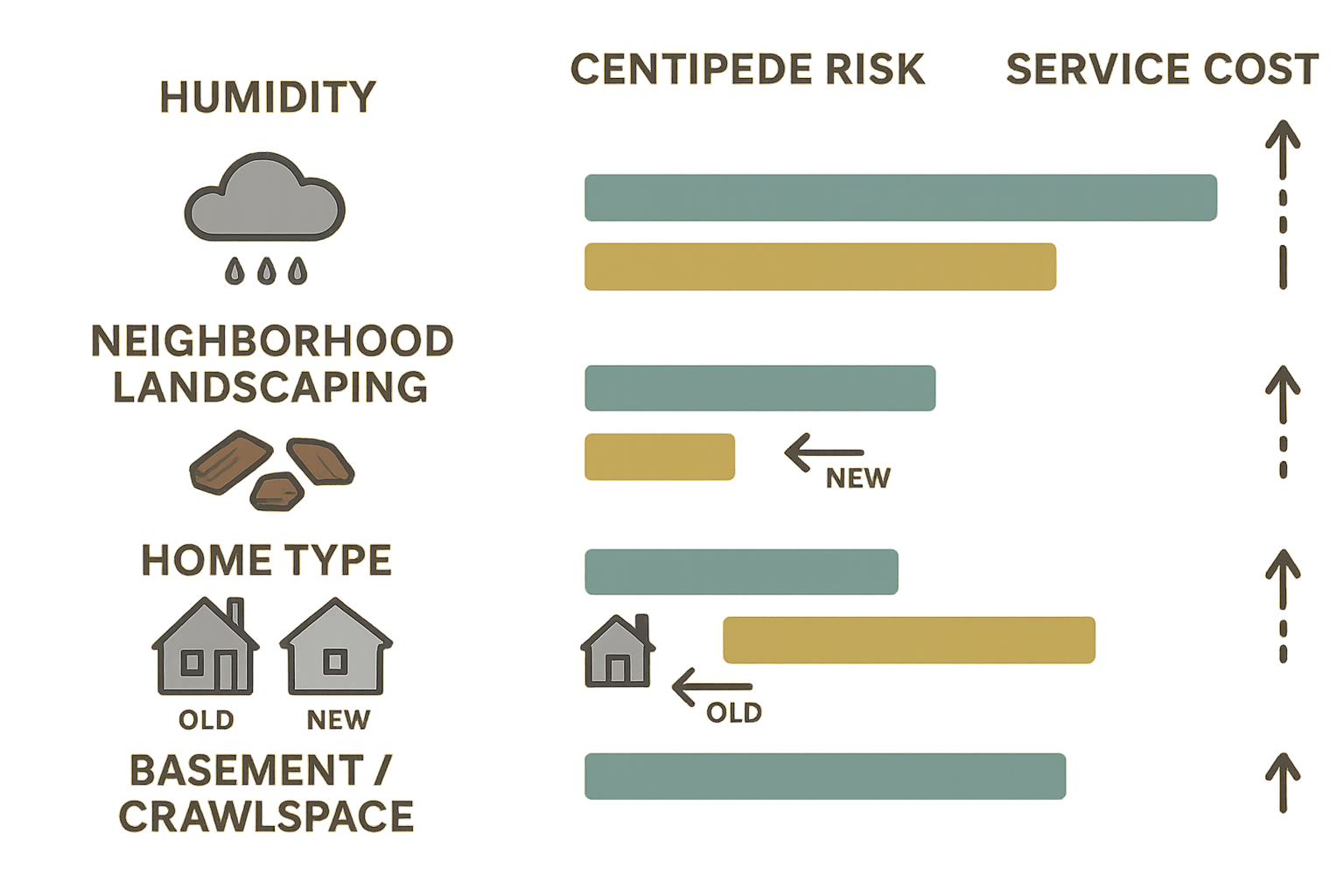
If you’ve lived in Peachtree City for any length of time, you know the Georgia heat and constant rain can turn the outdoors into bug paradise. Those muggy summers? Perfect for centipedes looking for the next cozy spot to move in. Houses in neighborhoods like The Peninsula or Smokerise Estates—places with a lot of crawlspaces, basements, and landscaped yards—tend to offer exactly what these critters need: lots of shady, damp hiding spots. Mulch beds and those decorative drainage ditches collect extra moisture, practically rolling out a welcome mat.
Older homes, especially the ones with aging foundations or outdated ventilation, are even easier targets. Cracks, little leaks, or just years of weather wear can let moisture seep in and make your place look like centipede central. And because our soil in Peachtree City doesn’t always drain fast, ground-level homes can feel the effects the most after a heavy rain.
All those local quirks affect not just where centipedes show up, but also how much it costs to get rid of them. Homes with ongoing moisture issues or tricky foundations might need more than just a one-off spray—they could require customized solutions like advanced moisture barriers, foundation sealing, or regular treatments that fit the home’s structure and age. It’s not a “one-size fits all” job; a pest control approach that works for a brand-new home in Centennial may not solve issues in a historic cottage off Peachtree Parkway.
Pest pros who work here know that fighting centipedes in Peachtree City means balancing weather, house style, landscaping, and local soil. All that goes into calculating fair pricing and what it’ll really take to keep your home bug-free for the long haul. Every house, every yard, every season can throw its own curveball—so the right control plan is always tailored, never cookie-cutter.
Curious how all this fits together for your property? Up next, we’ll break down how those factors shape the best treatment plans for Peachtree City families—and what that means for your peace of mind.
Keep Centipedes Out for Good: Simple Steps Every Homeowner Can Take
If you’ve spotted a centipede darting across the basement floor, you’re not alone—these quick movers love a moist, cluttered space. The good news? A few straightforward changes can make your home a lot less inviting for them, both inside and out.
- Control Moisture: Centipedes crave damp places. Stay ahead of them by fixing leaky pipes right away, setting up a dehumidifier where it’s humid (like that basement or crawlspace), and regularly clearing out gutters and downspouts so water isn’t collecting around your foundation.
- Seal the Cracks: Even tiny gaps are open invitations. Walk the inside and outside of your home and fill cracks with caulk. Fit quality door sweeps and pop mesh screens over vents, especially in those older homes around Braelinn and Cedarcroft.
- Yard Maintenance Matters: Centipedes love hiding under piles of damp leaves, excess mulch, and old wood. Prune shrubs so they’re not pressed up against the house, rake up debris, and never let wood sit directly against your foundation. Keep an eye out for standing water too—those spots are prime real estate for pests.
- Set Up a Pest Routine: Even with the best DIY strategies, centipedes and other pests sometimes sneak through. That’s why it pays to have a regular pest control plan—professional checkups can spot hidden risks before they turn into a problem. Anthem Pest Control’s maintenance plans are built for local homes, combining hands-on prevention with expert advice.
Remember, prevention isn’t just a one-and-done deal. Some steps, like moisture control, pay off year-round, while others, like yard cleanup, make the biggest impact leading into Georgia’s damp season. Neighbors who stay on top of these routines see the fewest pest issues, hands down.
No one wants a surprise in the dark or a pest problem spiraling out of control. By teaming up with skilled pros and keeping things tidy at home, you can keep centipedes where they belong—outside. For extra peace of mind, schedule a pest checkup before the rainy season and revisit your habits every few months. It’s an easy win for a safer, more comfortable home.
When’s the Best Time to Tackle Centipedes in Peachtree City?
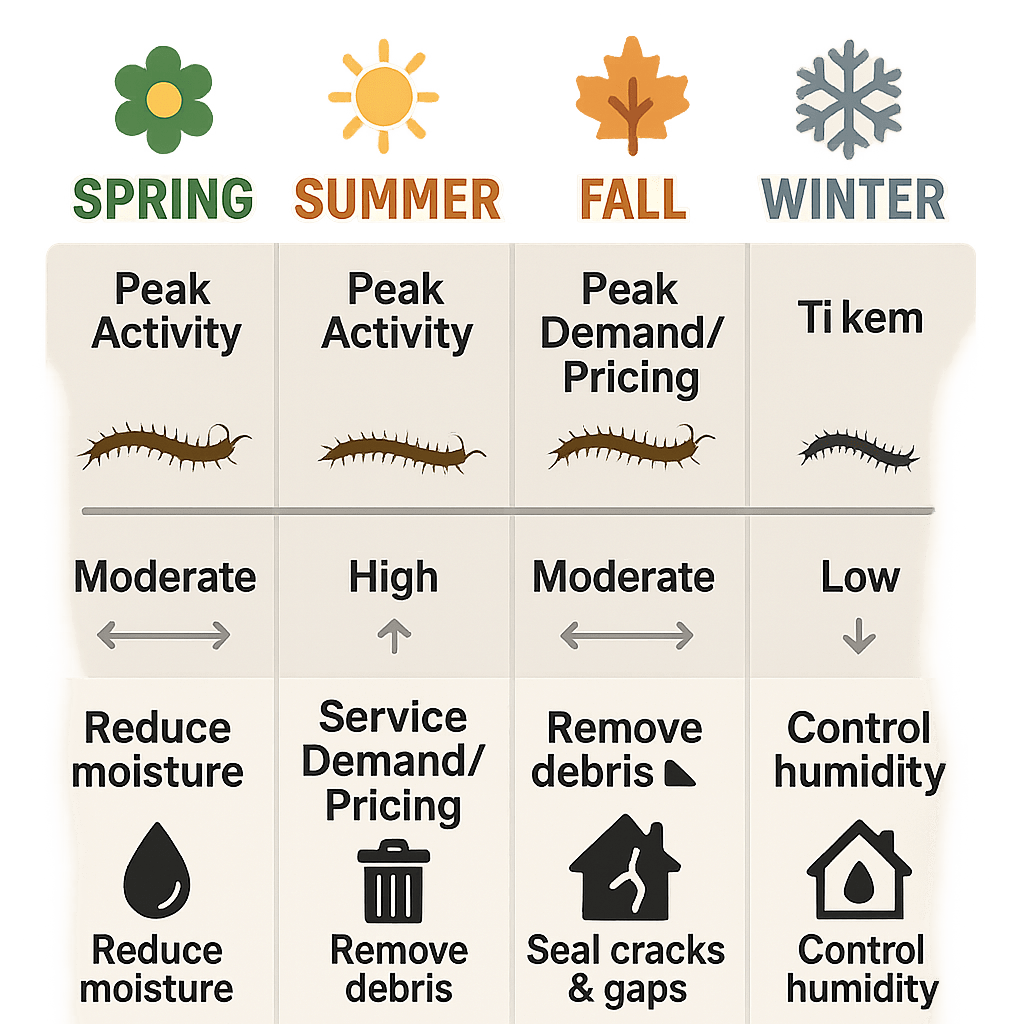
If you’ve ever spotted a centipede scurrying across your floor, you know just how unwelcome these pests can feel—especially once the warmer weather hits. Here in Peachtree City, most folks see centipedes pop up in late spring and summer. Rising humidity and those famous Georgia thunderstorms don’t just water your lawn; that extra moisture seeps into basements, crawlspaces, and any spot centipedes love to hide. After a particularly wet weekend, it’s pretty common to get calls from homeowners who see more centipede activity indoors.
But it’s not just a warm-weather problem. Once autumn rolls around, all those fallen leaves and leftover garden debris can turn into a cozy centipede hangout, sending them right toward your home when things get chilly outside. Then, as winter sets in, centipede activity tends to slow down. That’s prime time for getting ahead of the next season—think of it like a reset button for long-term prevention, when pest populations are at their lowest.
A lot of Peachtree City residents wait until they actually see a centipede in their living room before calling in the pros, typically in late spring or early summer. But honestly, waiting that long makes things harder (and sometimes pricier) down the road. If you schedule professional centipede control before the first big warm spell—or even just after a spate of rainy days—you’ll stand a much better chance of stopping an infestation before it ever starts.
- Spring and summer: High risk; schedule treatment before bugs show up.
- After heavy rain or storms: Watch for increased activity and act fast if you spot anything.
- Fall: Clear out debris and consider a routine inspection to catch hidden trouble.
- Winter: Take advantage of the lull to do preventative maintenance.
In a nutshell, acting early—before you see centipedes inside—cuts down on costs and stress in the long run. Keep up with seasonal prevention and stay ahead of the game. If you ever need advice or aren’t sure what’s lurking underfoot, we’re always here to help local homeowners feel comfortable year-round.
Take the First Step Toward a Centipede-Free Home
Dealing with creepy-crawly centipedes isn’t something you have to do alone. If you want peace of mind and a home that feels comfortable again, just give Anthem Pest Control a call at 877-3718-5196. We’ll set you up with a completely free, no-strings-attached property assessment—and show you how affordable expert centipede control really is here in Peachtree City.
Our local pros are friendly, discreet, and know exactly what to look for. You’ll get customized treatment options that fit your space and budget, plus expert advice to help keep pests from coming back for good. There’s no pressure, just honest answers and a proven plan that works.
Don’t wait for the problem to get worse or for centipedes to surprise you one more time. Reach out now or visit our centipede solutions page to lock in your free quote. Anthem Pest Control is ready to help you reclaim your home—and make centipedes a thing of the past!
Answers to Your Most Common Centipede Control Questions
- How much does it cost to get rid of centipedes in Peachtree City?
Usually, you’re looking at anywhere from $50 to $200 per treatment. The price mostly comes down to how big your home is, how bad the centipedes are, and the type of property you have. If you’re dealing with a recurring problem or a heavy infestation, expect costs to be at the higher end — but a quick call gets you a clear quote tailored to your situation. - How soon can you help me with centipedes?
Nobody wants to wait days to feel comfortable at home again. Most pest pros around Peachtree City offer next-day service, and Anthem Pest Control is known for jumping on urgent calls fast. If you’re dealing with unwelcome creepy-crawlies, you won’t be left hanging. - Is centipede control safe for pets and kids?
Absolutely. Reputable companies always use EPA-approved products and keep your family’s safety front and center. Plus, a pro technician knows exactly how to apply treatments so you’re not worrying about furry friends or curious little ones. - Do I really need a professional, or can I handle centipedes myself?
You can definitely get started on your own by sealing up gaps, controlling moisture in your house, and keeping your yard tidy. Sometimes that’s enough. But if centipedes keep coming back or the problem feels out of control, it’s time to bring in a pro who can root out the pests — and the reasons they keep showing up. - Does Anthem offer any maintenance plans?
Yes! Ongoing pest control isn’t just for the big issues. Anthem has monthly and quarterly plans tailored for homes all over Peachtree City. These plans mean less stress for you — and way fewer surprises from centipedes and other pests. - Where do you provide service in Peachtree City?
If you call Peachtree City home, Anthem’s got you covered. Neighborhoods like Kedron, Braelinn, Wilksmoor, Planterra Ridge — and everywhere in between — are all within reach. Just ask for your area; chances are, we’re already helping your neighbors. - When’s the best time to treat for centipedes?
Spring and summer are prime time for centipedes since they love warmth and humidity. If you want to stay ahead, have a pro treat your home early in the season or just before summer really ramps up. But honestly, if you’re spotting centipedes now, effective solutions are available any time of year. - Will centipedes come back after you treat my home?
With professional treatment and some regular moisture control — think leaky pipes and crawlspaces — the odds of a repeat invasion drop way down. Routine check-ins and sealing up trouble spots help keep your home protected for the long haul.
Got more questions? Reach out to our local team — we’re always happy to help you take back your home from unwanted pests.