Got Centipedes Crawling Around in Peachtree City?
If you’ve ever flicked on the basement light only to spot a centipede zipping across the floor, you’re not alone—especially here in Peachtree City. Our warm, humid climate makes spots like basements, bathrooms, and crawlspaces prime real estate for these many-legged intruders. In neighborhoods like Kedron Village, Braelinn, and Wynnmeade, folks deal with centipedes year-round, and it’s easy to see why: Georgia’s weather is perfect for them to thrive.
Let’s be real—while centipedes aren’t out to get you, their quick darting and all those legs can be downright unsettling. For most Peachtree City homeowners, the hassle is less about danger and more about that creepy-crawly feeling when you see them streak past your laundry basket or hiding in the shower.
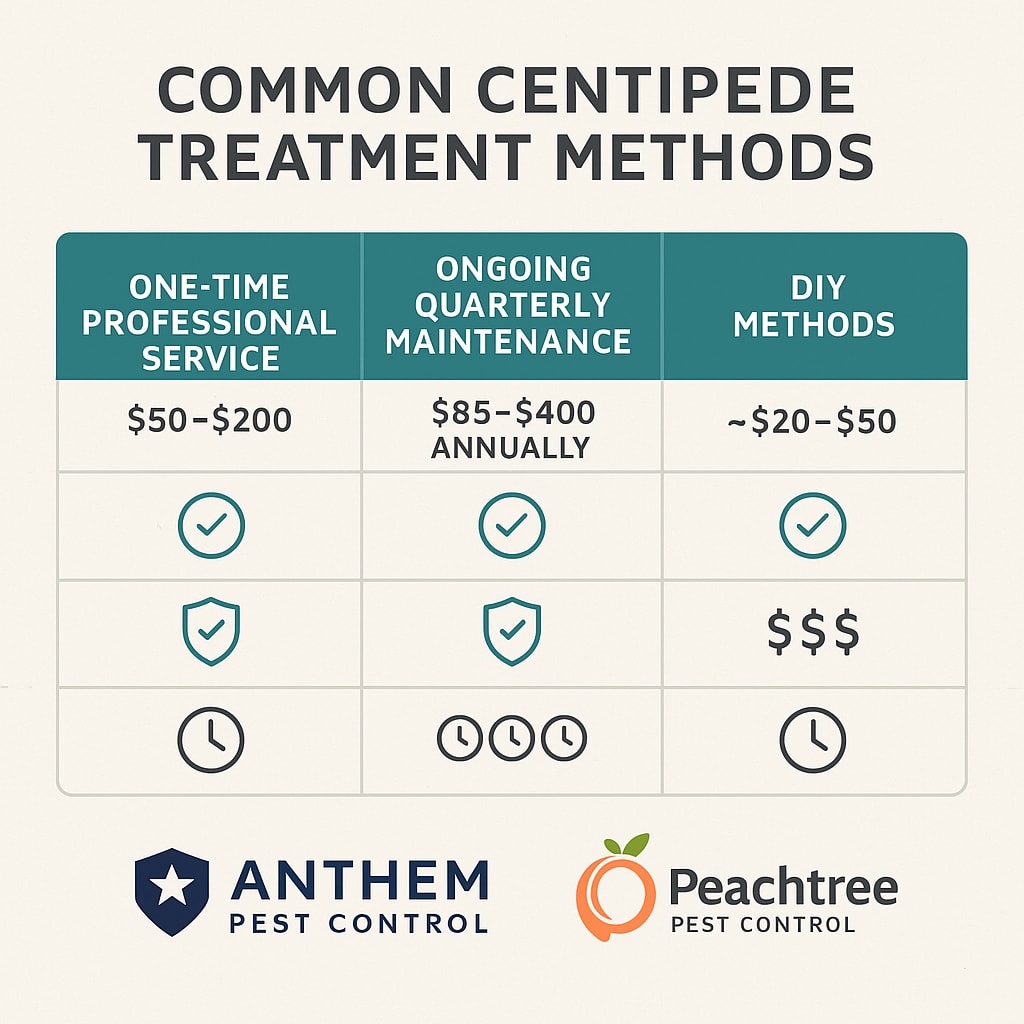
When it comes to kicking centipedes to the curb, treatment costs usually run between $50 and $200 per visit, depending on the size of the job and how stubborn your guests are. Local pest control pros like Anthem Pest Control and Peachtree Pest Control know the ins and outs of centipede problems here. They offer upfront pricing, eco-friendly options, and solid prevention plans that keep your home as centipede-free as possible, whether you need a one-off fix or regular help.
If you’d rather handle things yourself (or at least understand your options), you’re in the right place. There are ways to manage centipedes in your Peachtree City home without breaking the bank—from affordable single treatments to ongoing, green prevention strategies. We’ll dive into what you can expect to pay, what influences those prices, and easy steps any homeowner can take to make their house less inviting to these pests.
Throughout this guide, you’ll get the scoop on where centipede issues show up the most in Peachtree City, how to beat them, and how to tackle prevention so you can get back to enjoying your home—minus the unwelcome critters. Let’s help you stay a step ahead of those speedy little legs.
What Impacts Centipede Control Costs in Peachtree City?
If you’re wondering why the bill for centipede control can swing from downright affordable to a bit more premium, you’re not alone. Pricing for pest control around Peachtree City is never one-size-fits-all—it’s all about the specific factors at your home. Let’s break down what tips the scales up or down.
- Size and Type of Property: This one’s big. A cozy townhome in Everton Park isn’t the same as a sprawling Planterra Ridge house—not just in square footage but also the number of hiding spots and yards to check. The bigger your property, the more time and treatment it takes, which can raise costs.
- Severity and Urgency: Not all centipedes are created equal. If you just spotted one scuttling across the bathroom, that’s much easier—and cheaper—to fix than a full-blown invasion. More centipedes, more rooms, or more panic usually adds up to extra visits, monitoring, and ongoing effort, especially with our wet summer weather bringing the bugs inside.
- Treatment Choices: Everyone wants the safest solution, but options like eco-friendly sprays or pet- and kid-safe choices often cost a bit more up front. Basic barrier treatments might do the trick for minor problems, but specialty products and advanced methods ramp up the price.
- Custom Jobs and Add-Ons: Sometimes, you need more than just a surface spray. Sealing up entry points, controlling yard moisture, or adding regular quarterly treatments means more materials and more labor. Yes, it’s an initial investment, but you get better, longer-lasting results.
- Location and Property Type: It’s not just size—old homes in Peachtree City’s historic neighborhoods usually need more repairs and sealing to keep pests out. If you’ve got dense landscaping or tucked-away garden beds, those add to the technician’s to-do list too.
As a ballpark, most local pest control services charge between $50 and $200 for a one-time treatment. Want year-round protection, especially if your home backs up to a pond or lush greenbelt? A professional maintenance plan could run $85 to $400 per year, depending on your property, your needs, and how stubborn the bugs are about coming back.
Transparency is key. If you’re ever in doubt about a quote, don’t hesitate to ask what’s driving the cost up or how to bring it down. A little prevention today saves a lot of hassle—and money—down the road.
What Impacts Centipede Control Costs in Peachtree City?
If you’re wondering why the bill for centipede control can swing from downright affordable to a bit more premium, you’re not alone. Pricing for pest control around Peachtree City is never one-size-fits-all—it’s all about the specific factors at your home. Let’s break down what tips the scales up or down.
- Size and Type of Property: This one’s big. A cozy townhome in Everton Park isn’t the same as a sprawling Planterra Ridge house—not just in square footage but also the number of hiding spots and yards to check. The bigger your property, the more time and treatment it takes, which can raise costs.
- Severity and Urgency: Not all centipedes are created equal. If you just spotted one scuttling across the bathroom, that’s much easier—and cheaper—to fix than a full-blown invasion. More centipedes, more rooms, or more panic usually adds up to extra visits, monitoring, and ongoing effort, especially with our wet summer weather bringing the bugs inside.
- Treatment Choices: Everyone wants the safest solution, but options like eco-friendly sprays or pet- and kid-safe choices often cost a bit more up front. Basic barrier treatments might do the trick for minor problems, but specialty products and advanced methods ramp up the price.
- Custom Jobs and Add-Ons: Sometimes, you need more than just a surface spray. Sealing up entry points, controlling yard moisture, or adding regular quarterly treatments means more materials and more labor. Yes, it’s an initial investment, but you get better, longer-lasting results.
- Location and Property Type: It’s not just size—old homes in Peachtree City’s historic neighborhoods usually need more repairs and sealing to keep pests out. If you’ve got dense landscaping or tucked-away garden beds, those add to the technician’s to-do list too.
As a ballpark, most local pest control services charge between $50 and $200 for a one-time treatment. Want year-round protection, especially if your home backs up to a pond or lush greenbelt? A professional maintenance plan could run $85 to $400 per year, depending on your property, your needs, and how stubborn the bugs are about coming back.
Transparency is key. If you’re ever in doubt about a quote, don’t hesitate to ask what’s driving the cost up or how to bring it down. A little prevention today saves a lot of hassle—and money—down the road.
How Peachtree City’s Environment Fuels Centipede Problems
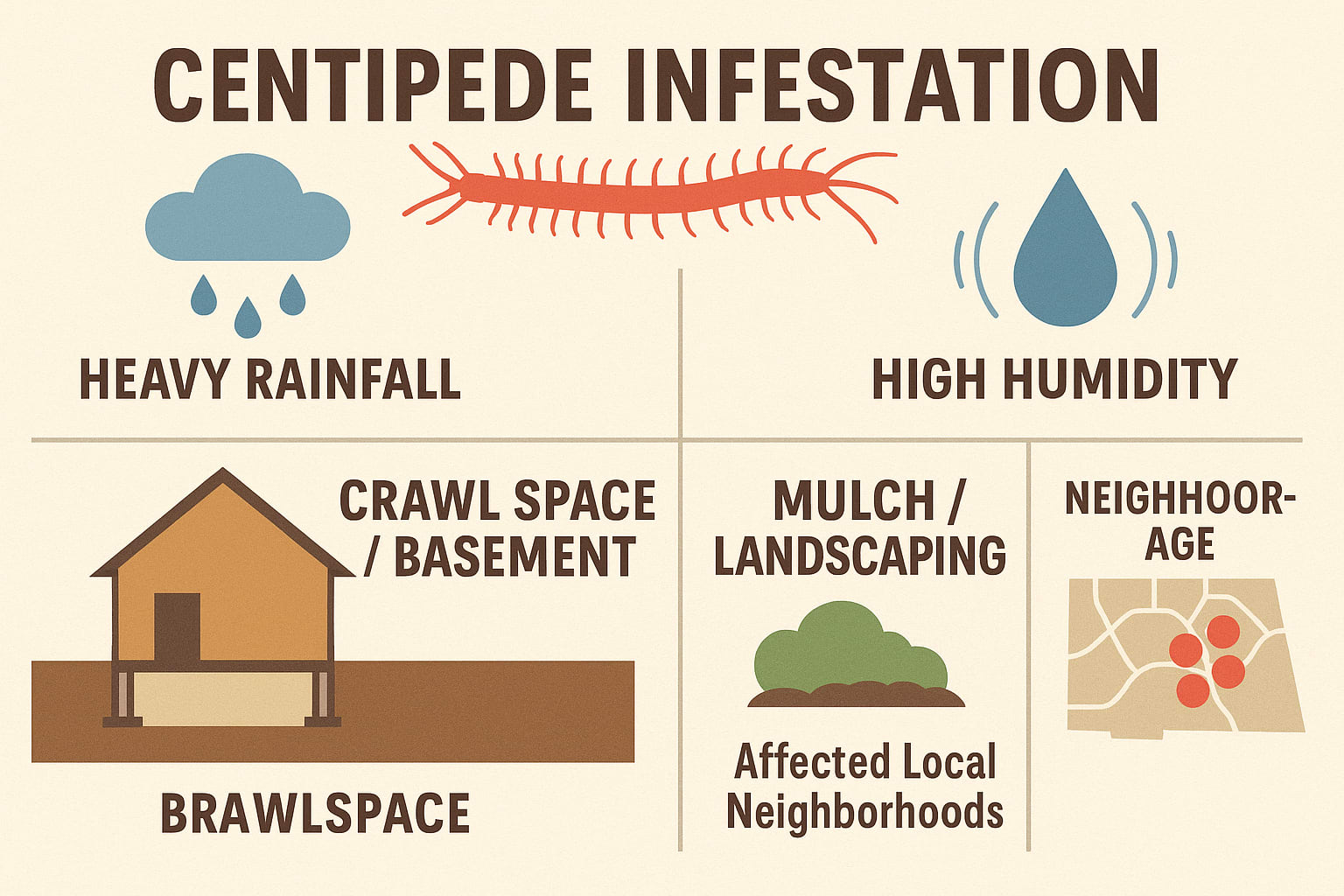
Living in Peachtree City means enjoying plenty of shade, tall pines, and humidity—perfect for golf carts, but not so great when it comes to centipedes slinking into your home. All that moisture and coverage from trees gives these critters exactly what they need: damp, dark places to hide and hunt.
Neighborhoods like Aberdeen or Wilksmoor, with their mature landscaping, see this even more. Many homes here—from 1980s builds to new constructions—have crawlspaces, unfinished basements, or wood siding. If those areas aren’t sealed up tight, you’re basically rolling out a welcome mat for centipedes. Even seemingly harmless details, like heavy mulch around your foundation, create cozy spots where they can hang out and snack on other insects before sneaking inside.
The age of your home and slope of your lot factor in, too. Older houses or those with a bit of land tilt often develop cracks or tiny gaps along the foundation—just enough room for a centipede to wriggle its way in. And when spring or summer thunderstorms roll through, all that rain tends to flood lawns, pushing centipedes toward drier spaces…which usually means your basement, bathroom, or laundry room.
- High humidity and shade create consistently moist ground, the favorite for centipedes.
- Crawlspaces and unfinished basements can collect dampness and offer easy entry points.
- Mulch and heavy landscaping up against the house provide cover and hunt-worthy habitats.
- Foundation cracks or poor sealing in older or sloped-lot homes become highways for pests during wet weather.
Even newer construction brings its own challenges. Modern homes may have better insulation or vapor barriers, but unfinished yards or poor drainage can still draw out problems, especially after a big rain.
When it comes to cost, all these factors add up. Homes with more entry points, hidden moisture, or heavy landscaping might see repeat infestations, which means more frequent treatments are needed to break the cycle. While newer homes sometimes sidestep these issues, any Peachtree City homeowner should pay close attention to how their property’s design and setting might be fueling unwelcome centipede traffic. The bottom line: what makes your yard shady and lush also makes centipede control a bit more challenging and, sometimes, pricier in our neck of the woods.
Keep Centipedes Out With a Few Smart Moves
If you’re tired of dealing with creepy centipedes in your Peachtree City home, you’ve got more control than you think. A few upgrades around the house and a bit of regular attention can save you money on pest control long term, and make every professional visit go further.
- Kick Moisture to the Curb: Centipedes love damp spots, so grab a dehumidifier and patch up any leaky pipes—especially in basements, crawlspaces, and laundry rooms.
- Clean Up the Perimeter: Don’t make it easy for centipedes to sneak in. Clear away things like mulch, leaves, firewood piles, and grass clippings from around your foundation. Try switching to stone or gravel mulch if your yard borders golf courses or lakes.
- Seal Every Crack: Get some weatherproof caulk and fill in gaps around doors, windows, and siding. Older homes or homes near woods are especially at risk. Installing tight-fitting door sweeps pays off too.
- Check Those Screens: Torn window screens are basically an open invitation for bugs. Patch tears and make sure vents and crawlspace covers are snug.
- Rethink Outdoor Lighting: Excess lights attract bugs—bugs attract centipedes. Use motion lights or amber bulbs outdoors to keep the bug buffet away from your doors.
One of the best habits is scheduling pest control checkups every spring and fall. Anthem Pest Control offers options that protect your home year-round, but your efforts in-between visits really pay off. By making your home less appealing to centipedes, you can keep recurring issues—and unexpected add-on charges—at bay.
Living in a green, lush neighborhood? These tips are even more important, since yards with lots of moisture and plants will naturally attract more bugs (and centipedes chasing them). Stay on top of maintenance, and you’ll see a difference fast.
Ready for a step-by-step checklist? We’ll break down which projects make the most impact, season by season—so you know exactly where to focus your energy for the best results.
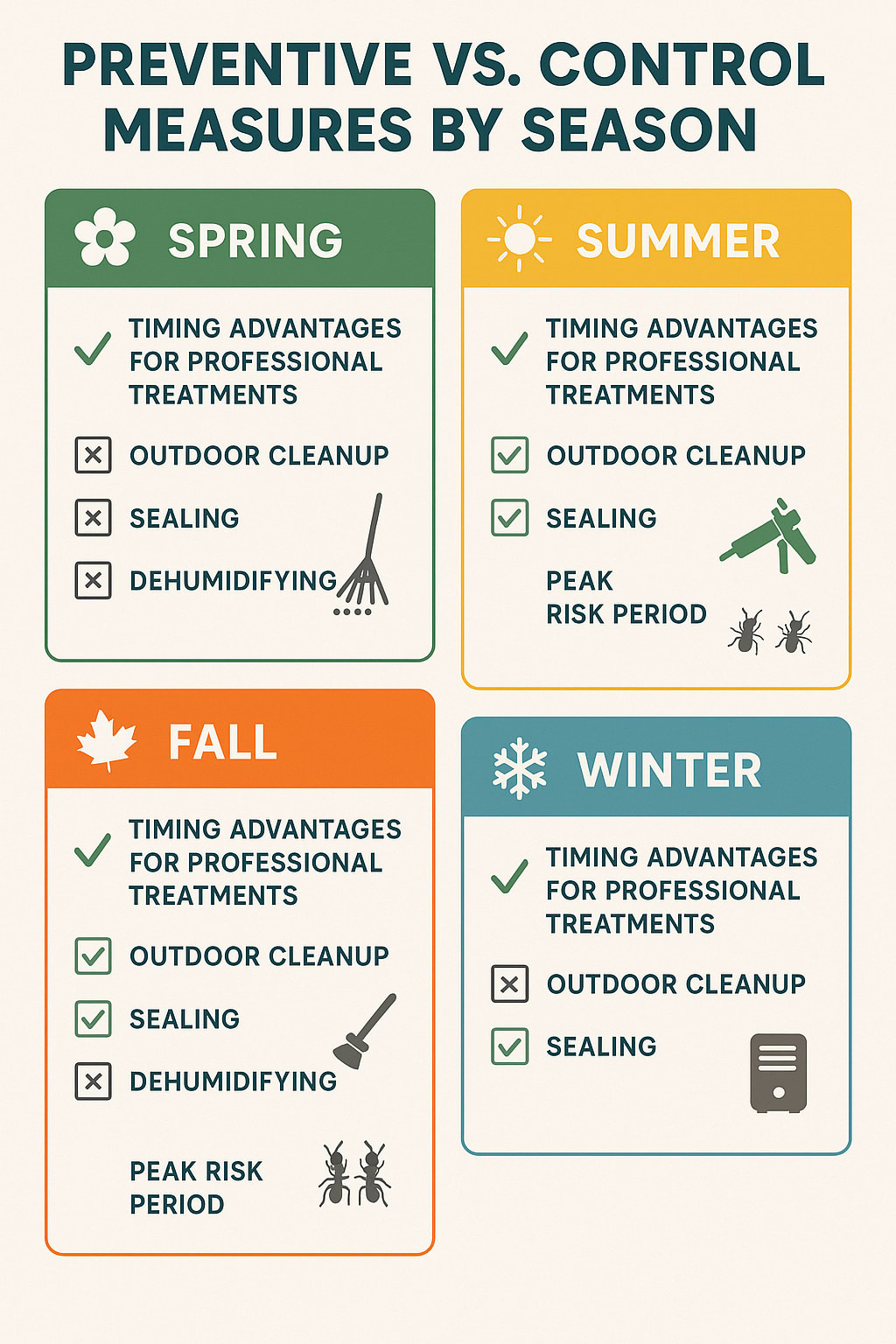
When to Tackle Centipedes in Peachtree City: Timing Your Control Efforts
Ask any longtime Peachtree City resident, and they’ll tell you: centipedes love to make a move indoors as the weather warms up. It’s usually late spring and all through the muggy summer months when folks in neighborhoods like Braelinn or Glenloch spot these unwelcome guests scurrying across floors. That’s because our humidity and those spring showers drive centipedes straight into homes, where it’s cool and dry.
If you’re aiming to stay a step ahead, the best move is to schedule your centipede control treatment early in the year—March through May. Not only will you sidestep the inevitable seasonal rush, but you’ll also catch plenty of local pest control companies (like Anthem Pest Control) offering early bird pricing. Locking in service before summer hits is not just easier on your nerves; it’s usually nicer on your wallet, too.
Don’t sleep on autumn, either. A fall appointment—before things cool off and critters look for a cozy winter spot—can shut down any lingering reinfestation risks. Many savvy homeowners go for quarterly or spring/fall check-ins to keep tabs on conditions and respond fast if pests start to pick up with changing weather.
- Best Time for Pro Treatment: Early spring (March–May) for preventative services, plus a fall follow-up.
- When to Do Outdoor Maintenance: Get your yard cleaned up and landscape trimmed in spring and late summer to keep centipede breeding grounds away from your foundation.
- Seal and Prep Your Home: Focus on sealing cracks, fixing leaks, and addressing moisture in crawlspaces during the cooler, drier fall and winter months.
Seasonal planning is the real game-changer. Whether you go pro or do it yourself, syncing preventive measures with Peachtree City’s weather patterns will help you keep those creepy crawlies out. Reach out early, set a routine, and you’ll be thanking yourself when summer rolls around and your floors stay pest-free.
Kick Centipedes Out—Starting Today
If you’re fed up spotting centipedes scurry across your floor, why not put a stop to it today? Let Anthem Pest Control make the process simple and stress-free. Our local experts in Peachtree City know exactly what it takes to kick these creepy-crawlies out for good—and it starts with a free, zero-obligation assessment of your property.
There’s no pressure and no hidden fees. One quick visit and you’ll get a clear, honest plan to rid your home of centipedes, whether you’re in Wynnmeade, Planterra Ridge, or anywhere across Fayette County. Our team is friendly, fast, and always upfront with pricing—so you can relax while we handle the problem.
Ready to stop the centipede invasion? Call us now at 877-3718-5196 or request your free quote online. Take back your peace of mind—let Anthem Pest Control deliver affordable, effective solutions that work.
Peachtree City’s Most-Asked Questions About Centipede Control
- Are centipedes dangerous to people or pets?
Don’t sweat it—house centipedes aren’t out to get you or your furry friends. They might bite if you pick them up, but honestly, they’d rather stay out of your way. If you’re spotting them indoors, it usually means you’ve got extra moisture or other bugs nearby. - How much should I expect to pay for centipede treatment?
Local single-service treatments usually run anywhere from $50 up to $200. The exact price depends on your home’s size and how stubborn the infestation is. Got a problem that keeps coming back? Quarterly plans often save you money and bring better peace of mind. - Do certain Peachtree City neighborhoods get more centipedes?
Definitely. Residents in areas with more shade and moisture—think Kedron Village, Braelinn, and Aberdeen—see more action, especially after we’ve had some solid rain. In those neighborhoods, preventative maintenance really pays off. - Is DIY centipede prevention realistic?
If you’re up for it, yes! Keep things dry, seal up cracks and gaps, and push old leaves or mulch away from your foundation. Just keep in mind, if you’re still seeing centipedes after your best efforts, it might be time to call a local pro for help. - Are treatments safe for my family and pets?
Yes—top-rated local teams like Anthem Pest Control and Peachtree Pest Control use eco-friendly solutions that are tough on centipedes but gentle around kids and pets. You get the relief you want and the safety you deserve. - How long does the service take, and when should I see results?
Most treatments are quick—usually less than an hour. You’ll see centipede numbers drop in just a few days, and a few weeks of steady improvement usually does the trick. - Should I schedule service year-round?
If you live in one of our more at-risk or older neighborhoods—or just want total peace of mind—year-round protection is smart. Spring and fall are especially busy for centipede activity, so those seasons are prime time to get on the schedule. - Am I locked into a contract if I call for help?
Not unless you want to be! Plenty of local pest companies offer flexible, no-contract services as well as longer-term plans, so you stay in control. Always ask your provider about your options before signing on.
If you’ve got any other centipede questions or want professional advice tailored to your home, reach out to a trusted Peachtree City pest control provider—locals know how to handle these crawlers for good!