Why Millipedes Are Taking Over in Peachtree City
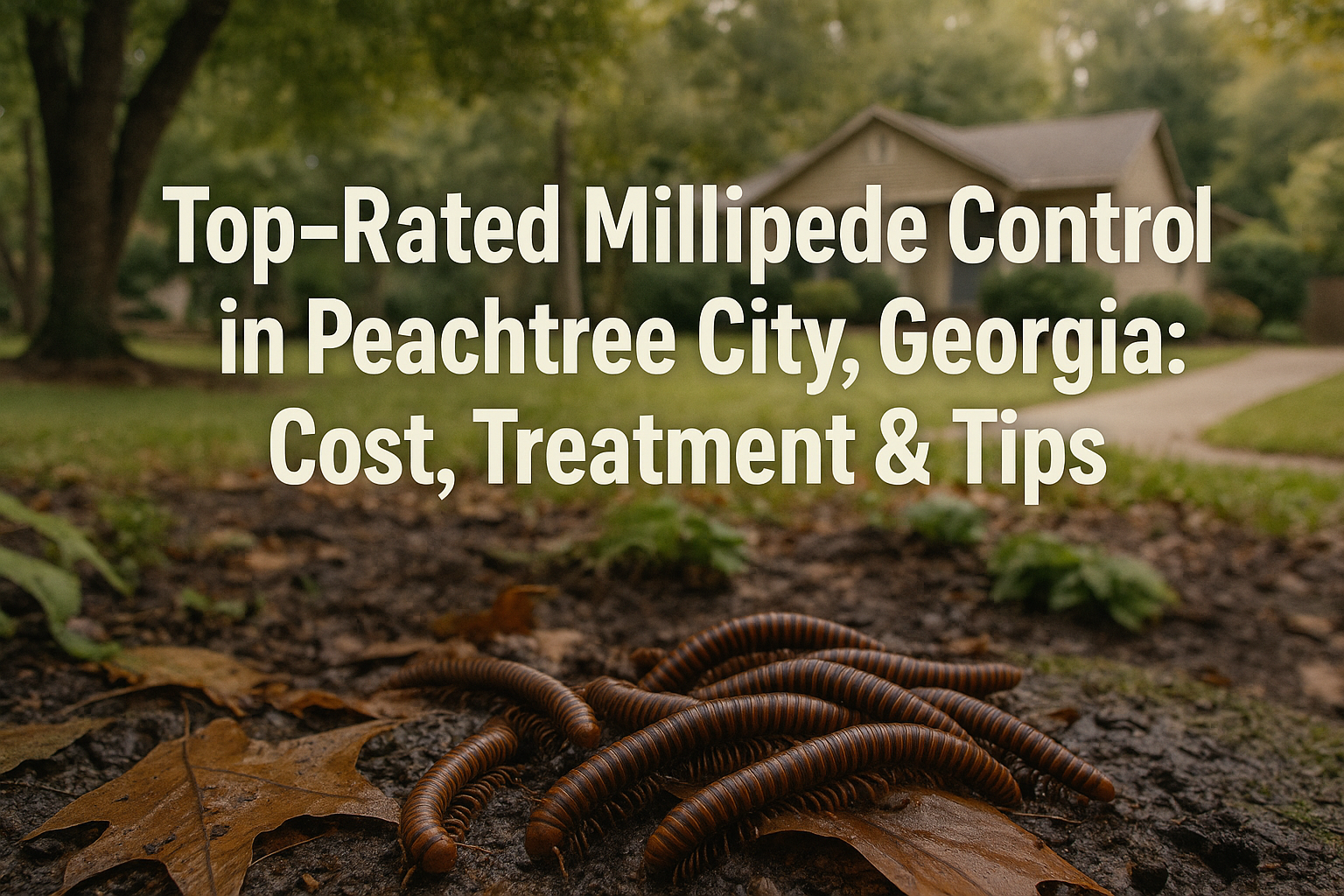
If you’re a homeowner in Peachtree City, odds are you’ve crossed paths with millipedes—sometimes a lot more than you bargained for. All it takes is a rainy afternoon or a streak of humidity, and before you know it, these little critters are showing up in basements, crawlspaces, or even curling up in your bathroom corners. In neighborhoods like Centennial, Smokerise, or Planterra Ridge, millipede invasions are almost a seasonal tradition once the weather gets muggy.
The thing is, millipedes aren’t out to hurt anyone—they don’t bite, sting, or cause any property damage. But when they show up by the dozens or even hundreds, it can turn into a real headache. Aside from the gross-out factor, they give off a musty smell that can leave stains on your walls and floors if they get squished or spooked. For folks with pets or sensitive family members, cleaning up millipede after millipede gets old quick—not to mention frustrating when they keep coming back for more.
What’s behind this constant crawl of millipedes into Peachtree City homes? Our local climate is to blame: we’ve got plenty of moisture, thick landscaping, and shaded areas that are exactly what millipedes look for. Once things get damp, they lose their natural habitat outdoors and sneak inside where it’s cooler and drier—especially at ground level.
Homeowners often ask what it takes to keep these bugs out for good. Professional millipede treatments around here typically run between $125 and $300 a visit, but many folks end up going with annual plans to save money and hassle. If you’re tired of the non-stop sweep-up, you’re far from alone—year after year, we help local families regain peace of mind and keep their homes fresh.
Up next, we’ll walk through what’s really driving those millipede invasions, breakdown the costs, and share some proven, Peachtree City-friendly steps you can take to keep millipedes where they belong: outside, not crawling through your living room.
What Impacts the Cost of Millipede Control in Peachtree City?
If you’ve spotted those long, wiggly millipedes making themselves at home in your basement, bathroom, or even creeping across your outdoor patio, you’re probably wondering: how much is it going to cost to kick them out—and what’s actually driving that price?
One big factor is just how crowded your millipede party is. If a few strays have wandered in after rain, treatment is usually quick, easy, and more affordable. But if you’re roasting marshmallows in the basement and hear millipedes crunching underfoot (yikes!), expect a higher quote—a property crawling with millipedes across multiple rooms or outside living spaces will always cost more to treat. That’s simply because there’s more ground to cover and the job takes longer.
Home size matters, too. Got a big place in Kedron Hills or Wilksmoor? More square footage means more cracks, crevices, and hidden spaces for millipedes to hide, which pushes up service fees. A smaller townhome on the south side? Slightly easier on your wallet.
Timing and urgency make a difference. Millipedes love to pour indoors after a heavy stretch of rain, and suddenly everyone in your neighborhood calls for help. If you need a pro out right away (especially for emergency, same-day visits), or if it takes two or three follow-ups to truly stop the invasion, those labor costs stack up.
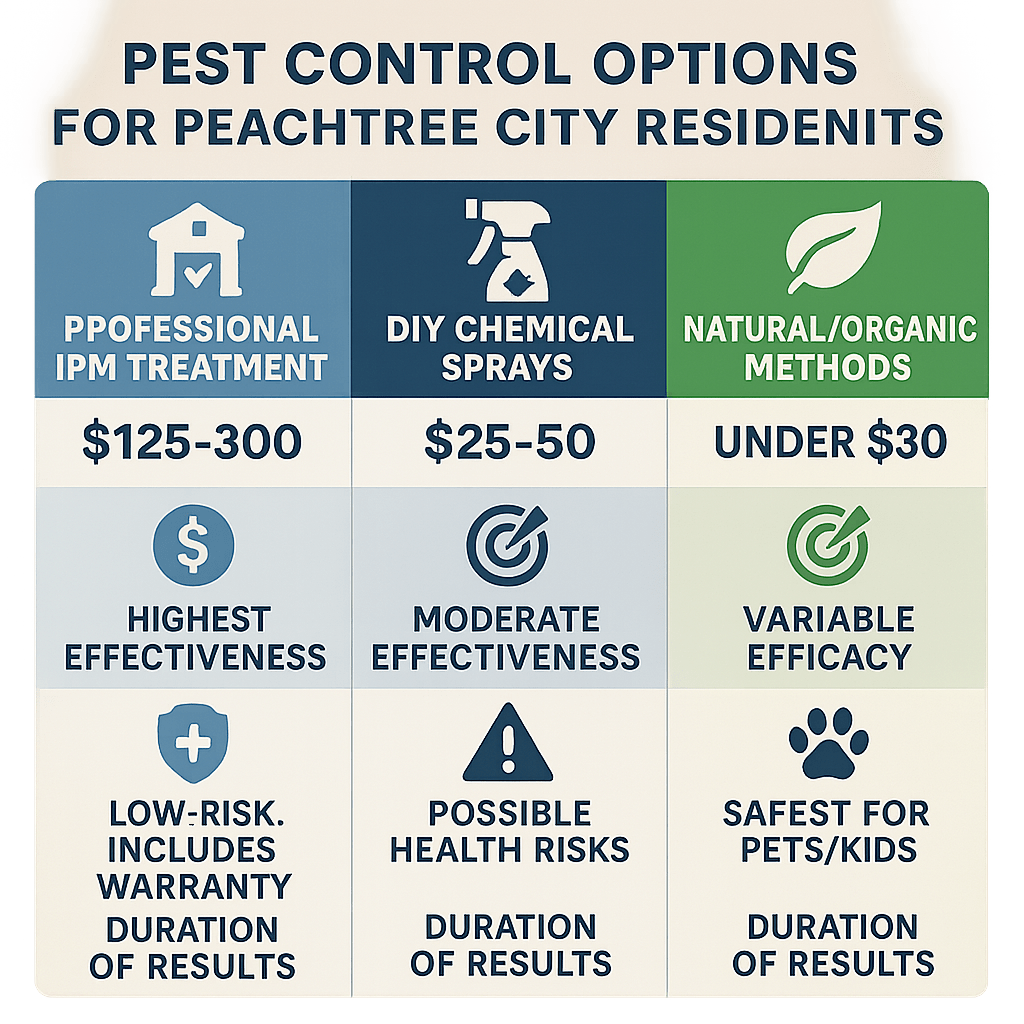
The control method is another piece of the puzzle. A basic treatment (like a single perimeter spray) may be cheaper upfront, but if you want the whole works—think Integrated Pest Management with several barrier applications and a plan for cutting down future invasions—expect to pay more. But here’s the thing: that approach usually keeps millipedes away for the long haul, which might save you money over time by preventing repeat outbreaks.
Finally, the age and type of your home come into play. Older homes with foundation gaps, loose old doors, or earth-to-wood contact are open invitations for millipedes to march inside, and that makes the job trickier (and pricier). Newer, sealed-up houses are typically easier and faster to protect.
So, what should you budget for? In Peachtree City, expect initial visits to run between $125 to $300, depending on those details above. If you’re thinking about year-round protection, maintenance plans usually land in the $350 to $600 per year range—including check-ups and repeat treatments to keep millipedes from coming back.
Curious how these factors could play out at your house? For a deep dive and even more local numbers, check out Anthem Pest’s complete millipede control cost guide for Peachtree City homeowners.
What Impacts the Cost of Millipede Control in Peachtree City?
If you’ve spotted those long, wiggly millipedes making themselves at home in your basement, bathroom, or even creeping across your outdoor patio, you’re probably wondering: how much is it going to cost to kick them out—and what’s actually driving that price?
One big factor is just how crowded your millipede party is. If a few strays have wandered in after rain, treatment is usually quick, easy, and more affordable. But if you’re roasting marshmallows in the basement and hear millipedes crunching underfoot (yikes!), expect a higher quote—a property crawling with millipedes across multiple rooms or outside living spaces will always cost more to treat. That’s simply because there’s more ground to cover and the job takes longer.
Home size matters, too. Got a big place in Kedron Hills or Wilksmoor? More square footage means more cracks, crevices, and hidden spaces for millipedes to hide, which pushes up service fees. A smaller townhome on the south side? Slightly easier on your wallet.
Timing and urgency make a difference. Millipedes love to pour indoors after a heavy stretch of rain, and suddenly everyone in your neighborhood calls for help. If you need a pro out right away (especially for emergency, same-day visits), or if it takes two or three follow-ups to truly stop the invasion, those labor costs stack up.
The control method is another piece of the puzzle. A basic treatment (like a single perimeter spray) may be cheaper upfront, but if you want the whole works—think Integrated Pest Management with several barrier applications and a plan for cutting down future invasions—expect to pay more. But here’s the thing: that approach usually keeps millipedes away for the long haul, which might save you money over time by preventing repeat outbreaks.
Finally, the age and type of your home come into play. Older homes with foundation gaps, loose old doors, or earth-to-wood contact are open invitations for millipedes to march inside, and that makes the job trickier (and pricier). Newer, sealed-up houses are typically easier and faster to protect.
So, what should you budget for? In Peachtree City, expect initial visits to run between $125 to $300, depending on those details above. If you’re thinking about year-round protection, maintenance plans usually land in the $350 to $600 per year range—including check-ups and repeat treatments to keep millipedes from coming back.
Curious how these factors could play out at your house? For a deep dive and even more local numbers, check out Anthem Pest’s complete millipede control cost guide for Peachtree City homeowners.
Why Millipedes Love Peachtree City Homes
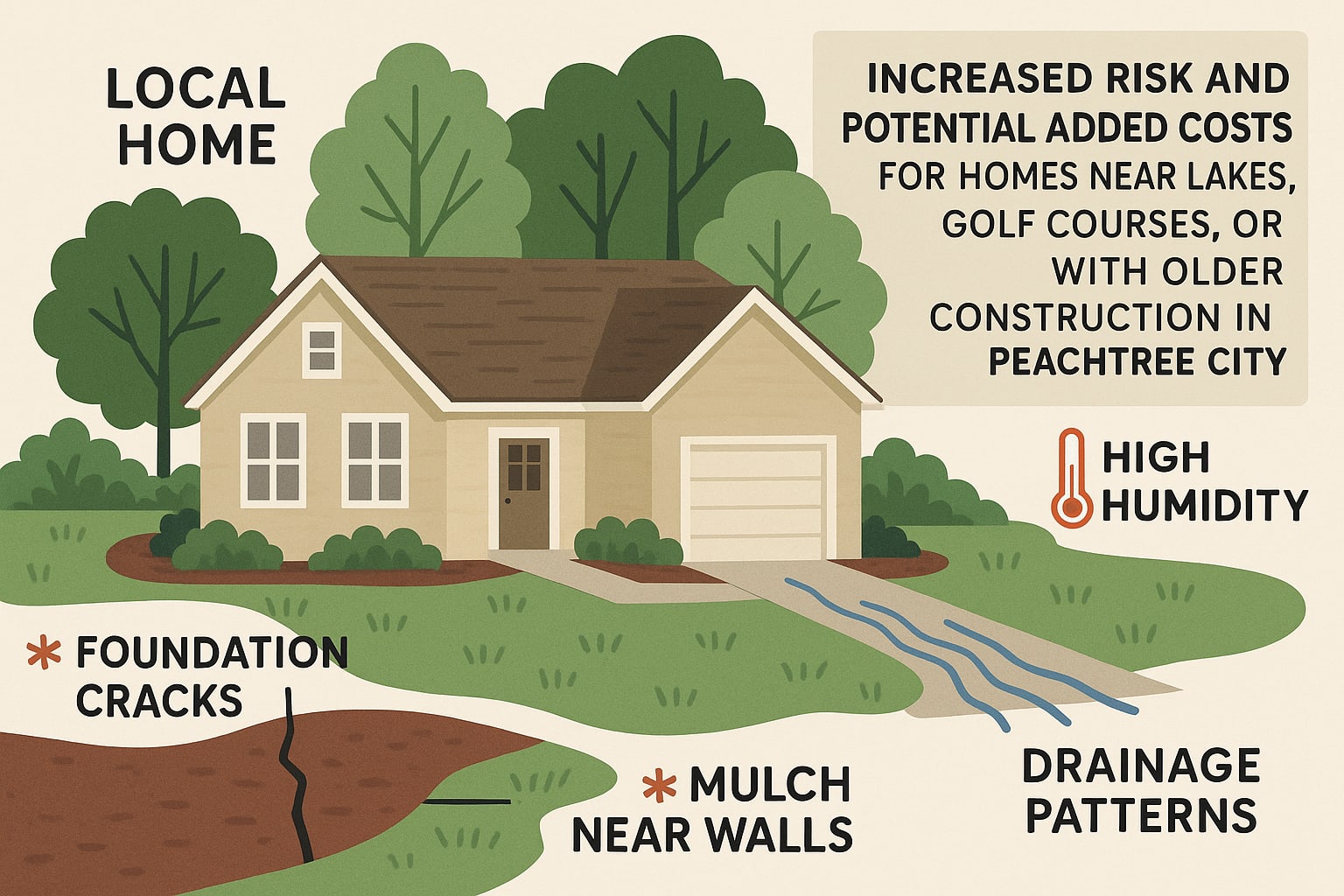
Here in Peachtree City, we’re surrounded by rolling greenbelts, trees, and thick landscaping. That’s great for our quality of life—but honestly, it’s paradise for millipedes. When the summer storms roll in and humidity climbs, neighborhoods close to Line Creek, Lake Kedron, or anywhere there’s extra shade (like beside those gorgeous golf courses), seem to get a fresh wave of millipede action. All that moisture, leaf litter, and mulch give them exactly what they want.
If you live in a spot with lots of mature landscaping, like Cardiff Park or The Peninsula, millipedes will find mulch beds, wet piles of leaves, and thick bushes just too good to resist. These damp, protected areas right up against the house keep them happy—and make it easy for them to sneak inside.
Older houses, especially those with finished basements or crawl spaces, tend to see bigger issues. That’s because foundation cracks, old vents, and gaps by pipes create hidden doorways millipedes can’t ignore. Even small utility gaps or loose weatherstripping lets them slip inside, especially after a heavy rain drives them seeking drier shelter.
- Younger homes with fresh construction often have tighter seals and fewer prolems—but if you’ve got tons of shady landscaping, the risk jumps.
- Older homes or houses with crawl spaces need more thorough sealing and environmental control just to keep things under control.
Because every neighborhood is a bit different—with soil, shade, and landscaping styles all over the map—the cost and type of millipede treatment can vary a lot. If your place needs deeper sealing, grading adjustments, or heavier-duty barrier treatments, that’ll influence the bill. Comparing your home to others a few blocks over won’t always be apples-to-apples—what works for a newer home in Braelinn Green might not cut it for a wooded lot near Stoney Brook.
Local details matter, and that’s why it’s important to have a pro who knows Peachtree City inside and out. Up next, let’s look at how these factors actually show up around your property.
Easy Ways to Cut Down on Millipedes in Peachtree City
If millipedes have been sneaking into your home, you’re not alone—it’s a classic Peachtree City headache. The main culprit? Moisture. Our Georgia humidity plus heavy rains mean basements, crawl spaces, and patios are prime millipede territory. But you can get ahead of the problem with some practical steps.
Start with tackling dampness: Set up a dehumidifier for your basement or lower-level rooms. Fix up any leaky pipes or faucets you spot, especially if storms have rolled through recently. Walk around after those downpours and check every crawl space—you don’t want hidden wet spots attracting millipedes.
Next, focus on sealing your home. Take a look at your home’s foundation for any cracks or gaps, and fill them with caulk or sealant. Add weatherstripping around your basement entry or patio doors; even a small gap is like rolling out the welcome mat for millipedes.
Don’t forget the yard. If you’ve got leaves piled up by the house or mulch banked against the walls, it’s basically a millipede resort. Rake those leaves regularly and keep any mulch or pine straw at least a foot away from your foundation. The more open the space, the drier and less inviting it is for pests.
Keep a seasonal routine: In Peachtree City, millipede migrations usually kick up in spring and fall. That’s why a scheduled perimeter treatment two times a year works wonders—set it up for early spring and again as the weather cools off.
Lastly, if you’re busy (and who isn’t?), a recurring pest control plan can save a lot of headaches. Professionals know the local trouble spots and can respond fast before a few millipedes turn into a parade.
Stick with these habits and keeping those critters out gets way easier. Up next: a handy visual checklist so you can stay on top of things, save money, and keep your home millipede-free no matter what the weather brings.
When Should Peachtree City Homeowners Treat Millipede Problems?
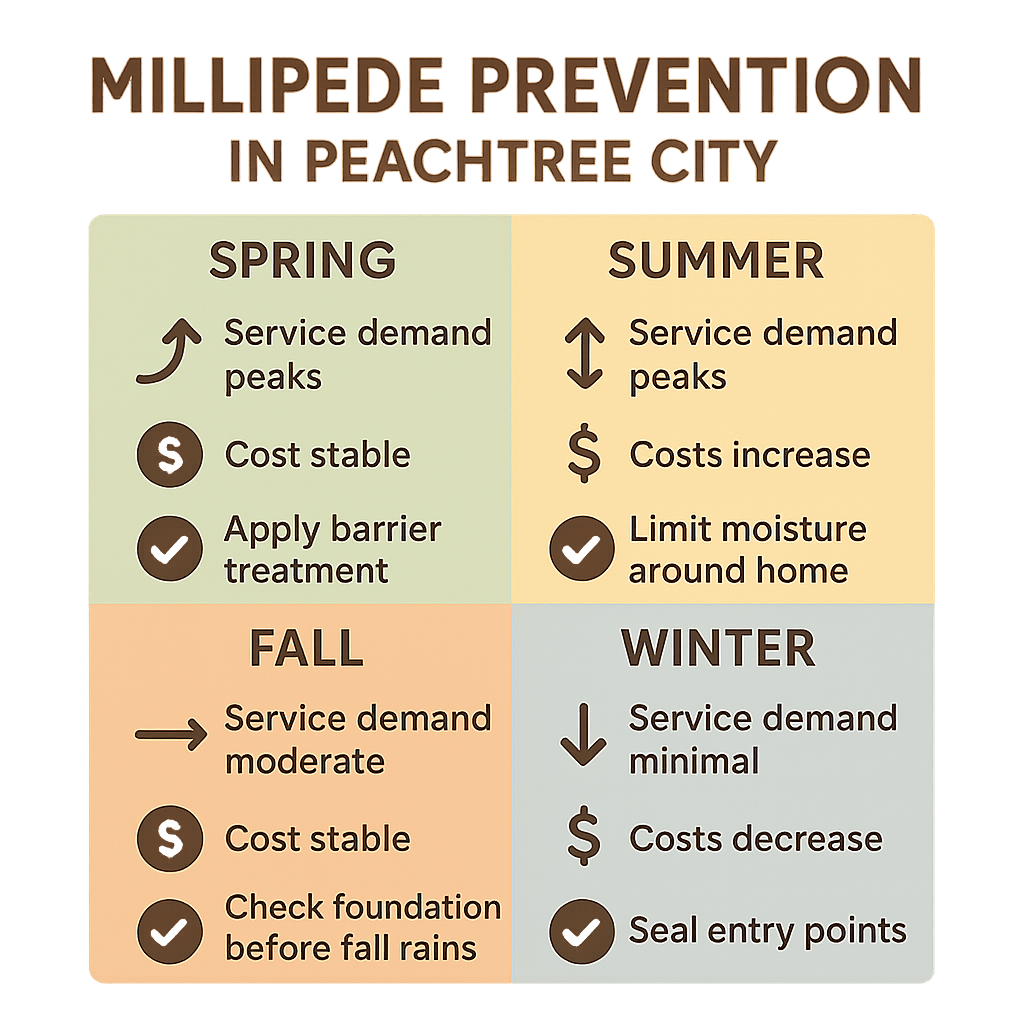
If you’ve ever walked into your mudroom after a heavy rain and spotted a dozen squirming millipedes, you know how quickly they invade when Georgia gets damp. Even though these critters are out and about all year, they become a real headache right after the big spring showers and again in autumn when moisture climbs. That’s why timing your treatment just right can save you a lot of hassle—and cash.
Here’s the inside scoop from fellow Peachtree City residents in neighborhoods like Braelinn and The Preserve: the pros book their millipede prevention in late spring (April to May) or early fall (September to October). Treat before they start crawling in, and you’ll block most invasions before they get started. Plus, pest control companies are less slammed during these months, so you’ll lock in better rates instead of paying for a last-minute emergency call.
- Late Spring (April–May): Tackle those early waves right after the rainy season starts, before the millipedes get comfortable indoors.
- Early Fall (September–October): Prep your home as outdoor moisture rises, staying a step ahead of autumn swarms.
Why do folks schedule these treatments early? Easy. It keeps millipedes out before they bring that musty smell and stress into your home. You avoid unexpected costs, and your house stays comfortable and clean all season long.
If you’d rather not spend your weekends picking up millipedes or scrubbing away odors, go ahead and call your local pest pros when the forecast shows those first big rains—before the swarms show up. That way, you get stronger protection and more budget-friendly pricing. Scroll down for a handy seasonal action plan tailored just for homes right here in Peachtree City.
Don’t Let Millipedes Take Over—Get Your Free Quote Today
If you’ve spotted a few too many creepy crawlers lately, now’s the time to act. Don’t wait until millipedes overrun your home—see how easy and affordable it is to protect your property with Peachtree City’s trusted pros. Anthem Pest Control offers a free, no-obligation inspection, so you can know exactly where you stand without spending a dime.
Call us at 877-3718-5196 or request your quote online. One of our local technicians will check your home for trouble spots, answer all your questions, and lay out a clear plan that saves you stress and money this season. Take control before a little problem turns into a big headache. Reach out today and get real peace of mind—no pressure, just results.
Your Millipede Questions, Answered
When millipedes start marching into your Peachtree City home, it’s natural to have some burning questions. Let’s get right to it—here’s what folks like you ask us most, answered honestly and simply.
- “Are millipedes dangerous to my family?”
Not at all—millipedes aren’t out to bite, sting, or attack. But a heads-up: they can let off a smelly secretion if bothered, which may annoy pets or make sensitive skin itch. Nothing to panic about, but best to avoid touching them if you can. - “How do I keep millipedes out for good?”
Moisture is their best friend. Dry things out around the house, fix leaky faucets, and make sure gutters drain away from your foundation. Seal up basement cracks and gaps around doors. Keep your yard tidy and mulch pulled away from the house. For truly stubborn issues, pros like us use gentle, targeted integrated pest management (IPM) to finish the job. - “What’s it cost for professional millipede control in Peachtree City?”
Most initial treatments cost between $125–$300, depending on how bad the invasion is and how big your property is. If you want year-round prevention (which saves stress and money in the long run), annual plans are a popular choice for homeowners across town. - “Will I need repeat treatments?”
In a word, yes. Homes near woods, golf course edges, or close to Lake Peachtree may need seasonal visits—especially if you’ve seen millipedes before. Ongoing service keeps your home millipede-free, rain or shine. - “Can I tackle millipedes on my own?”
You might win the first round with store-bought sprays or traps, but if they keep coming back (and they often do), it’s time to bring in a pro. We know where they’re hiding and how to hit them where it hurts—without overdoing the chemicals. - “How soon can someone check my house?”
Usually the same day! We know nobody wants to wait around with creepy-crawlies in the basement. Just call and we’ll get you scheduled fast. - “Are your treatments safe for pets and kids?”
Absolutely. We use family-safe and pet-friendly solutions, applied exactly where needed. Your home and peace of mind come first. - “Do you serve my neighborhood?”
If you’re in Peachtree City, we’ve got you covered—from Centennial to Kedron Hills, Planterra Ridge to The Peninsula, Braelinn, and every street in between. We’re your neighbors, and we’re here to help.
Still got a question about millipedes or want to set up an inspection? Give us a call. We’ll get you sorted—and keep your home the relaxing space it should be.