Know Your Enemy – Top 5 Household Pests
Ants
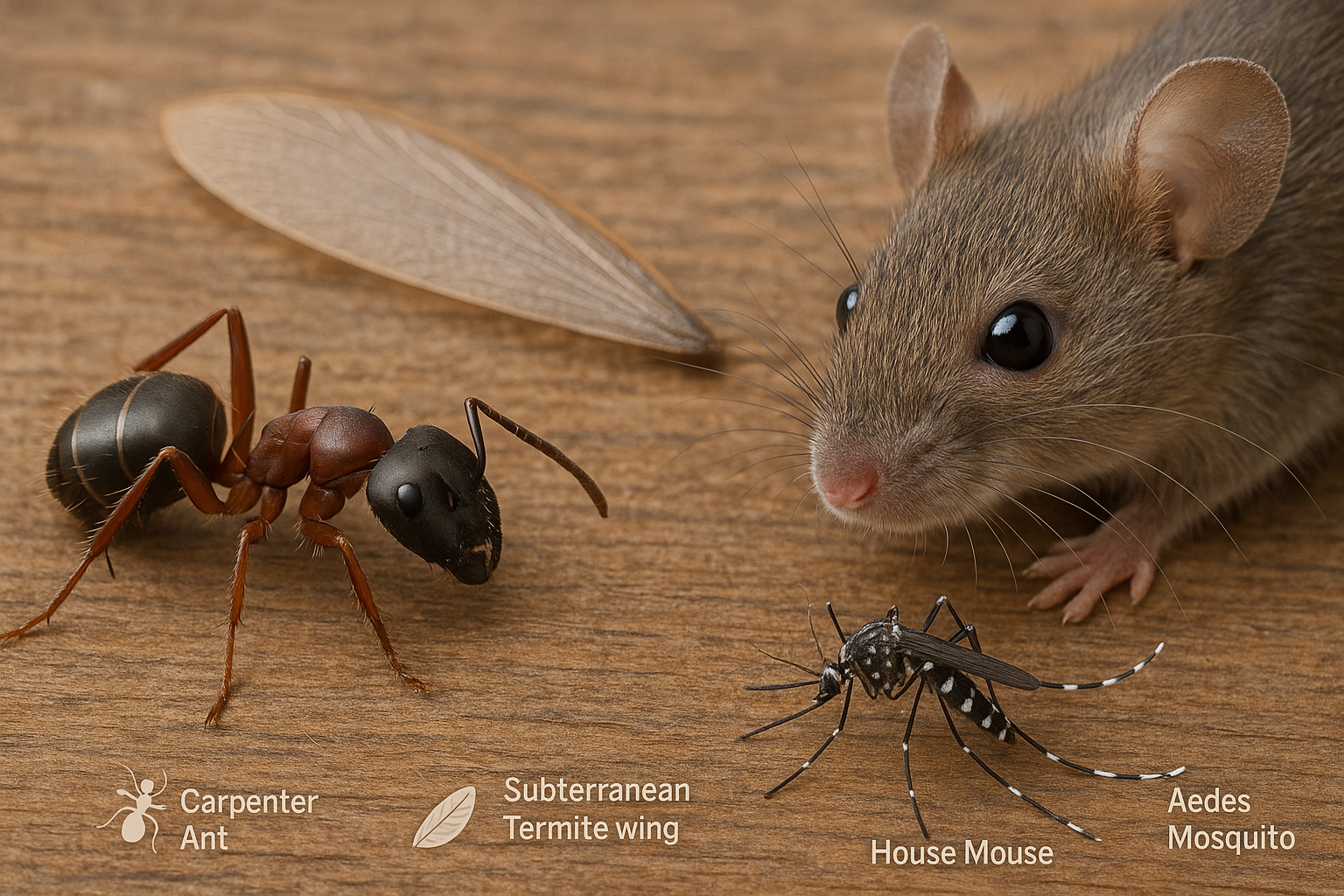
Ants are the most ubiquitous indoor invaders, ranging from tiny 2‑mm pavement ants to the larger 6‑12 mm carpenter ants. Most species are dark brown to black, but some, like odorous house ants, display a lighter, reddish hue. Look for steady traffic along baseboards, kitchen counters, and especially near moisture sources such as leaky sinks. Carpenter ants are a special concern because they favor moist, decaying wood, where they can hollow out structural members without obvious signs.
Termites
Termites operate silently, eating wood from the inside out while the damage remains hidden until a collapse occurs. The EPA reported in 2023 that termites cause roughly $5 billion in structural damage each year across the United States. Look for mud tubes on foundation walls, hollow‑sounding wood, and discarded wings near windows or doors. Early detection is critical; a small colony can devastate a home in months.
Rodents
House mice and Norway rats are the two most common rodent offenders. Mice are 2‑4 inches long, gray or brown, and thrive in wall voids, attics, and pantry shelves. Norway rats are larger—up to 12 inches—with a coarse, brown coat and a preference for basements, crawl spaces, and outdoor debris piles. Signs of activity include gnaw marks, droppings (about ¼ inch long for mice, ½ inch for rats), and a distinctive, pungent odor.
Mosquitoes
Beyond the itchy bite, mosquitoes are notorious disease vectors, capable of transmitting West Nile virus, Zika, and dengue. They are most active during the late spring to early fall, especially at dawn and dusk. Look for stagnant water in birdbaths, clogged gutters, or plant saucers—anywhere water sits for more than 48 hours. Reducing these breeding sites can dramatically lower indoor incursions.
Cockroaches
Cockroaches favor dark, humid hideouts such as kitchen cabinets, bathroom crevices, and behind appliances. The German cockroach, the smallest common species, measures 0.5‑0.6 inches and is light‑brown with two dark stripes on its pronotum. American cockroaches are larger, up to 2 inches, and have a reddish‑brown hue with a yellowish margin. Their presence is often signaled by droppings that resemble black pepper, a musty odor, and occasional winged “sightings” during warm months.
Visual Cue Comparison
| Pest | Size | Typical Color | Common Locations |
|---|---|---|---|
| Ants (Carpenter) | 6‑12 mm | Dark brown to black | Moist wood, baseboards, kitchens |
| Termites | 4‑12 mm | White to light tan | Foundations, wooden framing, mud tubes |
| Rodents (Mouse) | 2‑4 inches | Gray/brown | Walls, attics, pantry shelves |
| Rodents (Rat) | Up to 12 inches | Coarse brown | Basements, crawl spaces, exterior debris |
| Mosquitoes | 0.3‑0.5 inches | Grayish with patterned wings | Stagnant water, eaves, screened openings |
| Cockroaches (German) | 0.5‑0.6 inches | Light brown with dark stripes | Kitchens, bathrooms, cracks |
Quick Fact: The EPA estimates that termites alone cause $5 billion in property damage each year in the U.S. Read more.
When Pests Strike – Seasonal Trends by Region
Understanding when pests are most active helps homeowners plan prevention before an infestation takes hold. Across the United States, the same species can behave very differently depending on the season and local climate. Below, we break down the typical pest patterns you’ll see from spring through winter, and we illustrate how regional quirks—like the breezy micro‑climates of Portland or the hot, humid summers of Dallas—shape those trends.
Spring: Ants and Termites Emerge
As soil warms and moisture levels rise, ant colonies and subterranean termites awaken from their winter dormancy. In the Pacific Northwest, neighborhoods such as Portland’s Pearl District experience a noticeable surge of carpenter ants scouting for wood moisture, while termite activity spikes in older homes with wood‑frame foundations. Homeowners should watch for ant trails along foundation walls and for mud tubes that termites use to travel between soil and wood.
Summer: Mosquitoes and Flies Take Flight
Hot, stagnant water becomes a breeding ground for mosquitoes and flies. The CDC – Mosquito‑Borne Diseases report for 2024 shows a 27 % increase in cases of West Nile virus and Zika during July–August, especially in the Southeast and Midwest where humidity is highest. Outdoor gatherings, uncovered trash, and clogged gutters all accelerate mosquito populations. Prompt larvicide treatment and regular yard maintenance are essential to keep these pests at bay.
Fall: Rodents Seek Shelter
When temperatures dip, rodents such as rats and mice look for warm indoor refuges. In Dallas’s Oak Cliff area, homeowners often notice increased gnaw marks on eaves and a rise in droppings near garages as squirrels and rats move into attics before the first frost. Sealing entry points, especially around utility penetrations, can stop these opportunistic invaders before they establish a permanent nest.
Winter: Cockroaches Hide Indoors
Cold weather forces cockroaches to retreat into the heated interiors of homes. German cockroaches, in particular, congregate behind appliances and inside cabinets where they can find food crumbs and moisture. Even though you may not see them moving outside, indoor infestations can grow rapidly if not treated. Regular sanitation and targeted baiting are the most effective winter defenses.
Quick‑Reference Table
| Month | Primary Pest |
|---|---|
| January | Cockroaches |
| February | Cockroaches |
| March | Ants |
| April | Termites |
| May | Ants |
| June | Mosquitoes |
| July | Mosquitoes |
| August | Mosquitoes |
| September | Flies |
| October | Rodents |
| November | Rodents |
| December | Cockroaches |
Micro‑Climate Effects and the Value of Local Knowledge
Even within a single city, micro‑climates—variations caused by elevation, vegetation, or building density—can shift pest timing by weeks. A shaded courtyard may retain moisture longer, inviting ants later in spring, while a sun‑baked cul‑de‑sac accelerates mosquito breeding. That’s why partnering with a locally trained pest‑control professional, like Anthem Pest Control, ensures treatment plans reflect the specific conditions of your neighborhood, not just generic national trends.
Proactive Home Defense – Practical Prevention Steps
Keeping pests out starts with making your home a hard place for them to enter. Small gaps, excess moisture, and inviting landscaping can turn a well‑maintained house into a pest hotspot. By tackling these issues before the insects or rodents arrive, you’ll save money, reduce stress, and keep your family safe.
Seal Entry Points
Doors, windows, and utility openings are the most common highways for unwanted guests. Install door sweeps on all exterior doors and apply high‑quality caulk around window frames, baseboards, and any cracks you spot. According to the National Pest Management Association’s 2022 study, homes that sealed these points saw a 70% reduction in rodent entry. It’s a simple, low‑cost upgrade that yields a huge payoff.
Landscape Management
Overgrown shrubs and standing water create ideal breeding grounds for insects and rodents. Trim vegetation at least six inches away from the foundation, and keep tree branches from touching the roof. Remove any containers that collect rainwater, fix clogged gutters, and ensure drainage slopes away from the house. These steps cut down shelter and water sources, making your yard less attractive to pests.
Moisture Control
Many pests, especially termites and cockroaches, thrive in damp environments. Conduct a quick walk‑through each month to spot leaky faucets, pipe drips, or condensation on windows. Repair leaks promptly and consider using a dehumidifier in basements and crawl spaces where humidity often spikes. Dry spaces are inhospitable to pests and help preserve the structural integrity of your home.
Regular Inspections
Consistency is key. Perform a visual inspection of interior and exterior areas at least once a month—look for gnaw marks, droppings, or signs of water damage. Schedule a professional audit every quarter; pest technicians have the expertise to spot hidden infestations and can recommend targeted treatments before a problem escalates.
DIY Prevention Checklist
- Install door sweeps on all exterior doors.
- Caulk gaps around windows, baseboards, and utility openings.
- Trim shrubs and trees at least 6 inches from the house.
- Clear gutters and ensure proper drainage away from the foundation.
- Eliminate standing water in flower pots, birdbaths, and pet dishes.
- Fix leaky faucets, pipes, and roof leaks within 24 hours.
- Run a dehumidifier in basements, crawl spaces, and bathrooms during humid months.
- Conduct a monthly visual inspection for droppings, gnaw marks, and moisture.
- Schedule a quarterly professional pest audit.
Quarterly Maintenance Timeline
Visualizing your tasks helps you stay on track. Below is a suggested timeline that aligns with seasonal pest activity, ensuring you address the most vulnerable areas at the right time.
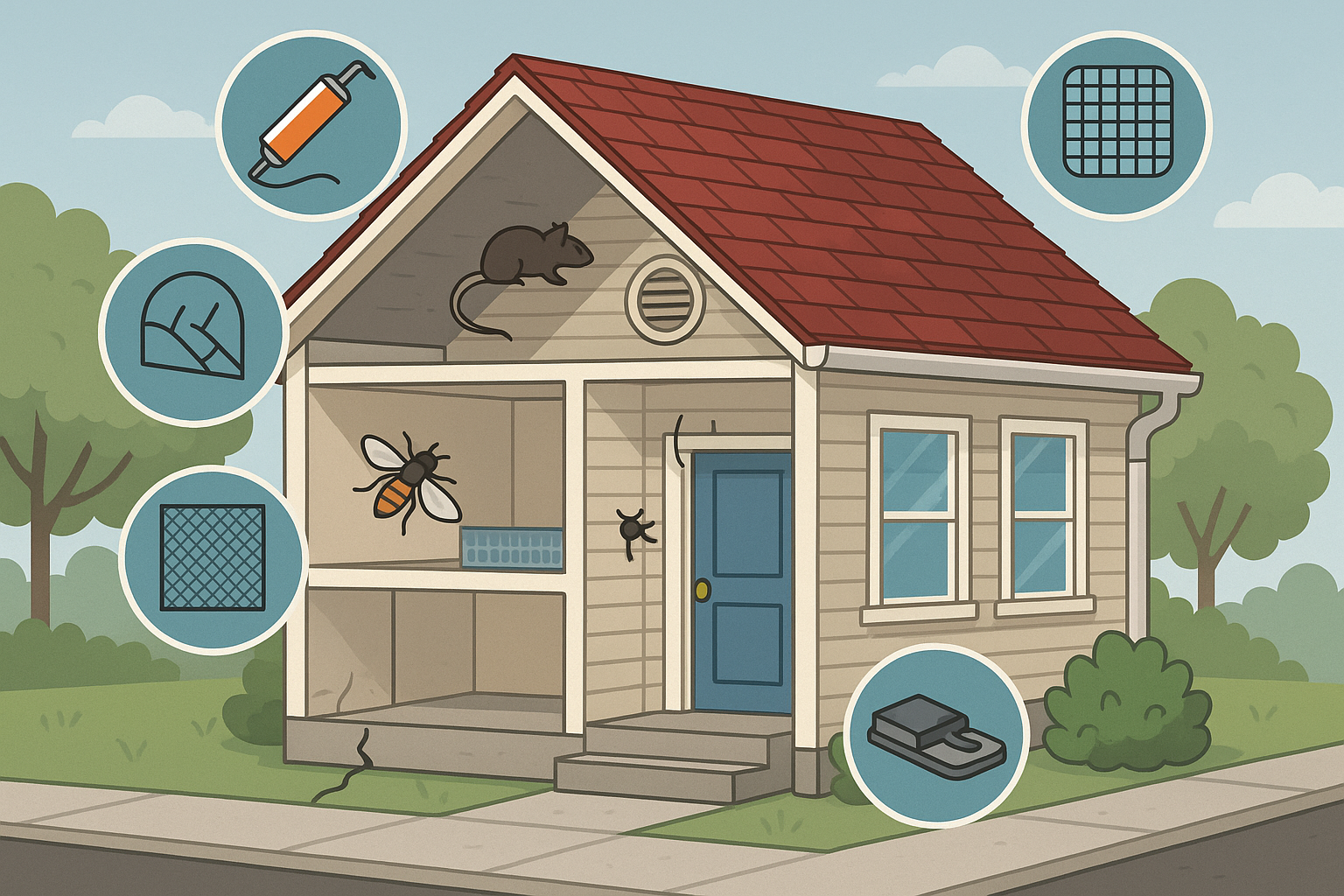
**Spring** – Focus on exterior sealing, clean gutters, and start dehumidifying basements as temperatures rise.
**Summer** – Trim vegetation, check for standing water, and inspect screens and doors for wear.
**Fall** – Reinforce door sweeps, address any moisture buildup from autumn rains, and schedule the quarterly professional audit.
**Winter** – Perform interior inspections, keep heating systems dry, and plan any needed repairs before the thaw.
By following this proactive plan, you create multiple layers of defense that make it extremely difficult for pests to gain a foothold. Remember, a well‑maintained home isn’t just more comfortable—it’s also the most effective barrier against the countless critters looking for an easy meal.
Why Local Expertise Matters When Choosing a Partner
Local licensing isn’t just paperwork—it’s protection
Every state has its own pest‑control regulations, and licensed technicians must meet those standards before they can work in your neighborhood. When a technician holds a local license, you know they’ve completed the specific training required for the pests that thrive in your climate, the building codes that apply to your home, and the safety protocols mandated by your jurisdiction. That knowledge translates into treatments that are both effective and compliant, reducing the risk of unnecessary chemical use or missed infestations.
Speed and specificity in every visit
Because local teams understand the seasonal patterns and common entry points in your area, they can diagnose problems faster. A carpenter ant nest in a New England basement, for example, demands a different approach than an ant invasion in a Southwest desert home. With regional expertise, technicians can craft a tailored treatment plan on the spot, cutting down on repeat visits and minimizing disruption to your daily life.
24‑hour emergency line and 100 % satisfaction guarantee
Anthem Pest’s nationwide network is backed by a dedicated 24‑hour emergency hotline. When a pest emergency strikes at midnight, the call is routed to the nearest licensed crew, ensuring a rapid response that a centralized call center simply can’t match. Every job is covered by a 100 % satisfaction guarantee—if the pest returns, the same local team will re‑treat at no extra cost, leveraging the same regional knowledge that got the job right the first time.
“The team in my neighborhood knew exactly how to handle the carpenter ant infestation quickly and safely. Their local insight saved me time and money.” – Sarah L., Suburban Homeowner
National resources, local execution
Anthem Pest combines the muscle of a national brand—research labs, bulk‑purchased, EPA‑approved products, and a robust training platform—with the nimbleness of a local operator. Think of it as a high‑tech command center feeding real‑time data to the technicians who walk your street. That synergy means you benefit from cutting‑edge pest‑control science while still receiving the personal touch of a neighbor who knows the quirks of your community.
- Regulatory confidence: Local licenses guarantee compliance with state and municipal rules.
- Faster diagnostics: Regional experience shortens the time from call to effective treatment.
- Tailored solutions: Plans reflect the specific pests and environmental factors of your area.
- Round‑the‑clock support: Emergency calls go directly to the nearest qualified crew.
- Peace of mind: National backing ensures consistent quality, while local teams deliver personalized service.
Quick Answers for Homeowners – FAQ
Below are quick, evidence‑based answers to the most common questions we hear from homeowners. These responses are grounded in EPA and CDC guidelines, so you can make confident decisions about timing and safety.
How often should I schedule inspections?
Most experts, including the EPA and the CDC, recommend a quarterly inspection schedule for residential properties. A four‑month interval catches seasonal invasions—spring ants, summer mosquitoes, fall rodents, and winter termites—before they establish a foothold. Quarterly visits also let technicians adjust treatment plans based on weather patterns and any new pest activity you’ve observed. If you live in a high‑risk area (e.g., near water bodies or dense foliage), consider adding a fifth visit during peak season for extra peace of mind.
Are treatments safe for pets and children?
Anthem Pest only applies EPA‑registered products that have undergone rigorous toxicity testing. The label‑approved usage rates keep residues well below levels that could harm humans or animals. For families with young children or sensitive pets, we often prioritize low‑toxicity options such as bait stations, diatomaceous earth, or botanical sprays. Our technicians also follow strict placement protocols—treatments are applied to cracks, voids, or outdoor perimeters, away from high‑traffic indoor zones. After application, a brief “dry‑time” of 30‑60 minutes is all that’s needed before normal activity resumes, ensuring a safe environment for everyone.
What’s the difference between bait and spray?
Bait and spray are two complementary control methods that work in fundamentally different ways. Bait stations contain a slow‑acting poison that insects or rodents carry back to their nest, effectively targeting the colony rather than just the individuals you see. Sprays, on the other hand, provide immediate knock‑down by depositing a contact or residual insecticide on surfaces where pests travel. Baits are ideal for hidden infestations—think carpenter ants inside walls or mice in wall voids—while sprays excel in fast‑acting surface treatments, such as perimeter fogging for mosquitoes or spot‑on sprays for cockroaches. Combining both gives the most robust protection.
Take Action – Secure a Pest‑Free Home Today
By now you’ve learned how to spot the early signs of an infestation, why each season brings its own set of pests, and which preventive steps keep unwanted guests out of your home. You also know that transparent pricing means you won’t be surprised by hidden fees once the work begins.
Quick recap
- Identify pests early – look for droppings, damage, and activity patterns.
- Seasonal awareness – spring brings ants and termites, summer invites mosquitoes and flies, fall sees rodents, and winter can trigger hidden infestations.
- Prevention first – seal entry points, manage moisture, and maintain clean interiors.
- Transparent pricing – clear, upfront estimates with no surprise charges.
When you choose Anthem Pest, you’re partnering with a team that backs every treatment with industry‑recognized credentials. We use only EPA‑registered products, hold active membership in the National Pest Management Association (NPMA), and bring local expertise to every neighborhood we serve. Our technicians stay current on the latest control methods, ensuring safe and effective solutions for your family and pets.
Ready to protect your home? Schedule a free, no‑obligation inspection today. Our specialists will walk you through a customized plan and provide a clear quote before any work begins. Call us now at 877‑371‑8196 and take the first step toward a pest‑free living space.
For more information, visit Anthem Pest Control.