Recognizing the Most Common Household Pests
Every U.S. homeowner eventually meets an unwelcome visitor. Knowing what you’re looking at can save time, money, and stress. Below is a quick visual guide to the six pests that show up most often inside homes, plus clues that tell you whether they’re merely a nuisance or a real health and structural threat.
Cockroaches
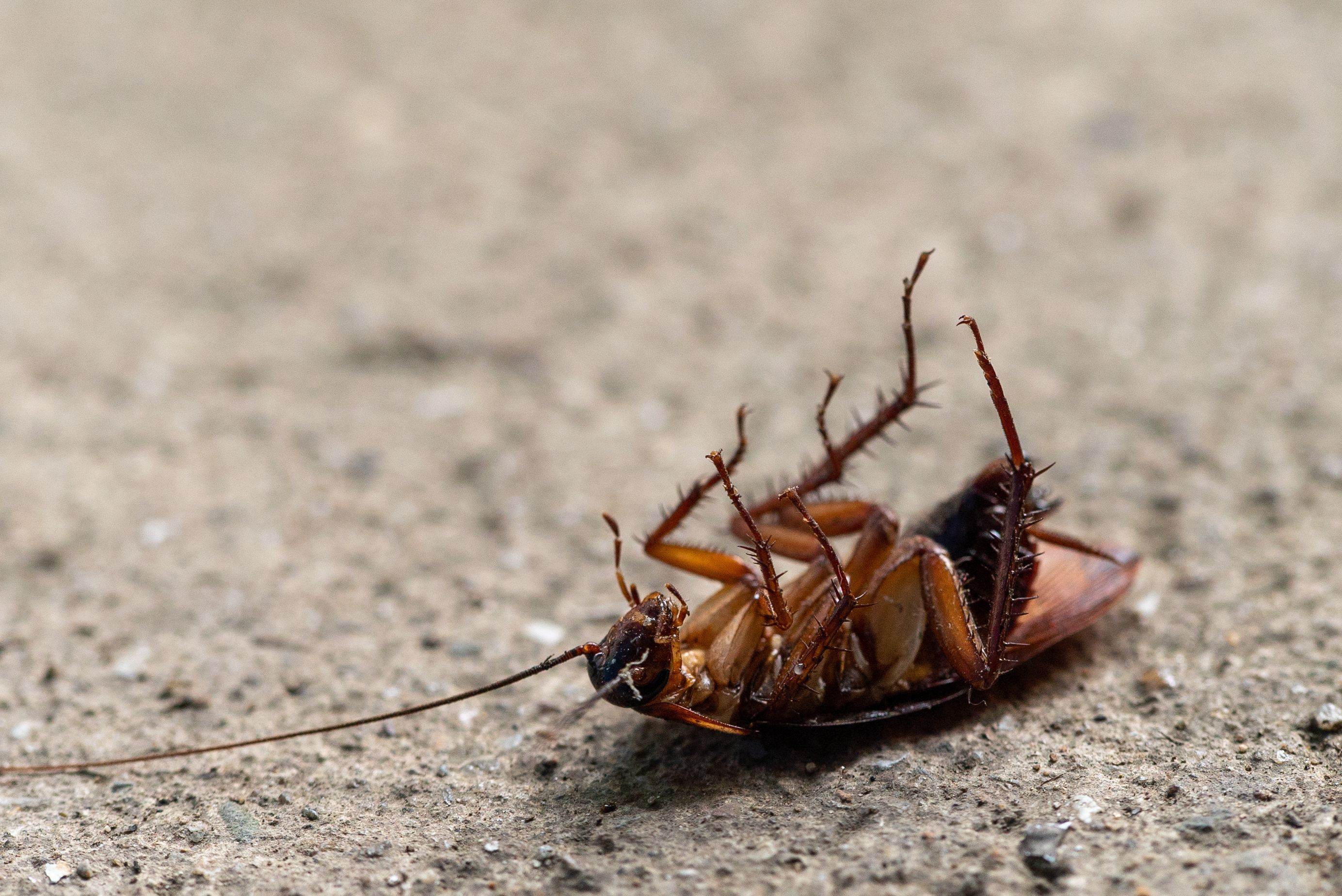
Typical size: 1–2 inches long, oval, flat body. Color ranges from light brown to glossy black. They love warm, damp places—think kitchen cabinets, bathroom cracks, and behind appliances. Look for droppings that look like coffee grounds and a faint, oily odor.
Ants
Typical size: 0.08–0.5 inches, slender with a distinct “waist.” Colors vary from black, brown, to reddish. Ants often travel in trails, nesting in wall voids, under sinks, or in outdoor mulch that seeps indoors. Some species, like carpenter ants, excavate wood, while others are just foraging for food.
Rodents (Mice & Rats)
Typical size: Mice 2–4 inches (body), rats 6–9 inches. Fur can be gray, brown, or black. They hide in attics, basements, and behind walls, gnawing on insulation, wiring, and stored food. Look for gnaw marks, droppings (about ¼ inch long for mice, ½ inch for rats), and greasy tracks.
Mosquitoes
Typical size: 0.2–0.5 inches, delicate with long legs and a pointed proboscis. Usually grayish‑brown with striped abdomens. They gather near standing water—think clogged gutters, plant saucers, or pet water dishes. Bites often appear as itchy red welts, especially on exposed skin.
Bed Bugs
Typical size: 0.2 inches, flat, reddish‑brown after feeding. They hide in mattress seams, box springs, and behind headboards. Small dark spots (fecal stains) and tiny shed skins are tell‑tale signs. Their bites appear in clusters or lines and can cause itching and sleeplessness.
Termites
Typical size: 0.2–0.5 inches, creamy white to light brown, with a straight antennae line. They thrive in moist wood, often unseen behind walls, in subfloors, or beneath decks. Look for mud tubes on exterior walls, hollow‑sounding wood, and tiny droppings that resemble sand.
Key differences to remember: Cockroaches, ants, and mosquitoes are primarily health nuisances—they can spread bacteria or trigger allergies. Rodents and termites pose structural risks; rodents chew wiring, while termites silently eat wood. Bed bugs, though not destructive, compromise comfort and can cause skin reactions.
Quick tip: Grab a flashlight and a magnifying glass the next time you spot a mystery critter. A well‑lit, close‑up view reveals the size, color, and body shape you need to match against this guide—making identification faster and treatment decisions clearer.
Warning Signs That Pests Have Invaded Your Home

Spotting a pest problem early can save you time, money, and the peace of mind that comes with a comfortable home. The smallest clue—whether it’s a tiny droplet of droppings or a faint rustling in the attic—often signals that an infestation is already taking hold. Knowing what to look for in each room lets you act before the issue spirals out of control.
Physical Evidence
Most pests leave a breadcrumb trail that is unmistakable once you know where to look. Keep an eye out for the following:
- Droppings: Dark, pellet‑shaped droppings point to rodents; small, pepper‑like specks suggest cockroaches; and fine, powdery residues are typical of bed bugs.
- Gnaw marks: Chewed wood, plastic, or wiring indicates rodents or larger insects like termites.
- Shed skins: Incomplete exoskeletons are a hallmark of insects such as ants, cockroaches, and beetles.
- Dead insects: Finding a cluster of dead bugs near windows or baseboards often means a population is breeding nearby.
Behavioral Clues
Pests don’t just leave physical traces; they also create subtle disturbances you can sense.
- Unusual noises: Scratching or scurrying sounds in walls or ceilings, especially at night, usually signal rodents or carpenter ants.
- Foul odors: A musty, ammonia‑like smell can indicate a rodent nest, while a sweet, musty odor may point to a bed‑bug infestation.
- Bite marks: Unexplained bites on skin or pets, often in a line or cluster, are classic signs of bed bugs or mosquitoes.
Seasonal Patterns
Understanding when specific pests are most active helps you stay one step ahead.
- Spring: Ants, termites, and flies emerge as temperatures rise and moisture levels increase.
- Summer: Mosquitoes, wasps, and cockroaches thrive in the heat and humidity.
- Fall: Rodents begin seeking indoor shelter, and spider activity often spikes.
- Winter: Many insects go dormant, but rodents remain active, especially in heated homes.
Conducting a Simple “Pest Audit”
Walk through each major area of your house with a flashlight and a notebook. Use the table below as a quick reference guide.
| Room | What to Look For | Typical Pests |
|---|---|---|
| Kitchen | Droppings near countertops, gnaw marks on cabinets, pantry crumbs, insects behind appliances | Ants, cockroaches, pantry moths, rodents |
| Bathroom | Moisture buildup, moldy grout, tiny insects near drains | Silverfish, drain flies, cockroaches |
| Basement | Wood damage, damp corners, rodent droppings, spider webs | Termites, rodents, spiders, centipedes |
| Attic | Chewed insulation, small holes in wood, droppings on rafters | Carpenter ants, rodents, moths |
Take photos of any suspicious findings and note the location. This documentation speeds up professional assessment and helps you track whether the problem is spreading.
When to Call a Professional vs. DIY Inspection
DIY methods work for minor sightings, but they have limits. Call a certified technician if you encounter any of the following:
- More than a handful of droppings or live insects in a single area.
- Evidence of structural damage (e.g., gnawed beams or hollowed wood).
- Repeated bite incidents or allergic reactions.
- Signs of rodents in multiple rooms, especially the attic or basement.
- Any pest that poses health risks, such as bed bugs, mosquitoes, or termites.
Our team at Anthem Pest Control can perform a thorough inspection, identify hidden colonies, and design a targeted treatment plan that respects your home’s safety and your budget. When the signs become more than a curiosity, it’s time to let the experts take over.
Proactive Prevention Strategies to Keep Pests Out
Home Maintenance Tips
Every crack, gap, or standing water spot is an invitation for pests. Start by walking the perimeter of your home with a flashlight and a keen eye. Seal any openings larger than a quarter‑inch with silicone caulk or expanding foam—pay special attention to window frames, door thresholds, and utility penetrations. Trim tree branches and shrubs at least two feet away from the house; overhanging foliage provides a bridge for insects and rodents.
Proper landscaping doesn’t just boost curb appeal; it blocks hidden pathways. Replace dense mulch with cedar chips near foundations, as cedar naturally repels many insects. Finally, keep gutters clear of leaves and debris. Clogged gutters create moist environments that attract termites, ants, and mosquitoes. A quick rinse with a garden hose each spring and fall can eliminate these breeding grounds.
Kitchen Hygiene Practices
The kitchen is the most common battlefield for indoor pests. Store dry goods in airtight containers—glass or heavy‑wall plastic works best—and label them with purchase dates to rotate stock. Dispose of food scraps promptly; a sealed compost bin or outdoor trash can with a tight‑fit lid prevents cockroaches and ants from feasting.
Spills are a silent siren call. Wipe countertops, floors, and appliance exteriors immediately after cooking. Even a thin film of sugary residue can sustain an ant trail for days. Finally, run the dishwasher on a hot cycle and clean the filter regularly; this removes food particles that could otherwise become a hidden buffet for pests.
Seasonal Checklist
Different pests become active at different times of the year. Use this quarterly checklist to stay ahead:
- Winter: Inspect weatherstripping, check for ice dams that create moisture near the roof, and store firewood away from the house.
- Spring: Treat the yard for emerging termites and ants, clean gutters, and inspect screens for tears.
- Summer: Focus on standing water—empty birdbaths, pet dishes, and clogged drains—to deter mosquitoes and flies.
- Fall: Seal any new cracks from settling, store seasonal items in sealed containers, and perform a final gutter clean‑out before the first freeze.
Using Integrated Pest Management (IPM) Principles at Home
IPM is a science‑backed approach that blends prevention, monitoring, and targeted treatment. Begin with monitoring: place sticky traps in corners and under appliances to identify which pests are present. Next, prevention—the maintenance steps outlined above—reduces the need for chemicals. If an infestation is confirmed, opt for least‑toxic interventions such as baits or botanical sprays, reserving professional pesticide applications for severe cases. This layered strategy protects your family, pets, and the environment while keeping pests at bay.
How Anthem’s Annual Protection Plans Support Long‑Term Pest‑Free Living
Anthem’s annual plans take the IPM philosophy a step further by delivering scheduled inspections, preventative treatments, and priority service all year round. Each plan includes:
- Quarterly property walkthroughs to spot new entry points.
- Targeted barrier applications for termites, ants, and mosquitoes.
- Unlimited emergency calls, so you’re never left waiting when a pest surprise pops up.
- Transparent, flat‑rate pricing that eliminates surprise fees.
By coupling your own proactive habits with Anthem’s expert oversight, you create a continuous shield that dramatically lowers the chance of a future infestation. The result is a healthier home, fewer emergency visits, and peace of mind knowing that pest protection is always one step ahead.
Protect Your Home Today with Anthem Pest Control
Throughout this guide we’ve walked you through the essential steps to keep unwanted guests out of your home. From learning how to spot the tell‑tale signs of termites, rodents, bed bugs, and other common invaders, to understanding the most effective treatment methods and proactive prevention measures, you now have a solid foundation for protecting every room.
Quick Recap of What Matters Most
Identification & warning signs: Look for mud tubes, droppings, shed skins, bite marks, and unexplained odors. Early detection of these clues lets you act before an infestation spreads.
Treatment highlights: Targeted applications, bait stations, and heat‑treatment options are tailored to each pest’s biology. Professionals use the right dosage and placement to eliminate the problem while minimizing disruption to your family.
Prevention essentials: Seal entry points, maintain proper landscaping, and schedule regular inspections. A clean, well‑maintained home is the hardest environment for pests to colonize.
Why Choose Anthem Pest Control?
Anthem brings decades of local expertise to every job, meaning our technicians know the pests that thrive in your region and the most efficient ways to eradicate them. We use EPA‑approved, low‑toxicity products that protect your loved ones and pets without compromising effectiveness. And because transparency is a core value, every quote lists the exact services, chemicals, and labor costs—no hidden fees, no surprises.
Take the Next Step Toward a Pest‑Free Home
If you’ve spotted any of these signs or simply want peace of mind, let Anthem Pest Control handle the problem with proven, affordable solutions. Call us today at 877‑371‑8196 for a free, no‑obligation quote, or visit our website to learn more about our customized protection plans.
Ready for a complimentary inspection? Visit Anthem Pest Control now to schedule your personalized assessment and receive a tailored quote that fits your budget.