The Rising Wave of Home Pest Complaints
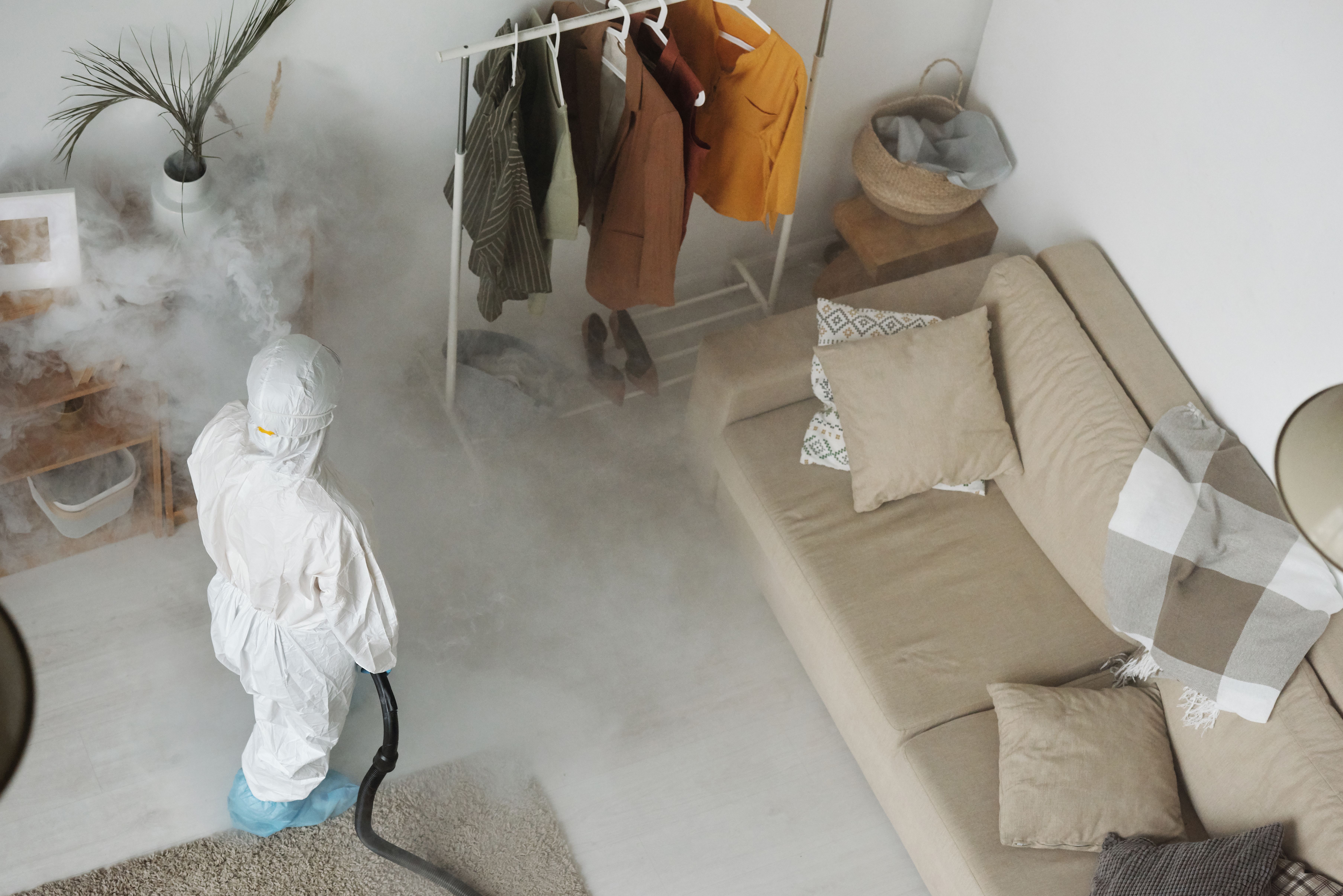
According to the CDC’s 2023 report, pest‑related illnesses rose by 18% nationwide last year. That spike isn’t just a statistic—it translates to thousands of families dealing with unexpected medical bills, lost workdays, and costly home repairs.
Early detection matters. Spotting a rodent droppings trail, a few ant trails, or the first sign of a termite tunnel can save a homeowner hundreds, if not thousands, of dollars. Preventive action stops damage before it spreads, keeping structural repairs, food contamination, and doctor visits at bay.
In the sections that follow, we’ll break down the five most common household intruders you’re likely to encounter:
- Rodents – mice and rats that gnaw wiring, contaminate food, and trigger allergies.
- Termites – silent wood‑eaters that compromise foundations and decks.
- Cockroaches – hardy survivors that carry bacteria and trigger asthma.
- Ants – from carpenter to odorous, each species poses its own risk.
- Bed bugs – nocturnal feeders that turn a bedroom into a health hazard.
Throughout this guide, Anthem Pest Control pledges transparent pricing and data‑driven recommendations. Every tip, treatment option, and cost estimate is backed by industry research and real‑world results, so you’ll never feel blindsided by hidden fees.
Here’s how the guide flows:
- Identification – learn the tell‑tale signs of each pest.
- Seasonal threats – understand when each invader is most active.
- Prevention – simple steps to keep pests out before they enter.
- Treatment pricing – clear, upfront costs for every control method.
- Choosing a pro – what to look for in a reliable pest‑control partner.
- FAQs – answers to the most common homeowner questions.
- Conclusion – a quick recap and next steps.
By the end of this article, you’ll have a roadmap that turns a rising wave of complaints into a manageable, affordable solution—starting with the first sign you see.
Know Your Enemy – Top 5 Household Pests

Termite
Workers range from ¼ to ½ inch long, pale, and wing‑less. They live in colonies hidden behind walls, in crawl spaces, or beneath foundations. The most telling sign is mud‑tube highways on exterior walls or along the foundation. Inside, you may notice hollow‑sounding wood, buckling floors, or tiny wood pellets (frass) near baseboards. According to the EPA (2022), one in four homes suffers termite damage, underscoring how easily these silent destroyers go unnoticed.
Mosquito
Adult females are about ½ inch long, with slender bodies and long, delicate legs. They thrive near standing water—birdbaths, clogged gutters, or over‑watered lawns—where they lay eggs. Look for tiny, dark specks on windowsills and a persistent high‑pitched whine at dusk. The CDC estimates that 30 % of mosquito‑borne illnesses originate in suburban homes, making early detection essential.
Rodent (Rat & Mouse)
Rats measure 7‑10 inches including the tail; mice are smaller, 2‑4 inches. Both are nocturnal and gnaw constantly, leaving gnaw marks on wood, plastic, or wiring. Droppings (about the size of a grain of rice for mice, larger for rats) appear near food sources, and you may hear scurrying in walls or attic spaces. Look for shredded insulation, grease marks along walls, and fresh burrow entrances in the yard.
Cockroach
Common species such as the German cockroach are ½ inch long, reddish‑brown, and oval‑shaped. They favor warm, damp kitchens and bathrooms. Spotting droppings that resemble coffee grounds, a faint musty odor, or egg‑case ovals in cabinets signals an infestation. Cockroaches can contaminate food and trigger asthma, so early visual cues—especially at night when they scatter—are critical.
Ant
Worker ants range from ¼ to ½ inch, varying in color from black to reddish. They form trails marked by pheromones, often seen marching along baseboards, countertops, or around plants. Look for small soil piles at entry points, crushed wings near windows, or honey‑dew stains from sap‑feeding species. Ants can damage wood, insulation, and even electrical wiring when they nest in wall voids.
Case Study – Midwest Homeowner: Jane M., a homeowner in central Illinois, noticed a faint, damp smell in her basement. A quick inspection revealed a network of mud tubes along the foundation wall, hidden behind a stack of laundry. When she called Anthem Pest Control, technicians confirmed an active subterranean termite colony and treated the area before any structural damage occurred. Jane’s story illustrates how a simple visual cue—mud tubes—can prevent costly repairs.
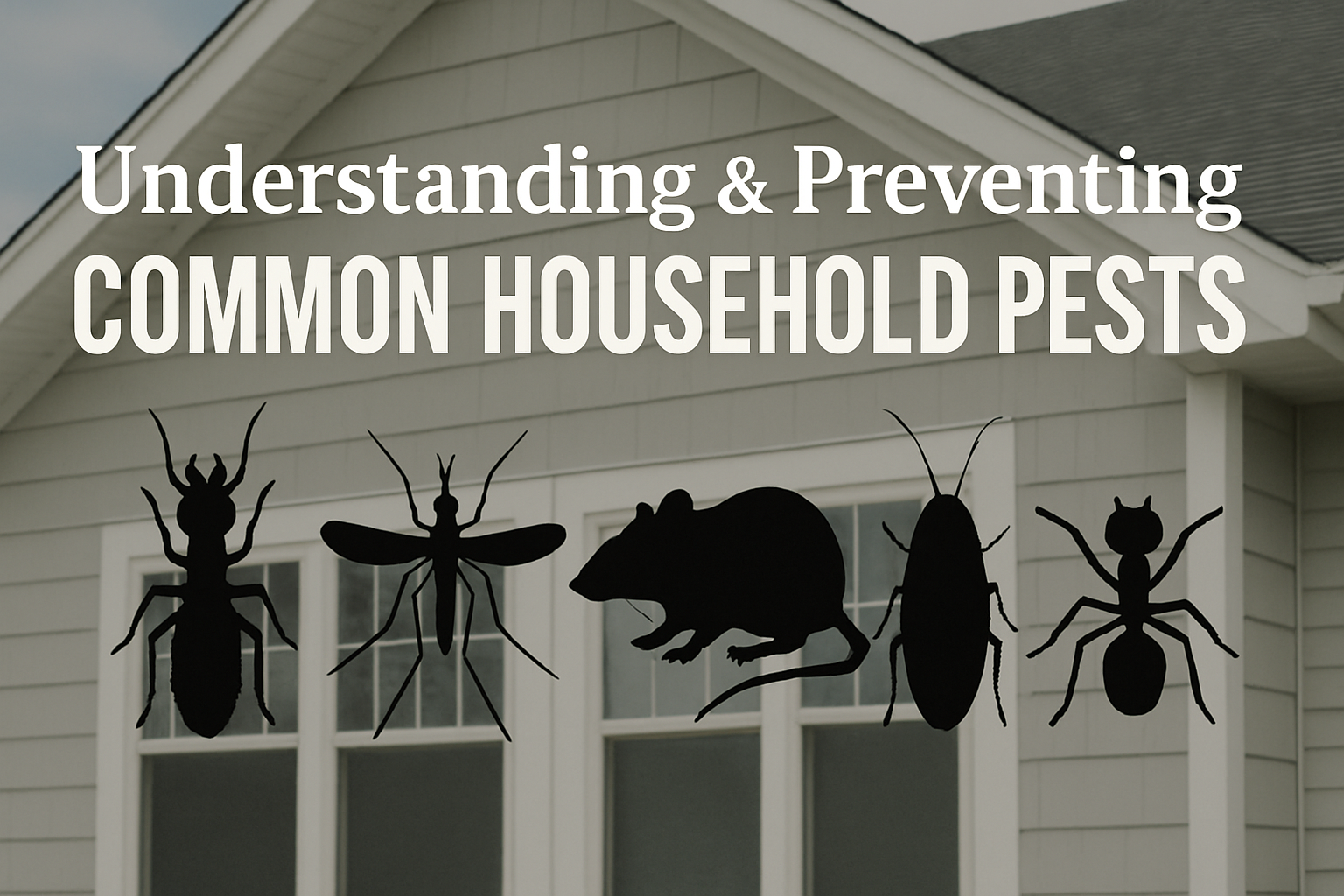
Keep this illustration handy; each labeled pest serves as a quick‑reference cheat sheet for spotting the most common household invaders. Recognizing size, behavior, and damage signs early empowers you to call Anthem Pest Control before the problem escalates.
When Pests Strike – Seasonal Patterns Across the U.S.
Understanding when different pests become active is the first step to staying one step ahead. Across the country, temperature, humidity, and daylight drive a predictable calendar that homeowners can use as a vigilance checklist. Below is a seasonal walk‑through that aligns pest biology with the typical U.S. climate zones.
Spring: Ants and Termites
As soils warm in March and April, ant colonies emerge from overwintering nests, and subterranean termites begin their foraging flights. In the Midwest and Northeast, you’ll notice ant trails along foundation walls and the first signs of termite mud tubes. Early inspection and a pre‑emptive barrier treatment can stop colonies before they establish permanent indoor routes.
Summer: Mosquitoes and Flies
Proactive Defense – Simple Steps to Keep Pests Out
Keeping unwanted guests out of your home doesn’t require a full‑scale extermination plan. A few inexpensive, routine actions can create a barrier that makes your house far less inviting to insects, rodents, and other pests. Below is a practical, low‑cost checklist you can start today.
Home Maintenance Actions
- Seal cracks and gaps – Inspect the foundation, windows, doors, and utility penetrations. Use a quality silicone or acrylic caulk to seal openings. A typical caulk costs $5‑$15 per linear foot, and a single tube can cover several feet of seam.
- Manage moisture – Fix leaky pipes, ensure gutters direct water away from the foundation, and use a dehumidifier in damp basements. Moisture control has been shown to reduce termite activity by up to 40 % (USDA, 2022).
- Store food properly – Keep pantry items in sealed containers, wipe crumbs from countertops nightly, and empty pet food dishes after each meal.
- Landscape for pest deterrence – Trim shrubs and trees at least 2 ft from the house, remove leaf litter, and keep firewood stacked away from the foundation.
Cost‑Effective Tools & Traps
| Item | Price Range (USD) |
|---|---|
| Silicone or acrylic caulk (10 oz tube) | $5 – $15 per linear foot |
| EPA‑approved ant or roach traps (pack of 12) | $8 – $20 |
| Moisture meter (handheld) | $15 – $30 |
| Dehumidifier (small‑room) | $40 – $80 |
Real‑World Success: A Texas Homeowner’s Story
When Mark H., a homeowner in Dallas, noticed a steady increase in carpenter ant trails along his siding, he took a simple step: he trimmed the overhanging oak branches to a full 2 ft clearance from the exterior walls. Within two weeks, the ant activity dropped dramatically, and no additional treatments were needed. Mark credits the reduced “bridge” for ants as the turning point, a reminder that strategic landscaping can be a powerful, cost‑free pest deterrent.
Print‑Ready Checklist
To make the routine even easier, we’ve compiled the actions above into a printable PDF. Click the button below to download a handy one‑page checklist you can hang on the fridge or keep in your home‑maintenance binder.
By integrating these straightforward steps into your monthly upkeep, you’ll reduce the likelihood of infestations, save on professional treatment costs, and enjoy a healthier, pest‑free home.
Effective Treatments and What They Cost
When a pest makes itself at home, the solution isn’t one‑size‑fits‑all. At Anthem Pest we categorize our approaches into four proven families, each designed to match the biology of the invader and the layout of your property.
Chemical Barrier
A perimeter‑wide application of EPA‑approved insecticides creates an invisible wall that stops termites, ants, and roaches before they cross your threshold. The chemicals are formulated to last months, reducing the need for frequent re‑applications.
Baiting Systems
Instead of spraying, bait stations lure pests—like rodents or termites—into a food source laced with a slow‑acting toxin. The pest carries the poison back to the colony, delivering a knock‑down effect that can eradicate the problem from its source.
Biological Controls
For outdoor nuisances such as mosquitoes, we may release predatory insects or apply microbial larvicides that target larvae without harming people, pets, or beneficial pollinators. This eco‑friendly method works especially well in wetlands or heavily vegetated yards.
Heat Treatments
Heat is a non‑chemical weapon that raises ambient temperature to lethal levels for bed bugs, cockroaches, and their eggs. Technicians seal the space, circulate hot air, and monitor temperatures to ensure every crevice reaches the target range.
Current Price Ranges (2025 data)
All figures are drawn from EPA cost statistics and state licensing board reports, verified for 2025. Prices reflect a typical single‑family home; larger properties or complex infestations may vary.
- Termite barrier: $1,200 – $2,500 per treatment.
- Mosquito fogging: $100 – $250 per session.
- Rodent exclusion: $150 – $400 per visit.
- Cockroach spray program: $150 – $300 annually.
These ranges give you a realistic baseline before any on‑site assessment. Because we never hide fees, you’ll know exactly what to expect when you request a quote.
Anthem Pest’s Transparent Estimate Process
Our technicians begin with a thorough inspection, documenting pest activity, entry points, and structural vulnerabilities. Within 24 hours you receive a written estimate that breaks down labor, materials, and any optional add‑ons. No surprise line items—just clear numbers that match the price ranges above.
30‑Day Satisfaction Guarantee: If you’re not completely satisfied with the results of any treatment, we’ll re‑treat the affected area at no extra cost within 30 days. Your peace of mind is built into every service.

By pairing a clear, science‑backed treatment plan with upfront pricing, Anthem Pest empowers homeowners to make confident decisions. Whether you need a one‑time barrier or an ongoing spray program, our goal is simple: eliminate the pest, protect your home, and keep the cost transparent.
Why Local Expertise Matters
Benefits of local knowledge
Every region has its own pest calendar. In the Southeast, fire ants emerge in early spring, while the Pacific Northwest sees a surge of carpenter ants during rainy months. A locally licensed provider knows these cycles, allowing them to schedule treatments before an infestation takes hold. Because the technician lives nearby, response times shrink from days to hours—critical when bed bugs or rodents have already infiltrated a home. Local operators also stay current with state‑specific pesticide registrations and licensing requirements, ensuring every application complies with the law and protects your family.
Anthem Pest’s credentials
Anthem Pest combines national reach with a truly local touch. Our technicians are licensed in every state we serve, and we maintain a 24/7 hotline so you can report an emergency at any hour. Recent customer feedback on Google shows an average rating of 4.8 stars across more than 1,200 reviews, highlighting consistent professionalism and effectiveness. This blend of nationwide resources—advanced treatment protocols, bulk‑purchased eco‑friendly chemicals—and on‑the‑ground expertise means you get the best of both worlds.
Homeowner checklist for vetting providers
- License and insurance: Verify the company holds a current state pest
Quick Answers to Common Pest Questions
How soon will I see results after treatment?
Most residential treatments begin showing activity within 24‑48 hours, but the exact timeline depends on the method used. A targeted spray for ants or roaches typically knocks down the visible population in a few days, while bait stations may take a week for workers to carry the product back to the nest. Fogging for flying insects can provide immediate relief, yet residual action continues for up to two weeks. EPA safety guidelines require that any product left on surfaces remain effective for the stated period, so you’ll notice a gradual decline as the chemicals work according to their label instructions.
Are the chemicals safe for children and pets?
Anthem Pest only applies EPA‑approved products that have undergone rigorous toxicology testing. When used according to the label, these formulations pose minimal risk to humans and animals. We always follow a strict post‑treatment protocol: keep children and pets out of treated areas for the time specified—usually 2‑4 hours for sprays and up to 24 hours for foggers. Proper ventilation, such as opening windows and running fans, helps disperse any residual vapors, ensuring a safe environment once the waiting period is over.
How often should I schedule preventive visits?
Preventive schedules are tailored to regional pest pressure. In most U.S. climates, a quarterly visit—spring, summer, fall, and winter—covers the major seasonal threats like ants, roaches, and mosquitoes. High‑risk areas, such as the Southeast, may benefit from bimonthly inspections during peak months. We also recommend an annual comprehensive inspection to catch hidden issues such as termite activity or rodent entry points before they become visible problems. Consistent monitoring lets us adjust treatments proactively, keeping your home pest‑free year‑round.
Protect Your Home with Anthem Pest Today
When it comes to keeping your home pest‑free, Anthem Pest relies on four proven pillars that turn a reactive approach into lasting protection.
- Accurate identification: We pinpoint the exact species and extent of the infestation before any treatment.
- Seasonal timing: Interventions are scheduled when pests are most vulnerable, maximizing effectiveness.
- Proactive prevention: Ongoing monitoring and barrier treatments stop reinfestations before they start.
- Transparent pricing with local expertise: Clear, upfront costs paired with technicians who know the unique challenges of your neighborhood.
These pillars work together to give you confidence that pests won’t catch you off guard, no matter the season. By combining precise science with honest communication, we create a shield that protects your family and your peace of mind.
Take the next step by scheduling a free home inspection, the first move toward locking in year‑round safety for your family. Our specialists will walk you through what to expect and tailor a plan that fits your home’s layout and budget.
Ready for peace of mind? Call Anthem Pest at 877‑371‑8196 for a complimentary quote. Our certified technicians will assess your home, explain the best treatment plan, and provide a clear, no‑surprise estimate. We pride ourselves on transparent pricing and local expertise, so you always know exactly what’s happening and why.
Visit Anthem Pest Control to learn more and book your inspection today.