Why Home Pest Prevention Matters

What is pest prevention?
Pest prevention is the proactive strategy of stopping insects, rodents, and other unwanted guests before they set up shop in your home. It isn’t just about spraying chemicals; it’s a blend of regular inspections, sealing entry points, managing moisture, and maintaining a clean environment. When done correctly, prevention protects both the physical structure of your house and the health of the people who live there.
The hidden financial toll
Most homeowners think the biggest expense comes from the treatment itself, but the real cost often hides in the damage left behind. Termites can gnaw through wooden beams, compromising the integrity of walls and roofs. Mosquito breeding sites create damp areas that lead to mold growth, which then requires costly remediation. Even a single rodent infestation can chew through electrical wiring, increasing fire risk and prompting expensive repairs.
Beyond structural damage, infestations can erode your home’s resale value. A buyer’s inspection that reveals termite damage or cockroach activity typically results in a lower offer or demands a price‑cut to cover remediation. In competitive markets, that loss can be thousands of dollars—money that could have been avoided with a simple prevention plan.
Health risks you can’t see
Health costs are equally stealthy. Dust‑mite allergens, cockroach droppings, and rodent urine trigger asthma attacks, allergic reactions, and skin irritations. Bed bugs, while not known to transmit disease, cause sleepless nights and secondary skin infections from scratching. In the United States, families spend an estimated $1.5 billion annually on medical expenses directly linked to pest‑related illnesses.
The EPA’s $5‑$6 billion figure
The Environmental Protection Agency (EPA) estimates that U.S. households collectively lose $5‑$6 billion each year to pest‑related damage and health costs. This staggering number includes property repairs, lost productivity, and medical bills. It underscores that the price of inaction far outweighs the modest investment in regular, professional prevention.
Partnering with Anthem Pest Control
Anthem Pest Control is built around the idea that prevention should be safe, effective, and affordable. Our technicians conduct thorough inspections, identify vulnerable entry points, and tailor a prevention plan that fits your home’s unique layout and the pests most common in your region. By addressing problems before they become emergencies, we help you safeguard your property value, reduce health risks, and keep your budget intact.
Common Household Pests and How to Identify Them
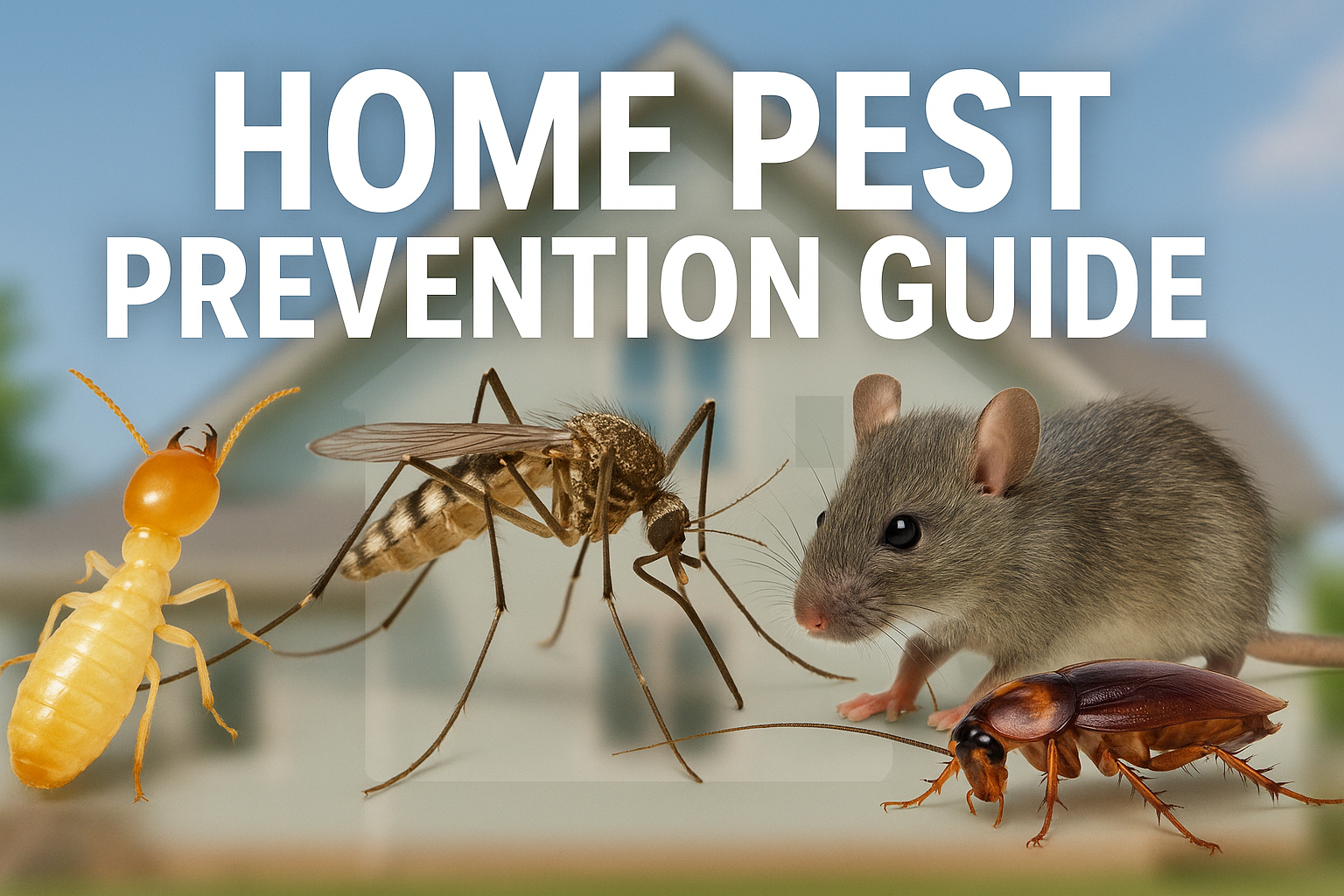
Knowing what to look for can save you time, money, and peace of mind. Below is a rapid‑fire guide to the seven pests that show up most often in U.S. homes, their tell‑tale signs, typical ways they slip inside, and the health concerns they bring.
Termites
Termites are small, pale insects that work silently inside wood. Look for mud‑tube pathways along foundation walls, hollow‑sounding wood, and tiny frass pellets near window frames. They usually enter through cracks in the foundation, gaps around utility penetrations, or by riding in with fire‑rated siding. While termites don’t bite or spread disease, the structural damage they cause can lead to costly repairs and unsafe living conditions.
Mosquitoes
Adult mosquitoes are recognizable by their slender bodies, long legs, and a characteristic whine. Their presence is often signaled by a swarm near windows, itchy bite marks, and a rise in standing water around the property. Common entry points include open doors, unscreened vents, and gaps around outdoor lighting fixtures. Mosquitoes are vectors for West Nile virus, Zika, and other serious illnesses, making prompt control essential.
Rodents (Mice & Rats)
Rodents are quick, nocturnal gnawers that leave behind droppings, gnaw marks, and a faint, musky odor. Look for fresh droppings (about ¼‑inch black pellets) along baseboards, in cabinets, or near food packages. They typically squeeze through openings as small as a quarter‑inch, entering via gaps around pipes, vents, and cracked foundation blocks. Beyond property damage, rodents can spread Hantavirus, salmonella, and trigger severe allergies.

Cockroaches
Cockroaches are oval, brownish insects that scuttle quickly in low light. Common signs include greasy, dark smears in cabinets, egg cases, and a faint, oily odor. They slip in through cracks around drains, gaps under doors, and hitch rides in grocery bags. Cockroaches can trigger asthma, allergies, and carry bacteria such as E. coli and Salmonella.
Ants
Ants vary by species, but most appear as small, uniform lines marching along baseboards or countertops. Look for ant trails, crushed bodies, and small mounds near foundations. They gain entry through cracks, gaps around utility lines, and even through potted plants. While most ant bites are harmless, fire ants can cause painful stings, and carpenter ants may damage wood structures.
Bed Bugs
Bed bugs are flat, reddish‑brown insects that hide in mattress seams, furniture crevices, and behind baseboards. Signs include tiny blood spots on sheets, dark fecal specks, and a sweet, musty odor. They travel in luggage, used furniture, and through wall voids. Their bites can lead to itching, allergic reactions, and secondary skin infections.
Wasps
Wasps are slender, often yellow‑and‑black insects that build papery nests under eaves, in attics, or in garden sheds. Look for aggressive flying near outdoor lighting, visible nests, and stinging incidents. They enter homes through open windows, damaged screens, or cracks around roof vents. Stings can cause severe allergic reactions, and some species may trigger asthma attacks.
Quick‑Reference Table
| Pest | Common Signs | Health Risk | Average Seasonal Peak |
|---|---|---|---|
| Termites | Mud tubes, wood damage, frass pellets | Structural damage | Spring–Early Summer |
| Mosquitoes | Swarming near lights, itchy bites, standing water | West Nile, Zika, dengue | Summer |
| Rodents | Droppings, gnaw marks, musky odor | Hantavirus, salmonella, allergies | Fall–Winter |
| Cockroaches | Greasy smears, egg cases, odor | Asthma triggers, bacterial contamination | Late Summer–Fall |
| Ants | Ant trails, mounds, crushed bodies | Allergic reactions, wood damage (carpenter ants) | Spring–Fall |
| Bed Bugs | Blood spots, fecal specks, musty odor | Itching, secondary infections | All year (higher in summer) |
| Wasps | Visible nests, aggressive flying, stings | Allergic reactions, asthma triggers | Late Spring–Early Fall |
Seasonal Threats and Regional Hotspots
Understanding when and where pests are most active lets you stay one step ahead of an infestation. The CDC’s 2023 Vector‑Borne Disease Surveillance report and the National Pest Management Association’s seasonal outlook both show clear patterns across the United States. Below, we break down the peak months for the most common household pests in each major region, so you can plan inspections and treatments before the bugs arrive.
Northeast
The Northeast’s cold winters keep most insects dormant, but spring awakens a suite of troublemakers. Termites typically begin swarming in April and May, seeking moisture‑rich wood for new colonies. Mosquitoes emerge in June, peaking in July and August when standing water from rainstorms provides breeding sites. Carpenter ants appear later, with a noticeable surge in late August through September as they forage for sugary food sources. Finally, rodents—especially mice—move indoors during the cooler months, with activity climbing sharply in October and staying high through February.
Southeast
The Southeast’s warm, humid climate supports pest activity year‑round, but distinct peaks still appear. Termites are most aggressive from March through May, taking advantage of the spring rains that soften soil. Mosquitoes dominate the summer, with a long season from May to early October; the “summer‑early fall” window (July‑September) carries the highest disease‑vector risk. Fire ants and other ant species reach their apex in late summer (August‑September), while rodents tend to seek shelter inside homes during the cooler months of November through February.
Midwest
Midwestern homeowners face a classic four‑season pest cycle. Termites begin their activity in late April and may continue through June, especially after heavy spring rains. Mosquitoes bloom in June, peak in July and August, then decline as temperatures drop. Ants—including odorous house ants—show a late‑summer spike from August to early September, drawn to outdoor lighting and food waste. Rodents start moving indoors in September, with peak infestations during the deep‑freeze months of December through February.
Southwest
Arid conditions in the Southwest suppress many insects, yet the few that thrive are highly seasonal. Termites (especially subterranean species) become active after summer monsoons, typically from June to August. Mosquitoes follow the same pattern, with a short but intense season in July and August when standing water from thunderstorms forms. Ants—notably pavement and Argentine ants—reach their highest numbers in late summer (August‑September). Rodents are most problematic in the cooler months, with increased indoor sightings from November through March.
West Coast
The West Coast’s mild climate creates a prolonged pest window. Termites (dry‑wood varieties) are most noticeable from March through May, especially after winter rains. Mosquitoes thrive from May to October, with a pronounced peak in July and August along coastal wetlands. Ants—including odorous and crazy ants—are active year‑round but see a surge in late summer (August‑September). Rodents tend to move indoors during the rainy season, with higher activity from November through February.

| Region | Termites | Mosquitoes | Ants | Rodents |
|---|---|---|---|---|
| Northeast | Apr–May | Jun–Aug | Aug–Sep | Oct–Feb |
| Southeast | Mar–May | May–Oct | Aug–Sep | Nov–Feb |
| Midwest | Late Apr–Jun | Jun–Aug | Aug–Sep | Sep–Feb |
| Southwest | Jun–Aug | Jul–Aug | Aug–Sep | Nov–Mar |
| West Coast | Mar–May | May–Oct | Aug–Sep | Nov–Feb |
By aligning your pest‑control schedule with these regional calendars, you give Anthem Pest Control a clear target for proactive treatments. Early spring inspections in the Northeast and Southeast can catch termites before they spread, while a summer‑focused mosquito barrier on the West Coast reduces bite‑related health risks. When you know the “when” and “where,” the “how” becomes far simpler—just give us a call at 877‑371‑8196 or visit anthempest.com to set up a timely service.
Proactive Prevention Strategies for a Pest‑Resistant Home
Before you ever spot a roach scurrying across the kitchen floor or a carpenter ant tunneling behind the baseboard, you can take a series of simple, data‑driven actions that make your home a hard place for pests to enter. The goal isn’t to create a fortress; it’s to eliminate the tiny gaps and conditions that invite insects, rodents, and termites in the first place. Below, we break down the most effective exterior and interior measures, and we give you a monthly DIY inspection checklist you can keep on your fridge.
Exterior Measures
Think of your home’s outer shell as the first line of defense. Even a hairline crack can become a highway for termites, ants, or rodents. Here are the steps that deliver the biggest bang for your buck:
- Seal cracks and gaps. Use a high‑quality silicone or polyurethane caulk on foundation joints, around utility penetrations, and where siding meets the foundation. The EPA’s 2022 sealing study found that properly sealed homes reduced termite entry by up to 70%.
- Ensure proper grading. The ground should slope away from the house at least 5 % for the first 6‑10 feet. This directs rainwater away, preventing moisture buildup that attracts pests.
- Install or repair window screens. Tight‑mesh screens keep flying insects out while still allowing fresh air. Check for tears or gaps each season.
- Clear vegetation. Trim shrubs, trees, and any ground cover at least 30 ft from the foundation. Overhanging branches can bridge the gap between trees and your roof, giving pests a runway.
- Maintain gutters and downspouts. Clean them regularly to avoid water overflow that can saturate the soil near your foundation.
Interior Measures
Once the exterior is fortified, turn your attention inside. Pests love warm, moist, and food‑rich environments. Small habits can dramatically lower the attraction factor.
- Airtight food storage. Transfer pantry staples—flour, rice, cereals—into sealed containers made of glass or heavy‑wall plastic. Even a tiny opening can lure ants and cockroaches.
- Moisture control. Use dehumidifiers in basements and crawl spaces, and fix any leaky pipes or faucets promptly. Dry environments are less inviting to termites and rodents.
- Regular vacuuming. A weekly vacuum with a HEPA filter removes crumbs, eggs, and droppings that serve as food sources for insects.
- Proper trash disposal. Keep trash cans sealed with tight lids, and take out garbage at least once a week. Compost bins should be far from the house and have secure lids.
- Seal interior gaps. Apply caulk around baseboards, door frames, and where pipes enter walls. Even a ¼‑inch opening can be a pest entry point.
Monthly DIY Inspection Checklist
Consistency is key. A quick once‑a‑month walk‑through helps you catch early warning signs before an infestation takes hold. Print the table below and tick off each item as you go.
| Inspection Item | What to Look For | Action if Needed |
|---|---|---|
| Exterior cracks and gaps | Visible openings >1 mm, especially around foundation and utility lines | Re‑caulk or apply expanding foam sealant |
| Water pooling | Standing water within 5 ft of foundation after rain | Adjust grading, add drainage, or install a French drain |
| Window and door screens | Tears, loose mesh, or missing screens | Repair or replace with fine‑mesh material |
| Vegetation clearance | Plants or mulch touching the foundation | Trim back to at least 30 ft, replace mulch with stone or gravel |
| Indoor food storage | Open containers, crumbs on counters | Transfer to sealed containers, wipe surfaces |
| Moisture spots | Condensation on pipes, damp basements, musty odors | Repair leaks, run dehumidifier, improve ventilation |
| Trash and compost bins | Lids not sealing, overflow, proximity to house | Secure lids, relocate bins, empty regularly |
| Signs of activity | Droppings, gnaw marks, mud tubes, dead insects | Document, clean area, consider professional assessment |
Why Prevention Beats Treatment
Every homeowner likes a good DIY story, but the numbers tell a clear picture: preventing a pest entry costs a fraction of the expense of eradicating an established infestation. For example, sealing a typical 2,000‑sq‑ft home can run $300‑$500 in materials and labor, while a professional termite treatment often exceeds $2,000 and may require ongoing monitoring.
Beyond dollars, think of the hidden costs—damage to structural wood, lost time coordinating treatment appointments, and the stress of living with unwanted guests. By investing a few hours each month in the checklist above, you dramatically lower the probability of those hidden costs ever appearing.
At Anthem Pest Control, we see the same pattern time after time: homes that stay on a regular prevention schedule rarely need emergency interventions. If you ever encounter a problem that feels beyond a quick fix, our transparent‑pricing, safe‑solution approach is just a phone call away at 877‑371‑8196 or via our website.
Treatment Options, Costs, and Pricing Transparency
DIY Chemical Sprays – What You Need to Know
Many homeowners reach for a spray bottle the moment they spot an ant trail or a roach in the kitchen. Over‑the‑counter insecticides can be effective for light infestations, but they come with a handful of caveats. First, the active ingredients must match the pest you’re targeting; a roach killer won’t stop carpenter ants, and vice‑versa. Second, safety is paramount. Always read the EPA label, wear protective gloves, and keep the product away from children and pets. Improper application can create “dead zones” where insects survive and develop resistance, turning a small problem into a larger one.
Pros:
- Immediate availability – buy at any hardware store.
- Low upfront cost – most cans range from $10‑$30.
- Control over where and when you apply.
Cons:
- Limited residual activity – often needs re‑application every few weeks.
- Potential health risks if not used per label.
- May not reach hidden colonies, especially for termites or bed bugs.
Baiting and Traps – The Middle Ground
Bait stations and traps are a step up from spray cans because they attract pests, let them feed on a slow‑acting toxin, and carry the poison back to the nest. This method shines for ants, cockroaches, and rodents. A typical homeowner can expect to spend $50‑$150 for a complete baiting setup—usually three to five stations placed strategically around entry points, kitchens, and basements.
When using baits, placement is critical. For ants, position stations along the perimeter and near known trails; for rodents, place them along walls where they travel. Check the stations weekly and replace any that are empty or contaminated. Proper maintenance keeps the bait effective and minimizes the chance of non‑target animals getting into the product.
Pros:
- Targets the colony, not just individual insects.
- Reduced exposure to humans compared with sprays.
- Works well for nocturnal pests like rodents.
Cons:
- Requires regular monitoring and occasional refill.
- Initial cost higher than a single spray can.
- Effectiveness varies with pest species and season.
Professional Extermination – When to Call the Experts
When an infestation spreads beyond a few sightings or involves hard‑to‑reach pests like termites or bed bugs, professional treatment is the safest bet. Anthem Pest Control follows a transparent pricing structure that starts with a free, no‑obligation inspection. If an inspection fee is required—usually $75‑$100 for non‑members—it’s applied toward any service you choose.
Here’s a snapshot of typical treatment packages across the industry, based on the NPMA 2023 average national pricing data:
| Service | Typical Price Range |
|---|---|
| Ants & Cockroach Treatment | $200‑$600 |
| Termite Barrier Installation | $1,200‑$2,500 |
| Mosquito Misting Service | $150‑$300 |
Anthem Pest takes this a step further. Their pricing model is fully disclosed up front—no hidden fees, no surprise add‑ons. After the free inspection, you’ll receive a written estimate that breaks down labor, materials, and any optional follow‑up visits. If you decide to move forward, the estimate becomes a contract, ensuring the cost you see is the cost you pay.
Why choose a professional service?
- Comprehensive inspection: Trained technicians locate hidden infestations, structural damage, and conditions that attract pests.
- Regulated chemicals: Professionals use EPA‑registered products in concentrations that are safe for families and pets but lethal to pests.
- Warranty & follow‑up: Most plans include a guarantee period and scheduled re‑treatments, giving you peace of mind.
Pricing Transparency – Building Trust, One Quote at a Time
Homeowners often feel uneasy about pest‑control costs because the industry has a reputation for vague estimates. Anthem Pest confronts that head‑on. Their free inspection guarantee means you’ll never pay for a diagnostic visit without knowing the next steps. Once the technician identifies the pest and the scope of work, the written proposal lists each line item—inspection, treatment, materials, and any applicable taxes.
For example, a homeowner dealing with a moderate ant problem might see a proposal like:
- Inspection (free) – $0
- Ant baiting stations (5 units) – $120
- Labor for placement and follow‑up – $150
- Total – $270
This level of detail lets you compare against DIY or bait‑only options and decide what fits your budget and comfort level. Moreover, Anthem Pest offers flexible payment plans and seasonal discounts, which are clearly outlined in the estimate.
Making the Right Choice for Your Home
Choosing between DIY sprays, bait stations, and professional treatment isn’t just about price—it’s about the severity of the problem, the pest’s biology, and your household’s safety standards. If you’re dealing with a small, isolated ant line, a well‑placed bait might solve the issue for under $100. For persistent roaches or a growing rodent presence, a professional’s inspection and targeted treatment can save you time, money, and stress in the long run.
Remember, transparent pricing empowers you to weigh the true cost of each approach. With Anthem Pest’s free inspection guarantee and clear, itemized quotes, you can make an informed decision without hidden surprises. Whether you opt for a DIY solution or call in the pros, the goal is the same: a pest‑free home that’s safe for every member of the family.
Choosing a Trusted Local Pest Control Provider
When a pest problem knocks on your door, the first instinct is to find a quick fix. However, a rushed decision can lead to ineffective treatments, hidden costs, and even safety hazards. The best approach is to treat the selection process like you would any major home service—by using a clear, step‑by‑step checklist that guarantees you hire a qualified, reliable professional.
Vetting Checklist for Homeowners
- Proper Licensing – Verify that the company holds a current state pest‑control license. Licensing proves the technicians have met state‑mandated training standards and are authorized to apply chemicals safely.
- Comprehensive Insurance – Look for general liability and workers’ compensation coverage. Insurance protects you from financial liability if a treatment causes property damage or an employee is injured on the job.
- EPA‑Approved Products – Only contractors that use products registered by the Environmental Protection Agency (EPA) can guarantee efficacy while minimizing health risks to your family and pets.
- Service Guarantees – A reputable provider will stand behind its work with a written guarantee—often a “no‑re‑treat” promise within a set timeframe.
- Customer Reviews & References – Scan online review platforms, ask for testimonials, and request references from recent clients in your neighborhood.
- Local Expertise – Pests vary by region. Companies that have operated in your area understand seasonal patterns, local building codes, and the most effective treatment strategies for your specific climate.
Why Anthem Pest Stands Out
Anthem Pest checks every box on the list—and then some. Licensed in all 50 states, our technicians undergo continuous education to stay current with the latest EPA‑approved formulations and integrated pest‑management techniques. Our full‑coverage insurance means you never shoulder the cost of accidental damage or injury.
Beyond compliance, Anthem Pest offers a 24‑hour emergency line, ensuring you can reach a qualified professional the moment a pest emergency strikes. Our service guarantees are written into every contract; if the problem reappears within the agreed period, we’ll return at no extra charge.
With a 20‑year track record of protecting homes across the country, we combine national resources with a local‑first mindset. Whether you’re dealing with termites in a historic bungalow or mosquitoes around a new patio, our team tailors a plan that fits your home’s unique challenges. For immediate assistance, call our toll‑free line at 877‑371‑8196.
Real‑World Success: Austin, Texas Case Study
John Miller, a homeowner in Austin, noticed a faint “mud‑tube” pattern along his foundation—a classic early sign of subterranean termites. He called Anthem Pest for an inspection. Within 48 hours, our certified technician confirmed active termite activity and recommended a targeted, low‑impact treatment plan.
Because the infestation was caught at the very beginning, John avoided the extensive structural repairs that most homeowners face after years of hidden damage. The total cost of the inspection and treatment was $1,800, yet a post‑treatment inspection estimated that untreated termites would have required $3,000‑$4,000 in repairs over the next few years. John saved roughly $1,200 by acting early—a savings directly tied to Anthem Pest’s rapid response and expertise.
Put the Checklist to Work
Now that you have a concrete checklist and a proven example of success, it’s time to compare providers. Start by gathering the licensing numbers, insurance certificates, and product lists from each company you’re considering. Match those details against the checklist, then weigh the strength of their guarantees and the relevance of their local experience.
Don’t forget to read recent reviews and ask for references specific to your area. A company that can demonstrate a clear track record—like Anthem Pest’s two‑decade history and the Austin case study—offers the confidence that your home will be protected without surprise costs.
By following this systematic approach, you’ll feel empowered to choose a pest‑control partner who not only meets regulatory standards but also delivers the transparent, effective service your household deserves.
Frequently Asked Questions for Homeowners
At Anthem Pest Control we hear the same questions from homeowners time after time. Below are concise, SEO‑friendly answers that help you plan your pest‑prevention strategy with confidence.
- Q1: How often should I schedule inspections?
We recommend a bi‑annual inspection schedule—once in the spring and once in the fall. Spring inspections catch emerging pests before they establish nests, while fall visits identify any lingering insects that survived the summer heat. Regular checks let our technicians spot early warning signs, such as mud tubes, termite swarms, or rodent activity, before they turn into costly infestations. By staying on this twice‑yearly rhythm, you protect your home’s structure, preserve your landscaping, and keep your family safe from unwanted guests.
- Q2: Are treatments safe for pets and children?
Absolutely. Anthem Pest Control uses only EPA‑registered, low‑toxicity products that are proven safe for families and pets when applied correctly. Our certified technicians follow strict safety protocols: they seal off treated areas, use calibrated equipment, and provide clear post‑treatment guidelines. For homes with especially sensitive occupants, we can discuss organic or non‑chemical options that still deliver effective control. Your peace of mind is as important to us as eliminating the pest problem.
- Q3: What is the typical warranty period for termite protection?
The standard warranty for our termite protection program is five years, renewable each year with a follow‑up inspection. This warranty covers both the treatment materials and the labor involved in re‑applying a barrier if needed. Annual inspections are essential—they verify that the protective barrier remains intact and catch any new activity early. Should you move or need to transfer ownership, the warranty can be transferred to the new homeowner, adding value to your property.
These FAQs address the most common concerns we hear from homeowners across the United States. If you have additional questions or need a personalized pest‑management plan, our knowledgeable team is ready to help you safeguard your home.
Protect Your Home with Anthem Pest Control Today
Let’s quickly recap what you need to keep your home pest‑free:
- Identify the common pests that invade your space.
- Understand seasonal risk periods and act before they peak.
- Implement proven prevention steps for long‑term protection.
- Know that Anthem offers transparent, upfront pricing.
- Choose a vetted, locally trusted provider for peace of mind.
Partnering with Anthem Pest means you get seasoned expertise, safety‑first treatments, and cost transparency you can rely on—no hidden fees, no guesswork.
Ready to take the next step? Call us today at 877‑371‑8196 for a free home inspection, or visit our website for more details.
Whether you’re tackling a current problem or fortifying your home for the next season, our team is ready to help you protect what matters most.