What Is the Brown Marmorated Stink Bug?
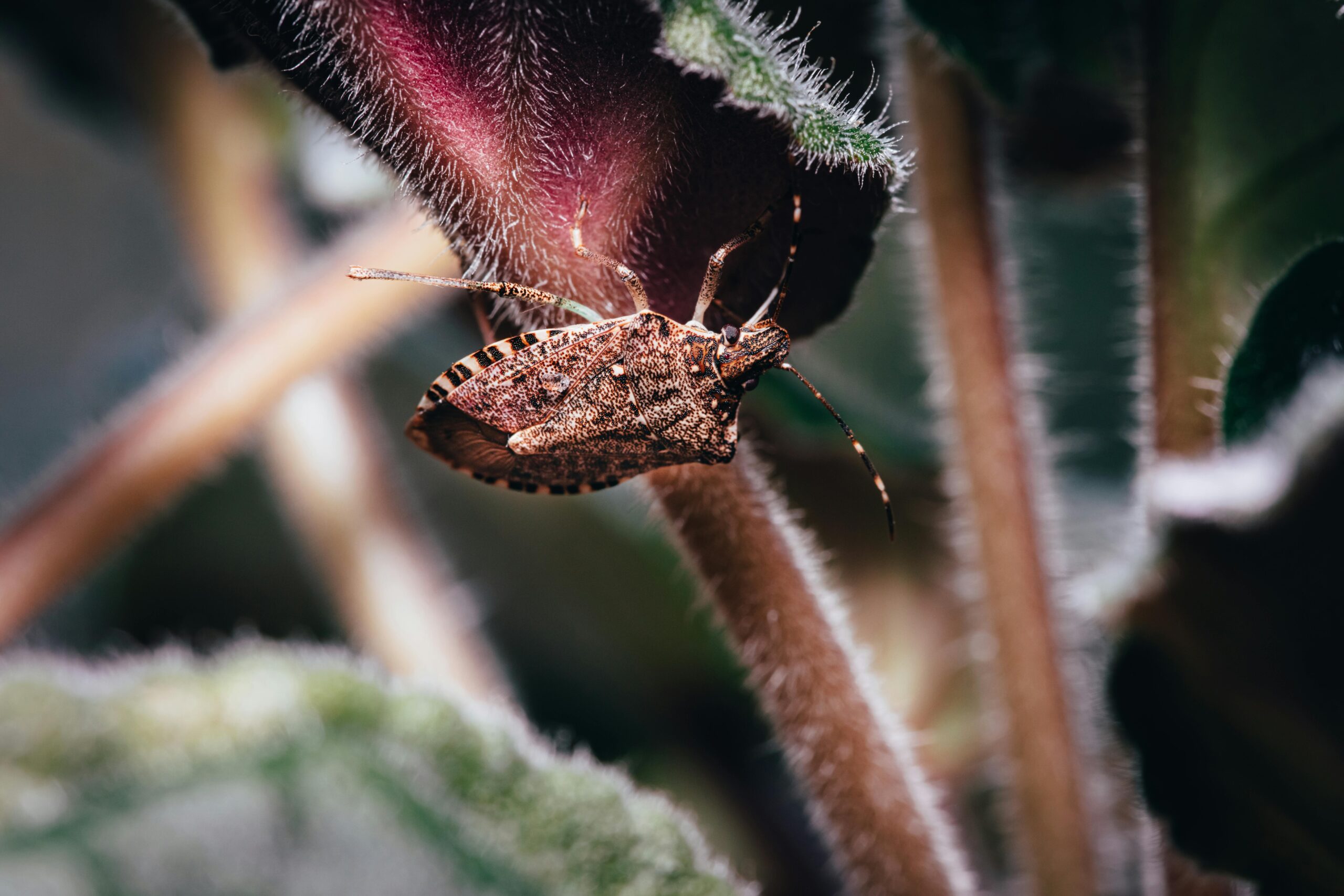
The brown marmorated stink bug (Halyomorpha halys) is an invasive shield‑bug that has become a household nuisance across the United States, especially in Georgia. Originally native to East Asia—primarily China, Japan, and Korea—this pest hitch‑hiked across continents via international trade, first appearing in the U.S. in the late 1990s. Since then, it has spread rapidly, exploiting our climate and the abundance of ornamental plants that make our gardens look inviting.

Key Identification Features
Accurate identification is the first step toward effective control. The brown marmorated stink bug is easily recognized by a handful of distinctive traits:
- Size: Adults measure roughly ½‑inch (12‑15 mm) long, about the length of a small fingernail.
- Shape: Their bodies are shield‑shaped, giving a triangular silhouette when viewed from above.
- Coloration: A mottled brown‑gray hue covers the dorsal surface, often with a faint metallic sheen.
- White “V” marking: A crisp, white, inverted “V” runs across the middle of the back, a hallmark that separates them from most native stink bugs.
- Antennae: Six segments are clearly visible; the first two are dark, while the remaining four are lighter, creating a banded appearance.
How It Differs From Native Stink Bugs
Georgia is home to several harmless stink‑bug species, such as the green stink bug (Acrosternum hilare) and the native brown stink bug (Euschistus servus). These natives lack the stark white “V” and typically display a more uniform color without the mottled pattern. Their antennae also differ in segment coloration. Misidentifying a harmless native as the invasive BMSB can lead to unnecessary pesticide use, so taking a moment to compare these visual cues saves both money and the environment.
Typical Habitats in Georgia
Understanding where the brown marmorated stink bug likes to hang out helps homeowners spot them early:
- Gardens and ornamental beds: They feed on a wide range of fruits and vegetables, from apples and peaches to tomatoes and beans.
- Outdoor lights: Like many insects, BMSB is attracted to bright lights at night, often gathering on porch fixtures or street lamps.
- Building cracks and eaves: As temperatures drop, they seek warm shelter inside homes, slipping through gaps around windows, doors, and utility entries.
Why Accurate Identification Matters
Once you know you’re dealing with the brown marmorated stink bug, you can take targeted actions that prevent damage and reduce indoor infestations. Early detection allows for:
- Spot treatment: Applying a focused insecticide to a garden hotspot limits the need for broad‑scale spraying.
- Exclusion measures: Sealing cracks and installing door sweeps keep the bugs from entering the home during fall, when they’re looking for overwintering sites.
- Professional assistance: A certified pest‑control partner, like Anthem Pest Control, can confirm the species and recommend a safe, effective management plan that aligns with Georgia’s seasonal patterns.
By learning the tell‑tale signs of the brown marmorated stink bug, homeowners gain the confidence to act quickly, protect their crops, and keep their living spaces bug‑free.
How Stink Bugs Damage Homes and Gardens in Georgia
Feeding habits that wreck plants
Brown‑marmorated stink bugs (BMSB) have piercing‑sucking mouthparts that act like tiny syringes. When they probe a leaf, stem, or fruit, they inject saliva that contains enzymes designed to break down plant tissue. The plant cells burst, the sap leaks out, and a necrotic spot forms. Over time, a single bug can turn a healthy tomato or a budding rose into a withered, unmarketable mess.
Crop and ornamental plant damage
In Georgia’s backyard gardens and commercial farms, the economic impact is stark. Tomatoes develop sunken, leathery lesions that make them unsuitable for fresh‑market sale. Corn kernels may be punctured, leading to shriveled ears and reduced yield. Fruit trees—especially peach and apple—show distorted fruit and premature drop. Even ornamental shrubs and roses are not safe; the bugs feed on buds and foliage, leaving unsightly brown patches that diminish curb appeal.
For a typical homeowner, the cost adds up quickly. A single season of damage to a vegetable garden can mean dozens of lost tomatoes, bell peppers, and beans—often translating to $200‑$400 in lost produce. Commercial growers report yield losses of up to 15 % in heavily infested fields, which can shave thousands of dollars off a harvest.
Structural concerns inside the house
Stink bugs are not content to stay outdoors. As temperatures drop, they seek warm refuge in walls, attics, and even HVAC ducts. Large aggregations can block airflow, forcing your furnace or air conditioner to work harder and raising energy bills. When a bug is crushed—whether by a footstep or a cleaning tool—it releases a potent, sulfur‑like odor that can linger for hours, staining fabrics and carpets.
In severe cases, the insects can create a “bug wall” inside insulation, reducing its R‑value and compromising the home’s thermal efficiency. Homeowners who discover a handful of bugs in their attic should assume a larger hidden population is present and act quickly.
Health considerations for families
Although stink bugs are not known to bite or transmit disease, their scent can trigger allergic reactions in sensitive individuals. The volatile compounds released when the bugs are disturbed may cause headaches, nausea, or respiratory irritation. Moreover, if a bug infiltrates a pantry and is crushed into food, the resulting odor can render the food inedible, leading to waste and potential food‑borne concerns.
Real‑world examples from Georgia
The University of Georgia Extension has documented several outbreaks in recent years. In 2023, a homeowner in Fulton County reported a “cloud” of stink bugs inside the attic, resulting in a $1,200 HVAC repair bill after the system overheated. In a neighboring peach orchard in Peach County, researchers observed a 12 % drop in fruit size directly linked to BMSB feeding, prompting growers to invest in perimeter barrier treatments.
Another case from the Georgia Southern University Extension (2022) highlighted a suburban garden where tomato yields fell by 40 % after a single summer of stink‑bug activity. The gardener’s estimate of lost produce value was $350, underscoring how quickly a pest problem can become a financial burden.
Why prompt action matters
Because stink bugs reproduce rapidly—each female can lay up to 400 eggs—the earlier infestation can explode into a full‑scale problem within weeks. The longer you wait, the more plants suffer, the higher the risk of structural intrusion, and the greater the potential health nuisances. Professional monitoring and targeted treatments from a local expert like Anthem Pest Control can stop the bugs before they establish a foothold, protecting both your garden’s harvest and your home’s comfort.
When Stink Bugs Are Most Active in Georgia
The brown marmorated stink bug (BMSB) follows a predictable rhythm that aligns tightly with Georgia’s climate. Overwintering adults seek shelter in cracks, attics, and leaf litter as temperatures dip below 50 °F. When spring temperatures rise above 60 °F, those adults emerge, mate, and lay eggs on the underside of leaves. Nymphs develop through five instars during the warm summer months, and the new generation of adults begins to disperse in late summer. As fall approaches, the bugs aggregate on sunny walls and building exteriors, preparing to find a protected spot for the winter months. Understanding each stage helps homeowners anticipate when the insects will move from outdoors to indoors.
Seasonal Activity Chart
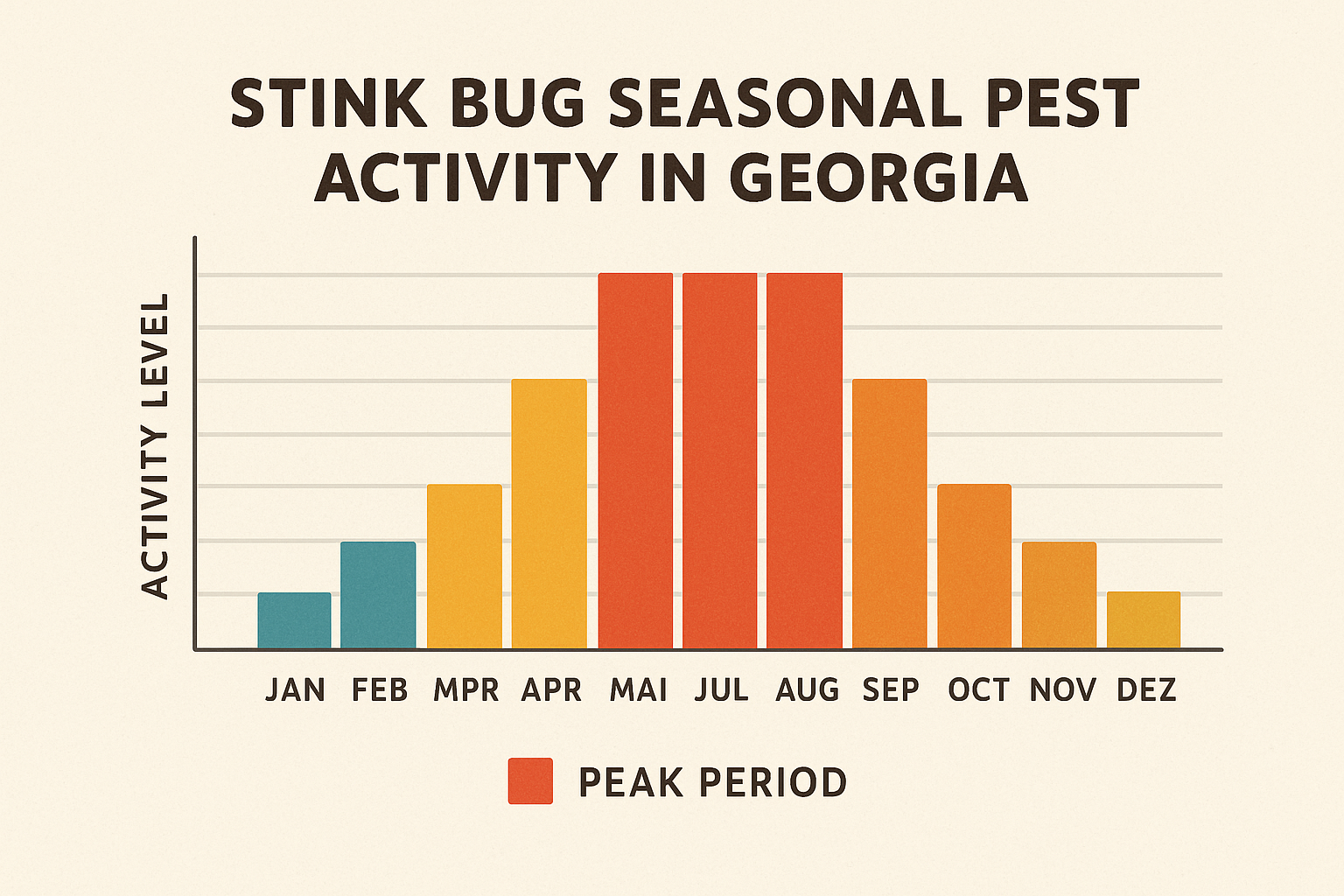
The chart above translates the life‑cycle stages into a simple month‑by‑month activity level. Low activity indicates bugs are either dormant or in early development; moderate activity signals emergence or breeding; high activity reflects the period when adults are actively searching for food and shelter.
The activity line climbs sharply once temperatures consistently exceed 70 °F, which typically occurs in early May across most of Georgia. From that point, each successive month adds another generation of adults, pushing the population to its highest density by late July.
| Month | Activity Level |
|---|---|
| January | Low (overwintering) |
| February | Low |
| March | Moderate (spring emergence) |
| April | Moderate |
| May | High (breeding begins) |
| June | High |
| July | High (peak indoor invasions) |
| August | High |
| September | High |
| October | Moderate (fall aggregation) |
| November | Moderate |
| December | Low |
Peak Months for Indoor Invasions
July through September are the critical window when stink bugs are most aggressive about seeking shelter inside homes. Warm summer nights drive them toward bright indoor lights, and the dwindling food sources in the garden push them to explore walls, window frames, and any tiny opening they can find. Typical signs include small brown insects gathering on sun‑lit windows, a faint odor when they are crushed, and occasional stains on walls from their defensive secretions. Homeowners who notice a sudden increase in bugs during these months should assume the population is at its zenith and act quickly.
Seasonal Monitoring Tips
Staying ahead of the infestation starts with regular checks. Here are four low‑cost methods that work well in Georgia:
- Visual inspections: Scan exterior walls, eaves, and siding each week from March onward. Look for clusters of bugs or shed exoskeletons.
- Light traps: Position a simple UV light trap near a door or window at night. Trapped bugs give you a clear indication of population buildup.
- Door sweeps: Install or replace door sweeps on all exterior doors. They block the narrow gaps that stink bugs love to slip through.
- Sticky traps and indoor plant checks: Place adhesive traps near known entry points and inspect houseplants for early‑stage nymphs.
Timing Professional Treatments for Maximum Efficacy
Because BMSB activity spikes in midsummer, the most effective professional intervention is a pre‑emptive perimeter treatment applied in late May or early June. This creates a chemical barrier just as the bugs begin to disperse, reducing the number that can breach the home later in July. A follow‑up indoor treatment in late August—when the indoor population is at its peak—helps eliminate any stragglers that have already entered. Coordinating your service schedule with the seasonal timeline outlined above gives Anthem Pest Control the best chance to keep your home bug‑free.
DIY vs Professional Control: Costs and Effectiveness
What homeowners typically try themselves
Most homeowners start with the tools that are already in the garage or can be bought at the local big‑box store. Common do‑it‑yourself (DIY) approaches include:
- Vacuuming – pulling visible insects, eggs, and larvae from carpets, cracks, and upholstery.
- Insecticidal soaps – spraying a diluted solution on soft‑bodied pests such as aphids, whiteflies, and some indoor ants.
- Homemade traps – using sugar‑water, dish soap, or sticky boards to lure and capture roaches, fruit flies, or pantry insects.
- Over‑the‑counter (OTC) sprays – aerosol or liquid products that claim “instant kill” for ants, spiders, and occasional cockroach sightings.
Why DIY often falls short
While these methods can reduce a small, isolated nuisance, they rarely eradicate an established infestation. The main limitations are:
- Incomplete coverage – Sprays and traps only reach exposed surfaces; hidden nests behind walls, under sub‑flooring, or within insulation stay untouched.
- Resistance buildup – Repeated use of the same OTC chemicals can select for resistant pest populations, making future treatments even less effective.
- Safety concerns – Household members, especially children and pets, may be exposed to improperly applied chemicals or inhaled residues.
- Time and consistency – Effective DIY control often requires daily monitoring and re‑application, which can quickly become impractical for busy homeowners.
What a licensed professional brings to the table
Professional pest‑control companies, like Anthem Pest Control, follow a systematic process that addresses the root cause rather than just the visible symptoms:
- Comprehensive inspection – Trained technicians identify species, entry points, and breeding sites using specialized tools and knowledge of local pest behavior.
- Targeted residual treatments – EPA‑registered products are applied in precise locations (e.g., baseboards, voids, perimeters) to provide weeks or months of protection.
- Follow‑up visits – Most plans include one or two post‑treatment checks to ensure the population is suppressed and to adjust the strategy if needed.
- Warranty options – Homeowners receive guarantees that cover re‑treatment within a set period, giving peace of mind and protecting the investment.
Cost comparison at a glance
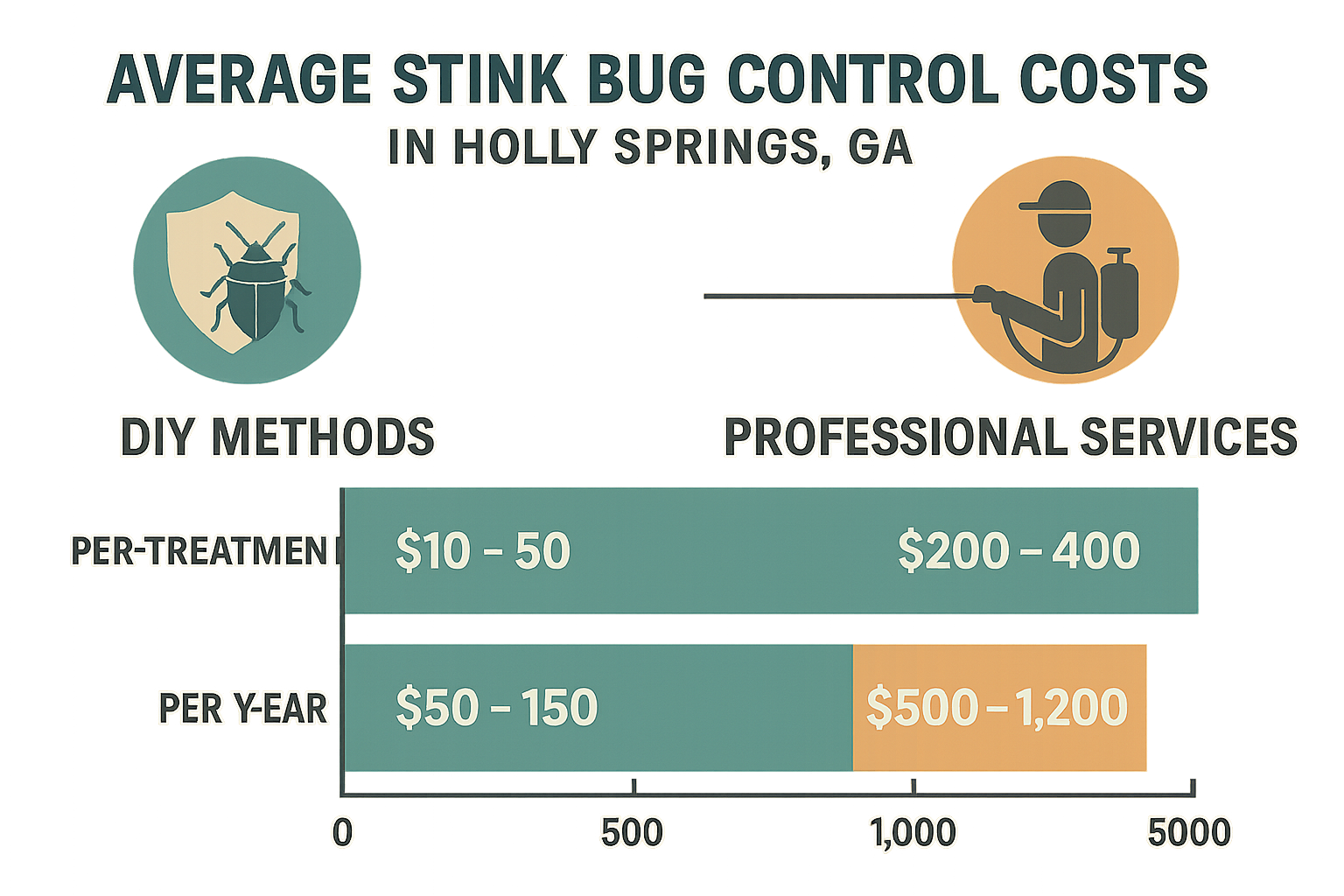
The infographic above breaks down typical price ranges for the most common treatments in Holly Springs, GA. A single OTC spray kit may cost $10‑$25, but multiple applications are often required, pushing an annual DIY budget to $60‑$120 for a moderate infestation. In contrast, a professional “single‑visit” ant or roach treatment averages $150‑$250, while an annual service contract (including quarterly follow‑ups and a warranty) runs $350‑$500. Although the upfront cost is higher, the professional route usually eliminates the need for repeated purchases and reduces the risk of re‑infestation.
Decision‑making guide: is DIY enough for you?
Before you decide, weigh these key factors against your specific situation:
- Infestation level – A few stray ants may be handled DIY, but a visible colony, multiple pest types, or recurring sightings signal professional intervention.
- Property size and layout – Larger homes, multi‑unit buildings, or properties with extensive crawl spaces give pests more hiding places that DIY methods can’t reach.
- Health sensitivities – If anyone in the household has asthma, allergies, or chemical sensitivities, a licensed technician can apply low‑impact, targeted products safely.
- Time commitment – Consider whether you can realistically maintain daily trap checks, re‑sprays, and thorough cleaning routines.
- Long‑term cost – Factor in the hidden expenses of repeated OTC purchases, potential property damage, and lost peace of mind.
By matching the severity of the problem with your budget, health considerations, and willingness to invest time, you can choose the most effective path forward—whether that’s a disciplined DIY regimen or the comprehensive protection offered by Anthem Pest Control.
Professional Treatment Options and Prevention Strategies

Primary Professional Treatments Used by Anthem Pest Control
When pests infiltrate a home, a targeted, science‑based approach is essential. Anthem Pest Control relies on three core treatment modalities that address both immediate infestations and lingering threats. Perimeter sprays create a protective barrier around the foundation, crawl spaces, and exterior walls, deterring insects and rodents before they can cross the threshold. Inside the home, indoor residual applications are strategically placed on baseboards, cracks, and voids; these low‑volume formulations continue to work for weeks, killing pests that wander onto treated surfaces. For species that thrive on food sources—such as ants, cockroaches, and rodents—bait stations are positioned in discreet locations, offering a slow‑acting poison that the pests carry back to their colonies, effectively collapsing the infestation from within.
Safety Protocols: Protecting Your Family and Our Technicians
Every Anthem technician is equipped with industry‑standard protective gear, including gloves, goggles, and respirators, ensuring safe handling of all chemicals. Our formulations prioritize low toxicity without sacrificing efficacy; many are derived from naturally occurring ingredients that break down quickly in the environment. All products are EPA‑approved and rigorously tested for residential use, so you can trust that the treatment won’t linger on surfaces where children or pets play. We also follow strict application guidelines—such as limiting drift, using calibrated sprayers, and adhering to re‑entry intervals—so the home returns to normal use as soon as the job is complete.
Step‑by‑Step of a Typical Service Visit
- Inspection: Our technician conducts a thorough walkthrough, identifying pest hotspots, entry points, and any conditions that may be encouraging activity.
- Customized Treatment Plan: Based on the inspection, we recommend a blend of perimeter sprays, indoor residuals, and bait stations tailored to the specific species and severity of the problem.
- Application: Using calibrated equipment, we apply the chosen products, taking care to respect your home’s layout and any sensitive areas.
- Post‑Treatment Advice: After the work is done, we provide clear instructions—such as keeping children and pets away from treated zones for a short period, removing food sources, and monitoring for any re‑emergence.
Long‑Term Prevention Tactics for Homeowners
Professional treatment is only part of the solution; lasting protection hinges on eliminating the conditions that invite pests. Start by sealing entry points: caulk gaps around windows, doors, and utility penetrations, and install door sweeps to block crawling insects. Landscape maintenance is equally vital—trim vegetation away from the foundation, keep mulch at least six inches from the house, and remove standing water that can attract mosquitoes and rodents. Proper exterior lighting, especially yellow or sodium‑vapor bulbs, discourages nocturnal insects while still illuminating pathways. Finally, schedule regular inspections (at least twice a year) to catch early signs of activity before they become full‑blown infestations.
Benefits of a Service Contract with Anthem Pest Control
Homeowners who opt for a service contract enjoy peace of mind and tangible savings. A contract guarantees scheduled treatments—typically quarterly or seasonally—so your property stays protected year‑round without the need to remember each appointment. Ongoing monitoring allows our technicians to track pest trends, adjust treatment strategies, and intervene early if new threats appear. Additionally, contracts lock in current pricing, shielding you from unexpected rate hikes and providing a transparent, predictable cost structure. In short, a service contract turns a reactive pest response into a proactive, cost‑effective maintenance plan.
Protect Your Home Today with Anthem Pest Control
By now you’ve learned how to spot stink bugs, why they can damage crops and indoor spaces, and the seasonal windows when they’re most active. You also saw why DIY sprays often fall short—missing hidden entry points, risking unsafe chemicals, and leaving you vulnerable to repeat invasions.
- Identification: Recognize the shield‑shaped stink bug and its tell‑tale scent.
- Damage potential: From ruined gardens to stained walls, the cost adds up fast.
- Seasonal timing: Early summer is the prime window for treatment.
- Professional edge: Trained technicians locate nests, apply low‑toxicity solutions, and set up preventative barriers.
Anthem Pest Control brings Georgia‑wide expertise, using EPA‑approved, pet‑friendly products that protect your family while eradicating pests. Our pricing is transparent—no hidden fees, just a clear, affordable quote.
If you’re seeing stink bugs inside or worried about future invasions, let our certified technicians handle it. We’ll assess your home, tailor a treatment plan, and give you peace of mind.
Call us today at 877‑371‑8196 for a free, no‑obligation quote. Our friendly team is ready to schedule a same‑day inspection.
Ready to safeguard your home? Visit Anthem Pest Control for more details and to book your service.