What Are Carpet Beetles and Why They Matter
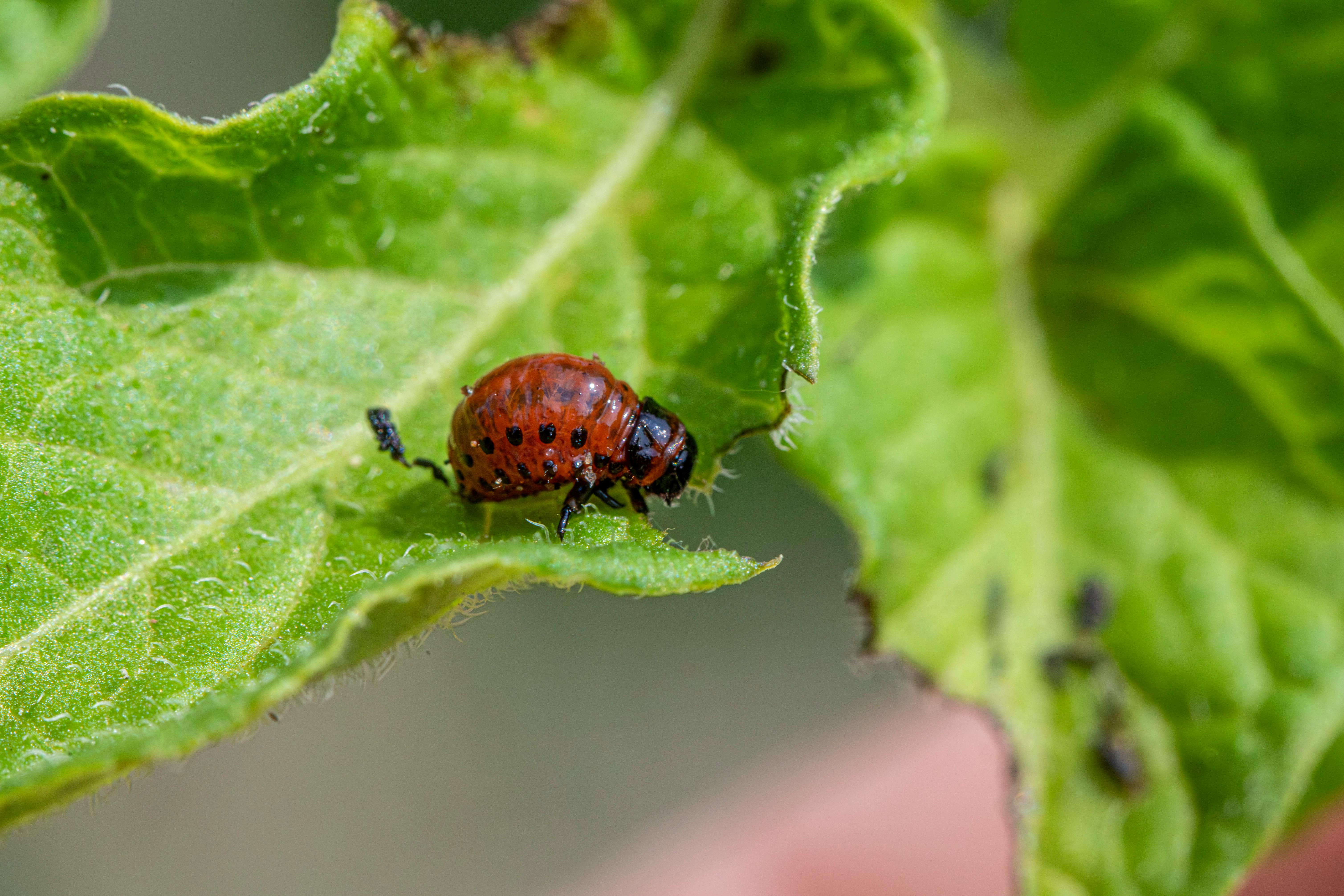
Carpet beetles are small, oval-shaped insects that belong to the family Dermestidae and are commonly identified during a carpet beetle inspection Suwanee homeowners schedule after noticing fabric damage. In Suwanee homes, you’ll most often encounter the varied carpet beetle (Anthrenus verbasci) and the black carpet beetle (Attagenus unicolor). Both species are harmless to people and pets, but their larvae love to gnaw on natural fibers, turning cherished textiles into a patchwork of holes.
Life Cycle – From Egg to Adult
The carpet beetle’s development follows four distinct stages:
- Egg: A female lays 50‑100 eggs in hidden crevices, often near a food source such as wool or fur.
- Larva: The grub stage lasts 6‑12 months (sometimes longer) and is when the damage occurs. Larvae are covered in bristly hairs that can trigger allergic reactions.
- Pupa: After the larva is ready to transform, it spins a cocoon and remains dormant for a few weeks.
- Adult: Fully formed beetles emerge, live for 2‑4 weeks, and focus on mating. Adults rarely feed on fabrics; they prefer pollen and nectar outdoors.
Where They Hide Inside Your Home
Carpet beetles are opportunistic indoor dwellers. Common hotspots include:
- Carpets and area rugs, especially those made of wool or blends.
- Upholstered furniture and cushion seams.
- Stored clothing, blankets, and curtains tucked away in closets.
- Pet bedding, especially where fur accumulates.
- Attics and basements where dust and dead insects collect.
Why Homeowners Should Care
Even though carpet beetles don’t bite or spread disease, they pose three serious concerns for homeowners:
- Textile Damage: Larvae chew through wool, silk, cotton, and even leather, leaving unsightly holes that can ruin heirloom quilts or expensive furniture.
- Allergen Production: Shed skins and fecal pellets become airborne, aggravating asthma and causing skin irritation for sensitive residents.
- Hidden Nature: Because damage appears gradually and the insects are tiny, infestations often go unnoticed until the destruction is extensive.
Quick Fact Box
| Fact | Detail |
|---|---|
| Average time to visible damage | 12–24 months of larval feeding |
| Number of eggs per female | 50–100 |
| Larval lifespan | 6–12 months (can extend in cool conditions) |
| Preferred temperature range | 70–80°F (21–27°C) |
| Common hiding spots | Carpets, upholstery, stored fabrics, pet bedding |
Understanding these basics helps you spot the early signs of an infestation—tiny irregular holes in fabrics, a fine powdery residue, or the occasional adult beetle fluttering near windows. When you notice any of these clues, it’s time to call a professional like Anthem Pest Control. Our trained technicians can confirm the presence of carpet beetles, assess the extent of damage, and implement a safe, targeted treatment plan to protect your home and your family.
Recognizing Carpet Beetle Signs in Your Home
Visual clues you can’t ignore
Carpet beetles are tiny—usually 2‑5 mm long—and sport a mottled brown or black pattern that can blend into dark fabrics. Spotting a few adult beetles crawling along baseboards, window sills, or the edges of a rug is often the first warning sign. Their larvae look like miniature, hairless caterpillars with a slightly curved, segmented body; they may be tan, brown, or even a faint yellow.
Another giveaway is the presence of shed skins. As the larvae grow, they molt, leaving behind thin, translucent exoskeletons that look like delicate, papery flakes. These skins often accumulate near closets, under sofas, or in the corners of storage boxes.
Evidence of feeding
Carpet beetle larvae feast on natural fibers—wool, silk, fur, and even feathers. Look for irregular, round holes in sweaters, blankets, or upholstery; the damage is usually scattered rather than neat rows. Alongside the holes, you may notice yellow‑brown stains where the larvae have excreted digestive enzymes, especially on wool or silk items.
In severe cases, entire sections of a carpet can appear thinned out, giving the floor a “worn‑away” look. This type of damage is distinct from the clean, linear cuts made by moth larvae, which tend to follow the grain of the fabric.
Dead insects and frass
Finding dead beetles or a fine, powdery residue (known as frass) near windows, closets, or under furniture is another red flag. Frass looks like a light dusting of sand and is composed of larval excrement and shed skin fragments. Because carpet beetles prefer warm, undisturbed areas, you’ll often see these clues in dark corners, behind baseboards, or inside rarely used storage chests.
How to differentiate carpet beetles from other pests
- Clothes moths: Moth larvae create silky tunnels and tend to damage only the surface of fabrics, leaving a web‑like residue. Their adult moths have delicate, feather‑like wings, unlike the solid, beetle‑shaped adults.
- Silverfish: Silverfish are elongated, fish‑shaped insects that move in a rapid, wiggling motion. They feed on starches and glue, not on natural fibers, and they leave behind silvery scales rather than shed skins.
- Carpet beetles: The adults are rounded and robust, while the larvae are short, cylindrical, and lack the silvery scales of silverfish. Feeding damage appears as irregular holes with yellow‑brown stains, not the clean cuts of moths.
Simple DIY inspection steps
- Gather a flashlight and a magnifying glass. Good lighting reveals tiny beetles and shed skins that are easy to miss in dim corners.
- Check high‑risk areas. Inspect closets, under beds, behind baseboards, and inside storage bins. Pay special attention to any fabric items that have been untouched for months.
- Run your hand over carpets and rugs. Feel for soft, irregular patches where fibers may be missing. If you detect a fine powder, note its location for later treatment.
- Examine clothing and upholstery. Look for tiny holes, stained spots, and any dead beetles clinging to seams or folds.
- Document your findings. Take photos of any evidence and write down where you found it. This information will help a professional pest technician target the infestation more efficiently.
If you notice several of these signs during your walk‑through, it’s time to act before the larvae cause irreversible damage. While a diligent homeowner can often contain a light infestation, a professional inspection ensures hidden colonies are identified and treated safely.
How Carpet Beetles Damage Property and What to Look For
Textile damage
Carpet beetle larvae are voracious eaters of natural fibers. As they chew, the once‑soft yarns become brittle and lose tensile strength, leading to a gradual weakening of the material. Homeowners often notice a faint, chalky discoloration that starts as tiny specks and expands into larger, uneven patches. Over weeks or months, these spots turn into visible holes—especially in high‑traffic carpet areas, blankets, wool clothing, and upholstered furniture. The damage is not merely cosmetic; weakened fibers can unravel, causing seams to split and entire sections of a rug or sofa to become unusable.
Structural concerns
While carpet beetles are best known for attacking fabrics, their larvae will also feed on any cellulose‑based material that contains keratin or other natural proteins. In homes with older insulation made of cellulose or wood paneling that includes animal‑based adhesives, larvae can tunnel beneath the surface. This secondary feeding creates tiny voids that, over time, reduce the insulating value of walls and ceilings. In extreme cases, the compromised insulation can lead to moisture buildup, encouraging mold growth or even weakening structural supports if the infestation persists unchecked for years.
Health considerations
Beyond material damage, carpet beetles pose a hidden health risk. The insects shed tiny scales and exuviae (shed skins) that contain allergenic proteins. When these particles become airborne, they can trigger asthma attacks, especially in sensitive individuals, and cause skin irritation or rashes upon contact. Even if the beetles themselves are not biting, the cumulative exposure to their waste products can degrade indoor air quality, making it harder for homeowners with respiratory conditions to breathe comfortably.
Economic impact
The financial toll of a carpet beetle infestation can add up quickly. Replacing a damaged area rug or a set of wool blankets can cost several hundred dollars, while upholstery repairs often run into the thousands if the frame or padding is affected. Insulation damage may require professional assessment and replacement, further increasing expenses. By contrast, a targeted inspection and early treatment program—often a few hundred dollars—can prevent the need for costly replacements and protect the home’s resale value.
Real‑world damage timeline
Consider the typical scenario of a homeowner in Suwanee who first spots a few small, irregular holes in a bedroom carpet. At that moment, the infestation is likely only a few weeks old; larvae are just beginning to feed on the carpet fibers. Within a month, the holes enlarge, and neighboring blankets start showing faint discoloration. Six weeks later, the carpet’s backing begins to fray, and a faint, musty odor appears as larvae excrete waste. By the three‑month mark, the carpet is riddled with holes, the bedroom’s insulation shows signs of thinning, and family members experience increased allergy symptoms. Without professional intervention, the homeowner could face replacement costs exceeding $2,000, plus the hidden expense of potential structural repairs.
Effective Treatment Methods and Prevention Strategies
Professional Treatment Options
When carpet beetles have taken hold, a licensed exterminator—often called in after a carpet beetle inspection Suwanee homeowners trust—can deliver the fastest, most thorough results. The first step is a deep vacuum of carpets, rugs, and upholstery to remove larvae, shed skins, and eggs hidden in the fibers. Follow-up steam cleaning penetrates deeper than hot water alone, killing any remaining insects without damaging delicate fabrics. For persistent hotspots, technicians apply EPA-registered insecticide sprays directly to baseboards, vents, and storage areas where beetles like to hide. In extreme infestations—such as a whole house colonized over years—fumigation may be necessary to saturate every nook with a controlled gas, ensuring no beetle survives the treatment.
DIY Methods
Homeowners can tackle early‑stage problems with a few low‑cost, low‑risk techniques. Heat treatment is one of the most reliable: wash washable fabrics in water hotter than 120°F (49°C) for at least 30 minutes, then tumble‑dry on high heat. The temperature is lethal to all life stages of carpet beetles. For items that can’t be laundered, place them in a freezer set to 0°F (‑18°C) for a minimum of 72 hours; the prolonged cold kills larvae and pupae. In crawl spaces and under floorboards, sprinkle a thin layer of food‑grade diatomaceous earth. This natural powder abrades the beetles’ exoskeletons, dehydrating them without chemicals.
Safety Notes
Whether you hire a pro or go DIY, safety should never be an afterthought. Always verify that any insecticide used is EPA‑registered and labeled specifically for carpet beetles. Follow the product’s label instructions to the letter—incorrect dilution or over‑application can create health hazards for you, your family, and pets. Ensure the treated area is well‑ventilated during and after application; open windows and run fans to disperse fumes. For detailed guidance on pesticide use, consult the EPA pesticide information page, which outlines proper handling, storage, and disposal practices.
Ongoing Prevention
Consistent housekeeping is the cornerstone of long‑term carpet beetle control. Vacuum high‑traffic carpet areas at least once a week, paying special attention to seams, under furniture, and along baseboards where shed skins accumulate. Schedule a professional steam cleaning annually to break the life cycle before eggs can hatch. Store seasonal clothing, blankets, and wool items in airtight containers or vacuum‑sealed bags; avoid cardboard boxes that provide easy entry points. Seal cracks, gaps around windows, and utility openings with caulk or expanding foam to deny beetles easy access to indoor spaces. In closets or storage chests, consider placing cedar blocks or mothballs—used sparingly and according to label directions—to create an unfriendly environment for larvae.
When to Call a Professional
If you notice a sudden increase in beetle activity despite regular cleaning, or discover damage to multiple fabric items in a short period, it’s a clear sign that the infestation has outpaced DIY measures. Other red flags include finding live larvae in hard‑to‑reach places like HVAC ducts, wall cavities, or under floor joists. When carpet beetles appear in large numbers across several rooms, or when you’re dealing with delicate, valuable textiles that can’t withstand heat or chemical treatments, professional expertise is essential. A certified technician can conduct a full‑home inspection, identify hidden hotspots, and apply targeted treatments that safely eradicate the colony while preserving your belongings.
Pricing Options and Seasonal Activity for Carpet Beetles in Suwanee, GA
Service Tier Breakdown
Basic: Includes a thorough visual inspection and a single spot‑treatment using a low‑impact insecticide. One follow‑up visit is scheduled within 30 days to verify results.
Standard: Adds a full‑home spray, treatment of identified hotspots, and two follow‑up visits (30‑day and 60‑day). This tier also covers a preventative barrier around exterior doors and windows.
Premium: Our most comprehensive package. It features the Standard services plus a deep‑cleaning of infested fabrics, a heat‑treatment for stubborn larvae, and unlimited follow‑up visits for six months. Premium customers also receive a yearly pest‑monitoring kit.
Average Monthly Pricing Ranges
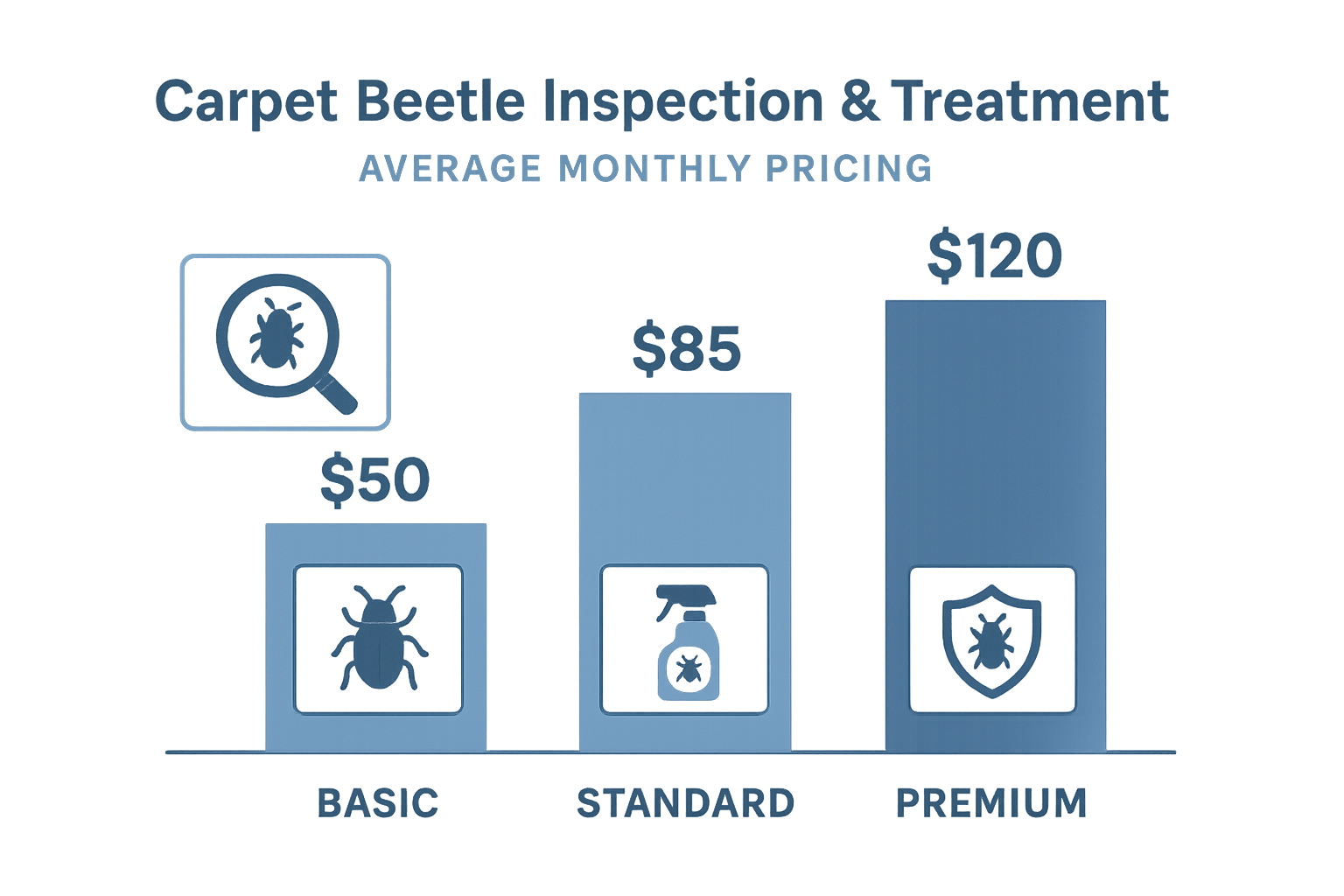
Based on the infographic above, carpet beetle inspection Suwanee homeowners schedule typically reveals the following monthly costs:
- Basic: $45 – $70 per month
- Standard: $80 – $120 per month
- Premium: $150 – $200 per month
All tiers are billed monthly, but you can also choose a one‑time upfront payment for a discount of up to 10 %.
What Influences the Cost
Several factors can shift the price within each tier:
- Home size – Larger square footage requires more product and longer labor time.
- Infestation severity – Heavy infestations may need additional treatments, such as heat or fogging.
- Choice of chemicals – Eco‑friendly or low‑toxicity options are slightly pricier than conventional sprays, but they protect pets and children.
- Access points – Homes with many crawl‑spaces or attics may need extra sealing work.
Our technicians assess these variables during the initial walk‑through, then present a transparent quote before any work begins.
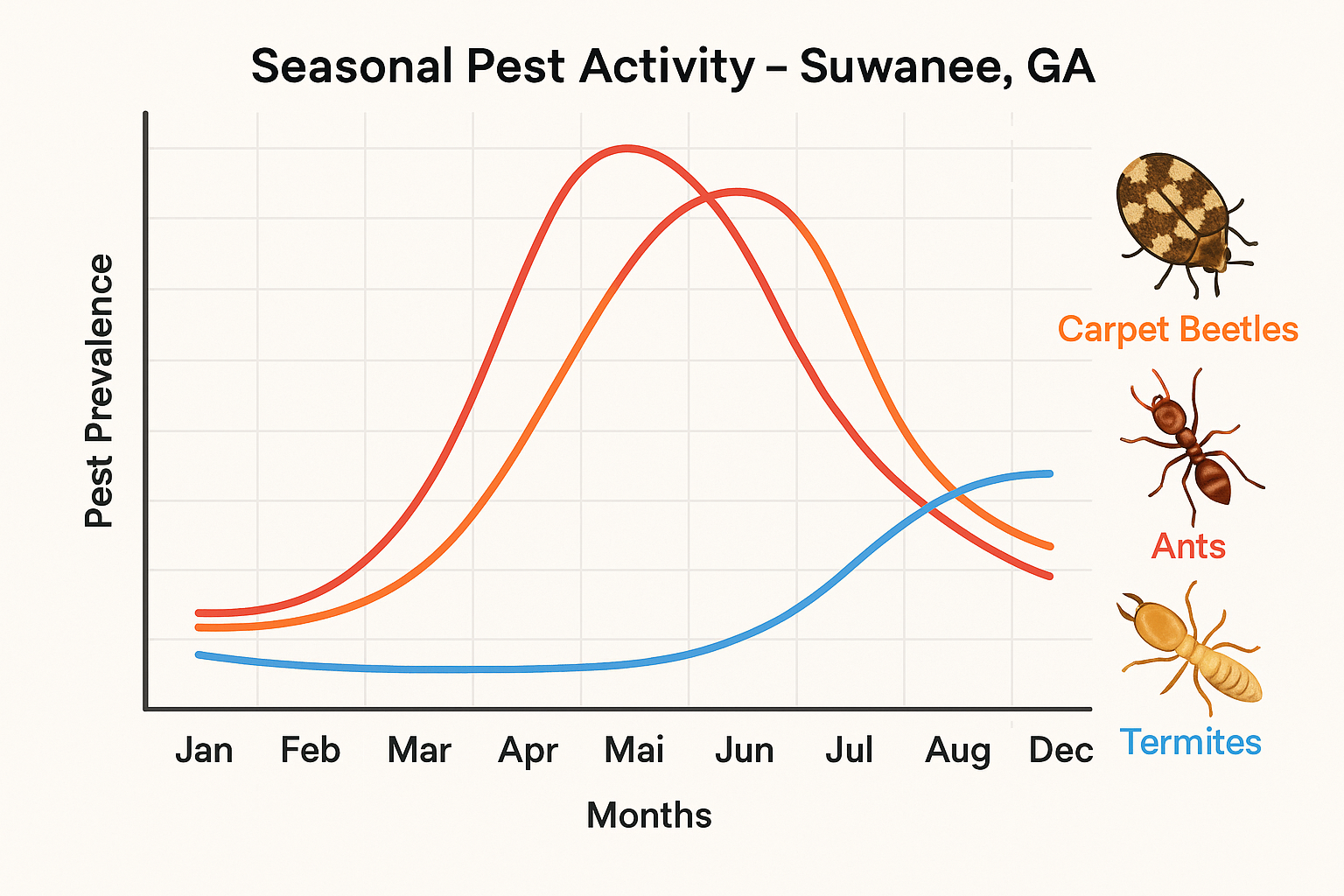
Seasonal Pest Activity in Suwanee
| Pest | Peak Months |
|---|---|
| Carpet Beetles | April – June, September – November |
| Ants | May – October |
| Termites | March – July |
Optimal Treatment Windows
For carpet beetles, the most effective times to act are early spring (late March to early May) and late fall (late October to early December). Treating during these windows catches the insects before they lay eggs inside carpets, blankets, or stored foods.
Scheduling your service in these periods also aligns with the natural lull in ant and termite activity, allowing our technicians to focus on carpet beetles without competing pest pressures.
If you notice signs—such as small holes in fabrics, shed skins, or a musty odor—don’t wait for the next peak. Contact Anthem Pest Control at 877‑371‑8196 for a rapid inspection; early intervention can keep costs in the Basic or Standard range and prevent a costly Premium escalation later.
Protect Your Home with Anthem Pest Control Today
Carpet beetles may seem harmless at first, but an unchecked infestation can chew through natural fibers, damage cherished belongings, and trigger allergic reactions. Catching the problem early means you can stop the damage before it spreads, keep your home’s aesthetic intact, and avoid costly repairs down the line. Prompt, professional treatment is the most reliable way to protect both your family’s health and your investment.
Why Choose Anthem Pest Control?
- Local expertise: Our technicians know the specific pest pressures in Suwanee, GA, and tailor solutions that work.
- Safe, affordable solutions: We use EPA‑approved products that are effective against carpet beetles while being safe for children and pets.
- Transparent pricing: No hidden fees—what we quote is what you pay, and you’ll receive a detailed breakdown before any work begins.
- Comprehensive service: From inspection to treatment and follow‑up prevention, we handle the entire process so you don’t have to worry.
Ready to see how easy it is to safeguard your home? We offer a free, no‑obligation quote that includes a thorough inspection, a customized treatment plan, and a clear price estimate. Simply give us a call at 877‑371‑8196 or fill out the request form on our website, and one of our friendly specialists will schedule a convenient time to visit.
Taking action today means peace of mind tomorrow. A quick call or click now can prevent months of hidden damage, protect your family’s health, and keep your home looking its best. Don’t let carpet beetles turn a cozy living space into a hidden hazard—let Anthem Pest Control handle the problem so you can focus on what matters most.
Visit Anthem Pest Control to learn more about our services and to request your free quote for a carpet beetle inspection Suwanee homeowners can trust.