
Why Rats Are a Growing Threat to Homeowners
Common Rat Species in U.S. Neighborhoods
Two species dominate residential infestations that often require rat control Druid Hills homeowners can rely on: the roof rat (Rattus rattus) and the Norway rat (Rattus norvegicus). Roof rats prefer attics, eaves, and upper-story vegetation, slipping in through tiny gaps in siding or roofing. Norway rats are ground-dwelling, often entering basements, crawl spaces, and foundations via sewer lines or foundation cracks. Both adapt quickly to urban environments, making professional rat control Druid Hills services a year-round necessity for homeowners.
Health Hazards: Diseases and Contamination
Rats are vectors for a suite of serious illnesses. Leptospirosis, spread through urine‑contaminated water, can cause flu‑like symptoms and kidney damage. Hantavirus, carried in rodent droppings and saliva, poses a fatal respiratory risk if aerosolized. Beyond these, rats can transmit salmonella, rat‑bite fever, and even plague under the right conditions. Their habit of gnawing food containers, pantry items, and kitchen surfaces turns a simple snack into a potential health crisis.
Structural Damage: More Than Just Chewed Wires
Rats have incisor teeth that never stop growing, so they gnaw relentlessly to keep them trimmed. This leads to chewed electrical wiring, creating fire hazards that can devastate a home. Insulation, drywall, and even concrete foundations are not safe; a single rat can tunnel through insulation, compromise wall integrity, and undermine a foundation’s stability. The damage is often hidden until it becomes costly to repair.
Economic Impact: Hidden Costs Add Up
Repair bills for wiring, insulation, and structural reinforcement can quickly climb into the thousands. Homeowners also lose stored goods—canned foods, fabrics, and valuable documents—that rats contaminate beyond salvage. Increased utility bills are a silent side effect; damaged insulation forces heating and cooling systems to work harder, inflating energy costs. In aggregate, a small infestation can cost a family far more than a professional treatment.
Why DIY Solutions Frequently Miss the Mark
Over‑the‑counter traps and poison baits may catch a few rats, but they rarely eradicate an established population. DIY methods often ignore proper placement, timing, and sanitation, allowing survivors to rebound quickly. Moreover, misuse of rodenticides can pose legal and safety risks, especially in homes with children or pets. Professional technicians bring a systematic approach—inspection, targeted baiting, and exclusion—that addresses the problem at its source.
The Value of Professional Expertise
Licensed pest‑control specialists follow EPA‑approved rodenticide guidelines, ensuring chemicals are applied safely and effectively. They conduct a thorough inspection to locate entry points, seal gaps, and recommend structural modifications that deter future invasions. By leveraging industry‑standard tools and knowledge, professionals reduce the likelihood of re‑infestation and protect homeowners from accidental exposure.
Regulatory Guidance on Rodenticides
The U.S. Environmental Protection Agency (EPA) mandates strict labeling, handling, and disposal procedures for all rodenticides. Compliance with these guidelines protects occupants, non‑target wildlife, and the environment. Homeowners should never attempt to mix or apply EPA‑regulated products without proper training; doing so can result in fines or health hazards. Trusting a certified technician guarantees that EPA standards are met every step of the way.
Spotting Rat Activity in and Around Your Home
Visual clues you can’t afford to miss
Rats leave a trail of evidence that is surprisingly easy to spot once you know what to look for. Their droppings are the most reliable indicator. A fresh rat pellet is about the size of a grain of rice—roughly ¼ inch long and ⅛ inch wide—and has a pointed tip. Look for these tiny, dark specks along baseboards, behind appliances, and in pantry corners. A cluster of droppings usually means a rat is traveling a well‑used pathway.
Gnaw marks tell a similar story. Rats need to keep their teeth from over‑growing, so they chew on anything they can—wood, plastic, wiring, and even drywall. Fresh gnaw marks appear shiny and have clean, straight edges; older ones become ragged and may be covered in rust if they’ve chewed metal.
Grease or oily trails appear as dark, smudgy lines along walls, especially near food sources. These are the result of a rat’s oily fur rubbing against surfaces as it scurries by. Rub marks—thin, whitish streaks left by a rat’s tail or whiskers—often show up on smooth surfaces like cabinets or metal shelving.
Behavioral signs that scream “rat activity”
Rats are nocturnal, so the first audible clue is often a chorus of scratching, scurrying, or squeaking after dark. Listen for light tapping in attics or crawl spaces, especially when the house is quiet. Nesting material is another giveaway; rats gather shredded paper, fabric, insulation, or dried plant matter to build their nests. Find bundles of soft, chewed‑up material tucked into hidden corners, under appliances, or inside wall voids.
Burrow entrances are usually small, round holes about ½ inch in diameter. They’re commonly found along the foundation, under decks, or near garden beds. A fresh burrow will have loose soil or sawdust piled nearby, indicating active excavation.
How to inspect high‑risk areas
- Attic: Check insulation, joists, and corners for droppings, gnaw marks, and shredded nesting material.
- Crawl spaces: Shine a flashlight along the joist bays; look for grease trails on beams and small holes in the floor joists.
- Basement: Examine stored boxes, laundry hampers, and pipe openings for droppings and gnaw damage.
- Kitchens: Pull out appliances and inspect behind the refrigerator, stove, and pantry shelves for droppings and gnaw marks on wiring.
- Outdoor sheds and garages: Look for burrow entrances near the foundation, and check stored garden tools for gnaw marks.
What a close‑up photo reveals
Below is a high‑resolution image that highlights the size, shape, and texture of rat droppings, as well as the distinctive pattern of fur that can cling to surfaces. Use this visual reference when you’re scanning dark corners or tight spaces.

Quick weekly inspection checklist for homeowners
- Walk the perimeter of your home and note any fresh burrow holes or piles of sawdust.
- Inspect attic insulation and joists for droppings, gnaw marks, or shredded material.
- Check kitchen cabinets, pantry shelves, and behind appliances for droppings and grease trails.
- Examine basements and crawl spaces for small holes, droppings, and signs of nesting.
- Look at outdoor sheds, garage shelves, and garden beds for burrow entrances and chewed‑up items.
- Listen for nighttime scratching or scurrying sounds; note any new noises.
- Record findings in a simple log so you can track patterns and share accurate information with a professional if treatment becomes necessary.
Professional Rat Extermination Methods
When a rat infestation takes hold, a homeowner’s first instinct is often to grab a DIY kit from the hardware store. While that approach can feel empowering, it rarely delivers lasting results and can create safety hazards. Licensed pest‑control professionals follow an Integrated Pest Management (IPM) framework that blends inspection, monitoring, mechanical control, chemical treatment, and exclusion—all tailored to the unique layout of your Druid Hills home. The IPM mindset keeps the focus on long‑term prevention rather than a quick, temporary fix.
Integrated Pest Management (IPM) for Rodents
IPM begins with a thorough inspection to identify entry points, nesting sites, and food sources. Technicians map high‑traffic pathways—often along walls, behind appliances, and in attics—so every subsequent action targets the rat’s preferred routes. From there, a combination of non‑chemical and chemical tactics is deployed, each chosen for its efficacy and safety. The result is a layered defense that reduces the likelihood of re‑infestation while minimizing pesticide exposure to people and pets.
Trapping Strategies: Snap, Live‑Catch, and Bait Stations
Mechanical control remains the backbone of professional rat management. Technicians select from three primary trap types, positioning them where activity is highest:
- Snap Traps: Quick‑acting, steel‑spring devices that deliver an instantaneous kill. They’re placed perpendicular to walls, with the trigger end facing the rodent’s travel lane.
- Live‑Catch Traps: Humane cages that capture rats alive for relocation or humane disposal. These are set in concealed areas such as crawl spaces or behind storage items.
- Bait Stations: Enclosed units that house EPA‑approved rodenticides. They’re mounted out of reach of children and pets, typically 2–3 feet off the ground and near known runways.
Placement tactics follow a “north‑west corner” rule—rats tend to travel along walls, especially in the cooler, darker corners of a structure. Technicians also rotate trap locations every few days to prevent trap shyness, a common issue when rats learn to avoid static devices.
Chemical Controls: EPA‑Approved Rodenticides
When mechanical methods alone cannot achieve the required knock‑down, professionals turn to rodenticides that have passed rigorous EPA evaluation. These products are formulated to be anticoagulant (causing internal bleeding) or acute neurotoxic, and they’re designed for single‑dose effectiveness. Application methods include:
- Pre‑baiting: Offering a non‑lethal food source for several days to gauge rat activity before introducing the active ingredient.
- Station Placement: Securing bait stations in tamper‑resistant boxes, ensuring only target rodents can access the poison.
- Targeted Spot‑On Treatments: Applying a small amount of gel or granule directly in concealed runways, reducing environmental exposure.
Safety is paramount. Certified technicians wear PPE—gloves, respirators, and eye protection—while handling all chemicals. They also follow strict record‑keeping and disposal protocols to meet both state regulations and EPA standards. For a full list of approved rodenticides, see the EPA’s Rodenticide Fact Sheet.
Exclusion Techniques: Sealing Entry Points
Even the most effective traps and baits won’t stop a rat that can slip through a gap in the foundation. Exclusion is the final, decisive step in a professional rat program. Technicians:
- Inspect exterior walls, roof eaves, and utility penetrations for cracks larger than ¼ inch.
- Seal openings with steel wool packed tightly, then cover with metal mesh or cement to prevent gnaw‑through.
- Install door sweeps and vent covers that meet local building codes, eliminating common entry routes.
Because rats have powerful incisors, using only caulk or wood filler is insufficient. The combination of steel wool and a durable metal barrier creates a physical wall that rodents simply cannot breach.
Follow‑Up Monitoring and Guarantee Periods
After the initial treatment, a reputable company like Anthem Pest Control schedules a series of follow‑up visits. During these appointments, technicians:
- Check trap counts and replace any that have been triggered.
- Re‑inspect bait stations for consumption and refill as needed.
- Re‑evaluate exclusion points for new gaps that may have formed due to weather or settling.
Most professional contracts include a guarantee period—typically 30 to 90 days—during which any resurgence is addressed at no extra cost. This assurance reflects confidence in the IPM approach and protects homeowners from hidden re‑infestation costs.
The Role of a Certified Technician

A certified technician brings more than just tools; they bring training, licensing, and a deep understanding of rat biology. From reading droppings to interpreting gnaw marks, they can pinpoint the exact source of an invasion. Their use of PPE, as shown in the image above, ensures that both the homeowner and the environment remain protected throughout the process.
Choosing a professional service means leveraging this expertise, the latest EPA‑approved products, and a systematic IPM plan that eliminates rats at the source and keeps them out for good. For Druid Hills residents, that combination translates into peace of mind, a healthier home, and a clear path to long‑term rodent‑free living.
Choosing the Right Rat Control Service – Pricing Explained
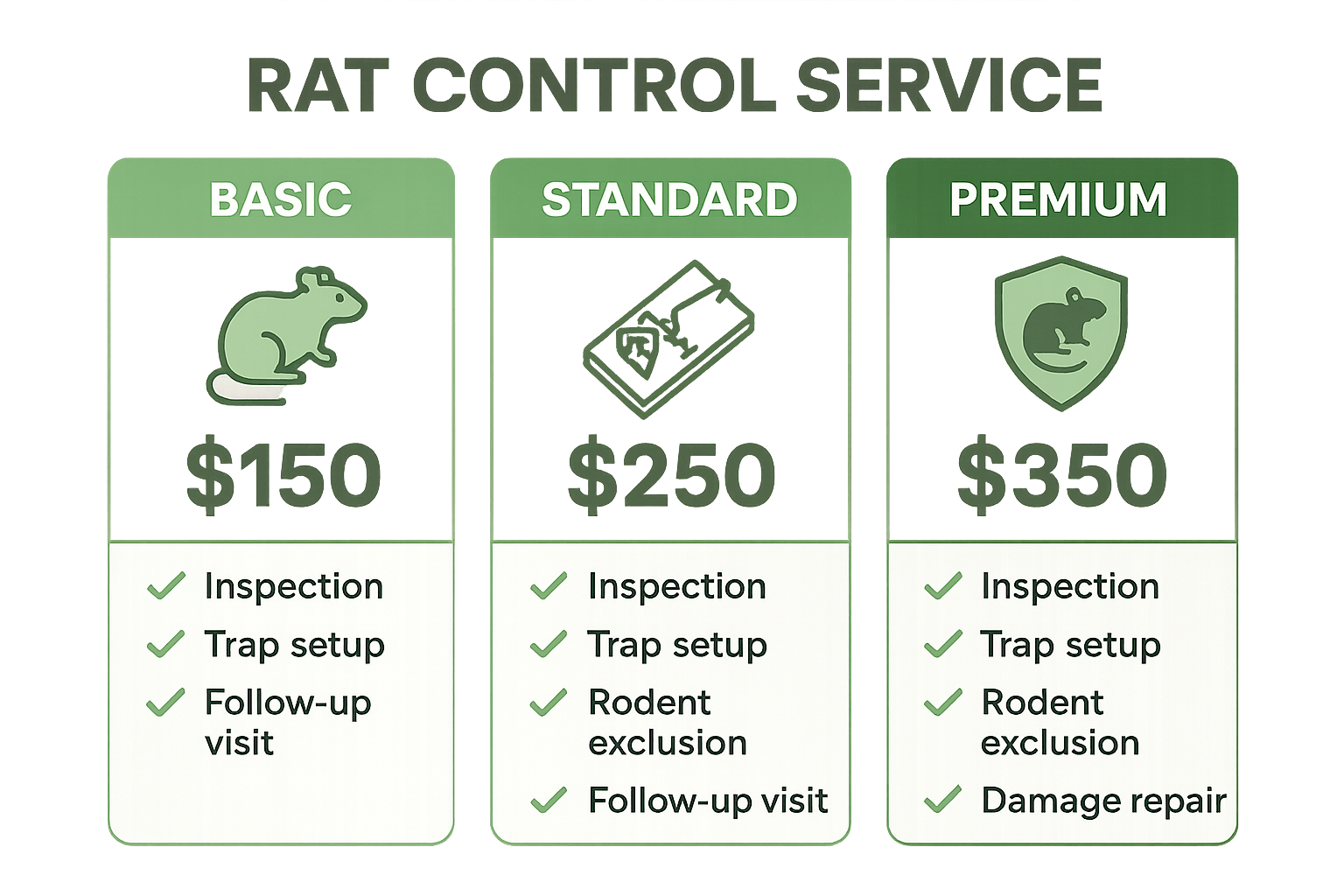
At Anthem Pest Control, we believe pricing for rat control Druid Hills homeowners rely on should be as clear as a freshly sealed wall crack. No hidden fees, no surprise add-ons—just a straightforward breakdown of what you get for every dollar you spend. This transparency helps you match the service level to the size of the infestation and the budget you’re comfortable with.
Our Three Service Tiers
Basic Tier – Ideal for a single‑point entry or a light, recent sighting. The package includes a thorough visual inspection, a one‑time treatment using our standard rodent bait stations, and a follow‑up visit within two weeks to confirm activity has ceased. You also receive a 30‑day warranty on the treated area.
Standard Tier – Best for moderate infestations that span multiple entry points. In addition to everything in the Basic tier, you get a comprehensive interior and exterior inspection, two treatment rounds (including eco‑friendly gel bait and dust), and three follow‑up visits over a 45‑day period. This tier carries a 60‑day warranty and includes a complimentary rodent‑proofing checklist.
Premium Tier – Designed for severe or recurring problems. It covers a full‑property inspection, unlimited bait stations, monthly treatment applications for three months, and unlimited follow‑up visits during that time. The Premium tier also features 24/7 emergency response, a 90‑day warranty, and the option to use our newest low‑toxicity, pet‑safe products.
Price Points & Value‑Added Benefits
| Tier | Typical Cost (USD) | Key Inclusions | Extra Perks |
|---|---|---|---|
| Basic | $120 – $180 | Inspection, 1 treatment, 1 follow‑up, 30‑day warranty | Standard bait stations |
| Standard | $250 – $340 | Full inspection, 2 treatments, 3 follow‑ups, 60‑day warranty | Eco‑friendly gel, rodent‑proofing checklist |
| Premium | $480 – $620 | Unlimited bait, monthly treatments (3 mo), unlimited follow‑ups, 90‑day warranty | 24/7 emergency line, low‑toxicity products, priority scheduling |
While the Premium tier carries the highest price tag, the added peace of mind—especially for families with pets or children—often outweighs the cost. The Standard tier strikes a balance, delivering robust protection without the need for round‑the‑clock service. The Basic tier is a cost‑effective entry point for homeowners who spot a rat once and want to act quickly.
Matching a Tier to Your Situation
Start by assessing the severity of the problem. If you’ve only seen a single rat or droppings near a specific doorway, the Basic tier may be sufficient. Multiple sightings, gnaw marks on structural elements, or evidence of nesting suggest a Standard or Premium approach.
Next, consider your budget and lifestyle. Homeowners who prefer a set‑and‑forget solution and can afford the upfront investment will benefit from the Premium tier’s unlimited visits and emergency coverage. If you’re comfortable handling a few follow‑up appointments yourself, the Standard tier provides a solid middle ground.
Finally, think about long‑term prevention. The Premium tier includes a detailed rodent‑proofing plan and priority scheduling for future issues, which can save money over time by reducing repeat infestations.
Seasonal Patterns of Rat Activity and When to Act
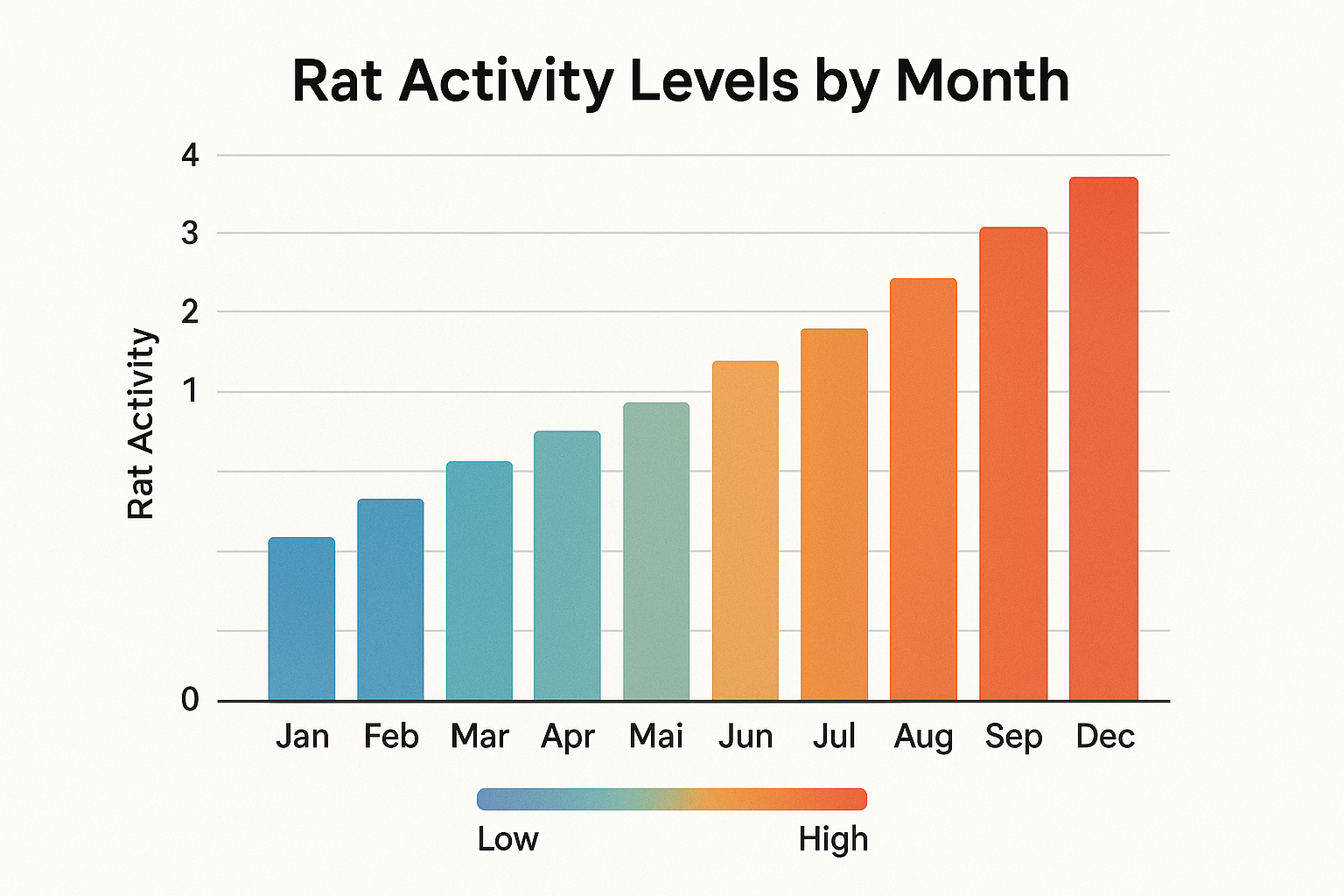
Rats are opportunistic mammals, and their numbers in Druid Hills rise and fall with the calendar—one reason timely rat control Druid Hills homeowners depend on is so important. The breeding cycle of both Norway rats and roof rats kicks off when temperatures consistently stay above 55°F (13°C). Each female can produce a litter of 6–12 pups every three weeks, and with a short gestation period, populations can double in a matter of weeks if conditions stay warm and food is plentiful. As the days get hotter in late spring, you’ll start to see more signs—droppings, gnaw marks, and fresh nests—because the rodents are busy raising their young.
Peak Activity Months
Historically, the most intense rat activity in the Atlanta metro area, including Druid Hills, occurs from August through October. During these months, the combination of warm nights, abundant outdoor harvest debris, and the final litters of the season creates a perfect storm for rapid population growth. By contrast, November through February is a slower period; cooler nights drive rats indoors, but breeding slows dramatically, and many younger rats succumb to the cold.
Optimal Timing for Inspections and Treatments
Because the peak window is relatively narrow, the smartest move is to act before it arrives. Schedule a professional inspection in late May or early June. This gives technicians enough time to identify entry points, set up bait stations, and apply perimeter treatments before the first major breeding surge. A pre‑emptive treatment in June or early July can suppress the initial population spike, making the August‑October surge far less severe.
Once the high‑activity months have passed, a follow‑up inspection in early November is essential. Even if you didn’t see rats over the winter, a few survivors can repopulate quickly when the weather warms again next spring. A post‑season treatment—often a combination of interior baiting and exterior exclusion work—helps close any gaps that the summer’s activity may have created.
Seasonal Home Maintenance Tips to Reduce Attractants
Preventing rats is as much about housekeeping as it is about chemicals. Here are practical, homeowner‑friendly tasks you can tackle each season to make your property less inviting:
- Spring yard clean‑up: Remove leaf litter, fallen fruit, and garden debris that provide shelter and food.
- Trim vegetation: Keep shrubs and tree branches at least 2 feet away from the house to eliminate easy climbing routes.
- Secure trash: Use tightly fitting lids on outdoor bins and store them away from building walls.
- Seal entry points: Inspect the foundation, vents, and utility openings; caulk gaps larger than ¼ inch.
- Store firewood off the ground: Stack wood at least 6 inches off the soil and away from the house to eliminate nesting sites.
- Maintain gutters: Clean out leaves and debris to prevent water pooling, which attracts insects that rats love.
By aligning inspections with the natural rhythm of rat breeding and pairing professional treatment with diligent seasonal maintenance, you’ll keep the rodent population in check year after year. If you notice any signs of activity—squeaking sounds, gnaw marks, or fresh droppings—don’t wait for the next peak. A quick call to Anthem Pest Control can stop an infestation before it becomes a costly problem.
Protect Your Home Today with Anthem Pest Control
Early detection isn’t just a buzzword—it’s the difference between a quick fix and a full‑blown infestation. Spotting rat activity at the first sign—droppings, gnaw marks, or unusual noises—lets a professional intervene before damage spreads to wiring, insulation, or your pantry. A timely, expert treatment saves you money, protects your family’s health, and restores peace of mind.
Anthem Pest Control brings more than a toolbox to the job. Our technicians are EPA‑certified, using rodent‑specific baits and traps that target rats while keeping pets and children safe. We’ve built transparent pricing tiers so you know exactly what you’re paying for—whether you need a one‑time removal, a seasonal monitoring plan, or a comprehensive prevention package. No hidden fees, no surprise invoices.
With a nationwide service network, Anthem can dispatch a local specialist to Druid Hills within hours, backed by a national guarantee of quality. Our commitment goes beyond extermination; we educate homeowners on sealing entry points, proper sanitation, and ongoing monitoring. The result is a long‑term barrier that lets you sleep soundly, knowing your home is defended by experts who care about your safety as much as you do.
Ready to take the next step? Request a free, no-obligation quote today and see how easy rat control Druid Hills can be for your home. Call us at 877-371-8196 or visit Anthem Pest Control to schedule your inspection. Let’s keep the rats out—so you can focus on what matters most.