Recognizing Ant Infestations in Cumming, GA
Why ants thrive in Cumming
Cumming’s humid subtropical climate provides the perfect backdrop for ant colonies. Warm summers and mild winters keep food sources—like sugary plant secretions and dead insects—available year‑round. Outdoor habitats such as wooded lots, mulch beds, and the region’s many creeks create sheltered pathways that ants use to travel into homes.
Common household ants you’ll meet
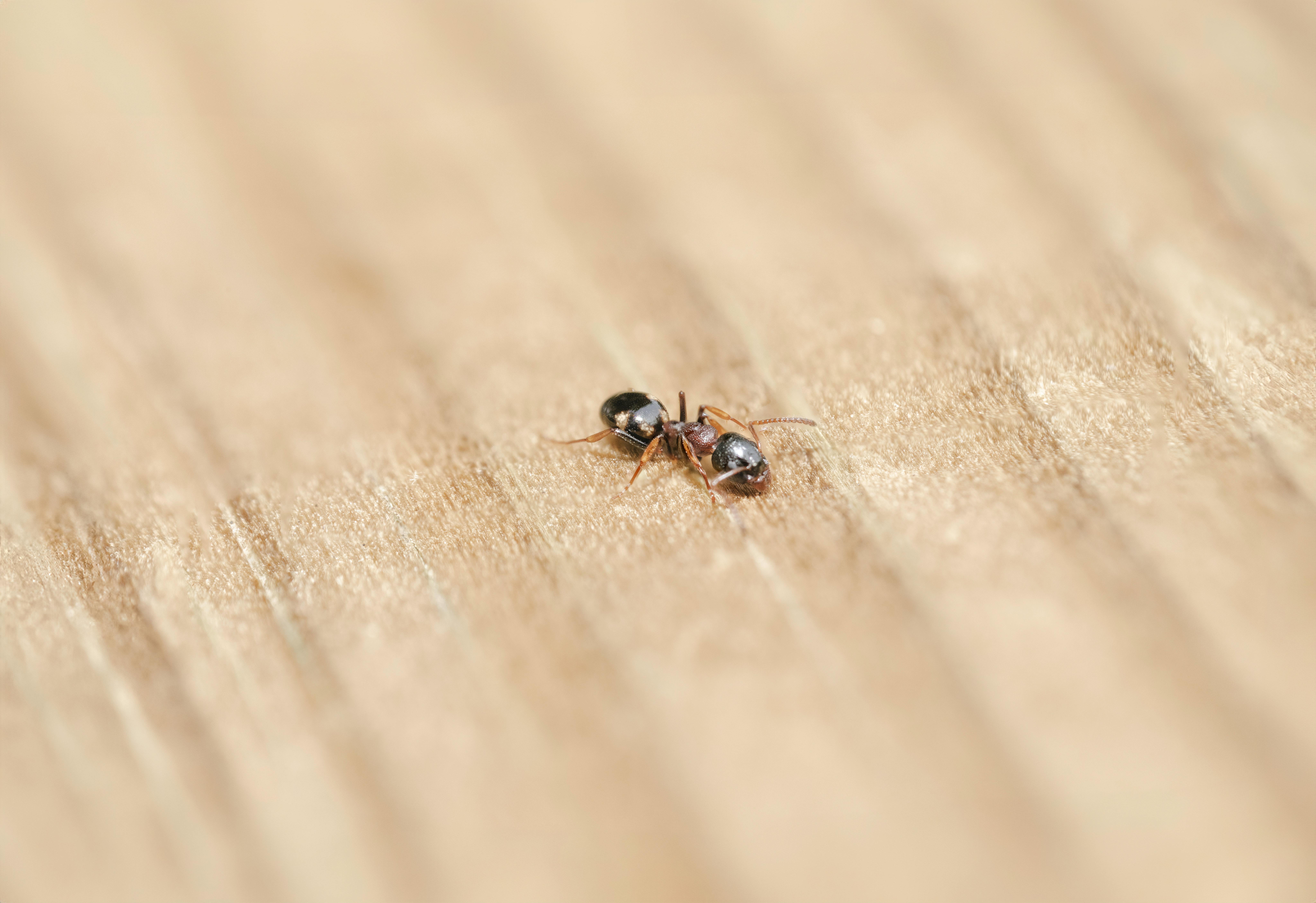
Carpenter ants are the largest of the three, often measuring ½‑inch to an inch. They have a black or dark brown body with a slightly glossy sheen and a distinct, uneven thorax. These ants don’t eat wood; they excavate it to build nests, leaving smooth, clean galleries that can weaken structural members.
Odorous house ants are smaller, about ¼‑inch long, and range from light brown to dark black. When crushed, they emit a faint, sweet‑rotten smell—hence the name. They favor moist indoor environments, nesting behind baseboards, in wall voids, or under sinks, and they’re notorious for forming long, continuous trails.
Pavement ants are the most ubiquitous in the area, measuring roughly ⅛‑¼ inch. They have a dark brown to black head and a lighter, reddish‑brown abdomen. As the name suggests, they build nests in cracks of sidewalks, driveways, and building foundations, often spilling over into kitchens and bathrooms in search of food.
Early warning signs
- Ant trails: A steady line of ants moving from the exterior to a food source is the most obvious clue.
- Wood damage: Fine, sand‑paper‑like shavings or smooth tunnels in wooden structures point to carpenter ants.
- Sweet residue: Sticky, sugary deposits near windowsills or pantry shelves indicate odorous house ant activity.
- Nocturnal activity: Some species, especially carpenter ants, become more active after dark, so a flashlight inspection at night can reveal hidden foraging.
- Seasonal spikes: Expect a surge in spring and early summer as colonies expand and look for new food sources.
Ants vs. other pests
Termites also damage wood, but they leave a thin, mud‑like tube on the surface and produce hollowed, fragile wood that sounds hollow when tapped. Cockroaches, on the other hand, move faster, prefer damp, dark corners, and leave droppings that resemble pepper grains. Ant trails are usually organized and directed toward a specific entry point, while termites and roaches appear more scattered.
Quick self‑inspection checklist
- Walk the perimeter of your home; look for ant hills or soil mounds near foundations.
- Inspect exterior doors, windows, and utility openings for tiny gaps or cracks.
- Check kitchen counters, pantry shelves, and pet feeding areas for trail residues.
- Examine wooden structures—especially under sinks and near windows—for smooth tunnels or shavings.
- Turn on a flashlight after sunset and scan dark corners, baseboards, and crawl spaces for nocturnal foragers.
Act fast, save money
Detecting an ant problem early stops the colony before it spreads into structural wood or multiplies across your home. The sooner you intervene, the less likely you’ll face expensive repairs or a full‑scale treatment. A brief walk‑through each season, armed with this checklist, can keep your home ant‑free and protect your budget.
Seasonal Ant Activity Patterns in Cumming, GA
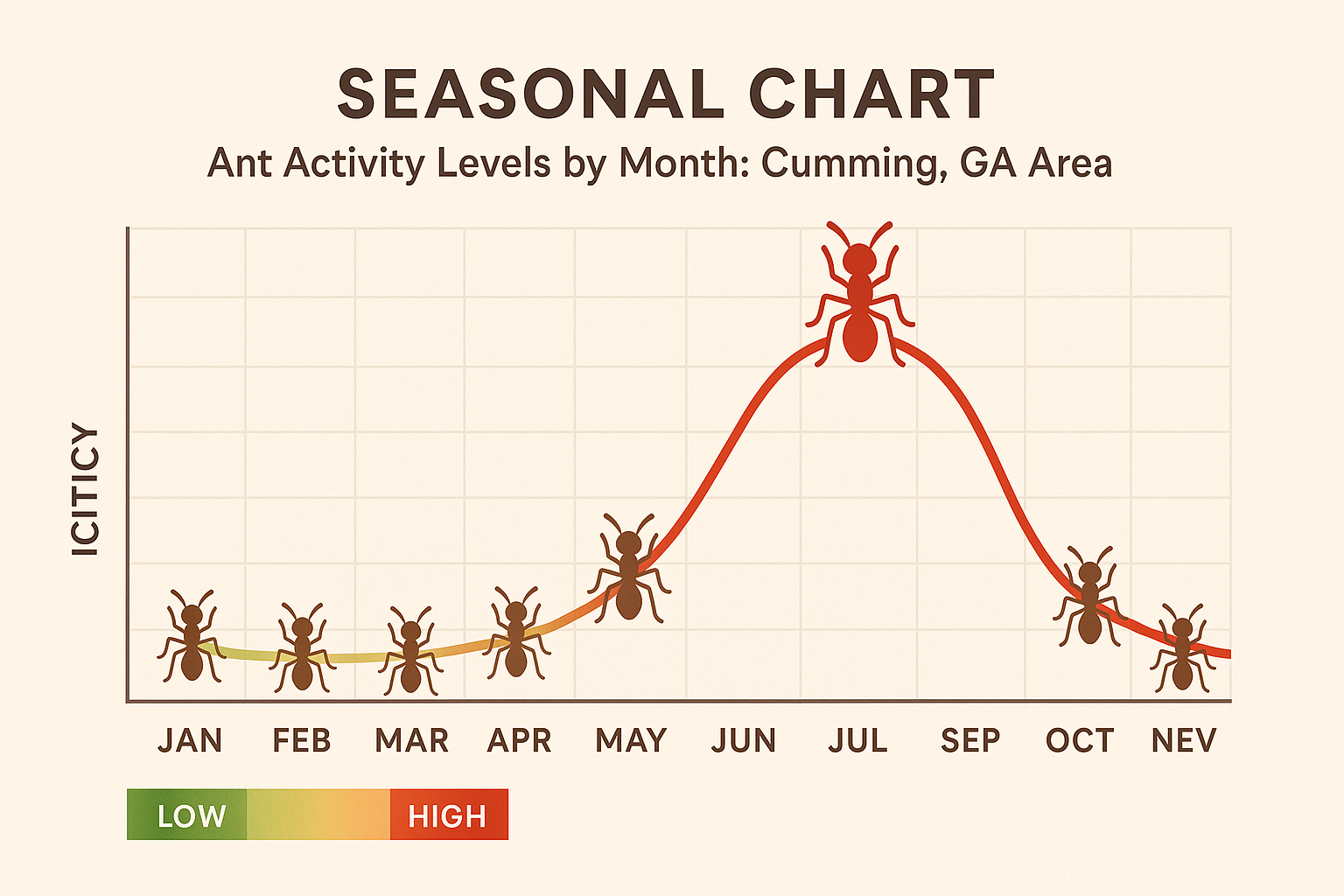
Cumming experiences a humid subtropical climate—hot, muggy summers and mild, occasionally frosty winters. These temperature swings dictate ant metabolism, foraging behavior, and colony expansion. When the mercury climbs above 68°F (20°C), workers become active, while cooler months push them deeper into nests, slowing surface activity. Understanding this climate‑driven rhythm helps homeowners choose the right moments for inspection and treatment.
Month‑by‑Month Activity Overview
Ants in Cumming follow a predictable calendar. From May through September, warm nights and abundant moisture create ideal foraging conditions, so you’ll see the highest traffic along foundations, patios, and kitchen thresholds. April and October serve as shoulder periods—colonies are still active but not at peak density. November through February marks the low‑activity window; ants retreat to deeper nest chambers, and surface sightings drop dramatically.
Why Activity Surges Seasonally
Four key factors drive these fluctuations:
- Temperature: Ant enzymes work best above 68°F; cooler temps slow metabolism.
- Humidity: Summer rain and irrigation raise soil moisture, making it easier for ants to tunnel and locate food.
- Food Availability: Outdoor picnics, lawn care debris, and indoor spills provide abundant protein and sugar sources during the growing season.
- Nesting Cycle: Colonies expand in spring, produce new queens in midsummer, and then focus on brood protection as winter approaches.
Seasonal Prevention Tips for Homeowners
Tailor your defensive actions to the calendar:
- Spring (March‑May): Seal cracks around windows, doors, and the foundation before colonies emerge. Trim vegetation that touches the house to eliminate bridge pathways.
- Summer (June‑August): Reduce excess moisture by fixing leaky gutters, using dehumidifiers in basements, and directing downspouts away from the foundation.
- Fall (September‑November): Perform a thorough interior inspection, especially in kitchens and bathrooms, and consider a preventive treatment before ants retreat.
- Winter (December‑February): Keep indoor food storage airtight and maintain low humidity levels; this discourages any late‑season foragers that might still be active.
For a visual reference, consult our seasonal activity chart, which maps ant pressure levels against typical Cumming weather patterns.
Guidance from EPA Ant‑Pest‑Management Standards
The EPA ant‑pest‑management guidelines recommend scheduling treatments during peak foraging periods (late spring to early fall) to maximize product efficacy. Conversely, a low‑activity window in winter is ideal for preventative applications that target colonies hidden underground, reducing the need for repeated interventions.
Effective Ant Treatment Methods for Homeowners
Integrated Pest Management (IPM) and Ants
IPM is a science‑based framework that blends prevention, monitoring, and targeted action. For ant infestations, the goal is to keep colonies out of the home before they become visible. Professionals start by locating entry points, eliminating food sources, and then applying the least disruptive control method that will still break the colony’s foraging trail.
Chemical Treatments
- Perimeter sprays: EPA‑approved liquid insecticides are applied around the foundation, creating a barrier that ants must cross. The spray remains active for weeks, killing workers that walk through it.
- Bait stations: Gel or solid baits contain slow‑acting toxins that worker ants carry back to the nest, eventually eliminating the queen. Proper placement along trails maximizes uptake.
- Indoor residual applications: Low‑volume sprays are applied to baseboards, cracks, and voids where ants travel. These products are formulated for indoor safety and leave a residual layer that kills ants on contact.
All products used by certified technicians meet EPA registration standards, and applicators follow strict safety protocols—protective gear, ventilation, and clear communication with homeowners about any pets or children in the area.
Non‑Chemical Options
- Physical barriers: Silicone caulks, steel wool, and door sweeps seal cracks and gaps that ants use to enter.
- Habitat modification: Reducing moisture, storing food in sealed containers, and trimming vegetation away from the house removes the conditions ants love.
- Beneficial nematodes: These microscopic organisms are applied to soil around the foundation; they seek out and infect ant larvae, providing a biological control layer without chemicals.
Typical Service Workflow
- Inspection: A technician surveys the interior and exterior, identifies ant species, and maps activity zones.
- Identification: Knowing whether you’re dealing with carpenter ants, odorous house ants, or fire ants guides the treatment choice.
- Treatment plan: A customized mix of IPM tactics—chemical and non‑chemical—is presented, with clear explanations of each step.
- Application: Perimeter spray, bait placement, and any indoor residual treatments are performed safely.
- Follow‑up & warranty: Technicians revisit the property to assess results, adjust baits if needed, and guarantee the work for a set period.

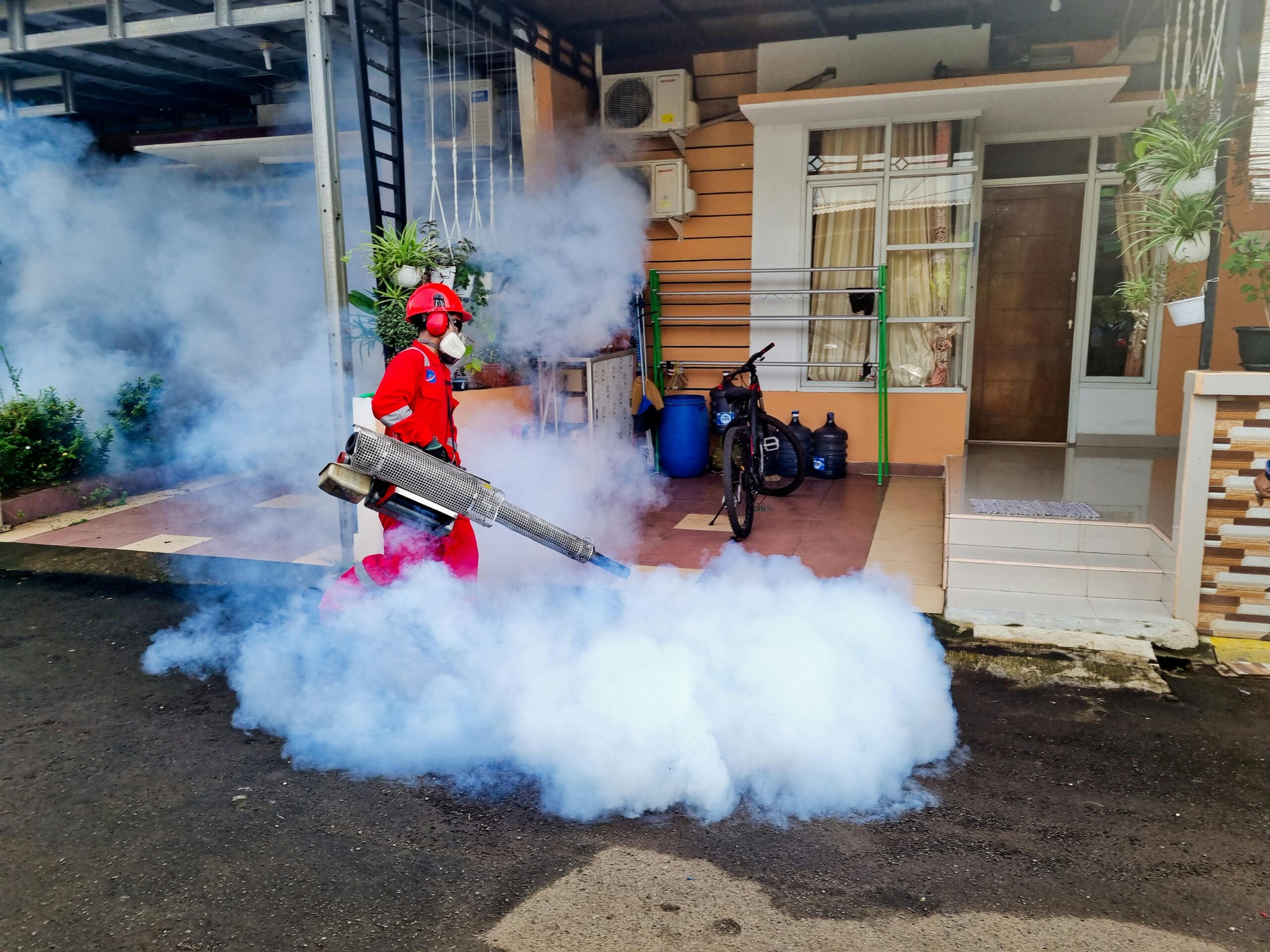
Professional Perimeter Spray – What It Looks Like
The image above shows a certified technician in a respirator, gloves, and coveralls applying a fine mist along the home’s foundation. This method ensures even coverage, reaching cracks and soil voids that DIY cans often miss. The technician also treats the surrounding landscape to prevent ants from re‑entering after rain or landscaping work.
Why Choose a Pro Over DIY?
DIY products may provide a quick knock‑down, but they rarely address the hidden nest. Professionals bring EPA‑approved formulations, calibrated equipment, and years of experience in ant biology. The result is higher effectiveness, safer handling of chemicals, and a long‑term prevention plan that protects your family and property.
EPA Guidance on Safe Pesticide Use
The EPA recommends using only labeled products, following label directions precisely, and keeping children and pets away from treated areas until the label‑specified re‑entry interval has passed. Certified technicians stay up‑to‑date with these regulations, ensuring every application meets federal safety standards while delivering reliable ant control.
Choosing the Right Ant Control Package in Cumming
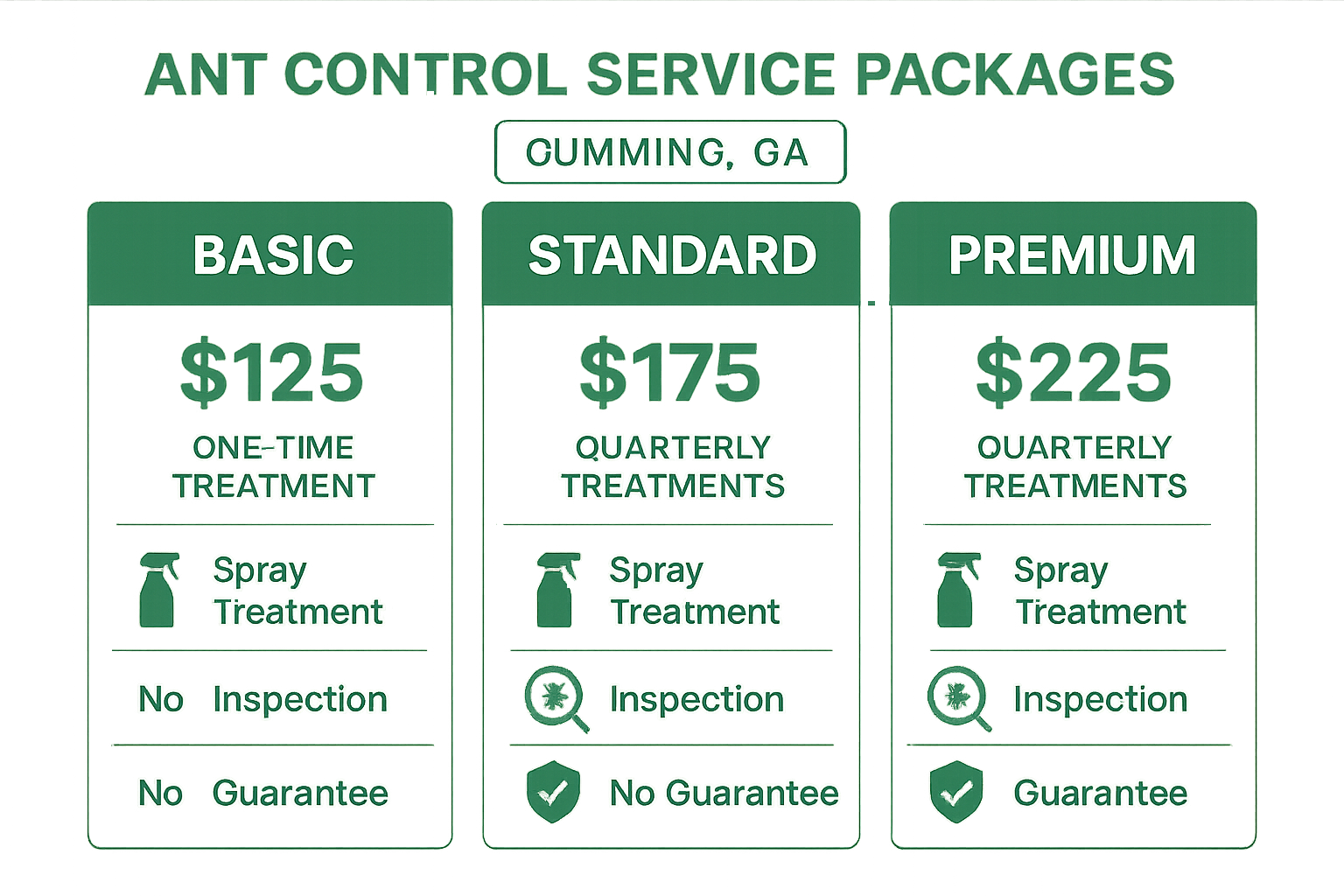
Anthem Pest Control believes that clear pricing is the first step toward a stress‑free pest‑free home. By grouping services into three well‑defined tiers, homeowners can instantly see what they’re paying for and avoid hidden fees. This tiered approach removes guesswork, letting you match the level of protection to the size of your yard, the severity of the infestation, and your budget.
Package Overview
Each package builds on the one before it, adding more frequent visits, additional treatments, and longer warranties. Below is a quick snapshot of what you’ll receive at each level.
Basic Package
- One‑time professional inspection
- Single perimeter spray targeting entry points
- Basic guarantee – retreat if ants return within 30 days
- Ideal for isolated sightings or low‑traffic homes
Standard Package
- Quarterly inspections throughout the year
- Strategic bait placement in kitchens, patios, and crawl spaces
- Two full‑home sprays per year (spring & fall)
- Extended guarantee – retreat for 60 days after each treatment
- Best fit for typical Cumming households where seasonal ant activity spikes
Premium Package
- Monthly monitoring visits with a dedicated technician
- Unlimited bait adjustments based on real‑time activity
- Comprehensive full‑home treatment each visit, including interior and exterior zones
- Premium guarantee – retreat for 90 days, plus a “satisfaction shield” that covers any re‑infestation within a year
- Designed for large properties, high‑traffic areas, or homes with recurring ant problems
| Tier | Price (per year) | Treatment Frequency | Included Services | Warranty Length |
|---|---|---|---|---|
| Basic | $149 | 1 spray | Inspection, perimeter spray, 30‑day guarantee | 30 days |
| Standard | $299 | 2 sprays + 4 inspections | Bait placement, quarterly inspections, 60‑day guarantee | 60 days |
| Premium | $549 | 12 visits (monthly) | Unlimited bait adjustments, full‑home treatment, 90‑day guarantee, satisfaction shield | 90 days |
When deciding which tier fits your home, start by assessing the current ant activity. A single ant trail near a doorway often signals a minor entry issue—perfect for the Basic plan. If you notice multiple colonies, especially during the warm months of May through September, the Standard package delivers the proactive baiting and seasonal sprays that keep colonies from establishing. For larger properties, frequent outdoor gatherings, or a history of repeated infestations, the Premium tier’s monthly oversight ensures no gap in protection.
Data from Anthem’s Cumming service area shows that 68 % of households experience moderate ant pressure during the summer. For those homes, the Standard tier consistently balances cost and coverage, providing enough treatments to outpace the insects’ breeding cycle without the premium price tag of the all‑inclusive option.
Ready to protect your home with the right level of service? Request a free, no‑obligation quote today and let Anthem Pest Control tailor a plan that fits your budget and ant‑control needs.
Protect Your Home with Anthem Pest Control Today
Early identification, timing your treatment to the ant life cycle, and using the right product are the three pillars that keep an infestation from taking hold. Spotting a trail in the spring, treating before colonies mature, and applying EPA‑approved solutions ensure you stay one step ahead of carpenter, odorous, and pavement ants that thrive in Cumming’s climate.
- Identify early: A single forager can signal a hidden nest.
- Seasonal timing: Treat when ants are actively foraging, typically March‑May and September‑October.
- Proper treatment: Use products that reach the queen and eradicate the colony.
Anthem Pest Control brings that expertise directly to your doorstep. Our technicians are fully licensed, trained on the latest EPA‑compliant products, and know the local patterns of ant activity in Cumming, Georgia. That local knowledge lets us choose the most effective bait stations, perimeter sprays, and interior treatments for your specific situation.
Safety and affordability are never an afterthought. We use low‑odor, child‑ and pet‑safe formulations, and our transparent pricing lets you see exactly what you’re paying for. Every service is backed by a satisfaction guarantee, so you can relax knowing your home is protected.
We also schedule a complimentary follow‑up inspection within 30 days to confirm the treatment’s success and address any lingering concerns.
When you choose Anthem Pest Control, you’re partnering with a team that cares about your home’s health and your family’s peace of mind. Our transparent pricing and proven results make ant problems a thing of the past.
Ready to reclaim your space? Call us today at 877‑371‑8196 for a free, no‑obligation quote, or visit Anthem Pest Control to learn more.