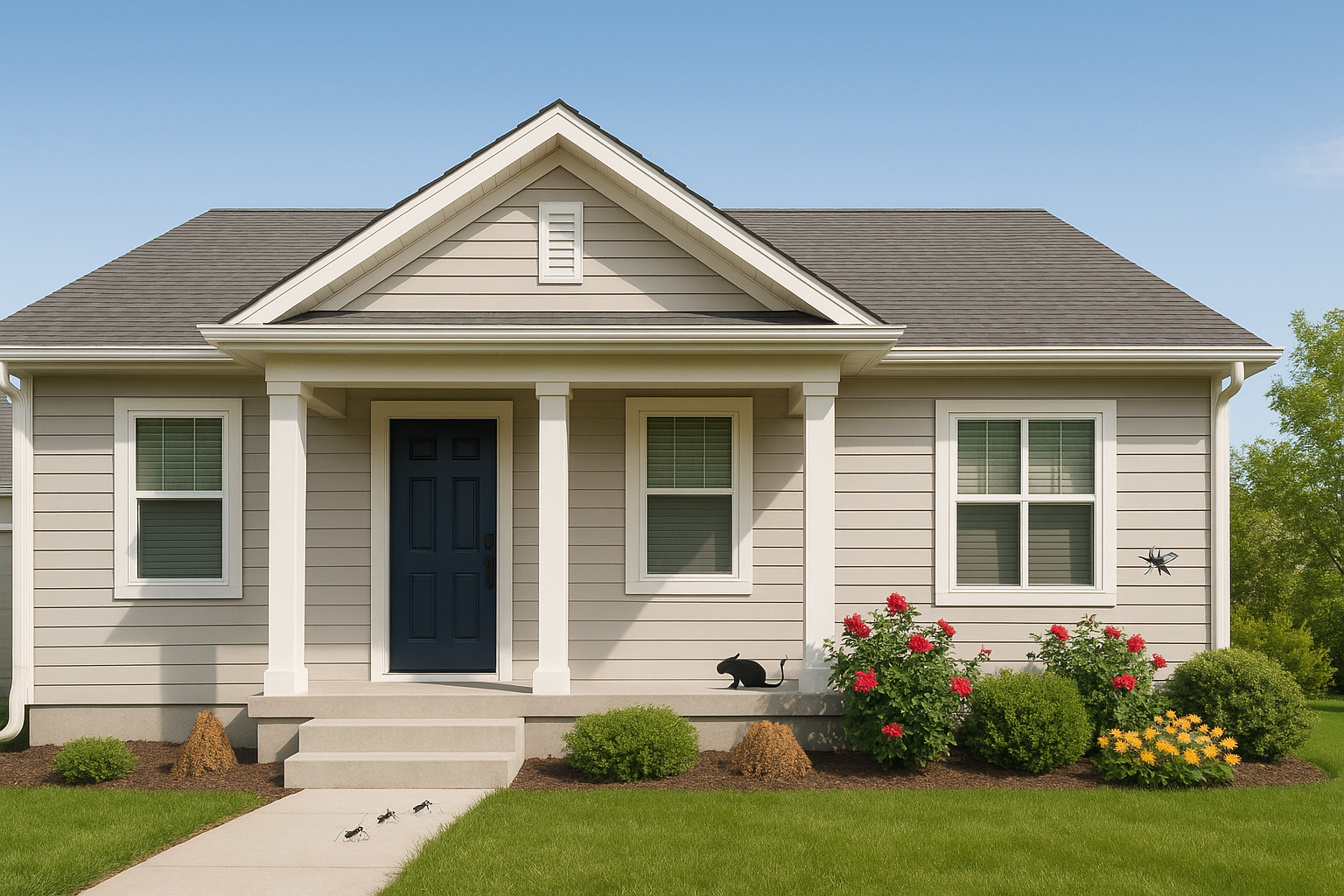
Identifying Earwigs and Their Basic Biology
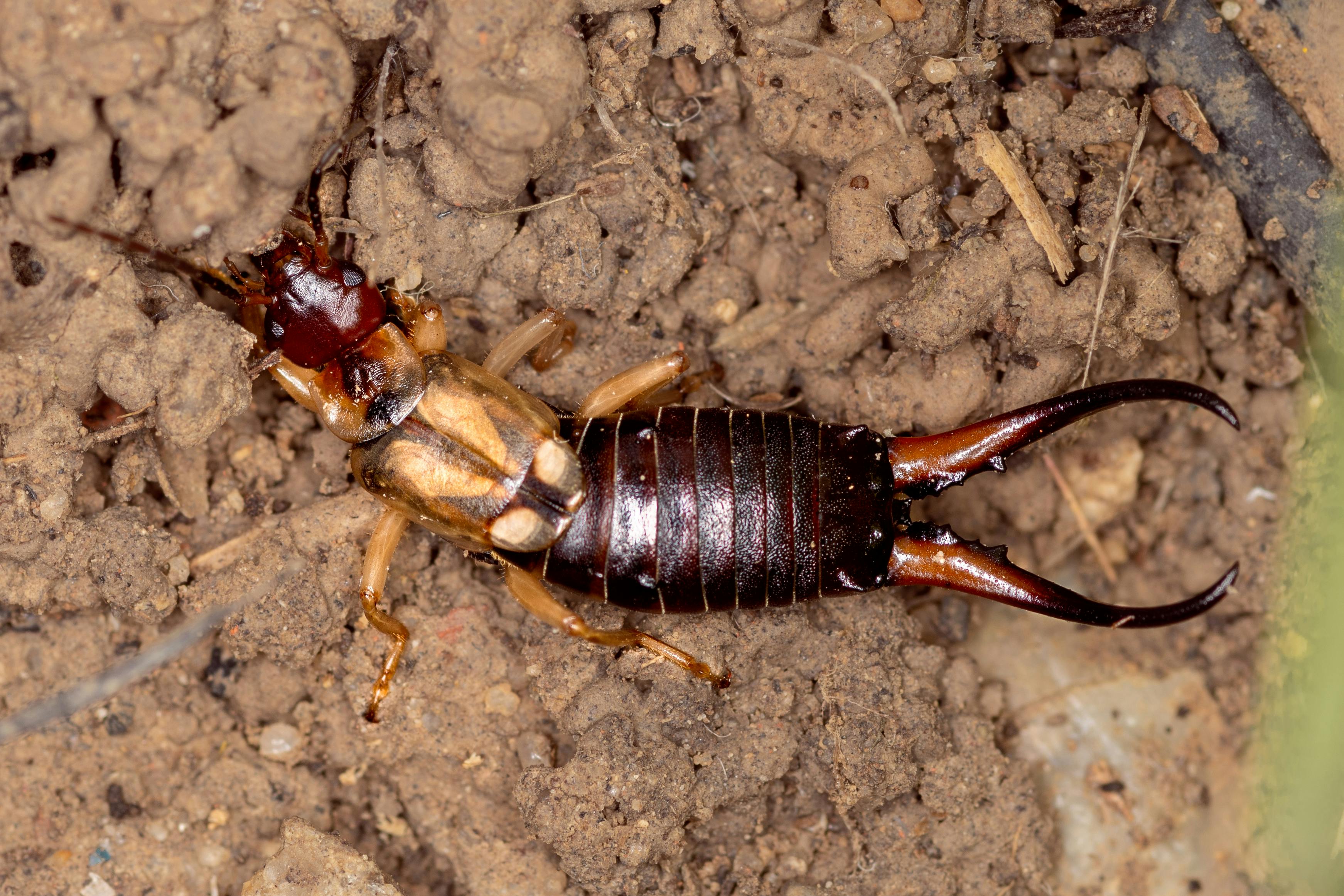
Earwigs belong to the order Dermaptera, a small group of insects that includes roughly 2,000 species worldwide. In Georgia, the most common representatives are the European earwig (Forficula auricularia) and the American earwig (Labidura riparia). Both species have adapted well to the humid subtropical climate of Suwanee, thriving in the moist micro-habitats that pepper residential neighborhoods—conditions that often prompt homeowners to search for an earwig exterminator near me Suwanee.
Visual Identification Cues
- Elongated, flattened bodies typically 12‑25 mm long.
- Forceps‑like pincers (cerci) at the rear; males usually have curved, more robust pincers.
- Brown to reddish‑brown coloration with a slightly shiny exoskeleton.
- Nocturnal activity – you’ll most often see them scuttling across walls or floors after sunset.
- Preference for damp, sheltered spots; they avoid direct sunlight.
Typical Home‑Surrounding Habitats
Earwigs are opportunistic dwellers. Around a Suwanee home they gravitate toward:
- Loose soil and garden beds, especially those enriched with organic matter.
- Mulch, wood chips, and leaf litter that retain moisture.
- Basements, crawl spaces, and under foundation stones where humidity stays high.
- Outdoor lighting fixtures that attract insects, which earwigs then prey upon.
Common Misconceptions
Homeowners often overestimate the threat earwigs pose. Let’s set the record straight:
- They don’t bite humans. Their pincers are primarily defensive and are too weak to penetrate human skin.
- They are not disease vectors. Earwigs do not transmit pathogens to people or pets.
- They are beneficial predators. In the garden they help control aphids, mites, and other soft‑bodied pests.
Why Monitoring Still Matters
Even though earwigs are harmless to humans, an unchecked population can become a nuisance. Large numbers may feed on tender seedlings, ornamental plants, and occasionally on decaying household items, leading to cosmetic damage. Moreover, a thriving earwig community signals excess moisture – a condition that also attracts termites, carpenter ants, and mold growth. By keeping an eye on earwig activity, you gain an early warning system for broader moisture‑related issues around your property.
For a deeper dive into earwig biology and their role in the ecosystem, consult the EPA Pest Control Factsheet. Understanding these facts helps you make informed decisions about whether professional monitoring or targeted treatment is the right next step for your home.
When Earwigs Turn Into a Household Problem
When you first see an earwig scuttling across a kitchen floor after sunset, you might brush it off as a one‑off encounter. But repeated sightings, especially after dark, are the first red flag that a hidden population is establishing a foothold in your home.
Warning Signs to Watch For
- Earwig activity spikes at night – you’ll hear them rustling behind baseboards or in crawl spaces.
- Visible damage to garden beds, seedlings or ornamental foliage.
- Gnawed edges on fabric, clothing, or wooden trim.
- A faint, musty odor that often follows crushed insects.
These clues together tell you that earwigs are no longer just passing visitors; they’re establishing a base of operations.
What They’re Actually Damaging
Earwigs are omnivorous scavengers. In a garden they will chew tender seedlings, soft‑fleshed fruits such as strawberries, and the tender new growth of roses or azaleas. Inside the house they may nibble on stored grain, pet food, or even the soft pulp of cardboard boxes. While a single bite rarely ruins a whole plant, a sustained infestation can stunt growth, create entry points for disease, and turn a thriving flower bed into a patchwork of wilted leaves.
Secondary Issues You Might Not Expect
Earwig shelters are often damp, dark crevices – exactly the environment mold loves. Over time, the organic debris they leave behind (dead insects, shed skins) can become a breeding ground for fungal spores. Moreover, those same shelters can attract other pests such as silverfish, centipedes, or even rodents seeking a warm hideaway. In other words, an earwig problem can be the first domino in a larger pest cascade.
Seasonal Peaks and Why They Matter
In Suwanee, earwig numbers swell in late spring through early fall when temperatures sit between 68°F and 80°F and humidity remains high. Heavy rains in June and July push them out of the soil and into nearby structures searching for moisture. If you notice a sudden uptick in night‑time sightings after a storm, it’s a clear sign the population is moving indoors.
Moisture Clues Hidden in the Walls
Because earwigs need moisture to survive, a persistent presence often points to a water‑related issue. Leaky foundations, clogged gutters, or inadequate ventilation in crawl spaces create the damp conditions earwigs love. Addressing the source of moisture – fixing leaks, installing a dehumidifier, or improving drainage – not only reduces earwig activity but also protects your home’s structural integrity.
For a deeper dive into identification and culturally‑based control methods, consult the UGA Extension – Earwig Management guide. Pair that knowledge with a professional inspection from Anthem Pest Control, and you’ll have a clear path to a quiet, earwig‑free home.
Seasonal Activity of Earwigs in Suwanee, GA
Life Cycle Basics
Earwigs progress through three stages—egg, nymph, and adult—each tightly linked to temperature and moisture. Eggs are laid in moist soil or hidden crevices during late summer; they hatch when soil temperatures reach ≈ 55 °F (13 °C). Nymphs molt several times, gaining the characteristic pincers before becoming reproductively active adults in late summer—a lifecycle detail often uncovered during a professional earwig exterminator near me Suwanee homeowners request.
Month‑by‑Month Activity Overview
Based on NPMA regional pest trends, earwig activity in Suwanee follows a predictable pattern:
- January–February: Activity is minimal; adults seek shelter in insulated wall voids.
- March–April: Early nymph emergence as soil warms above 50 °F.
- May–June: Moderate activity; mating begins and females start laying eggs.
- July–August: Peak population—both nymphs and adults are most active, especially after evening rain.
- September–October: Second surge as new adults emerge; they seek dry hiding spots for winter.
- November–December: Decline; only a few hardy adults remain.
Practical Tips for Each Season
Spring – Reduce excess mulch and leaf litter that retain moisture. Seal foundation cracks before the first rains to block entry points.
Summer – Keep gutters clear to prevent standing water near the foundation. Consider a targeted perimeter treatment after a heavy rain when earwigs are most active.
Fall – Inspect and repair window screens and door sweeps. Apply a moisture‑reducing barrier around the home’s exterior to discourage overwintering.
Winter – Though activity is low, inspect crawl spaces for clustered adults and seal any gaps before the thaw.
Rainfall Patterns and Population Surges
Suawnee’s summer thunderstorms create ideal humidity for earwigs to forage at night. NPMA data shows a 30‑40% rise in reported sightings within 48 hours of ≥1 inch of rain. Conversely, prolonged dry spells in late winter suppress activity, giving homeowners a natural “reset” period for preventive measures.
Infographic: Peak Months at a Glance
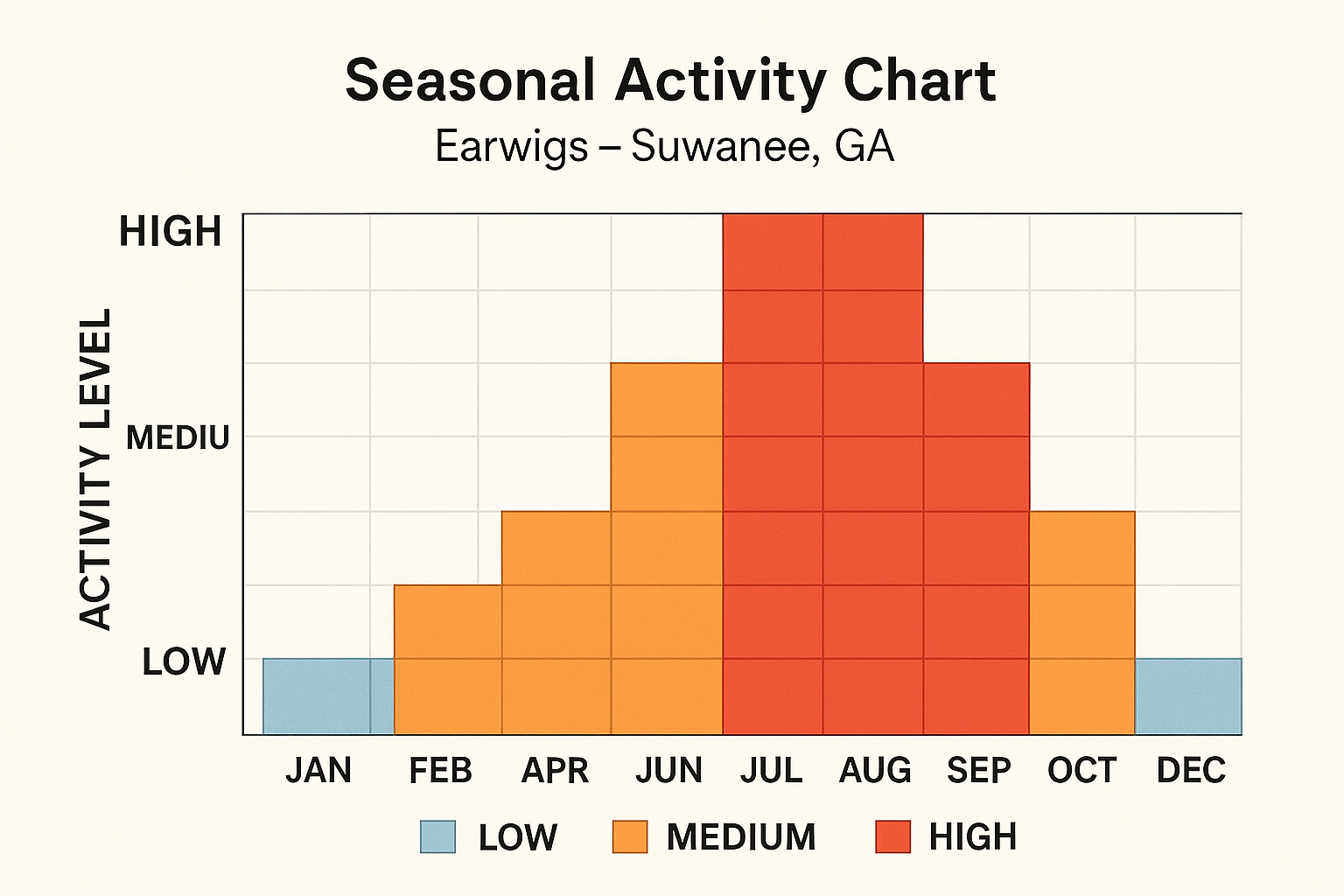
Use the chart above to schedule inspections and treatments when earwigs are most vulnerable. For a professional evaluation tailored to your property, contact Anthem Pest Control at 877‑371‑8196 or visit our website. Reference: NPMA industry data.
Treatment Options – DIY Methods vs Professional Services

DIY Approaches You Can Try Today
Many Suwanee homeowners start with at-home tactics because they’re inexpensive and feel within reach, often before realizing that a professional earwig exterminator near me Suwanee may be needed for lasting results. Common DIY tools include:
- Sticky traps: Placed near baseboards or under outdoor lights, they catch wandering earwigs and give you a visual gauge of activity.
- Diatomaceous earth (DE): A fine powder that damages the insects’ exoskeletons. Sprinkle it around entry points, garden beds, and damp corners.
- Insecticidal soaps: Safe for indoor use on surfaces where earwigs roam, especially when mixed with water and sprayed directly.
- Moisture control: Fix leaky pipes, improve drainage, and use dehumidifiers to eliminate the damp environments earwigs love.
- Debris removal: Clear leaf litter, wood piles, and mulch that serve as shelter.
Why DIY Often Falls Short
While these methods can reduce numbers temporarily, they rarely eradicate a full‑scale infestation. Inconsistent coverage leaves hidden pockets untouched, allowing survivors to repopulate. Additionally, improper handling of DE or insecticidal soaps can pose health risks—especially to children, pets, or anyone with respiratory sensitivities. Finally, without a systematic follow‑up plan, earwigs often return once moisture levels rise again.
Professional Treatment Methods That Deliver Results
Licensed pest‑control technicians bring a suite of proven solutions:
- Perimeter sprays: EPA‑approved chemicals are applied around the home’s foundation, creating a barrier that repels or kills earwigs before they enter.
- Soil drenches: Target the subterranean stages of the earwig life cycle, reducing future emergence.
- Bait stations: Strategically placed, these contain attractants that lure earwigs to a slow‑acting toxin they carry back to hidden nests.
- Integrated Pest Management (IPM): A holistic approach that blends chemical treatments with habitat modification, regular monitoring, and education.
Benefits of Choosing a Professional Service
When you call Anthem Pest Control, you’re tapping into a network of certified technicians who understand earwig behavior in the Suwanee climate. They use only EPA‑approved products, ensuring compliance with safety standards and local regulations. Our service packages include guaranteed follow‑up visits, so any resurgence is addressed promptly—something DIY methods simply can’t promise.
Safety First: Protecting Families and Pets
Professional applications are calibrated to minimize exposure. Technicians wear protective gear, apply treatments at optimal times (often early morning or late evening), and provide clear post‑treatment instructions. In contrast, DIY chemicals can be over‑applied or placed where pets can ingest them, leading to unnecessary health hazards.
Real‑World Example: A Technician in Action
Imagine a technician arriving at a suburban Suwanee home on a humid summer evening. After a brief inspection, they identify cracks in the foundation and a damp crawl space—prime earwig entry points. Using a low‑pressure sprayer, they treat the exterior perimeter with a residual insecticide, then apply a soil drench beneath the deck where moisture accumulates. Finally, they set two bait stations in concealed garden corners, explaining to the homeowner how the stations work and when the next follow‑up will occur. Within weeks, the homeowner notices a dramatic drop in earwig sightings, and the pest‑control team confirms the treatment’s success during the scheduled return visit.
Pricing Guide for Earwig Extermination in Suwanee
Typical cost structures you’ll encounter
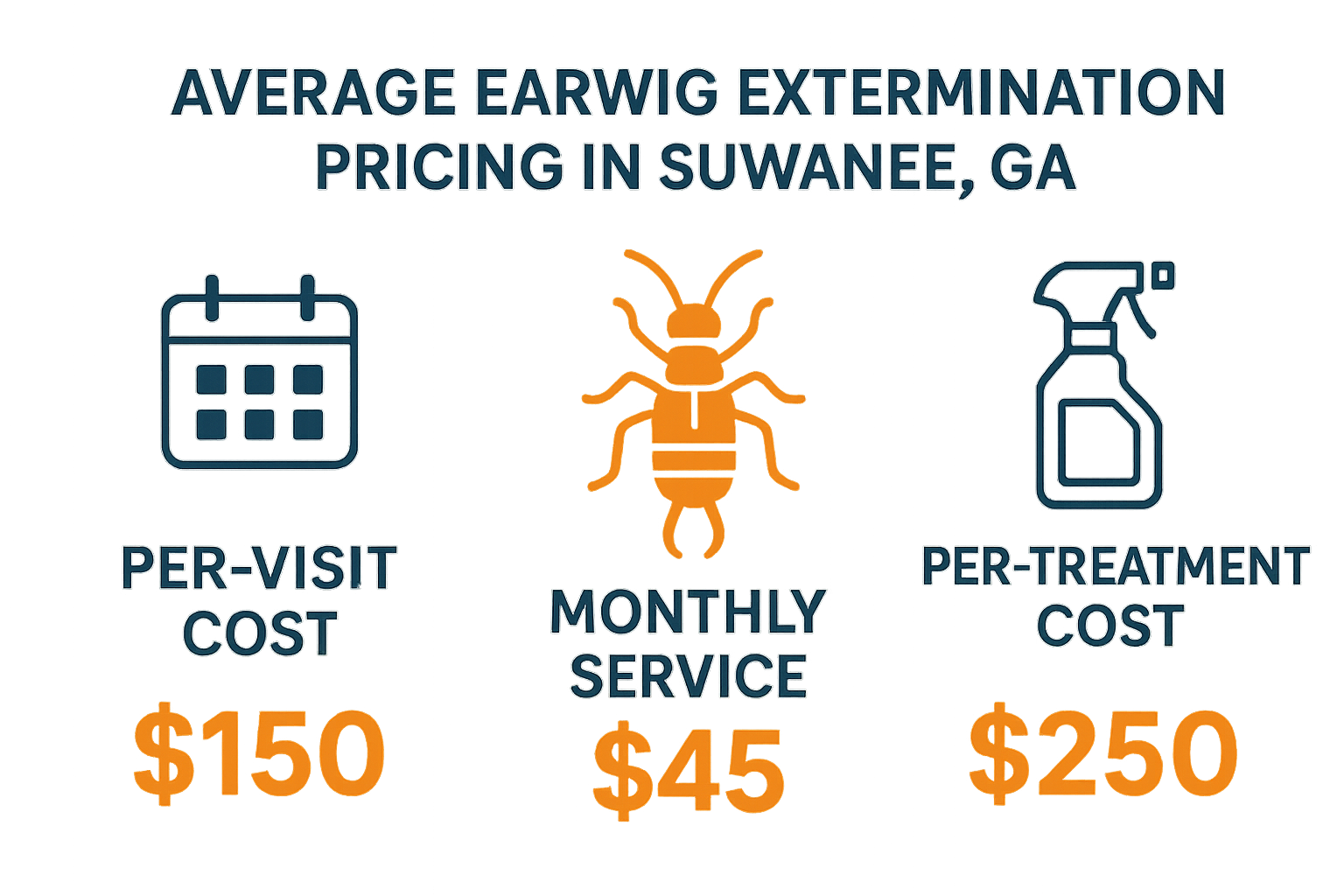
Most pest-control firms in Suwanee break their fees into three easy-to-understand categories, which homeowners often compare when searching for an earwig exterminator near me Suwanee:
- Per‑visit fee: A one‑time charge for a single service call, usually ranging from $80‑$150 depending on the size of the home.
- Monthly service contracts: Ongoing protection plans that include regular inspections and treatments. Homeowners typically pay $30‑$60 per month, with discounts for multi‑year commitments.
- One‑time treatment packages: Fixed‑price bundles that cover a thorough initial eradication plus a follow‑up visit. Prices hover around $180‑$250 for a standard 2,000‑sq‑ft residence.
Pricing infographic – Suwanee, GA averages
What drives the final price?
Even within the same cost bracket, several variables can shift the total amount you’ll pay:
- Property size: Larger homes or properties with extensive landscaping require more product and labor.
- Infestation severity: A light sighting may need only a spot treatment, while a heavy outbreak calls for multiple applications.
- Treatment type: Conventional chemical sprays differ in price from eco‑friendly baits or heat‑based solutions.
- Service frequency: Quarterly visits are cheaper per visit than a rushed, one‑off emergency call.
How Anthem Pest Control’s pricing stacks up
Anthem Pest Control aligns its rates with the industry averages shown in the infographic, but we add two key advantages:
- Transparent, upfront quotes: Before any work begins, you receive a detailed estimate that lists every service, material, and labor cost—no surprise fees.
- Value‑packed guarantees: Our standard packages include a free follow‑up visit if earwigs reappear within 30 days, a benefit many competitors charge extra for.
For a typical 2,500‑sq‑ft home with a moderate infestation, Anthem’s one‑time treatment averages $215, comfortably within the regional range while delivering the added guarantee and post‑treatment check.
Tips for evaluating quotes
When you collect estimates, keep an eye out for these red flags:
- Hidden fees for travel, disposal, or “equipment use.”
- Guarantee terms that limit coverage to a single visit.
- Unclear follow‑up policies—ask whether additional visits are included or billed separately.
- Pricing that deviates dramatically from the local averages without a clear justification.
Ask the provider to break down the quote line‑by‑line; a reputable company will gladly explain each component.
Next step: Get your free, no‑obligation estimate
Understanding the numbers is half the battle. The quickest way to lock in a fair price is to request a complimentary estimate from Anthem Pest Control. Our technicians will assess your property, discuss the most effective treatment options, and deliver a clear, written quote—so you can budget confidently and protect your home from earwig invasions.
Trust Anthem Pest Control for Reliable Earwig Management
Earwigs may seem harmless, but when they gather in large numbers they can damage garden plants, chew on soft wood, and create unsightly nests in your home’s foundation. Their activity spikes during the warm, humid months—exactly when homeowners in Suwanee notice the most movement. Because earwigs reproduce quickly, a small problem can become a full‑scale infestation in weeks. Prompt, professional treatment prevents structural damage, protects your landscaping, and keeps those nocturnal visitors from invading indoor spaces where they can become a nuisance.
Why Anthem Pest Control Stands Out
- Licensed technicians with years of experience handling earwig hotspots across Suwanee and the surrounding metro area.
- Use of EPA‑approved products that target earwigs while safeguarding children, pets, and beneficial insects.
- Transparent pricing—no hidden fees, just a clear estimate before any work begins.
- Deep local expertise that understands the seasonal patterns, soil types, and property styles unique to the Suwanee region.
- Commitment to customer satisfaction with a follow‑up visit to confirm that the treatment has held.
Our approach balances safety, effectiveness, and affordability. We begin with a thorough inspection to locate entry points, breeding sites, and any existing damage. Then we apply a targeted treatment plan that eliminates the current population and creates a protective barrier to reduce future risk. Homeowners appreciate that our solutions are designed to fit typical household budgets without compromising on results, and we always explain each step so you know exactly what’s happening on your property.
Ready for a free, no‑obligation quote? Just call or fill out the quick online request form on our website. Our friendly staff will schedule an inspection at a time that works for you, walk you through the process, and answer any questions you may have about earwig biology, the products we use, or how to keep your yard less inviting to future infestations.
If you’ve noticed earwig activity around your home, let our team handle it so you can enjoy a pest‑free environment without the hassle.
For a professional, hassle-free earwig solution, call Anthem Pest Control today at 877-371-8196 or visit Anthem Pest Control. We’re ready to protect your Suwanee home and give you back peace of mind with a trusted earwig exterminator near me Suwanee homeowners rely on.