Recognizing Pantry Moths in Your Home
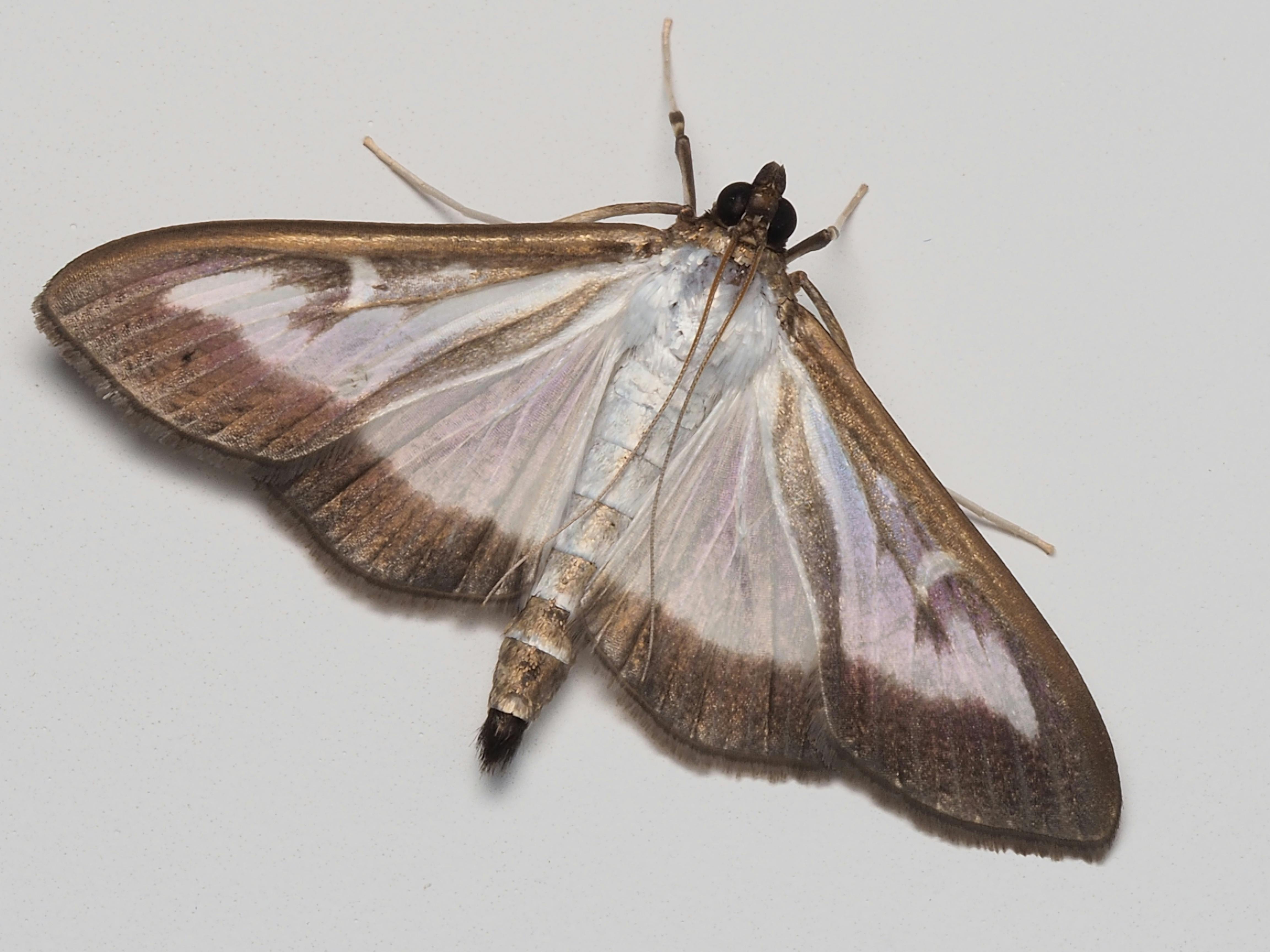
Pantry moths, most often the Indian meal moth (Plodia interpunctella), are tiny invaders that love the dry goods stored in your kitchen and are a common reason homeowners start researching moth control cost Cumming residents may face. Adults measure about ½ inch (12 mm) from wing tip to tip, with a wingspan that appears slightly larger when spread. Their forewings are a striking mix of reddish-brown and amber, while the hindwings are a pale, silvery gray. This coloration gives them a “pepper-and-salt” look that’s easy to spot once you know what to look for.
Key Visual Identifiers
When you’re scanning pantry shelves, keep an eye on three main features:
- Wing pattern: The forewings display a distinctive dark band that runs diagonally across a lighter background.
- Antennae: They are long, feathery, and curve gently forward—unlike the short, club‑shaped antennae of many clothes moths.
- Size comparison: A pantry moth is roughly the size of a paperclip, noticeably smaller than a common housefly but larger than a grain beetle.
Typical Hiding Spots
Pantry moths lay their eggs directly on food sources. The most common hotspots include:
- Grain bins and bulk rice containers
- Flour bags, especially those with loose seals
- Cereal boxes and snack packets
- Pet food bowls and stored kibble
- Spice jars with cracked lids
Signs of Activity
Even if you don’t see adult moths, the evidence of their presence is often unmistakable:
- Fine webbing: A silky, cobweb‑like film on the tops of grains or inside packaging.
- Larvae: Small, cream‑colored caterpillars that move like tiny worms when disturbed.
- Droppings: Tiny, dark specks that look like pepper dust.
- Damaged packaging: Small holes or torn corners where larvae have chewed through.
Distinguishing Pantry Moths from Harmless Moths
Clothes moths (Tineola bisselliella) and other decorative moths can appear in the same home, but they have clear differences. Clothes moths are generally smaller (about ¼ inch), with narrower, uniformly gray wings and no bold diagonal band. They also prefer fabrics, not food. If you find moths near your pantry, the reddish‑brown forewing pattern is a reliable giveaway that you’re dealing with pantry moths.
Quick DIY Inspection Checklist
- Open each pantry door and visually scan for adult moths or larvae.
- Inspect the tops and sides of grain, rice, and flour containers for webbing.
- Check cereal boxes and snack bags for small holes or torn seals.
- Look inside pet food containers, especially if the bag is not resealable.
- Shake out any suspect items over a clean surface; watch for tiny larvae or droppings.
- Seal or discard any product that shows signs of infestation.
By familiarizing yourself with these identifiers and following the checklist, you can catch a pantry moth problem before it spreads. Early detection not only saves you money on replacement food but also limits the need for professional treatment. If you spot multiple signs despite your best efforts, give Anthem Pest Control a call at 877‑371‑8196 for a fast, affordable solution tailored to Cumming, Georgia homes.
Pantry Moth Life Cycle and Seasonal Peaks in Georgia
Pantry moths (often Plodia interpunctella or Indian meal moth) are tiny but relentless invaders of kitchen cabinets, grain bins, and pet food storage. Understanding their four‑stage development and how Georgia’s indoor climate nudges each phase helps you spot trouble early and act before a few moths become a full‑blown infestation.
Four Development Stages
Egg: A female can lay up to 400 eggs over her lifetime, scattering them in cracks, seams, and the surface of dry goods. Eggs are microscopic, ivory‑white, and hatch within 3–5 days when temperatures hover around 24–27 °C (75–80 °F).
Larva: The hungry caterpillars emerge and immediately begin feeding on grains, nuts, and dried fruit. Under typical Georgia indoor conditions, the larval stage lasts 2–4 weeks. This is the damaging phase—larvae spin silken webs and leave frass that signals an infestation.
Pupa: Once a larva is fully grown, it seeks a protected spot to spin a cocoon. Pupation takes 1–2 weeks at moderate indoor temperatures. The pupa is a dormant bridge between the feeding stage and the flying adult.
Adult: The moth emerges with a wingspan of about 1.5 cm, ready to mate and lay the next batch of eggs. Adults live 2–3 weeks, during which they are attracted to light and can travel several rooms in search of food sources.
How Temperature and Humidity Influence Development Speed
Georgia’s indoor environment typically stays between 20 °C and 27 °C (68 °F–80 °F) year‑round, which accelerates the life cycle. Warmer temperatures shrink the egg‑to‑adult timeline to as little as 3 weeks, while cooler spots (e.g., basements) can stretch it to 6 weeks. Humidity above 60 % also speeds larval growth because moisture softens dry goods, making them easier to chew. Conversely, very dry air (under 40 %) can delay development and increase larval mortality.
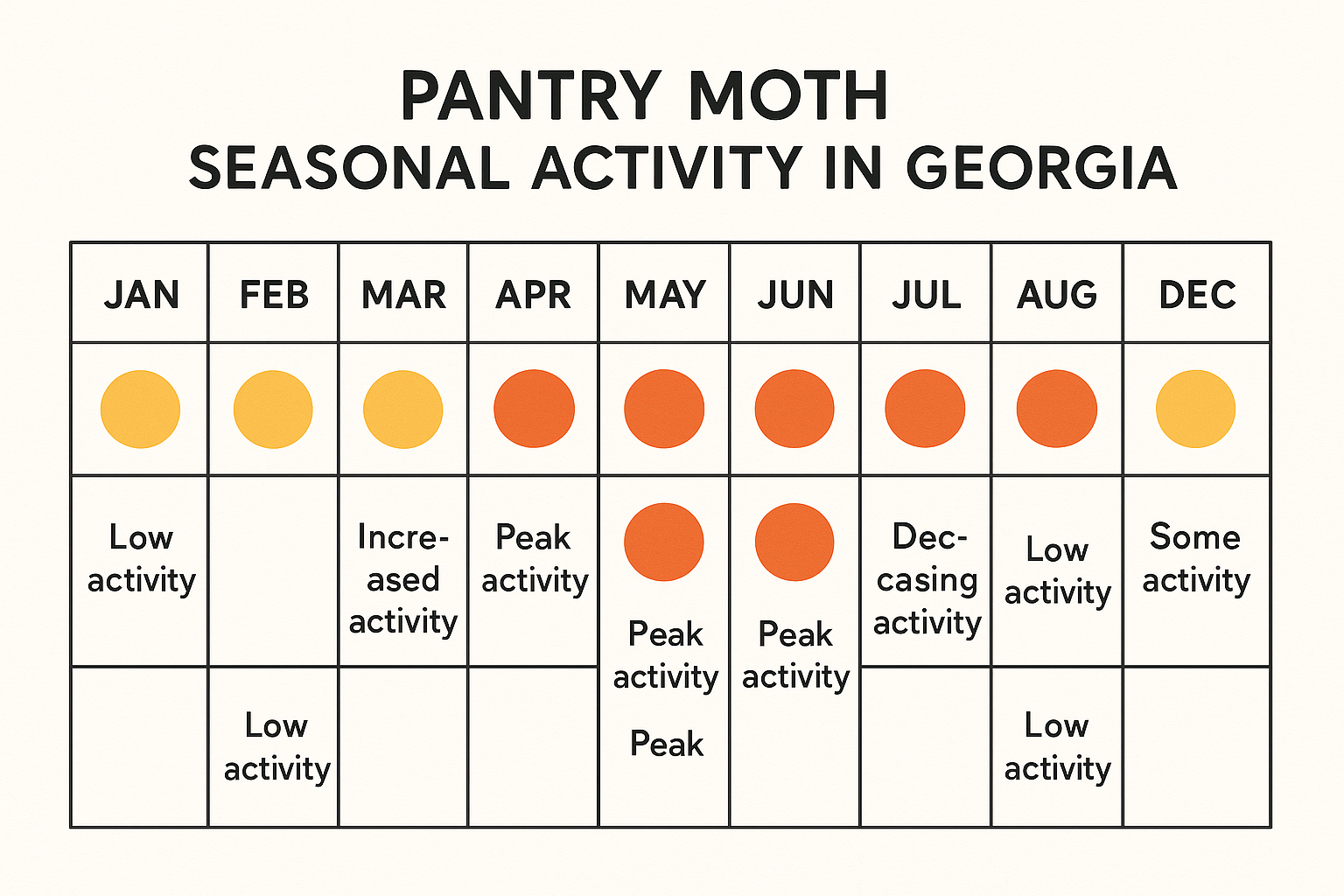
Seasonal Activity in Georgia
Even though indoor temperatures stay relatively stable, the outdoor climate still influences when adult moths emerge from hidden harborage—timing that can directly impact overall moth control cost Cumming homeowners experience throughout the year. The chart below summarizes typical activity levels from January through December.
| Month | Activity Level |
|---|---|
| January | Low |
| February | Low |
| March | Medium |
| April | Medium |
| May | High |
| June | High |
| July | High |
| August | Medium |
| September | Medium |
| October | Low |
| November | Low |
| December | Low |
The midsummer spike (May‑July) aligns with the period when outdoor moths finish their pupal stage and flood homes seeking food. Early fall (August‑September) sees a secondary rise as the next generation, hatched from larvae that survived the hot months, matures and seeks new pantry sites before cooler indoor heating slows development.
Timing Inspections and Preventive Actions
- Schedule a thorough pantry inspection in late April, before the high‑activity window opens. Look for webbing, silken tubes, and tiny egg clusters along seams.
- During May‑July, perform a quick visual check every two weeks. Replace any open packages of flour, rice, or pet food with airtight containers.
- In August, rotate stored goods—move older items to the front of the shelf and use them first. This reduces the time food sits undisturbed, which is a magnet for emerging adults.
- Maintain indoor humidity below 55 % by using dehumidifiers in basements and closets. Drier conditions hinder larval growth and prolong the life cycle, giving you a larger window for treatment.
- If you spot the first signs of webbing, contact a professional service like Anthem Pest Control promptly. Early intervention can stop a low‑level problem before it escalates into a costly, full‑scale treatment.
Preventing Pantry Moth Outbreaks on Your Own

Pantry moths may seem harmless until they turn your stored foods into a silken mess. The good news is that most infestations can be stopped before they start—by simply tightening up how you store, clean, and protect the items in your pantry. Below are low‑cost, homeowner‑friendly steps that keep moths out without a heavy reliance on chemicals.
1. Store Food the Right Way
Invest in airtight containers made of glass, heavy‑wall plastic, or metal. These barriers block adult moths from laying eggs and prevent larvae from chewing through packaging. For bulk items such as flour, rice, or nuts, transfer the contents into a sealed jar within a week of purchase.
If you suspect an item might be contaminated—perhaps it smells off or you’ve noticed webbing—place it in the freezer for at least 72 hours. The sub‑zero temperature kills eggs and larvae, turning a potential outbreak into a harmless piece of frozen food.
2. Keep a Consistent Cleaning Routine
Every month, empty your pantry and give each shelf a thorough vacuuming. Vacuuming removes stray crumbs, larvae, and the tiny silk threads moths leave behind. Follow up with a damp cloth dipped in mild soap or a vinegar solution to wipe away any remaining residue.
As you restock, discard any packages that are past their “best‑by” date or show signs of damage. Old or cracked packaging is an open invitation for moths to lay eggs.
3. Natural Deterrents That Actually Work
- Bay leaves: The strong scent confuses adult moths, discouraging them from settling. Place a few leaves on each shelf and replace them every three weeks.
- Neem oil: A few drops mixed with water create a spray that interferes with the moths’ life cycle. Lightly mist the interior of containers and the pantry walls, avoiding direct contact with food.
- Pheromone traps: These sticky traps emit a synthetic sex pheromone that lures male moths, breaking the breeding cycle. Hang one per 10‑square‑feet, positioning it near the back wall where moths tend to congregate.
4. Control Humidity and Ventilation
Moths thrive in warm, humid environments. Use a dehumidifier or a small fan to keep pantry humidity below 60 percent. Good airflow also helps dry out any accidental spills, removing a moisture source that larvae love.
5. Using Over‑the‑Counter Products Safely
When natural methods aren’t enough, EPA‑registered household moth sprays are an option. Always read the label, apply the product in a well‑ventilated area, and keep children and pets out of the pantry until the spray has dried completely. Follow the recommended re‑treatment interval—usually 30 days—to maintain protection without over‑application.
| Product | Active Ingredient | Application Area | Key Safety Note |
|---|---|---|---|
| MothAway Spray | Pyrethrin | Exterior of containers & pantry shelves | Allow 2 hours to dry before restocking; keep pets away. |
| Insect Shield Powder | Silica Gel | Between stored grains in sealed jars | Do not inhale; wear a dust mask during application. |
| EcoMoth Natural Fogger | Neem oil & essential oils | Whole pantry (light fog) | Ventilate for 30 minutes after use; no direct food contact. |
6. When DIY Isn’t Enough
If you notice a rapid increase in moth activity despite these measures—multiple traps full of moths, extensive webbing, or a lingering odor—it’s time to call a professional. Trained technicians can access hidden cracks, treat structural voids, and apply residual products that last months, ensuring the infestation is eradicated completely.
Professional Moth Control Options and Cost Comparison for Cumming, GA
When moths infiltrate a pantry, the damage can be both embarrassing and costly—often prompting homeowners to evaluate moth control cost Cumming services sooner rather than later. Anthem Pest’s approach blends proven chemistry with precision application, so homeowners in Cumming get a solution that works without compromising family safety. Below you’ll find a clear breakdown of the two primary service models we offer, their price bands, and the tangible benefits each delivers.
Targeted Moth Treatment
Anthem’s technicians start with a smoke‑machine dispersal that penetrates hard‑to‑reach cracks, closets, and pantry shelves. The smoke carries a residual spray formulated from low‑toxicity, EPA‑approved ingredients that remain active for up to 12 weeks. Because the formulation is food‑grade safe, you can restock your cabinets shortly after treatment—no long‑term evacuations or extensive clean‑outs required.
One‑Time Treatment Package
This option is ideal for homeowners who need an immediate fix after discovering an infestation.
- What’s included: Full‑home inspection, smoke‑machine application, residual spray on all food‑storage areas, and a post‑treatment follow‑up call.
- Typical timeline: One visit (≈2 hours) plus a 24‑hour waiting period before restocking.
- Pros:
- Fast eradication of active moths.
- No ongoing commitment or monthly fees.
- Transparent, upfront cost.
- Cons:
- Protection wanes after the residual spray’s effectiveness period.
- Re‑infestation risk if food isn’t stored properly.
Quarterly Service Plan
For homeowners who prefer a hands‑off, long‑term shield, the quarterly plan spreads treatment across four visits per year.
- Frequency & monitoring: Visits every three months include a fresh inspection, smoke‑machine boost, and re‑application of the residual spray.
- Long‑term protection: Consistent residual coverage keeps moth populations below the economic injury level, essentially preventing future loss.
- Pros:
- Continuous protection reduces the chance of a repeat outbreak.
- Scheduled visits simplify budgeting—pay a single annual fee.
- Includes priority scheduling and a 10 % discount on any additional pest services.
- Cons:
- Higher total outlay compared to a single treatment.
- Requires a commitment to a yearly contract.
Price Comparison at a Glance
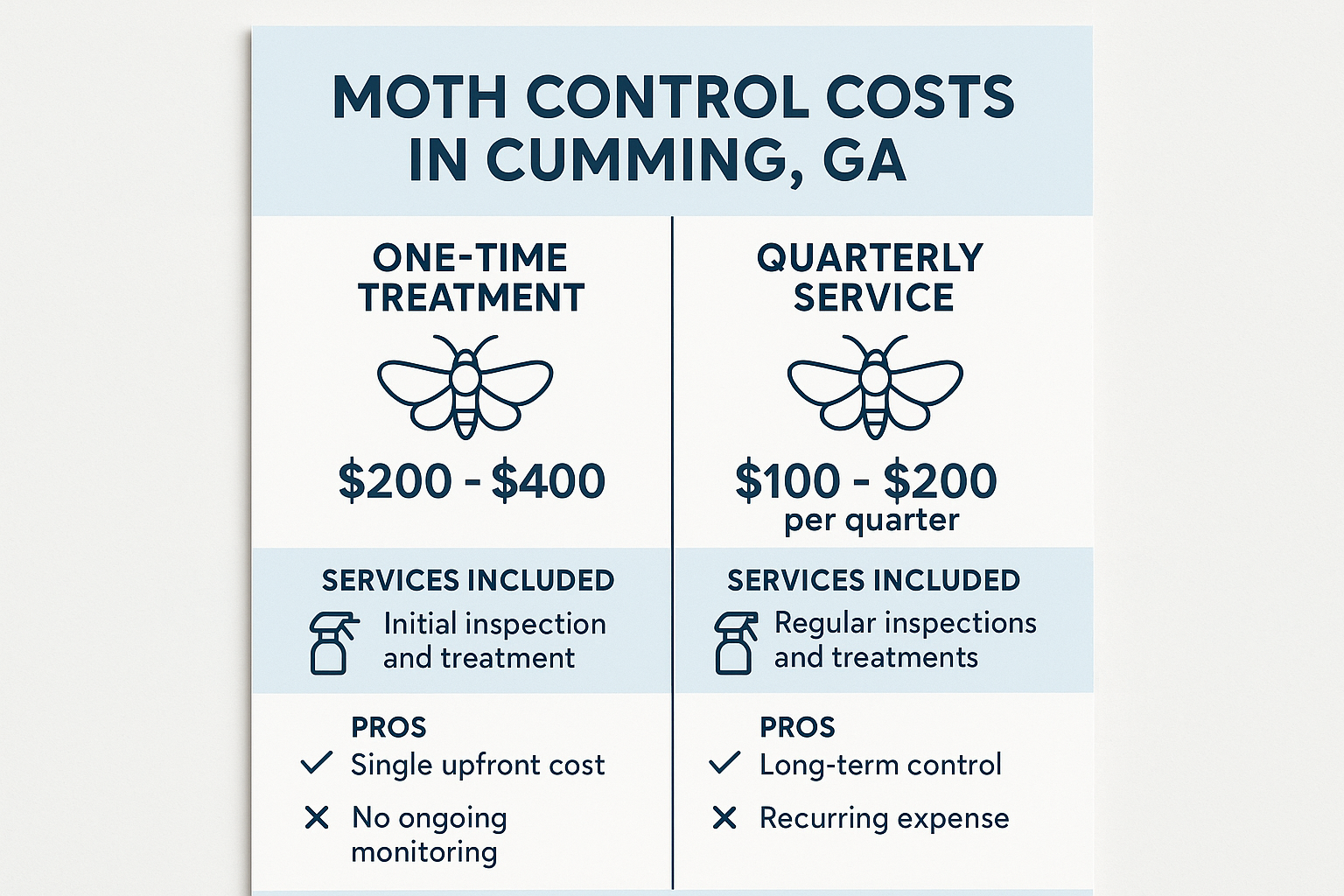
| Option | Price Range (Cumming, GA) | Services Included | Key Benefits |
|---|---|---|---|
| One‑Time Treatment | $180 – $250 | Inspection, smoke‑machine application, residual spray, 24‑hour post‑treatment call | Immediate eradication, no contract, clear cost |
| Quarterly Service Plan | $600 – $720 / year | Four inspections, four smoke‑machine applications, four residual sprays, priority scheduling, 10 % service discount | Year‑round protection, predictable budgeting, added value on other pest services |
Evaluating Return on Investment
Consider the hidden cost of a moth infestation: spoiled grains, flour, and pet food can easily total $150–$300 per pantry clean‑out. When you compare that loss to a $250 one‑time treatment, the ROI becomes evident—preventing just one major outbreak pays for the service. The quarterly plan, while a larger upfront expense, spreads protection over 12 months, reducing the probability of any loss at all. In other words, each dollar spent on proactive treatment safeguards far more in avoided food waste and peace of mind.
For a deeper look at how residential pesticide use is regulated and its safety record, see the EPA’s pesticide use statistics for residential settings.
Secure Your Kitchen Today – Get a Free Moth Control Quote
We’ve walked through how to spot pantry moths, why they surge in the warmer months, and the simple steps you can take right now to keep them out of your cupboards. A quick recap:
- Identification: Small, fluttering adults, silky webbing, and tiny larvae hidden in grain packages.
- Seasonal risk: Moth activity spikes from late spring through early fall when temperatures rise and food stores are abundant.
- Preventive steps: Store dry goods in airtight containers, discard infested items, and maintain a clean pantry surface.
- Ongoing vigilance: Regular pantry inspections every few weeks catch early signs before they become full‑blown infestations.
Even with diligent housekeeping, moths can hide in cracks, behind appliances, or inside unopened packages. That’s where a professional treatment makes a difference. Our technicians locate and eradicate hidden larvae, apply targeted products that break the life cycle, and set up barriers to stop future infestations. The result is a moth‑free kitchen that stays that way.
Taking action now not only protects your food supply but also prevents the costly damage that an unchecked infestation can cause. A single untreated moth problem can spread to multiple rooms, requiring extensive treatment later.
Ready for a personalized assessment? Call us at 877‑371‑8196 or visit Anthem Pest Control to schedule your free, no‑obligation quote. Our friendly team will walk you through the process, answer any questions, and set up a treatment plan that fits your budget. We’ll also provide a detailed report outlining future maintenance tips to keep moths at bay.
Don’t let pantry moths take over your kitchen—secure your home today with a quick call or click to learn more about moth control cost Cumming. Act now, and you’ll avoid the hassle of repeated treatments and food loss. We’re here to help you enjoy a clean, pest-free space.