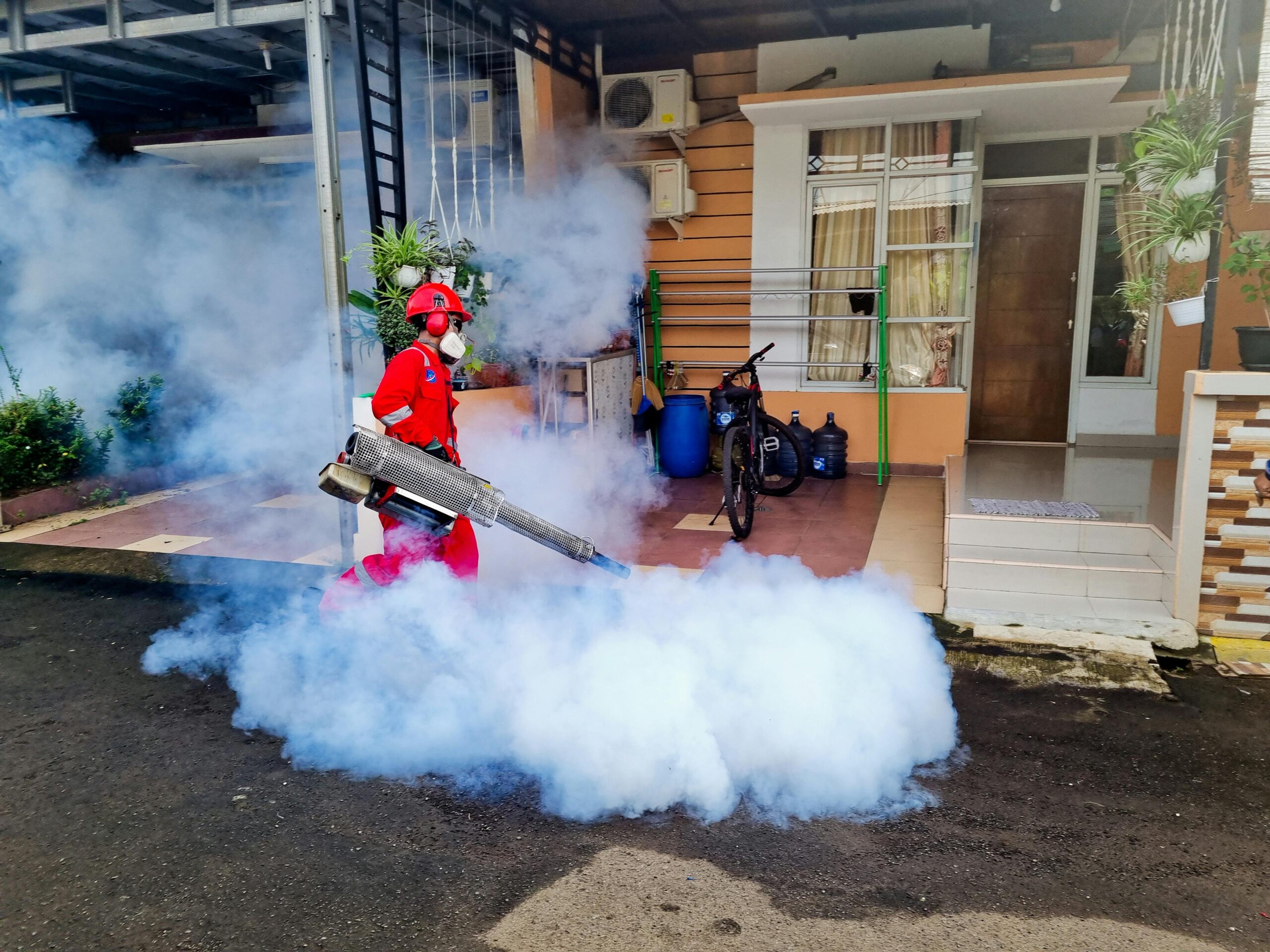
What Millipedes Are and Why They Matter in the Home
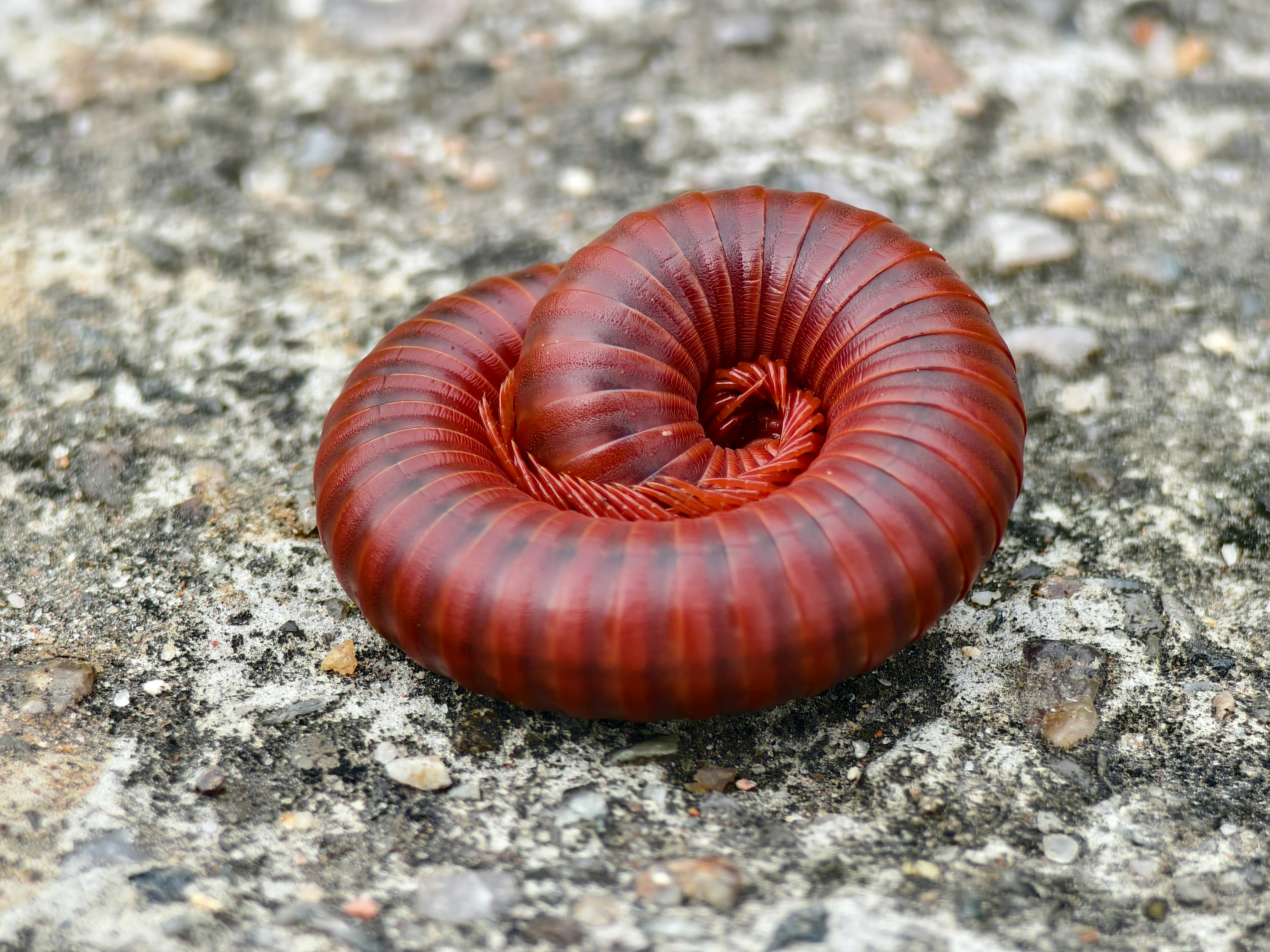
Millipedes are elongated arthropods distinguished by two pairs of legs per body segment and a hard, segmented exoskeleton—traits often documented during a professional millipede inspection Suwanee homeowners schedule for accurate identification. An adult can carry anywhere from 30 to over 400 legs, depending on the species, giving them a characteristic “many-legged” appearance that most homeowners recognize instantly.
Although they share the same class (Diplopoda) with centipedes, millipedes differ in several key ways. Centipedes have one pair of legs per segment, are faster, and possess venomous claws for hunting. Millipedes, on the other hand, are slow‑moving detritivores that lack venom and rely on chemical secretions only when threatened.
In the wild, millipedes thrive in moist environments—under leaf litter, decaying wood, and damp soil. These microhabitats provide the humidity they need to breathe through their porous exoskeletons. Residential yards in Suwanee and other humid regions of Georgia often mimic these conditions, especially after rain or when mulch and compost piles are left undisturbed.
Because they feed on dead organic matter, millipedes play a vital role in breaking down plant debris and returning nutrients to the soil. This makes them beneficial allies in a healthy garden ecosystem. However, when large numbers migrate indoors seeking shelter from cold or dry weather, they can become a nuisance, clustering in basements, crawl spaces, and even kitchens.
A common misconception is that millipedes are dangerous pests. In reality, they do not bite, sting, or transmit diseases. Their primary concern for homeowners is the sheer volume of individuals that can appear during peak activity periods, creating a “spider‑like” carpet that is unsettling and may trigger allergies for sensitive individuals.
For U.S. homeowners, especially those in humid climates like the Southeast, understanding millipede behavior is essential. Their seasonal surge typically aligns with late spring rains and early fall moisture spikes. Recognizing the signs—such as clusters in damp corners or along foundation walls—allows you to act before they become an indoor inconvenience.
For a deeper dive into millipede biology and safety, the Centers for Disease Control and Prevention offers a concise fact sheet: CDC Millipede Facts. Knowing the facts helps you differentiate between a harmless decomposer and a potential household nuisance, ensuring you take the right steps to protect your home.
Spotting Millipede Infestations Early

Millipedes aren’t just a curiosity—they’re a warning sign that moisture is finding its way into places you’d rather keep dry. Catching the problem early means you can often stay in the DIY lane, but knowing when the situation is beyond a quick sweep saves you time, money, and a lot of frustration.
Visual cues you can’t ignore
When you’re walking through a basement, crawl space, or the entryway, keep an eye out for the following tell‑tale signs:
- Clusters of live millipedes on concrete walls, floor joists, or near foundation cracks.
- Dead bodies in the same spots—millipedes tend to die where they’re trapped.
- Silky trails left by their secretions, especially on damp surfaces.
- Accumulations near doors and windows that stay moist after rain.
Moisture problems that attract millipedes
These arthropods love humidity. If you notice any of the following, you’re essentially putting out a welcome mat:
- Leaky pipes or dripping faucets in basements and crawl spaces.
- Poor exterior drainage that leaves the foundation constantly wet.
- Condensation on cold water lines or HVAC ducts.
- Standing water after heavy rain, especially around siding or deck footings.
Quick visual inspection checklist
Spend just ten minutes doing a systematic walk‑through. Follow this simple sequence:
- Inside the home: Start at the lowest level. Look along baseboards, under appliances, and inside closets for millipede clusters or moisture stains.
- Outside the home: Scan the perimeter for soggy soil, pooling water, and cracks in the foundation.
- Crawl spaces and basements: Shine a flashlight into corners, behind insulation, and around pipe penetrations.
- Entry points: Open and close doors and windows; check the frames for dampness or insect traffic.
Using the “wet‑area checklist” to prioritize treatment zones
| Zone | Moisture Indicator | Action Needed |
|---|---|---|
| Basement corners | Visible water stains or condensation | Repair leaks, improve ventilation, apply perimeter barrier |
| Crawl space joists | Persistent damp wood or mold | Encapsulate crawl space, install dehumidifier |
| Foundation exterior | Standing water after rain | Regrade soil, install French drain |
| Door thresholds | Moisture rings on flooring | Seal gaps, use moisture‑absorbing mats |
DIY monitoring vs. calling a professional
If you spot a few millipedes in a dry, well‑ventilated area, a simple dry‑cloth wipe and a moisture fix (like a dehumidifier) may be enough. However, consider professional help when:
- Clusters appear in multiple locations within a short period.
- Moisture sources are hidden (e.g., underground pipe leaks).
- You notice structural damage, such as rotting wood, alongside the insects.
- Previous DIY attempts haven’t reduced the sightings after two weeks.
Professional pest technicians can perform a thorough moisture audit, apply targeted barrier treatments, and advise on long‑term drainage solutions—services that go beyond a homeowner’s typical toolkit.
What the EPA says
For a deeper dive into indoor moisture management, the U.S. Environmental Protection Agency offers clear guidelines. Their Indoor Moisture Pest Management page outlines steps to eliminate excess humidity, which is the single most effective strategy for keeping millipedes and many other pests at bay.
When Millipedes Are Most Active in Georgia
Georgia’s Climate and Millipede Habitat
Georgia’s subtropical climate creates a perfect playground for millipedes. Warm temperatures combined with high humidity and abundant rainfall keep the soil moist year‑round, providing the damp environment millipedes need to thrive. Even in winter, coastal areas often see temperatures that rarely dip below freezing, allowing these arthropods to remain active longer than in more temperate regions. The combination of summer heat and frequent summer thunderstorms accelerates decomposition, which in turn fuels the organic matter millipedes love to feed on.
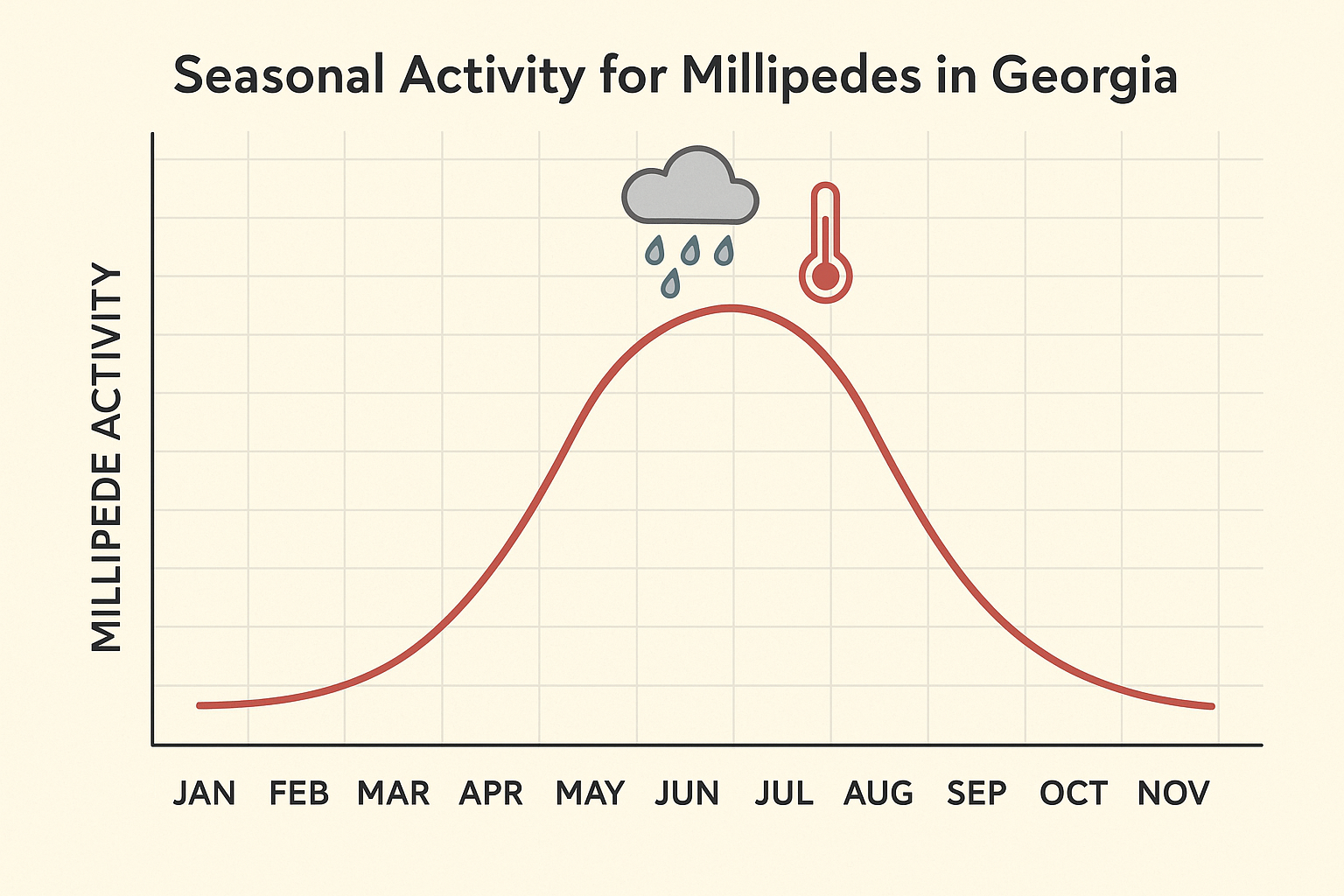
Seasonal Activity Chart
The chart below summarizes typical millipede activity across the year, linking average temperature and rainfall to observed population levels—insights commonly reviewed during a millipede inspection Suwanee homeowners schedule to anticipate peak seasons. Notice how the “Peak” months line up with the warmest, wettest period.
| Month | Avg Temp (°F) | Avg Rainfall (in) | Activity Level |
|---|---|---|---|
| January | 50 | 3.5 | Low |
| February | 55 | 3.2 | Low |
| March | 62 | 4.0 | Moderate |
| April | 70 | 4.8 | High |
| May | 78 | 5.2 | Peak |
| June | 84 | 4.5 | High |
| July | 88 | 4.0 | Moderate |
| August | 86 | 3.8 | Moderate |
| September | 80 | 4.1 | Low |
| October | 71 | 3.9 | Low |
| November | 60 | 3.6 | Low |
| December | 52 | 3.3 | Low |
Why Spring and Early Summer Spark Spikes
As temperatures climb above 65 °F in March and April, millipedes emerge from their overwintering sites in leaf litter and mulch. The simultaneous rise in rainfall softens the soil, making it easier for them to tunnel toward the surface. By May, the combination of warm days, humid nights, and plentiful moisture creates a feeding frenzy, driving populations to their highest levels. This surge often continues into early June before the summer heat begins to dry out the ground, temporarily slowing activity.
Extreme Weather: Heavy Rains and Floods
When Georgia experiences prolonged downpours or flash‑flood events, millipedes are forced to seek drier refuge. Waterlogged gardens, basements, and crawl spaces become attractive shelters, prompting mass migrations into homes. Homeowners who notice a sudden influx after a storm should treat the event as a red flag, not an isolated incident. Repeated flooding can establish a lingering indoor population that persists well into the dryer months.
Adjusting Inspection Frequency
Use the seasonal chart as a scheduling tool. In March and April, plan an early‑season inspection to catch the first wave before it spreads. A follow‑up check in May or early June helps address the peak period, especially after any heavy rain events. During the hotter, drier months (July‑September), inspections can be spaced out, but keep an eye on basements after any unexpected rain. By aligning inspections with the natural activity curve, you reduce surprise infestations and keep treatment costs predictable.
Treatment Options, Costs, and Prevention Strategies
Professional Treatment Methods
When millipedes gather in large numbers around your home’s foundation, most homeowners turn to a licensed exterminator for fast, reliable relief—often after a millipede inspection Suwanee professionals perform to identify the source and severity. Perimeter fogging creates a thin, residual mist that coats exterior walls, doorways, and window frames, killing insects on contact and providing a protective barrier for weeks. Soil drenches involve applying a liquid insecticide directly into the top few inches of soil where millipedes seek moisture; this method targets the colony at its source and can reduce re-infestations for up to three months. Finally, barrier applications—often a granulated or liquid product spread around the home’s perimeter—offer a long-lasting shield that remains effective through seasonal rainfalls, especially when paired with regular re-treatments.
DIY Options
For homeowners on a tighter budget, several do‑it‑yourself tactics can keep millipedes at bay. Sprinkling diatomaceous earth along crawl spaces and foundation cracks creates a desiccating barrier that punctures the insects’ exoskeletons, leading to dehydration. Sticky traps placed near entry points provide a visual cue of activity levels while physically removing individuals from the environment. Most importantly, moisture reduction—fixing leaky gutters, repairing basement leaks, and using dehumidifiers—removes the damp habitat millipedes love, making your property far less inviting.
Cost Comparison
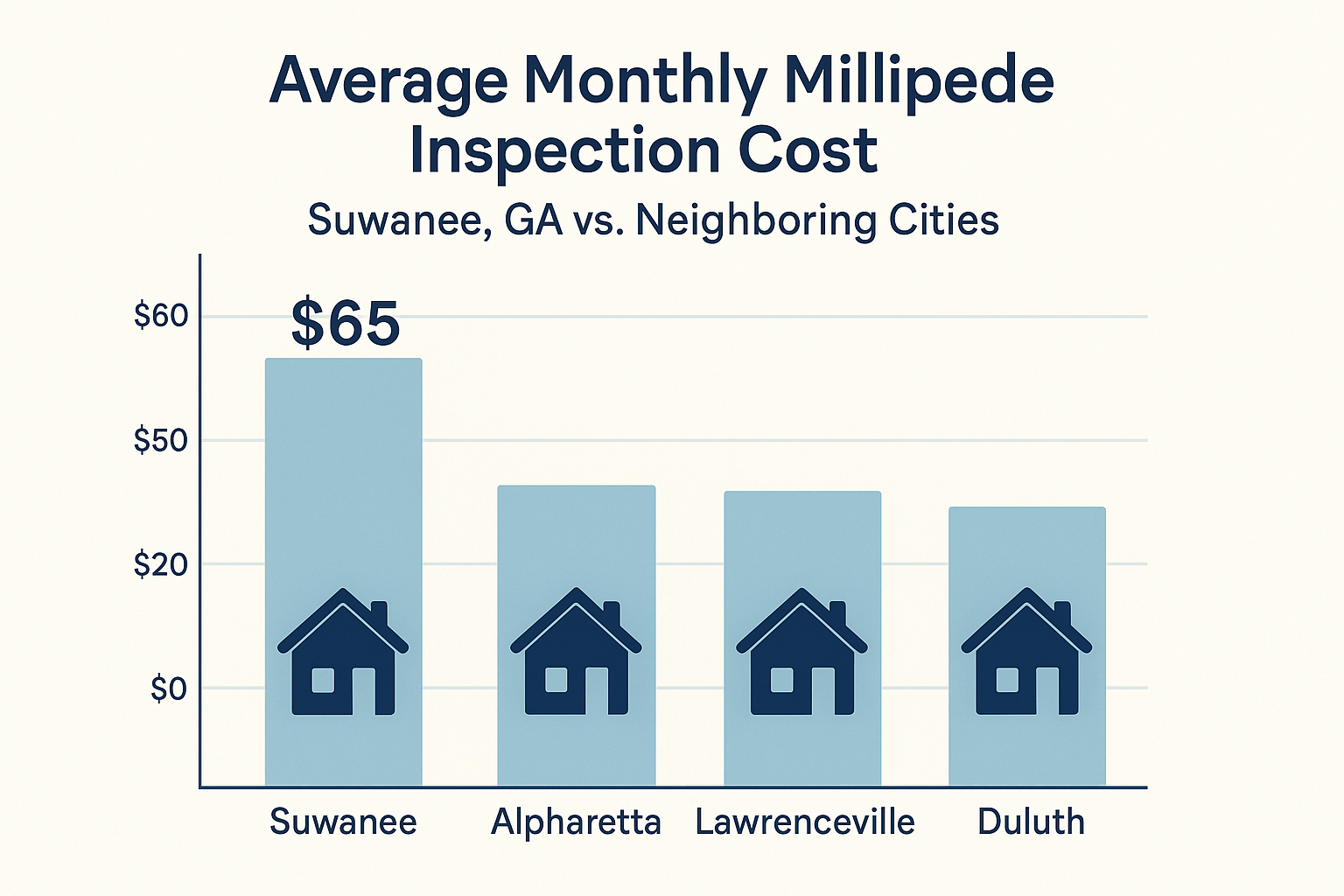
Understanding the price landscape helps you decide whether a professional service or a DIY approach fits your budget. Below is a snapshot of average monthly inspection and treatment costs reported by local providers in Suwanee and nearby cities.
| City | Average Monthly Inspection | Standard Treatment Package |
|---|---|---|
| Suwanee, GA | $45 | $180 |
| Alpharetta, GA | $48 | $195 |
| Cumming, GA | $42 | $170 |
| Duluth, GA | $44 | $185 |
Factors Influencing Price
- Property size: Larger homes or extensive landscaping require more product and labor, raising the overall fee.
- Infestation level: A light, seasonal presence may need only a single barrier spray, while a heavy, year‑round colony often calls for soil drenches and repeated follow‑ups.
- Treatment frequency: Quarterly service plans spread costs over the year and usually include monitoring, whereas a one‑time emergency call can be pricier per visit.
Long‑Term Prevention Strategies
Even the most effective treatment loses value without a solid prevention plan. Start with proper grading—the ground should slope away from the foundation at least 6 inches over the first 10 feet—to channel water away from your home’s base. Next, upgrade drainage systems by installing French drains or clearing clogged gutters; this eliminates the moist pockets millipedes adore. Sealing entry points such as cracks in foundation walls, gaps around utility lines, and poorly fitted door sweeps blocks the insects’ preferred highways. Finally, practice smart landscape management by moving wood piles, leaf litter, and mulch at least 18 inches from the house, and trimming back dense shrubbery that creates a humid micro‑climate against the exterior.
For a broader market perspective, the NPMA 2023 market survey confirms that average residential pest‑control spending in the Southeast hovers around $180 per treatment, aligning closely with the figures shown above for Suwanee.
Protect Your Home with Professional Millipede Management
Early detection and seasonal awareness are the cornerstones of a millipede‑free home. In Suwanee, the warm, moist spring months invite these harmless‑looking critters to seek shelter in basements, crawl spaces, and around foundation cracks. Spotting the first signs—tiny clusters near doors, damp wood, or mulch—gives you a narrow window to act before numbers swell and cause structural moisture issues.
Key treatment and prevention steps at a glance
- Seal entry points: Caulk gaps around windows, doors, and utility penetrations.
- Reduce moisture: Fix leaky gutters, improve drainage, and use dehumidifiers in crawl spaces.
- Targeted chemical barrier: Apply a low‑toxicity perimeter spray that stops millipedes from crossing into your home.
- Regular inspections: Schedule quarterly checks during peak season (April‑September) to catch re‑infestations early.
Anthem Pest Control brings years of local expertise to every millipede job. Our certified technicians use EPA‑approved products that are safe for children and pets while remaining affordable for homeowners. We pride ourselves on transparent pricing—no hidden fees, just a clear, upfront quote.
Our team doesn’t just apply a one‑time spray and walk away. We monitor your property throughout the season, adjusting treatments as weather patterns shift, and we back our work with a satisfaction guarantee—if millipedes return, we’ll re‑treat at no extra cost.
If you’ve noticed millipedes gathering around your home or want peace of mind during peak season, our certified technicians can assess, treat, and safeguard your property with a customized plan—no hidden fees, transparent pricing, and a free quote.
Ready to protect your home? Schedule a millipede inspection Suwanee homeowners trust—call us today at 877-371-8196 or visit Anthem Pest Control for your free estimate.