Cricket Activity in Cumming’s Backyard at Dusk
Cumming, Georgia enjoys a humid subtropical climate, which means warm evenings stretch well into late October. The combination of mild night temperatures, abundant grass, and the occasional porch light creates an ideal backyard habitat for field crickets. Homeowners often notice a soft, rhythmic chorus as the sun dips below the treeline—especially in yards with dense lawn, garden beds, or wooden fences that offer shelter and moisture—often leading them to research cricket control cost Cumming as activity increases.
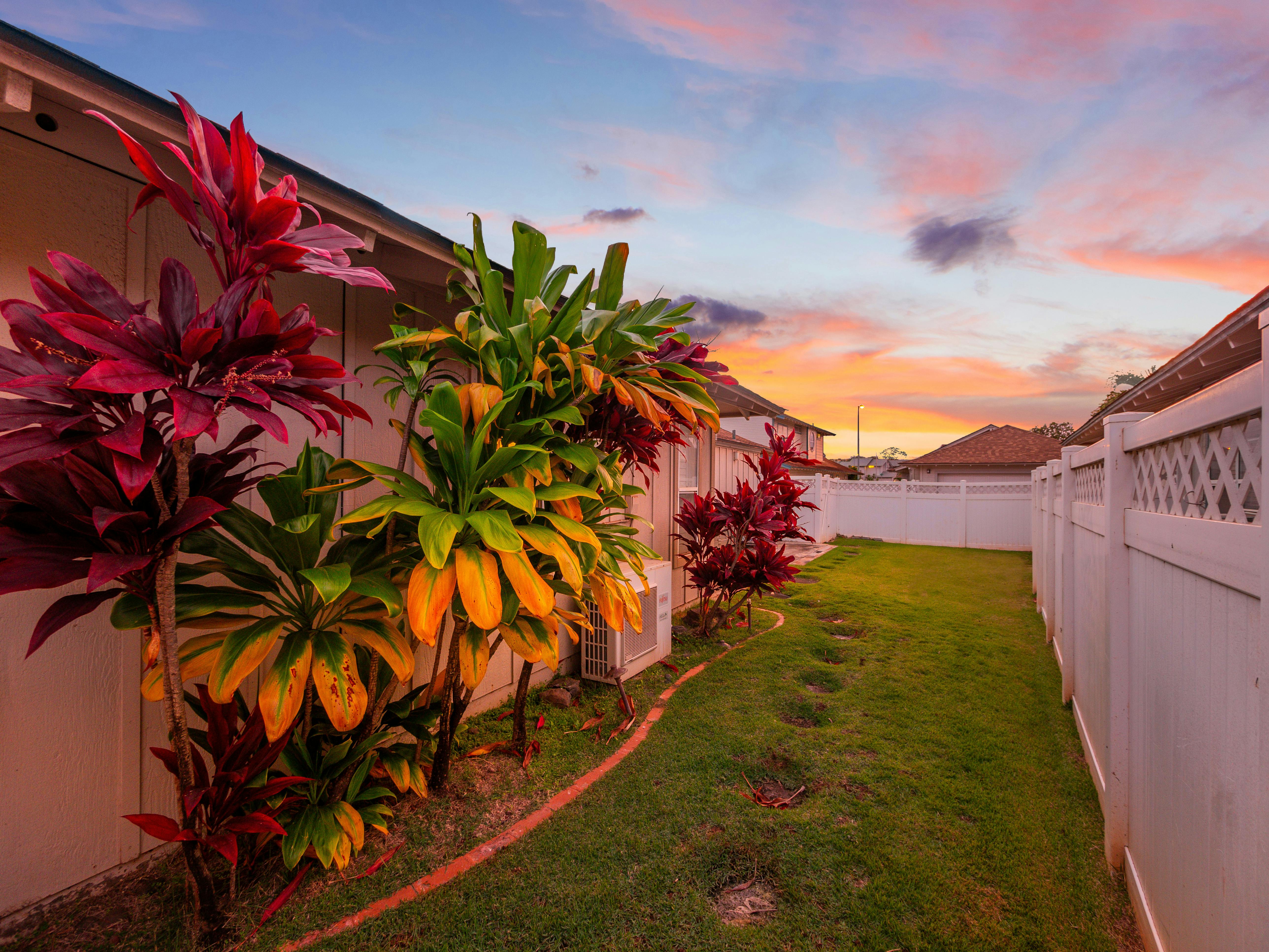
When daylight fades, adult male crickets emerge from the foliage to begin their nightly routine. Their signature chirping is produced by rubbing the wings together—a behavior called stridulation. While the males sing to attract mates, females are busy feeding on tender plant material, seedlings, and even decaying organic matter. This feeding can cause minor damage to ornamental grasses and low‑lying shrubs, but the real concern lies in what the chorus signals for the future.
Why a Harmless Evening Chorus Can Signal a Growing Infestation
Each chirp is more than a soundtrack; it’s a recruitment call. In Cumming’s warm summer nights, a single female can lay up to 1,000 eggs in the soil, and those eggs hatch in as little as two weeks. With the region’s consistent night temperatures above 68 °F (20 °C), multiple generations can develop within a single season. Moreover, outdoor lighting—especially bright porch or security lights—acts like a beacon, drawing both males and females into the same area, amplifying the population density around your home.
- High reproductive rates: One pair can produce thousands of offspring in a few months.
- Light attraction: Insects are phototactic; the more lights you have, the more crickets gather.
- Rapid life cycle: Eggs hatch in 2–3 weeks, nymphs mature in another 4–6 weeks.
These factors mean that today’s pleasant serenade can become tomorrow’s indoor nuisance. Crickets that start outside often find their way indoors through cracks, gaps around doors, or even hitch a ride on firewood and garden tools. Once inside, they seek dark, damp corners—basements, closets, and crawl spaces—where they can continue breeding unnoticed.
Did You Know?
In Georgia’s peak summer months, a single cricket can complete its entire life cycle—from egg to reproductive adult—in roughly 6–8 weeks. That speed allows populations to double or triple every month if conditions stay favorable.
Understanding the outdoor activity helps you catch the problem before it migrates indoors. Keep an eye on the intensity of the dusk chorus, especially after a warm, rainy spell. If you notice a sudden surge in chirping or see crickets gathering around porch lights, it’s a clear sign that a larger population is establishing itself nearby.
Now that you’re familiar with what’s happening in your backyard at dusk, let’s explore the early warning signs crickets leave inside your home and how to spot them before they become a full‑blown infestation.
Spotting Crickets and Early Warning Signs Indoors
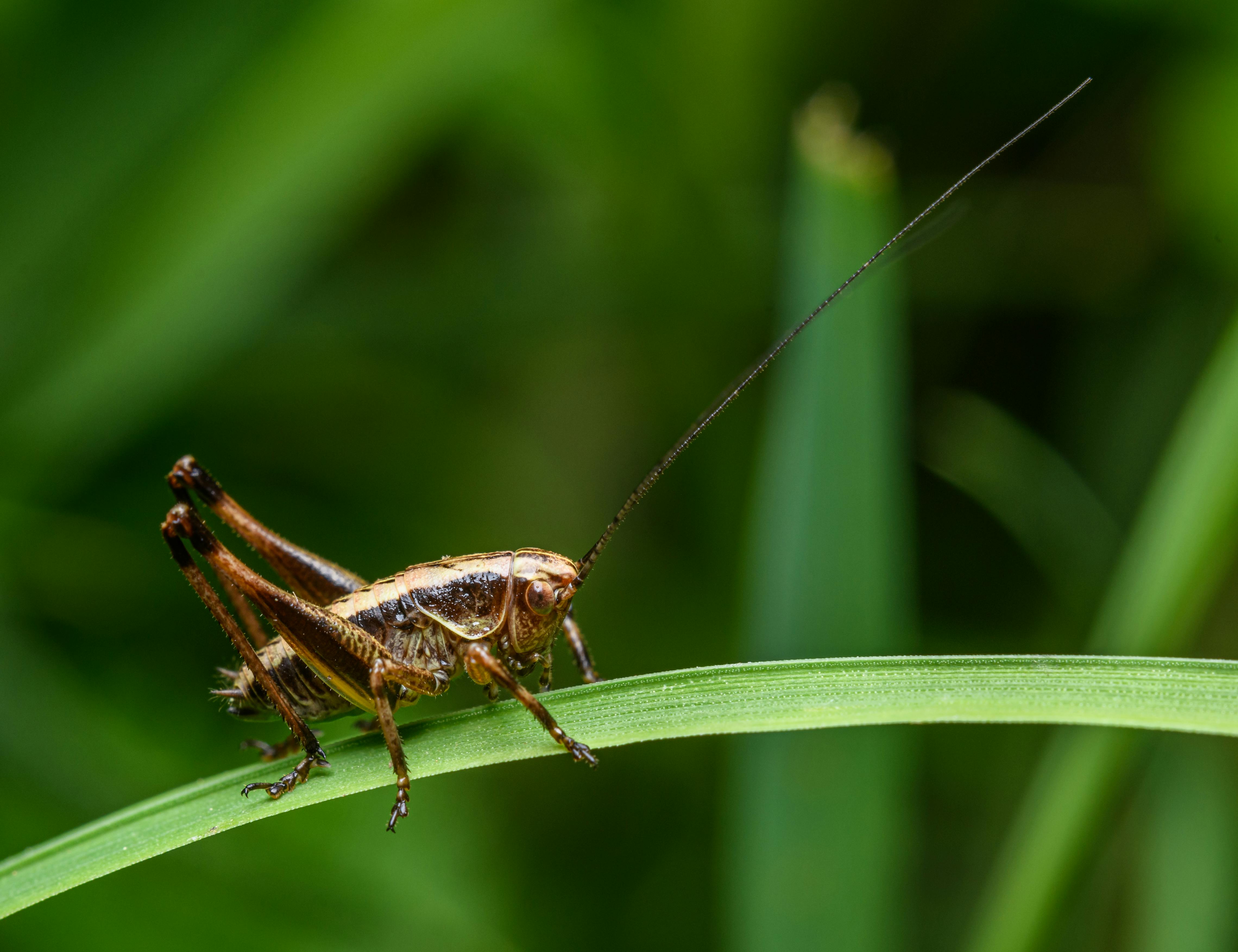
Physical description of the typical house‑invading cricket
Most crickets that wander into Cumming homes belong to the Gryllus or Acheta genera. They measure ½ – ¾ inch (12‑19 mm) in length, with a smooth, oval‑shaped body that ranges from light brown to a muted gray‑green. Their hind wings are noticeably longer than the forewings, extending past the abdomen and giving a faint, translucent edge. Even when the wings are folded, you can see the characteristic “V”‑shaped veining that sets crickets apart from many other insects.
Key visual cues inside the home
First‑time homeowners often dismiss small dead crickets near porch lights as accidental. In reality, a cluster of these tiny corpses is a red flag that adults are entering the house to seek shelter. Listen for a faint, rhythmic chirping after sundown; male crickets produce this sound by rubbing their forewings together. You may also spot bite‑size droppings—dark, pellet‑shaped specks—on windowsills or kitchen counters. Occasionally, a fully winged adult will flutter near an open door, especially during warm, humid evenings.
How to differentiate crickets from look‑alikes
Katydids are larger (often over an inch), have leaf‑like wings, and emit a higher‑pitched “kat‑i‑dit” call. Grasshoppers, on the other hand, possess robust hind legs built for powerful jumps and lack the delicate wing‑rubbing mechanism that creates chirps. Crickets’ antennae are long and slender, extending well beyond the tip of their head, whereas katydids and grasshoppers have shorter, thicker antennae. Noticing these subtle differences can prevent misidentifying the pest and applying the wrong treatment.
Common entry points you shouldn’t overlook
Crickets are opportunistic travelers. Gaps as narrow as ¼ inch around exterior doors act like highways for them. Unscrewed or torn window screens provide a direct route from the yard to your living room. Even tiny foundation cracks—often hidden behind baseboards—can serve as hidden portals, especially after a rainstorm when the soil softens. Sealing these openings with weather‑stripping, caulk, or expanding foam dramatically reduces the chance of a quiet invasion.
Early damage signs to keep on your radar
While crickets rarely cause structural damage, they do nibble on tender foliage. A sudden “chewed‑edge” appearance on houseplants, especially at the tips, may indicate a cricket presence. Outdoor lawns can show minor thinning in shaded patches where crickets congregate at night. Inside the kitchen, you might notice occasional food contamination—tiny specks in pantry items or crumbs in pet food bowls—if crickets have taken up residence nearby.
For a deeper dive into pest identification and safe management practices, consult the EPA’s pesticide registration information. Recognizing these early signs empowers you to act quickly, keeping your home comfortable and cricket‑free.
Seasonal Cricket Activity Trends in Georgia
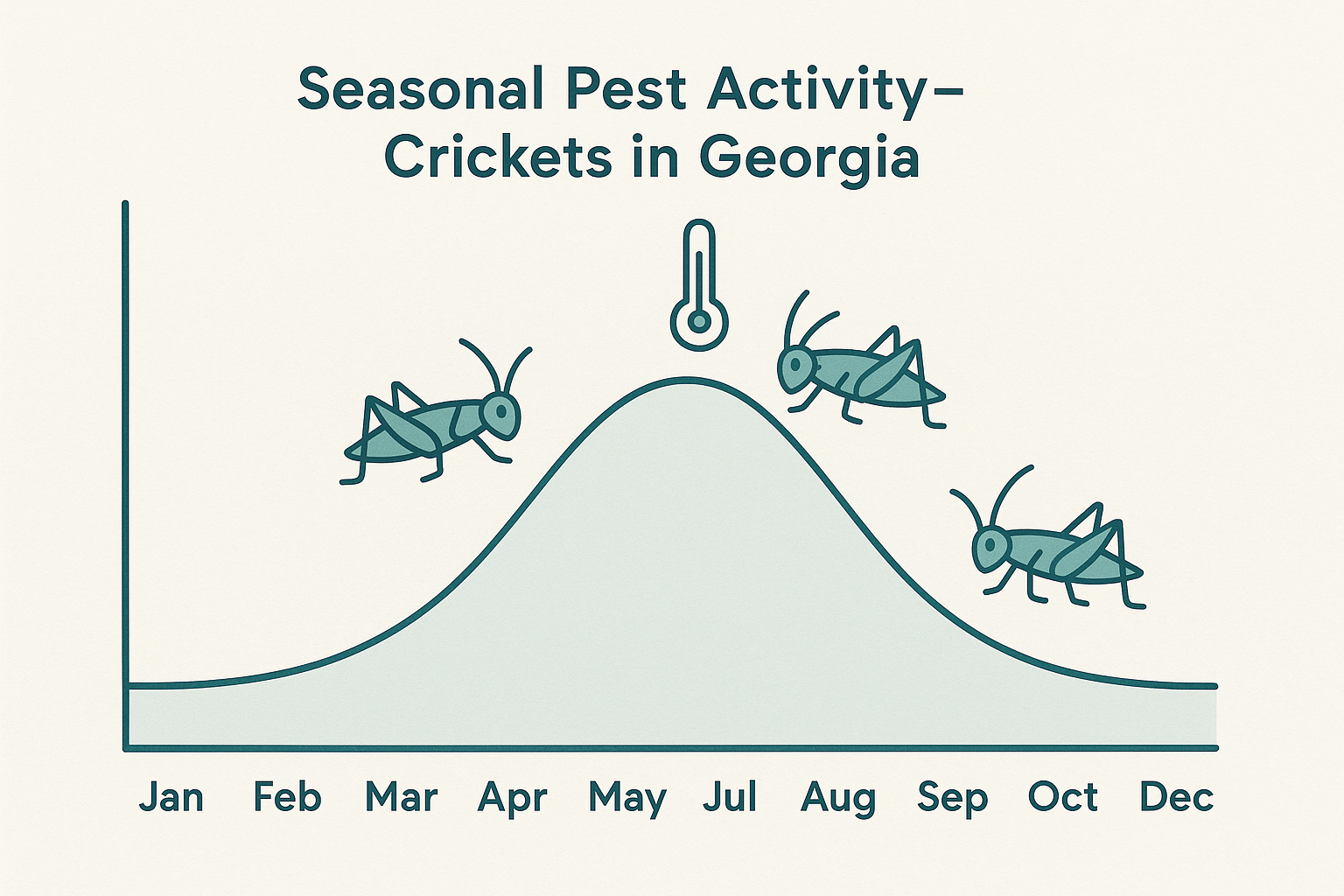
Monthly Activity Overview
Georgia’s cricket population follows a predictable curve that starts near‑zero in the cold months, climbs steadily as temperatures rise, and peaks in the warmest part of the year. The chart above visualizes this pattern, showing a gentle rise from January, a sharp ascent from April to August, and a gradual decline through October.
Why Crickets Surge in Late Spring Through Early Fall
Two key environmental drivers fuel the spring surge: temperature and humidity. Once daytime highs consistently hit the mid‑70s °F, crickets emerge from overwintering sites and begin their breeding cycle. Moisture from spring rains creates ideal soil conditions for egg laying, accelerating the population boom.
Summer Peak (June‑August) and Indoor Intrusion
June, July, and August are the critical window when adult males sing loudly to attract mates. Their chorusing often pushes them into homes seeking shelter from the heat, especially in poorly sealed basements or crawl spaces. Homeowners who notice a sudden increase in nighttime chirping should suspect a summer peak invasion.
Weather Anomalies Can Shift the Curve
A warm, dry winter can trigger an early start, while a late‑season cold snap may compress the peak into a shorter, more intense window. For example, an unseasonably warm February can push the “rise” phase forward by several weeks, catching unprepared homeowners off guard.
Optimal Inspection Windows for Homeowners
To stay ahead of the infestation, schedule two thorough inspections each year:
- Early Spring (mid‑March to early April): Check foundation cracks, vent screens, and outdoor lighting that attract insects.
- Late Summer (late August to early September): Inspect for lingering adults and ensure any treatment applied in spring has held up.
These inspections let you catch the population before it explodes or right as it begins to decline, saving you both time and money.
For a detailed regional pest calendar, see the University of Georgia Extension publication: UGA Extension – Pest Calendars. This resource aligns closely with the trends outlined above and can help you fine‑tune your cricket‑control schedule.
Cricket Control Options and Pricing in Cumming
Treatment Modalities
Anthem Pest Control uses four primary approaches to keep crickets out of your home and yard, helping homeowners better understand cricket control cost Cumming and choose the most effective treatment option for their needs.
- Perimeter Sprays: A professional‑grade insecticide is applied around the exterior walls, foundation, and landscaping to create a chemical barrier that kills crickets before they can enter.
- Indoor Fogging: A fine mist is dispersed inside the living spaces, targeting hidden crevices, attics, and crawl spaces where crickets hide during daylight.
- Bait Stations: Strategically placed stations contain a slow‑acting toxin that crickets carry back to the colony, reducing the population over several weeks.
- Habitat Modification: Simple homeowner actions—regular grass trimming, removing debris, and adjusting outdoor lighting to less attractive wavelengths—make the property less inviting for crickets.
Pros and Cons of Each Method
| Method | Pros | Cons |
|---|---|---|
| Perimeter Sprays | High immediate knock‑down; protects both indoor and outdoor zones. | Requires re‑application every 30‑45 days during peak season. |
| Indoor Fogging | Reaches hidden indoor harborage; rapid results. | May cause temporary odor; not ideal for homes with severe allergies. |
| Bait Stations | Long‑term colony control; low exposure to humans and pets. | Effectiveness depends on cricket foraging behavior; slower visible results. |
| Habitat Modification | Zero chemical exposure; improves overall yard health. | Requires consistent homeowner effort; less effective alone during heavy infestations. |
Pricing Overview (Infographic Summary)
The infographic below breaks down the typical cost structure for cricket control in Cumming. An initial inspection fee of $79‑$99 is common, followed by per‑treatment charges that vary by method.
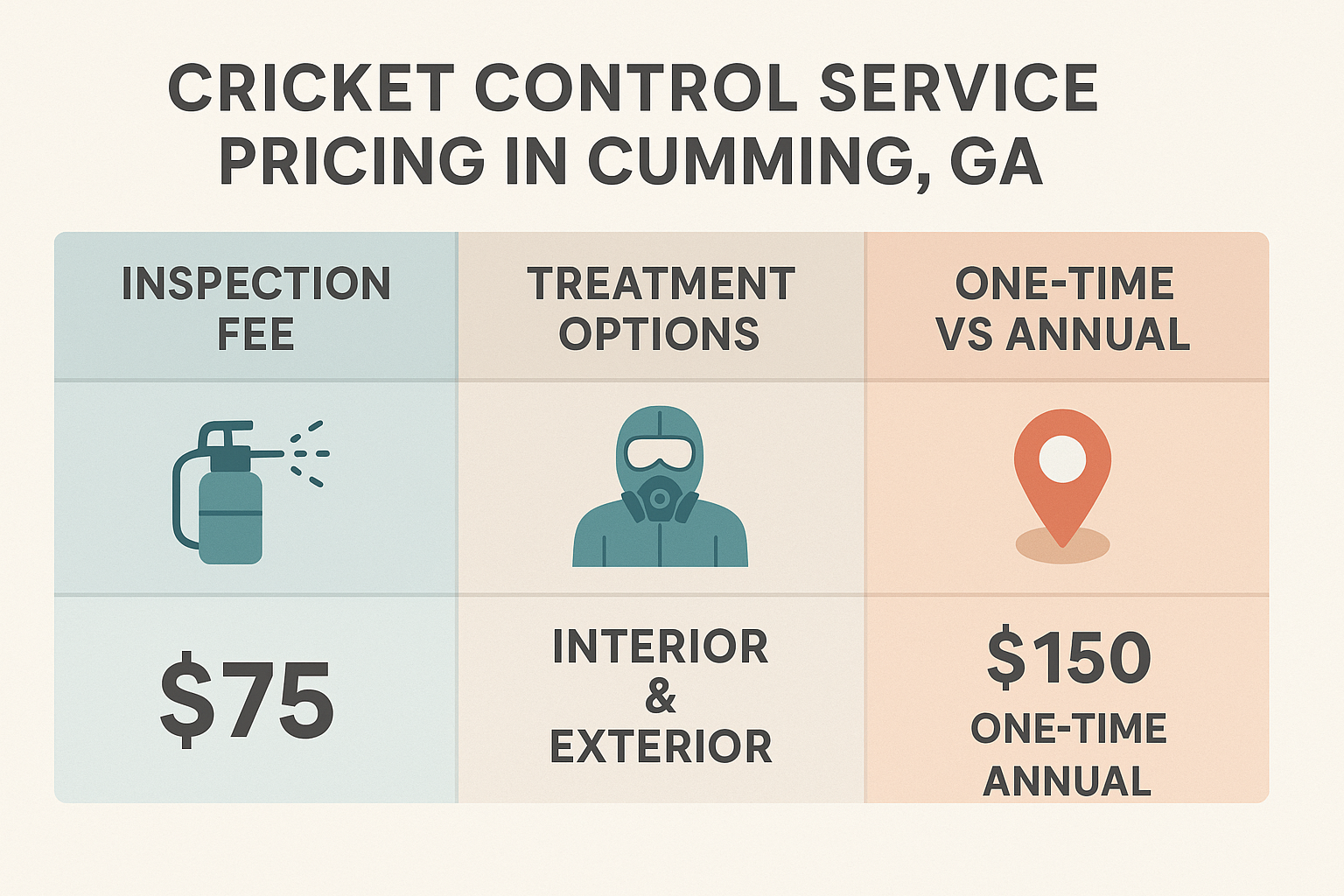
| Plan Type | Average Cost per Treatment | Number of Visits per Year | Total Annual Cost |
|---|---|---|---|
| One‑Time (Single Visit) | $150‑$250 | 1 | $150‑$250 |
| Quarterly Subscription | $120‑$180 | 4 | $480‑$720 |
| Bi‑Monthly Subscription | $100‑$150 | 6 | $600‑$900 |
| Annual Full‑Coverage | $90‑$130 | 12 | $1,080‑$1,560 |
National Cost Context
According to the NPMA pest-control cost survey, the average U.S. homeowner spends $180–$260 per cricket treatment. Cricket control cost Cumming aligns closely with the national median, though local subscription plans can shave 10–15% off the per-visit price.
Tips for Evaluating Quotes
- Look for a clear breakdown of inspection fees, treatment costs, and any travel surcharges.
- Verify that the company offers a warranty or guarantee on cricket control results.
- Ask whether follow‑up visits are included or billed separately.
- Confirm that the pesticide used is EPA‑registered and safe for children and pets.
- Compare the frequency of applications—more frequent, lower‑dose visits often deliver better long‑term control.
Why Schedule a Professional Inspection Now?
The cricket population spikes in late spring and peaks during the early summer heat. Booking a professional inspection before the first major surge lets Anthem Pest identify breeding hotspots, apply a pre‑emptive barrier, and save you from costly emergency visits later in the season.
Protect Your Home with Anthem Pest Control
Crickets may seem harmless, but when they swarm the warm evenings of Cumming, they quickly become a nuisance. Their chirping masks other sounds, they leave behind unsightly exoskeletons, and a heavy infestation can even attract larger predators that threaten your garden and indoor spaces. Because cricket activity peaks from late summer through early fall, acting promptly prevents the problem from snowballing into a full‑blown invasion.
Quick Recap: Identify and Treat Early
We’ve already walked through the tell‑tale signs—loud nighttime chirps, scattered shells near lights, and occasional indoor sightings. Remember the three‑step identification process: listen for the characteristic song, locate the source with a flashlight, and confirm by spotting the distinctive, flattened bodies. Once you’ve pinpointed the hotspots, treatment options range from DIY perimeter sprays to professional-grade fogging and bait stations. The key is timing: a treatment applied before crickets reach peak breeding yields the best control and the lowest cost.
Why Choose Anthem Pest Control?
Anthem Pest Control stands out as Cumming’s trusted partner for cricket management. Our technicians are locally trained, understand the region’s climate patterns, and use products that are both effective against crickets and safe for families, pets, and the environment. We pride ourselves on transparent pricing—no hidden fees, just a clear, affordable quote that fits your budget.
- Free, no‑obligation inspections: We assess your property, identify entry points, and recommend a customized plan.
- Tailored treatment plans: Whether you need a one‑time blast or ongoing monitoring, we design a solution that matches your situation.
- Continuous monitoring: After the initial treatment, we schedule follow‑up visits to ensure crickets stay away for the season.
Take the Next Step—Protect Your Home Today
Don’t let crickets turn your quiet evenings into a noisy ordeal. Call Anthem Pest Control now for a free quote and a no‑obligation consultation. Our friendly team will walk you through every step, from inspection to the final seal‑up, so you can enjoy a cricket‑free home all year long.
Visit Anthem Pest Control for your free cricket inspection today, or call us directly at 877-371-8196 to get clear answers about cricket control cost Cumming. Let us handle the chirping, so you can get back to the peace and quiet you deserve.