What Are Fruit Flies and Why They Matter
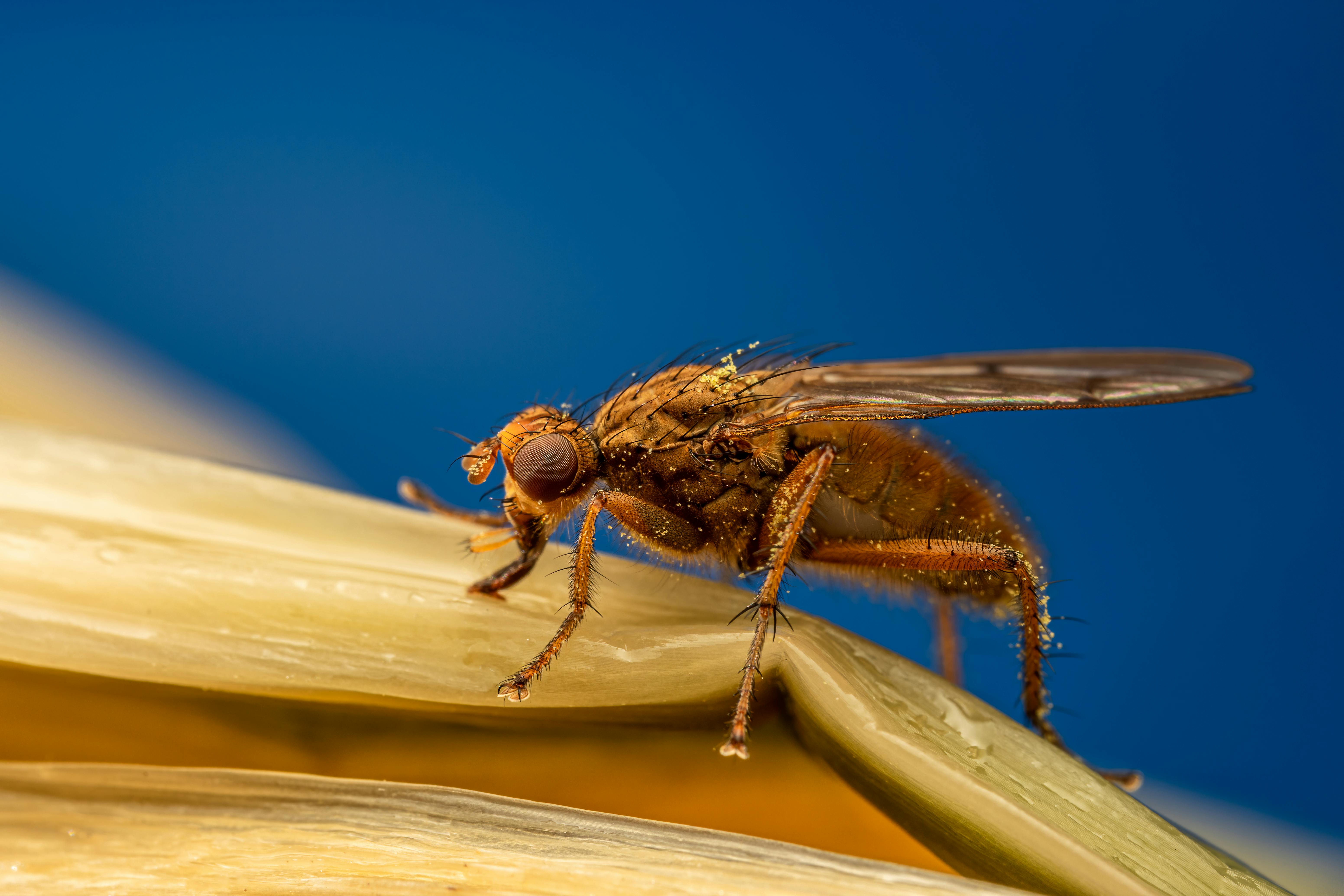
Emergency fruit fly control Decatur homeowners need to act fast when tiny insects begin swarming kitchens and food prep areas. Fruit flies belong to the family Drosophilidae, with Drosophila melanogaster being the species most homeowners encounter. These insects are only about 1/8 inch long, but their rapid life cycle—egg to adult in as little as seven days—means a small introduction can turn into a full-blown infestation within weeks.
Typical entry points are surprisingly ordinary: open doors, unscreened windows, cracks around foundations, and, most importantly, over‑ripe or rotting produce left on countertops or in trash cans. Once inside, fruit flies are drawn to the sugars in fruit, soda, and even damp cleaning rags, using these as breeding sites.
The health concerns go beyond a mere nuisance. While fruit flies themselves are not disease vectors, they can contaminate food with bacteria from their bodies and excrement. Their presence also attracts other pests such as ants and cockroaches, and some individuals experience allergic reactions to the flies’ waste particles.
Economically, a fruit‑fly problem can bite homeowners in several ways. Spoiled produce translates directly into food waste, while the constant need for extra cleaning supplies and time adds hidden costs. In severe cases, professional treatment from a company like Anthem Pest Control may be required, raising the expense further.
National surveys indicate that **approximately 30 % of U.S. households** report seeing fruit flies at least once a year, with higher rates in warm, humid regions like Decatur, Georgia. The EPA’s fruit‑fly page, the CDC food safety guide, and the NPMAPestWorld fact sheet all confirm that these pests thrive in kitchens where food is left exposed.
Understanding what fruit flies are, how they get inside, and why they matter equips homeowners to act before a minor annoyance escalates into a costly, health‑related problem. Prompt identification and early prevention are the most effective tools in keeping your home fruit‑fly free.
Spotting a Fruit Fly Infestation Early
Emergency fruit fly control Decatur becomes urgent because fruit flies multiply faster than you can finish a bowl of fresh berries. Catching them at the first hint can save you a lot of hassle. A quick visual scan around your kitchen and pantry often reveals the problem before the tiny insects turn your home into a breeding ground.
Visual signs include small, hovering insects that seem to dance over fruit bowls, tiny white or tan larvae tucked inside over‑ripe or fermenting fruit, and brown‑black specks that appear near drains or garbage disposals. Those specks are actually pupae or dead adults trying to escape damp environments.
Common hotspots are the places where moisture and sugar meet: kitchen counters, garbage disposals, compost bins, indoor potted plants, and the lids of indoor trash cans. Even a forgotten slice of banana on a windowsill can become a launch pad for a new generation.
Behavioral clues are just as telling. Fruit flies are irresistibly drawn to ripe fruit, sugary drinks, and any damp area where organic matter is breaking down. If you notice them swarming around a cutting board or a leaky faucet, it’s a clear warning sign.
DIY Inspection Checklist
- Inspect fruit bowls, trash cans, and compost bins daily for adult flies or larvae.
- Check sink drains and garbage disposals with a flashlight for specks or slime.
- Examine the soil of houseplants for tiny larvae or adult activity.
- Look under appliances and behind pantry shelves for hidden fruit remnants.
- Repeat the walk‑through every 3‑4 days during peak summer months.
Detecting fruit flies early means you can often resolve the issue with simple sanitation and a few traps, avoiding the need for professional chemical treatments. Early action cuts down on the number of flies you have to eradicate, which translates to lower service fees and less disruption to your daily routine.
Preventing Fruit Flies Before They Arrive
For emergency fruit fly control Decatur homeowners rely on, prevention starts with understanding what attracts these pests. Fruit flies are drawn to the tiniest bits of fermenting organic matter, but the good news is that most infestations can be stopped at the doorstep with a few simple, low-cost habits. Below are everyday actions Decatur homeowners can adopt to keep those buzzing intruders out.
Food Hygiene
Store all fresh produce in airtight containers or resealable bags. Over‑ripe fruit is a magnet for flies, so discard it promptly and clean any spills right away. A quick wipe of countertops after meal prep removes the sugary residue that would otherwise become a breeding ground.
Waste Management
Keep trash cans sealed with tight‑fitting lids and empty them at least once a day during peak fruit‑fly season (late spring through early fall). Recycling bins should be rinsed regularly to eliminate leftover juice or food scraps that can linger in the corners.
Drain and Sink Care
For emergency fruit fly control Decatur homeowners should never overlook their drains, as organic buildup creates a hidden oasis for larvae. Once a week, pour a pot of boiling water down each sink, or use a 1:1 mixture of white vinegar and baking soda followed by hot water. This simple flush breaks down the film where flies love to lay eggs.
Structural Barriers
Install fine‑mesh screens on windows and vents; even a tiny gap can let flies slip inside. Seal cracks around doors, windows, and baseboards with caulk, and attach door sweeps to keep the entry points airtight.
Natural Repellents & Traps
Mix a few drops of peppermint or eucalyptus essential oil with water in a spray bottle and mist doorways, countertops, and pantry shelves. For an inexpensive trap, fill a shallow bowl with apple cider vinegar, add a drop of dish soap, and place it near problem areas. The flies are drawn to the scent, then drown.
Monthly Homeowner Prevention Checklist
| Month | Risk Level | Key Prevention Tasks |
|---|---|---|
| January‑February | Low | Store produce sealed; wipe spills; keep trash lids tight. |
| March‑April | Moderate | Begin weekly drain flushes; inspect screens for damage. |
| May‑July | High | Daily trash removal; use vinegar‑baking‑soda drain treatment; set vinegar traps; spray essential‑oil repellent. |
| August‑September | High | Continue all May‑July tasks; add door sweeps; rotate trap locations. |
| October‑December | Moderate | Reduce indoor fruit; clean recycling bins; perform final drain flush before winter. |
With emergency fruit fly control Decatur homeowners can stay ahead of infestations by turning these actions into a routine. You create multiple layers of defense that stop fruit flies before they ever get a chance to set up a colony. Simple, inexpensive steps today mean a quieter, fly-free kitchen tomorrow.
Professional Treatment Options for Fruit Flies
When fruit flies swarm your kitchen, over‑the‑counter sprays rarely reach the hidden breeding sites where the insects multiply. A licensed technician brings EPA‑approved products and equipment that target those hard‑to‑reach areas while keeping your family safe.

EPA‑Approved Chemical Sprays
For emergency fruit fly control Decatur, professional-grade sprays are formulated specifically for indoor fruit-fly treatment and have passed rigorous EPA testing. These products create a residual barrier on surfaces such as countertops, trash cans, and window sills, killing flies on contact and preventing new hatchlings from emerging for weeks. Because the chemicals are registered for indoor use, they pose minimal risk when applied according to label directions.
Bait Stations and Gel Attractants
Strategically placed bait stations contain a sweet, protein‑rich gel that lures fruit flies into a concealed trap. Technicians hide these stations in corners, under appliances, and near garbage disposals—places you might overlook. The gel not only captures adults but also disrupts the life cycle by reducing the number of eggs laid in your pantry.
Fogging and “Smoke‑Machine” Treatments
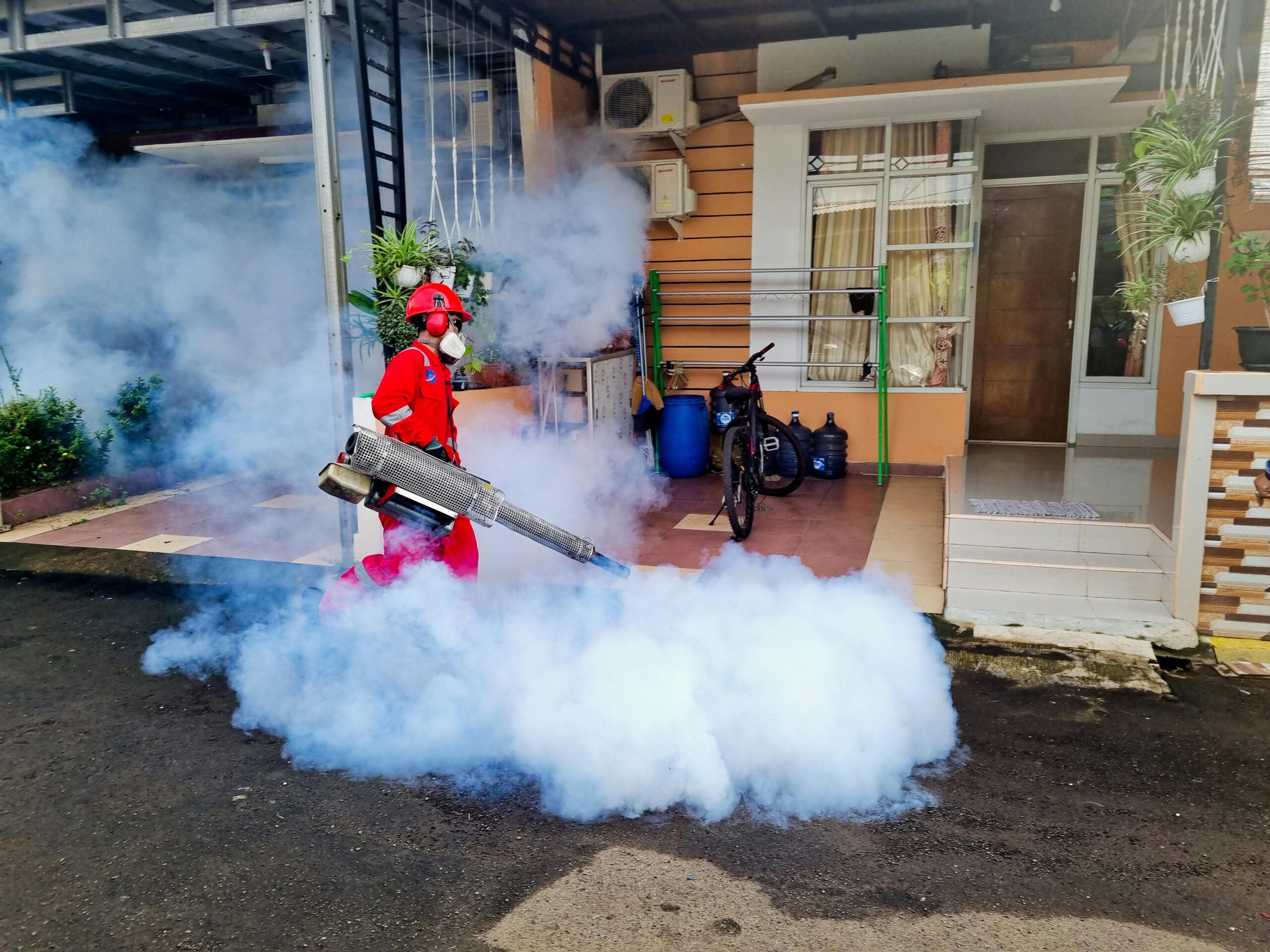
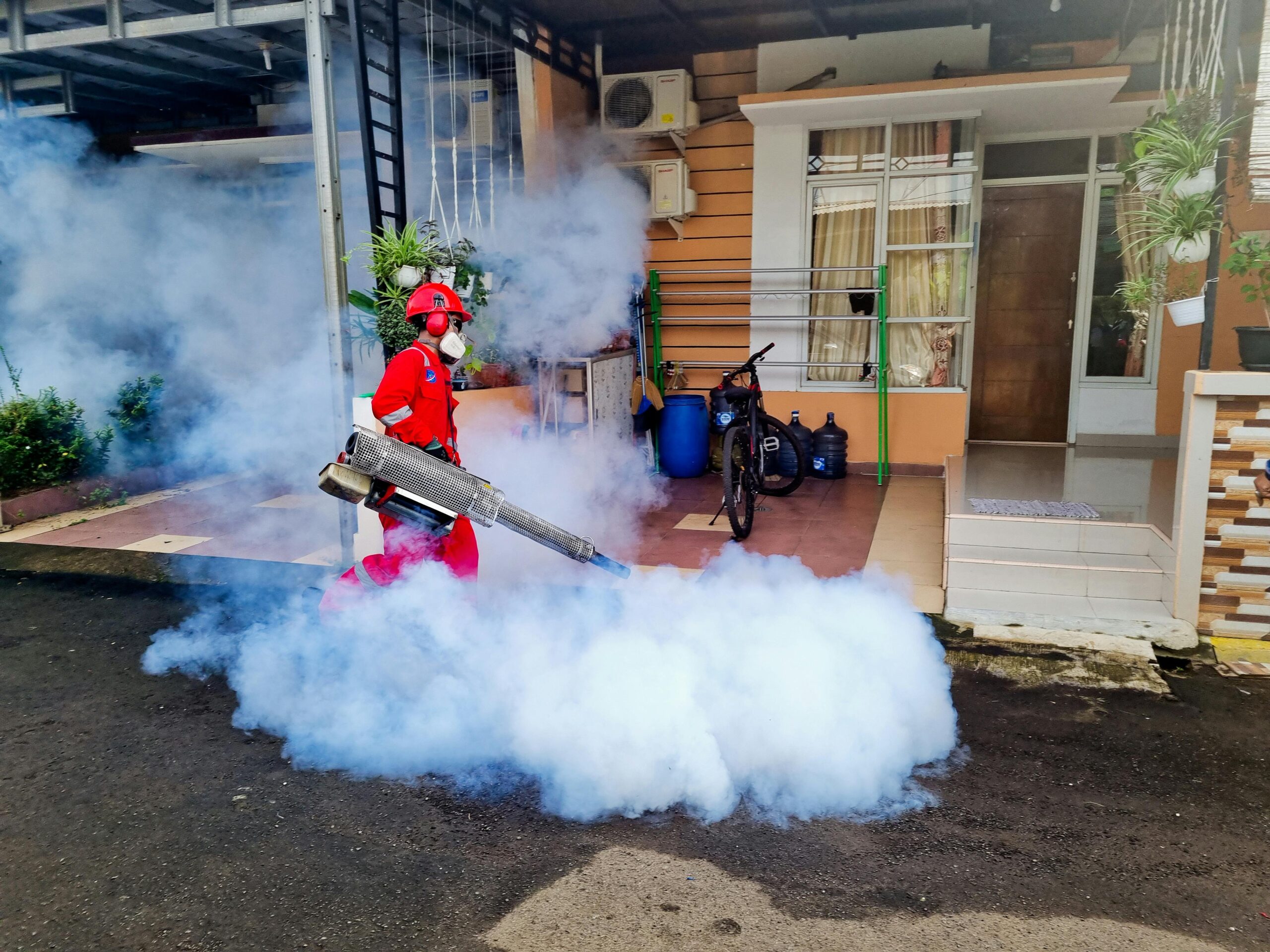
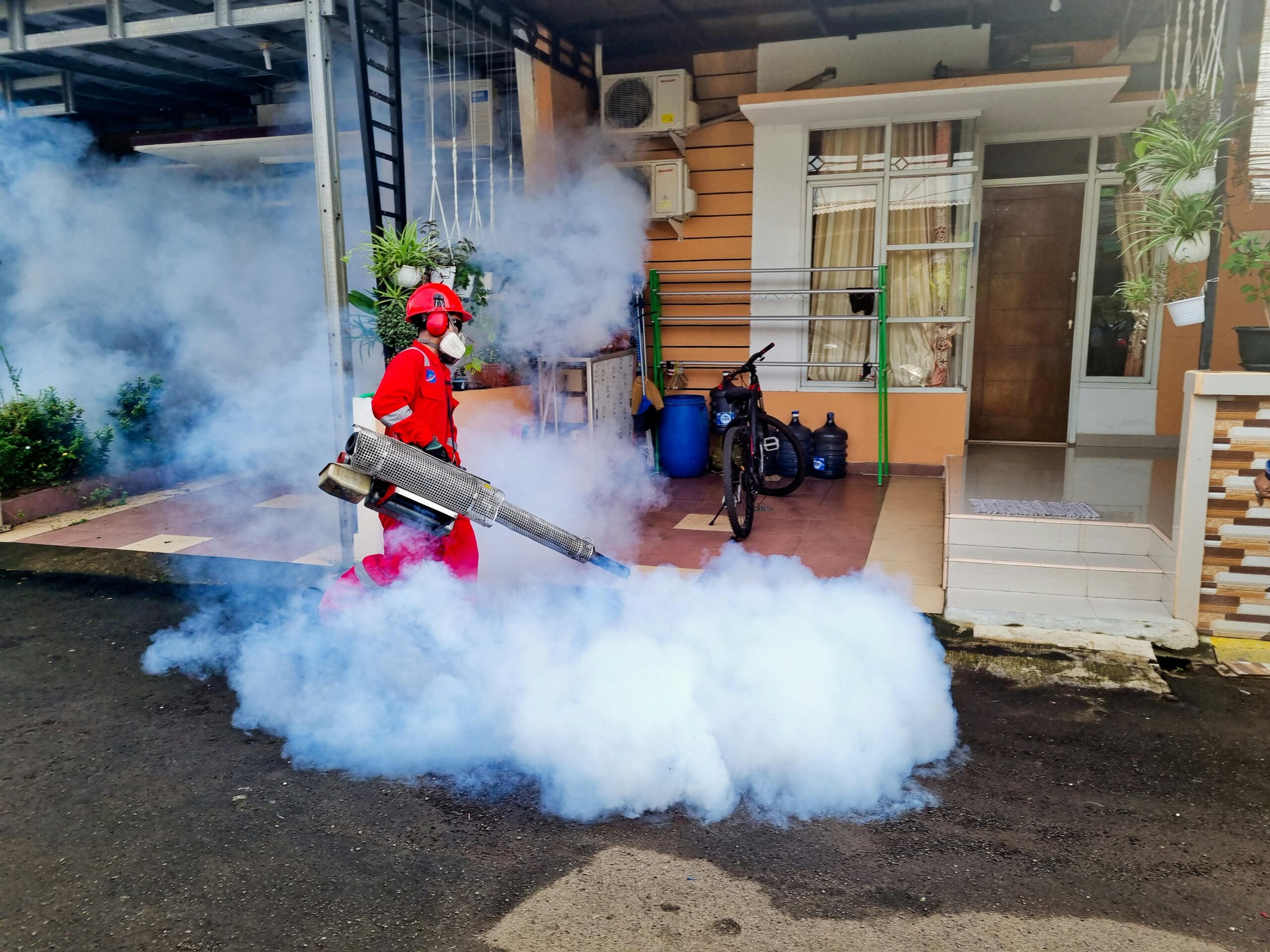
For emergency fruit fly control Decatur, infestations hiding behind walls, in crawl spaces, or inside vent ducts often require foggers or “smoke-machine” treatments. These devices disperse a fine mist that penetrates cracks and voids, reaching crevices a spray bottle can’t. The insecticide delivers long-lasting coverage, making this method especially effective in older homes where fruit flies nest in concealed plumbing or insulation.
Safety Protocols You Can Trust
Every professional visit follows strict safety standards:
- Personal Protective Equipment (PPE): Technicians wear respirators, gloves, and eye protection to avoid exposure.
- Ventilation Requirements: Windows and fans are used to circulate air during and after application, reducing residual vapors.
- Post‑Treatment Re‑Entry Times: Most EPA‑approved sprays allow re‑entry within 30 minutes, but the technician will confirm the exact waiting period for your product.
Why Hiring a Licensed Technician Pays Off
A certified pest‑control professional can accurately identify the species, locate hidden breeding sites, and apply the correct dosage to achieve guaranteed coverage. Moreover, they ensure compliance with local regulations and EPA label restrictions—something DIY kits often overlook. By entrusting the job to Anthem Pest Control, you receive a documented treatment plan, a follow‑up inspection, and the peace of mind that comes from knowing the problem is being handled by experts.
For homeowners who want to understand the safety details before a treatment, the EPA pesticide safety guidelines for homeowners provide clear, easy‑to‑follow recommendations.
How Much Does Emergency Fruit Fly Control Cost?
For emergency fruit fly control Decatur, Anthem Pest Control keeps pricing simple and honest, so you know exactly what you’re paying for before we start. Our emergency fruit fly services are organized into three clear tiers—Basic, Standard, and Premium—each designed to match the level of infestation and the protection you need.
Service Tier Breakdown
| Tier | What’s Included | Typical Price Range |
|---|---|---|
| Basic | Initial inspection, single‑application treatment, 1‑week follow‑up call | $99–$149 |
| Standard | Inspection, two‑application treatment, 2‑week follow‑up visit, preventive barrier | $150–$199 |
| Premium | Comprehensive inspection, multiple treatments, unlimited follow‑up visits for 30 days, full‑home preventive program | Starting at $200 |
Choosing a tier depends on how severe the fruit fly problem is, the square footage of your home, and whether you anticipate needing repeat visits. A modest kitchen infestation in a 1,200‑sq‑ft house often fits the Basic tier, while larger homes or multiple hotspots usually move to Standard or Premium.
Factors That Influence the Final Cost
- Infestation severity: Heavier populations require more product and labor.
- Square footage: Larger homes need broader coverage and possibly additional equipment.
- Repeat visits: If fruit flies return quickly, additional treatments may be scheduled, which are factored into the tier you select.
Our infographic (see below) visualizes these tiers side‑by‑side, making it easy to compare what you receive at each price point. The graphic highlights key services, so you can match your budget with the level of protection you want.
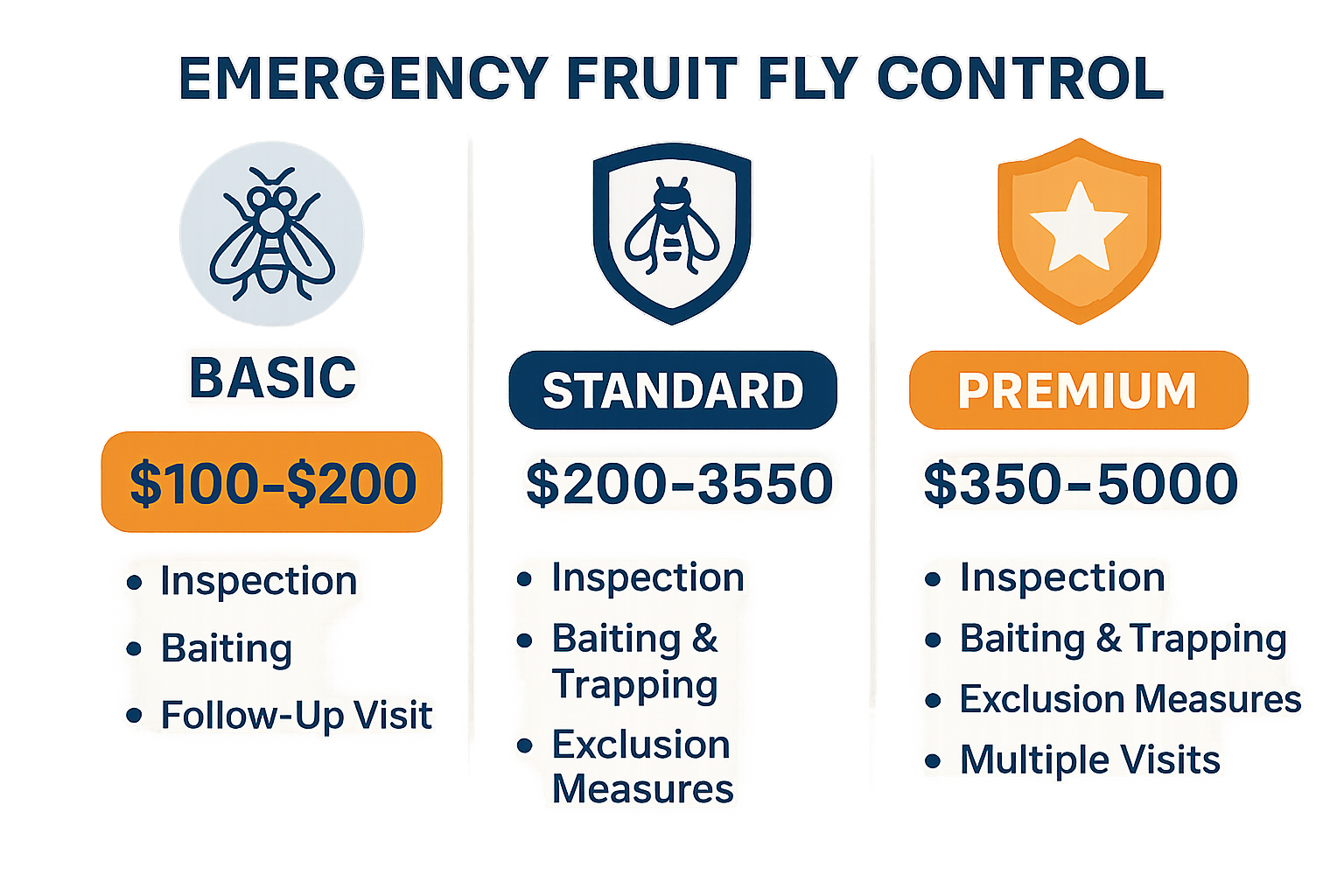
For emergency fruit fly control Decatur, transparency is a core value at Anthem Pest Control. There are no hidden fees, and we provide a written estimate before any work begins. Whether you choose the straightforward Basic plan or the all-inclusive Premium package, you’ll receive a clear, upfront cost and the confidence that your fruit fly problem will be handled swiftly and safely.
When Is the Best Time to Treat Fruit Flies?
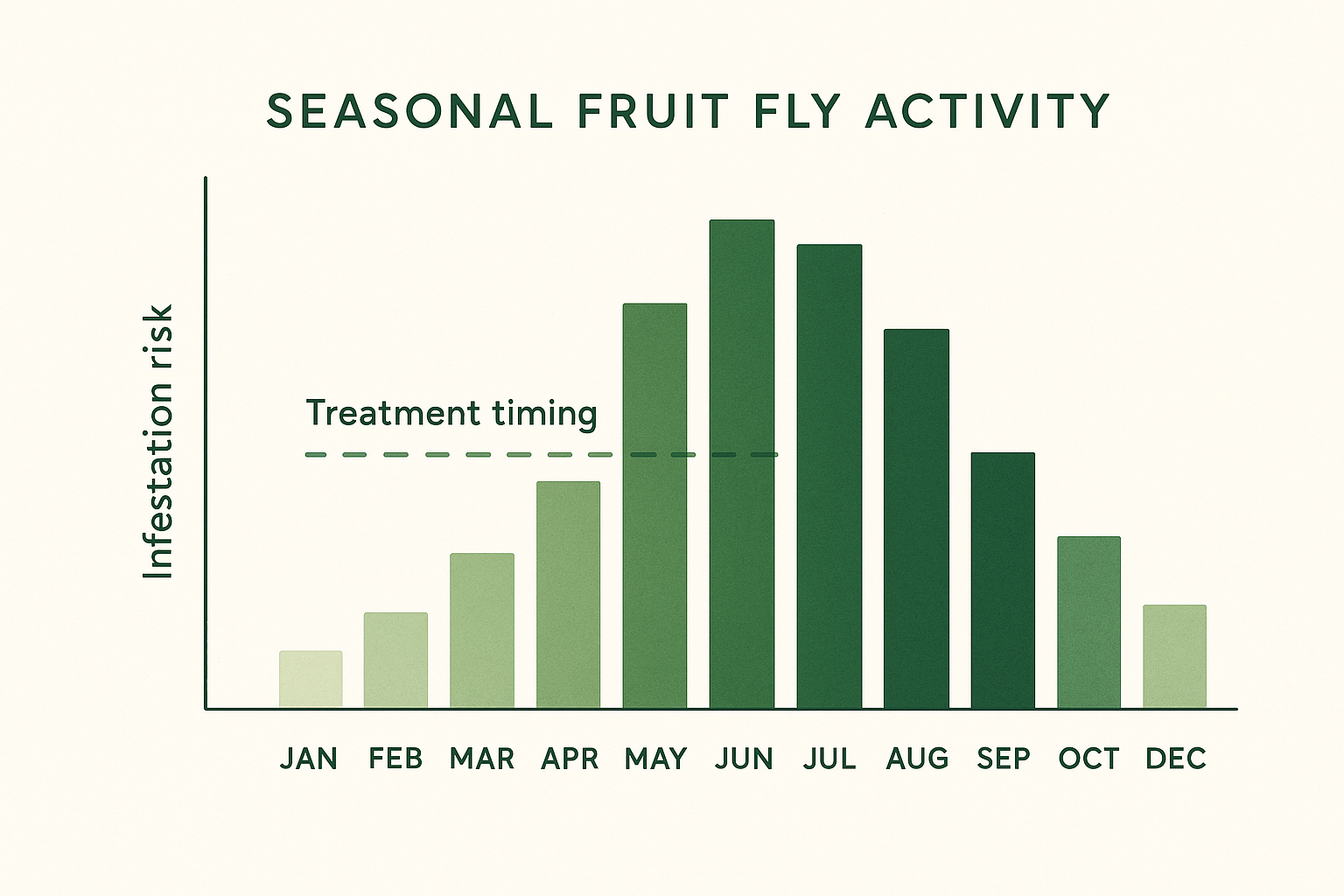
Understanding the seasonal activity chart is the first step to a successful fruit‑fly strategy. In Decatur, the chart shows three distinct phases: low risk from January through March, a peak risk window from June to September, and a secondary peak in October and November. During the low‑risk months, flies are largely dormant, giving you a quiet window to inspect and prep your yard.
Pre‑emptive Treatment Before the Peak
Our experience shows that spraying a preventative barrier just before the June‑September surge—ideally in late May—creates a protective shield around fruit trees, compost piles, and outdoor dining areas. This early application disrupts the first wave of adult emergence and reduces the number of eggs laid on ripe produce.
Follow‑up After Harvest Periods
Once your garden’s harvest season winds down (usually late August), a second, lighter treatment helps mop up any residual populations that survived the initial spray. This timing aligns with the natural decline of fruit‑fly activity and prevents a rebound in October.
Homeowner Habits That Influence Timing
Holiday gatherings, backyard barbecues, and late‑summer picnics all generate extra food waste and sugary drinks—prime attractants for fruit flies. Scheduling a treatment right before these events (e.g., early June for Fourth of July parties) minimizes the risk of an infestation when you’re entertaining guests.
How Anthem Schedules Proactive Inspections
Anthem Pest Control leverages regional climate data to set inspection calendars that mirror the chart’s risk periods. Our technicians visit homes in early May, mid‑July, and again in early October. Each visit includes a visual assessment, trap placement, and, if needed, a targeted spray that respects your family’s safety and the environment.
DIY vs. Professional Intervention
If you prefer a hands‑on approach, use the seasonal chart as a DIY roadmap: start with sanitation, install fruit‑fly traps in late May, and apply a homeowner‑safe insecticide before the peak. However, for lasting peace of mind—especially if you’ve battled recurring infestations—partnering with Anthem ensures the right product, the right dosage, and the right timing, all backed by local expertise.
Protect Your Home with Anthem Pest Control Today
By now you know how to spot fruit flies, keep them out with simple prevention steps, and why timely professional treatment matters. Quick identification stops an infestation before it spreads, while regular sanitation and proper waste management create a hostile environment for these pests. When a problem does arise, a certified technician can apply EPA‑approved treatments that target flies without endangering your family or pets. Our pricing is clear‑cut—no hidden fees—and the best time to act is as soon as you notice activity, because early intervention saves both time and money.
- Identification: Look for small, tan‑brown flies near fruit, drains, and overripe produce.
- Prevention: Store produce properly, clean spills immediately, and seal entry points.
- Professional Treatment: EPA‑registered sprays and baits applied by trained technicians.
- Pricing: Transparent, flat‑rate quotes with no surprise charges.
- Timing: Treat at the first sign of activity for maximum effectiveness.
Our local Decatur team knows the seasonal patterns that drive fruit fly activity, allowing us to target hotspots before they become a household nuisance.
Anthem Pest Control brings decades of experience to every home in Decatur. Our technicians are certified, background‑checked, and equipped with the latest safe, EPA‑approved solutions. We pride ourselves on transparent pricing—what you see in the quote is what you pay—so you can feel confident that you’re getting reliable protection without hidden costs.
If you suspect fruit flies or simply want a free, no‑obligation quote, our certified technicians are ready to help. Call us today at 877‑371‑8196 and we’ll schedule a prompt inspection.
Visit Anthem Pest Control to learn more about our comprehensive pest‑prevention programs and secure your home against future invasions.