Identify House Flies and Their Health Risks

Fast House Fly Exterminator Decatur services are often needed because the house fly (Musca domestica) is one of the most recognizable and problematic insects in American homes. Adults typically measure 6–7 mm in length, sport a gray-black body, and have four distinct dark stripes on the thorax. Their wings are clear with a faint vein pattern, and the eyes are bright red or metallic, giving them a slightly iridescent look when they buzz around.
Step‑by‑step visual identification
- Body shape: Look for a compact, oval‑shaped body that tapers slightly toward the tail. The abdomen is segmented and appears slightly flattened.
- Coloration: The overall hue is a dull gray‑black with the characteristic three dark stripes running longitudinally along the thorax.
- Wings: House flies have a single pair of clear wings that fold neatly over the abdomen when at rest. The wing veins form a subtle “Y” shape.
- Behavior: They are attracted to light, move in erratic, fast‑paced flight, and often land on food, trash, or moist surfaces.
- Common hotspots: Expect to see them near kitchen counters, garbage cans, pet feeding stations, and open windows or doors that let sunlight in.
Health concerns you shouldn’t ignore
House flies are more than a nuisance; they are mechanical vectors for a range of pathogens. According to the CDC’s “Flies and Pets” page, flies can carry bacteria such as Salmonella, E. coli, and Shigella. The EPA’s housefly pesticide overview adds that flies also transmit parasites (e.g., Giardia) and allergens that can trigger asthma or allergic reactions, especially in children and the elderly.
- Food‑borne illnesses: Contact with contaminated surfaces can introduce pathogens into meals, leading to gastrointestinal upset.
- Eye and wound infections: Flies often land on open cuts or eyes, depositing microbes that cause irritation or infection.
- Allergic responses: Fly debris—feces, vomit, and body parts—can become airborne allergens, aggravating respiratory conditions.
Why flies love your home
Residential settings provide an ideal buffet for house flies. Leftover food crumbs, sugary drinks, pet waste, and even damp mop water create a steady supply of nutrients. Open doors and windows act as highways, allowing flies to enter and exit with ease while they search for breeding sites. Warm, humid climates—like Decatur, GA—accelerate their life cycle, turning a few stray flies into a full‑blown infestation within weeks.
The importance of early detection
Spotting a few flies early can prevent a cascade of health risks and costly treatments. By recognizing the visual cues outlined above and monitoring high‑traffic areas, homeowners can act before breeding sites establish. Prompt identification gives pest professionals, such as Anthem Pest Control, the chance to intervene with targeted, low‑impact treatments that protect both your family’s health and your budget.
Seasonal Fly Activity in Decandra, GA
Decatur sits in the humid subtropical zone, meaning warm summers, mild winters, and plenty of rainfall. Those exact conditions are a magnet for house flies (Musca domestica), which thrive when temperature and moisture stay in the sweet spot for breeding. Understanding how the local climate nudges fly numbers helps you schedule inspections before a nuisance takes hold.

Year‑Round Activity Overview
The chart above breaks down typical fly presence month by month. In Decatur, you’ll see three distinct phases:
| Month | Activity Level |
|---|---|
| January | Low |
| February | Low |
| March | Moderate |
| April | Moderate |
| May | High |
| June | Peak |
| July | Peak |
| August | Peak |
| September | High |
| October | Moderate |
| November | Low |
| December | Low |
Temperature, Humidity & Breeding Cycles
House flies need temperatures between 75 °F and 85 °F to reproduce at their fastest rate. When the mercury hovers in that range, a single female can lay up to 150 eggs in a day, and those eggs hatch in as little as 24 hours if humidity stays above 60 %. In Decatur, June through August consistently hit those thresholds, creating a rapid, exponential buildup of adult flies.
Conversely, when winter temperatures dip below 55 °F and humidity drops, development slows dramatically. Eggs may fail to hatch, and adult flies become less active, which is why you notice only a few stray flies during the colder months.
Local Triggers That Can Boost Numbers
Even during moderate months, certain community habits can give flies a temporary surge:
- Outdoor gatherings: Barbecues, festivals, and tailgate parties leave food scraps and sugary drinks exposed, providing an instant buffet for adult flies.
- Yard waste: Piles of fallen leaves, compost, or pet waste retain moisture and become perfect breeding sites.
- Improper waste management: Overfilled trash cans or infrequent collection allow flies to lay eggs on rotting organic material.
Being aware of these “human‑generated” hotspots lets you intervene before they turn a routine summer evening into a fly‑infested nightmare.
When to Act – Quick Checklist
- ✅ Early Spring (mid‑March to early April): Schedule a preventive inspection; treat any existing breeding sites.
- ✅ Late Spring (late May): Apply a pre‑emptive barrier treatment as temperatures climb toward the peak window.
- ✅ Summer Peaks (June – August): Conduct bi‑weekly monitoring and spot‑treat high‑traffic outdoor areas.
- ✅ Early Fall (September): Perform a post‑peak follow‑up to knock down any lingering populations.
- ✅ Winter (November – January): Keep trash sealed and eliminate standing water; a light “maintenance” spray can keep the few stragglers at bay.
These timing cues line up directly with the activity chart, ensuring you’re never caught off‑guard by a sudden fly surge.
For a deeper dive into regional fly behavior, consult the National Pest Management Association’s House Fly Facts page. Their data confirms that the patterns we see in Decatur mirror broader Southern trends, reinforcing the importance of seasonal vigilance.
Treatment Options – DIY vs Professional Services
Overview of DIY Approaches
When house flies start buzzing around the kitchen, many homeowners reach for the nearest DIY solution. The most common methods include:
- Fly traps: sticky ribbons, electric zappers, or baited paper traps placed near windows.
- Indoor sprays: aerosol insecticides marketed for “fly control” that can be sprayed directly on surfaces.
- Fly baits: granules or gel packets that attract flies and contain a slow‑acting toxin.
- Home remedies: vinegar‑water mixtures, essential‑oil sprays, or a simple dish of sugar‑water to lure flies away.
These options are inexpensive and easy to apply, making them attractive for a quick fix.
Safety Considerations for DIY
While DIY products are readily available, they come with safety responsibilities. Always read the label and follow these basic precautions:
- Work in a well‑ventilated area—open windows or use fans to disperse fumes.
- Wear protective gear such as gloves, goggles, or a mask, especially when using aerosol sprays.
- Store chemicals out of reach of children and pets, and keep the original container for reference.
- Dispose of used traps or bait containers according to local regulations to avoid accidental exposure.
Limitations of DIY
DIY methods often fall short when the infestation is more than a passing nuisance. Common drawbacks include:
- Coverage gaps: Sprays and traps only treat the areas you can see, leaving hidden breeding sites untouched.
- Resistance buildup: Flies exposed repeatedly to the same insecticide may develop tolerance, reducing effectiveness over time.
- Repeat infestations: Without addressing the source—like garbage, pet waste, or decaying organic matter—flies will return.
- Health risks: Improper use of chemicals can irritate eyes, skin, or respiratory passages, especially in homes with small children.
Professional Treatment Methods
Licensed pest‑control technicians bring tools and expertise that go beyond what a homeowner can achieve alone. Typical professional interventions for house flies include:
- Indoor fogging: A low‑pressure fogger disperses a fine mist of fast‑acting insecticide, reaching cracks, crevices, and ceiling voids.
- Exterior barrier sprays: Perimeter applications create a protective shield that kills flies before they enter the home.
- Bait stations: Strategically placed, tamper‑proof stations deliver a controlled dose of toxin that flies carry back to breeding sites.
- Integrated Pest Management (IPM): A holistic approach that combines sanitation, exclusion, and targeted chemical treatments to keep populations below damaging levels.

Benefits of Hiring a Licensed Technician
Choosing a professional service offers several distinct advantages:
- Expert identification: Technicians can confirm that house flies—not a look‑alike species—are the problem, ensuring the correct treatment plan.
- Guaranteed results: Most companies, including Anthem Pest Control, back their work with a satisfaction guarantee and follow‑up visits.
- Safety compliance: Professionals are trained to apply EPA‑approved products safely, minimizing exposure to occupants.
- Long‑term prevention: A technician will recommend structural fixes, waste‑management tips, and seasonal monitoring to keep flies at bay.
Anthem Pest Control’s Standard Protocol for House Flies
When you call Anthem Pest Control in Decatur, GA, you can expect a systematic, results‑driven process:
- Inspection: A certified technician conducts a thorough walk‑through, pinpointing breeding hotspots such as trash cans, pet areas, and damp corners.
- Targeted spray: Using a fast‑acting indoor fogger, the technician treats all identified zones, ensuring coverage that DIY sprays simply cannot achieve.
- Prevention plan: Homeowners receive a customized checklist—covering sanitation, door‑screen repairs, and optional exterior barrier applications—to reduce future fly activity.
This three‑step approach blends immediate knock‑down power with proactive measures, delivering quick relief while protecting your home long after the technician leaves.
Pricing Comparison for House Fly Extermination
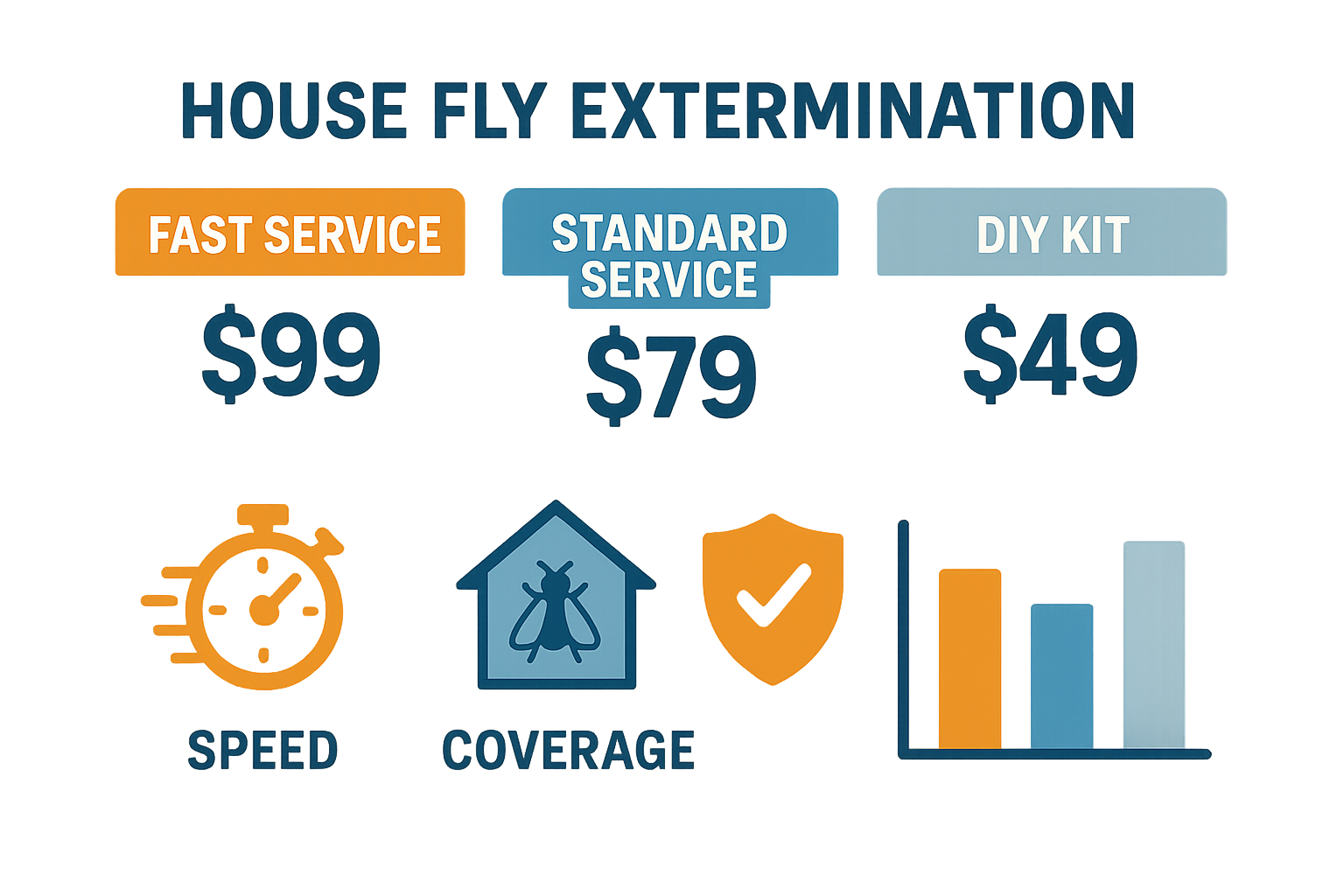
When house flies invade your Decatur home, the speed and thoroughness of the response can make a big difference. To help you choose the right solution, we’ve broken down the three most common options—Fast Service, Standard Service, and a DIY Kit—into a clear side‑by‑side guide.
| Service Tier | Price | Response Time | Coverage | Guarantee |
|---|---|---|---|---|
| Fast Service | $99 | Same‑day or next‑day | Full‑home treatment | 30‑day guarantee |
| Standard Service | $79 | Scheduled within 48 hours | Moderate coverage (key rooms) | 14‑day guarantee |
| DIY Kit | $49 | Immediate (you apply) | Spray canisters for self‑application | No guarantee |
What’s included in each tier?
- Fast Service: One comprehensive visit, a follow‑up inspection within 30 days, and all technicians are certified for indoor safety.
- Standard Service: One scheduled visit with a 14‑day follow‑up option, plus a safety briefing on how to keep flies out after treatment.
- DIY Kit: Two 16‑oz spray canisters, a step‑by‑step instruction sheet, and a safety data sheet. No professional follow‑up is provided.
Hidden costs to watch for
Even a transparent price can hide extra fees. Some providers charge additional treatments if flies return after the guarantee period, while others add travel fees for homes outside a core service radius. With Anthem Pest Control, the price shown includes all travel within Decatur and any necessary re‑treatments covered by the guarantee, so you won’t be surprised by a surprise bill.
Quick decision matrix
- Budget‑focused homeowner: DIY Kit saves money upfront, but you’ll need confidence in applying the product correctly.
- Speed‑focused homeowner: Fast Service delivers same‑day response and the longest guarantee—ideal for urgent infestations.
- DIY‑confident homeowner: If you enjoy handling small tasks and want to avoid service fees, the DIY Kit is a solid choice.
Remember, the cheapest option isn’t always the most cost‑effective in the long run. A $99 Fast Service that eliminates flies for a full month can prevent repeated purchases of over‑the‑counter sprays and the frustration of a lingering problem. We encourage you to weigh the upfront price against the value of professional expertise, safety certifications, and the peace of mind that comes with a guaranteed result.
Protect Your Home with Anthem Pest Control
House flies may seem harmless, but a few dozen buzzing around your kitchen can signal a larger sanitation issue. Earlier in this guide we highlighted the tell‑tale signs—persistent buzzing, fly larvae near garbage, and a sudden surge during the warm months. Those clues, combined with the predictable seasonal peak in late spring and early summer, give you a clear window for action. While DIY sprays can knock down a few insects, they rarely address the breeding sites, and the results fade quickly. Professional treatment, on the other hand, targets the source, provides lasting protection, and eliminates the guesswork.
Why Anthem Pest Control Is the Smart Choice
- Nationwide reach, local expertise: Anthem serves homeowners across the United States, bringing a consistent, high‑quality approach to every job while tailoring solutions to Decatur’s climate.
- Certified technicians: All field staff hold industry‑recognized certifications, ensuring they follow the latest safety protocols and treatment guidelines.
- Transparent pricing: No hidden fees—our quotes break down each service tier so you know exactly what you’re paying for.
- Eco‑friendly products: We prioritize low‑toxicity formulas that protect your family, pets, and the environment without sacrificing effectiveness.
Free, No‑Obligation Quote and Flexible Scheduling
Anthem makes it easy to get started. A quick phone call or online request triggers a free, no‑obligation quote that outlines the recommended inspection, treatment options, and any follow‑up visits. Our scheduling team works around your calendar, offering same‑day or next‑day appointments when possible. Whether you need a one‑time fly eradication or a seasonal prevention plan, we’ll match the service to your budget and timeline.
Take the Next Step Toward a Fly‑Free Home
Don’t let a summer fly invasion turn into a year‑long nuisance. Call Anthem Pest Control today at 877‑371‑8196 for your complimentary quote and to set up a house‑fly inspection. Our experienced team will assess your property, recommend the most effective service tier, and implement a solution that keeps flies—and the health risks they carry—out of your living space.
Ready to protect your home? Visit Anthem Pest Control now or pick up the phone. A healthier, fly‑free environment is just a conversation away.