Understanding the House Fly Problem
Biology at a glance
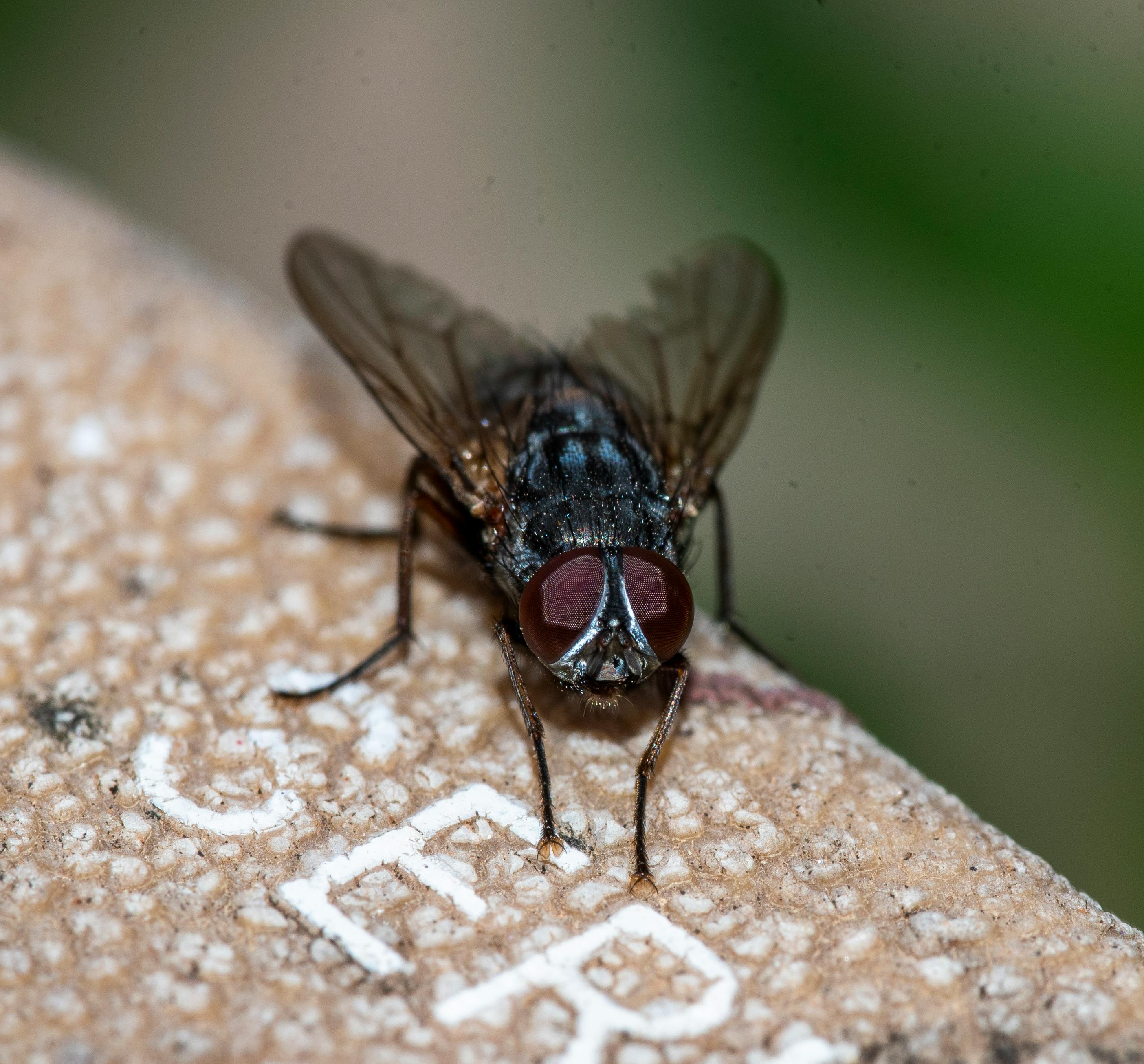
The common house fly (Musca domestica) is a small, gray-black insect that typically measures 6–7 mm in length—about the size of a grain of rice, and a primary reason homeowners seek house fly control Druid Hills services during warmer months. Its single pair of wings, spongy eyes, and hairy body make it instantly recognizable. The life cycle is rapid: an adult female can lay up to 150 eggs in a single batch, and under ideal conditions those eggs hatch into larvae (maggots) within a day. The larval stage lasts 3–5 days, followed by a pupal phase of another 3–4 days before emerging as a reproductive adult. In warm weather, the entire cycle can be completed in as little as a week, allowing populations to explode quickly.
Where they love to hang out
House flies are opportunistic feeders, so they gravitate toward any source of organic waste. In a typical Druid Hills home you’ll find them buzzing around kitchens, especially near uncovered food, dirty dishes, and garbage disposals. Pet zones—where litter boxes, food bowls, and water dishes sit—provide a constant supply of protein and moisture. Outdoor patios, grills, and compost piles become hot spots in the summer, acting as staging areas for flies before they slip indoors.
How they slip inside
Flies are excellent hitchhikers. Open doors, cracked screens, and even tiny gaps around windows act as invitationals. Once a fly lands on a porch light or a houseplant, it can easily find a way through a poorly sealed vent or a gap under a door sweep. Urban and suburban neighborhoods like Druid Hills create perfect breeding grounds: dense housing, abundant landscaping, and frequent outdoor dining all generate the waste and moisture flies crave.
Numbers that matter
According to the U.S. Environmental Protection Agency, an estimated 85 % of American households encounter house flies at least once a year. In the Atlanta metropolitan area—home to more than 6 million people—entomological surveys indicate an average of 12 flies per household during peak summer months, with some neighborhoods reporting up to 30 flies per home in high‑density areas. The EPA’s fact sheet on house‑fly biology and control (EPA) emphasizes that the insect’s short life cycle and prolific breeding make it one of the most common nuisance pests in the Southeast.
Seasonal surge
Warm temperatures are the catalyst for fly activity. From late May through early September, average daily highs in Druid Hills hover between 78 °F and 92 °F, creating the ideal environment for eggs to hatch and larvae to develop. Humidity also plays a role; moist conditions keep organic waste from drying out, ensuring a continuous food supply. As a result, homeowners often notice a dramatic increase in fly sightings after the first summer rainstorm, when outdoor waste becomes especially attractive.
Health Risks and Seasonal Peaks of House Flies
What Pathogens Do House Flies Carry?
House flies are more than an annoying buzz; they are tiny, mobile reservoirs for some of the most common food-borne bacteria, which is why timely house fly control Druid Hills homeowners rely on is so important. A single fly can pick up Salmonella, Shigella, Escherichia coli, and Campylobacter from fecal matter, decaying organic waste, or contaminated surfaces. These microbes survive on the fly’s legs, mouthparts, and even within its gut, allowing the insect to act as a mechanical vector. When a fly lands on a kitchen counter, a sandwich, or a child’s snack, it can transfer millions of bacterial cells in a matter of seconds.
How Flies Spread Disease
Unlike mosquitoes that inject pathogens, house flies transmit disease purely by contact. The process is called mechanical transmission. A fly lands on garbage, picks up a film of bacteria, then hops onto food or utensils. As it feeds, it regurgitates digestive enzymes that help dissolve solids, leaving a sticky residue that can embed microbes directly onto the surface. Even the act of walking across a countertop can spread contamination, because flies constantly groom themselves, redistributing pathogens across their bodies.
CDC Estimates on Fly‑Related Food‑Borne Illness
The Centers for Disease Control and Prevention (CDC) estimates that over 48 million food‑borne illnesses occur each year in the United States. While many sources contribute to this staggering number, flies are recognized as a significant factor in household and restaurant outbreaks, especially during warm months when fly populations explode. Even a single contaminated dish can spark a chain reaction of illness, hospital visits, and, in severe cases, long‑term health complications.
Economic Toll of Fly‑Borne Outbreaks
Beyond the human suffering, fly‑related food poisoning exacts a heavy financial burden. Direct medical costs—including doctor visits, antibiotics, and hospital stays—run into billions of dollars annually. Indirect expenses, such as lost workdays, reduced productivity, and the cost of recalling contaminated food, add another layer of economic strain. For homeowners, an unexpected bout of food poisoning can mean emergency doctor fees, missed wages, and the added expense of professional pest control to prevent a repeat incident.
Seasonal Activity: When Flies Are Most Dangerous
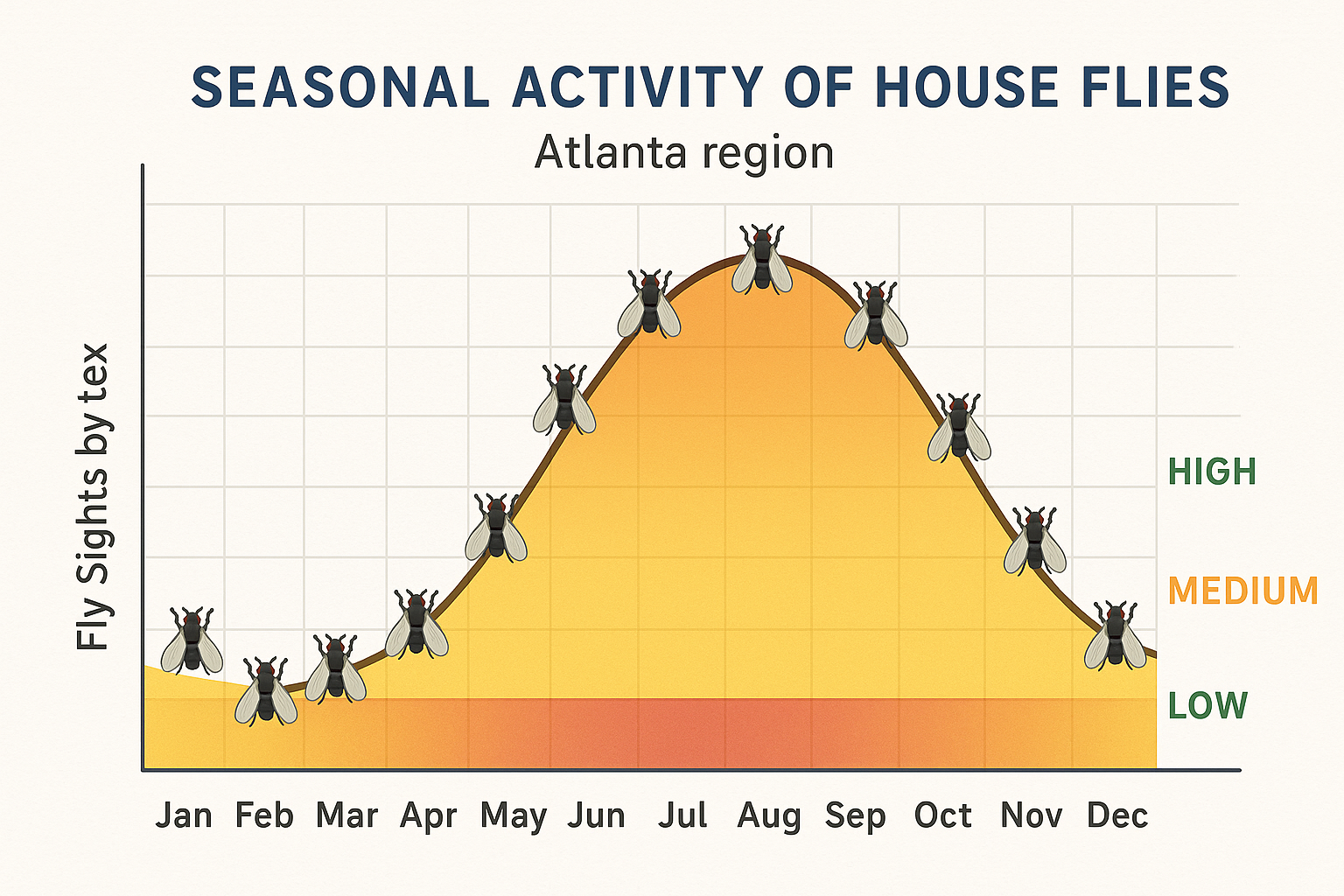
The line chart above illustrates the typical fly sighting pattern for the Atlanta metro area, which includes Druid Hills. Peaks occur from June through August, with a secondary rise in May and September. During these months, the average daily count can double or triple compared with the cooler shoulder seasons. Recognizing this pattern helps homeowners schedule inspections and treatments before the fly population reaches its apex.
Why Summer Amplifies the Risk
Summer creates a perfect storm for house flies. Warmer temperatures accelerate the life cycle of flies, allowing eggs to hatch in as little as seven days. At the same time, outdoor dining, barbecues, and picnics increase the amount of exposed food, while higher humidity promotes faster decomposition of trash. Garbage cans that sit in the sun become breeding grounds, drawing flies that then wander into homes and kitchens. The convergence of abundant food sources, ideal breeding conditions, and increased human activity makes the June‑August window the most critical period for proactive fly control.
Effective Treatment Options for Homeowners
First‑Line Defense: Sanitation and Exclusion
Before you reach for any product, the most powerful weapon against house flies is a clean, well‑maintained home. Flies breed in moist, organic matter, so regular waste management—tight‑fitting trash cans, prompt removal of food scraps, and frequent cleaning of pet‑food dishes—removes the food source they need to multiply.
Install fly‑proof screens on windows and doors, and seal cracks around vents and utility openings. Even a small gap can become a highway for flies to enter. By eliminating breeding sites and denying entry, you cut the infestation at its root.
Mechanical Controls: Traps and Devices
When sanitation alone isn’t enough, mechanical tools provide immediate relief without chemicals. Fly traps—whether sticky ribbons hung from ceilings or baited bottle traps—capture adults as they search for food. For indoor kitchens or commercial‑style spaces, UV light devices attract flies to an electrified grid, killing them instantly.
These devices are especially useful in high‑traffic areas like patios or garages, where flies congregate. Place them away from food prep zones to avoid contaminating surfaces.
Chemical Options: Sprays, Baits, and Foggers
If flies persist, EPA‑registered products become a viable next step. Residual sprays applied to door frames, window sills, and other landing spots create a lasting barrier that kills flies on contact for weeks. Fly baits combine attractants with a low‑dose insecticide, allowing flies to carry the poison back to hidden breeding sites.
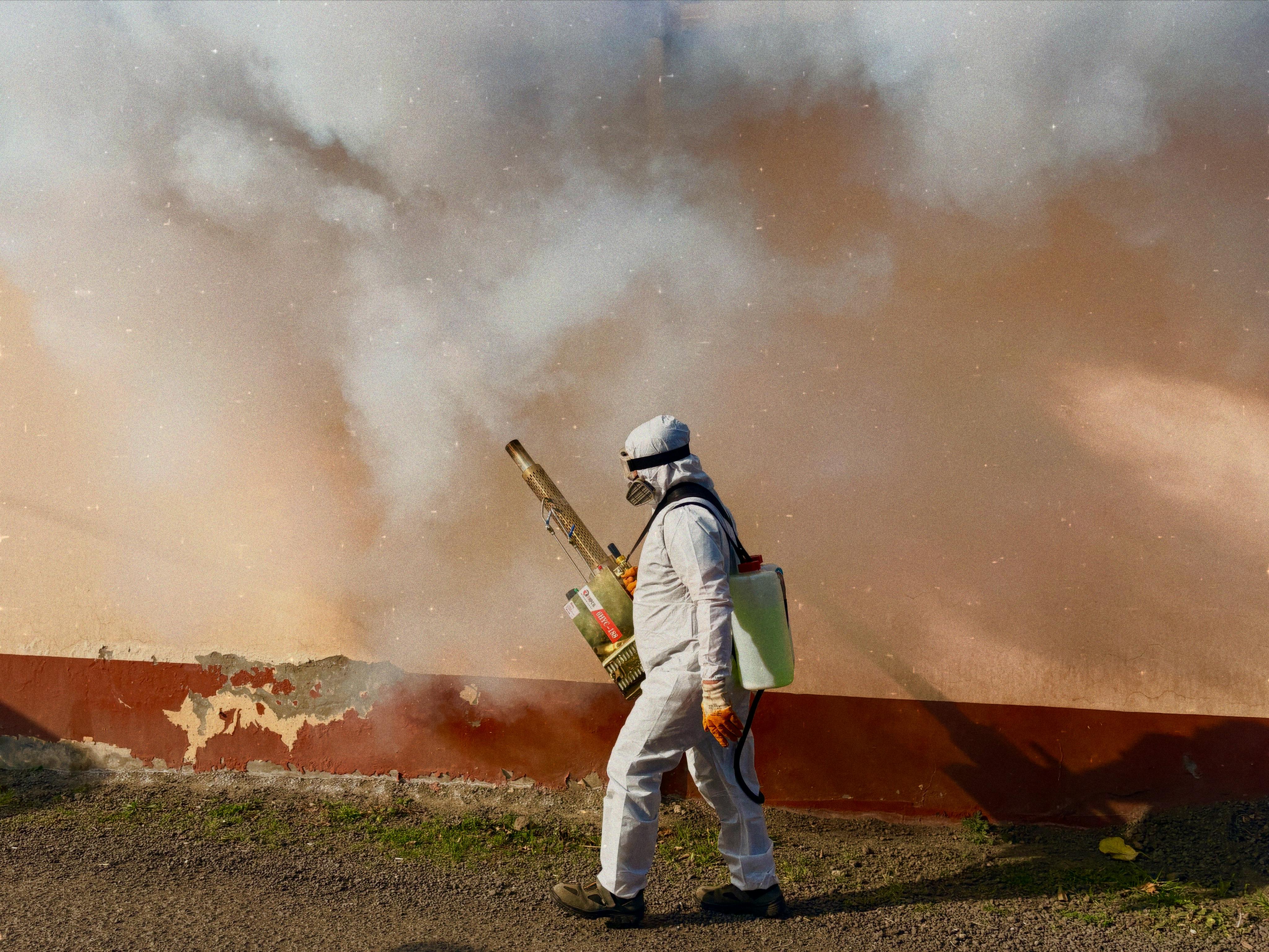
For rapid knock‑down of large populations, foggers disperse a fine mist of insecticide throughout a room. Always read the label, follow dilution rates, and vacate the area for the recommended re‑entry time. Using only EPA‑registered formulations ensures the product meets safety standards for homes with children and pets.
Non‑Chemical Alternatives: Biological and Organic Solutions
Biological control introduces natural predators, such as parasitic wasps (Spalangia spp.), which lay their eggs inside fly pupae, preventing adult emergence. These wasps are harmless to humans and pets and can be ordered from specialty suppliers for severe outdoor infestations.
Organic sprays—often based on neem oil or pyrethrins derived from chrysanthemum flowers—offer a plant‑based option. While they may not provide the same residual effect as synthetic chemicals, they break down quickly and pose minimal risk to household members.
When to Call a Professional
Consider a licensed pest‑control service if you notice any of the following:
- Fly numbers remain high despite diligent sanitation and traps.
- Flies are present inside living spaces, especially during cooler months.
- Structural treatments like indoor fogging or wall void applications are needed.
Professional technicians have access to higher‑efficacy formulations, calibrated equipment, and the knowledge to target hidden breeding sites that DIY methods often miss.
Typical Professional Service Visit
A standard Anthem Pest Control appointment follows three steps:
- Inspection: A licensed technician surveys interior and exterior areas, identifies breeding hotspots, and assesses the severity of the infestation.
- Targeted Spray: Using EPA‑approved residual products, the technician treats doorways, window frames, and any identified fly harborage zones. In severe cases, indoor fogging may be applied safely.
- Follow‑Up: A post‑treatment check ensures the population is under control. Technicians may recommend additional sanitation measures or schedule a preventive service for the next season.
Safety Considerations for Families and Pets
All chemicals used by Anthem Pest are EPA‑registered and applied according to label directions, minimizing exposure risks. Technicians wear protective gear, and treated areas are ventilated before re‑entry. Homeowners should keep children and pets away from treatment zones until the product has dried—usually 30 minutes for sprays and up to two hours for foggers.
Choosing a licensed professional also guarantees compliance with local regulations and insurance coverage, providing peace of mind that DIY shortcuts won’t jeopardize your family’s health.
Guidelines and Best Practices
Our approach aligns with the NPMA best‑practice guidelines, which emphasize an integrated pest‑management (IPM) strategy: start with sanitation, add mechanical controls, reserve chemicals for when thresholds are exceeded, and always prioritize safety.
Pricing, Service Packages, and Choosing a Provider
When it comes to house fly control Druid Hills homeowners need, the price tag is often the first question on a homeowner’s mind. Understanding how the numbers break down helps you compare quotes, avoid surprise fees, and select a partner who delivers real value—not just a quick spray.
Typical Monthly and Annual Pricing
Most residential fly‑control programs in the Druid Hills area fall between $75 and $150 per visit. If you schedule a monthly service, expect an annual cost of roughly $900 to $1,800. Seasonal plans that combine a spring pre‑treatment with a summer follow‑up usually land near the lower end of that range because the provider can spread the labor and material costs across two appointments.

What’s Included in a Standard Service Package?
A reputable fly‑control package should contain three core components:
- Comprehensive inspection – a technician identifies breeding sites, entry points, and any contributing factors such as food debris or standing water.
- Targeted treatment – application of EPA‑registered products, either as a residual spray, bait stations, or a combination of both, designed for lasting control.
- Warranty or follow‑up visit – most companies guarantee their work for 30‑60 days and will re‑treat at no extra charge if flies return.
Factors That Influence the Final Price
Even within the $75‑$150 band, several variables can push the cost up or down:
- Property size – larger homes or those with extensive landscaping require more product and labor.
- Infestation severity – a light presence may need only a single spray, while a heavy outbreak often calls for multiple treatments.
- Visit frequency – weekly or bi‑weekly services are priced lower per visit than ad‑hoc calls because the technician can plan ahead.
- Treatment type – advanced options like fly‑light traps or organic formulations can add a modest premium.
Benefits of Bundled Seasonal Plans
Bundling spring and summer visits into a single contract delivers three practical advantages:
- Cost savings – providers typically discount the second visit by 10‑15% when you lock in a two‑step plan.
- Proactive protection – a pre‑emptive spring treatment stops flies from establishing before the warm months arrive.
- Simplified scheduling – you set the calendar once and avoid the hassle of arranging a separate appointment later in the season.
How Anthem Pest Control Structures Its Pricing
Anthem Pest Control takes transparency to the next level. Every homeowner receives a flat‑rate quote that covers inspection, treatment, and the standard 60‑day warranty—no hidden service fees or surprise travel charges. The estimate is delivered in writing before any work begins, and the company backs every job with a satisfaction guarantee: if flies persist after the initial treatment, a complimentary re‑visit is scheduled within 48 hours.
Real‑World Feedback on Cost‑Effectiveness
“We switched to Anthem after a neighbor’s quote jumped from $120 to $210 for a single visit. Anthem’s flat $95 rate included a thorough inspection, a residual spray, and a follow‑up. The flies were gone for the entire summer, and we didn’t pay another dime.” – Jenna L., Druid Hills homeowner
By comparing the regional pricing bar chart, weighing the components of each service package, and looking at how Anthem structures its fees, you can make an informed decision that balances budget with lasting fly control. The right provider will not only fit within the $75‑$150 per visit range but also deliver the confidence of a clear, all‑inclusive agreement.
Protect Your Home with Anthem Pest Control Today
House flies may seem harmless, but they carry bacteria that can contaminate food, spread disease, and turn a pleasant summer evening into an itchy, uncomfortable experience. Their numbers surge during warm months, especially after rain, when breeding sites multiply in garbage, pet waste, and damp compost piles.
Quick DIY Recap
- Eliminate standing water and clean up food debris daily.
- Secure trash cans with tight‑fitting lids and use fly‑proof screens.
- Set up bait stations or fly traps in high‑traffic areas.
- Apply a residual indoor spray only when the infestation exceeds a few dozen flies.
These steps work well for low‑level activity, but once flies become a persistent nuisance, professional intervention is the safest route.
When to Call the Pros
If you notice flies breeding near doorways, windows, or outdoor entertaining spaces despite diligent cleaning, it’s time to bring in experts. A qualified technician can locate hidden breeding sites, assess structural vulnerabilities, and apply EPA‑approved treatments that target both adult flies and their larvae without compromising family safety.
Why Choose Anthem Pest Control?
Anthem’s certified technicians combine local knowledge with industry‑leading products to deliver lasting fly control. All treatments are EPA‑registered, ensuring they’re effective against flies while remaining safe for children, pets, and the environment. Plus, our transparent pricing means you’ll know exactly what to expect—no hidden fees, no surprise charges.
Ready for a fly‑free summer? Our team is standing by to assess your property and design a customized plan—no obligation, free quote. We’ll walk you through the process, answer any questions, and set up a schedule that fits your lifestyle.
Give us a call today at 877-371-8196 or visit anthempest.com to request your complimentary estimate. Let Anthem Pest Control provide reliable house fly control Druid Hills homeowners can trust and help you reclaim your home from buzzing intruders for a comfortable, healthy environment all season long.