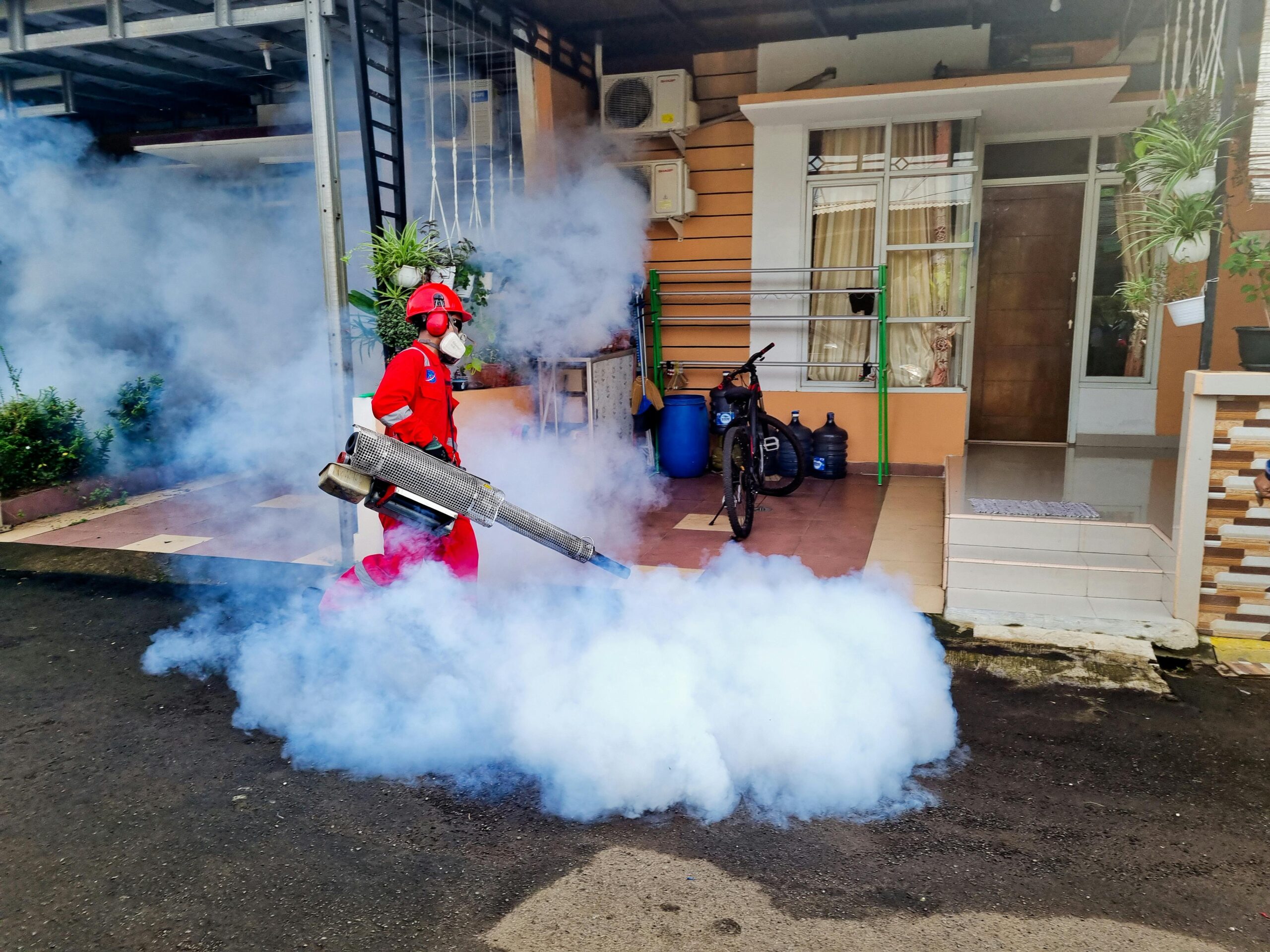
Why Termites Are a Growing Threat in Brookhaven, GA
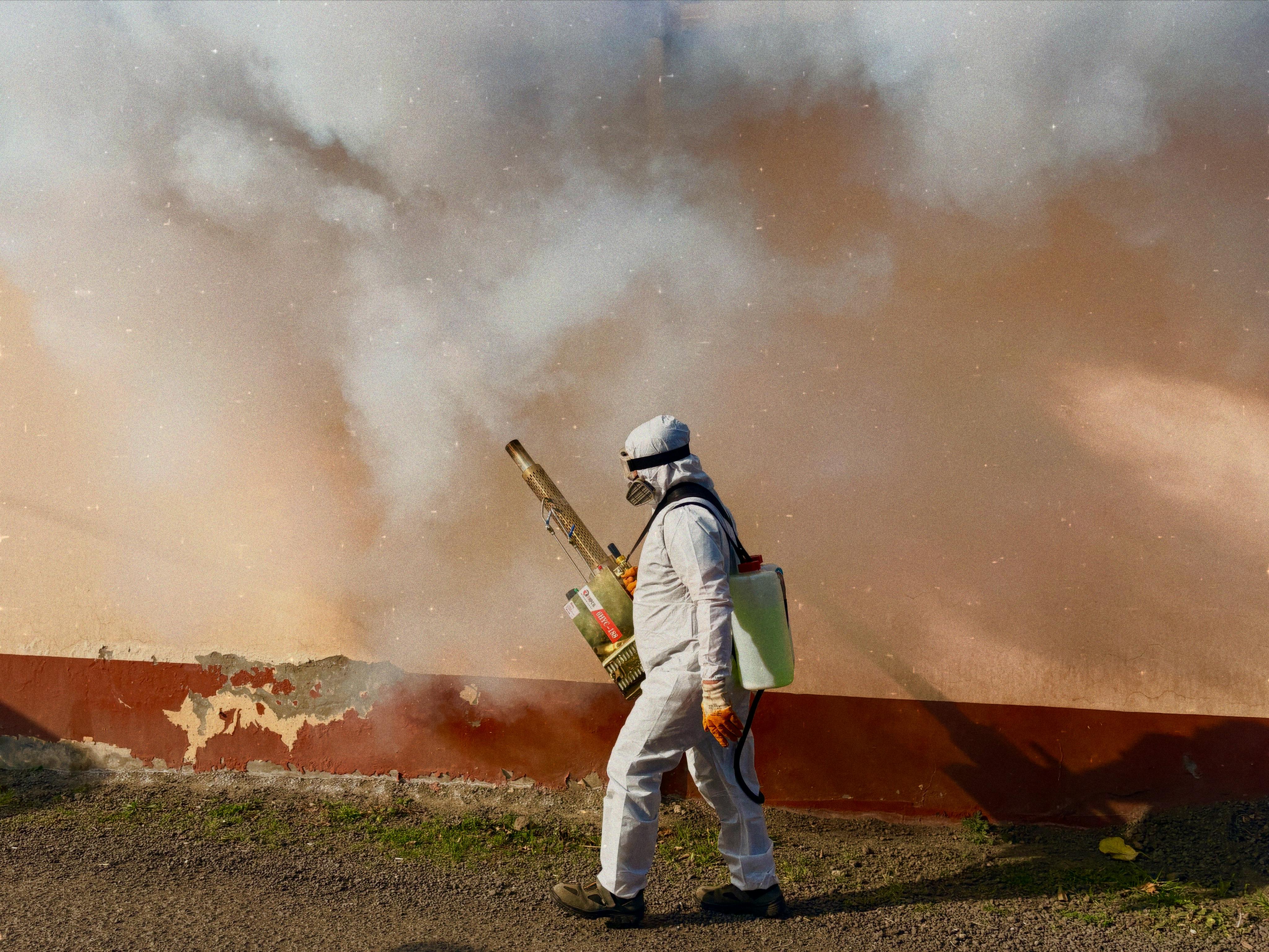
Brookhaven sits in the heart of Georgia’s humid subtropical zone, where hot summers and mild winters create a perfect breeding ground for subterranean termites—making termite control Brookhaven GA essential for local homeowners. The region’s clay-rich, moisture-retentive soils act like a sponge, maintaining the damp conditions termites need to thrive. Add to that the abundance of mature hardwoods and landscaped lawns, and you have a landscape that invites these silent destroyers to set up shop beneath your foundation.
Nationally, the EPA reports that termite damage costs homeowners an average of $5,000 per incident, with some cases exceeding $10,000 in repairs. In Metro Atlanta, including Brookhaven, recent surveys show that up to 12 % of single‑family homes have experienced termite damage in the past five years, translating to an estimated $2.3 million in local repair expenses annually.
Common Misconceptions About Termite Risk
- “My home is too new to have termites.” Even brand‑new constructions can be vulnerable if the soil around the foundation stays moist.
- “I’ve never seen termites, so I’m safe.” Termites work unseen, often hidden deep in walls or under concrete slabs.
- “Only wood‑frame houses get attacked.” Termites will chew through any cellulose‑based material, including drywall, flooring, and even painted surfaces.
- “Pest sprays on the lawn protect the house.” Surface treatments don’t reach the colonies that live miles underground.
When the Johnson family of Brookhaven returned from a weekend getaway, they found a faint, sweet smell in the basement and a few small piles of sawdust near the support beams. Within weeks, the once‑solid joists began to sag, forcing them to close off a whole wing of the house. The repair bill topped $9,800—money they hadn’t budgeted for because they believed “their home was fine.”
This “silent destroyer” scenario isn’t rare. Untreated infestations erode a home’s structural integrity from the inside out, weakening load‑bearing beams, compromising roof support, and creating pathways for water intrusion. Over time, the cumulative damage can lower a property’s resale value by as much as 15 %, a steep hit for homeowners who plan to sell or refinance.
Beyond the financial hit, the long‑term effects extend to safety. Compromised framing can lead to uneven floors, cracked walls, and in extreme cases, partial collapses. Homeowners who ignore early warning signs—such as mud‑tube tubes along foundation walls or discarded wings—risk turning a manageable pest problem into a costly structural emergency.
Understanding Brookhaven’s unique climate and soil, recognizing the true cost of termite damage, and debunking common myths are the first steps toward protecting your home. The next sections will dive deeper into how you can spot early signs, choose the right treatment, and keep your property safe year after year.
Spotting the Signs – Early Detection and Seasonal Activity in Brookhaven
Termites can turn a beautiful home into a costly repair project before you even notice a problem. The key to keeping Brookhaven houses safe is catching the warning signs early—especially during the months when colonies are most active. Below you’ll find the visual clues to watch for, a step‑by‑step DIY inspection guide, and a quick look at how termite activity lines up with the rest of the local pest calendar.
Visual cues you can’t ignore
- Mud tubes – slender, pencil‑shaped tunnels that cling to foundations, crawl spaces, and wood. They’re the highways termites use to travel between food sources and moisture.
- Damaged or blistered wood – surface cracks, sagging panels, or wood that looks “puffy.” Termites eat from the inside out, so the damage often isn’t obvious at first glance.
- Hollow‑sounding timbers – tap a wooden beam with a screwdriver; a solid thud means it’s intact, while a dull, hollow sound usually signals internal decay.
- Discarded wings – after a swarm, you’ll find wings near windows, light fixtures, or on the ground. Swarming indicates a mature colony ready to spread.
DIY inspection checklist
Grab a flashlight, a screwdriver, and a small mirror. Start inside, then move to the exterior.
- Inside the home: Check beneath sinks, around baseboards, and behind appliances. Look for mud tubes on walls, especially where plumbing meets the foundation.
- Attic and crawl spaces: Inspect joists, rafters, and any exposed wooden framing. Use the mirror to see under low beams.
- Exterior perimeter: Walk the foundation, examining brick joints, siding, and any wooden decks. Pay extra attention to areas that stay damp after rain.
- Landscaping: Trim vegetation away from the house, and make sure mulch isn’t piled directly against the foundation—moisture‑rich mulch is a termite magnet.
- Document findings: Take photos of any suspect mud tubes or damaged wood. This record helps a professional pinpoint the infestation’s scope.
Seasonal activity in Brookhaven

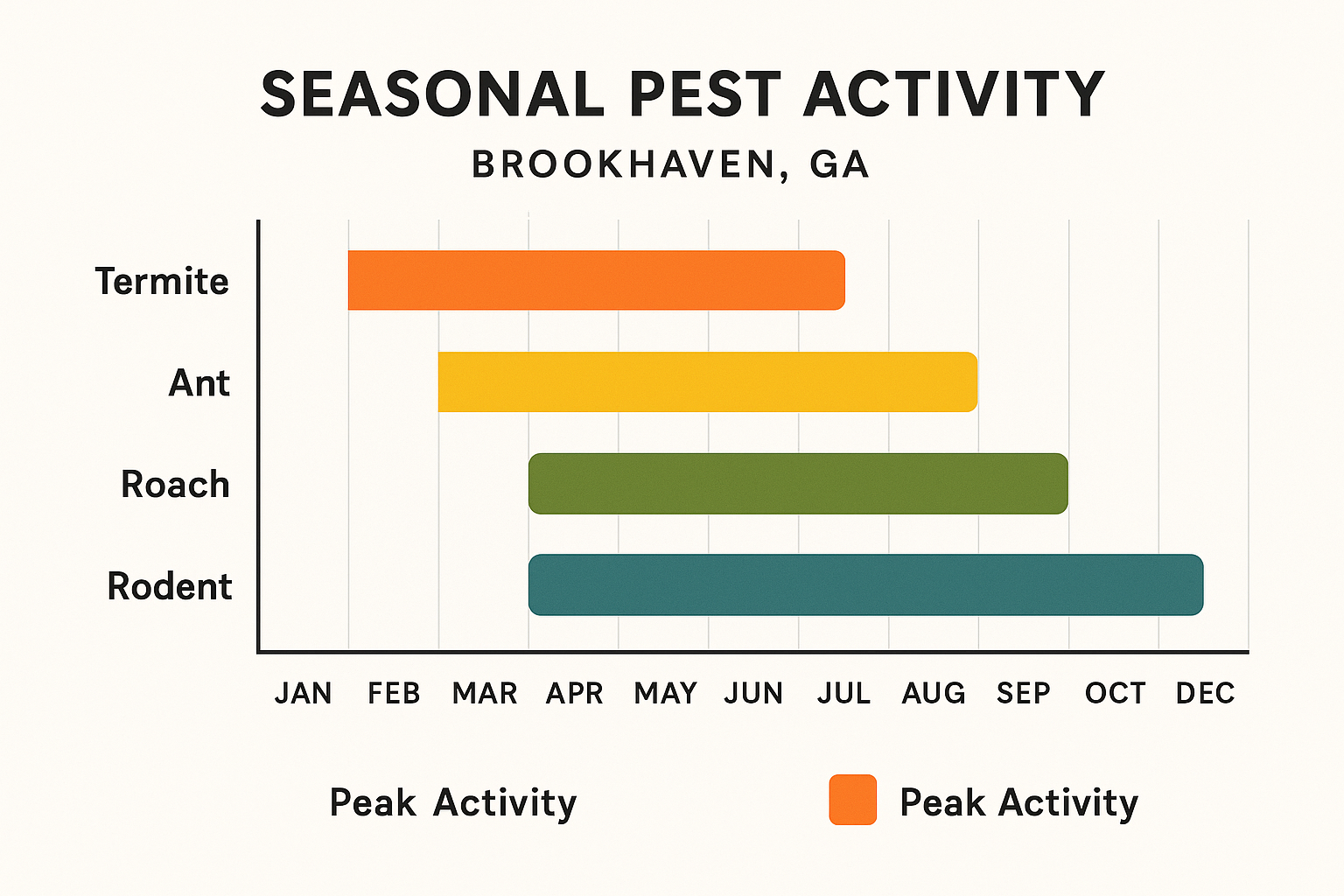
The chart above highlights the typical peaks for the most common household pests in our area. Here’s a quick summary:
| Pest | Peak Months |
|---|---|
| Termites (subterranean) | March – June |
| Carpenter ants | June – August |
| German cockroaches | July – September (year‑round presence) |
| Rodents (mice & rats) | October – February |
Why spring and early summer matter
Termite colonies surge when soil temperatures rise above 55 °F and moisture levels are high—conditions that dominate March through June in Brookhaven. Detecting a swarm or fresh mud tubes during this window gives you a chance to intervene before the colony expands into the structural wood. Early treatment not only reduces the amount of wood damage but also lowers the overall cost of extermination because fewer chemicals and less labor are required.
For a deeper dive into federal guidelines and safety recommendations, visit the EPA Termite Resources. Staying informed and proactive is the smartest way to protect your home’s value and your family’s peace of mind.
Treatment Options – Liquid Barriers, Bait Stations, and Foam Injection
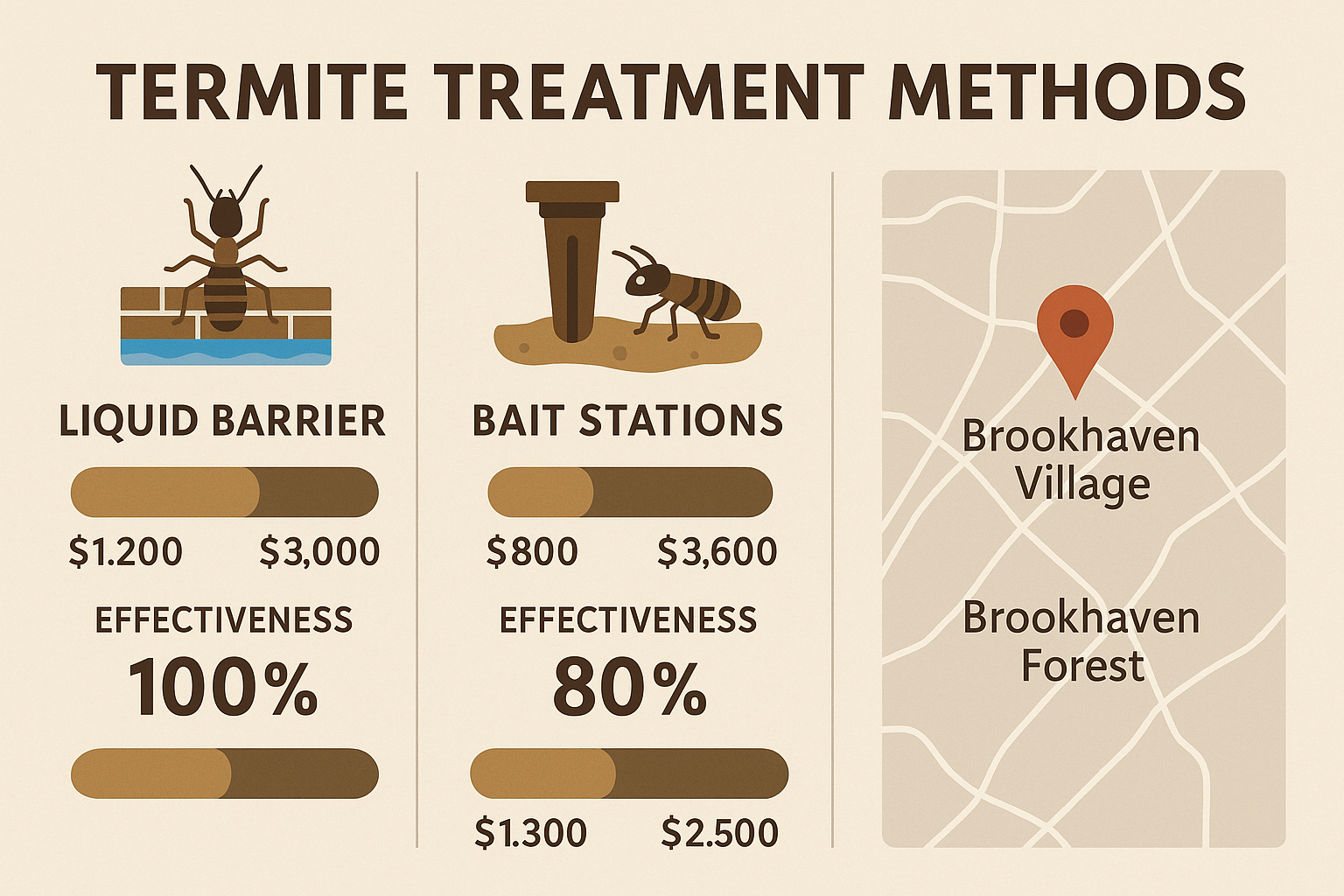
When it comes to protecting a Brookhaven home from termites, termite control Brookhaven GA professionals most often rely on three proven treatments: liquid barriers, bait stations, and foam injection. Each method works in a distinct way, and choosing the right one depends on the construction style, the extent of infestation, and how much disruption you’re willing to tolerate. Below, we break down the science behind each option, where it’s typically applied, and what you can expect in terms of longevity and cost.
Liquid Barrier – A Chemical Shield Around Your Home
A liquid barrier creates an invisible, long‑lasting shield that repels or kills termites as they try to cross it. Pest technicians apply a termiticide—often a non‑repellent product like fipronil or imidacloprid—using a high‑pressure sprayer or trenching equipment. The chemical penetrates the soil up to 12–18 inches deep and spreads laterally, forming a continuous “moat” around the foundation, crawl spaces, and any below‑grade voids.
Typical application zones include the perimeter footing, slab edges, and any concrete slabs that touch the ground. Because the termiticide bonds to soil particles, it remains effective for 3–5 years, though annual inspections are recommended to verify integrity. Homeowners appreciate the low‑maintenance nature of this method, but the initial cost can be higher than other options, especially for larger lots.
Bait Stations – Monitoring and Colony Elimination
Bait stations work on a different principle: they attract foraging termites, deliver a slow‑acting insect growth regulator (IGR) or a low‑dose termiticide, and then let the colony share the toxicant through trophallaxis. A typical setup involves placing 3–5 stations around the perimeter, in concealed locations like near foundation cracks, under decks, or in landscaped beds.
Installation is straightforward—technicians drill shallow holes, insert the stations, and secure them with a protective cover. The key to success is regular monitoring, usually every 3–4 months. During each visit, the technician checks for termite activity, replaces consumed bait, and records colony health. If a colony shows signs of collapse, the system can eradicate it without ever needing to spray the soil. Bait stations are especially suitable for historic homes or properties where extensive excavation would be disruptive.
Foam Injection – Targeted Treatment for Hidden Galleries
Foam injection is a newer, highly targeted technique that excels in retrofit situations—think older homes with finished basements, crawl spaces filled with insulation, or wall voids that are difficult to access. A specially formulated foam termiticide is injected directly into voids, cracks, or galleries where termites are active. The foam expands to fill the space, delivering the active ingredient uniformly and sealing off entry points.
The biggest advantage is precision. Instead of treating the entire perimeter, you treat only the infested zones, which reduces chemical usage and limits disruption to finished surfaces. Foam also adheres to wood, creating a protective coating that can last up to 2 years. However, because it’s a spot‑treatment, multiple applications may be required if the infestation is widespread, and the upfront labor cost can be higher than a simple bait system.
Pros and Cons at a Glance
| Method | Pros | Cons |
|---|---|---|
| Liquid Barrier |
|
|
| Bait Stations |
|
|
| Foam Injection |
|
|
Choosing the right approach isn’t a one‑size‑fits‑all decision. If you own a newer home with a spacious yard, a liquid barrier often provides the most hassle‑free, long‑lasting shield. For older properties where digging would damage landscaping or historic features, bait stations give you a discreet, colony‑focused solution. When termites have already established hidden tunnels behind finished walls or in tight crawl‑space voids, foam injection can reach those pockets without tearing out drywall or flooring.
At Anthem Pest Control, we start each treatment plan with a thorough inspection, then recommend the method—or combination of methods—that aligns with your home’s construction, budget, and tolerance for disruption. The infographic above offers a quick visual reference, but a personalized consultation ensures you get the most effective, cost‑efficient protection for your Brookhaven residence.
Cost Comparison – What to Expect for Termite Treatments in Brookhaven
Typical Price Brackets in Brookhaven
When you call a local pest‑control company, the estimate you receive will usually fall into one of three familiar ranges. A full‑coverage liquid barrier application—where a termiticide is sprayed around the foundation and beneath the slab—typically costs between $1,200 and $2,500. Bait‑station systems, which involve installing plastic stations and monitoring them for termite activity, are generally quoted from $800 to $1,500. Finally, the newer foam injection method, which forces termiticidal foam into hidden voids, lands in the $1,000 to $2,200 bracket. These figures reflect the average market price for a standard single‑family home in the Brookhaven area.
What Drives the Price?
Several variables can push a quote toward the high end of the range or keep it near the low end. Consider the following factors:
- Home size: Larger square footage means more product and more labor hours.
- Infestation severity: A light, early‑stage presence requires fewer stations or less foam than a deep, established colony.
- Accessibility: Difficult-to‑reach crawl spaces, basements, or landscaping obstacles increase setup time.
- Warranty length: Extended protection plans (often 3‑5 years) add a modest premium but can save money on future re‑treatments.
Anthem Pest Control’s Transparent Pricing
Anthem Pest Control separates itself by presenting a single, all‑inclusive price that covers material, labor, and the first year of monitoring—no surprise fees appear on the final invoice. The company breaks the estimate down by treatment type, so you can see exactly how much of your budget is allocated to product versus service. If you choose a liquid barrier, Anthem will list the per‑linear‑foot cost, the number of gallons required, and any necessary pre‑treatment repairs, giving you a clear line‑item view of the total expense.
Getting an Accurate Quote – Questions to Ask
Before you sign a contract, ask the provider these key questions to avoid hidden costs:
- What does the quoted price include? (e.g., inspection, treatment, follow‑up visits)
- Are there additional fees for equipment removal, debris disposal, or post‑treatment clean‑up?
- How is the warranty structured, and what does it cover after the first year?
- Will the technician provide a detailed report showing where each product was applied?
- Is there a discount for scheduling during the off‑season or bundling with other pest‑control services?
Timing Matters – Seasonal Discounts
Termite activity in Georgia peaks in the warm, humid months of late spring and early summer, a time when termite control Brookhaven GA services are in highest demand. Because demand spikes, many companies raise prices during this window. Conversely, the cooler fall and winter months often see “off-season” discounts as technicians have lighter schedules. The seasonal pest activity chart below illustrates why planning your treatment for late fall can shave 10–15% off the standard rate.
Choosing the Right Professional and Frequently Asked Questions
When it comes to termites, the cheapest DIY solution can end up costing you far more in structural damage. The best defense is to partner with a licensed, certified pest‑control professional who knows the science behind termite biology and the regulations that keep your family safe. Below are the credentials you should demand before signing a contract.
Credentials to Look For
- State licensing: In Georgia, pest‑control operators must hold a valid state license that proves they’ve met rigorous training and examination standards.
- Industry certifications: Look for certifications from the National Pest Management Association (NPMA) or the International Pest Control Association (IPCA). These indicate ongoing education and adherence to best practices.
- EPA‑approved products: Termite treatments must be registered with the Environmental Protection Agency. An EPA‑approved label guarantees the product has been evaluated for efficacy and safety when applied correctly.
- Local experience: Companies that have served Brookhaven for several years understand the unique soil composition, humidity patterns, and historic building styles that affect termite activity.
Skipping any of these checkpoints can leave you vulnerable to ineffective treatments, unnecessary chemical exposure, or even legal trouble if a claim arises later. A reputable provider will gladly present their license number, certification badges, and a list of EPA‑approved termiticides used in your home.
Why Local Expertise in Brookhaven Matters
Brookhaven’s clay‑rich soil retains moisture longer than the sandy soils found in neighboring counties. This creates a perfect feeding ground for subterranean termites, especially during the warm, humid months of late spring and early summer. Additionally, many homes here feature older brick foundations and wooden crawl spaces that act as hidden highways for colonies.
A technician who grew up in Brookhaven will recognize the subtle signs of infestation that a generic “out‑of‑town” crew might miss—such as mud tubes appearing along the north‑facing side of a foundation or termite damage hidden behind historic clapboard siding. Their familiarity with local building codes also ensures that any recommended structural repairs meet municipal standards, saving you time and extra permits.
Anthem Pest Control’s Key Differentiators
At Anthem Pest Control, we combine national expertise with a deep‑rooted presence in the Brookhaven community. Here’s what sets us apart:
- Safe products: All our termiticides are EPA‑approved and applied using precision equipment that minimizes drift, protecting pets, children, and the surrounding environment.
- Affordable pricing: Transparent, upfront quotes eliminate hidden fees. Our tiered service plans let you choose the level of protection that fits your budget without sacrificing quality.
- Guaranteed service: We stand behind every treatment with a 12‑month warranty. If termites return within that period, we’ll re‑treat at no additional cost.
- Local technicians: Our crew members live and work in the Brookhaven area, so they understand the specific challenges your home faces and can respond quickly to emergency calls.
Frequently Asked Questions
- Will the treatment affect my pets or children?
-
Our EPA‑approved termiticides are formulated to be low‑toxicity when used as directed. Technicians apply the product to soil and voids where termites travel, keeping it out of reach of family members. We always advise a short waiting period—typically 2–4 hours—before allowing unrestricted access, and we provide clear post‑treatment guidelines.
- How long does a treatment last?
-
A properly applied liquid barrier can protect your home for up to 12 months, depending on soil conditions and moisture levels. For high‑risk properties, we recommend an annual inspection and potential retreatment to maintain the protective barrier.
- Do I need to vacate the home?
-
No full evacuation is required. Most homeowners can remain inside during treatment, though we ask that you keep windows and doors closed for the short exposure window. If you have severe sensitivities, we can schedule a brief “vacate‑and‑return” window that fits your schedule.
- What maintenance is required after treatment?
-
Routine maintenance is simple: keep moisture sources—like leaky gutters or standing water—under control, and trim vegetation away from the foundation to reduce termite entry points. We also provide a detailed checklist for homeowners and recommend a yearly professional inspection to catch any early activity.
Ready to protect your Brookhaven home before the next peak termite season? A professional inspection is the first step. Our certified technicians will assess risk, outline a customized treatment plan, and answer any lingering questions you have. Call us today at 877‑371‑8196 or visit anthempest.com to schedule your free evaluation.
Protect Your Home Today with Anthem Pest Control
In Brookhaven, termites can silently undermine the structural integrity of your home within months. Early detection and a swift, professional treatment are the only ways to prevent costly repairs and keep your family safe. Acting now means staying ahead of the damage before it becomes visible.
Quick reminder of your treatment choices
- Liquid barrier applications – creates a protective shield around foundations, repelling termites before they reach the structure.
- Termite bait stations – low‑maintenance, targeted solutions that attract and eliminate colonies at their source.
- Fumigation & structural treatments – comprehensive eradication for severe infestations, restoring peace of mind.
Anthem Pest Control stands behind every option with a promise of safety, effectiveness, and affordability. Our transparent pricing means you’ll know exactly what you’re paying for—no hidden fees, just reliable protection backed by certified technicians.
Ready to take the next step? Call us today at 877‑371‑8196 for a free, no‑obligation quote and to schedule an on‑site inspection. Our friendly team will assess your property, explain the best plan for your budget, and answer any questions you may have.
Don’t wait for termites to take hold. Visit Anthem Pest Control now for trusted termite control Brookhaven GA and secure your home with the expertise Brookhaven trusts.