Roof Rats in Georgia – Who They Are and Why They Matter
Taxonomy and Common Names
Roof rats, scientifically known as Rattus rattus, are often called black rats or ship rats. Their slender bodies and long tails make them well-suited for navigating tight, vertical spaces—one of the key reasons a professional rat exterminator Druid Hills homeowners trust is often needed to locate hidden activity. Over centuries, these rodents have proven remarkably adaptable, thriving not only in rural fields but also in dense urban environments where they can slip unnoticed into homes.
Typical Georgia Habitats
In the Peach State, roof rats gravitate toward elevated, sheltered locations. Common hotspots include:
- Attics and roof voids where insulation provides warmth.
- Eaves and soffits that offer easy access to the exterior.
- Abandoned sheds, barns, or vacant structures that lack regular maintenance.
- Cluttered crawl spaces that hide food and nesting material.
These areas give roof rats the protection they need from predators and the elements while keeping them close to food sources inside the home.
Why Roof Rats Pose a Unique Threat
Compared with the larger Norway rat (Rattus norvegicus), roof rats bring a distinct set of challenges:
- Climbing ability: Their agile bodies let them scale wires, trees, and even brickwork, allowing entry through tiny gaps in roof sheathing.
- Smaller size: At roughly half the weight of a Norway rat, they can squeeze through openings as small as ½ inch.
- Reproductive rate: A single female can produce up to 12 litters per year, each containing 5‑10 pups, leading to rapid population explosions.
This combination of agility, size, and fecundity makes roof rats especially difficult to detect and control until an infestation is well established.
Health Risks Linked to Roof Rats
Roof rats are more than a nuisance; they are vectors for serious diseases. Their droppings, urine, and shed fur can contaminate surfaces, posing health hazards such as:
- Hantavirus: Inhalation of aerosolized droppings can transmit this potentially fatal respiratory illness (CDC).
- Leptospirosis: Contact with contaminated urine can lead to kidney damage, fever, and muscle pain (EPA).
Because roof rats often occupy attics and ceiling spaces, their waste can settle on insulation, HVAC ducts, and even descend into living areas, increasing exposure risk for homeowners and their families.
Economic Impact on Your Home
Beyond health concerns, roof rats inflict costly property damage. Their constant gnawing compromises:
- Electrical wiring, raising the risk of short circuits or fire.
- Insulation material, reducing energy efficiency and raising heating bills.
- Stored food, clothing, and paper goods, leading to loss of personal belongings.
Even a modest infestation can translate into hundreds of dollars in repairs, not to mention the expense of professional extermination if left unchecked.
Setting the Stage for Seasonal Management
Understanding roof rat biology and the specific threats they pose in Georgia is the first step toward effective control. In the sections that follow, we’ll explore how seasonal patterns—warm summers and mild winters—affect rat activity, and we’ll outline proven prevention and treatment strategies that keep your home safe year‑round.
Seasonal Activity Patterns of Roof Rats in Georgia
Roof rats (Rattus rattus) follow a predictable rhythm in Georgia, and the seasonal activity chart below makes it crystal-clear: the highest levels of movement, breeding, and foraging occur from May through September. During these peak months, a professional rat exterminator Druid Hills homeowners rely on is often essential to prevent rapid population growth. Outside of this window, numbers dip but never disappear entirely, so vigilance year-round is still essential.

Why the Warm Months Matter
Georgia’s spring and summer bring temperatures consistently above 70°F (21°C). Warmth accelerates the rats’ reproductive cycle—females can produce a new litter every 30‑45 days, and each litter averages 6‑10 pups. The abundance of outdoor food sources—fruiting trees, garden crops, and overflowing trash cans—also fuels foraging trips. As a result, colonies expand rapidly, and you’ll notice more gnaw marks, droppings, and nocturnal activity during these months.
Indoor vs. Outdoor Activity Throughout the Year
- Winter (December‑February): Rats retreat to insulated crawl spaces, attics, and wall voids where temperatures stay above freezing. Outdoor movement slows, but indoor foraging continues as they seek stored food.
- Spring (March‑May): Young rats emerge from nests, increasing indoor sightings. Simultaneously, they begin scouting the exterior for new entry points.
- Summer (June‑August): Outdoor foraging peaks; you’ll see more activity around decks, sheds, and garden beds. Indoor infestations often swell as colonies grow.
- Fall (September‑November): As temperatures dip, rats start consolidating in warm indoor spaces to overwinter, making attic and wall inspections critical.
Early‑Season Warning Signs
In March and April, keep an eye out for:
- Sudden uptick in nocturnal sightings near exterior doors or windows.
- Fresh gnaw marks on wooden siding, eaves, or plastic vent covers.
- Small, dark droppings near food storage areas and pet feeding stations.
Late‑Season Considerations
From October onward, roof rats look for insulated hideaways—attic insulation, wall cavities, and HVAC ducts. Signs include:
- Chewed insulation fibers or exposed wiring.
- Accumulated urine stains on ceiling joists.
- Increased noise in walls during cooler evenings.
Quick Seasonal Tips
- Spring: Seal exterior cracks and gaps larger than ¼ inch; trim tree branches that touch the roof.
- Summer: Schedule bait placement in attic and near known foraging paths; keep outdoor trash tightly covered.
- Fall: Inspect and repair attic insulation; block vent openings with steel mesh.
- Winter: Reduce indoor food sources by storing pantry items in sealed containers; run a professional inspection to locate hidden nests.
By aligning inspections and treatments with these seasonal patterns, Georgia homeowners can stay one step ahead of roof rats, minimizing damage and the need for emergency exterminations. For a visual reference, revisit the chart above anytime you plan your next pest‑control action.
Spotting a Roof Rat Infestation – Key Signs and Damage
Roof rats (Rattus rattus) are the stealthy climbers that love to nest in the high points of your home—attics, eaves, and roof voids. Because they operate out of sight, the first clue you’ll notice is a pattern of damage or debris that points directly to their presence. Recognizing these signs early can save you time, money, and a lot of sleepless nights.
Droppings: Size, Shape, and Location
Roof‑rat droppings are typically 1‑to‑1.5 inches long, dark brown to black, and have tapered ends that give them a slightly pointed appearance. Unlike the chunky, ½‑inch pellets left by house mice, rat droppings are slimmer and often found in clusters along the rafters, insulation, or near food sources. If you discover them on wooden beams, behind stored boxes, or in the corners of your attic, it’s a strong indicator that a colony is active above your living space.
Gnaw Marks: Where the Damage Shows Up
Roof rats have a relentless need to chew, which protects their ever‑growing teeth. Look for shallow, parallel grooves on the surfaces of wooden beams, joists, and exposed insulation. The gnawing is usually uniform and follows the grain of the wood, creating a “chewed‑away” look that can weaken structural members over time. Wiring is another favorite target; rats will strip the plastic coating, exposing copper and creating a fire hazard.

Other Tell‑Tale Signs
- Grease or oily streaks along beams where rats rub their fur, leaving a dark, smudged trail.
- Nest material such as shredded paper, dried leaves, or insulation fibers piled in corners or under eaves.
- Audible scurrying, scratching, or squeaking, especially at dusk when the rats are most active.
- Unexplained odors—urine and droppings can produce a pungent, ammonia‑like smell.
Safe DIY Inspection Tips
Before you call a professional, you can conduct a quick, safe visual inspection:
- Dress appropriately: Wear disposable gloves, a dust mask, and sturdy shoes. Roof rats can carry pathogens, so avoid direct contact with droppings or nesting material.
- Use a bright, focused flashlight: Shine it along beams, under insulation, and into any crawl‑space openings. The light will highlight droppings, gnaw marks, and movement.
- Check high‑traffic zones first: Focus on attic corners, roof vents, and the area around chimney flues—these are the typical entry and travel routes.
- Document what you find: Take photos of droppings, gnaw marks, and any damage. This evidence helps a pest‑control technician assess the severity and plan treatment.
According to the U.S. Environmental Protection Agency, “When inspecting for rodent activity, always wear protective gloves and a mask, use a flashlight to avoid disturbing hidden nests, and never handle droppings or contaminated materials without proper sanitation.”
By mastering these visual cues and inspection steps, you’ll be able to confirm a roof‑rat problem with confidence and provide your exterminator with the exact information they need for a fast, effective solution.
Effective Treatment Options for Roof Rats
Integrated Pest Management (IPM) is the backbone of any responsible rodent-control program. Rather than relying on a single tactic, IPM blends inspection, sanitation, exclusion, and targeted chemical use to keep roof rats out of your home for the long term—an approach every professional rat exterminator Druid Hills homeowners trust follows. At Anthem Pest, we begin every roof-rat case with a thorough visual and structural assessment, noting activity hotspots, food sources, and potential entry points. This data-driven approach lets us choose the most effective tools while minimizing risk to people and pets.
Bait stations are the most common chemical tool for roof‑rat control because they protect the poison inside a tamper‑resistant box. Anthem Pest stocks both first‑generation (warfarin‑based) and second‑generation anticoagulant baits such as bromadiolone and difethialone. Placement follows a grid pattern—stations are positioned every 10–15 feet along walls, under eaves, and near known runways, always at least 2 feet off the ground to deter curious cats. Safety is paramount: each station locks out children, and we label them with clear warnings, while using the lowest effective concentration to protect non‑target animals.
Snap traps and electronic traps are non‑chemical options that work best when you have a clear picture of a rat’s travel corridor. Snap traps deliver a quick kill with a spring‑loaded bar, while electronic units emit a high‑voltage shock that instantly incapacitates the rodent. We recommend deploying these devices near nesting sites, attic access points, or along walls where roof rats habitually run. Because they leave no poison behind, they’re ideal for homes with small children or sensitive pets, though they require regular checking and proper disposal of the carcass.
Exclusion is the most sustainable defense because it removes the roof rat’s invitation to enter. Technicians start by sealing cracks, gaps around pipes, and openings around vent fans with steel wool, silicone caulk, or expanding foam. We also reinforce soffit vents and install metal flashing around eaves, chimneys, and roof ridges—materials that rodents cannot gnaw through. In Druid Hills homes built on older foundations, we often add mesh screens to crawl spaces and attic vents, turning a potential highway into a dead‑end for the pests.
When infestations are severe or hidden deep within wall voids, Anthem Pest may recommend a targeted fumigation or a professional rodenticide application. Certified applicators wear full‑body protective suits, respirators, and gloves, and the work area is isolated with plastic sheeting to prevent accidental exposure. We use only EPA‑registered products that have been tested for efficacy and low toxicity to humans and domestic animals. After the treatment, the space is ventilated, and a clearance inspection confirms that residue levels are well below safety thresholds before you re‑enter the home.
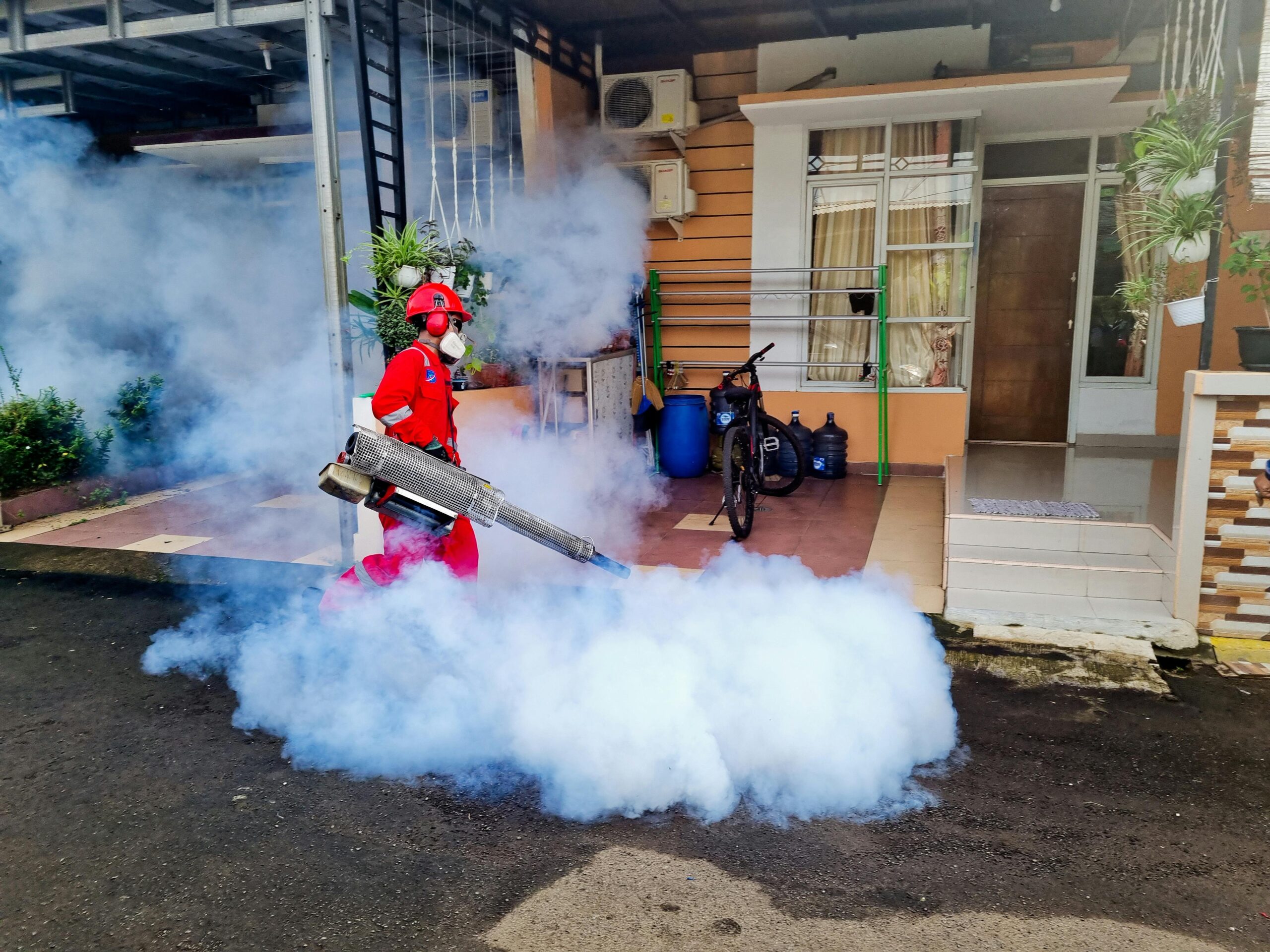
All of these tactics are executed by Anthem Pest’s trained technicians, each wearing a full protective suit that meets OSHA standards. The gear includes a disposable coverall, face shield, and double‑glove system, ensuring that neither the worker nor the homeowner is exposed to hazardous chemicals. Our team follows a strict decontamination protocol after each job, wiping down tools and safely disposing of any used bait stations or traps. This level of professionalism is what sets us apart in Druid Hills, where safety and effectiveness go hand‑in‑hand.

The battle doesn’t end with a single visit. Anthem Pest schedules follow‑up monitoring trips at two‑week intervals to check bait consumption, trap captures, and any new activity signs. During these visits we re‑inspect exclusion points, replace depleted baits, and adjust trap placement as needed. Consistent monitoring ensures that the roof‑rat population is fully eradicated and helps prevent a resurgence before the next season begins.
Pricing Comparison – What to Expect for Roof Rat Extermination
Service Tiers at a Glance
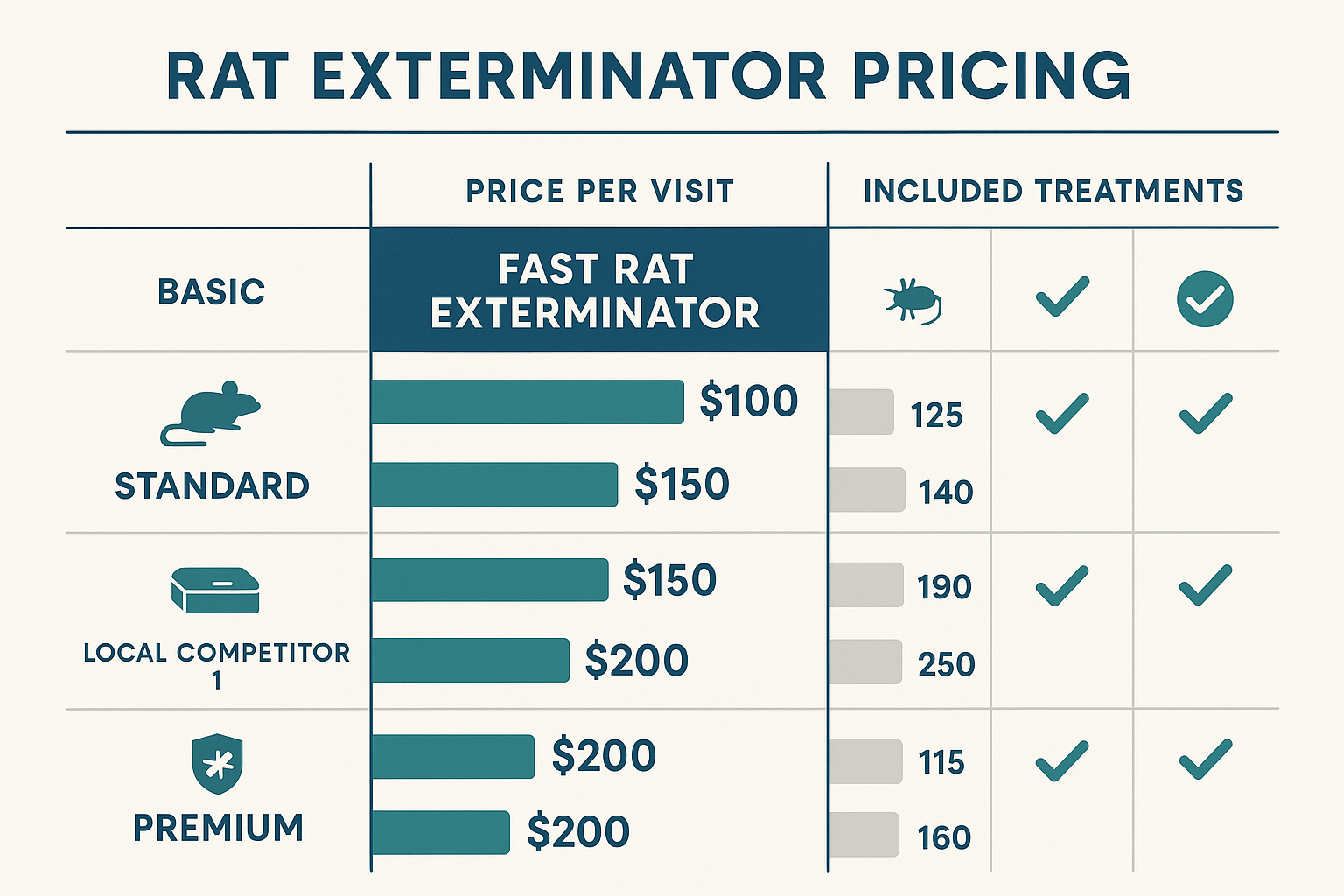
Anthem Pest offers three clearly defined tiers so you can choose the level of protection that matches your home’s needs and your budget.
- Basic – Includes a thorough on‑site inspection, one visit for bait placement, and a single follow‑up check. Ideal for homeowners who have caught a small infestation early.
- Standard – Adds a second bait‑placement visit, basic exclusion work (sealing obvious entry points), and a 90‑day warranty. This tier balances cost and confidence for most Druid Hills families.
- Premium – Features three bait‑placement visits, comprehensive exclusion (including attic and crawl‑space sealing), quarterly monitoring for a full year, and a 12‑month warranty. Perfect for properties with recurring rat activity or high‑traffic outdoor spaces.
Price Comparison Infographic
What Makes the Difference?
While the headline price per visit is the first thing you notice, several hidden value drivers set Anthem Pest apart from the competition.
- Warranty length – Our Standard tier guarantees a 90‑day protection period, and the Premium tier extends that to a full 12 months, reducing the need for repeat treatments.
- Number of visits – More visits mean more opportunities to locate hidden nests and adjust bait placement. The Premium tier’s three visits often eliminate the need for future emergency calls.
- Eco‑friendly products – We use EPA‑approved, low‑toxicity baits that are safe for children, pets, and beneficial wildlife, whereas some local providers still rely on harsher chemicals.
When you factor in these benefits, the per‑visit price gap narrows dramatically, delivering a higher return on investment and lasting peace of mind.
Quick FAQ
- Are there hidden fees? No. Our quotes are all‑inclusive, covering inspection, treatment, follow‑up visits, and disposal of any debris.
- Do you require a long‑term service contract? We offer both one‑time treatments and optional service contracts for ongoing protection. You choose what fits your schedule and budget.
- Is financing available? Yes. Anthem Pest partners with several financing providers, allowing you to spread the cost of a Premium plan over easy monthly installments.
Ready to see how a transparent, tier‑based price structure can protect your home from roof rats? Request a free, no‑obligation quote today and let our Druid Hills experts handle the rest.
Protect Your Home Today with Anthem Pest Control
Roof rats thrive when the weather warms, and the early summer months in Druid Hills create the perfect window for them to move into attics, eaves and roof voids. If left unchecked, these nocturnal visitors can gnaw through insulation, wiring and structural wood, leading to costly repairs and health hazards. Acting now—while the infestation is still small—means you avoid a full‑blown invasion later in the season.
Key Treatment Steps You Should Expect
- Thorough Inspection: Certified technicians examine every entry point, from soffit vents to roof gaps, to locate active nests.
- Targeted Baiting: EPA‑approved, low‑toxicity baits are placed strategically to eliminate the colony without endangering pets or children.
- Exclusion: Gaps and cracks are sealed using durable materials, cutting off future access routes.
- Ongoing Monitoring: Follow‑up visits ensure the problem stays solved, with adjustments made as needed.
Anthem Pest Control brings years of local expertise to every job. Our team uses only EPA‑approved products that are safe for families and pets, while our transparent pricing lets you know exactly what you’re paying for—no hidden fees, no surprise charges. Whether you need a one‑time eradication or a seasonal protection plan, we tailor the solution to fit your home’s unique layout and your budget.
If you’ve spotted any of the signs above or simply want peace of mind this season, our certified technicians are ready to help. Contact us for a free, no‑obligation quote and discover why homeowners trust Anthem Pest for reliable, affordable rodent control.
Call now at 877-371-8196 or visit Anthem Pest Control to schedule your inspection today with a trusted rat exterminator Druid Hills homeowners rely on.