Identifying Common Ant Species
Before you reach for a spray bottle or call a professional, knowing exactly which ant you’re dealing with can save you time, money, and frustration—especially in situations that require emergency ant control Druid Hills homeowners may face. Different species require different treatment approaches—some target wood, others thrive in moisture, and a few react poorly to certain chemicals. Accurate identification is the first step toward a lasting solution.

Carpenter Ants (Camponotus spp.)
These are the largest household ants, ranging from ¼ to ½ inch long. Their bodies are typically black or reddish‑brown with a smooth, shiny exoskeleton. Notice the uneven, “waist‑like” constriction between the thorax and abdomen, and long, elbowed antennae. Carpenter ants favor moist wood—think rotting frames, window sills, or any area where water has seeped into the structure. They nest inside the wood, not the soil, which is why you’ll often find them near window frames or under decks.
Odorous House Ants (Tapinoma sessile)
These tiny ants measure about ¼ inch and are dark brown to black. Their most distinctive trait is the strong, rotten‑egg smell they emit when crushed. Their bodies are uniformly slender, and the antennae are short with a single “elbow.” Odorous house ants are indoor opportunists; they love warm, humid kitchens and bathrooms, especially where food crumbs or sugary spills linger.
Pavement Ants (Tetramorium caespitum)
Typically ⅛ to ⅜ inch long, pavement ants have a dark brown to black head and a lighter, reddish‑brown abdomen. Look for the two distinct nodes on their petiole (the “waist” segment) and relatively short antennae. They establish colonies under sidewalks, driveways, and building foundations—hence the name. When indoor conditions become favorable, you’ll see them marching along baseboards or inside wall voids.
Fire Ants (Solenopsis invicta)
Fire ants are small (about ¼ inch) but aggressive. Their coloration is a reddish‑brown body with a darker abdomen, and they possess a single node on the petiole. Their antennae are long and curved, and they often leave a stinging, painful bite. Fire ants build conspicuous, mound‑shaped nests in sunny, well‑drained soil outdoors, but they can invade homes in search of food or shelter during hot, dry spells.
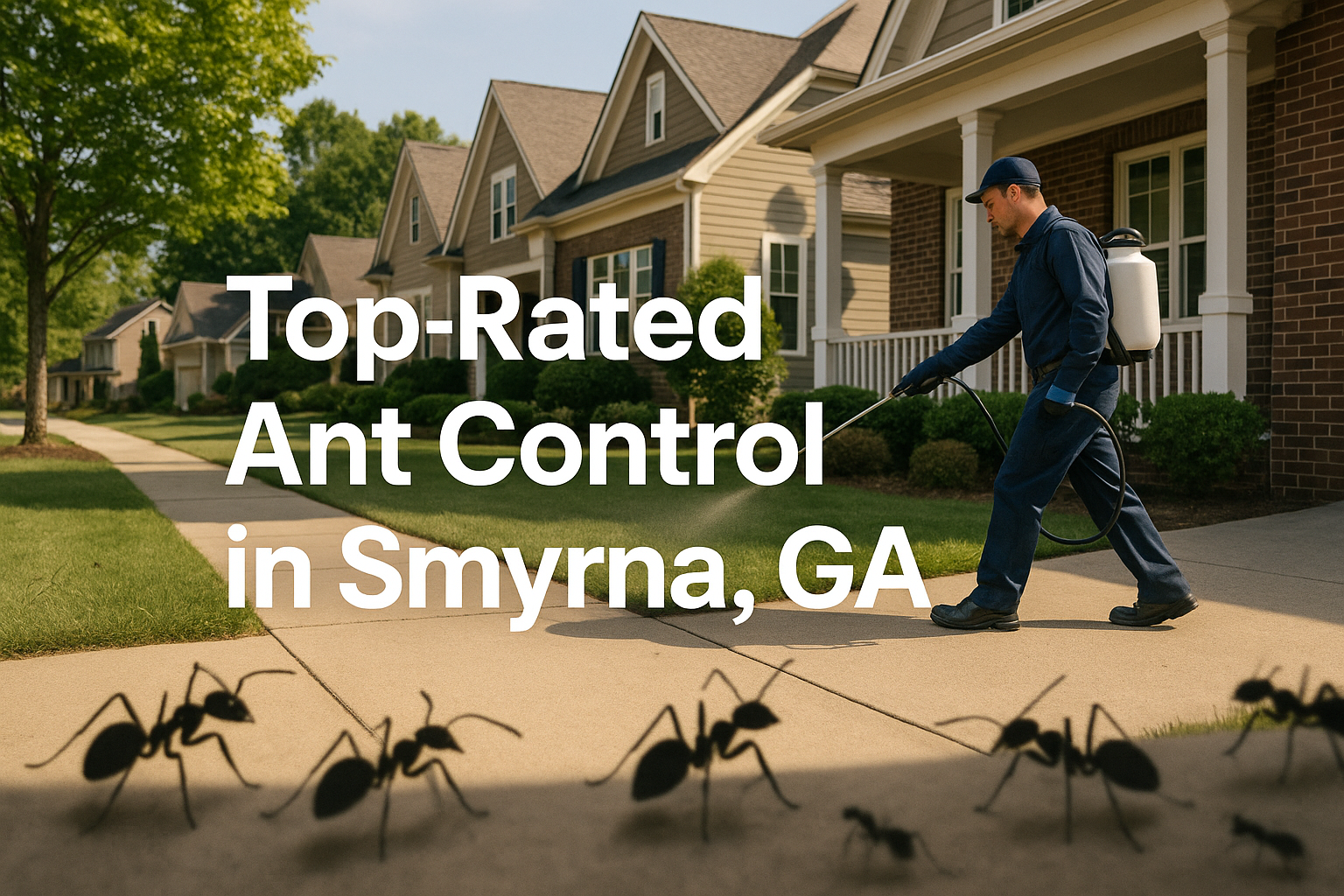
By matching the size, color, body shape, and antennae style you see in the macro photo above to the descriptions here, you can quickly pinpoint the culprit. Once you know the species, you’ll understand its preferred habitat—whether it’s a damp wood cavity, a kitchen countertop, or an outdoor mound—so you can target the right treatment zone.
For a deeper dive into less common species and regional variations, consult the EPA Ant Pest Data page. This resource offers detailed fact sheets that complement the quick guide above and help you stay ahead of any ant surprise.
Warning Signs of an Ant Infestation
Before an ant problem turns into a full-blown invasion, most homeowners notice subtle clues around the house. Spotting these early indicators gives you a chance to intervene early—often avoiding the need for emergency ant control Druid Hills residents may otherwise require—while treatment costs and damage remain low.
Common visual clues
- Ant trails – thin, steady lines of ants moving between a food source and an entry point.
- Soil or sand piles – tiny mounds near windowsills, door thresholds or foundation cracks where workers clear debris.
- Damaged wood – hollowed or ragged sections, especially in structural timbers, a hallmark of carpenter ants.
- Honey‑dew deposits – sticky, shiny spots on plants, walls, or appliances left by sap‑feeding ants.
- Food contamination – crumbs, spilled sugary liquids, or opened packages that attract foraging ants.
Why ant trails appear where they do
Ants lay pheromone trails to guide nestmates to food and water. When they discover a crack around a window, a gap under a door, or a vent opening, the scent trail becomes visible as the insects march back and forth. The more consistent the food source, the stronger and longer the trail will be. In Druid Hills, the humid spring evenings often push ants to seek shelter indoors, making entry‑point trails especially noticeable.
Seasonal patterns that affect visibility
During the cooler months, many ant species retreat to deeper nest chambers, so indoor sightings drop. As temperatures rise in late spring and early summer, colonies expand and workers scout aggressively, increasing the number of trails and honey‑dew spots. Fall can bring a second surge as colonies prepare for winter, especially fire ants that seek warm basements.
Health and structural risks by species
Not all ants pose the same threat. Carpenter ants (Camponotus spp.) excavate wood to create galleries, weakening support beams and floor joists over time. Fire ants (Solenopsis invicta) deliver painful stings that can trigger allergic reactions in sensitive individuals. While most household ants are merely a nuisance, some, like the odorous house ant, can contaminate food with bacteria carried on their bodies, raising hygiene concerns.
Quick inspection checklist for high‑risk areas
- Kitchen counters, pantry shelves, and garbage disposals – look for trails and sticky residue.
- Bathrooms and laundry rooms – check under sinks and around tile grout for tiny soil piles.
- Basement walls and foundation cracks – shine a flashlight to reveal hidden trails.
- Exterior door frames and window sills – probe for gaps and seal any openings.
- Outdoor landscaping near the house – inspect mulch, plant bases, and fire‑ant mounds.
For a deeper understanding of how ant activity can impact indoor air quality and health, see the EPA’s guide on pest‑related health risks: EPA – Pest Control Health Risks.
Emergency Ant Control Steps
When an ant invasion hits your home unexpectedly, a calm, systematic response can stop the spread before it becomes a full-blown infestation—especially in situations that call for emergency ant control Druid Hills homeowners may need right away. Follow these seven steps to protect your family, your food, and your peace of mind.

1. Safety First
Before you touch a single spray can, suit up. Wear disposable gloves to prevent skin irritation from chemicals, and open windows or use fans to keep the area well‑ventilated. Keep children and pets out of the treatment zone until the product has dried and the label’s re‑entry time has passed.
2. Locate the Source
Ants travel in organized trails. Follow the line of activity back to the entry point or nest. Use the ant identification guide from Part 1 to confirm you’re dealing with the species that requires an emergency approach. Pinpointing the source helps you target treatment where it matters most.
3. Contain the Area
Seal all food in airtight containers and cover dishes with lids or foil. Clean crumbs, spills, and pet food bowls—anything that draws ants will only fuel the problem. Removing attractants buys you valuable time while you apply the insecticide.
4. Apply a Targeted Spray
Choose an EPA‑registered ant insecticide that is labeled for indoor and perimeter use. Load the spray bottle, then apply a thin, even mist to cracks, baseboards, and the outdoor foundation where ants are entering. Focus on the exact spots you observed in Step 2; over‑spraying wastes product and can create unnecessary exposure.
5. Set Up Baits
If the ant species is known to feed on sugary or protein‑rich baits, place commercial bait stations a few feet away from the trail. The foraging workers will carry the toxic bait back to the colony, delivering a slow‑acting kill that can eradicate the nest over several days. Replace any bait that dries out or is removed by pets.
6. Monitor and Re‑Treat
After 24–48 hours, revisit the treated zones. Look for lingering activity or new trails. If ants are still marching, a second application of the spray or additional bait stations may be necessary. Consistent monitoring prevents a resurgence before it becomes visible again.
7. Professional Follow‑Up
When DIY measures don’t bring the numbers down, it’s time to call in the experts. Certified Anthem Pest technicians arrive with professional‑grade residual sprays, dusts, and foam applicators that penetrate deep into walls and voids where homeowners can’t reach. Our team follows strict label directions, ensuring safety while delivering a treatment that lasts weeks to months.
Remember, the most effective ant control starts with EPA‑registered products used exactly as the label instructs. While a quick spray can halt a surface infestation, professional equipment—such as dusts that cling to hidden cracks—often provides the decisive edge. Anthem Pest’s trained technicians combine that equipment with local knowledge of Druid Hills’ ant species, guaranteeing a safe, thorough, and lasting solution.
How Much Does Emergency Ant Control Cost?
When an ant invasion turns urgent, the first question on every homeowner’s mind is cost—especially when emergency ant control Druid Hills services are needed right away. While prices vary, understanding the key drivers helps you set a realistic budget and avoid surprise fees.
What Influences the Price?
The total charge for emergency ant control depends on four main factors:
- Infestation size: A few scout trails cost less than a full‑scale colony spreading through walls.
- Ant species: Carpenter ants often require deeper treatment than pavement ants.
- Property size: Larger homes or multi‑unit buildings need more product and labor.
- Treatment method: Sprays, baits, or a combination of both affect material costs and labor time.
Typical Service Tiers
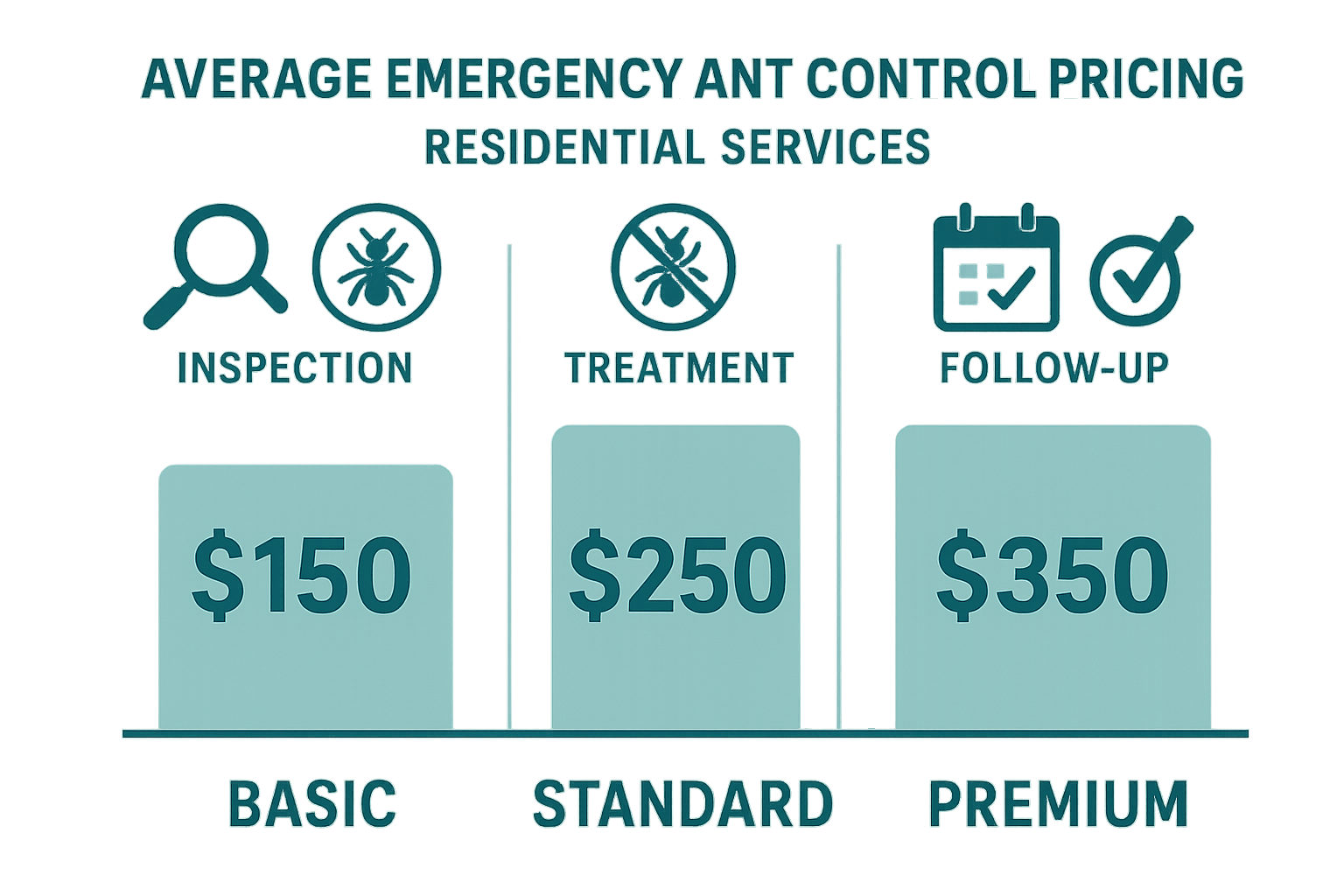
Most pest professionals, including Anthem Pest, structure emergency ant control into three clear tiers. Choose the level that matches the severity of your problem and your long‑term peace of mind.
| Tier | Price Range (USD) | What’s Included | Ideal For |
|---|---|---|---|
| Basic | $120 – $180 | Full inspection + single‑application spray | Small, localized infestations; first‑time callers |
| Standard | $200 – $280 | Inspection, spray, and placement of bait stations | Moderate colonies, multiple entry points, or recurring ants |
| Premium | $350 – $460 | Comprehensive inspection, multiple‑application spray, bait stations, and a 3‑month follow‑up visit | Severe infestations, high‑risk species, or homeowners seeking long‑term protection |
Why Bundle Services?
Combining ant control with a termite inspection or other pest services often reduces overall cost. A bundled package eliminates duplicate visits, saves on travel time, and gives you a single, cohesive treatment plan that protects your home from multiple threats.
Anthem Pest’s Transparent Pricing Model
Anthem Pest prides itself on a straightforward quote: the price you receive upfront includes labor, materials, and any necessary follow‑up visits. There are no hidden fees, no surprise add‑ons, and every estimate is backed by a written guarantee. This transparency lets you compare tiers confidently and choose the option that fits your budget.
If you’re ready to see a personalized number, simply request a free, no‑obligation quote. Our technicians will assess your situation, explain the best tier for your needs, and provide a clear, itemized estimate—so you know exactly what you’re paying for before any work begins.
Seasonal Ant Activity in Druid Hills, GA
Ants in Druid Hills don’t work on a nine‑to‑five schedule; they respond to the climate. When temperatures rise above 70°F (21°C) and humidity climbs, workers leave the nest to forage. Cooler, drier days force the colony to retreat underground, slowing the visible activity you notice around your home.
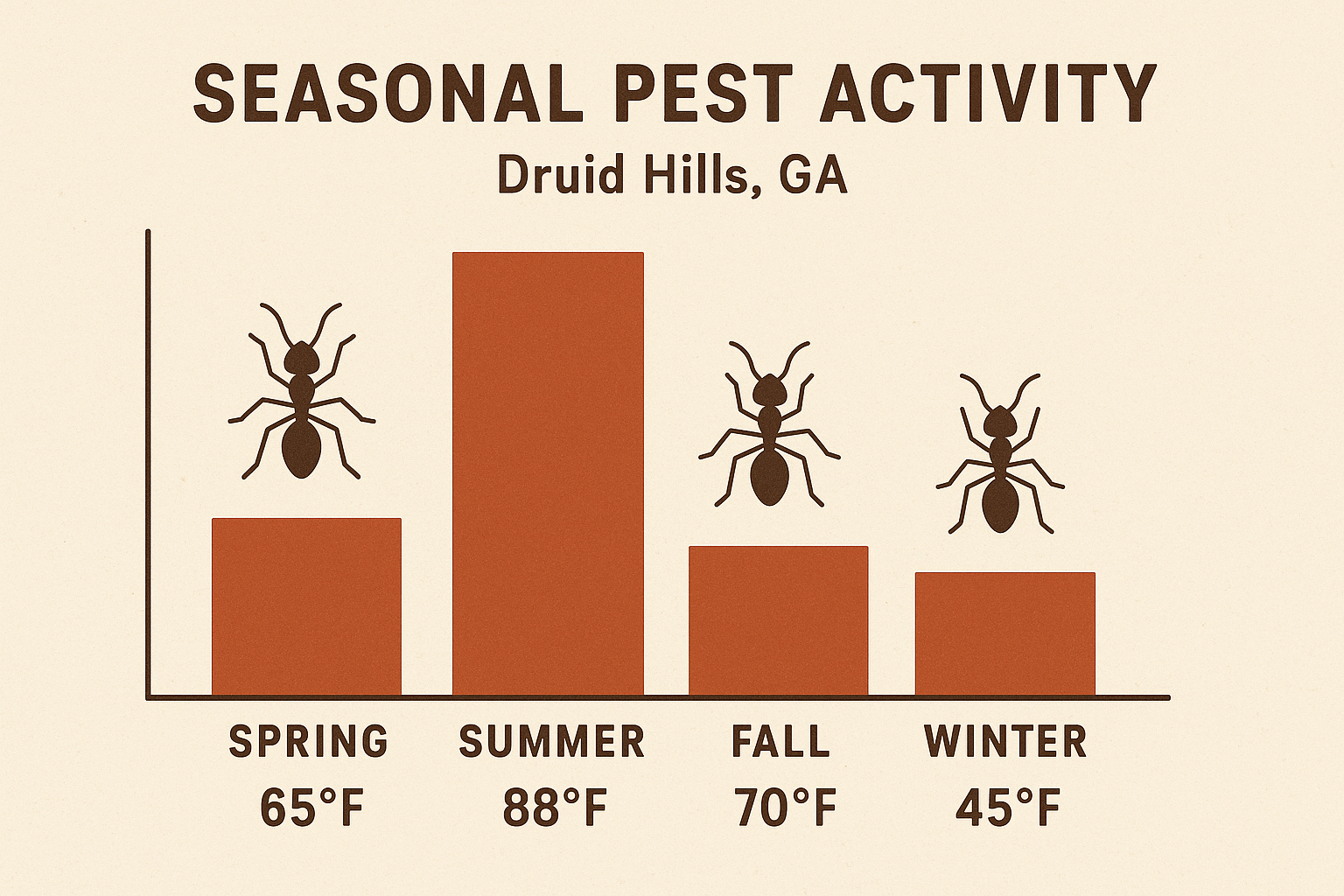
The chart above breaks the year into four bars—spring, summer, fall, and winter—showing the average foraging intensity of the most common species in Druid Hills: Carpenter ants, Pavement ants, and Little black ants. Notice the sharp rise in summer (the tallest bar) and the dip in winter (the shortest bar). This visual cue helps you anticipate when ants are most likely to invade.
Spring – Early detection and preventive barriers
- Temperatures climb to 60‑75°F, prompting colonies to expand their foraging trails.
- Inspect foundation cracks, window sills, and mulch beds for small ant trails.
- Apply a perimeter barrier treatment now; it creates a chemical moat that deters ants before they breach your home.
Summer – Indoor foraging peaks
- Heat and humidity drive workers inside searching for food and water.
- Place interior bait stations along kitchen counters, under appliances, and near pet feeding areas.
- If you notice a surge in activity, follow Step 4 from Part 3—immediately set out bait and monitor daily.
Fall – Nest relocation and pre‑rain inspections
- As the soil dries, colonies often relocate deeper or move to sheltered spots like crawl spaces.
- Check foundation walls, crawl space vents, and exterior drainage for new entry points before the first heavy rains.
- Re‑apply a light barrier treatment if you spot fresh mud tubes or ant hills.
Winter – Low activity but indoor colonies persist
- Foraging slows dramatically, but queens may establish indoor nests in wall voids or insulation.
- Conduct a quick visual sweep of baseboards, behind appliances, and inside cabinets.
- Keep bait stations in place; a few workers may still be active and will carry poison back to the hidden nest.
To stay ahead of the curve, schedule a professional inspection at the start of each high‑risk season—spring and summer. Anthem Pest Control’s locally trained technicians know the exact timing of ant peaks in Druid Hills and can tailor barrier treatments, bait placements, and nest‑removal strategies to your property’s unique conditions.
Long‑Term Prevention and Getting Help from Anthem Pest Control
Routine Maintenance Checklist
Keeping ants at bay doesn’t have to be a full‑time job. A quick, twice‑a‑year walk‑through can seal most entry points and remove the conditions ants love. Use the checklist below to stay ahead of the next invasion:
- Seal cracks and gaps around windows, doors, utility penetrations, and the foundation. Expanding foam or caulk works wonders.
- Maintain clean surfaces in kitchens and dining areas. Wipe crumbs, store food in airtight containers, and empty garbage cans regularly.
- Control moisture by fixing leaky pipes, using a dehumidifier in damp basements, and ensuring proper drainage away from the house.
- Trim vegetation at least 12 inches from the foundation. Overhanging branches and dense shrubs give ants a bridge straight to your home.
Why Annual Professional Inspections Beat DIY Checks
Even the most diligent homeowner can miss hidden nests or subtle signs of an ant problem. A licensed technician brings three advantages that a DIY inspection simply can’t match:
- Specialized tools—thermal imaging, moisture meters, and bait‑placement expertise reveal colonies before they become visible.
- Season‑specific knowledge—different ant species are active at different times. Professionals know which species to look for in Druid Hills and how their life cycles affect treatment timing.
- Integrated pest management—technicians assess the entire property, not just the kitchen, and recommend long‑term strategies that align with your home’s layout.
Scheduling an annual inspection ensures that any early activity is caught, treated, and documented, keeping your family’s peace of mind intact year after year.
Safe, EPA‑Approved Solutions for Families and Pets
Anthem Pest uses only products that meet EPA safety standards and are formulated to minimize exposure to children and pets. Our technicians apply treatments in a targeted manner—baits placed where ants travel, perimeter sprays that stay out of high‑traffic zones, and low‑odor granules for indoor use. The result is a protected home without the lingering chemical smell or health concerns that many over‑the‑counter options bring.
Anthem Pest: Local Expertise, Nationwide Reach
Founded on the principle of “effective, affordable, transparent,” Anthem Pest has grown from a regional service to a national leader while retaining a local touch. Our team in Druid Hills knows the common ant species in Georgia—carpenter ants, odorous house ants, and pavement ants—and tailors each plan to the specific challenges of the area. Beyond ants, we handle termites, mosquitoes, rodents, cockroaches, bed bugs, and more, offering a single point of contact for all your pest needs.
Take the Next Step—No Obligation, Transparent Pricing
Ready to turn the routine checklist into a worry‑free reality? Contact Anthem Pest for a complimentary home inspection. Our experts will walk you through any findings, outline a customized prevention plan, and provide a clear, upfront quote—no hidden fees, no pressure to sign up.
Call us today at 877-371-8196 or visit Anthem Pest Control to claim your free quote for emergency ant control Druid Hills homeowners can rely on. We’re here to protect your home, your family, and your peace of mind.