Meet the Millipede – Georgia’s Overlooked Household Guest
What a Millipede Really Is
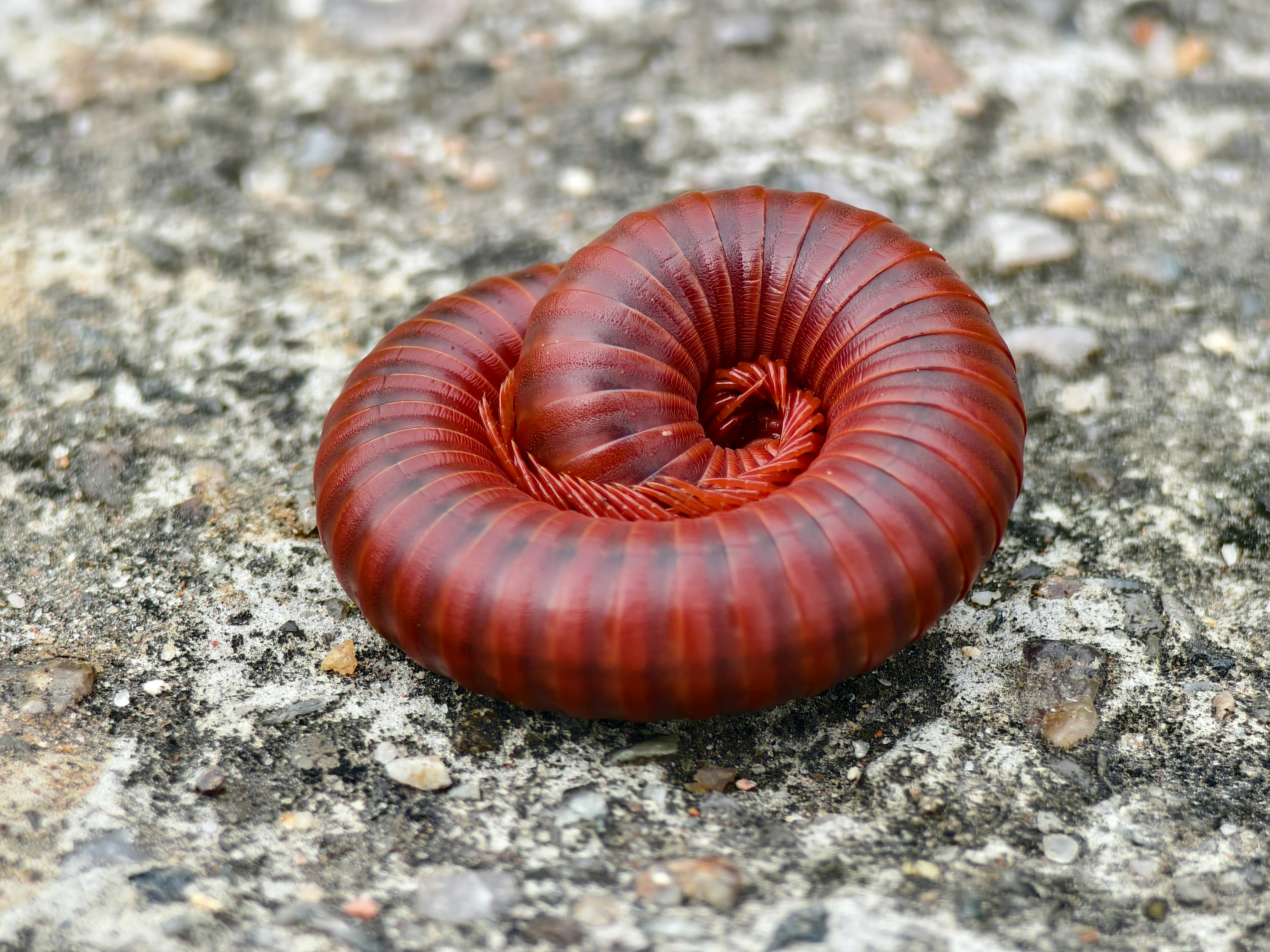
Millipedes belong to the class Diplopoda, a group of arthropods distinguished by their long, segmented bodies—a fact many homeowners learn while researching millipede control cost Sugar Hill services. Each segment typically bears two pairs of legs, giving them the “thousand-leg” reputation—even though most species have far fewer. They are detritivores, meaning they feed on decaying plant material, fungi, and organic matter in the soil. This diet makes them valuable recyclers in natural ecosystems, breaking down leaf litter and returning nutrients to the ground.
Species You’ll Likely Spot in Sugar Hill and the Greater Atlanta Area
The most common culprits in North‑central Georgia are the *Narceus americanus* (American millipede) and the *Oxidus gracilis* (greenhouse millipede). The American millipede sports a dark brown, slightly glossy exoskeleton and can reach up to 4 inches in length. The greenhouse millipede, as its name suggests, thrives in cultivated landscapes and often appears in bright green or tan shades, usually under 2 inches long. Both species are well‑adapted to the humid climate of Sugar Hill, especially after summer rains.
How They Slip Inside Your Home
Millipedes are attracted to moisture. Moist soil, freshly laid mulch, and piles of leaf litter create the perfect humid micro‑environment they love. When these conditions exist near a foundation—say, a damp garden bed or a poorly graded yard—millipedes will wander toward the house in search of cooler, damp spaces. Common entry points include:
- Cracks in foundation walls or slab seams
- Gaps around door sweeps and window frames
- Unsealed utility openings (electric, plumbing, or vent pipes)
- Openings in crawl‑space vents or attic hatches
Once inside, they often congregate in basements, laundry rooms, or under sinks where humidity remains high. A sudden influx can be startling, even though the insects themselves are harmless.
Quick Fact: Harmless Yet a Nuisance
Millipedes do not bite, sting, or transmit disease to humans or pets. Their primary issue is aesthetic—large groups can carpet floors, slip onto countertops, or even emit a defensive odor when disturbed. This odor, while unpleasant, is merely a natural chemical defense and poses no health risk. The real concern for homeowners is the inconvenience and the perception of a pest problem that may signal broader moisture or landscaping issues.
Why Professional Control Matters
Because millipedes are attracted to moisture, the most effective long‑term solution focuses on reducing humidity around your home. Sealing cracks, improving drainage, and trimming back mulch from foundation walls are essential steps. When an infestation becomes noticeable, the EPA’s guidance on millipede control recommends a combination of physical barriers and, when necessary, low‑toxicity pesticide applications performed by licensed professionals. At Anthem Pest Control, we tailor each treatment to the unique conditions of Sugar Hill homes, ensuring safe, effective, and affordable results.
Spotting an Infestation – Signs Homeowners Shouldn’t Ignore

Millipedes are harmless to humans, but a sudden surge can signal moisture problems and invite other pests. Catching the early signs lets you act before the crawl‑space turns into a full‑blown infestation.
Visual cues you’ll notice around the house
- Clusters in basements and crawl spaces: Look for small groups of dark, cylindrical insects near foundation walls or under concrete slabs.
- Gatherings near exterior doors: Millipedes often line up on the threshold or in the entryway after a rainstorm, seeking shelter.
- Damp corners: Bathroom corners, under sinks, or behind appliances that generate condensation are prime real‑estate for these moisture‑loving critters.
Physical evidence that tells a story
- Shed exoskeletons: As millipedes grow, they leave behind translucent, paper‑like shells. A trail of these skins indicates a breeding population.
- Slime trails: A thin, glossy line on walls or floors is a defensive secretion. It’s a clear sign they’ve been moving through the area.
- Damage to organic mulch: If you notice shredded mulch or a “spider‑web” look in garden beds, millipedes are feeding on the decaying plant material.
Behavioral clues tied to weather
Millipedes are most active when the air is humid. You’ll typically see a spike in activity:
- After a heavy rain—water drives them out of soil and into your home.
- During humid summer evenings—moisture in the air encourages them to forage near light sources.
How to tell millipedes apart from centipedes and other pests
Confusing millipedes with centipedes is common, but a few key differences make identification easy:
- Body segments: Millipedes have two pairs of legs per segment, giving them a “double‑legged” appearance. Centipedes have one pair per segment.
- Movement style: Millipedes move in a slow, deliberate wave, while centipedes dart quickly and appear more aggressive.
- Defensive behavior: When threatened, millipedes coil and release a harmless slime. Centipedes raise their front legs and may bite.
- Color and size: Millipedes are usually darker (brown to black) and bulkier, whereas centipedes tend to be lighter and more elongated.
For a comprehensive identification guide, consult the University of Georgia Extension fact sheet: UGA Extension – Millipede Identification. It includes photos, habitat details, and management tips tailored to Georgia’s climate.
Spotting these signs early lets Anthem Pest Control recommend targeted treatments—like moisture mitigation, perimeter barriers, and safe indoor applications—before the problem spreads. If any of the above clues sound familiar in your home, give us a call at 877‑371‑8196 or visit anthempest.com for a free inspection.
When Millipedes Are Most Active in Georgia
Understanding the rhythm of millipede activity helps you plan the right moment for prevention and treatment. In Georgia, these harmless‑looking critters follow a predictable seasonal pattern that’s tied to temperature and moisture. By aligning your pest‑control actions with this calendar, you can keep millipedes out of your home before they become a nuisance.
Annual Activity Curve
The typical activity curve for millipedes in the Peach State shows two clear peaks. The first surge begins in early spring, around March, and climbs through May as soil temperatures rise above 55 °F (13 °C). A second, smaller peak appears in early autumn, from September into October, when the first rains after the hot summer cool the ground. The lowest activity occurs during the hottest midsummer months (July‑August) and the coldest winter period (December‑February), when conditions are either too dry or too cold for the insects to move actively.
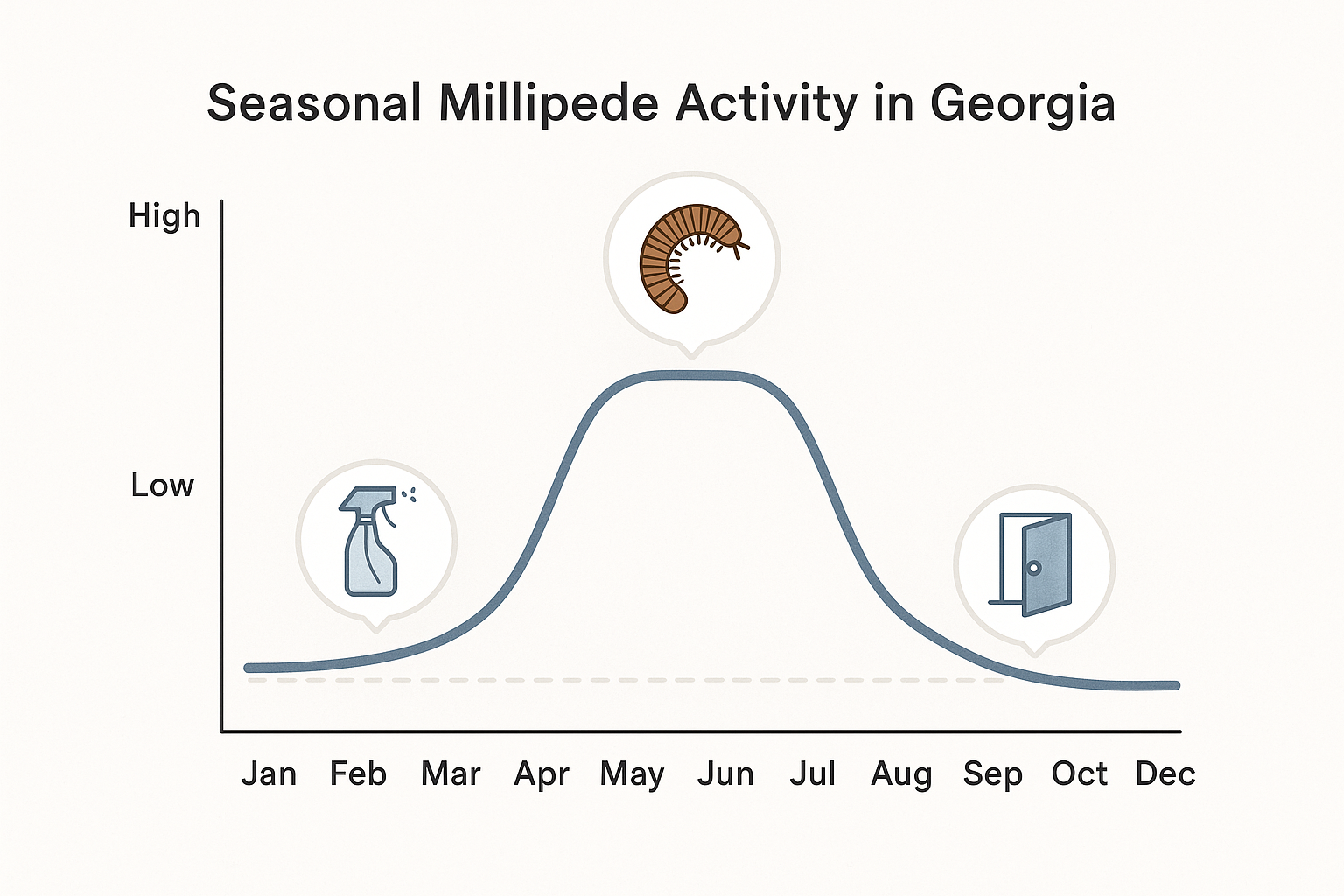
For a visual reference, see the seasonal activity line chart that plots these trends month by month.
What Drives Their Calendar?
Two environmental factors dominate the millipede calendar:
- Temperature: Millipedes become active once the soil consistently stays above 55 °F. Below that, their metabolism slows, and they retreat deeper into the earth.
- Moisture: These arthropods need damp conditions to breathe through their porous exoskeletons. Rainfall, high humidity, and damp leaf litter create the perfect highway for them to wander onto foundations and into homes.
When warm, wet weather aligns—especially in spring and early fall—millipedes emerge in large numbers, seeking shelter and food. That is precisely when homeowners notice them the most.
Season‑by‑Season Prevention Checklist
- Fall (September‑November): Rake and remove leaf litter, garden debris, and wood chips from the perimeter. These act as moisture reservoirs and hideouts for millipedes.
- Winter (December‑February): Inspect and repair cracks in foundations, crawl spaces, and window sills. A tight seal stops winter‑seeking millipedes from slipping inside when the ground thaws.
- Spring (March‑May): Apply a perimeter barrier treatment before the first rains. This creates a chemical “moat” that deters the spring surge.
- Summer (June‑August): Keep mulch and garden beds a few inches away from the house foundation. Reduce excess watering to avoid creating a soggy environment that attracts millipedes.
Following these seasonal steps not only reduces the chance of an infestation but also makes any professional treatment more effective, because you’re targeting the insects when they’re most vulnerable.
For a deeper dive into timing and best‑practice guidelines, consult the NPMA seasonal guidelines, which reinforce the importance of aligning pest‑control actions with natural activity cycles.
Potential Problems Caused by Millipedes
Seeing a trail of millipedes across your kitchen floor can be unsettling, even though these critters are harmless. For many homeowners, the sheer volume of millipedes that can gather inside a home becomes a genuine nuisance. Large numbers may trigger allergic reactions in sensitive individuals, causing skin irritation or respiratory discomfort. The sight of dozens of long‑legged insects scurrying across countertops can also create a feeling of unease that disrupts the comfort of your living space.
Property Concerns
Millipedes thrive in moist environments, and their presence often signals excess humidity inside walls, basements, or crawl spaces. As they congregate, they can contribute to moisture buildup, especially in areas where water is already seeping in. While they don’t chew on wood or fabrics, their bodies can leave dark stains on upholstery, carpets, and clothing when they die en masse. Moreover, a thriving millipede population can act like a beacon for other pests—cockroaches, ants, and even centipedes are attracted to the same damp, organic conditions that millipedes love.
Impact on Landscaping
Outside the home, millipedes feed on decaying leaves, mulch, and other organic matter. In moderation, this helps break down debris, but when numbers swell, they can strip mulch of its protective layer, altering its composition and reducing its effectiveness as a moisture barrier. Over‑time, this can lead to uneven soil moisture levels, affecting the health of nearby plants and lawns.
Why Volume Matters Even Without Bites or Disease
It’s important to remember that millipedes do not bite, sting, or transmit diseases to humans or pets. However, the discomfort they cause is real. A homeowner who returns from a walk to find a carpeted hallway lined with wriggling millipedes will likely feel compelled to take action, even if the insects pose no direct health threat. The psychological impact—feeling that your home is “infested”—can be enough to justify professional intervention.
- Nuisance factor: Large gatherings can be visually disturbing and may provoke allergic reactions.
- Moisture & staining: Accumulated bodies can stain fabrics and indicate hidden dampness.
- Secondary pest attraction: The same conditions that lure millipedes often attract roaches, ants, and other unwanted guests.
- Landscaping disruption: Over‑consumption of mulch and organic debris can affect soil health.
Understanding these practical issues helps homeowners recognize when millipedes have moved from a harmless curiosity to a comfort‑reducing problem that merits professional assessment and treatment.
DIY Strategies for Immediate Millipede Relief
While you wait for a professional technician, a few quick, homeowner‑friendly actions can dramatically cut the number of millipedes crawling across your porch or foundation. These steps are safe, inexpensive, and effective for short‑term relief, but they’re not a substitute for a full treatment plan.
Mechanical Removal
- Vacuuming: Use a shop‑vac with a hose attachment to suction visible millipedes from walls, windowsills, and entry points. Empty the canister outdoors immediately to prevent them from re‑entering.
- Sweeping or Brushing: A stiff broom or handheld brush can dislodge clusters from mulch beds or stone pathways. Sweep the debris into a bag and discard it away from the house.
- Sticky Traps: Place double‑sided tape or commercially available sticky pads along baseboards, under porch steps, and near known entry cracks. Check and replace them every 24‑48 hours.
Environmental Adjustments
- Improve Drainage: Millipedes thrive in damp soil. Ensure that downspouts direct water at least three feet away from the foundation and that grading slopes away from the house.
- Trim Excess Mulch: Keep mulch no deeper than two inches and pull it back from the house foundation. Over‑mulching creates a moist refuge that attracts millipedes.
- Fix Leaky Gutters and Pipes: Repair any dripping gutters, cracked downspouts, or leaking exterior pipes. Even a slow drip can raise soil moisture enough for millipedes to congregate.
Natural Repellents
- Diatomaceous Earth (DE): Lightly dust a thin layer of food‑grade DE around door thresholds, foundation cracks, and garden beds. The microscopic silica particles puncture the insects’ exoskeletons, dehydrating them.
- Essential Oil Blends: Mix 10‑15 drops of peppermint or citrus oil with a cup of water and a few teaspoons of mild dish soap. Spray the solution around entry points and on the perimeter of flower beds. The strong scent repels millipedes without harming pets.
Limitations of DIY Approaches & When to Call a Pro
Do‑it‑yourself methods work best for isolated sightings or a light seasonal influx. They won’t eradicate a large, established population hidden in soil, under siding, or within crawl spaces. If you notice any of the following, it’s time to schedule a professional assessment:
- Millipedes reappearing within 24 hours after removal.
- Large swarms gathering near doors, windows, or on the foundation.
- Visible damage to wooden structures or persistent moisture problems that DIY fixes can’t resolve.
- Allergic reactions or respiratory irritation caused by the insects.
A certified technician can apply targeted perimeter treatments, address underlying moisture issues, and provide a warranty‑backed plan that keeps millipedes out for the long term. Until then, the steps above give you immediate, low‑risk relief and buy you time to arrange professional service.
Professional Millipede Control Options
Chemical Barrier Applications
When millipedes start gathering around the foundation of a Sugar Hill home, the quickest way to stop them is a perimeter spray. Anthem Pest technicians apply EPA‑registered insecticides in a continuous band around the exterior walls, walkways, and any cracks where the insects could slip inside. The formulation is designed to stay active for weeks, creating an invisible shield that kills millipedes on contact before they can find a way into the house. Because the product is approved for residential use, it can be safely applied to lawns, garden beds, and even near pet‑friendly zones when the label’s dilution rates are followed.
Soil‑borne Granules and Bait Stations
For homeowners who want protection that lasts beyond the first spray, Anthem Pest offers soil‑borne granules and strategically placed bait stations. Granular treatments are worked into the top few inches of soil around foundations, flower beds, and mulch. As the granules dissolve, they release a low‑dose insecticide that the millipedes ingest while moving through the soil, disrupting their life cycle over several months. Bait stations contain a slow‑acting toxin encased in a protective cover; millipedes feed on the bait and carry the poison back to hidden colonies, effectively reducing the population from the source.
Integrated Pest Management (IPM) Approach
Anthem Pest doesn’t rely on a single tactic. Our IPM program starts with a thorough inspection to locate entry points, moisture sources, and existing millipede activity. Technicians then recommend exclusion measures—such as sealing foundation cracks, fixing gutter leaks, and trimming vegetation that touches the house—to deny the pests easy access. After the physical barriers are in place, we apply the chemical barrier and, if needed, the granular or bait solutions. Finally, we schedule a follow‑up visit to assess the treatment’s impact and adjust the plan for any new activity. This layered strategy maximizes effectiveness while minimizing chemical use.
Safety Protocols for Pets and Children
Every technician on the Anthem Pest team is trained to wear protective gear, including gloves, goggles, and respirators, when handling pesticides. We prioritize low‑toxicity formulations that meet the EPA’s strict safety standards for residential environments. Before any product is applied, we discuss the location of pets, children’s play areas, and food‑preparation zones so we can avoid overspray and recommend a short “no‑entry” window—usually 30 minutes to an hour—while the surface dries. All residues are low‑risk, and we provide homeowners with a simple after‑care checklist to keep families safe.
Tailored Plans for Sugar Hill Homes
Millipede pressure can vary block‑by‑block in Sugar Hill, depending on landscaping, shade, and soil moisture. Anthem Pest customizes each treatment plan after the initial inspection, selecting the right combination of barrier spray, granules, and bait stations to match the specific risk level of your property. Homeowners receive a transparent quote that breaks down product costs, labor, and any recommended preventative measures, such as drainage improvements or mulch replacement. By focusing on the unique conditions of your yard, we ensure you pay only for the services that will actually make a difference.
Choosing a professional service means you get a science‑backed solution, a clear safety roadmap, and a local team that knows the quirks of Sugar Hill’s climate. With Anthem Pest’s comprehensive approach, you can enjoy a millipede‑free home without worrying about harmful chemicals or unfinished DIY fixes.
Understanding the Cost of Millipede Control in Sugar Hill
Typical Price Ranges
Homeowners in Sugar Hill usually see three pricing tiers when they call Anthem Pest Control for millipede management, a breakdown that helps clarify millipede control cost Sugar Hill residents can expect:
- Low‑Cost (Basic Barrier) – A perimeter spray that creates a chemical shield around the home. This option typically runs between $120 – $180 for an average‑sized yard.
- Mid‑Range (Barrier + Soil Treatment) – Adds a targeted soil drench to the perimeter barrier, reducing the chance of millipedes burrowing into foundation cracks. Expect to pay $250 – $350, depending on square footage.
- High‑End (Full Integrated Pest Management) – Combines the barrier, soil treatment, interior inspections, and a scheduled follow‑up visit to monitor activity. This comprehensive plan usually falls in the $450 – $650 bracket.
What Drives the Price?
Several variables shape the final invoice:
- Property Size – Larger lawns or multiple structures require more product and labor.
- Infestation Severity – A light, occasional sighting costs less than a full‑blown colony that’s already established in the soil.
- Treatment Type – Barrier‑only applications are the cheapest; adding soil drenches, interior sprays, or monitoring devices raises the cost.
- Time of Year – Peak millipede activity (late spring through early fall) can affect both the amount of product needed and the scheduling logistics.
Seasonal Price Fluctuations
During the peak activity months—typically May through September—demand for millipede services spikes. Because technicians are busier and product usage climbs, rates can be 10‑15 % higher than off‑season quotes. Planning a treatment in the early spring or late fall often secures the lower end of the price spectrum while still providing effective protection.
Quick Visual Comparison
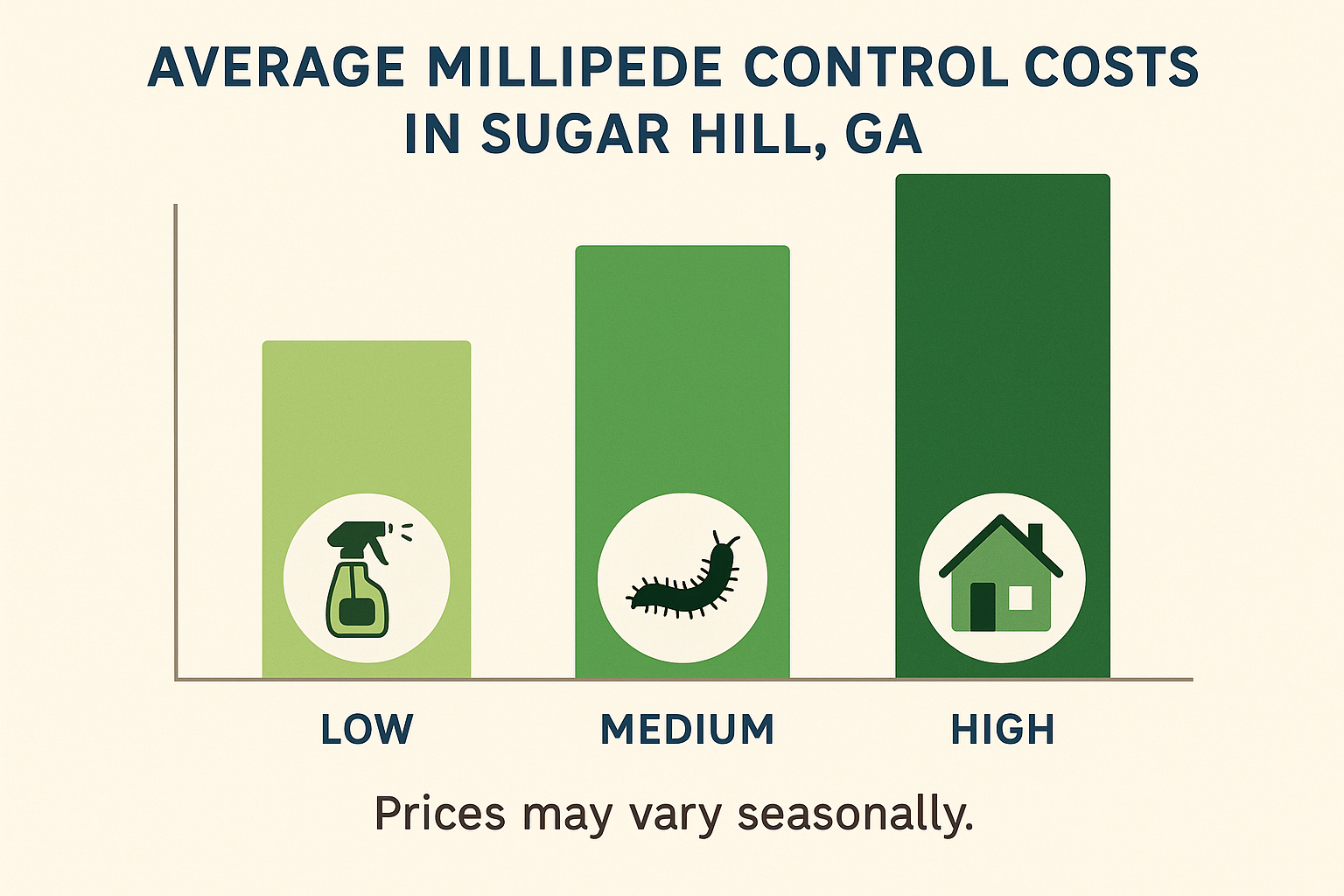
Seeing the numbers side‑by‑side helps you decide which level of protection matches your budget and risk tolerance. Remember, a higher‑tier plan isn’t just about cost—it’s an investment in long‑term peace of mind, especially for larger properties or homes surrounded by dense landscaping.
Ready for a personalized estimate? Anthem Pest Control offers a free, no‑obligation quote tailored to your yard’s size, current infestation level, and preferred treatment schedule. Call us at 877‑371‑8196 or visit our website to schedule your assessment today.
Secure Your Home with Expert Millipede Management Today
Millipedes may seem harmless, but when they swarm into your yard or crawl inside, they can create a slippery mess, damage delicate garden plants, and signal excess moisture that invites other pests. Because they thrive in the warm, humid evenings of Sugar Hill, a problem that starts in early spring can quickly become a summer nuisance if left untreated. Timely, season‑aware treatment not only stops the current invasion but also blocks future breeding cycles, protecting your home’s foundation, landscaping, and indoor comfort. Ignoring the signs can also lead to water damage, as millipedes often congregate in damp basements and crawl spaces, compromising insulation and encouraging mold growth.
Why Choose Anthem Pest Control?
Anthem Pest brings a blend of local expertise and industry‑leading standards to every millipede job. Our technicians know the micro‑climates of Sugar Hill, allowing us to pinpoint the exact entry points and moisture sources that attract these arthropods. We use only EPA‑approved products that are safe for children, pets, and the surrounding environment, delivering rapid knock‑down while preserving the health of your family. Our technicians also apply perimeter barriers and moisture‑control recommendations, creating a hostile environment for future millipede activity.
Transparency is built into our process: you’ll receive a clear, upfront quote with no hidden fees, and our satisfaction guarantee means we’ll return at no extra cost if the problem persists after the initial treatment. This combination of knowledge, safety, and accountability ensures you get the most effective protection without surprise expenses. Because we document each step, you’ll have a clear record of treatments for insurance or resale purposes.
Take the First Step Toward a Millipede‑Free Home
Ready to stop the crawl? Schedule a free inspection and personalized quote today. Our friendly team will assess your property, discuss the best treatment window, and outline a prevention plan that fits your budget. We work around your schedule, offering evening and weekend appointments so the service fits your busy life.
Call us now at 877‑371‑8196 or click the link below to book your inspection online. Our same‑day response team is ready to answer questions you may have. Let Anthem Pest Control give you peace of mind and a clean, pest‑free home.
Visit Anthem Pest Control and secure your home with expert millipede management while keeping millipede control cost Sugar Hill homeowners pay fair and transparent.