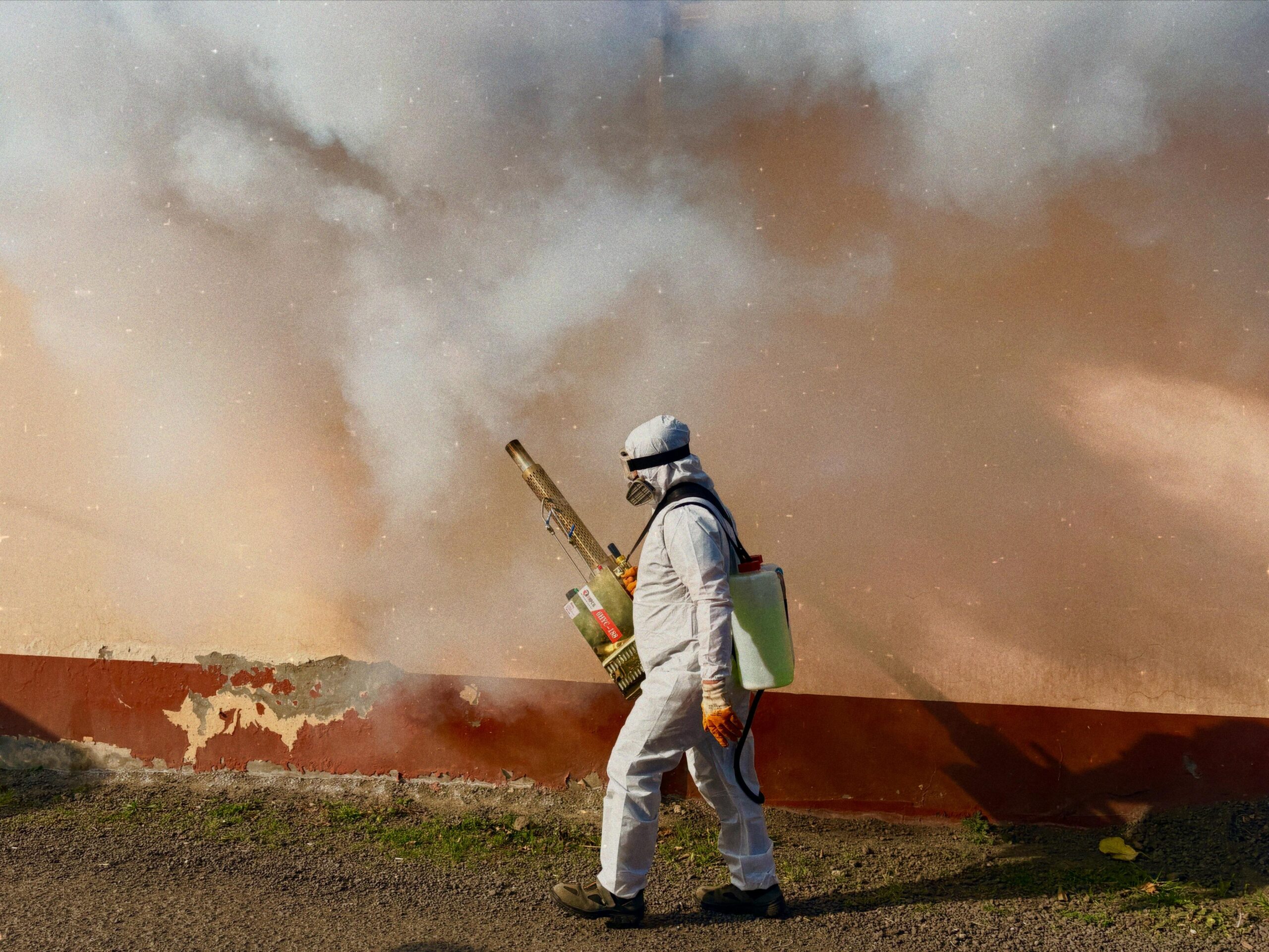
Why Cockroaches Are a Growing Concern in Brookcroft, GA
Living in Brookhaven offers a pleasant mix of suburban charm and urban convenience, but that same environment creates an ideal backdrop for one unwelcome guest: cockroaches. These resilient insects thrive in the warm, humid summers and mild winters that characterize the region, slipping into homes, apartments, and even well‑kept condominiums. For homeowners, the presence of cockroaches isn’t just a minor nuisance—it can quickly evolve into a costly, health‑risking problem if left unchecked.
Brookhaven’s Climate and Housing Stock Favor Cockroach Activity
The climate in Brookhaven is a perfect cocktail for roach reproduction. Average summer temperatures hover between 85°F and 92°F, while humidity often stays above 60 %. These conditions accelerate the life cycle of most common species, allowing them to mature from egg to adult in as little as six weeks. Add to that the area’s dense housing—single‑family homes with basements, multi‑unit complexes, and older brick buildings—each offering hidden cracks, crevices, and moisture sources where roaches can hide, breed, and travel unnoticed.
Rising Sightings Backed by EPA and CDC Data
Recent data underscores the growing problem. The U.S. Environmental Protection Agency (EPA) reports that indoor cockroach populations have risen by roughly 12 % nationwide over the past five years, with the Southeast showing the steepest increase. Meanwhile, the Centers for Disease Control and Prevention (CDC) links a 7 % uptick in asthma-related emergency visits in Georgia to cockroach allergens. Local pest‑control logs confirm that service calls for roach infestations in Brookhaven have climbed by nearly 15 % year‑over‑year, indicating that more households are encountering these pests than ever before.
Common Species in Brookhaven and Their Preferred Hideaways
- German cockroach (Blattella germanica) – The most prevalent indoor species, favoring kitchens, pantries, and any area with food crumbs or sugary spills.
- American cockroach (Periplaneta americana) – Larger and more tolerant of cooler temperatures, often found in basements, crawl spaces, and near plumbing fixtures.
- Oriental cockroach (Blatta orientalis) – Prefers damp, dark environments such as under sinks, in drains, and around leaky pipes.
Each of these species exploits a different niche, but they share one common trait: they can survive on the smallest food particles and water sources, making even the tidiest homes vulnerable.
Why the Problem Often Goes Unnoticed Until It’s Severe
Roaches are masters of stealth. During the day they hide in wall voids, behind appliances, or inside furniture, emerging at night to forage. Because they are nocturnal and tend to avoid bright lights, many homeowners never see a live insect until the population has exploded. By that point, you may notice tell‑tale signs such as droppings, a musty odor, or occasional sightings of winged “swarmer” roaches—an indication that the colony has reached reproductive maturity.
The True Cost of Ignoring an Infestation
Beyond the obvious disgust factor, untreated cockroach problems carry tangible financial and emotional costs. Their chewing habits can damage insulation, wiring, and even food packaging, leading to wasted groceries and potential fire hazards. Health‑wise, cockroach allergens are a leading trigger for asthma and allergic reactions, especially in children and seniors, which can translate into higher medical bills and increased cleaning expenses to control allergens. Finally, the psychological toll—constant worry, sleepless nights, and the embarrassment of an unseen infestation—can erode the peace of mind that every homeowner deserves. Addressing the issue early with a professional service like Anthem Pest Control not only protects your property but also safeguards your family’s health and comfort.
Spotting Cockroach Infestations Early
Visual clues you can’t afford to ignore
Even the most discreet roach species leaves a trail of evidence. Look for tiny, dark specks that resemble coffee grounds—those are droppings, and they often appear near food prep areas, garbage cans, or under appliances. Egg casings, called oothecae, are slightly larger, oval packets that may be tucked into cracks or tucked behind cabinets. As cockroaches grow, they shed their exoskeleton; these translucent skins are another giveaway. Finally, keep an eye out for faint, oily smears along baseboards or the edges of countertops—those are the result of a roach’s waxy cuticle rubbing against surfaces.
Behavioral signs that signal activity at night
Roaches are nocturnal, so the most reliable way to confirm their presence is to observe what happens after dark. Turn on a kitchen light after sunset; if you notice a sudden flurry of movement, you’re likely looking at a cockroach “rush.” In addition, many homeowners notice a subtle, musty odor near infested zones; it’s the scent of roach pheromones. Finally, follow any faint “cockroach trails”—tiny, irregular lines of droppings that lead from a hidden harbor to food sources, often in kitchens and bathrooms.
Where they love to hide
- Cracks and crevices: any gap wider than a pencil tip can become a doorway.
- Behind appliances: refrigerators, stoves, and dishwashers create warm, moist micro‑climates.
- Under sinks: the combination of water pipes and occasional leaks is a roach haven.
- Inside wall voids: they can travel through insulation and emerge behind baseboards or outlet covers.
DIY inspection in five minutes
Grab a bright flashlight, a few sticky traps, and a notepad. Start in the kitchen: shine the light along the underside of cabinets, behind the refrigerator, and around the sink faucet. Place a sticky trap in each corner where you suspect activity—especially near the back of the pantry or under the dishwasher. After 24 hours, check the traps. Even a single captured roach confirms a problem that needs professional attention.
When minimal evidence still means a hidden infestation
Sometimes you’ll find only a few droppings or a solitary shed skin, yet the infestation may be larger than it appears. If you notice any of the following, treat it as a red flag:
- Repeated sightings of the same roach species over several nights.
- Persistent odors that linger despite cleaning.
- Moisture problems—leaky pipes or condensation—that create an ideal breeding environment.
- Recent moves or renovations that may have disturbed a concealed harbor.
In these cases, a quick visual sweep won’t reveal the full scope. It’s wise to schedule a professional inspection; technicians can probe wall voids, lift floorboards, and use specialized monitoring devices to locate hidden colonies before they explode into a full‑scale infestation.
Health Risks and Indoor Air Quality Impacts
Allergens and Asthma Triggers
Cockroach droppings, shed skins, saliva, and even tiny body fragments become airborne particles that settle on countertops, bedding, and HVAC filters. When inhaled, these particles act like microscopic allergens, irritating the lining of the lungs. For many homeowners, especially those with a history of asthma, a single cockroach sighting can signal a looming flare‑up. Studies show that exposure to cockroach allergens is one of the strongest predictors of asthma severity in urban homes, and the risk spikes when infestations go unchecked.
Bacterial Pathogens on the Move
The CDC classifies cockroaches as mechanical vectors—organisms that transport disease‑causing microbes without being infected themselves. A single roach can carry up to 30 different bacterial species on its legs and body, including Salmonella and Escherichia coli. When they crawl across food, kitchen surfaces, or utensils, they deposit these pathogens, creating a direct route for food‑borne illness. In a household where food preparation areas are compromised, the likelihood of gastrointestinal upset rises dramatically, especially for children who are more likely to touch surfaces and then put their hands in their mouths.
Degradation of Indoor Air Quality
Beyond allergens, cockroach activity contributes to a subtle but measurable decline in indoor air quality. The EPA’s pest‑control product guidelines note that the accumulation of cockroach debris can clog air filters and reduce ventilation efficiency. As the HVAC system works harder to circulate air, it can spread contaminated particles throughout the home, creating a cycle of exposure. Over time, occupants may notice a persistent musty odor, increased dust, or a feeling of “stuffy” air—signs that the indoor environment is being compromised.
Vulnerable Populations
- Children: Their developing immune systems and frequent hand‑to‑mouth behavior make them especially susceptible to both allergic reactions and bacterial infections.
- Seniors: Age‑related respiratory decline means older adults experience heightened sensitivity to allergens and a reduced ability to clear inhaled particles.
- Individuals with chronic respiratory conditions: Those living with COPD, bronchitis, or severe asthma can see symptoms worsen dramatically when cockroach allergens infiltrate the air they breathe.
Why Prompt Action Matters
Ignoring a cockroach problem is not just an aesthetic issue—it’s a public‑health concern. The longer an infestation persists, the more allergens accumulate, the higher the bacterial load, and the greater the strain on your home’s ventilation system. Addressing the problem early prevents the cascade of health risks and protects the wellbeing of every family member.
At Anthem Pest Control, we combine targeted treatments with preventive strategies to eliminate roaches quickly and keep them from returning. By reducing the source of allergens and bacteria, we help restore clean indoor air and give homeowners peace of mind. If you suspect cockroach activity, don’t wait for symptoms to appear; schedule a professional inspection today and safeguard your family’s health.
Professional Inspection Process
When you call Anthem Pest Control for a cockroach issue, the first step is scheduling a convenient visit. Our dispatch team will ask for basic details: the size of your home, any recent sightings, and whether you’ve noticed moisture problems or food spillage. Providing this information helps the inspector prioritize high‑risk areas and ensures the right tools are on hand the moment they arrive at your door.
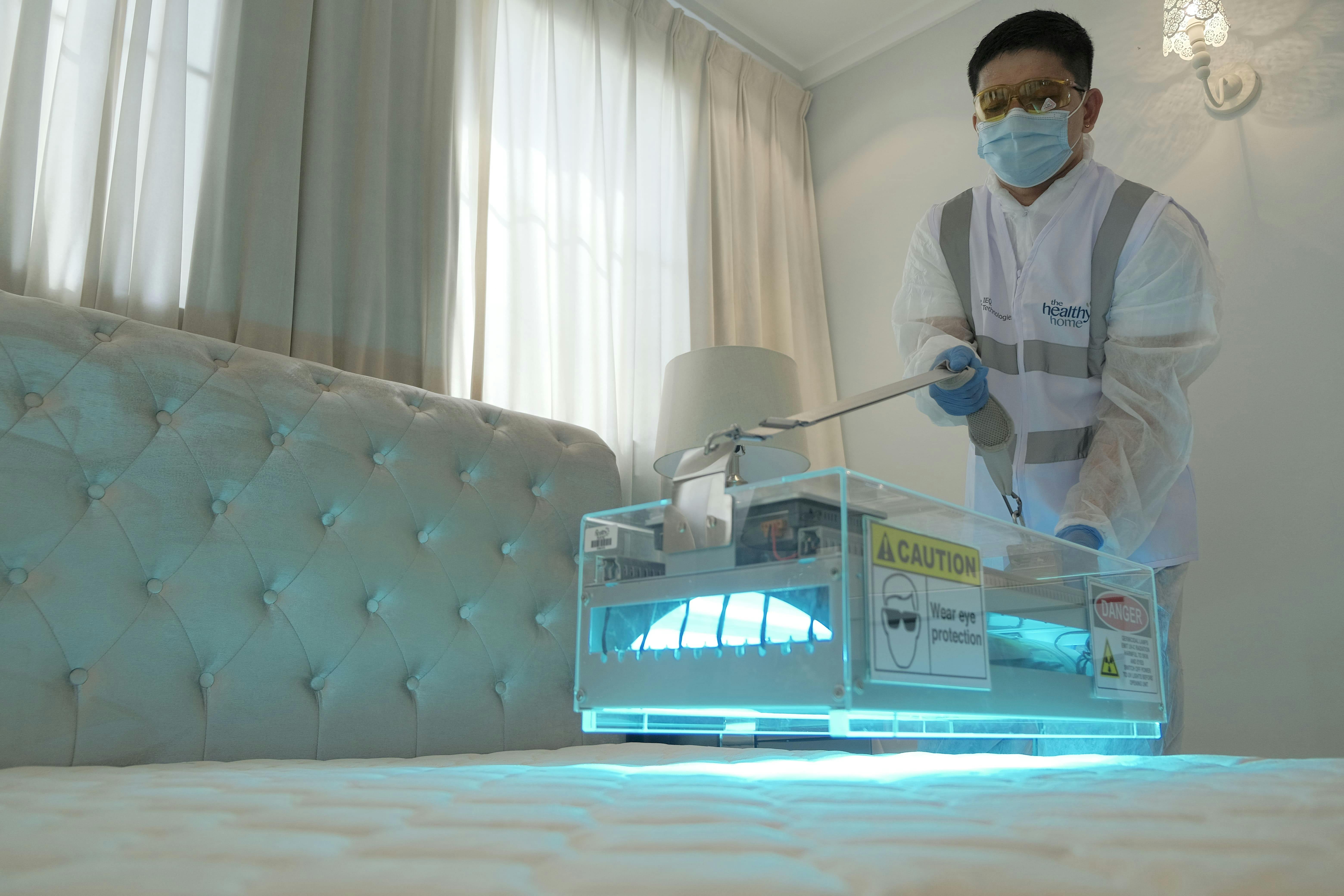
Upon arrival, the technician conducts a systematic visual examination. Starting at the kitchen, they scan countertops, under appliances, and around the sink for droppings, egg casings, or live insects. The bathroom and laundry rooms receive the same close‑up scrutiny because cockroaches love the humidity these spaces provide.
Step‑by‑step walkthrough of the inspector’s methodology
- Visual inspection: A thorough sweep of all rooms, paying special attention to cracks, crevices, and hidden corners.
- Moisture meter usage: The device pinpoints areas with elevated humidity—prime real estate for cockroach harborage.
- Placement of monitoring devices: Sticky traps and pheromone‑based monitors are discreetly positioned where activity is most likely, allowing us to track movement over the next 24‑48 hours.
Identifying entry points is a critical part of the process. Inspectors trace the insects’ path back to potential gaps around baseboards, pipe penetrations, and exterior doors. They also examine vent openings, utility lines, and even the space beneath the refrigerator, where tiny cracks can serve as a highway into your home.
Next, the technician hunts for nesting sites and food sources. Cockroaches thrive on crumbs, grease, and even pet food left out overnight. By checking pantry shelves, garbage disposals, and under cabinets, the inspector can pinpoint the exact locations that are feeding the infestation.
The role of UV light and other detection tools
Many cockroach droppings and egg cases are difficult to see under normal lighting. A handheld UV lamp reveals the faint, fluorescent traces that the naked eye often misses. In addition, infrared cameras can expose hidden moisture pockets behind walls, while fiber‑optic scopes allow us to peek into tight crawl spaces without tearing apart drywall.
All findings are recorded in a detailed, easy‑to‑understand report. This document outlines:
- The specific species detected (German, American, or Oriental cockroaches).
- Identified entry points, nesting locations, and food sources.
- A risk assessment rating the severity of the infestation—from low (occasional sightings) to high (multiple active colonies).
- Recommended action steps, which may include targeted bait placements, localized sprays, and preventive measures such as sealing cracks or installing dehumidifiers.
Before you leave, the inspector walks you through the report, answering any questions and highlighting quick wins you can implement today—like tightening cabinet seals or fixing leaky faucets. This transparent approach not only gives you confidence in the treatment plan but also empowers you to keep cockroaches out long after the professional work is done.
Treatment Options and Targeted Cockroach Elimination
When cockroaches set up camp in a Brookhaven home, a one‑size‑fits‑all approach rarely works. The most reliable outcomes come from matching the right treatment to the stage of infestation, the species present, and the specific hiding spots they favor. Below we break down the proven methods Anthem Pest Control uses, so you know exactly what to expect when we’re on the job.
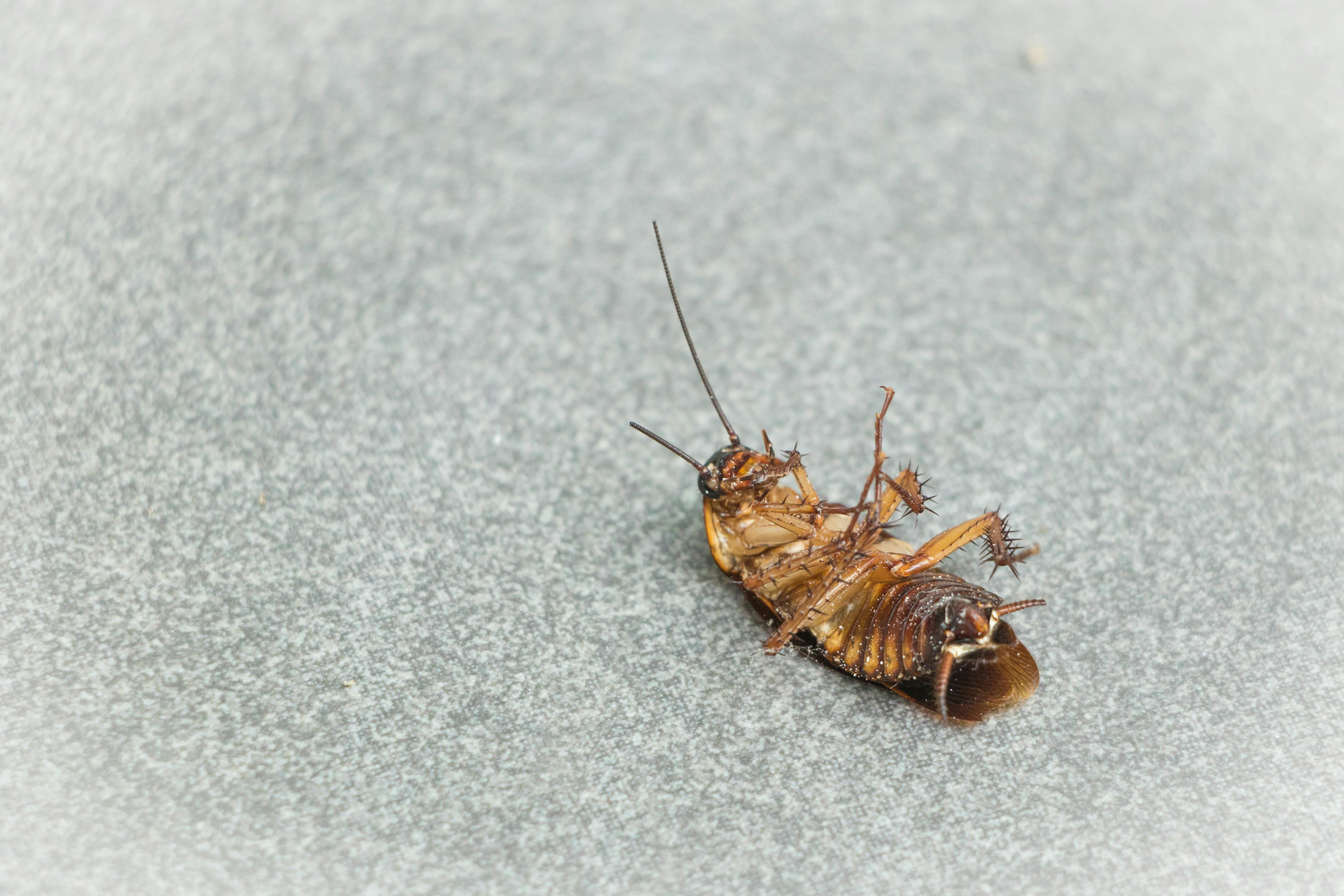
Chemical Treatments: Residual Sprays, Baits, and Dusts
Modern insecticides are formulated to disrupt a cockroach’s life cycle at multiple points. Residual sprays coat baseboards, wall voids, and other travel routes, delivering a slow‑acting toxin that kills on contact and continues to work for weeks. Bait stations contain a food attractant mixed with an insect growth regulator (IGR) or a slow‑acting poison. As roaches share the bait, the IGR prevents nymphs from maturing, gradually collapsing the colony. Dusts such as silica‑based or diatomaceous earth are applied in cracks and voids; they abrade the insect’s exoskeleton, leading to dehydration without leaving a visible residue.
These chemicals are most effective when the infestation is moderate to heavy and when harborage sites are accessible. Anthem’s technicians rotate active ingredients to avoid resistance buildup, ensuring each spray, bait, or dust remains potent.
Non‑chemical Alternatives: Heat, Cryonite, and UV‑Based Sanitation
For homeowners who prefer minimal chemical exposure, we offer several high‑tech options. Heat treatment raises interior temperatures to 120‑130°F (49‑54°C) for several hours, a range that is lethal to all life stages of cockroaches. The heat penetrates walls, appliances, and furniture, reaching hidden pockets that sprays can’t.
Cryonite uses a carbon dioxide‑based spray that freezes insects on contact. The rapid temperature drop shatters the cockroach’s cellular structure, providing an immediate kill without residual chemicals. It’s ideal for treating localized infestations in kitchens or bathrooms where food safety is a concern.
UV‑based sanitation employs ultraviolet light to disrupt the nervous system of roaches that wander into the beam. While not a stand‑alone solution, UV units can be placed in high‑traffic areas to provide continuous, low‑level pressure that discourages movement and reduces population density.
Integrated Pest Management (IPM): A Holistic Strategy
IPM is the backbone of Anthem’s cockroach program. It blends sanitation (eliminating food, water, and clutter), exclusion (sealing cracks, repairing screens, and installing door sweeps), and targeted applications (the chemical or non‑chemical methods described above). By addressing the environment that invites roaches, we cut down on re‑infestation risk and often need fewer pesticide applications.
Our technicians conduct a thorough inspection, map out entry points, and recommend homeowner actions—like fixing leaky pipes or storing food in airtight containers—so the chemical work we perform has a lasting impact.
Why Treat Both Visible Infestations and Hidden Harborages
Cockroaches are master hide‑and‑seek players. A few adults scurrying across the kitchen floor are just the tip of the iceberg; dozens more are likely nesting behind appliances, inside wall voids, or under insulation. Treating only the visible spots leaves the breeding core untouched, allowing the population to rebound within days.
Anthem’s approach targets these concealed harbors with dusts and injectable gels that flow into cracks, as well as with heat or cryonite when the structure permits. This dual‑focus strategy ensures we knock down the current infestation while preventing the survivors from rebuilding the colony.
Post‑treatment Monitoring and Follow‑up Visits
Eradication isn’t declared the moment the last roach is seen. We place monitoring stations in strategic locations after the initial treatment. These stations use a non‑toxic adhesive or a low‑dose bait to capture any stragglers, giving us real‑time data on the success of the intervention.
Based on the monitoring results, a follow‑up visit is scheduled—usually within 7‑14 days—to re‑treat any lingering hotspots and to verify that the population is truly collapsing. For severe cases, a second round of treatment may be needed, but the IPM framework typically reduces the need for repeated chemical applications.
By combining science‑backed chemicals, cutting‑edge non‑chemical tools, and a disciplined IPM plan, Anthem Pest Control delivers a comprehensive, homeowner‑friendly solution that not only eliminates the current cockroach problem but also safeguards your home against future invasions.
Pricing Plans and What’s Included
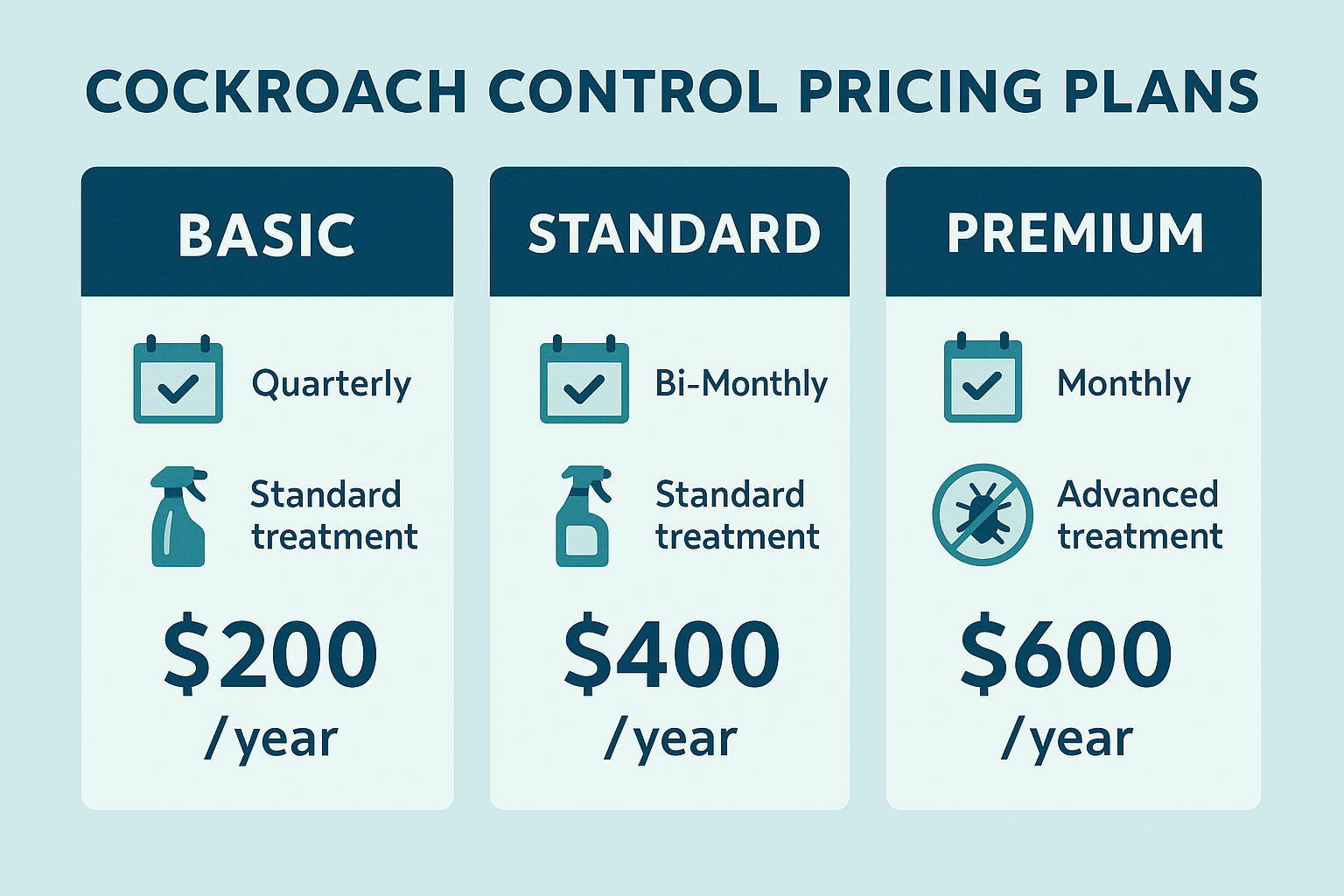
Three Service Tiers at a Glance
Anthem Pest Control offers three clearly defined plans so you can pick the level of protection that fits your home, your budget, and the severity of the cockroach problem. All tiers start with a thorough inspection, but they differ in how often we check back, the type of treatment we apply, the length of our guarantee, and the extra services we bundle.
| Tier | Inspection Frequency | Treatment Type | Guarantee Length | Add‑Ons | Annual Cost (USD) |
|---|---|---|---|---|---|
| Basic | Once per year | Standard gel & bait stations | 30‑day re‑treatment | None | $199 |
| Standard | Twice per year | Gel, bait + targeted spray | 60‑day re‑treatment | Door sealing (up to 5 doors) | $349 |
| Premium | Quarterly (4×/year) | Gel, bait, spray + residual barrier | 90‑day re‑treatment | Door sealing, sanitation kit, priority scheduling | $579 |
What Each Tier Covers
- Basic: Ideal for small apartments or homes with a light, occasional presence of cockroaches. One comprehensive inspection and a standard gel/bait application keep the population below nuisance level. If roaches reappear within 30 days, we’ll re‑treat at no extra charge.
- Standard: Suited for average‑sized homes where cockroaches have been seen regularly. Two inspections allow us to monitor hot spots and adjust treatment. Added door sealing helps block entry points, and the 60‑day guarantee provides extra peace of mind.
- Premium: Designed for larger properties, multi‑family units, or situations where infestations have caused damage. Quarterly visits let us maintain a residual barrier that stays active between appointments. The sanitation kit (cleaning agents and de‑clutter tips) and priority scheduling ensure you stay ahead of any resurgence.
Typical ROI: Why the Investment Pays Off
Beyond the obvious comfort of a roach‑free kitchen, each plan delivers measurable returns. Homeowners who choose the Standard or Premium tiers often see a 70‑90% reduction in food‑borne damage and a noticeable drop in allergy‑related incidents. Over a year, the $349‑$579 you spend can save you hundreds—sometimes thousands—of dollars in ruined pantry goods, upholstery repair, and medical expenses.
Choosing the Right Plan for Your Home
Start by measuring three key factors:
- Home size: Larger square footage and more entry points usually call for the Standard or Premium plan.
- Infestation severity: If you’ve already spotted cockroaches in multiple rooms, the added frequency and barrier treatments of the Premium tier are worth the extra cost.
- Budget: The Basic tier offers a low‑entry price while still delivering professional treatment. If you can allocate a bit more, the Standard tier balances cost and coverage, and the Premium tier maximizes protection.
When in doubt, our technicians perform a free initial walkthrough and recommend the tier that aligns with your specific situation.
Anthem Pest Control’s Commitment to Transparent Pricing
We believe homeowners deserve to know exactly what they’re paying for—no hidden fees, no surprise surcharges. Each of the three plans is presented up front, complete with a detailed list of services, the frequency of visits, and the length of our guarantee. If you ever need an add‑on, such as extra door sealing or a one‑time deep‑clean service, we quote it before any work begins. This clarity builds trust and lets you focus on what matters most: a cockroach‑free home.
Seasonal Activity and Timing for Effective Control
Why Warm, Humid Months Fuel Cockroach Booms
In Brookhaven, the combination of rising temperatures and elevated humidity creates the perfect breeding ground for cockroaches. Moisture shortens the time it takes for eggs to hatch, while heat accelerates their life cycle, allowing several generations to develop in a single summer. As outdoor humidity climbs, cockroaches seek the drier, cooler refuge of homes, slipping behind appliances, under sinks, and into pantry cracks where food and water are abundant. This seasonal surge explains why many homeowners first notice activity in late May or early June.
Reading the Seasonal Pest Activity Chart
The chart below visualizes how the prevalence of common household pests shifts month‑by‑month in Brookhaven. While cockroaches peak in midsummer, you’ll notice ants rise slightly earlier, rodents stay relatively steady, and termites spike in late summer when wood moisture is highest. Understanding these patterns helps you prioritize which pest to target and when.
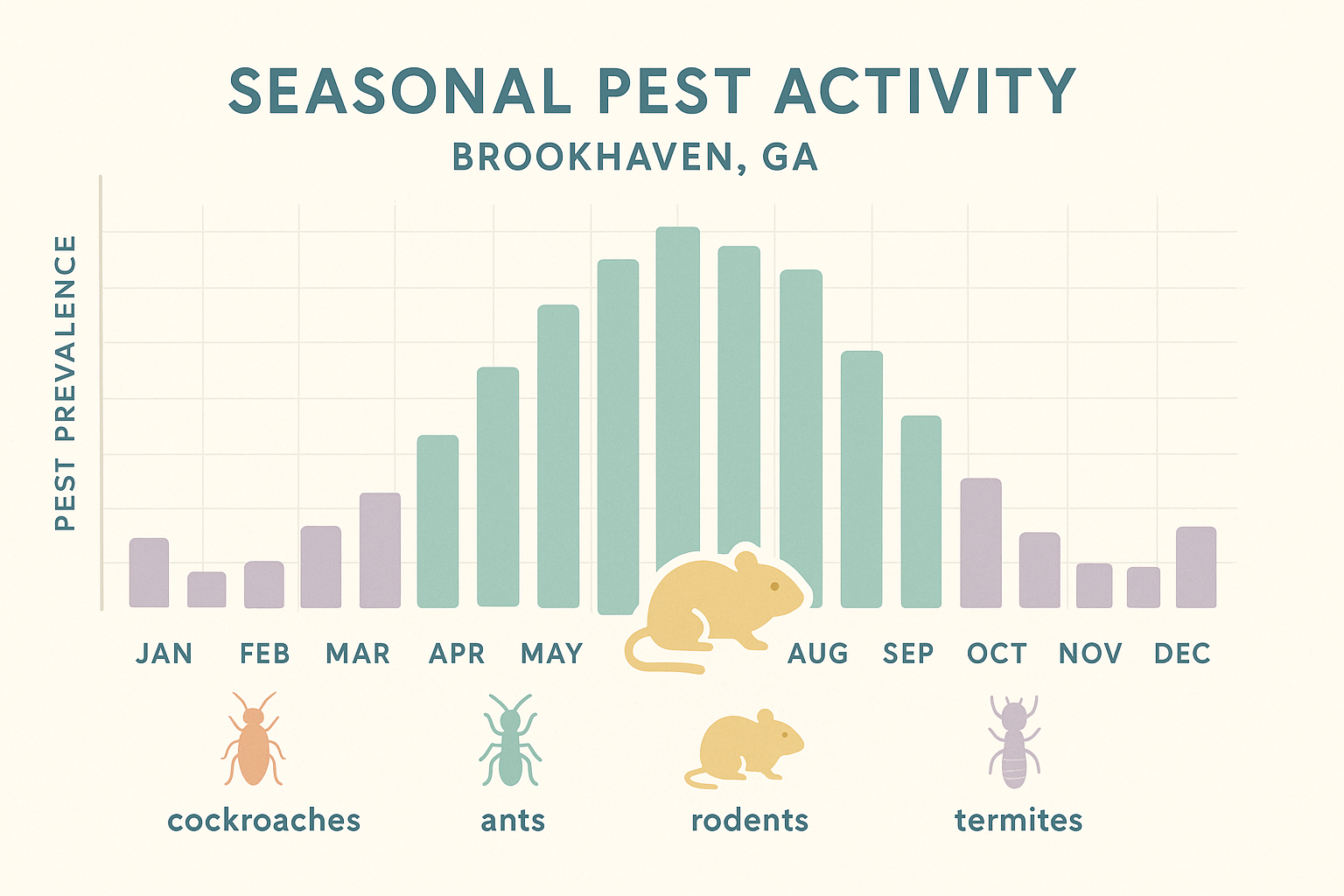
| Month | Cockroaches | Ants | Rodents | Termites |
|---|---|---|---|---|
| January | 1 | 2 | 3 | 2 |
| February | 1 | 2 | 3 | 2 |
| March | 2 | 3 | 3 | 3 |
| April | 3 | 3 | 3 | 3 |
| May | 4 | 4 | 3 | 4 |
| June | 5 | 4 | 3 | 4 |
| July | 5 | 4 | 3 | 5 |
| August | 5 | 4 | 3 | 5 |
| September | 4 | 3 | 3 | 4 |
| October | 3 | 2 | 3 | 3 |
| November | 2 | 2 | 3 | 2 |
| December | 1 | 2 | 3 | 2 |
Optimal Treatment Schedule for Brookhaven Homeowners
Based on the chart, the most effective control plan follows three key windows:
- Pre‑summer preventive service (late April–early May): A thorough inspection and perimeter treatment seal entry points before the first heat wave.
- Mid‑summer intensive treatment (mid‑June to early August): Targeted baits and residual sprays focus on hot‑spot areas where cockroaches are actively breeding.
- Fall follow‑up (late September–early October): A final application reduces any survivors and prepares the home for the cooler months when rodents may become more noticeable.
Sticking to this timeline gives Anthem Pest Control the chance to disrupt the life cycle at each stage, dramatically lowering the likelihood of a reinfestation.
How Weather Patterns Drive Indoor Infestations
Brookhaven’s summer rainfall can raise indoor humidity levels, especially in basements and crawl spaces. When a heavy storm saturates the ground, cockroaches migrate upward in search of drier shelter, often entering through gaps around utility lines. Sudden temperature spikes also speed up egg development, meaning a two‑week heat wave can produce a noticeable uptick in sightings. Monitoring local forecasts and adjusting ventilation—using dehumidifiers or exhaust fans—helps keep indoor conditions less inviting.
Homeowner Tips to Reduce Seasonal Attractants
- Store dry goods in airtight containers; avoid leaving pet food out overnight.
- Fix leaky faucets, pipes, and roof gutters to eliminate water sources.
- Keep countertops clean and promptly sweep up crumbs after meals.
- Use vent fans in kitchens and bathrooms to lower humidity during and after use.
- Seal cracks around baseboards, windows, and utility penetrations to block entry points.
DIY vs Professional Services – Making the Right Choice
What’s on the Shelf?
Most homeowners start with over‑the‑counter sprays, sticky traps, and a handful of home‑made remedies such as boric acid powder or a mixture of baking soda and sugar. These products are inexpensive, easy to find at big‑box stores, and promise quick knock‑down of a few roaches.
- Sprays and aerosols: Contact killers that must be applied directly to the insect.
- Glue traps: Passive devices that catch wandering cockroaches.
- Home remedies: Boric acid, diatomaceous earth, or vinegar solutions that rely on ingestion or dehydration.
Why DIY Often Falls Short
Even the best retail products have built‑in limitations. First, they only affect the roaches you see; hidden nests and egg cases remain untouched, allowing the population to rebound. Second, improper application—spraying in the wrong locations, using too little product, or re‑using traps beyond their capacity—can foster pesticide resistance. Third, many DIY chemicals pose health hazards to children, pets, or anyone with respiratory sensitivities, especially when used in confined spaces without proper ventilation. Additionally, many over‑the‑counter products lose potency after a few weeks, so you end up re‑applying without ever reaching the source.
In short, a DIY approach may give the illusion of control while the infestation silently spreads, leading to repeated purchases and escalating frustration.
The Professional Edge
Licensed technicians bring three decisive advantages:
- Expertise and inspection: We locate harborages, assess the species, and map the infestation before any treatment.
- Advanced tools and formulations: Professional‑grade baits, gel applications, and residual sprays penetrate cracks, voids, and wall voids where consumer products cannot reach.
- Regulatory compliance: All treatments meet EPA standards, ensuring safe use around families and pets while delivering a legally documented guarantee.
- Guaranteed results: Most companies, including Anthem Pest Control, back their work with a follow‑up visit or a money‑back promise if cockroaches reappear within a set period.
Our technicians also follow an integrated pest management (IPM) plan that reduces chemical load while maximizing long‑term control.
Cost‑Benefit Snapshot
| Approach | Up‑Front Cost | Long‑Term Cost | Effectiveness | EPA Compliance |
|---|---|---|---|---|
| DIY (sprays, traps, home remedies) | $30‑$80 | $150‑$300 + re‑purchases | Low‑to‑moderate | Variable, often unverified |
| Professional service (single treatment) | $180‑$250 | $0‑$100 (maintenance) | High (90‑%+ reduction) | Fully compliant, documented |
When It’s Time to Call a Pro
A few tell‑tale situations signal that DIY is no longer enough:
- Multiple apartments or shared walls in a multi‑unit building where roaches travel between units.
- Visible egg casings, large swarms, or activity in hidden areas such as behind appliances, under cabinets, or inside wall voids.
- Persistent odors or sightings despite weeks of spray and trap use.
- Any household with young children, seniors, or pets who could be exposed to repeated pesticide applications.
In these scenarios, a licensed professional can deploy targeted baits, seal entry points, and set up a monitoring plan that eliminates the problem at its source. Choosing the right path now prevents months of frustration, health risks, and hidden costs down the road.
Protect Your Home with Anthem Pest Control
Early detection, a thorough professional inspection, and a treatment plan that’s built for your home are the three pillars of lasting cockroach control. Spotting the first droppings or a lone roach early lets us act before the colony spreads, saving you time, stress, and money. A qualified inspector can locate hidden harborage spots, identify the species, and recommend the most effective method—whether that’s a targeted gel, a discreet spray, or an ongoing monitoring program.
That’s why Anthem Pest Control is a natural fit for Brookhaven homeowners. Our technicians are state‑licensed, EPA‑certified, and receive ongoing training on the latest cockroach biology and treatment technologies. We charge transparent, flat‑rate pricing so you never encounter surprise fees, and every product we apply meets strict EPA safety standards, protecting children, pets, and the environment.
Here’s a quick snapshot of what sets us apart:
- Certified technicians with years of experience in residential pest management.
- Transparent, upfront pricing—no hidden fees, no surprise charges.
- EPA‑compliant products that are safe for kids and pets.
- Local Brookhaven expertise—knowing the homes, the climate, the common entry points.
Beyond the initial treatment, Anthem offers a 90‑day warranty on cockroach control. If any roaches reappear within that window, we’ll return at no extra charge, adjust the treatment, and fine‑tune your home’s exclusion plan. Our customers also receive seasonal reminders and a simple online portal to track service history, making pest‑free living effortless.
If you suspect a roach problem, don’t wait. Call us today for a free, no‑obligation quote, and we’ll schedule a same‑day inspection at a time that fits your busy schedule.
Whether you’re dealing with a single sighting or a full‑blown infestation, our team is ready to restore comfort to your home.
Pick up the phone and dial 877‑371‑8196 or visit our website to lock in your free quote now.