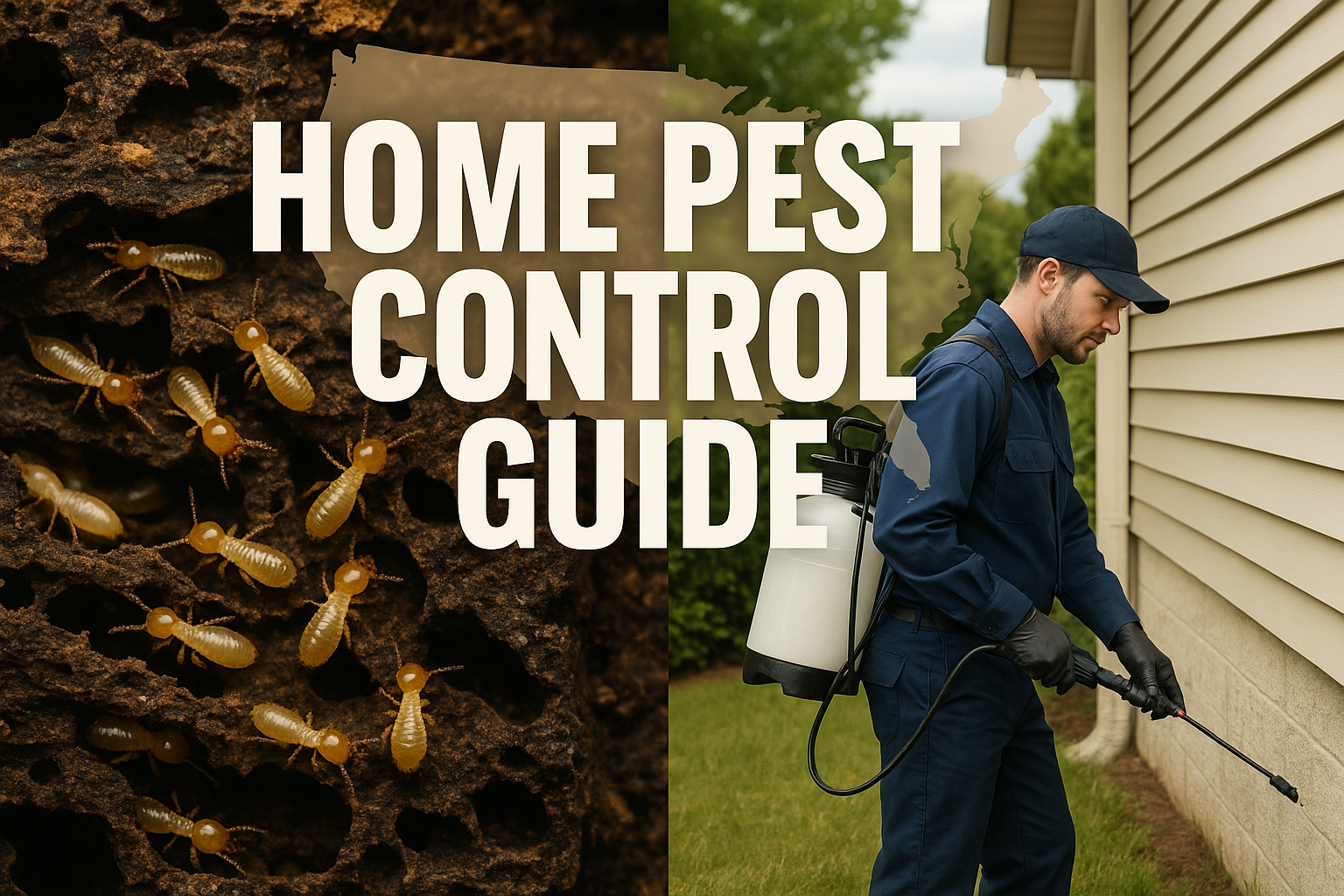
Why Proactive Pest Control Matters for Your Home

Pests are more than a nuisance; they can compromise your home’s safety, degrade indoor air quality, and threaten the health of every family member. Rodents leave droppings that trigger asthma attacks, while insects such as cockroaches release allergens that linger in carpets and upholstery. Even seemingly harmless ants can carry bacteria from outside into your kitchen, turning everyday meals into a hidden risk.
Beyond health, an unchecked infestation can erode your property’s value. Buyers often spot signs of termites, bed bugs, or rodents during inspections, and the cost of remediation can slash a home’s market price by thousands of dollars. A proactive approach not only protects your family but also safeguards the financial equity you’ve built over years of hard work.
According to the Centers for Disease Control and Prevention, roughly 50% of U.S. households encounter a pest‑related issue each year. This estimate draws from CDC vector‑borne disease data, which highlights how common pests serve as carriers for illnesses ranging from Lyme disease to hantavirus. The sheer prevalence underscores that pest problems are not isolated incidents—they’re a nationwide reality that demands preventive action.
That’s where Anthem Pest Control steps in. As a trusted partner for homeowners across the country, Anthem offers science‑backed, locally tailored prevention plans that address the specific pests in your region. From safe, low‑impact treatments for mosquitoes to comprehensive termite barriers, their transparent pricing and certified technicians ensure you receive effective protection without surprise costs.
By grounding our guide in real data and local expertise, we aim to empower you with the knowledge needed to make informed decisions. Whether you’re planning a seasonal check‑up or addressing a sudden sighting, understanding why proactive pest control matters is the first step toward a healthier, more valuable home.
Common Household Pests and Their Risks
Termites
Termites are silent destroyers. According to the EPA’s 2023 report, they cause between $5 billion and $10 billion in property damage each year in the United States. In the Oak Lawn, Illinois suburb, a single colony compromised the foundation of a 2‑story home, forcing the owners to replace 1,200 sq ft of flooring and install steel piers. The financial hit quickly eclipsed the cost of a professional pre‑construction termite barrier, which typically ranges from $1,200 to $2,500.
Beyond the dollars, termites weaken structural integrity, creating safety hazards and eroding homeowner confidence.
Mosquitoes
Mosquitoes are more than an itchy nuisance; they are vectors for serious disease. The CDC links local mosquito populations to West Nile virus, Zika, and dengue fever. Tampa, Florida, ranks among the nation’s hotspots because its warm, humid climate supports year‑round breeding. In 2022, Tampa reported 73 confirmed West Nile cases, a stark reminder that a single bite can jeopardize health.
Effective control means eliminating standing water, installing screens, and, when needed, professional larvicide treatments that target mosquito larvae before they become flying adults.
Rodents
Rats and mice infiltrate homes seeking food, shelter, and warmth. Their presence can contaminate pantry items with urine and droppings, posing a risk of salmonella, hantavirus, and leptospirosis. Moreover, gnawed electrical wiring is a leading cause of residential fires.
Typical proofing—sealing entry points and setting bait stations—costs between $150 and $300. While that price seems modest, the hidden cost of a fire or a ruined food supply can run into thousands.
Cockroaches & Ants
Cockroaches and certain ant species thrive in dense urban settings where food residues are abundant. In Brooklyn, New York, high‑rise apartments report frequent sightings of German cockroaches, a known allergen trigger. Their shed skins and feces exacerbate asthma and allergic rhinitis, especially in children.
Ants, such as the odorous house ant, create unsightly trails and can contaminate countertops. Both pests are indicators of sanitation gaps and often require integrated pest management—combining sanitation, baits, and targeted insecticide applications.
Overall Impact
Each of these pests attacks a different facet of home life:
- Health: Mosquitoes spread disease; cockroaches and rodents trigger allergies and infections.
- Property: Termites erode structure; rodents chew wiring; ants and cockroaches damage food stores.
- Peace of mind: Unseen activity creates anxiety, disrupts sleep, and forces homeowners to live in constant vigilance.
Understanding the specific risks in your region helps you prioritize treatment and prevention, turning a potential crisis into a manageable routine.
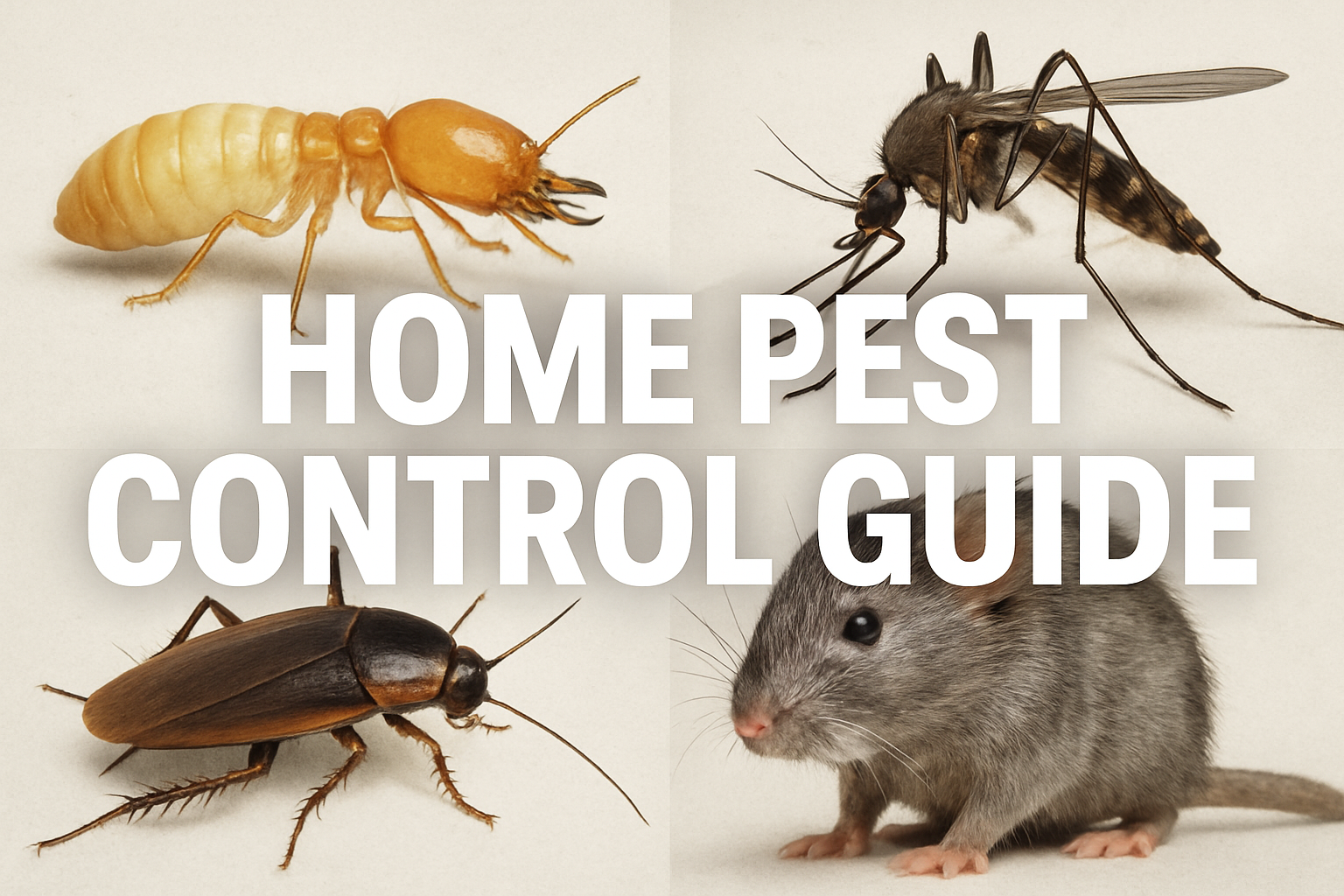
Visual Guide to Identification
Below is a quick reference image that highlights the key physical traits of each pest discussed. Use it to compare sightings in your home and decide when it’s time to call a professional.

Seasonal Threats and Timing Across U.S. Regions
At Anthem Pest Control we’ve seen first‑hand how temperature, humidity, and rainfall dictate when pests become a problem. Warm, moist conditions speed up insect development, while cooler, dryer air pushes rodents to seek shelter inside homes. Understanding these climate drivers lets homeowners schedule inspections and treatments before pests reach peak activity.
Climate Drivers that Trigger Pest Activity
Temperature: Most insects, including termites and mosquitoes, need sustained warmth (above 68°F/20°C) to complete their life cycles. A sudden warm spell in early spring can jump‑start mosquito breeding, while a hot summer fuels termite foraging.
Humidity: High relative humidity (above 60%) creates ideal breeding grounds for mosquitoes and supports the fungal growth that some ant species rely on. In the Pacific Northwest, persistent dampness encourages rodents to burrow into basements as outdoor shelter dries out.
Rainfall: Heavy rains can flood termite tunnels, forcing colonies to relocate and increasing surface activity. Conversely, moderate spring rains fill standing water, giving mosquito larvae the perfect nursery.
Month‑by‑Month Calendar of Peak Pest Activity
| Month | Termites | Mosquitoes | Rodents | Ants |
|---|---|---|---|---|
| January | Low | Low | High (indoor) | Low |
| February | Low | Low | High (indoor) | Low |
| March | Increasing | Early rise | Moderate | Low |
| April | Rising | Early spring surge | Moderate | Low‑Medium |
| May | Peak start | Building | Moderate | Medium |
| June | Peak | High | Moderate | Medium‑High |
| July | Peak | High | Low‑Medium | High |
| August | Peak (late) | High | Low‑Medium | High |
| September | Declining | Medium | Increasing (fall) | Medium |
| October | Low | Low‑Medium | High (seeking shelter) | Low‑Medium |
| November | Low | Low | High (indoor) | Low |
| December | Low | Low | High (indoor) | Low |
Regional Timing Highlights
- Northeast: Termite foraging spikes in late summer (July‑August) when soil temperatures consistently exceed 70°F. Early detection before September can prevent costly structural damage.
- Southwest: Mosquitoes emerge as early as March, thriving in desert oases and irrigation runoff. A pre‑season barrier treatment in February helps keep adult populations low throughout the hot months.
- Pacific Northwest: Rodents start moving into attics and crawl spaces in September, seeking the warmth of indoor environments as rainfall intensifies. Seal entry points before the first frost to avoid a winter infestation.
Data Verification for 2024
Climate patterns can shift year to year. For the most accurate timing, cross‑reference this calendar with the USDA’s National Climate Data Center and your local cooperative extension service. Both sources publish monthly pest‑activity reports that reflect real‑time temperature and precipitation trends.
Visual Aid Reference

By aligning inspections and treatments with these seasonal windows, homeowners can stay one step ahead of the pests that thrive in their specific climate. Need a local expert to schedule a timely service? Call Anthem Pest Control at 877‑371‑8196 or visit our website for a free seasonal assessment.
How Homeowners Can Identify Pest Problems Early
Spotting
Anthem Pest’s Local Expertise and Community Impact
When a pest problem strikes, the difference between a quick fix and a lingering nightmare often comes down to how fast a local professional can respond. Anthem Pest has built a reputation for rapid, reliable service in the neighborhoods where we live and work, turning frustrated homeowners into long‑term partners.
High‑Response Neighborhoods
- Cherry Hill, NJ – Consistently ranked among the top zip codes for same‑day appointments, thanks to our dedicated East Coast team.
- Plano, TX – Our Central Texas crew averages a 45‑minute arrival window for emergency calls, even during peak summer heat.
- Boise, ID – In the Gem State, we’ve reduced average response times to under an hour, keeping homes pest‑free during the long, dry season.
What Homeowners Are Saying
“I called Anthem after spotting ants in my kitchen. They were at my door within 30 minutes, identified the source, and had it gone by the next day. I’ve never felt more confident about a pest company.” – Emily R., Cherry Hill, NJ
“The summer mosquito surge hit our Plano yard hard. Anthem’s 24‑hour emergency line got us a treatment that night, and the next morning the yard was calm again. Their quick response saved our family’s outdoor plans.” – Mark T., Plano, TX
“We discovered a small rodent problem in our Boise basement. Anthem arrived the same afternoon, used EPA‑registered products, and sealed the entry points. No more noises, no more worries.” – Linda K., Boise, ID
24‑Hour Emergency Response & EPA‑Registered Solutions
Pests don’t wait for business hours, and neither do we. Anthem’s emergency line operates around the clock, ensuring that a midnight discovery of bed bugs or a sudden termite infestation can be addressed immediately. Our technicians are equipped with EPA‑registered products that meet the highest safety standards for families, pets, and the environment. This means you get effective eradication without compromising health or comfort.
Whether you’re dealing with a surprise swarm of wasps, a hidden termite colony, or a sudden rodent invasion, a single call to 877‑371‑8196 connects you to a local specialist who knows the unique pest pressures of your area and can dispatch a solution within the hour.
Prevention Best Practices for Homeowners
Keeping pests out starts with a habit of regular, low‑cost upkeep. Below is a quick‑reference checklist you can hang on the fridge or save on your phone. Tick each item as you go, and you’ll dramatically shrink the odds of an infestation before it even starts.
Home‑maintenance checklist
- Seal cracks and gaps – Use caulk or expanding foam around windows, doors, baseboards, and utility penetrations.
- Maintain proper landscaping – Trim trees and shrubs at least 2 feet from the house, keep mulch at least 6 inches away from foundations, and remove standing water.
- Secure food storage – Store pantry items in airtight containers, clean crumbs nightly, and keep garbage cans sealed.
- Inspect exterior screens – Repair torn screens on doors, vents, and windows to block insects.
- Check drainage – Ensure gutters and downspouts direct water away from the foundation.
Seasonal tasks that matter
- Winter – Install vent covers, add door sweeps, and wrap exposed pipes to prevent rodents from seeking warmth inside.
- Spring – Clear debris from crawl spaces, inspect for new cracks after thaw, and set up light traps near entry points.
- Summer – Perform a yard clean‑up: mow regularly, remove over‑ripe fruit, and treat standing water to deter mosquitoes.
- Fall – Rodent‑proof your home by sealing entry points, storing firewood away from walls, and placing steel‑wool plugs in small openings.
DIY vs. professional intervention
| DIY option | When to call a pro |
|---|---|
| Install door sweeps, window screens, and basic caulking. | Repeated ant trails despite sealed entry points. | Sources & Verification