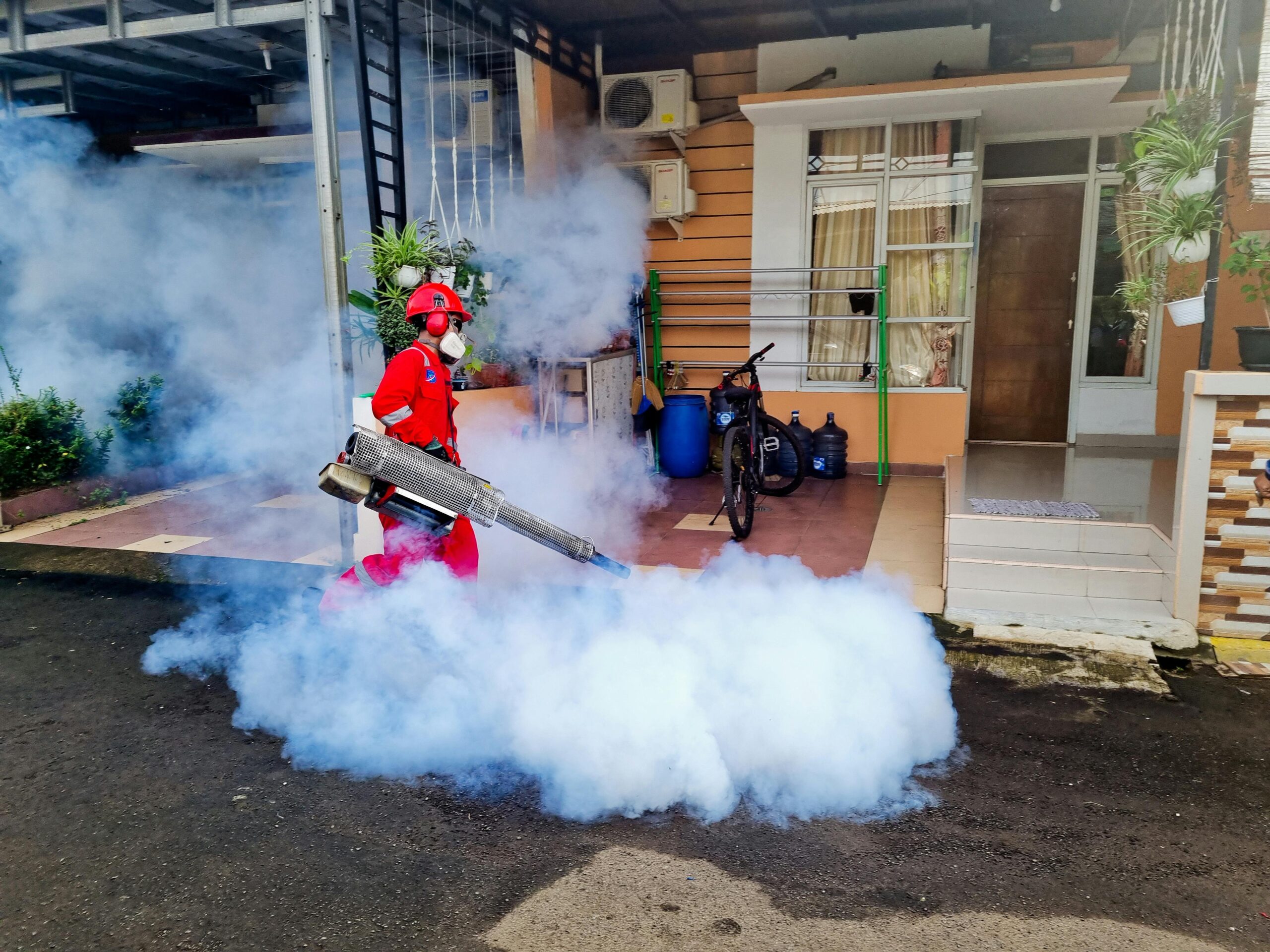
Recognizing Moth Types and the Damage They Cause
When you spot a fluttering speck in your closet or notice tiny webs in your pantry, it’s likely you’re dealing with a moth – not the decorative kind, but a household pest that can ruin fabrics and food. The two most common culprits in Decatur homes are the clothing moth (Tineola bisselliella) and the pantry moth (Plodia interpunctella), also known as the Indian meal moth. Knowing how they look and what they damage is the first step in stopping them.

Visual identification tips
- Size: Adult clothing moths are tiny—about ½ inch (12 mm) wingspan. Pantry moths are slightly larger, around ¾ inch (19 mm).
- Wing patterns: Clothing moths have plain, golden‑brown forewings with a fringe of hairs. Pantry moths display a distinctive two‑tone pattern—reddish‑brown at the tips and a pale, creamy center.
- Flight behavior: Clothing moths are weak fliers, often seen fluttering close to fabrics. Pantry moths are more active, darting around stored food containers.
How the damage happens
Clothing moth larvae. The real destroyers are the caterpillars, not the adults. After hatching, larvae burrow into natural fibers—wool, silk, cashmere, and even fur. They chew tiny holes, weaken seams, and leave behind silky webbing that looks like fine cobwebs. Over time, a favorite sweater can become riddled with holes and lose its structural integrity.
Pantry moth larvae. These larvae feed on grains, nuts, dried fruit, and pet food. They chew through kernels, leaving a trail of frass (tiny droppings) and a webbed mess that coats the surface of the product. The infestation not only reduces the edible portion but also creates an unpleasant, musty odor that can spread to other pantry items.
Warning signs to watch for
- Shed skins (exuviae) on clothing or in food packages.
- Silky cocoons tucked into seams, corners of drawers, or the tops of grain bins.
- Fine webbing covering fabric fibers or the surface of pantry goods.
- Adult moths fluttering near windows, closets, or pantry shelves.
Quick self‑assessment checklist
- Inspect closets and drawers for tiny holes and silk threads.
- Check stored clothing for shed skins or cocoons in seams.
- Examine pantry packages for webbing, small larvae, or off‑odors.
- Look for adult moths during daylight; note wing pattern to differentiate species.
- If you find any of the above, isolate the affected items and consider a professional assessment from Anthem Pest Control.
Recognizing the type of moth and the specific damage it causes empowers you to act quickly. Early detection means a smaller, more affordable treatment—exactly what Anthem Pest Control aims to deliver for Decatur homeowners.
Preventive Practices to Keep Moths Out of Your Home
1. Store Clothing the Right Way
When seasonal wardrobes sit untouched, moths see a buffet of fibers. Use airtight plastic bins or vacuum‑sealed bags for sweaters, scarves, and blankets you don’t wear often. Adding a few cedar blocks or lavender sachets inside the containers creates an extra scent barrier that moths dislike. Even with sealed storage, give closets a quick vacuum once a month to suck up stray eggs or larvae before they hatch.
2. Keep Your Pantry Clean and Organized
Pantry moths love dry goods—flour, grains, cereal, and pet food. Rotate stock so older items are used first, and store everything in sturdy, resealable containers. A simple glass jar with a tight‑fit lid is ideal. If a spill occurs, wipe it up immediately; even a tiny crumb can become a breeding ground. Regularly inspect packages for webbing or small holes, especially after bulk purchases.
3. Adopt Routine Cleaning Habits
Vacuuming carpets, rugs, and upholstered furniture removes eggs and larvae that may have hitchhiked on pet fur or clothing. For fabrics that sit in the back of closets or under beds, wash them in hot water (at least 130°F/54°C) once a season. Before bringing second‑hand items—furniture, clothing, or even decorative pieces—inspect them closely and give them a thorough vacuum or wash. A quick brush‑out can save you a full‑blown infestation later.
4. Seasonal Deep‑Cleaning Checklist
- Spring: Empty closets, launder all stored textiles, and replace any worn cedar or lavender sachets.
- Fall: Sweep out the garage and basement, seal any cracks where moths could enter, and store summer clothing in airtight containers.
- Both seasons: vacuum all baseboards, under furniture, and behind appliances; discard any food items past their best‑by dates.
5. Control Humidity and Temperature
Moths thrive in warm, humid environments (70‑80°F and 65%+ relative humidity). Use a dehumidifier in damp areas like basements and keep indoor temperatures steady with proper HVAC maintenance. Lowering humidity not only discourages moth development but also makes your home less inviting to other pests.
6. Simple DIY Deterrents and Placement Tips
Pheromone traps are inexpensive, non‑chemical tools that lure male moths and break the breeding cycle. Position them in high‑risk zones: inside closets, near pantry shelves, and in dark corners of the laundry room. Replace traps every 30‑45 days during peak season (late spring through early fall) to maintain effectiveness.
By integrating these everyday habits—secure storage, diligent cleaning, seasonal deep‑cleans, and smart environmental control—you’ll create an environment that’s simply unappealing to moths. Consistency is key; a few minutes each week can keep your home moth‑free year after year.
Treatment Options: DIY vs. Professional Moth Extermination
DIY methods you can try today
Many homeowners start with low‑cost, do‑it‑yourself tactics before calling a pest‑control pro. The most common tools are pheromone traps that lure adult moths into a sticky surface, effectively reducing the breeding population. Freezing infested fabrics or stored‑food items for at least 72 hours kills eggs and larvae without chemicals. A light dusting of diatomaceous earth in closets, pantry corners, and under appliances creates a desiccating barrier that scratches the insects’ exoskeletons. Finally, over‑the‑counter aerosol sprays containing pyrethroids can knock down visible moths, offering a quick visual fix.
Why DIY sometimes falls short
While these methods are inexpensive, they often leave hidden hotspots untouched. Pheromone traps only capture adults, so eggs and larvae may continue feeding inside seams, wool, or grain bins. Diatomaceous earth loses effectiveness when it absorbs moisture, and sprays provide little residual protection once the residue is disturbed. Moreover, improper handling of chemical sprays can expose you and your family to respiratory irritation or skin sensitization, especially in poorly ventilated spaces.
Professional treatment methods
When moth activity spreads beyond a single closet or pantry, licensed technicians bring tools that reach every corner of your home.
- Localized spot‑treatment: Trained applicators use targeted, low‑odor sprays that penetrate fabric seams, wall voids, and HVAC ducts, delivering a quick knock‑down with a longer residual effect than consumer products.
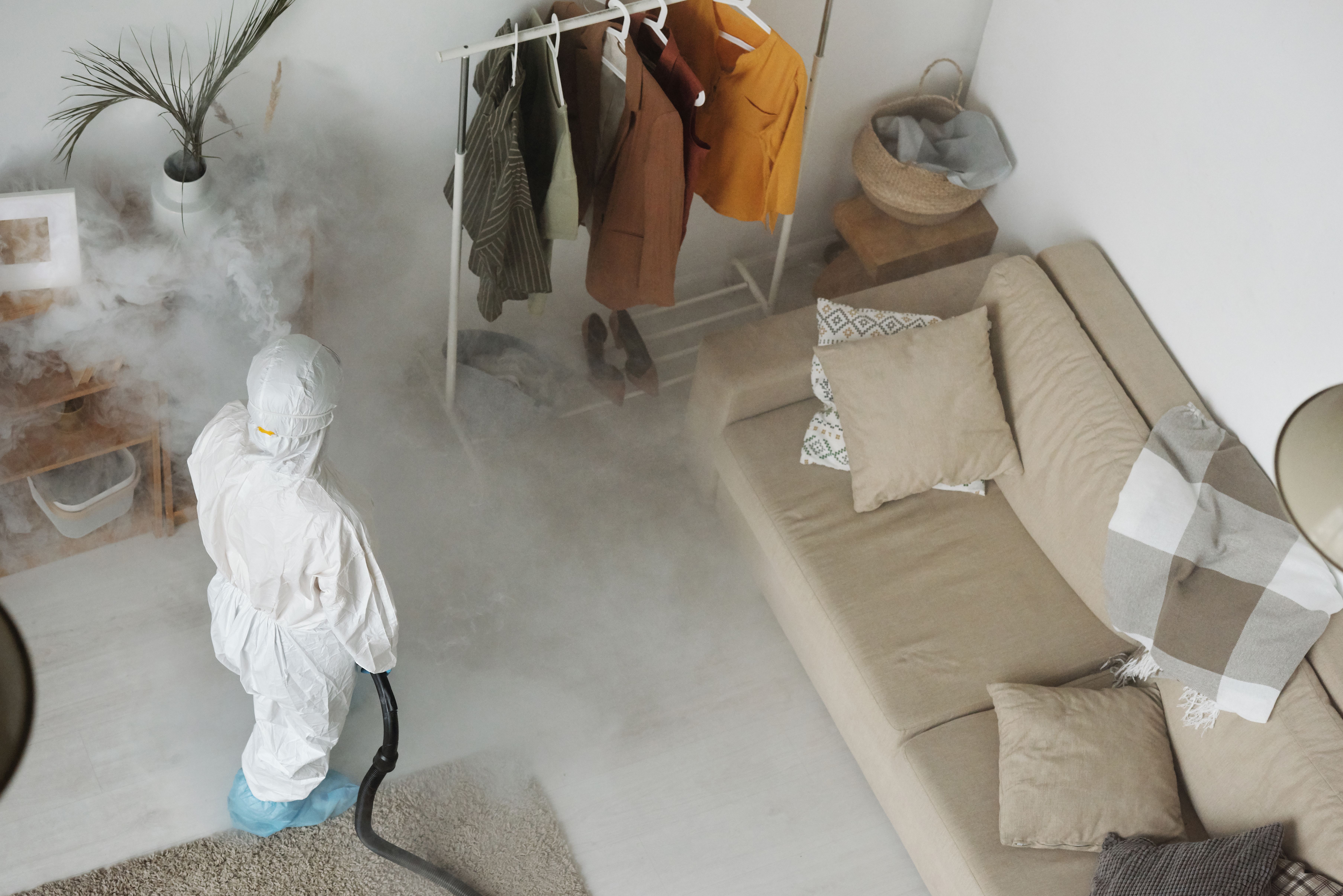
- Whole‑home fumigation: For severe infestations—think multiple rooms, stored‑goods warehouses, or historic homes—experts seal the structure and release a regulated gas (often sulfuryl fluoride). The process, illustrated in the interior fumigation photo, ensures the gas permeates walls, insulation, and hard‑to‑reach crevices, eradicating all life stages in a single cycle.
- Follow‑up inspections and preventive plans: After the initial treatment, technicians schedule a post‑treatment walkthrough, verify that no survivors remain, and install preventive measures such as barrier sprays, moisture control advice, and regular monitoring traps.
When to call a professional
Use this quick checklist to decide if it’s time to pick up the phone:
- More than one moth trap fills within a week.
- Infestation appears in multiple rooms or in stored‑goods areas.
- Visible damage to clothing, upholstery, or pantry goods exceeds a few items.
- DIY attempts have not reduced activity after two weeks.
- You have young children, pets, or respiratory sensitivities that make chemical exposure risky.
If you tick two or more boxes, a professional assessment will likely save you time, money, and further damage.
Safety and the value of licensed technicians
Licensed pest‑control operators follow state‑mandated training, carry insurance, and use EPA‑approved products at calibrated dosages. They also conduct a thorough pre‑treatment inspection to identify structural vulnerabilities—like cracks or moisture pockets—that could harbor moths long after the spray dries. This expertise reduces the chance of re‑infestation and protects your family from accidental over‑application of chemicals.
For a deeper dive into best practices for professional moth control, visit the Anthem Pest moth control guide. Their transparent pricing and local expertise make it easy to choose the right level of protection for your Decatur home.
Cost Comparison of Common Moth Control Methods
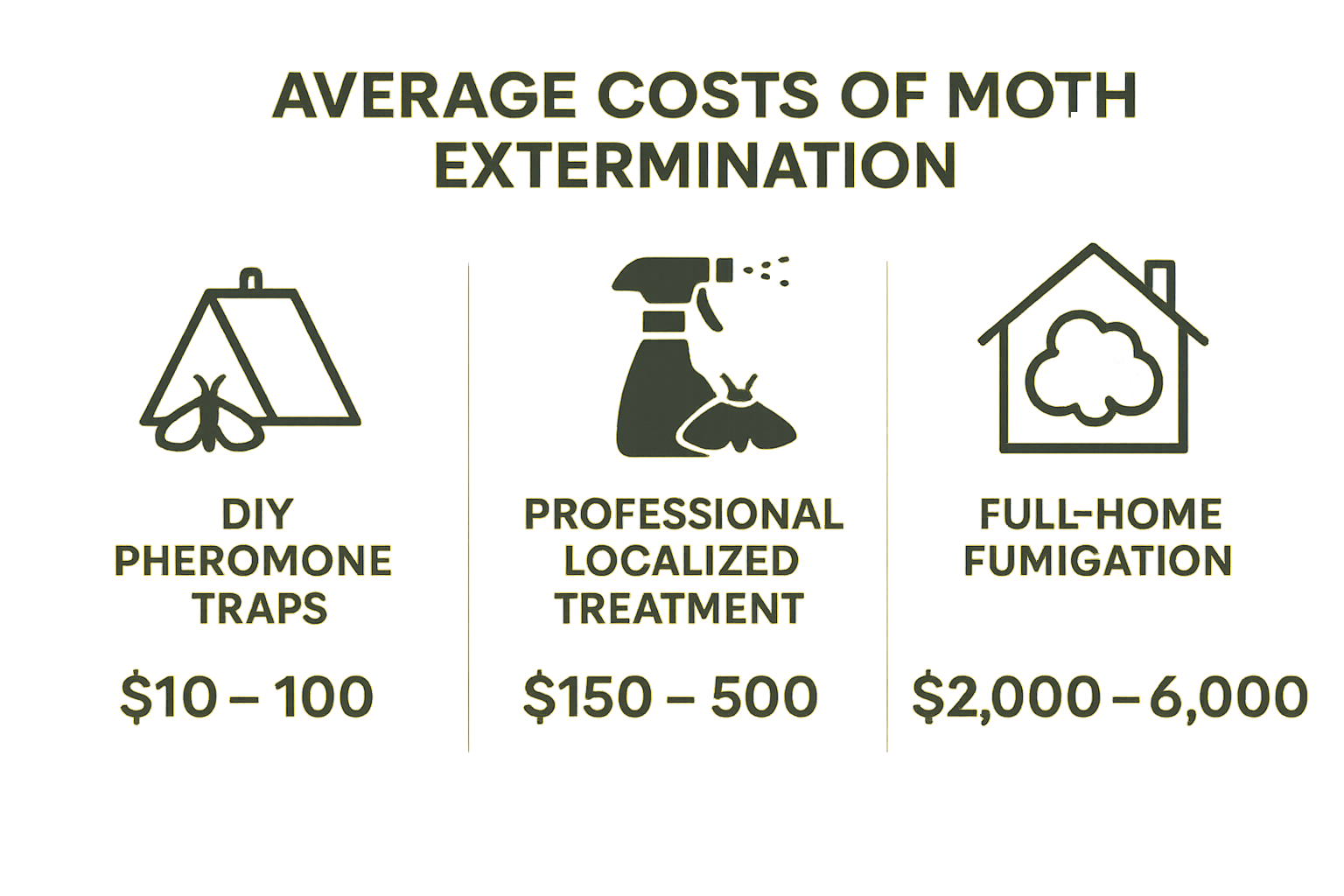
Understanding the price differences between DIY solutions, professional localized treatments, and full‑home fumigation helps you budget wisely. Below is an infographic that visualizes average U.S. price ranges for each approach, giving you a quick snapshot before you pick a strategy. The graphic breaks down low‑end, average, and high‑end figures so you can see where your local market may fall.
Side‑by‑Side Cost Overview
| Method | Typical Cost Range | Key Cost Drivers |
|---|---|---|
| DIY pheromone traps | $15‑$45 per pack (≈ $30‑$90 for a medium‑size home) | Number of traps, brand, repeat purchases |
| Professional localized treatment | $150‑$350 per visit | Infestation severity, square footage, material type |
| Full‑home fumigation | $1,200‑$2,500 total | Home size, preparation labor, post‑treatment sealing |
DIY Pheromone Traps
DIY kits are the most budget‑friendly entry point. A single pack of traps typically costs between $15 and $45. For a medium‑size home (about 1,800‑2,200 sq ft), most homeowners purchase two to three packs, bringing the total to roughly $30‑$90. Because traps use a non‑chemical lure, they’re safe around pets and children, which many homeowners value. The expense is largely upfront; you’ll need to replace traps every few months during peak season, which adds a modest recurring cost.
Professional Localized Treatment
When moth activity clusters in closets, attics, or pantry areas, a localized professional service can be a smart middle ground. Technicians charge $150‑$350 per visit, covering labor, targeted insecticide, and a follow‑up inspection. Prices rise with larger infestations, higher square footage, or the need for specialized products such as low‑toxicity formulations for families with children or pets. Most companies also include a warranty that covers a second visit within 30 days if moths persist.
Full‑Home Fumigation
Full‑home fumigation is the most comprehensive—and most expensive—option. Expect a total bill between $1,200 and $2,500, which includes pre‑treatment preparation (removing food, sealing cracks), the fumigant itself, and post‑treatment clearance testing. This method eliminates moths throughout the entire structure, but it also requires homeowners to vacate the property for several days and may involve additional costs for moving belongings or repairing any damage caused by the process. After fumigation, you’ll receive a clearance certificate confirming the home is safe to re‑enter.
Value Considerations
Price alone doesn’t tell the whole story. DIY traps can work for light infestations but may lead to repeated purchases if moths return. Localized professional work often strikes a balance between cost and lasting impact, yet severe cases might still need a second visit. Full‑home fumigation offers the greatest peace of mind, minimizing hidden expenses like re‑infestation or damage repair, but it demands a larger upfront investment and more preparation.
Use the infographic above as a quick reference when you call a pest professional. Knowing the typical price range lets you ask the right questions, compare quotes, and choose the solution that fits both your budget and your need for a moth‑free home.
Seasonal Moth Activity Trends and Timing Your Treatment
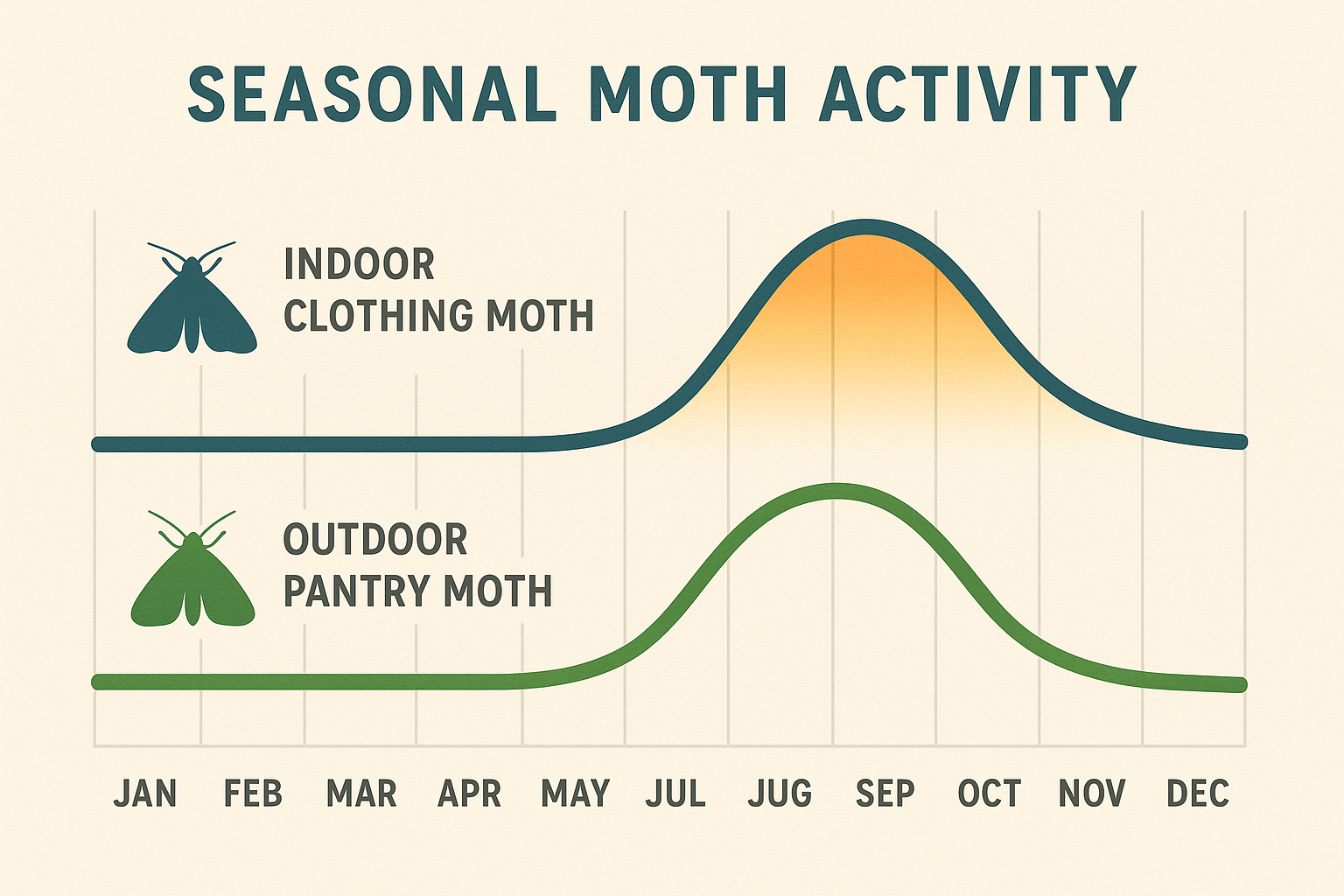
Understanding when moths are most active lets you strike before they turn your closet or pantry into a breeding ground. Below is a month‑by‑month chart that compares indoor clothing moth activity with outdoor pantry moth spikes, giving you a visual roadmap for inspections and treatments.
Why Indoor Moths Peak in Late Summer to Early Fall
Clothing moths (Tineola bisselliella) thrive when indoor temperatures hover between 75–80°F (24–27°C) and humidity rises after the summer heat. As homes retain warmth, larvae find ample fibers in stored fabrics, leading to a noticeable surge from August through October. This window aligns with the moth’s reproductive cycle, where eggs hatch and larvae feed rapidly before winter slows development.
Pantry Moths Often Surge in Late Winter to Early Spring
Outdoor pantry moths such as the Indian meal moth (Plodia interpunctella) enter homes when food stores become scarce in the colder months. As temperatures climb in February through April, moths emerge from overwintering sites and seek grain‑based foods, causing infestations to blossom just as families begin restocking pantries after holiday meals.
Environmental Triggers: Temperature, Humidity, and Food Availability
Both species respond to three key drivers:
- Temperature: Warm interiors accelerate clothing moth life cycles; cooler outdoor conditions delay pantry moth activity.
- Humidity: Higher indoor humidity softens natural fibers, making them easier for larvae to digest.
- Food Supply: Seasonal pantry restocking provides fresh grain, flour, and dried fruit—prime buffet for pantry moths.
Inspection Schedules Aligned with Peak Activity
Mark your calendar for two critical inspection periods:
- Late July – Early October: Walk through closets, wardrobes, and upholstered furniture looking for webbing, cocoons, or adult moths.
- February – April: Examine pantry shelves, grain bins, and stored snacks for larvae, webbing, or the characteristic “flour dust” they leave behind.
Pre‑emptive Actions Before High‑Risk Months
Before the summer surge, give your home a deep clean: vacuum carpets, launder blankets at 130°F (54°C), and store seasonal clothing in airtight containers. In winter, conduct a pantry audit—discard expired items, seal grain products in PET containers, and place pheromone traps to catch early moths before they multiply.
Benefit of Timely Professional Treatment
When you schedule a professional extermination during the identified peak months, technicians can apply targeted, low‑toxicity treatments exactly when moth populations are most vulnerable. This timing maximizes product efficacy, reduces the number of follow‑up visits, and gets your home back to moth‑free faster.
Secure Your Home with Expert Moth Extermination from Anthem Pest Control
Over the past sections we’ve walked through how to spot moth activity, the steps you can take to keep eggs and larvae out of your pantry, and the treatment options that work best for different infestation levels. From checking for silky webs and webbing in corners to sealing food containers and using pheromone traps, you now have a solid foundation for early detection and prevention.
When a moth problem slips past those DIY measures, professional expertise becomes the decisive factor. Trained technicians can locate hidden breeding sites, apply targeted insecticides safely, and follow up with monitoring to guarantee the pests stay gone. This thorough approach not only eliminates the current infestation but also builds a long‑term barrier against future invasions.
Anthem Pest Control stands out because we blend safety, effectiveness, and affordability into every service. Our technicians are certified, our products meet strict EPA standards, and our pricing is transparent—no surprise fees, just clear, upfront costs. Whether you need a one‑time treatment or an ongoing prevention plan, we tailor solutions that fit your budget and your home’s unique layout.
Choosing Anthem means you also gain access to our ongoing monitoring program, which includes seasonal inspections and preventive treatments that keep moths at bay year after year.
- Comprehensive inspection that uncovers hidden infestations.
- Targeted, EPA‑approved treatments safe for pets and children.
- Transparent, flat‑rate pricing with no hidden fees.
If you suspect a moth problem or simply want peace of mind, our certified technicians are ready to assess your home. We’ll walk you through the findings, explain the recommended steps, and answer any questions you have—no pressure, just honest guidance.
Give us a call at 877‑371‑8196 or visit anthempest.com for a free, no‑obligation quote. Our friendly team is just a phone call away, ready to schedule a same‑day inspection at your convenience. Call today and take the first step toward a moth‑free home.