Why Spider Infestations Matter in Druid Hills, GA
Druid Hills enjoys a humid subtropical climate, with warm summers, mild winters, and ample rainfall throughout the year. Those conditions create an ideal playground for spiders, which thrive in moist environments and seek out the shade of mature trees, lush gardens, and the occasional crack in a home’s foundation. The region’s abundant insect population also provides a constant food source, allowing spider numbers to multiply quickly during the peak months of May through September.
What homeowners worry about
Even if most local spiders are harmless, the presence of webs and occasional sightings can stir genuine concern among homeowners. Here are the four most common issues that turn a simple garden visitor into a household headache:
- Bites and medical reactions: While the majority of Druid Hills spiders lack potent venom, species such as the brown recluse and black widow can cause painful bites that require medical attention.
- Web buildup: Thick, tangled webs in garages, basements, or outdoor lighting fixtures not only look unsightly but can also trap other insects, creating a cycle of pest activity.
- Fear factor: Many residents experience arachnophobia, and the sight of a spider crawling across a countertop can trigger anxiety, especially in families with children.
- Potential property damage: Certain spiders build silk tunnels in wall voids or insulation, which over time can attract mold or degrade building materials.
How common are spider sightings?
Recent data from the Fulton County Health Department indicates that spider-related service calls in the Atlanta metro area rose by 18 % last year, with over 3,200 reported sightings in 2023 alone. The surge aligns with hotter summer temperatures and increased outdoor activity, both of which push spiders closer to human dwellings. For a deeper dive into the numbers and regional trends, see the source article published by Anthem Pest Control.
Understanding these patterns helps homeowners recognize that a spider presence isn’t just a minor nuisance—it’s a signal that your home’s exterior and interior may need a professional assessment. In the next section, we’ll walk through the specific species you’re most likely to encounter around Druid Hills, so you can tell the harmless from the hazardous and take the right steps toward fast, effective relief.
Common Household Spiders in the Atlanta Metro Area
Atlanta’s warm, humid climate creates a perfect backdrop for a variety of spiders that love to share our homes. Knowing which species you’re likely to encounter, where they hide, and what their bite risk looks like can turn a creepy‑crawl situation into a quick, confident inspection.
Southern House Spider (Kukulcania hibernalis)
Physical description: Light‑tan to brown body, often with a faint grayish “hump” on the abdomen. Adults range from ½‑inch to ¾‑inch (12‑20 mm) when fully extended.
Preferred hiding spots: Dark corners of basements, under bathroom cabinets, and inside attic insulation where the air stays still.
Bite risk: Generally harmless. Their venom is weak, and bites are rare because they tend to retreat when disturbed.
Visual cues: Irregular, sheet‑like webs that drape across corners or behind furniture. Look for small, silvery egg sacs tucked into the web’s center.
Brown Recluse (Loxosceles reclusa)
Physical description: Light brown, violin‑shaped marking on the dorsal cephalothorax. Adults measure about ¼‑½‑inch (6‑12 mm) long.
Preferred hiding spots: Quiet, undisturbed areas such as closets, under piles of clothing, woodpiles, and the backs of stored boxes in basements or garages.
Bite risk: Medically significant. Their bite can cause necrotic lesions and systemic symptoms; prompt medical attention is advised.
Visual cues: Messy, irregular webs with a distinctive “tangled” appearance. Egg sacs are flat, brown, and often found in secluded corners.
Black Widow (Latrodectus mactans)
Physical description: Shiny black body, roughly ½‑inch (12 mm) long, with a bright red hourglass on the underside of the abdomen. Females are larger than males.
Preferred hiding spots: Dark, dry places like outdoor sheds, crawl spaces, woodpiles, and the corners of garages. Inside homes they may settle behind wall voids or in seldom‑used storage areas.
Bite risk: Highly medically important. Their neurotoxic venom can cause severe muscle cramps, abdominal pain, and, in rare cases, respiratory distress.
Visual cues: Irregular, tangled webs with a dense, sticky core. Egg sacs are round, creamy‑white, and often attached to the web’s periphery.
Wolf Spider (Lycosidae family)
Physical description: Robust, hairy body ranging from ½‑inch to 1‑inch (12‑25 mm). Color varies from gray to brown, with a distinctive eye pattern of three rows.
Preferred hiding spots: Ground‑level habitats—under leaf litter, in garden mulch, and inside closets or laundry rooms where they can chase prey.
Bite risk: Minor. Their bite feels like a bee sting and is rarely dangerous to healthy adults.
Visual cues: No web; they hunt actively. Look for small, silvery egg sacs carried attached to the female’s spinnerets, often seen dangling from ceilings or corners.
Cellar Spider (Pholcidae family)
Physical description: Long, thin legs (up to 2‑inch span) and a small, rounded body about ¼‑inch (6 mm) long. Color ranges from pale yellow to light brown.
Preferred hiding spots: Damp, low‑light areas such as basements, crawl spaces, and bathroom corners. They love the corners of ceiling tiles and behind furniture.
Bite risk: Negligible. Their venom is weak, and bites are extremely uncommon.
Visual cues: Delicate, irregular cobwebs that appear messy and three‑dimensional. Egg sacs are tiny, translucent, and often found suspended within the web.
Quick DIY Inspection Tip: Turn on a bright flashlight and scan the corners of each room, paying special attention to undisturbed spaces like closets, basements, and attic corners. Use a piece of clear tape to gently lift any suspicious web or egg sac—if it’s a harmless species, you can relocate it outdoors; if you suspect a brown recluse or black widow, seal the area and call a professional for safe removal.
Seasonal Spider Activity and Peak Risk Times
What the Graph Tells Us
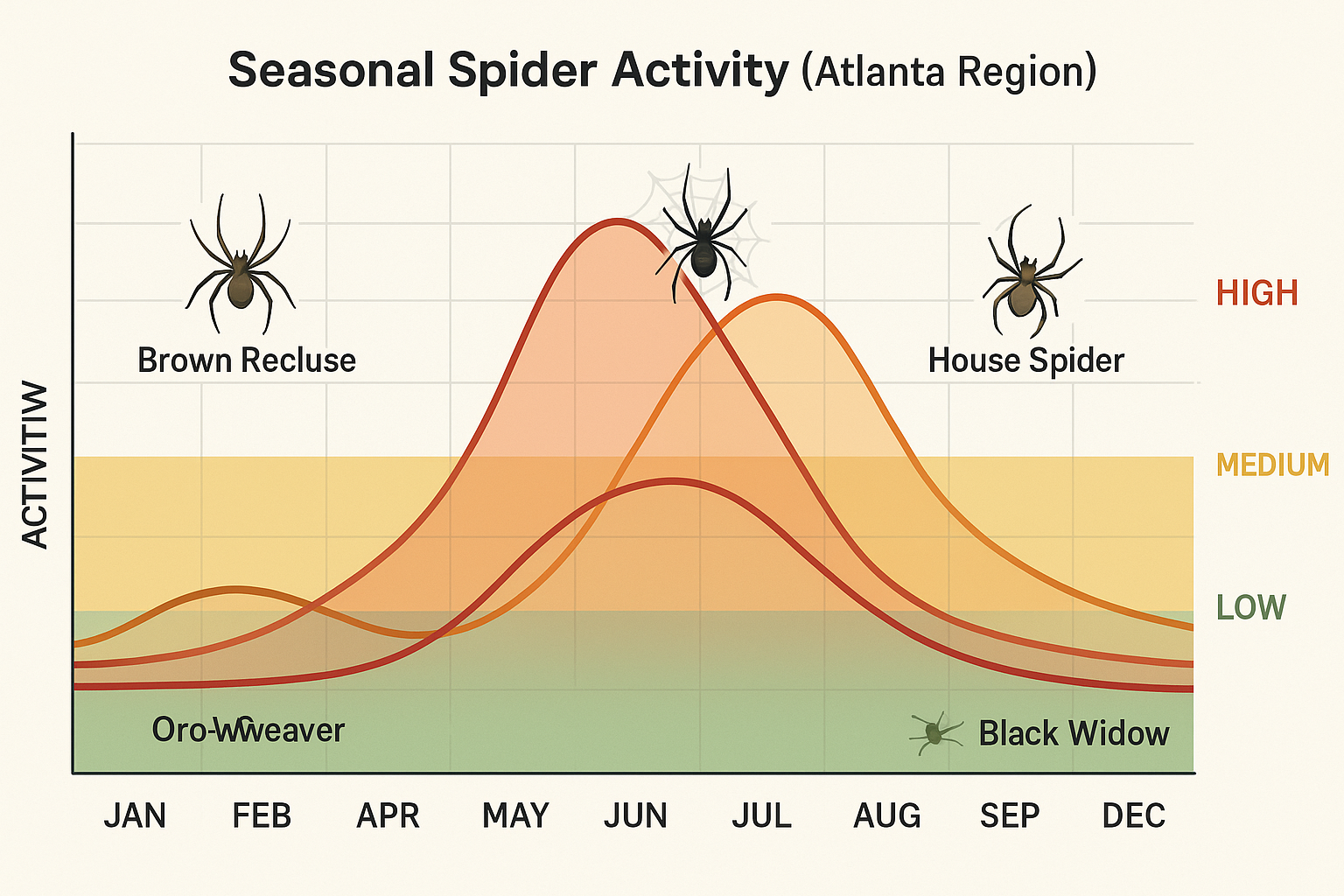
The line graph tracks spider sightings from January through December in Druid Hills. Activity is lowest in the deep winter months, climbs steadily in early spring, peaks in May‑June, dips slightly in midsummer, then surges again in September‑October before tapering off in late fall. The visual pattern mirrors the region’s temperature and humidity swings.
Why Spring and Early Fall Spike
Two biological drivers push those spikes. First, spiders emerge from their winter hideouts to mate as temperatures rise above 60°F (15°C). Second, the combination of moderate heat and higher humidity creates ideal conditions for egg sacs to develop and for prey insects to flourish. In early fall, a similar temperature‑humidity window returns, prompting a second breeding wave for many species.
From Yard to Living Room: The Indoor Connection
Outdoor activity doesn’t stay outside. Female spiders, especially those seeking safe sites for egg sacs, often wander indoors during peak periods. Open doors, cracks around windows, and even laundry piles become highways. That’s why homeowners notice a sudden influx of webbing in basements, closets, and attics precisely when the graph shows a peak.
When to Inspect and Treat
To stay ahead of the curve, schedule a professional inspection before the first spring rise—ideally in late February or early March. Treat the perimeter and interior at that time, then repeat a follow‑up in late August, just before the fall surge. This two‑visit strategy aligns with the graph’s low‑point windows, allowing chemicals to establish a barrier before spiders become most active.
High‑Risk Months for Dangerous Species
Medically significant spiders, such as the Southern Black Widow, are most likely to appear in late summer, especially August and early September. Their activity coincides with the second peak on the graph. If you’ve seen a black‑widow‑shaped spider or notice increased webbing in hidden corners during these months, request an immediate targeted treatment.
Don’t wait for the spiders to move in. Call Anthem Pest Control today to schedule a pre‑season inspection and lock down your home before the spring and fall spikes hit.
Effective Treatment Methods for Spider Control
When spiders invade a Druid Hills home, the goal is quick relief without compromising the safety of family members or pets. At Anthem Pest, we categorize our treatments into four proven groups—perimeter sprays, indoor fogging, crack‑and‑crevice applications, and bait stations—so you can see exactly where the action happens and why each step matters.

1. Perimeter Sprays
Our technicians begin by creating a protective barrier around the exterior of your home. Using EPA‑approved insecticides such as bifenthrin or cyfluthrin, we coat foundation walls, door frames, and window sills. These chemicals are formulated to break down quickly in the environment, reducing long‑term residue while still delivering a lethal dose to wandering spiders.
2. Indoor Fogging
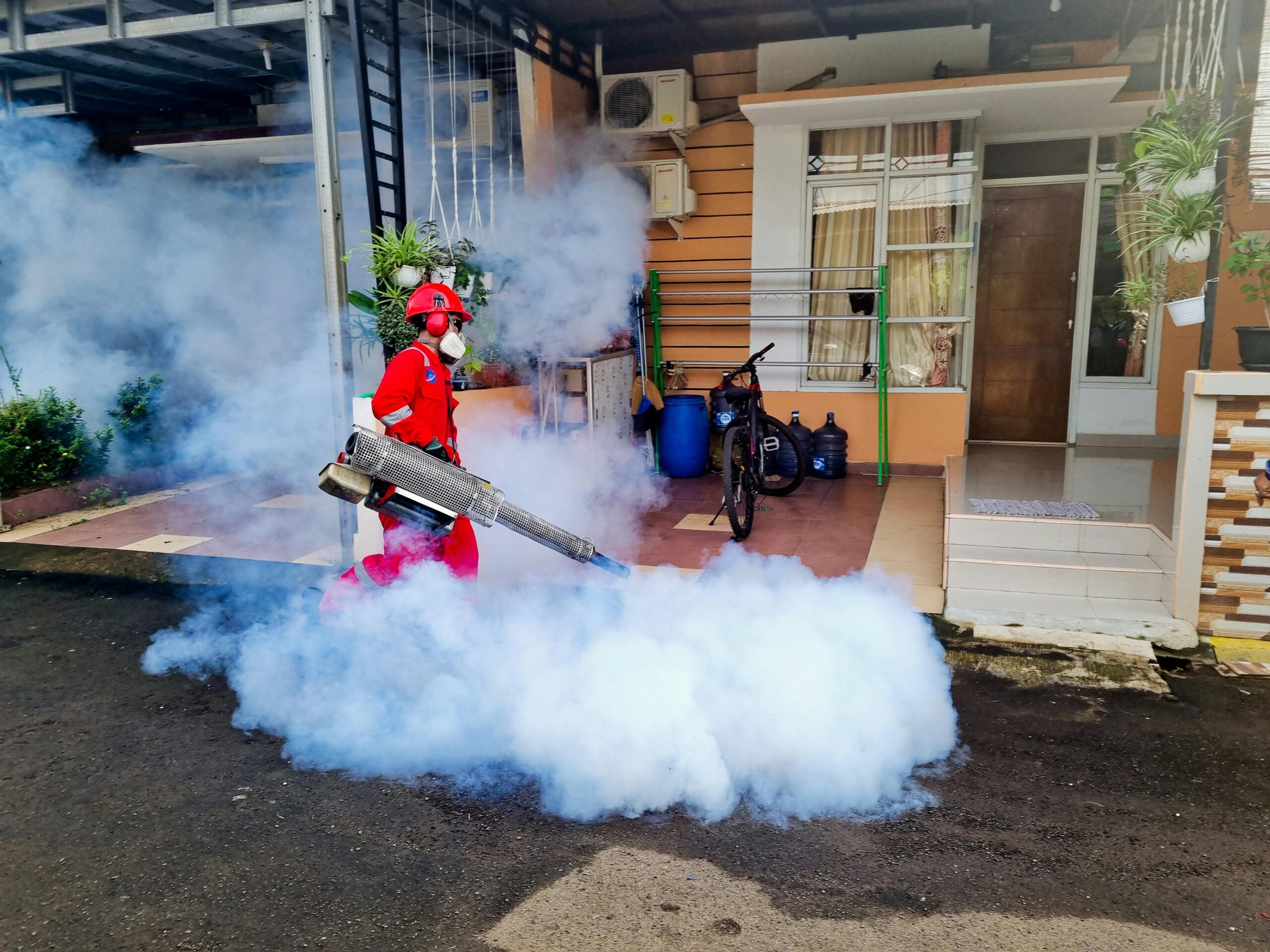
For severe indoor infestations, a low‑pressure fogger disperses a fine mist that reaches hidden corners, ceiling voids, and attic spaces. The fogger’s particles settle on spider hideouts, delivering a residual effect that lasts up to 30 days. Because the fog is applied at a concentration well below the EPA’s toxicity threshold, it’s safe for occupants once the area is ventilated.
3. Crack‑and‑Crevice Applications
Spiders love the darkness of cracks, baseboard gaps, and behind appliances. We use a micro‑encapsulated formulation that adheres to these tight spaces, providing a “contact kill” that doesn’t evaporate quickly. This method is especially effective against house spiders that set up permanent nests in wall voids.
4. Bait Stations
While spiders don’t typically ingest baits, we place insect‑attracting stations to reduce the food source—other insects that spiders prey on. By cutting off their meals, we lower spider activity naturally, complementing chemical treatments for a holistic approach.
EPA‑Approved Chemicals: Safety First
All products we use are listed on the EPA’s “Restricted Use Pesticide” (RUP) registry, meaning they have undergone rigorous testing for human and pet safety when applied according to label directions. The active ingredients break down into non‑toxic by‑products within days, and we always wear protective gear to prevent cross‑contamination.
Step‑by‑Step Indoor Spider Treatment
- Inspection: A licensed technician conducts a thorough walkthrough, noting spider hotspots, web density, and potential entry points.
- Targeted Spray: Using a handheld applicator, we treat identified zones—corners, under furniture, and behind wall hangings—with a precise dose of EPA‑approved spray.
- Follow‑Up: One week later, we return to assess residual activity, re‑treat any missed spots, and advise on simple homeowner actions (e.g., decluttering, sealing cracks).
Why Choose a Licensed Technician Over OTC Products?
- Accurate Diagnosis: Professionals can differentiate between harmless house spiders and venomous species, tailoring the treatment accordingly.
- Proper Dosage: Over‑the‑counter sprays often lack the concentration needed for lasting control, leading to repeated applications and higher overall cost.
- Liability Protection: Licensed applicators are insured and follow strict safety protocols, protecting you from accidental exposure.
- Integrated Pest Management (IPM): We combine chemical tactics with preventive measures—like habitat modification and exclusion—so spiders stay away long after the spray dries.
Integrated Pest Management (IPM) for Long‑Term Prevention
IPM is more than a buzzword; it’s a systematic approach that reduces reliance on chemicals. At Anthem Pest we:
- Seal cracks and gaps around windows, doors, and utility penetrations.
- Recommend regular exterior lighting upgrades to deter insects that attract spiders.
- Provide homeowner education on reducing clutter and moisture, two key spider attractants.
Quick FAQ
- Do I need to vacate the home? No. Our EPA‑approved products are safe for occupied spaces, but we advise keeping children and pets away from treated areas for at least 30 minutes while the spray settles.
- How long before I can return? After indoor fogging, allow 2–4 hours of ventilation. For perimeter sprays, you can re‑enter immediately once the mist dries—usually within 15 minutes.
Pricing Comparison for Spider Extermination in Druid Hills
Below is a quick‑look infographic that shows the average monthly cost per treatment for spider control in Druid Hills. It captures three common service options—single‑visit, quarterly maintenance, and a full‑home Integrated Pest Management (IPM) program—so you can see exactly where your budget will land.
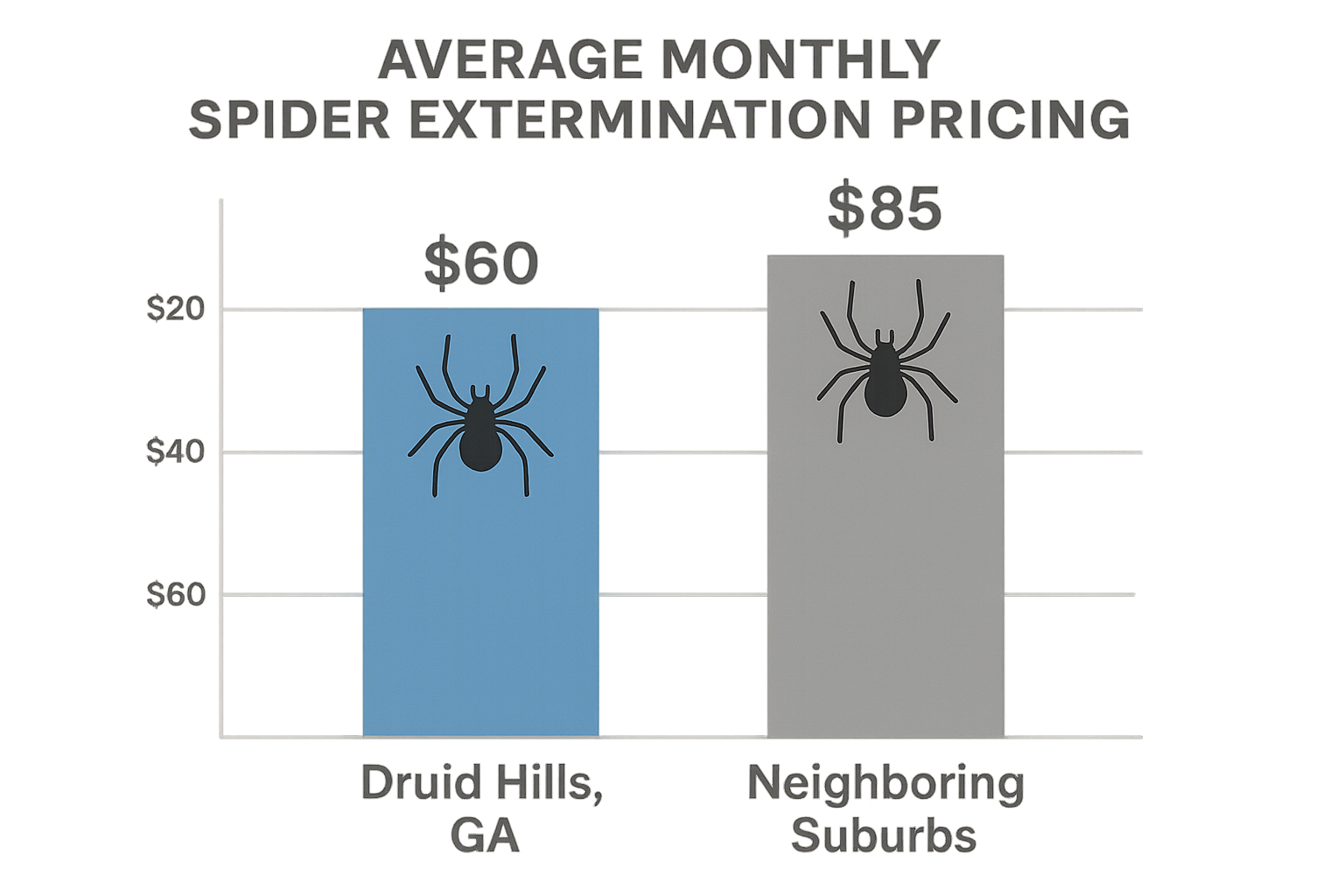
Typical Price Ranges in Druid Hills
- Single‑Visit Treatment: $120 – $180 per visit. Ideal for a one‑time spider surge or after a recent infestation.
- Quarterly Maintenance: $90 – $130 per quarter. This keeps spider populations suppressed year‑round with four scheduled visits.
- Full‑Home IPM Program: $350 – $480 annually. Includes a comprehensive inspection, targeted treatments, and ongoing monitoring to prevent future invasions.
How Druid Hills Stacks Up Against Neighboring Suburbs
| Area | Single‑Visit | Quarterly Maintenance | Full‑Home IPM (Annual) |
|---|---|---|---|
| Druid Hills | $150 | $110 | $415 |
| Decatur | $165 | $125 | $440 |
| Brookhaven | $158 | $118 | $425 |
| Sandy Springs | $172 | $130 | $460 |
As the table shows, Druid Hills consistently lands on the lower end of the regional price spectrum. That’s because Anthem tailors each plan to the specific needs of the property, avoiding the blanket‑rate approach many competitors use.
What Drives the Final Price?
Three key factors influence the exact cost of your spider control:
- Property Size: Larger homes or multi‑unit buildings require more product and labor, which raises the price.
- Infestation Severity: A light, occasional presence is cheaper to treat than a heavy, multi‑room infestation that needs extensive coverage.
- Chosen Service Plan: Opting for a single visit saves money now but may lead to repeat treatments; a full‑home IPM program spreads costs across the year while delivering lasting protection.
Anthem’s No‑Hidden‑Fees Promise
When you work with Anthem Pest Control, the price you see is the price you pay. We never tack on surprise charges for travel, equipment, or follow‑up visits. Every estimate is provided free of charge and on‑site, so you can see the numbers before any work begins.
Ready to see the exact cost for your home? Request a personalized quote today, and let us show you how affordable reliable spider protection can be in Druid Hills.
Protect Your Home Today with Anthem Pest Control
Spiders may seem harmless, but when they start weaving webs in corners, hiding behind picture frames, or, worse, delivering bites, they become a clear sign that your home’s defenses are weakening. Seasonal changes—especially the warm months in Druid Hills—drive spiders indoors in search of shelter and food. A DIY spray might knock a few out, but without a professional approach the problem returns, and you risk exposing your family to pesticide residues or ineffective treatments. That’s why a thorough, licensed spider control plan is essential for lasting peace of mind.
Why a Professional Treatment Makes All the Difference
Professional pest control does more than spray a surface. Trained technicians conduct a detailed inspection, identify entry points, and target the hidden nests where spiders breed. EPA‑approved products are applied in precise dosages, ensuring safety for children, pets, and the environment while delivering a knock‑out result that over‑the‑counter options simply can’t match. Timing matters, too—treating before the peak summer surge prevents a full‑blown infestation before it starts.
Anthem Pest Control: Your Druid Hills Neighbourhood Experts
- Local technicians who know the area. Our crews live and work in Druid Hills, so they understand the homes, the climate, and the spider species that are most common here.
- EPA‑approved, low‑impact methods. We use products that meet strict federal safety standards, applying them only where they’re needed.
- Transparent pricing. No hidden fees—just a clear, upfront estimate that outlines exactly what you’ll receive.
- Free on‑site inspection. We’ll walk through your property, point out problem zones, and tailor a treatment plan that fits your budget.
Ready for a Safer, Spider‑Free Home?
If you’ve spotted webs in the attic, felt an unexpected bite, or simply want the reassurance that your home is protected, our friendly team is standing by. Give us a call at 877‑371‑8196 for an immediate, no‑obligation quote. Our free on‑site inspection will pinpoint the exact steps needed, and we’ll provide a customized quote that respects your budget.
Take the first step toward a quieter, spider‑free household. Visit Anthem Pest Control to learn more about our services, read customer stories, and schedule your inspection today.