Why Spiders Are a Growing Concern in Georgia Homes
Georgia’s Warm, Humid Climate
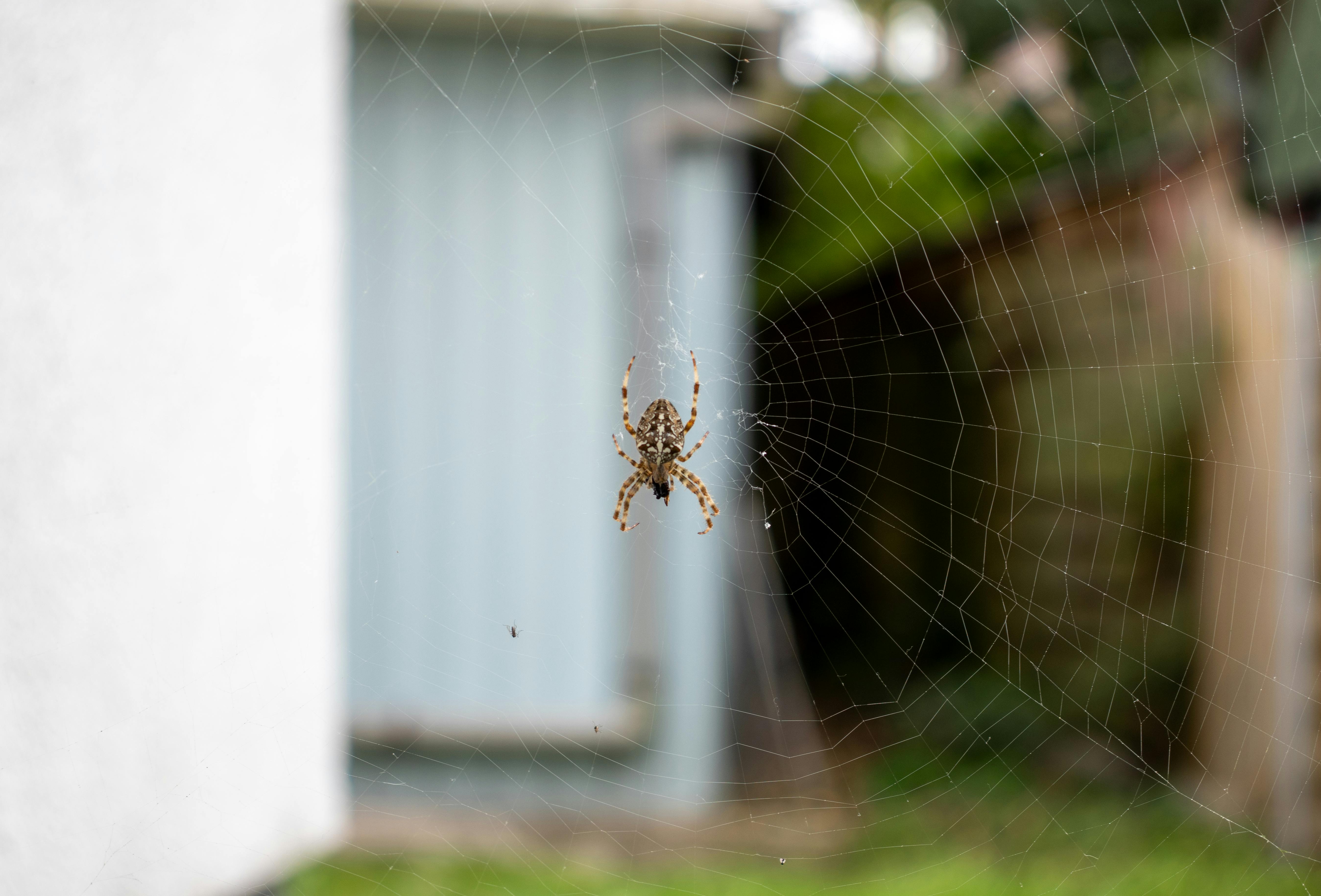
Georgia’s subtropical climate—characterized by hot summers, mild winters, and year‑round humidity—creates an ideal breeding ground for spiders. Moisture supports abundant insect prey, while warm temperatures accelerate spider development cycles, allowing multiple generations to thrive within a single season.
Rising Sightings and Local Data
Recent reports from the University of Georgia Extension and the Georgia Department of Agriculture show a 22 % increase in spider sightings over the past three years. Homeowners are logging more encounters on community forums, and pest‑control professionals note a noticeable uptick in service calls during both spring and early fall.
Direct Impact on Homeowners
While most Georgia spiders are harmless, a few species—such as the Southern Black Widow and the Brown Recluse—pose genuine health risks. Bites can cause painful swelling, necrotic lesions, or systemic reactions that require medical attention. Beyond bites, dense webs can damage outdoor furniture, block vents, and create an unsettling visual presence that heightens anxiety for many residents.
Seasonal Patterns and Outdoor Lifestyle
Georgia families love outdoor living: gardening, barbecues, and pool parties dominate the warmer months. These activities disturb spider habitats, prompting spiders to seek shelter inside homes. Likewise, autumn leaf accumulation offers perfect hiding spots for ground‑dwelling species, extending the risk period well into winter.
Why Prevention Matters
Understanding the environmental drivers behind spider proliferation helps homeowners adopt proactive measures. Simple steps—like reducing excess mulch, sealing cracks, and managing outdoor lighting—can dramatically cut the number of insects that attract spiders in the first place. Early prevention also limits the need for costly emergency treatments later on.
Looking Ahead: Identifying the Most Dangerous Species
Now that we’ve outlined why spider activity is on the rise, the next logical step is to recognize which species pose the greatest threat in Georgia. In the following section, we’ll break down the key identifiers, bite symptoms, and targeted control strategies for the state’s most hazardous spiders.
Identifying the Most Dangerous Spiders in Georgia
Black Widow
The female black widow is instantly recognizable by its glossy, jet‑black body and the distinctive red hourglass marking on the underside of its abdomen. Adults range from 1.5 to 2 inches (including leg span). Their venom contains neurotoxins that can cause severe muscle cramps, abdominal pain, and, in rare cases, respiratory distress. In Georgia, black widows favor dry, sheltered locations such as woodpiles, sheds, garages, and outdoor furniture where they spin irregular, tangled webs.
Brown Recluse
Brown recluse spiders are lighter in color, typically a uniform tan to light brown, and measure about ½ to 1 inch in body length. The hallmark “violin” or “hourglass” shape on the dorsal side of the cephalothorax is the key identifier. Their venom is cytotoxic, leading to necrotic skin lesions that may take weeks to heal. Unlike black widows, brown recluses are indoor specialists, often hiding in undisturbed clothing piles, closets, basements, and behind stored boxes.
Quick Visual Cues for Identification
- Size: Black widows are generally larger, with longer legs.
- Color pattern: Black widows are uniformly black with a red hourglass; brown recluses are tan with a violin‑shaped marking.
- Habitat clues: Look for widows near outdoor debris; recluses favor indoor, cluttered spaces.
Common Myths and Misconceptions
Many homeowners assume “all spiders are deadly,” which isn’t true. In fact, over 90 % of Georgia’s spider species are harmless to humans. Another persistent myth is that a bite from any spider will cause a necrotic wound—only the brown recluse’s venom has that effect. Misidentifying a harmless house spider as a black widow can lead to unnecessary panic and costly, unwarranted treatments.
Why Accurate Identification Matters
Correctly distinguishing between a black widow, brown recluse, and a non‑dangerous species guides the appropriate response. A true black‑widow bite may require antivenom and close medical monitoring, while a brown‑recluse bite often needs wound care and antibiotics to prevent infection. Conversely, recognizing a harmless spider prevents needless pesticide applications, protecting both your family’s health and the environment. At Anthem Pest Control, we prioritize precise identification to recommend the safest, most effective treatment plan for your home.
Common Entry Points and Signs of a Spider Infestation
Spiders are opportunistic travelers. They look for the smallest opening that leads them from the yard into the comfort of your home. Knowing where they slip in and what they leave behind lets you catch a problem before it spreads.
Exterior entry points
Cracks in the foundation, especially around the perimeter, act like tiny doors for wandering spiders. Gaps around doors and windows—often hidden behind weather‑stripping—provide a direct path onto interior walls. Vents, soffits, and eave openings that lack screens are perfect highways for spider traffic. Even garden trellises or dense shrubbery that touch the siding can bridge the gap, allowing spiders to drop directly onto your porch or eave.
Interior pathways
Once inside, spiders travel along utility lines, pipe chases, and HVAC ducts that run through walls and ceilings. Gaps beneath flooring—particularly in basements or crawl spaces—let them crawl up through carpet edges. Stacked boxes, seasonal decorations, or piles of firewood create quiet corners where spiders can set up unnoticed nests.
Visual signs
Look for dense web clusters in undisturbed corners—behind picture frames, under shelving, or in attic rafters. Egg sacs, often resembling tiny milk‑white or tan balloons, are tucked into crevices, vents, or the underside of furniture. A sudden increase in nighttime sightings, especially near lights, usually signals a growing population.
Behavioral signs
While most spiders are harmless, a bite or an unexplained skin lesion can be a warning that they’re moving through living spaces. Small, dark droppings—often called “spider feces”—may appear as specks on windowsills or near lamps. If you notice these clues, it’s time to act before the infestation expands.
Simple seasonal inspection checklist
- Walk the exterior foundation with a flashlight; seal any cracks larger than ¼ inch.
- Check door and window frames for missing or damaged weather‑stripping.
- Inspect vent covers, soffits, and eave gaps; install fine mesh screens if needed.
- Open closets, under‑furniture, and storage boxes; look for webbing or egg sacs.
- Examine HVAC registers and visible ductwork for spider silk.
- Run a quick night‑time sweep around outdoor lights; note any increase in spider activity.
Treatment Options: Standard vs Eco‑Friendly Solutions
Standard pesticide sprays
Most conventional spider control programs rely on synthetic insecticides such as pyrethroids (e.g., bifenthrin, permethrin) or organophosphates. These products are formulated for broad‑spectrum coverage, creating a thin film on walls, foundations, and outdoor perimeters that remains active for weeks. While they deliver rapid knock‑down, the residual chemistry can linger on surfaces, posing potential irritation risks for curious pets and small children who may touch treated areas.
Eco‑friendly alternatives
Eco‑conscious homeowners have a growing menu of low‑toxicity options. Botanical extracts like rosemary oil, neem, or citrus terpenes disrupt spider nervous systems without the harsh persistence of synthetics. Silica‑based dusts (diatomaceous earth or silica gel) work mechanically, abrading the exoskeleton and causing dehydration. Newer low‑toxicity formulations blend these ingredients with inert carriers, offering effective control while minimizing chemical exposure.
Application methods
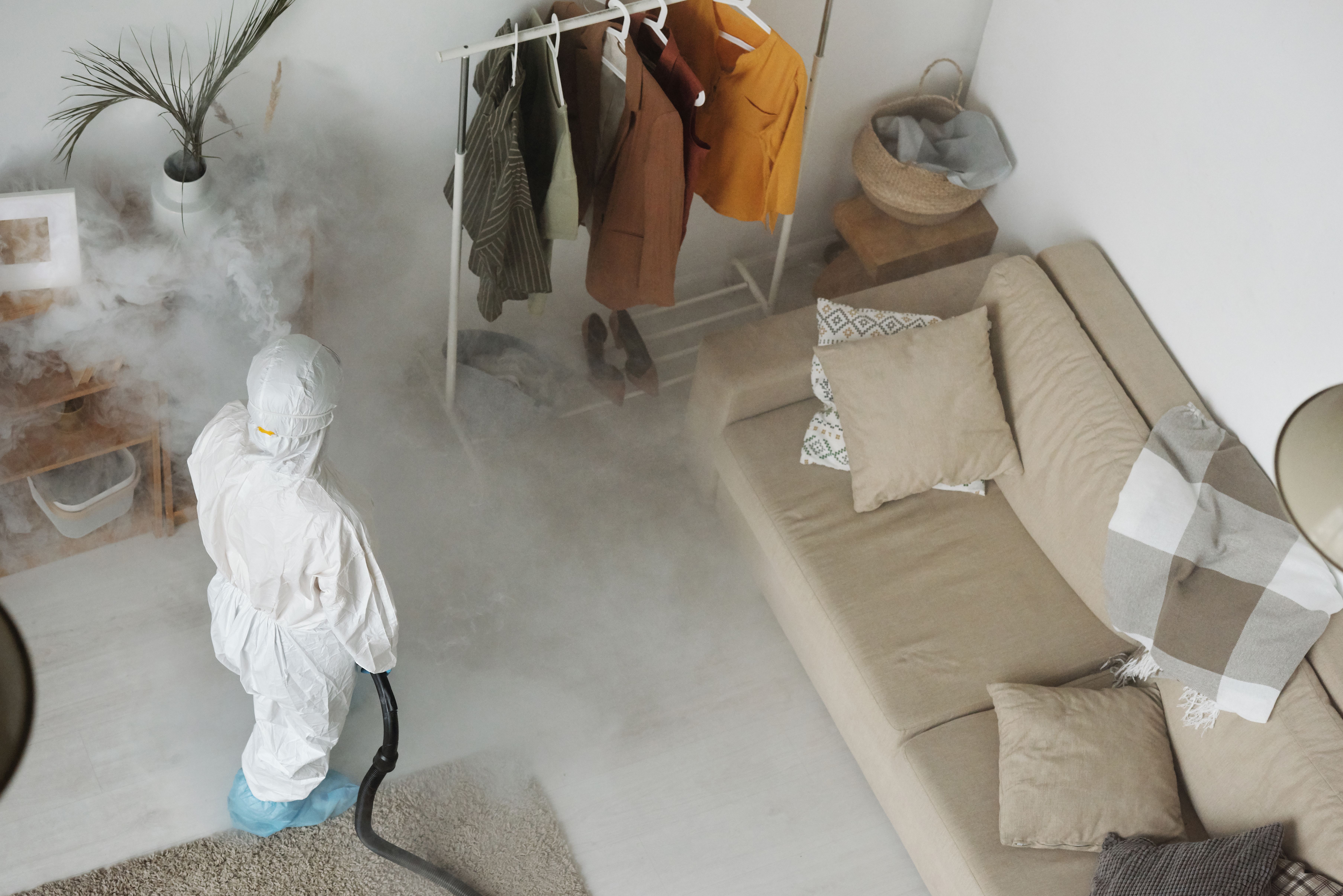
Regardless of the product, the way it’s applied determines success. Perimeter spraying creates a barrier around foundations, doorways, and windows—ideal for outdoor‑only products. Crack‑and‑crevice treatment targets the hidden pathways spiders use to enter homes, using a fine‑mist nozzle or dust applicator to reach tight spaces. Indoor fogging disperses a fine aerosol that settles on ceilings, corners, and hidden voids, useful for severe infestations but requiring careful ventilation.
Pros and cons
| Approach | Cost | Speed of knock‑down | Environmental impact | Pet/child safety |
|---|---|---|---|---|
| Standard synthetic sprays | Low to moderate | Immediate (minutes to hours) | Higher – persistent residues | Potential irritation; keep areas off‑limits |
| Botanical extracts | Moderate | Fast (1‑2 hours) | Low – breaks down quickly | Generally safe when label directions are followed |
| Silica‑based dusts | Low | Gradual (24‑48 hours) | Very low – inert mineral | Safe for pets/children after dust settles |
Professional service vs. DIY
Choosing a licensed pest‑control professional makes sense when you need a comprehensive perimeter barrier, have a multi‑unit property, or prefer the peace of mind that comes with EPA‑registered products applied by trained technicians. DIY kits work well for spot‑treatments, light infestations, or homeowners comfortable handling low‑toxicity dusts and sprays. If you have young children, senior residents, or pets that roam freely, a professional can tailor a treatment plan that maximizes safety while still delivering rapid results.
Pricing Guide and Seasonal Timing for Spider Control in Brookhaven
Service Tier 1 – Basic Treatment
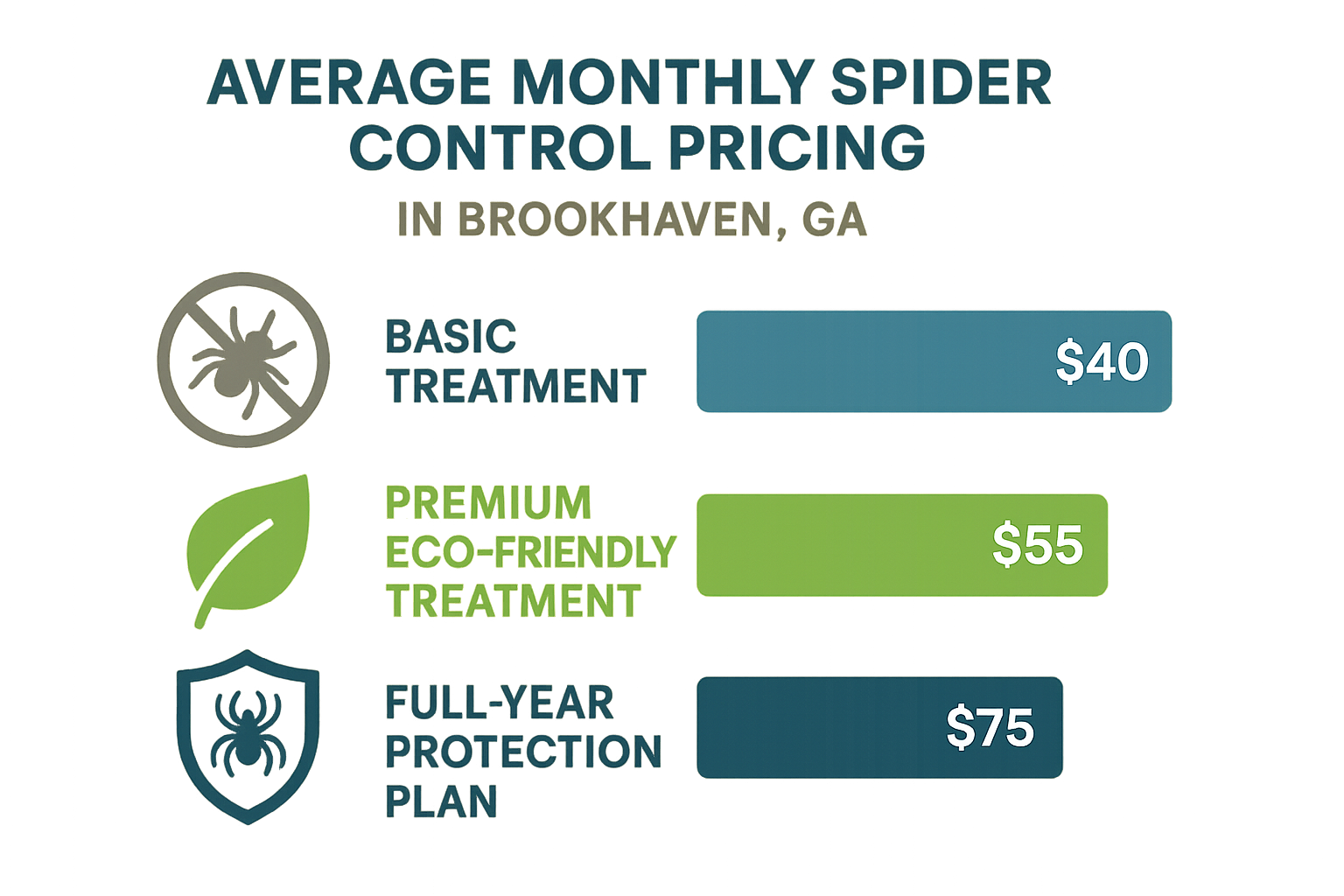
The entry‑level option is designed for homeowners who need a quick, effective knock‑down of active spiders. Typical pricing falls between $99 and $149 per treatment. This tier includes:
- One thorough interior spray covering common spider hotspots.
- Two follow‑up visits within 30 days to ensure residual control.
- 30‑day satisfaction warranty – if spiders return, we re‑treat at no extra cost.
Service Tier 2 – Premium Eco‑Friendly Treatment
For those who prioritize safety for children, pets, and the environment, the premium eco‑friendly plan ranges from $179 to $229. It provides:
- Three interior applications using low‑toxicity, EPA‑approved products.
- Integrated perimeter barrier to deter new entrants.
- One exterior treatment for common entry points (e.g., foundation cracks, vents).
- Six‑month residual protection guarantee.
Service Tier 3 – Full‑Year Protection Plan
The most comprehensive solution locks in year‑round peace of mind and costs between $349 and $429 annually. This plan bundles:
- Quarterly interior and exterior treatments.
- Unlimited follow‑up visits for the entire year.
- Priority scheduling and a 12‑month “no‑spider” warranty.
- Annual inspection of structural gaps and recommendations for long‑term exclusion.
Seasonal Timing: When to Schedule Your Treatment
Spider activity in Brookhaven spikes during two key windows: early spring (March‑April) and late summer (August‑September). In early spring, adult spiders emerge from overwintering sites to lay eggs, making it the ideal moment for a pre‑emptive barrier that stops the next generation before it spreads.
Late summer is the second optimal period because many spider species complete their life cycles and begin seeking indoor shelter as temperatures dip. Treating at this time reduces the likelihood of a winter infestation, especially for species that prefer the warmth of homes.
How Weather Influences Efficacy
Rainfall and humidity directly affect how long residual chemicals remain active. Heavy spring rains can wash away a freshly applied barrier, so a second “top‑off” visit within two weeks ensures lasting protection. Conversely, the dry heat of midsummer can accelerate product degradation, which is why the premium and full‑year plans schedule a mid‑season boost to maintain potency.
By aligning your service with these seasonal patterns, you maximize the lifespan of each treatment, minimize re‑treatment costs, and keep your home spider‑free throughout the year.
Protect Your Home with Anthem Pest Control Today
Living in Brookhaven, Georgia means sharing your yard with a surprisingly diverse spider community. Warm, humid summers and mild winters create an ideal environment for species like the Southern House Spider and the aggressive Brown Recluse. Accurate identification is the first line of defense—knowing which spider you’re dealing with determines the safest and most effective treatment.
Earlier in this guide we covered the three main treatment pathways: a single‑visit spot treatment for isolated sightings (starting at $99), a seasonal perimeter spray that keeps colonies at bay throughout the year (from $199), and a comprehensive year‑round protection plan that includes quarterly inspections and eco‑friendly applications (beginning at $349). Each tier is designed to match the level of risk you face and your budget preferences.
Anthem Pest Control brings local expertise to every job. Our technicians are fully licensed and trained specifically for Georgia’s spider seasons, so they know exactly when activity spikes and how to intervene before infestations take hold. We prioritize eco‑friendly products that protect your family and pets while delivering the knock‑out power spiders need.
Transparency is baked into our pricing—no hidden fees, no surprise add‑ons. When you request a quote, you’ll receive a clear, itemized estimate that reflects the exact services you need, whether it’s a one‑time treatment or an ongoing protection plan.
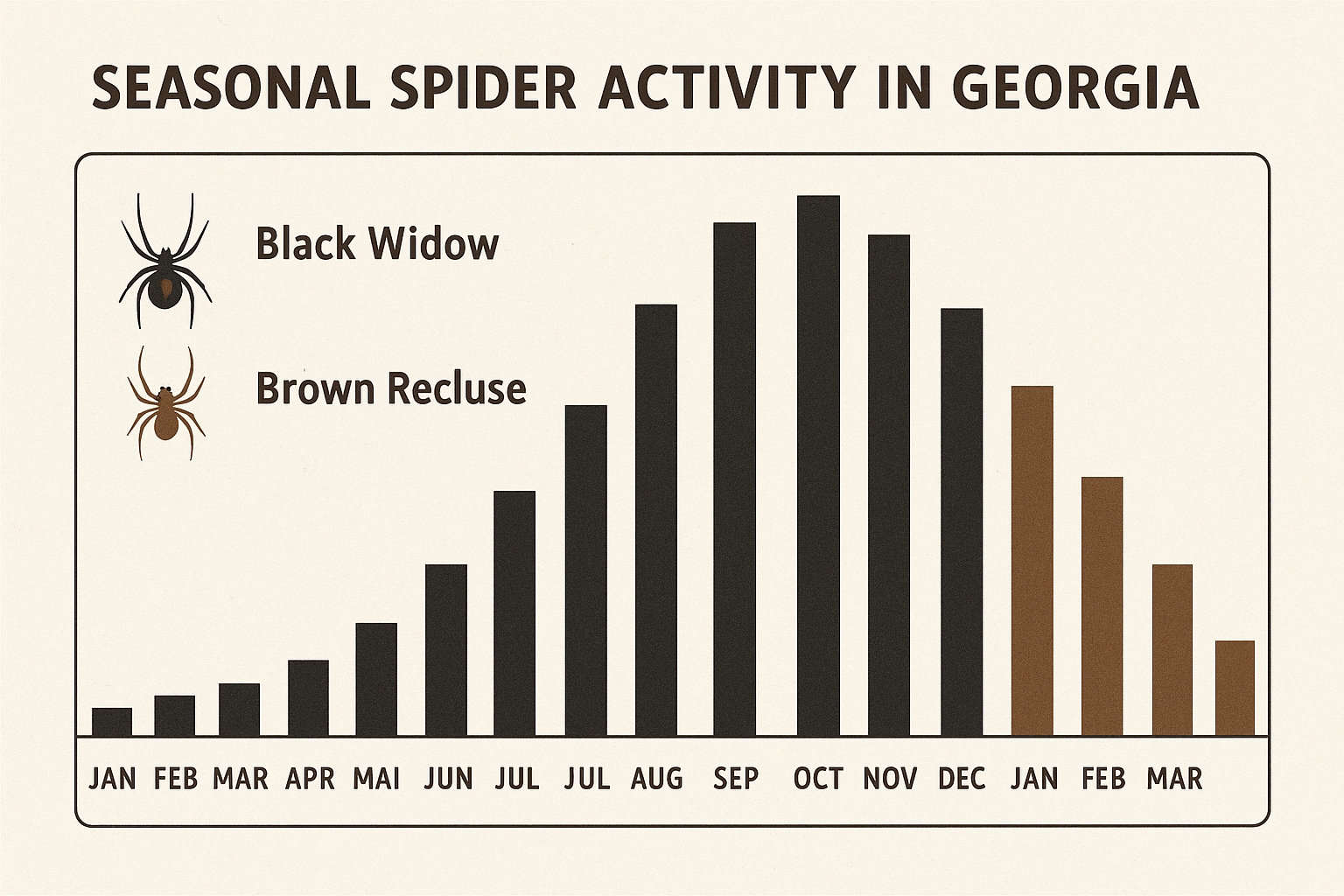
The chart above visualizes the months when spider activity peaks in Brookhaven, underscoring why timely treatment matters most from late spring through early fall. Scheduling your service during these windows maximizes effectiveness and reduces the chance of a surprise encounter inside your home.
Ready to safeguard your family and enjoy a spider‑free space? Contact Anthem Pest Control today for a free, no‑obligation inspection and a customized quote tailored to your home’s unique needs.
Call us now at 877‑371‑8196 or visit Anthem Pest Control to book your appointment. Let our local experts handle the spiders so you can relax with confidence.