The Rising Concern of House Crickets in Decatur, GA
Cricket Exterminator in Decatur services become especially important when the summer heat rolls in and homeowners begin hearing the familiar rhythmic “chir-chir-chir” echoing from walls, decks, or yards. That sound belongs to the house cricket (Acheta domesticus), a small but surprisingly resilient insect that thrives in suburban environments. Adult house crickets are typically ½-inch long, light brown to tan, with long antennae and powerful hind legs that allow them to jump several inches in a single bound. By day, they hide in cracks, mulch beds, or beneath porch railings, emerging at night to feed on plant material, organic debris, and occasionally other small insects.
Why Decatur’s Climate and Landscaping Invite Crickets
Decatur’s warm, humid summers and mild winters create a perfect breeding ground for house crickets. The city’s abundant green spaces—think well‑maintained lawns, ornamental shrubs, and layered garden beds—provide both shelter and a steady food source. Moisture retained in mulches and leaf litter keeps the soil damp, which is essential for cricket egg development. Moreover, the frequent evening breezes help disperse their mating calls, attracting more males and accelerating population growth. In short, the combination of temperature, moisture, and lush landscaping turns a typical suburban yard into a cricket haven.
What Homeowners Usually Notice First
- Nocturnal chirping: The most common early warning is the persistent nighttime song, especially near walls, fences, or outdoor lighting.
- Visible activity: You may spot the insects hopping across decks, patios, or inside kitchens where they seek crumbs.
- Minor property damage: While crickets don’t chew wood like termites, they can gnaw on fabric, wallpaper, or stored food, leaving tiny holes or stains.
- Potential for secondary pests: A dense cricket population can attract predators such as spiders and centipedes, and may even lure larger insects like roaches that feed on the same organic matter.
These signs often prompt homeowners to search for a “cricket exterminator near me in Decatur,” and that’s where local expertise matters. For a deeper dive into proven strategies, check out Anthem’s detailed guide on top‑rated cricket control in Decatur, GA.
What This Guide Will Cover
Understanding the problem is just the first step. In the sections that follow, we’ll walk you through:
- Seasonal trends: When crickets are most active and the optimal windows for treatment.
- Treatment methods: From DIY traps and barrier sprays to professional extermination techniques that target nests without harming your family or pets.
- Pricing insights: Typical cost ranges for inspection, one‑time treatment, and ongoing prevention plans.
- Choosing a professional: Key questions to ask a pest‑control provider and why Anthem Pest Control’s local experience sets it apart.
By the end of this article, you’ll have a clear roadmap to identify, eliminate, and prevent house cricket invasions, keeping your Decatur home quiet, clean, and cricket‑free.
When Are Crickets Most Active in Decatur?
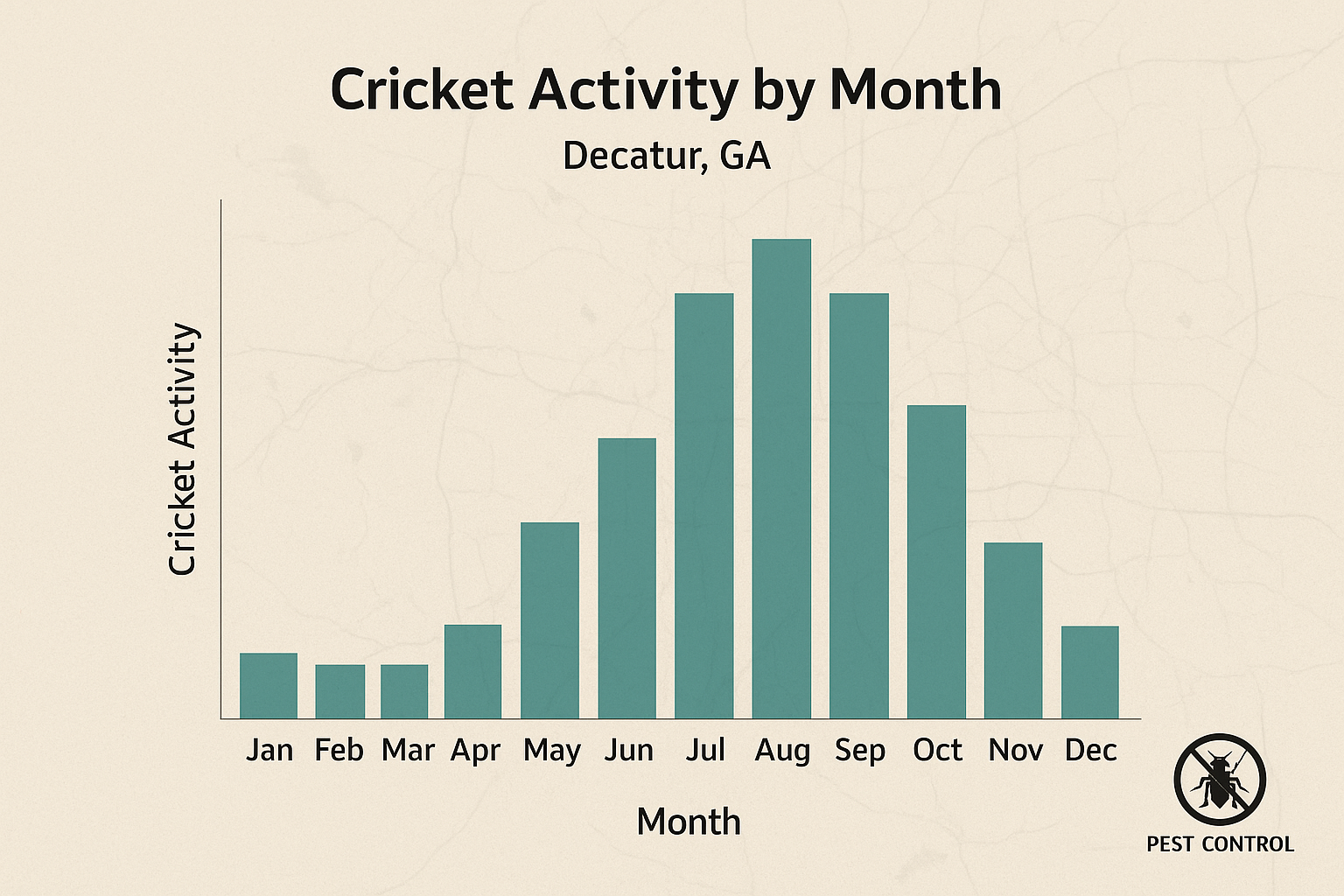
House crickets (Acheta domesticus) follow a predictable rhythm tied to Decatur’s warm, humid climate — which is why hiring a Cricket Exterminator in Decatur at the right time of year can make all the difference. After overwintering as eggs in the soil, the nymphs hatch when soil temperatures consistently reach 60-65°F (15-18°C). From that point, each molt brings them closer to adulthood, and their development speed is driven primarily by temperature and moisture. Warm days accelerate growth, while high nighttime humidity keeps the insects hydrated and more likely to venture indoors in search of water.
Seasonal Peaks: June – August
The summer months are the crickets’ high‑gear season. From early June through the end of August, daytime highs regularly sit above 80°F (27°C) and nighttime humidity climbs above 60%, creating ideal conditions for mating and rapid population expansion. You’ll notice a sharp rise in chirping—especially after sunset—because male crickets use their songs to attract females when the weather is most favorable.
In early spring (late March to early May), a modest “first‑wave” emerges as the soil warms enough for eggs to hatch. These early insects are few in number, but they can still slip through door cracks and windows. By late September, as temperatures dip below 70°F (21°C) and humidity drops, activity wanes. Crickets either retreat to cooler, moister micro‑habitats outdoors or enter a dormant state, leading to a noticeable decline in indoor sightings.
Why Seasonal Spikes Matter for Your Home
When cricket numbers surge, the likelihood of indoor intrusion spikes dramatically — which is often when homeowners begin searching for a reliable Cricket Exterminator in Decatur. Crickets are attracted to bright lights, so exterior illumination such as porches, security lights, or patio fixtures can act like a beacon. Once inside, they may cause minor property damage by chewing on fabric, upholstery, or even soft wood, and leaving behind droppings that can stain walls and floors. While they’re not known disease vectors, a heavy infestation can create an unsightly, noisy environment that disrupts sleep and reduces overall home comfort.
Timing Your Treatment for Maximum Impact
Understanding the cricket calendar lets you strike when the pest is most vulnerable. For first‑time treatment, aim for late April to early May—just before the summer surge. Applying a perimeter barrier or interior spray at this stage reduces the initial population and limits the breeding pool.
Once the peak period arrives, scheduling a follow-up with a trusted Cricket Exterminator in Decatur in mid-July is essential. This “maintenance” visit targets late-emerging nymphs and prevents a second wave from establishing around your home. A final check in early September, before activity declines, helps ensure that any residual crickets are fully eliminated so your home stays quiet and protected through the cooler months.
- Early spring (late April): First‑time barrier application.
- Mid‑summer (mid‑July): Follow‑up treatment for emerging nymphs.
- Early fall (early September): Final sweep to lock out late‑season intruders.
By aligning your pest‑control plan with Decatur’s cricket activity cycle, you protect your home from noisy invasions and the small but annoying damage these insects can cause. Timing isn’t just about convenience—it’s the most effective way to keep your living space comfortable year‑round.
Spotting a Cricket Infestation: Signs and Consequences

Crickets are most active after sundown, and their presence often goes unnoticed until the chirping grows louder or visible signs begin to appear. Many homeowners don’t consider calling a Cricket Exterminator in Decatur until the infestation has already grown. Recognizing the early warning signs can help you avoid costly property damage and prevent unwanted secondary pests from taking hold. Below is a practical checklist to help you pinpoint a cricket problem before it spreads.
Visual Clues
- Continuous night‑time chir‑chir that seems louder near exterior lighting or in the basement.
- Live crickets spotted in dark corners of the attic, crawl spaces, or behind stored boxes.
- Clusters of crickets gathered around porch lights, patio lamps, or any illuminated outdoor fixture.
Physical Evidence
- Discarded exoskeletons (the shed skins) on windowsills, in closets, or along baseboards.
- Small, irregular holes or shredded patches in fabric, especially in curtains, upholstery, or stored clothing.
- Chewed or shredded insulation in attic joists, which can feel soft or appear frayed.
- Grease‑stained surfaces near kitchen cabinets or pantry shelves where crickets have been feeding.
Behavioral Impacts
Beyond the audible annoyance, crickets thrive in damp environments. Their activity can raise indoor humidity levels, creating a perfect breeding ground for mold. If you notice a musty odor or visible mildew near the areas where crickets congregate, it’s likely a moisture problem linked to their presence.
Secondary Pest Risks
When crickets multiply unchecked, they become an easy food source for other pests. Spiders, centipedes, and even rodents are attracted to the abundant protein supply. This domino effect can turn a simple cricket issue into a full‑blown secondary infestation, complicating treatment and increasing the overall cost.
Why a Professional Inspection Matters
A trained technician from Anthem Pest Control can spot hidden colonies that the naked eye often misses. During a thorough exterior inspection, the expert will:
- Identify moisture‑prone zones around foundations, gutters, and downspouts.
- Check for structural gaps where crickets can enter—such as damaged siding, vent screens, or unsealed utility openings.
- Assess the risk of secondary pests by looking for spider webs, rodent droppings, or other tell‑tale signs.
- Provide a targeted treatment plan that includes both immediate control and long‑term prevention.
Quick Reference Checklist
- Listen for persistent night‑time chirping, especially near lights.
- Inspect basements, attics, and crawl spaces for live crickets or shed skins.
- Look for damaged fabrics, shredded insulation, and greasy stains.
- Check for excess moisture or mold growth in affected areas.
- Watch for signs of spiders, centipedes, or rodents nearby.
- Schedule a professional exterior inspection if two or more items appear.
By staying alert to these indicators, you can intervene early, protect your home’s structure, and prevent a cascade of secondary pest problems. When in doubt, let Anthem Pest Control’s experienced team confirm the infestation and deliver a safe, effective solution.
Professional Treatment Options for Decatus Homeowners
Fumigation and Perimeter Spray
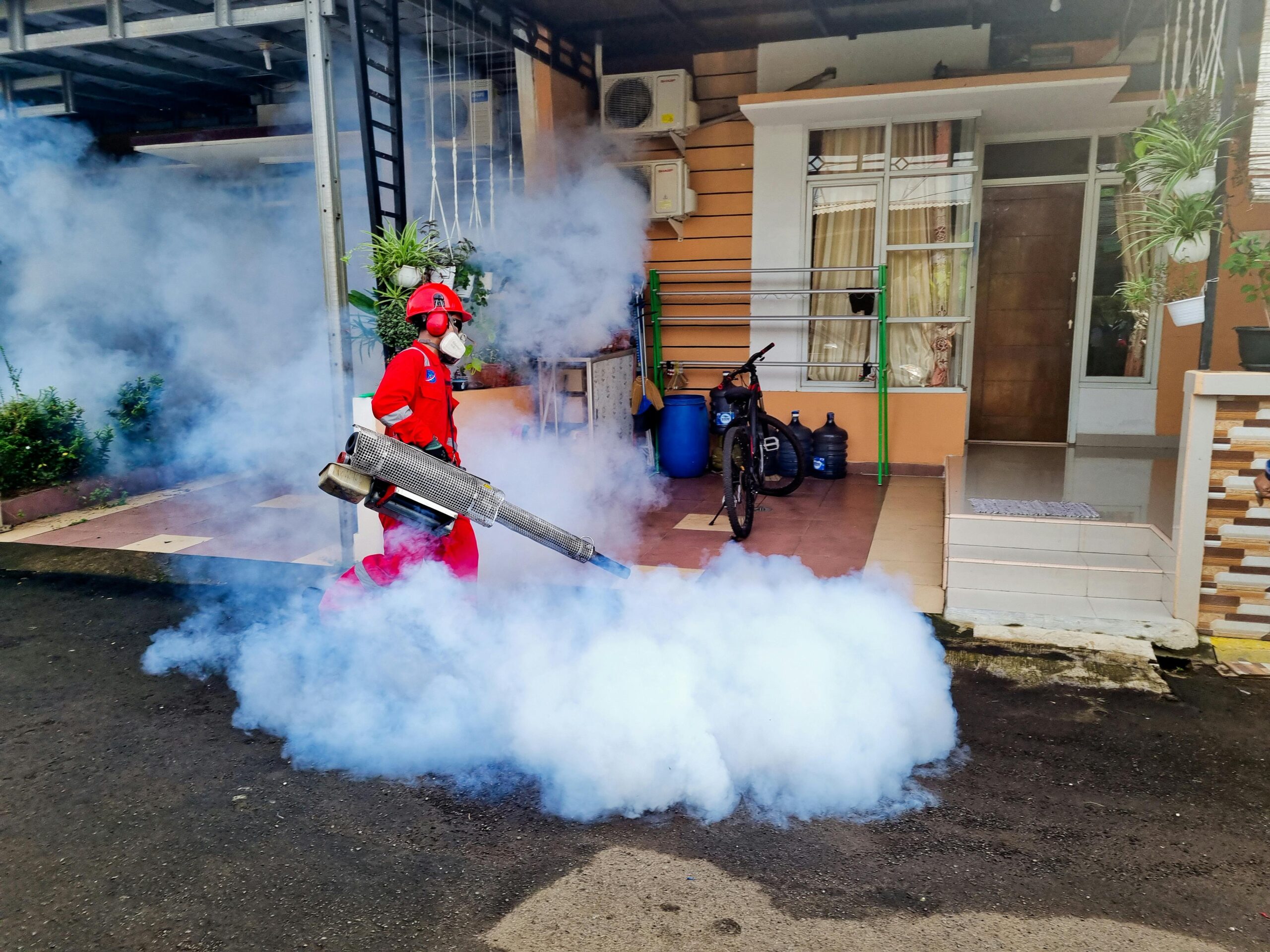
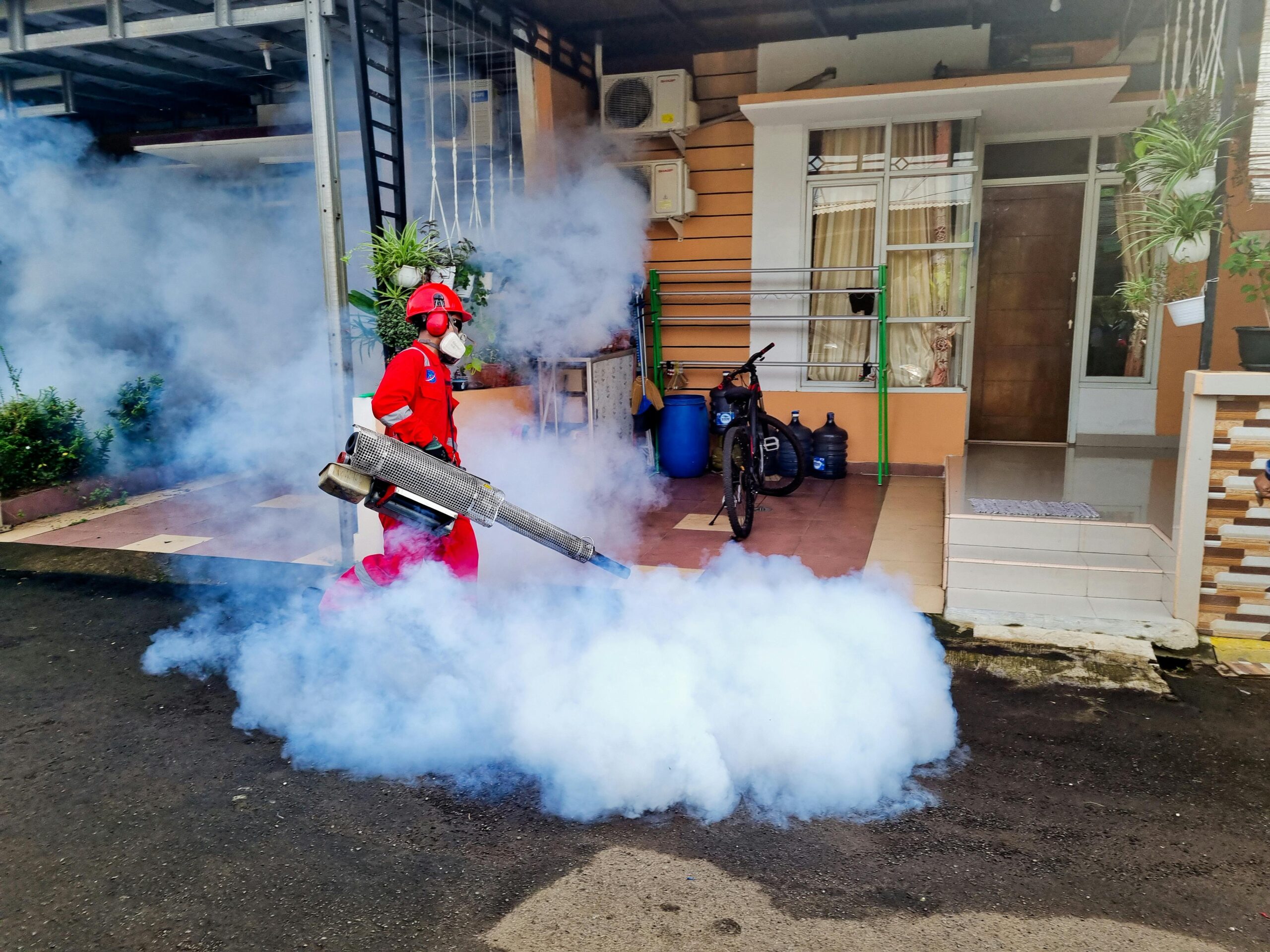
Fumigation and perimeter spray create a protective barrier around a home, targeting crickets before they can enter living spaces. A licensed technician applies a low‑toxicity fog that settles on foundations, siding, and landscaping. The chemicals remain active for weeks, killing insects that crawl across the treated surface and disrupting hidden colonies in soil and mulch. Because the spray is calibrated to the exact square footage of the property, it eliminates “hot spots” that DIY products often miss, providing a long‑lasting shield against reinfestation.
Target‑Seed Application for Interior Voids
Crickets love the dark, undisturbed gaps behind baseboards, under cabinets, and inside wall voids. Target‑seed treatment uses a granular pesticide formulated to cling to these concealed areas. The technician inserts a specialized applicator through a small opening, releasing a measured dose that slowly releases active ingredients over time. As crickets explore the crevices, they pick up the seed, which interferes with their nervous system and prevents reproduction. The method is especially effective in basements and crawl spaces where foggers cannot reach, delivering a hidden‑zone knock‑out that DIY sprays rarely achieve.
Integrated Approach: Property‑Wide Spray + Targeted Interior Application
For the toughest infestations, professionals combine a full‑property exterior spray with interior target‑seed placement. The exterior spray knocks back the outer population, while the interior seed attacks any survivors that have already breached the barrier. This two‑pronged strategy creates a “kill zone” that covers both the perimeter and the hidden interior pathways, dramatically reducing the chance of a rebound infestation and ensuring that crickets have nowhere safe to hide.
Benefits of Professional Application
- Correct pesticide selection: Licensed technicians match the active ingredient to the species, life stage, and local regulations, avoiding ineffective over‑the‑counter sprays.
- Safety for pets and family: Professionals follow strict application protocols, use low‑risk formulations, and provide clear re‑entry timelines, so children and pets stay protected.
- First‑time‑right guarantee: Anthem Pest backs each service with a guarantee that the treatment will achieve control on the first visit, reducing the need for repeat applications.

- Property‑maintenance synergy: While treating the exterior, technicians often inspect HVAC units, gutters, and ventilation openings, fixing gaps that could become future entry points.
Safety Protocols and Technician Expertise
Every professional visit begins with a thorough site assessment. Technicians wear personal protective equipment (PPE) such as respirators, gloves, and eye protection to safeguard themselves and the occupants. They calculate exact dosage based on square footage, wind direction, and weather conditions, ensuring optimal coverage without over‑application. After spraying, they mark treated zones and provide homeowners with clear re‑entry instructions, typically ranging from 30 minutes to a few hours depending on the product. In addition, they document the work with photos and a detailed service report, giving you a transparent record of what was done and why. This level of precision and accountability is impossible to replicate with a generic store‑bought can.
Choosing a reputable provider like Anthem Pest Control means you receive a customized plan that respects your home’s architecture and your family’s health. The technician’s expertise ensures that every spray, fog, and seed is placed precisely where crickets hide, delivering lasting control without the guesswork of DIY methods.
How Much Does Cricket Control Cost in Decatur?
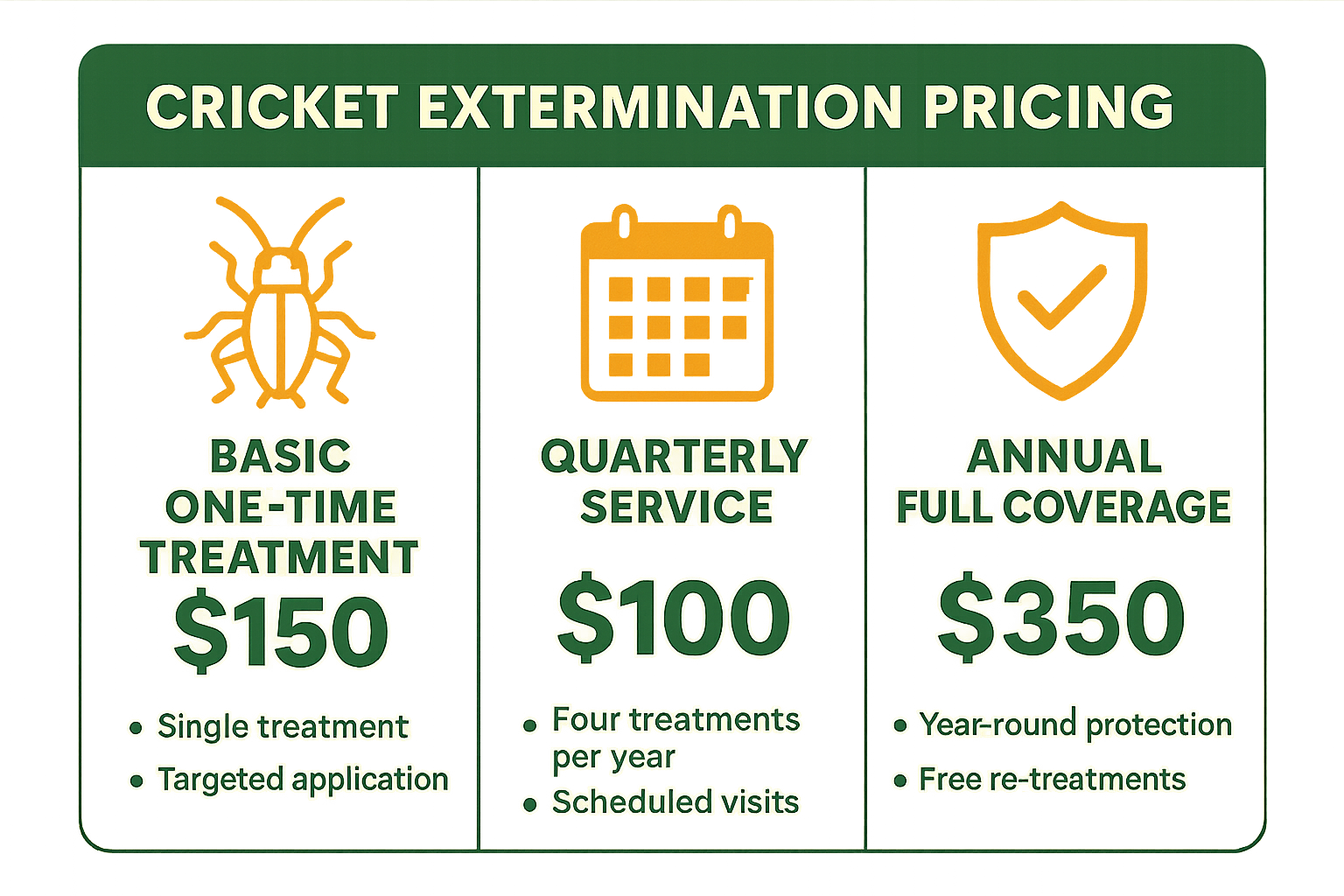
When it comes to cricket control, Anthem Pest Control offers four clearly defined service tiers. Understanding what each tier delivers—and how much it costs—helps you choose the plan that matches your budget and your need for long‑term protection.
Typical Service Tiers
- Basic One‑Time Treatment
- Quarterly Service
- Annual Full‑Coverage
- Custom “Season‑Start” Package
What Each Tier Includes
- Basic One‑Time Treatment: One professional visit, exterior perimeter and foundation treatment, 30‑day guarantee on cricket activity.
- Quarterly Service: Four visits spread across the cricket season, interior and exterior treatment each visit, 60‑day activity guarantee after the final visit.
- Annual Full‑Coverage: Eight visits (monthly during peak months, then quarterly), full‑home interior + exterior treatment, 90‑day guarantee, plus a complimentary interior inspection.
- Custom “Season‑Start” Package: Tailored schedule based on your property’s layout, typically 2–3 pre‑season visits, targeted treatment zones, 90‑day guarantee, and a free follow‑up inspection if crickets reappear.
Average Price Range in Decatur
Pricing reflects local market rates and the level of service you receive:
- Basic One‑Time Treatment: $79 – $199
- Quarterly Service: $149 – $259 per visit (total $596 – $1,036 for the season)
- Annual Full‑Coverage: $299 – $399 for the full year
- Custom “Season‑Start” Package: $199 – $349 depending on the number of pre‑season visits and property size
Benefits of Each Tier
- Basic One‑Time Treatment offers quick relief for a sudden cricket outbreak without a long‑term commitment.
- Quarterly Service balances cost and protection, keeping crickets at bay throughout the active months while spreading out payments.
- Annual Full‑Coverage provides the most comprehensive defense, locking in a pest‑free environment for the entire year and often includes “free” extras like interior inspections.
- Custom “Season‑Start” Package is ideal for homeowners who want a proactive approach—treating the yard before crickets emerge and adjusting the plan as conditions change.
Take the First Step Tow‑to‑Stop Cricket Damage Today
Crickets may seem harmless until they start chewing on siding, garden plants, and even indoor fabrics. That’s why catching the problem early, treating at the right seasonal window, and letting a licensed professional apply the right product are the three pillars of lasting protection.
When you choose Anthem Pest Control’s Annual Full‑Coverage package, you lock in year‑round monitoring, a spring‑time “cricket‑stop” treatment, and a fall follow‑up—all for one predictable price. Homeowners love the peace of mind that comes from knowing a trained technician will inspect, treat, and re‑inspect, so you never have to wonder whether the next generation of crickets will find a way in.
Early detection gives you three clear advantages:
- Cost savings – treating a few crickets now prevents a full‑blown infestation that can damage structures and landscaping.
- Health protection – crickets can carry allergens; eliminating them reduces indoor dust and irritation.
- Convenient scheduling – our technicians work around your calendar, so treatment fits seamlessly into your routine.
To make the first step as easy as possible, we’re offering a free inspection for any Decatur resident who calls today. Our technician will walk your property, point out the early warning signs, and explain exactly what the annual plan covers. And if you decide the plan isn’t right for you, our 100 % satisfaction guarantee means you won’t pay a dime for a service you don’t need.
Ready to protect your home before the next chirp‑season begins? Simply pick up the phone and dial 877‑371‑8196, or visit Anthem Pest Control for a personalized, no‑obligation quote. Our friendly team is standing by to answer your questions, schedule the free inspection, and get your home cricket‑free.