
Identifying Earwigs and Their Signs
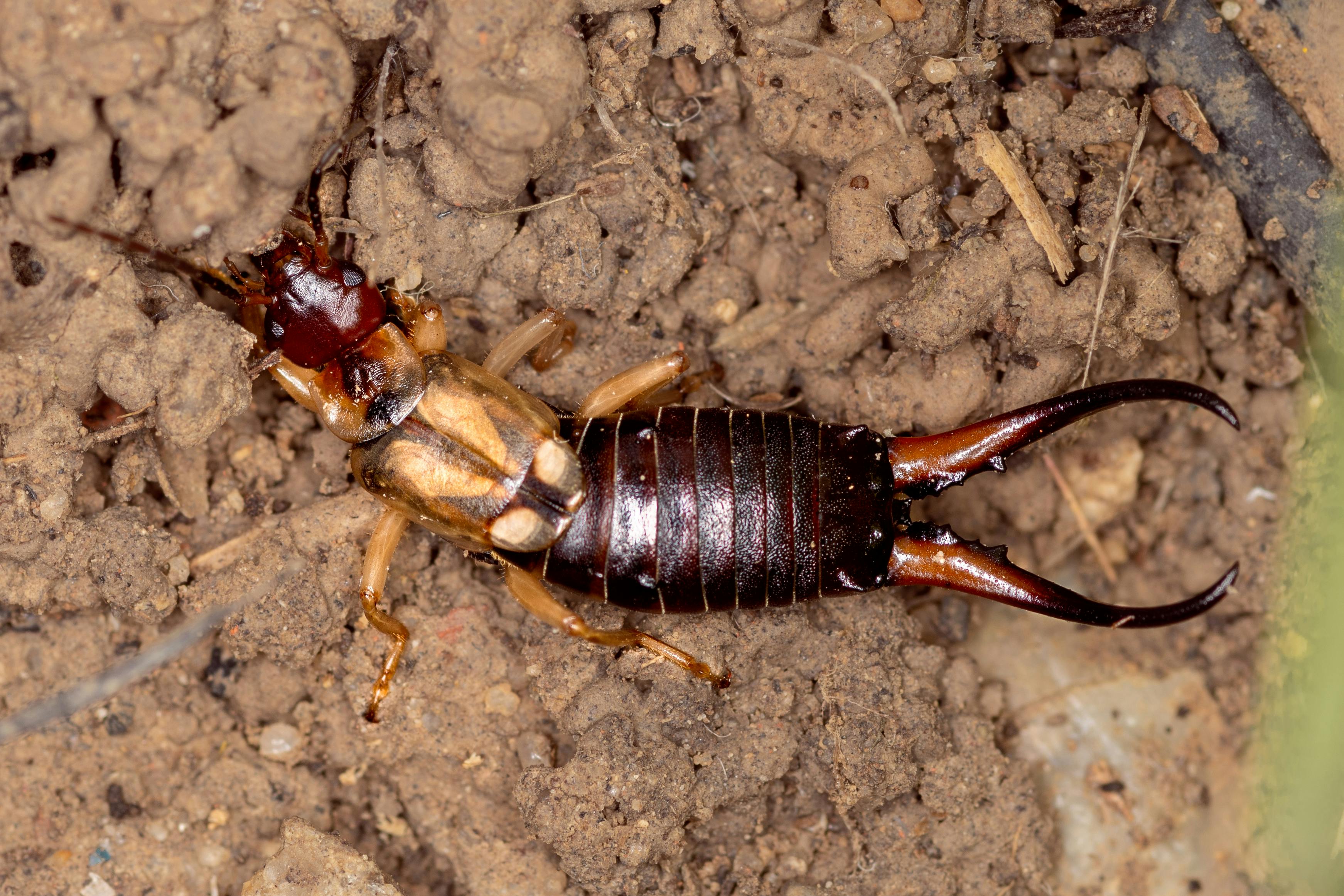
Earwig Inspection Decatur homeowners rely on is essential when these small, nocturnal insects begin appearing inside the home. Earwigs belong to the order Dermaptera and are easily recognized by the pair of force-like pincers (cerci) at the end of their abdomen. Those “pincers” aren’t just for show—they help earwigs defend themselves, dig into soil, and even fold their wings neatly under a protective shell.
When you’re trying to spot an earwig, look for a slender, flattened body that tapers toward a rear‑end that ends in the unmistakable pincers. Adults typically range from ½ to 1 inch long, with a dark brown to reddish hue. Their wings, when present, lie flat and are often hidden beneath short, leathery forewings, giving the insect a smooth, elongated silhouette.
Common indoor signs
- Occasional sightings at night, especially near exterior doors or windows.
- Small, dark droppings that resemble tiny specks of pepper on countertops or in pantry corners.
- Irregular chewing on soft plant leaves, seedlings, or even fabric and paper items.
- Presence in damp, sheltered spots such as bathroom corners, under sinks, or in basements where humidity is higher.
Early warning signs of a growing problem
Earwig Inspection Decatur homeowners schedule often becomes necessary when activity starts increasing around the home. One earwig alone is usually harmless, but a pattern of repeated sightings signals a potential infestation. Pay close attention to clusters of insects in moisture-rich areas like leaky pipes, over-watered houseplants, or along the perimeter of your home’s foundation. Repeated damage to garden foliage—especially on tender seedlings near exterior walls—often precedes indoor sightings. If you notice these warning signs, it’s time to act before the earwig population expands.
For homeowners in Decatur, Georgia who need rapid assistance, Anthem Pest Control offers a dedicated emergency service page. Visit Anthem emergency earwig control for localized guidance, treatment options, and a direct line to professional help.
When and How Earwig Activity Enters Your Home
Seasonal activity overview
Earwig Inspection Decatur services become especially important during the warm months when earwigs are most active. In Decatur, you’ll see a noticeable surge in May through August when temperatures consistently stay above 70 °F. The humidity of late spring and early summer provides the perfect environment for earwigs to forage, mate, and lay eggs. As fall arrives, activity tapers off but doesn’t disappear; earwigs seek shelter in cracks and crevices to survive cooler nights. Winter brings the lowest visible activity—most earwigs huddle in protected indoor spaces or deep in the soil, emerging only when a brief warm spell raises outdoor temperatures.
Typical entry points
Even a well‑built home can have tiny openings that invite earwigs. The most common gateways include:
- Foundation cracks: Small fissures in concrete or block walls provide a direct route from the yard to your crawl space.
- Gaps around doors and windows: Weather‑stripping that’s worn or missing creates a gap as wide as a pencil.
- Vent openings: Dryer, attic, and bathroom vents often lack fine mesh screens.
- Gaps in siding: Loose trim, damaged vinyl, or missing caulk leave narrow passages.
- Utility line penetrations: Pipes, cables, and conduit that pass through the foundation are frequently sealed only with a dab of foam.
Why moisture and organic debris attract earwigs
Earwigs thrive in damp environments because they need moisture to keep their soft bodies from drying out. Leaf litter, mulch, and decaying wood piled against the house act like a buffet and a humid hideout. When rain saturates the soil around your foundation, it creates a moist corridor that earwigs follow straight to any opening they find. Reducing that moisture gradient is one of the simplest ways to make your home less appealing.
Seasonal maintenance tips
Proactive upkeep can dramatically cut the chances of an earwig invasion:
- Clear leaf litter and mulch: Keep the perimeter at least 12 inches away from the foundation.
- Repair foundation cracks: Use a concrete patch or epoxy sealant before the first heavy rains.
- Seal gaps: Apply silicone or weather‑resistant caulk around doors, windows, and siding seams.
- Install fine mesh screens: Cover vent openings and utility penetrations with ¼‑inch hardware cloth.
- Reduce crawl‑space moisture: Ensure proper drainage, use a dehumidifier if needed, and check that vapor barriers are intact.
Infographic: visualizing seasonal activity and entry points
The graphic below maps out the peak months, typical entry locations, and key maintenance actions. Use it as a quick reference when you’re planning your spring and summer home‑care routine.

Professional Inspection: What to Expect
When earwigs start making their nightly forays into your Decatur home, a professional inspection can mean the difference between a quick fix and a lingering infestation. Unlike a quick visual scan from a window, a trained technician brings experience, specialized tools, and a systematic approach that uncovers problems most homeowners simply can’t see.
Why a Pro Beats DIY
DIY visual checks rely on what you can spot with the naked eye. A homeowner may notice a few earwigs near lights, but the hidden nests—often tucked behind foundation cracks, inside wall voids, or beneath damp crawl‑spaces—remain untouched. Professional inspectors have years of field experience recognizing subtle signs such as moisture stains, frass (insect droppings), and the faint, silvery sheen of earwig exoskeletons. They also carry equipment like moisture meters and high‑intensity flashlights that reveal activity in dark, hard‑to‑reach spots.
Step‑by‑Step Inspection Process
- Exterior perimeter walk‑around: The technician surveys the foundation, landscaping, and drainage to identify entry points and conditions that attract earwigs.
- Foundation examination: Cracks, gaps around utility penetrations, and loose siding are inspected, because earwigs love these sheltered crevices.
- Interior moisture‑prone area inspection: Kitchens, bathrooms, basements, and laundry rooms are checked for standing water, leaky pipes, or condensation—key attractants for earwigs.
- Use of flashlight and moisture meter: A bright, focused beam exposes hidden insects in wall voids, while a moisture meter quantifies dampness levels that may be invisible to the eye.
- Locating hidden nests: By probing suspect areas and listening for the characteristic rustling of earwigs, the inspector pinpoints colonies before they spread.

Documenting Findings
After the walk‑through, the inspector compiles a detailed, written report. It includes photos of problem spots, measurements of moisture levels, and a clear map of where earwig activity was detected. The report also outlines a customized treatment plan—ranging from targeted bait placements to structural repairs—so you know exactly what steps will eliminate the infestation and prevent future invasions.
Choosing the Right Company
In Decatur, the safest bet is a local, licensed pest‑control provider that offers transparent pricing and a clear service guarantee. Anthem Pest Control fits that bill: we’re locally owned, fully certified, and committed to upfront quotes so you never encounter surprise fees. Our technicians arrive in uniform, equipped with the tools described above, and they leave a written plan that empowers you to protect your home year after year.
Treatment Options and Cost Comparison
DIY Methods: What’s Available and Where They Fall Short
Many Decatur homeowners start with do‑it‑yourself solutions such as sticky bait traps, household insect sprays, and reducing moisture in basements or crawl spaces. While these tactics can suppress a light earwig presence, they rarely eliminate the hidden nests that lie in wall voids or under decking. Over‑reliance on surface‑level sprays often leads to missed pockets, and the chemicals may need re‑application every few weeks, driving up both effort and expense.
Professional Treatment Options
Anthem Pest Control employs a multi‑layered approach that combines targeted baiting stations, perimeter sprays around the home’s foundation, and a low‑toxicity liquid application inside walls and crevices. Our technicians also offer an ongoing maintenance program that revisits the property quarterly, ensuring any new earwig activity is caught before it becomes a problem.
Why Choose a Professional Service?
Professional treatment guarantees comprehensive coverage—every entry point, nest site, and moisture hotspot is addressed in a single visit. Our formulations are vetted for safety around children and pets, and we back each job with a warranty that covers any re‑infestation within the service window. This peace of mind often outweighs the modest price difference compared with DIY attempts.

Cost‑Comparison Chart
| Expense Category | DIY (USD) | Professional (USD) |
|---|---|---|
| Materials & chemicals | $30‑$60 | $120‑$180 |
| Labor (time spent) | 5‑10 hrs | 1‑2 hrs (technician) |
| Follow‑up visits | $20‑$40 per visit | Included in service plan |
| Total annual cost | $80‑$150 | $250‑$350 |
Choosing the Right Approach
If you spot only a few earwigs and own a small, well‑ventilated home, a DIY kit may suffice—provided you’re comfortable applying sprays and monitoring traps weekly. However, for larger properties, severe infestations, or households with young children and pets, professional treatment offers faster, safer, and longer‑lasting results. Consider the severity of the problem, square footage, and your budget to decide whether a one‑time DIY fix or a full‑service plan from Anthem Pest Control is the smarter investment.
Protect Your Home with Anthem Pest Control
Earwigs slip inside through cracks around doors, windows, and foundation, especially when moisture draws them indoors. Spotting their tell‑tale nocturnal foraging early stops a small nuisance from becoming a full‑blown infestation. A licensed professional can locate hidden entry points, identify breeding sites, and apply treatment that reaches every crevice—something DIY sprays often miss.
Anthem Pest Control brings that expertise to every Decatur home:
- Nationwide service backed by locally trained, certified technicians.
- Safe, EPA‑approved products that protect families and pets.
- Transparent, upfront pricing—no hidden fees.
- Proven track record: hundreds of satisfied homeowners across the Southeast.
- Ongoing prevention plans that keep earwigs and other pests out year‑round.
We’re happy to provide a free, no‑obligation quote for a comprehensive earwig inspection and treatment. Call us today at 877‑371‑8196 and one of our certified technicians will schedule a prompt visit.
Let our certified technicians safeguard your home—contact us today. Visit Anthem Pest Control