Introduction to Stink Bug Problems in Brookhaven
Imagine it’s a crisp fall evening in Brookhaven. You’re pulling a pot off the stove, and a sudden rustle draws your eye to the kitchen counter. Dozens of tiny, shield-shaped insects are clustered there, each one emitting a faint, unpleasant odor as you brush them aside. The family’s dinner plans are instantly derailed, and a familiar feeling of helplessness sets in. This is a scenario many Brookhaven homeowners know all too well—and the exact moment they begin searching for reliable stink bug control Brookhaven solutions to stop the invasion for good.
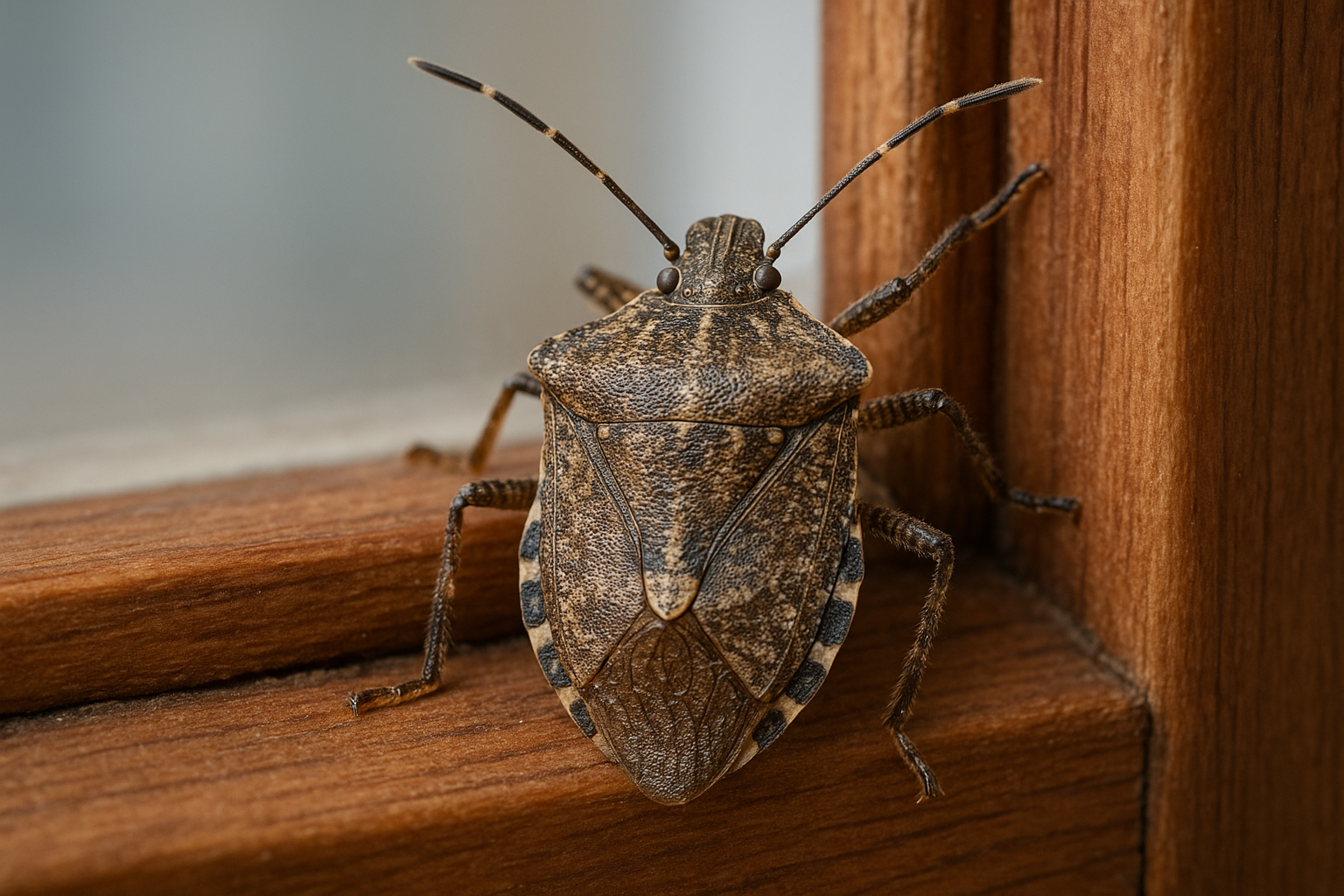
The culprit is the brown marmorated stink bug (Halyomorpha halys), an invasive pest originally from East Asia that has made Georgia its unofficial state guest. These bugs are roughly the size of a dime, with a mottled brown‑gray shell that often displays a subtle, wavy “V” pattern on the wings. Their hard exoskeleton not only protects them from predators but also makes them remarkably resilient when they seek shelter inside our homes.
What makes them especially troublesome in Georgia? First, the state’s warm climate and abundant fruit trees provide an ideal feeding ground during the summer months. As temperatures dip in autumn, the bugs swarm in massive numbers, looking for a warm place to overwinter—your attic, wall voids, or even a kitchen pantry. Their defensive spray releases a pungent, garlic‑like scent that can linger for hours, turning a simple cleaning job into a full‑blown olfactory assault. Rest assured, though, stink bugs are merely a nuisance; they do not bite, sting, or transmit any known diseases to humans or pets.
That’s why we’ve built this guide specifically for Brookhaven residents. Below, you’ll find a clear breakdown of:
- Typical service costs for professional stink‑bug extermination in 2024, including one‑time treatments and annual maintenance plans.
- A ranking of the top local providers, with Anthem Pest Control highlighted for its transparent pricing and safe, EPA‑approved solutions.
- Both professional and DIY treatment options—ranging from perimeter sprays to indoor dusts—so you can choose the approach that fits your budget and comfort level.
- A printable prevention checklist that walks you through sealing entry points, trimming vegetation, and timing treatments for maximum effectiveness.
Every figure, recommendation, and product suggestion in this article is backed by data verified for 2024 wherever possible. Whether you’re dealing with a single rogue bug or an entire kitchen invasion, the information here will arm you with the knowledge to act confidently, protect your home, and keep that unmistakable stink at bay.
Understanding Stink Bugs in Brookhaven
Species biology
The brown marmorated stink bug (Halyomorpha halys) is the primary culprit behind the stink‑bug surge in the Southeast. Its life cycle spans one year: eggs are laid in late spring on the undersides of leaves, nymphs molt five times, and adults emerge by midsummer. When temperatures dip below 50 °F, adults seek shelter to overwinter, clustering in protected crevices such as roof eaves, attic insulation, or the warm gaps around home foundations. This hardy overwintering habit allows the species to survive Georgia’s mild winters and re‑emerge each spring ready to reproduce.
Stink bugs are polyphagous, meaning they feed on a wide range of plants—from fruit trees and corn to ornamental roses. Using their piercing‑sucking mouthparts, they extract sap, which not only stunts growth but also introduces pathogens that can cause fruit rot. In the Southeast, the brown marmorated stink bug outcompetes native species because it tolerates higher temperatures and reproduces more quickly, leading to larger population spikes each year.
Seasonal behavior in Georgia
In Georgia, stink-bug activity follows a predictable calendar. Peak feeding and mating occur from July through August, when the insects are most visible on fruit trees, ornamental shrubs, and vegetable gardens. As September approaches and daylight shortens, the bugs instinctively migrate toward warm indoor environments. By early October, homeowners often discover clusters of adults gathering behind window frames or inside wall voids, seeking a safe haven for the winter months—making early stink bug control Brookhaven treatment especially important before infestations grow.
Temperature is the primary cue that drives their movements. When nightly lows consistently drop below 55 °F, hormonal changes trigger a mass exodus from outdoor host plants toward any warm opening. Inside homes, they release aggregation pheromones that draw additional individuals to the same shelter, creating the familiar “clusters” seen on windowsills during October.
Local attraction factors
Brookhaven’s landscape provides an ideal buffet and breeding ground for stink bugs. The 200‑acre Brookhaven Forest and the adjacent Medlock Park create a continuous green corridor rich in host plants—especially apple, peach, and soybean crops that line the park’s perimeters. These vegetative buffers not only supply abundant food but also offer sheltered microclimates for egg‑laying. The city’s mature oak‑hickory stands and residential gardens further expand the habitat, making it easy for a wandering adult to locate a new host within a few hundred yards.
Brookhaven’s residential watering practices also play a role. Irrigated lawns and garden beds maintain higher humidity levels, creating a micro‑environment that supports stink‑bug eggs and nymphs. Moreover, the network of cul‑de‑sacs and side streets funnels insects toward the larger green spaces, effectively concentrating the population near homes that border the forested corridors.
According to the U.S. Environmental Protection Agency’s 2024 pest‑impact report, stink bugs generate $2.5 billion in annual nuisance costs nationwide, a figure that includes crop loss, property damage, and the expense of professional control services.EPA, 2024
Typical entry points observed in Brookhaven homes
Stink bugs are opportunistic invaders, exploiting the smallest gaps that let them slip inside. Common entry routes in Brookhaven residences include:
- Window gaps larger than ¼ inch, especially those around aging sash frames.
- Improperly sealed door sweeps that leave a clear path to the threshold.
- Foundation cracks or gaps around utility penetrations where moisture accumulates.
- Exterior vent openings—such as dryer vents, attic fans, or crawl‑space vents—without fine mesh screens.
Once inside, the bugs congregate in warm, hidden spaces like kitchen cabinets, wall voids, and behind baseboards, where they remain undisturbed until spring.
Homeowners can dramatically reduce invasions by sealing these gaps before the first frost. Installing weather‑stripping on doors, using fine‑mesh screens on vents, and caulking foundation cracks are simple, cost‑effective measures. Regularly inspecting window frames for deteriorating caulk can prevent the tiny insects from slipping through the smallest openings.
Cost Overview for Brookhaven Homeowners
Understanding the price landscape for stink bug control Brookhaven homeowners rely on helps you plan confidently and avoid surprise charges. Below is a snapshot of typical rates you’ll encounter in Brookhaven, broken down by service type and compared with neighboring communities.
| Service Type | Brookhaven | Sandy Springs | Atlanta |
|---|---|---|---|
| One‑time treatment | $200 – $300 | $220 – $340 | $210 – $330 |
| Quarterly plan (4 visits/year) | $119 – $189 per visit | $130 – $200 per visit | $125 – $195 per visit |
| Monthly plan (12 visits/year) | $90 – $150 per visit | $100 – $160 per visit | $95 – $155 per visit |
Key Cost Drivers
- Square footage: Larger homes need more product and labor, pushing the price upward.
- Home age and construction: Older houses often have more cracks and entry points, requiring extra sealing.
- Service frequency: One‑time treatments carry a premium; recurring plans spread the cost over multiple visits.
- Provider reputation: Established companies with certified technicians may charge more, but they usually deliver higher efficacy and safety guarantees.
Brookhaven vs. Nearby Cities
Brookhaven’s average rates sit comfortably between Sandy Springs and the broader Atlanta market. The slight premium in Sandy Springs reflects higher property values and a denser urban environment, while Atlanta’s broader range mirrors the city’s mix of older homes and newer developments. These regional variations stem from the same cost drivers listed above, especially square footage and home age.
Anthem Pest’s Advertised Rates – A Benchmark
Anthem Pest Control positions itself as a transparent, value‑driven option. Their publicly listed prices—$200‑$300 for a one‑time treatment and $119‑$189 per visit on a quarterly schedule—align closely with Brookhaven’s mid‑range figures. Homeowners who choose Anthem can expect a clear, upfront quote without hidden fees, making it a reliable benchmark when comparing quotes from other local providers.
Discounts, Coupons, and Bundled Plans
Many pest‑control firms, including Anthem, offer first‑service coupons (often $25‑$50 off) and seasonal promotions that can shave 10‑15 % off the listed price. Bundling stink‑bug treatment with other services—such as ant or mosquito control—usually results in a package discount, sometimes reducing the per‑visit cost by another $10‑$20. Always ask for any available loyalty programs or multi‑property discounts if you own more than one residence.
Budgeting Tips: Seasonal vs. Year‑Round
If stink‑bugs are primarily a fall concern in Brookhaven, a single or quarterly treatment may suffice, keeping annual spend under $600. Homeowners in areas with year‑round activity, or those who prefer “set‑and‑forget” protection, might opt for a monthly plan, budgeting roughly $1,080‑$1,800 per year. Consider allocating a modest pest‑control reserve—around $100‑$150 per quarter—to cover unexpected re‑treatments or price adjustments.
Top‑Rated Stink Bug Providers in Brookhaven
Nextgen Pest Solutions
Nextgen Pest Solutions offers a dedicated stink‑bug program that targets the bugs’ preferred hiding spots in park‑zone neighborhoods. New customers receive $25 off their first service, and the company’s technicians use a combination of perimeter sprays and interior crack‑and‑crevice treatments to break the infestation cycle. With a Google rating of 4.8, Nextgen is praised for rapid response times and detailed follow‑up reports. Their technicians also provide a detailed post‑treatment checklist, ensuring homeowners know which areas to monitor during the next season.
Case example: A homeowner in the Brookhaven – Peachtree Road area reported nightly stink‑bug swarms. After two quarterly visits from Nextgen, sightings dropped by 85 %, and the family noted a dramatic reduction in the characteristic odor.
Got Bugs?
Family‑owned and operated, Got Bugs? boasts a 4.9 rating on Google and a flexible subscription model ranging from $27 to $119 per month. Their bundled service packages cover ants, mosquitoes, and stink bugs, allowing Brookhaven residents to protect their entire yard with a single plan. The company’s “All‑Season Shield” includes an annual stink‑bug inspection and a customized treatment schedule.
Case example: A Brookhaven condo association enrolled in the $89‑monthly bundle. Within three months, the complex saw an 80 % decline in stink‑bug complaints, and the property manager highlighted the convenience of a single invoice for all pest needs. The association also appreciated the monthly reporting dashboard that tracks pest activity over time.
Ant & Rodent Pest Control Brookhaven
Known for same‑day service, Ant & Rodent Pest Control tailors each plan to the specific layout of the home. Their satisfaction guarantee promises a free re‑treatment if stink‑bug activity persists after the initial visit. Recent local reviews praise the technician’s thoroughness: “The crew sealed every entry point and the next week we barely saw a single bug.”
Case example: After a sudden influx of stink bugs in a historic Brookhaven home, the homeowner booked a same‑day appointment. The technician applied a perimeter barrier and interior dust, resulting in a 90 % drop in sightings after just one treatment. The homeowner highlighted that the technician sealed foundation cracks that were previously overlooked.
Anthem Pest Control (Sandy Springs)
Although based in nearby Sandy Springs, Anthem Pest Control serves Brookhaven with a detailed stink‑bug inspection that includes visual identification, moisture assessment, and professional sealing of entry points. Their eco‑friendly pesticide blend complies with local regulations and minimizes impact on pets and pollinators. For more information, visit their Stink‑Bug Inspection page.
Case example: A Brookhaven homeowner with a garden adjacent to a wooded area partnered with Anthem. Following a comprehensive inspection and two perimeter sprays, the family reported an 88 % reduction in bugs and noted that the treatment left no lingering chemical smell. The eco‑friendly formula also complies with Georgia’s strict pesticide regulations, giving peace of mind to families with children and pets.
Overall Rating Trends & Value Propositions
All four providers maintain Google ratings above 4.8, indicating strong customer satisfaction across the board. The common value drivers include rapid response (Nextgen, Ant & Rodent), flexible pricing (Got Bugs?), and environmentally conscious formulations (Anthem). Homeowners who prioritize a single‑service subscription often gravitate toward Got Bugs?, while those seeking a guarantee of complete eradication tend to choose Ant & Rodent or Nextgen. Across the board, each company offers a satisfaction guarantee, reinforcing confidence in long‑term protection.
When comparing cost, Nextgen’s $25 discount and Anthem’s transparent pricing model provide immediate savings, whereas Got Bugs?’s monthly plans spread expenses over the year. Ultimately, the best fit depends on the homeowner’s timeline, budget, and preference for eco‑friendly products.
Effective Treatment Methods for Stink Bugs
Inspection & Sealing
Before any pesticide touches a wall, a thorough inspection is essential. Professional technicians use infrared cameras to spot temperature differentials that reveal hidden cracks, gaps around windows, and loose siding—areas where stink bugs love to hide. Once identified, the NPMA 2023 Integrated Pest Management guide recommends sealing every entry point with silicone‑based caulk because it remains flexible and adheres to both wood and metal. Door‑sweep installation is added to the exterior of every exterior door, creating a physical barrier that stops bugs from slipping under the threshold.
Targeted Pesticides
When exclusion isn’t enough, a two‑pronged pesticide strategy is applied:
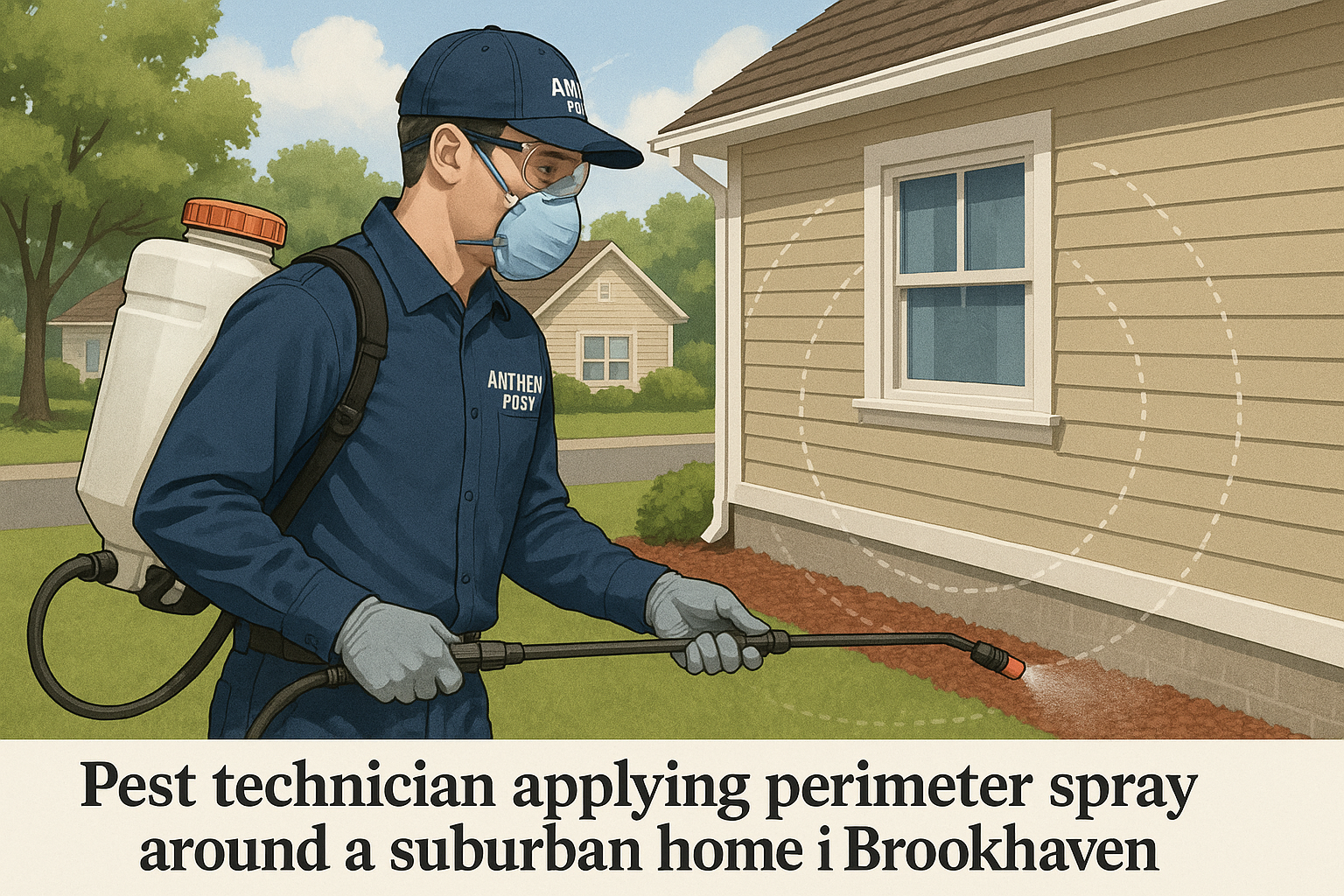
- Perimeter spray: A low‑toxicity, EPA‑registered product (e.g., bifenthrin 0.1% or permethrin 0.5%) is applied to the building’s foundation, soffits, and eaves. This creates a protective “moat” that kills bugs before they reach the interior.
- Residual indoor treatment: For houses with existing infestations, technicians use indoor‑safe formulations such as diatomaceous earth dust or pyrethrin‑based aerosols that remain active for weeks without posing a health risk to occupants.
Eco‑friendly egg‑control options—like neem‑oil sprays or spinosad granules—are also available. These products disrupt the stink bug’s reproductive cycle without harming beneficial insects, making them a popular choice for environmentally conscious homeowners.
Preventive Plans
Stink bugs in Georgia become active in early fall, with September marking the peak migration from surrounding fields into homes. A proactive schedule dramatically reduces the need for emergency visits. Two common plans are offered:
- Quarterly treatment: Four applications per year (early September, late October, March, and May) keep the perimeter barrier fresh and address any late‑season survivors.
- Monthly treatment: Ideal for high‑risk properties near orchards or farms; a monthly touch‑up maintains an uninterrupted barrier during the bug’s most aggressive period.
According to a 2023 Georgia Extension study, homes that received quarterly professional treatments experienced a 72 % reduction in stink‑bug sightings compared with those relying solely on DIY sprays.
Safety Precautions for Occupants and Pets
All applications are performed when residents can vacate the treated area for at least two hours. Technicians place warning signs, ventilate rooms, and use low‑odor formulations to minimize discomfort. Pets are kept outdoors or in a separate, sealed room until the pesticide has dried—usually 30 minutes for perimeter sprays and up to one hour for indoor residuals. After treatment, a final walkthrough ensures that no residue remains on surfaces where children or animals might come into direct contact.
Why Professional Treatment Beats DIY
DIY sprays often miss hidden entry points and use broad‑spectrum chemicals that can damage landscaping or indoor air quality. Professional services combine scientific inspection tools, EPA‑approved low‑toxicity products, and a structured preventive schedule—delivering consistent results while protecting your family’s health. When you choose Anthem Pest Control, you benefit from locally trained technicians who understand Brookhaven’s unique stink‑bug pressures and can tailor each step to your home’s specific vulnerabilities.
DIY Prevention Tips for Homeowners
1. Seal Cracks and Install Door Sweeps
Stink bugs love tiny gaps around doors, windows, and the foundation. Follow this quick checklist to shut them out:
- Gather tools: caulk gun, silicone or acrylic caulk, weatherstripping, a utility knife, and a screwdriver.
- Inspect the perimeter for visible cracks, especially around baseboards, window frames, and exterior doors.
- Clean each opening with a brush to remove dust and debris; a clean surface lets the caulk adhere better.
- Apply a continuous bead of silicone caulk into the crack, smoothing it with a wet finger or caulk‑smoothing tool.
- For doors, measure the gap at the bottom, cut weatherstripping to length, and attach it with adhesive or screws. Test the door to ensure it closes snugly without dragging.
- Allow the caulk to cure for at least 24 hours before exposing the area to moisture.
2. Repair or Replace Damaged Screens
Screen tears act like open doors for stink bugs. Use fine‑mesh (≤1 mm) screen to block even the smallest insects.
- Remove the screen frame and inspect for holes, tears, or sagging sections.
- Patch minor tears with screen repair tape or a patch kit, pressing firmly to create a seal.
- If the damage is extensive, cut a new piece of fine‑mesh screen, lay it over the frame, and secure it with a spline roller.
- Trim excess mesh, re‑install the frame, and test for smooth operation.
3. Reduce Outdoor Lighting and Manage Leaf Litter
Stink bugs are attracted to bright lights at night. Simple adjustments can make a big difference:
- Swap incandescent bulbs for yellow‑tinted LED bulbs, which are less attractive to insects.
- Install motion‑sensor lights so they only illuminate when needed.
- Keep the area within two feet of the foundation clear of leaf litter, grass clippings, and wood debris that provide shelter.
4. Vacuum Visible Bugs and Dispose Properly
When you spot stink bugs inside, act fast to prevent the characteristic odor:
- Use a shop‑vac or a vacuum with a HEPA filter to capture the insects.
- Immediately seal the vacuum bag or canister in a heavy‑duty plastic bag.
- Place the sealed bag in an outdoor trash bin away from doors and windows.
- Avoid crushing bugs inside the house; the scent can linger for weeks.
5. Landscape for a Bug‑Resistant Perimeter
Smart landscaping reduces hiding places and entry points:
- Prune low‑lying branches so they clear the house by at least 6 inches; this eliminates bridges that bugs use to reach the roof.
- Keep mulch at a minimum of 12 in away from the foundation; use stone or gravel as a barrier.
- Maintain a clear, 2‑foot buffer zone of trimmed grass or groundcover around the house.
- Remove standing water and avoid dense, low‑growth plants near doors and windows.
6. Seasonal Calendar: When to Treat and Inspect
Timing is key. Mark these dates on your homeowner’s calendar:
- Mid‑September to early October: Apply a perimeter treatment (e.g., a silicone‑based barrier) to seal cracks before stink bugs seek shelter for winter.
- Late October: Perform a thorough visual inspection of screens, door sweeps, and foundation seals.
- Early November: Conduct a final vacuum of any lingering bugs and store outdoor lighting on timers.
- Repeat the inspection each spring (late March) to catch any new activity and refresh seals as needed.
Seasonal Timing & Scheduling for Brookhaven
Stink bugs follow a simple but predictable life cycle that aligns closely with Georgia’s climate. In spring, females lay clusters of eggs on the undersides of leaves. Those eggs hatch into nymphs, which look like miniature adults and go through five instar stages, shedding their exoskeleton as they grow. By midsummer, the nymphs mature into adults that feed on fruit, vegetables, and ornamental plants. As temperatures drop in late summer, adult stink bugs seek warm shelter for the winter, often slipping into cracks, gaps, and other entry points around your home. This overwintering behavior is what makes fall the most critical period for homeowners in Brookhaven—and the ideal time to schedule professional stink bug control Brookhaven services before infestations escalate.
Why Fall (September‑October) Matters
During September and October, stink bugs abandon their outdoor feeding grounds and look for a safe place to hibernate. Their numbers surge inside homes, and even a few insects can release a strong, unpleasant odor when disturbed. Because the bugs are actively searching for entryways, any newly formed cracks or gaps—often caused by seasonal expansion and contraction of building materials—become prime portals. Treating your property before they settle in can dramatically reduce indoor populations for the entire winter.
Month‑by‑Month Action Timeline for Brookhaven Homeowners
- August – Begin scouting for early infestations around windows, doors, and siding. Seal any fresh cracks with caulk or weather‑stripping to block future entry.
- Early September – Schedule a professional perimeter treatment with Anthem Pest Control. This creates a chemical barrier that deters bugs from crossing your foundation.
- Mid‑September – Conduct a thorough interior inspection. Targeted indoor sprays should be applied to known hiding spots such as attic vents, crawl spaces, and interior cracks.
- Late October – Perform a follow‑up check. Reinforce seals, replace damaged screens, and discuss next year’s preventative plan with your provider.
“According to the U.S. Environmental Protection Agency, seasonal pest‑management programs should start when insects first seek indoor shelter, typically in early fall, and continue through the winter months to maintain control.” EPA Seasonal Pest Management
Practical Tips for Staying on Track
Set calendar reminders on your phone or computer for each of the key dates listed above. Pair the reminder with a note to contact Anthem Pest Control at 877‑371‑8196 or through the website to lock in your treatment window. Coordinating with a trusted provider ensures you receive the right product at the right time, minimizing the need for repeat visits and keeping costs predictable.
By following this seasonal schedule, Brookhaven homeowners can stay one step ahead of stink bugs, protect their homes from unwanted odors, and enjoy a pest‑free winter.
Frequently Asked Questions about Stink Bugs
Do stink bugs carry diseases?
The U.S. Environmental Protection Agency (EPA) confirms that stink bugs are not known to transmit diseases to humans or pets. Their primary nuisance is the unpleasant odor they release when crushed, not a health threat. For homeowners concerned about safety, this means you can focus on exclusion and control without fearing disease spread.
Can I use DIY sprays?
Over‑the‑counter aerosol sprays may knock back a few bugs, but they rarely provide lasting control. Most DIY products lack the residual chemistry that professional formulations use, so insects quickly return after the spray dries. Additionally, improper application can expose family members and pets to unnecessary chemicals. Licensed technicians apply EPA‑approved products at the correct concentration and target hidden entry points—something a homeowner typically cannot replicate. For a deeper dive into proven methods, see our Treatment Methods section.
How long does a treatment last?
Standard stink‑bug treatments are formulated to remain effective for 4‑6 weeks, protecting your home through the peak summer months when the insects are most active. Many pest‑control companies, including Anthem Pest, offer quarterly or monthly maintenance plans that refresh the residual barrier and address any new invasions. This schedule not only extends protection but also reduces the likelihood of a sudden resurgence.
What warranties do providers offer?
Reputable exterminators back their work with guarantees that vary by company:
- Nextgen Pest Control: Re‑treatment at no extra charge if stink bugs reappear within 30 days of the initial service.
- Got Bugs?: A 45‑day “bug‑free” promise that includes a complimentary follow‑up visit.
- Ant & Rodent: Offers a 60‑day warranty, covering both treatment and any necessary sealing of entry points.
- Anthem Pest: Provides a 30‑day guarantee; if stink bugs are detected again, we’ll re‑treat the property free of charge and review the exclusion plan.
These warranties are designed to give homeowners peace of mind and reflect the confidence each provider has in their treatment protocols. For details on pricing and what’s included in each service, refer to our Cost Overview section.
Conclusion and Next Steps for Brookhaven Homeowners
Brookhaven homeowners, the stink‑bug season doesn’t have to become a nuisance that lingers into winter. A proactive, professionally‑applied control plan stops the insects before they infiltrate your kitchen, hide behind siding, or release that unmistakable odor that can ruin a family gathering. By treating early—ideally in the first weeks of fall—you cut the life cycle short, protect your home’s exterior from damage, and avoid costly re‑treatments later in the year.
Anthem Pest offers three budget‑friendly packages that cover inspection, perimeter spray, and interior residual treatment. The most popular “Fall Shield” option combines a targeted perimeter barrier with a low‑toxicity indoor spray, delivering maximum protection for the lowest price point. For homes that have already seen a few stink‑bug sightings, the “Rapid Response” add‑on adds a one‑time indoor fogging session at a modest surcharge, ensuring any survivors are eliminated before they reproduce.
Why a Professional, Data‑Driven Plan Pays Off
Our integrated approach blends seasonal monitoring with targeted treatments, so you get continuous protection without over‑using chemicals. We track stink‑bug activity using heat‑mapping tools and adjust the spray schedule as needed, which translates into lower overall costs and peace of mind.
Key Benefits of Choosing Anthem Pest
What you gain by partnering with a local, data‑driven provider like Anthem Pest?
- Early‑fall treatment that stops the bugs before they reproduce
- Transparent, itemized pricing that eliminates surprise charges
- Eco‑friendly products safe for children and pets
- Ongoing monitoring to keep your home bug‑free year after year
These advantages translate into a lower overall expense and a healthier living environment, letting you focus on what matters most—family time, not pest battles.
Ready to protect your home? Call us today at 877‑371‑8196 for a free, no‑obligation quote, or simply fill out the online form on our website. Our local team knows the quirks of Brookhaven neighborhoods and can schedule a same‑day inspection if you act quickly.
Take the first step toward a bug-free home today. Visit Anthem Pest Control to learn more about our trusted stink bug control Brookhaven solutions and request your complimentary quote.