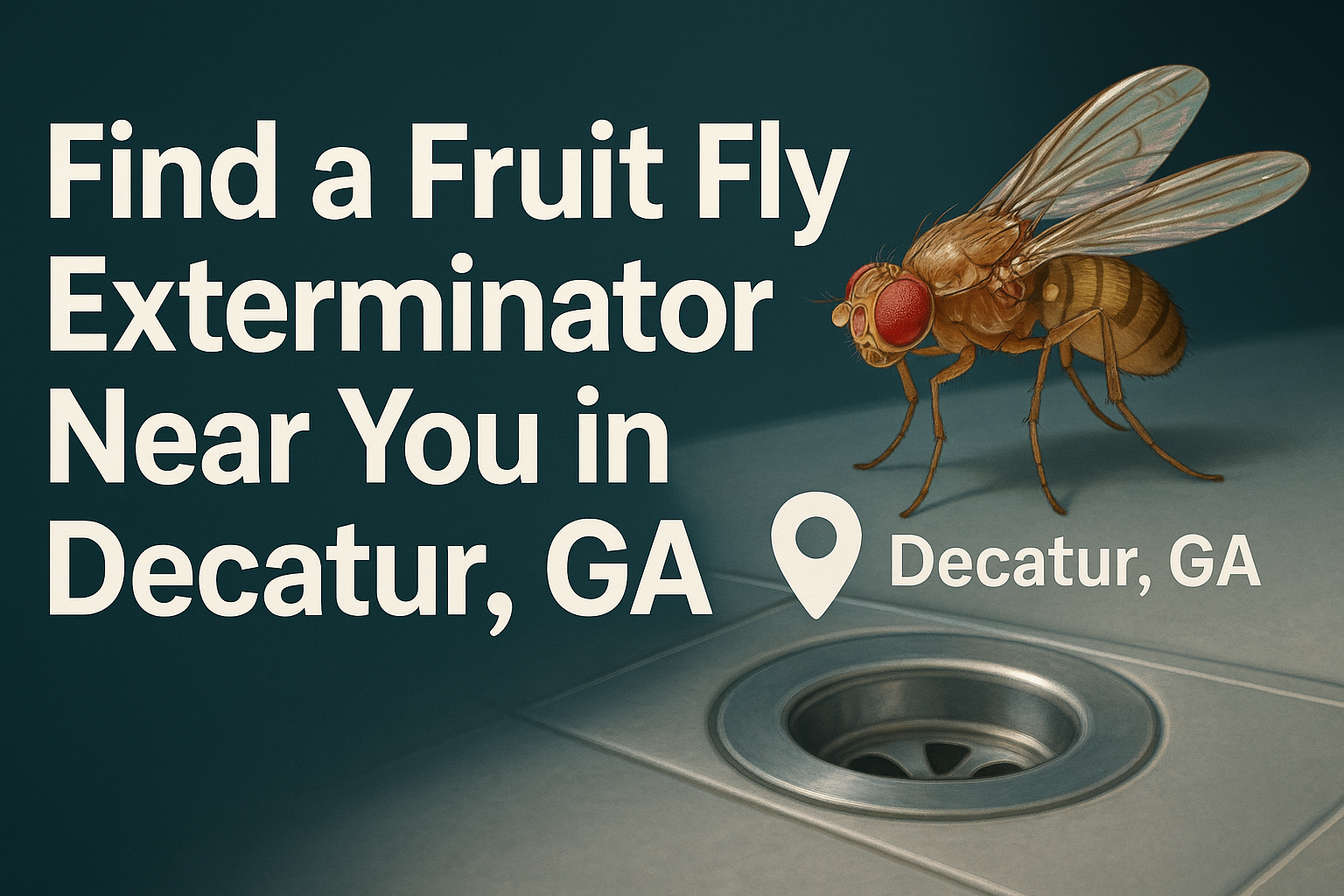
Find a Fruit Fly Exterminator Near You in Decatur, GA
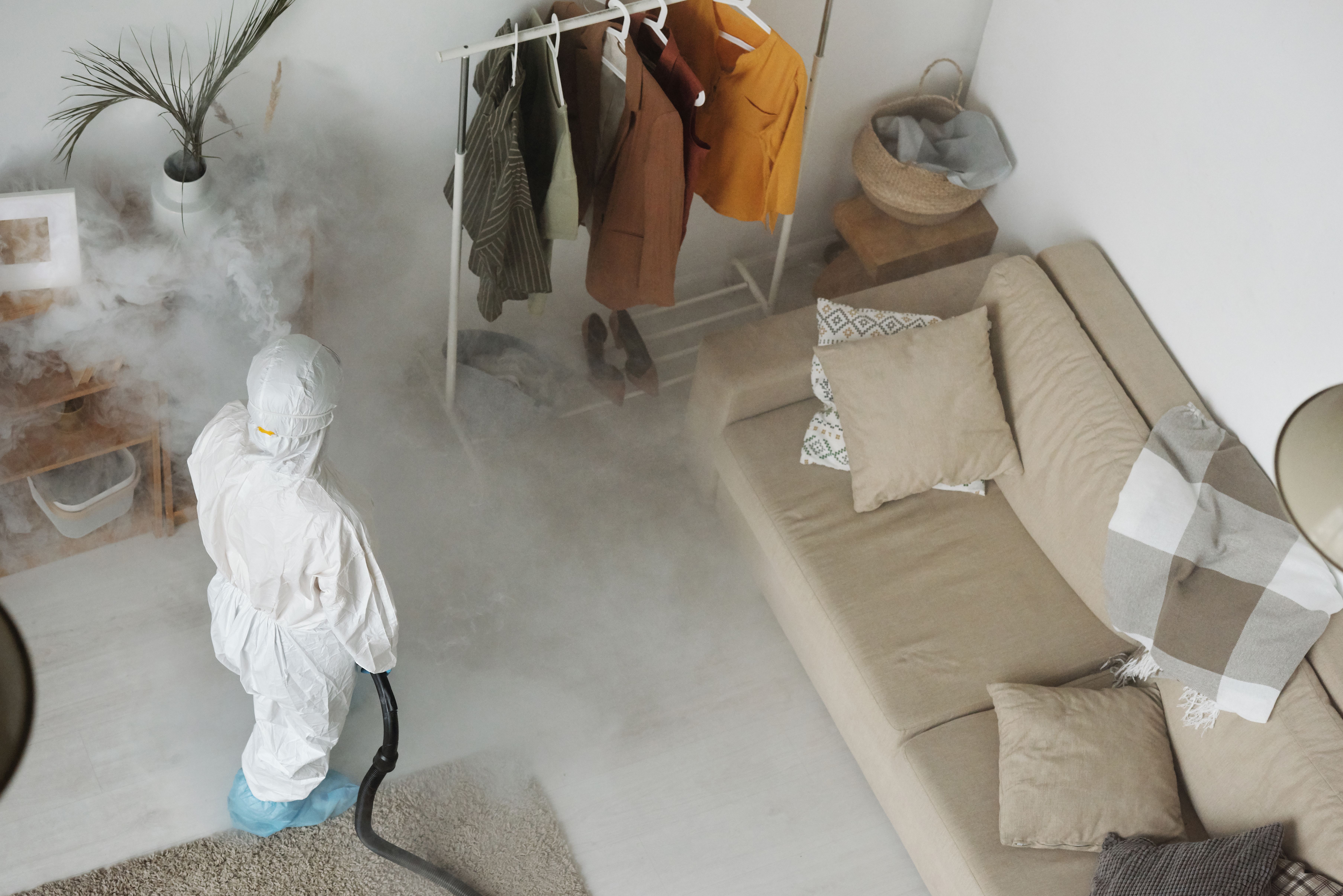
Fruit Fly Exterminator in Decatur services are often the fastest solution when tiny buzzing insects take over your kitchen. Picture this: you’re reaching for a ripe peach on the countertop and a relentless buzz greets you. That’s the unmistakable hum of fruit flies—and in Decatur’s warm, humid climate, they can quickly become an everyday nuisance inside your home.
This guide is your shortcut to finding a qualified fruit‑fly exterminator right here in Decatur, GA. We’ll walk you through the steps to locate trusted professionals, break down typical pricing structures, and share proven preventive measures so the next generation of flies never gets a foothold in your home.
Our recommendations are built on data from the EPA, CDC, and the National Pest Management Association (NPMA), combined with a curated list of local service providers who have demonstrated consistent results and transparent pricing. By relying on these verified sources, you can be confident that the advice you receive is both scientifically sound and locally relevant.
Here’s a quick preview of what’s coming up in the rest of the guide:
- How to Spot a Fruit Fly Infestation: Key signs that the pests have already set up shop.
- Choosing the Right Exterminator: What credentials, insurance, and customer reviews really mean.
- Understanding Service Costs: Typical fee ranges for inspection, treatment, and follow‑up visits in Decatur.
- Preventive Best Practices: Simple, low‑cost habits that keep fruit flies from returning.
- Local Success Stories: Real‑world examples of homeowners who reclaimed their kitchens.
Armed with this information, you’ll no longer feel stuck watching those tiny invaders dance around your fruit bowl. Instead, you’ll have a clear action plan, a shortlist of vetted exterminators, and the knowledge to protect your home year‑round.
What Makes Fruit Flies a Decatur Problem?
Fruit flies may seem harmless, but their biology and Decatur’s climate turn them into a fast‑growing household nuisance. Understanding how they develop and why local conditions favor them helps you see why a professional exterminator is often the quickest route to relief.
Rapid Life‑Cycle
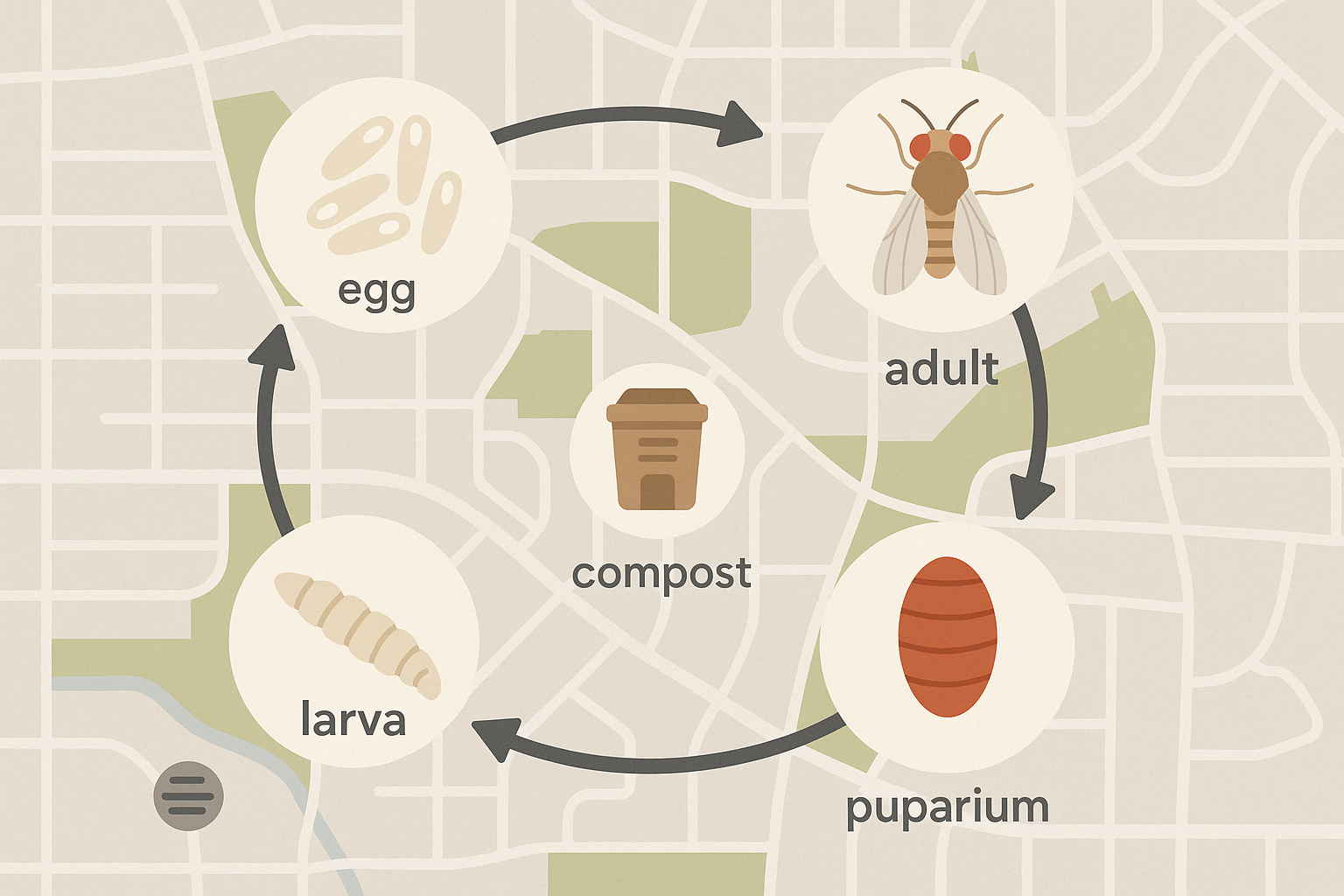
The fruit fly’s life‑cycle is a four‑stage sprint: egg → larva → puparium → adult. Under ideal conditions the entire cycle finishes in just 7–10 days. That means a single generation can appear, reproduce, and disappear before you even notice the first adult buzzing around the kitchen.
Prolific Reproduction
According to the CDC fact sheet, a single female can lay up to 500 eggs during her short lifespan. Those eggs hatch in 24–30 hours, and each new adult can start laying eggs of its own within a week. In a matter of weeks, a modest infestation can explode into hundreds of flies.
Typical Breeding Hotspots
- Overripe or fermenting fruit left on countertops or in fruit bowls.
- Kitchen drains and garbage disposals where organic debris accumulates.
- Compost bins and outdoor trash cans that stay damp and warm.
These sites provide the sugary, moist environment fruit‑fly larvae need to thrive. Even a tiny piece of fruit forgotten in a drawer can become a breeding ground.
Decatur’s Climate Accelerates Growth
The National Weather Service reports that Decatur averages 71 % humidity with summer temperatures hovering around 85 °F (29 °C). Warm, humid air shortens the development time from egg to adult, allowing multiple generations to overlap. In other words, the city’s weather acts like a natural incubator for fruit flies.
Real‑World Example
Take the case of a Decatur homeowner, “Maria,” who noticed swarms hovering near her kitchen sink. After a brief inspection, a pest professional discovered that a partially sealed trash bag in her under‑sink cabinet was the culprit. The bag’s moisture and discarded fruit scraps created the perfect puparium chamber. Within days, the flies multiplied, spilling over onto countertops and even into the living room.
Why Professional Intervention Matters
Because fruit flies reproduce so quickly, DIY measures often only address the visible adults, leaving hidden eggs and larvae untouched. A professional exterminator can:
- Identify and eliminate all breeding sites, including hard‑to‑reach drains.
- Apply targeted, low‑toxicity treatments that break the life‑cycle at the larval stage.
- Provide preventive recommendations to keep humidity and food residues under control.
Without swift, thorough action, the infestation can rebound faster than you can clean a countertop.
Why Fruit Flies Matter Beyond Annoyance
When a fruit fly lands on your kitchen counter it feels like a minor nuisance, but the tiny insect can spread serious health threats. Fruit flies breed in sugary residues from fruit, vegetables, and damp garbage, creating a perfect medium for bacteria such as E. coli and Salmonella. The CDC warns that fruit flies can mechanically transfer these pathogens from contaminated surfaces to fresh foods, raising the risk of food‑borne illness for every household member.
The EPA’s guidance on food‑borne pathogens stresses that sanitation is the first line of defense. Wiping counters, sealing produce, and eliminating standing water aren’t just chores—they break the cycle that lets fruit flies move bacteria through your pantry and refrigerator.
For food‑service operators the stakes are higher. A 2022 NPMA survey found that 22 % of restaurants report fruit‑fly sightings each year. In a commercial kitchen a single infestation can lead to:
- Cross‑contamination of prepared meals, jeopardizing customer health.
- Mandatory health‑department inspections and possible temporary closures.
- Damage to a restaurant’s reputation and a loss of revenue.
Even at home, fruit flies cause property damage. Spoiled produce is the most visible sign—ripe fruit and vegetables rot faster when flies lay eggs in them. That decay wastes money and forces more frequent cleaning, driving up utility bills and supply costs.
In short, fruit flies are more than a buzzing irritation. They carry harmful bacteria, create sanitation headaches for households and restaurants, and add hidden expenses. Recognizing these risks is the first step toward a professional solution that protects your family’s health and your property’s value.
Can You Handle Fruit Flies on Your Own?
Typical DIY tactics
When fruit flies appear, most homeowners reach for quick fixes. The most common do‑it‑yourself approaches include:
- Vinegar traps: A shallow dish filled with apple‑cider vinegar, a drop of dish soap, and a piece of plastic wrap with a pinhole.
- Bleach or enzymatic drain cleaners: Poured down kitchen or bathroom drains to dissolve organic buildup where larvae develop.
- Store‑bought aerosol sprays: Insecticides marketed for “flying insects” that promise instant knock‑down.
Why DIY often falls short
These home remedies can reduce the visible adult population, but they rarely eradicate the infestation. Traps only catch adult flies; they do nothing for eggs or larvae hidden in fermenting fruit, garbage disposals, or moist drain lines. Over‑the‑counter sprays may kill a few insects on contact, yet the chemicals seldom penetrate the biofilm that protects larvae, leading to repeated re‑infestations.
Another hidden risk is chemical resistance. Repeated use of the same pesticide formula can encourage fruit flies to develop tolerance, making future DIY attempts even less effective. Moreover, household cleaners can pose health hazards to children and pets if misused, and they don’t address the underlying sanitation issues that attract flies in the first place.
DIY vs. Professional: Quick Comparison
| Aspect | DIY Approach | Professional Service |
|---|---|---|
| Effectiveness | Captures adults only; limited reach to larvae and breeding sites. | Targets adults, eggs, and larvae; treats drains, garbage disposals, and hidden niches. |
| Cost | Low upfront cost (under $20 for traps and cleaners). | Higher initial expense ($150‑$300 typical), but includes follow‑up and warranty. |
| Time Required | Hours of set‑up, monitoring, and repeated applications. | One‑time professional visit (30‑45 minutes) with fast results; minimal homeowner effort. |
Integrated Pest Management (IPM) – The Professional Edge
EPA‑endorsed Integrated Pest Management (IPM) is a science‑based framework that combines prevention, monitoring, and targeted treatment. A certified technician starts with a thorough inspection to locate breeding hotspots—often hidden in drains, over‑ripe produce, or compost bins. Then, they apply a mix of low‑toxicity baits, microbial larvicides, and, when necessary, spot‑treatments that are safe for families and pets.
IPM also emphasizes long‑term prevention: sealing entry points, improving kitchen sanitation, and advising homeowners on proper waste disposal. By addressing the root cause rather than just the symptoms, professionals achieve lasting control while minimizing chemical exposure. If you’ve tried the usual home tricks and the flies keep returning, an IPM‑driven service from Anthem Pest Control offers the most reliable path to a fruit‑fly‑free home.
Why Anthem Pest Stands Out in Decatur
Rapid‑Response Model and Treatment Approach
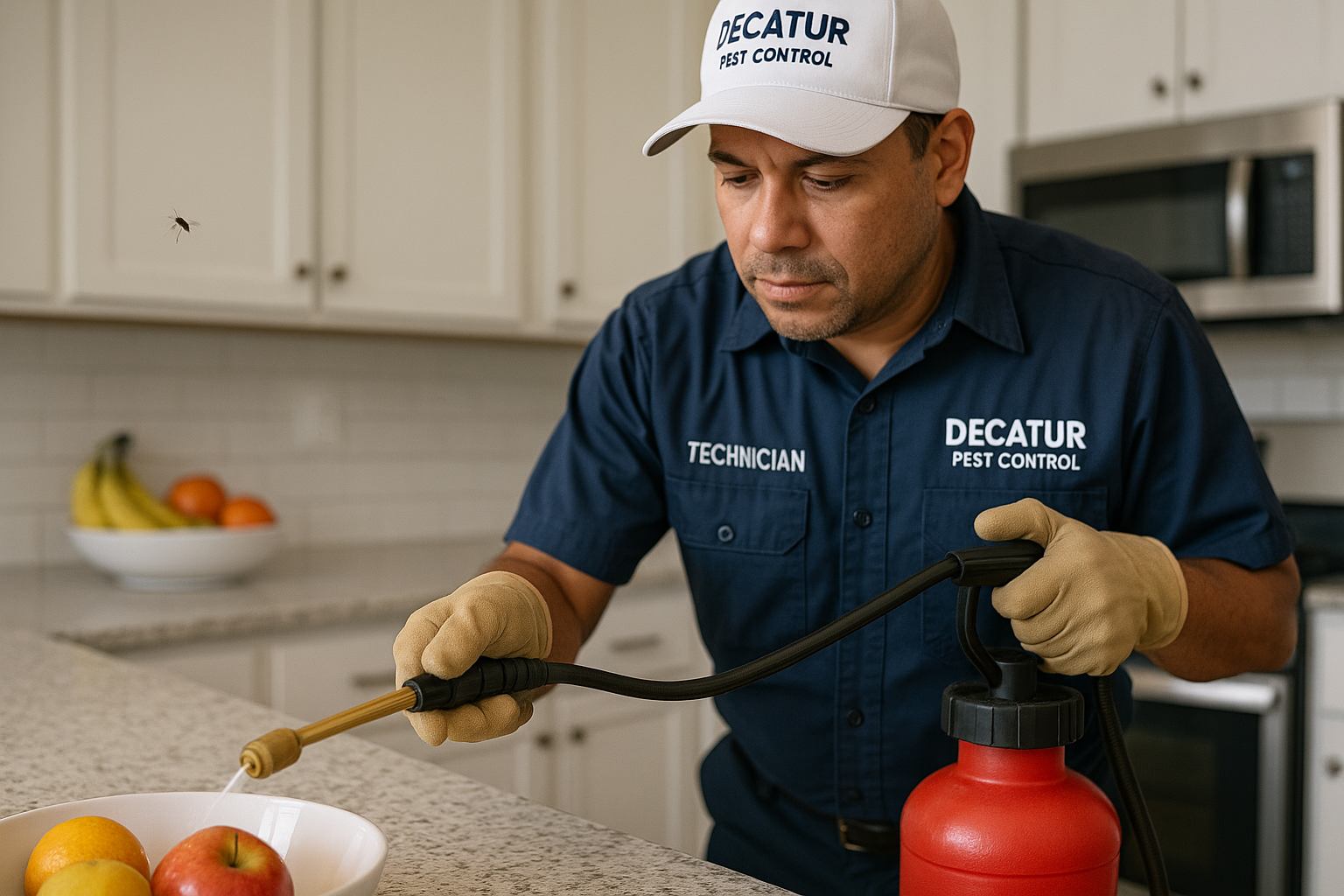
Anthem Pest’s rapid‑response model is built around getting to a Decatur home within hours of a call, not days. Technicians arrive equipped with a checklist that starts with a thorough sanitation inspection—identifying food sources, standing water, and clutter that attract fruit flies. After the inspection, they apply a targeted residual spray that continues to kill on contact for weeks, then schedule a follow‑up visit to verify that the population is down and to treat any hidden breeding sites. This three‑step cycle—clean‑up, residual application, and post‑treatment check—keeps the fly cycle broken before it can rebound.
Transparent Pricing for Homeowners
For residential customers, Anthem publishes a clear price band for fruit‑fly eradication: $76 for a basic single‑treatment package, $150 for a two‑visit plan that includes a deep‑cleaning service, $250 for a comprehensive quarterly program, and up to $355 for the premium “All‑Season Shield” that adds monthly monitoring and a guarantee of fly‑free living spaces. All figures are pulled from the 2024 rate sheet on Anthem’s website, so homeowners know exactly what they’re paying before any work begins.
Commercial Services
Business owners in Decatur receive a customized quote because commercial properties vary widely in size, layout, and infestation level. Anthem’s field specialists conduct an on‑site assessment, then provide a written estimate that factors in the number of treatment zones, required follow‑ups, and any special safety protocols for food‑service or healthcare facilities. This flexibility ensures that a restaurant kitchen, a retail store, or an office building gets the right amount of coverage without overpaying for unnecessary services.
“I called Anthem after discovering fruit flies buzzing around my kitchen sink. Within two hours a technician was at my door, explained the source, and sprayed a low‑odor solution. By the next morning the flies were gone, and the follow‑up visit confirmed the problem was solved. I’ve never seen a pest company act so quickly and professionally.” — Maria L., Decatur homeowner
EPA‑Approved IPM Practices and Low‑Toxicity Products
What truly separates Anthem from discount competitors is its commitment to EPA‑approved Integrated Pest Management (IPM). Instead of relying solely on broad‑spectrum chemicals, the company starts with non‑chemical controls—tightening screens, fixing leaks, and removing overripe fruit. When chemicals are needed, Anthem selects low‑toxicity, fast‑acting agents that are safe for children, pets, and the surrounding environment. All products carry EPA registration, and technicians are trained to apply the minimum effective dose, reducing residue buildup while still delivering a decisive kill.
Local Expertise You Can Trust
Anthem’s technicians are local to Decatur, meaning they know the neighborhood’s housing stock, common entry points, and seasonal fruit‑fly spikes. Their familiarity allows them to spot hidden breeding spots that out‑of‑area crews often miss, delivering faster results and fewer repeat visits.
Alternative Options in the 30030‑30035 ZIP Area
Smart Solutions Pest Control
Smart Solutions specializes in drain gels that target fruit‑fly larvae where they breed. Their preventive maintenance program includes quarterly inspections of kitchen sinks, garbage disposals, and floor drains, helping homeowners stay ahead of infestations before they become visible.
- Phone: (404) 555‑0123
- Website: smartsolutionspest.com
- ZIP‑code coverage: 30030, 30031, 30032, 30033, 30034, 30035
Orkin – A.I.M. (Advanced Integrated Management) Program
Orkin’s A.I.M. program blends monitoring, targeted treatments, and homeowner education. For fruit flies, they place discreet bait stations and use low‑toxicity sprays in high‑risk zones, while the monitoring component alerts the team to any resurgence, ensuring a long‑term solution.
- Phone: (770) 555‑0198
- Website: orkin.com
- ZIP‑code coverage: 30030‑30035 (entire Decatur area)
Arrow Exterminators
Arrow focuses on residential fly control, offering a “Fly‑Free Home” package that combines indoor fogging with exterior barrier treatments. Their technicians are trained to locate hidden breeding sites, such as over‑ripe fruit or damp organic debris, and eliminate them swiftly.
- Phone: (678) 555‑0745
- Website: arrowexterminators.com
- ZIP‑code coverage: 30030, 30031, 30033, 30034
Mosquito Squad Greater Atlanta
Although best known for mosquito control, Mosquito Squad also offers comprehensive fruit‑fly treatments as part of its broader pest‑service menu. Their “All‑Season Shield” includes indoor sprays, outdoor perimeter barriers, and a follow‑up visit to verify that the flies are gone.
- Phone: (404) 555‑0820
- Website: mosquitosquad.com/greater-atlanta
- ZIP‑code coverage: 30030‑30035, plus neighboring suburbs
Understanding Your Bill
When you call a pest‑control professional, the invoice can look like a mystery at first glance. Most reputable companies, including Anthem Pest Control, break the total into a few predictable line items: an inspection fee that covers the technician’s travel time and initial assessment; the first‑treatment application, which is the core service where the product is applied to the infested area; any residual products left behind to keep fruit flies from returning; and finally, follow‑up visits that confirm the problem is solved and address any lingering activity.
Typical Price Ranges
| Service Type | Residential (per visit) | Commercial (per visit) |
|---|---|---|
| Inspection fee | $45‑$70 | $80‑$120 |
| First‑treatment application | $150‑$250 | $300‑$450 |
| Residual product (monthly) | $30‑$60 | $70‑$110 |
| Follow‑up visit | $40‑$65 | $90‑$130 |
These figures pull from Anthem’s internal pricing model and the EPA’s Consumer Guide to Pest Management. Residential homes typically pay less because the square footage and treatment zones are smaller, while commercial properties require broader coverage and more frequent monitoring.
Insurance and Licensing Fees
Georgia law requires pest‑control operators to hold a state license, and the licensing fee (around $25‑$40 annually) is usually rolled into the service charge. Some homeowners’ insurance policies will cover part of the cost if the infestation is linked to a covered peril, such as water damage that attracted fruit flies. Ask your insurer for the exact terms before signing a contract.
Tips for Evaluating Quotes
- Ask for a detailed, itemized estimate—vague “total cost” numbers often hide extra fees.
- Confirm whether the quoted price includes the residual product and any scheduled follow‑ups.
- Beware of “low‑ball” offers that omit the inspection fee or charge for each additional visit.
- Check that the company lists its Georgia licensing number and that the technician is certified.
- Request a written guarantee that outlines what happens if fruit flies return within the warranty period.
Keep Fruit Flies Out for Good
Fruit flies thrive on easy access to moist, fermenting food. By removing those attractions you turn your home into a hostile environment. Follow this concise checklist to keep flies out for good.
The key is consistency; even a single uncovered banana can reignite an infestation. Each action in the list tackles a specific entry point that fruit flies exploit.
Prevention Checklist
- Store produce in sealed containers. Transfer fresh fruit, vegetables, and cut‑up produce into airtight jars or resealable bags. This blocks the scent trail that attracts adult flies and eliminates hidden breeding spots inside a bowl.
- Clean drains weekly with enzymatic cleaners. Pour an EPA‑approved enzymatic drain cleaner down kitchen and bathroom sinks each week, then flush with hot water. The enzymes break down organic buildup, removing the slime film where larvae thrive.
- Take out trash nightly and use sealed bins. Empty kitchen trash before it sits for more than 12 hours, and keep the outside bin equipped with a tight‑fitting lid. A sealed trash system prevents flies from laying eggs on food residues.
- Compost only in sealed containers. If you compost fruit scraps, use a compost tumbler or a bin with a snap‑tight lid. This keeps the sugary waste contained and stops flies from turning your backyard compost into a nursery.
- Schedule regular professional inspections. A qualified technician can spot hidden hotspots—like behind appliances or in crawl spaces—that are easy to miss. Routine visits also ensure any residual populations are treated before they rebound.
Combine these habits with proper kitchen ventilation and prompt spill cleanup, and you’ll deny flies the humid micro‑climates they need to breed.
The EPA’s sanitation recommendations for indoor pests stress that eliminating food and moisture sources is the cornerstone of long‑term control. By consistently applying the steps above, you remove the primary attractants and make your home an inhospitable environment for fruit flies.
Remember to inspect fruit bowls daily and discard any overripe items. A quick wipe of countertops with a mild disinfectant removes residual sugars that can lure flies back.
Even with diligent DIY practices, a professional inspection adds peace of mind. Anthem Pest Control provides affordable, locally‑focused services that follow EPA‑approved protocols, ensuring safe, effective barriers against reinfestation. Call 877‑371‑8196 or visit anthempest.com to schedule your next visit. Our team also offers a seasonal fruit‑fly monitoring program to catch early activity before it becomes a problem.
Questions to Ask Before Signing a Contract
Choosing the right fruit‑fly exterminator in Decatur isn’t just about price—it’s about confidence that the job will be done safely, legally, and on your schedule. Before you sign any agreement, run through the checklist below to protect your home and your wallet.
Key questions to pose
- Is the company licensed? Verify the pest‑control license with the Georgia Department of Agriculture. A valid license proves the technician has met state training standards and can legally apply pesticides.
- What guarantee or warranty is offered? Ask how long the guarantee lasts and what it covers. A clear, written warranty (typically 30‑90 days) shows the provider stands behind their work.
- Which chemicals will be used? Distinguish between restricted‑use pesticides and low‑toxicity alternatives. Homeowners often prefer products that are effective yet pose minimal risk to children, pets, and the environment.
- How quickly can you expect service? Inquire about standard response times, weekend availability, and emergency call‑out fees. Prompt action is crucial when fruit flies multiply rapidly.
- Can you provide references or recent reviews? Request at least two recent homeowner references and check online review platforms. Consistent positive feedback signals reliability.
Decision‑matrix snapshot
| Criteria | What to Verify | Ideal Answer |
|---|---|---|
| License | Georgia Dept. of Agriculture registration | Active, verifiable license number |
| Guarantee | Length & coverage of warranty | 30‑90 days, includes re‑treatment |
| Chemicals | Restricted‑use vs. low‑toxicity | Low‑toxicity preferred, disclosed list |
| Response time | Standard & emergency availability | 24‑hour response, 24/7 emergencies |
| Reviews | Customer references & online ratings | 4.5 ★+ on major sites |
Frequently Asked Questions
How long does a fruit‑fly treatment last?
Our standard fruit‑fly treatment is designed to keep the nuisance at bay for about four to six weeks. The formulation we apply leaves a thin residual barrier on surfaces where adult flies land, interrupting their breeding cycle and preventing new adults from emerging. In most homes, a single application covers the typical summer peak and eliminates the need for re‑treatment until the residual effect begins to fade. If you notice a resurgence before the six‑week mark, give us a call for a quick reassessment.
Can fruit flies return after treatment?
Fruit flies can make a comeback if the underlying attractants aren’t removed. Even the most effective spray won’t stop a fresh source of fermenting fruit, damp garbage, or standing water from drawing new insects. That’s why we always pair chemical work with a sanitation checklist: discard overripe produce, keep drains clean, and store trash in sealed containers. If an infestation persists despite your best efforts, we offer a follow‑up visit at no extra charge within the first two weeks to reinforce the barrier.
Are the chemicals safe for pets and children?
Safety is a top priority for Anthem Pest Control. All of our fruit‑fly products carry an EPA toxicity rating of “low” or “moderate,” meaning they pose minimal risk when used according to label directions. We apply the chemicals in a targeted manner, avoiding direct contact with food preparation areas and keeping pets and children out of treated zones until the spray dries—usually within 30 minutes. Our low‑risk lineup also includes botanical options for homeowners who prefer an even greener solution.
Take Action to Protect Your Home Today
Here’s a quick checklist to keep your home fruit‑fly free:
- Locate a licensed local exterminator familiar with Decatur.
- Understand pricing so you can budget for treatment and prevention.
- Implement daily steps—clean drains, cover food, and manage waste.
Now that you know what to look for, reach out to Anthem Pest or any of the providers listed in this guide for a free, no‑obligation quote.
Consistent maintenance is the key. Empty trash daily, keep compost sealed, and wipe down sink drains weekly with boiling water.
When you choose Anthem Pest, you’ll receive a customized action plan, a clear written estimate, and a follow‑up visit to ensure the treatment worked. They use low‑impact chemicals and integrated pest‑management techniques, so your home stays safe while the fruit flies disappear.
Ready to act? Call 877‑371‑8196 today or visit Anthem Pest Control for your complimentary estimate.