Recognizing House Flies in Your Home
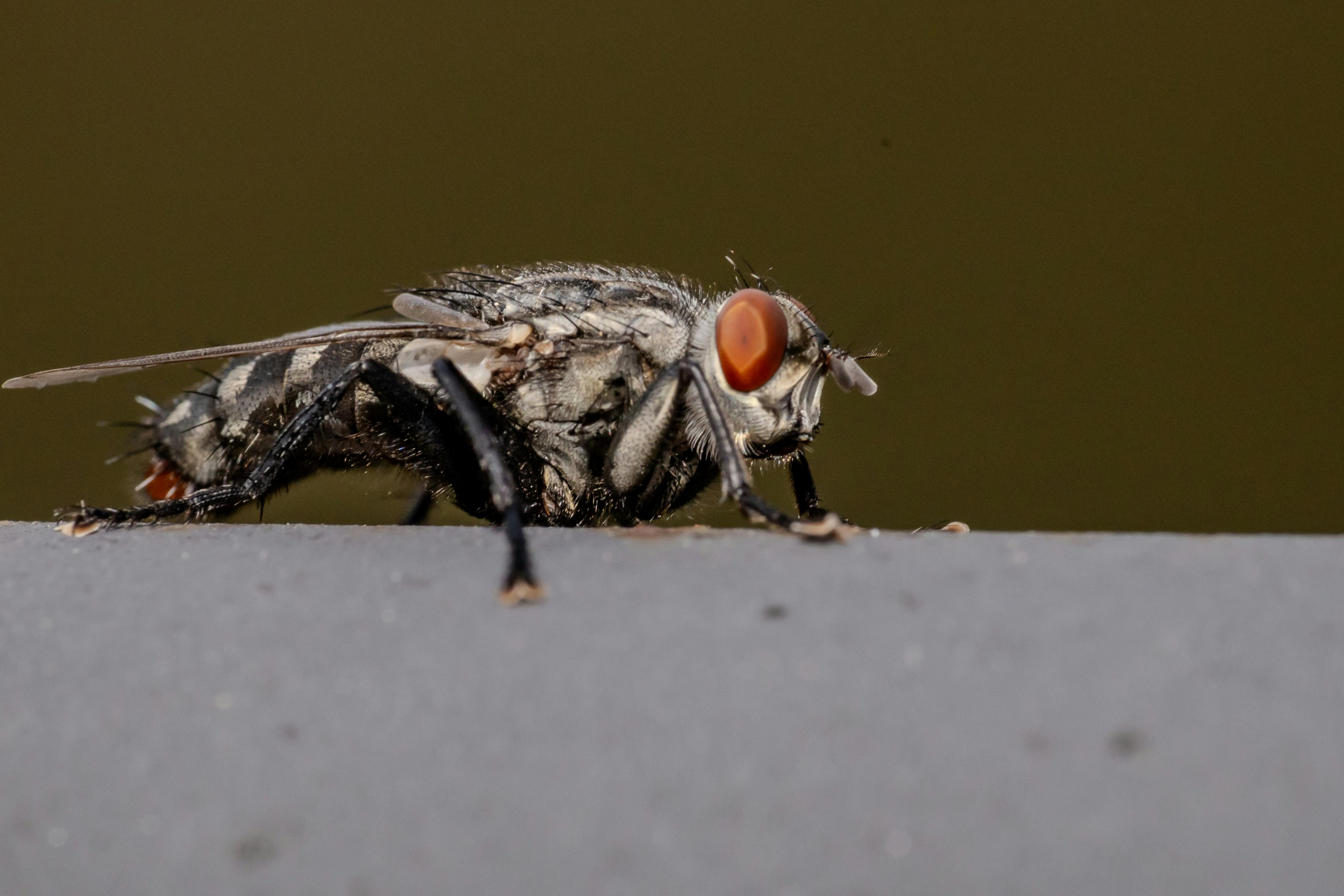
House flies (Musca domestica) are the most familiar airborne nuisance in most American homes. An adult typically measures 6–7 mm in length—about the size of a grain of rice—and sports a dull gray‑black body with four distinct dark stripes on the thorax. Their wings are transparent with a faint vein pattern, and they have short, bristly hairs covering the eyes and legs, giving them a slightly fuzzy appearance.
Where You’re Likely to Spot Them
Flies gravitate toward food, moisture, and warm surfaces. In a typical household you’ll find them:
- Hovering over kitchen countertops, especially near uncovered dishes or sugary spills.
- Gathered around garbage cans, compost bins, or pet food dishes.
- Perched on open windows and doors, attracted by sunlight and the promise of an exit.
Behavioral Clues That Signal a Growing Problem
A single fly is an annoyance; a swarm is a warning. Keep an eye out for these patterns:
- Constant buzzing that follows you from room to room.
- Frequent landings on food, plates, or even on your hands while you’re cooking.
- Clusters forming near bright light sources—especially fluorescent fixtures or sunlight streaming through windows.
Early Warning Signs You Shouldn’t Ignore
Before the infestation becomes obvious, subtle indicators appear:
- Small, white, C‑shaped larvae (maggots) in kitchen trash or under the rim of a garbage bag.
- Fine specks of fly droppings—tiny black dots—on walls, cabinets, or pantry shelves.
- Sudden spikes in fly activity right after meals, indicating they’re exploiting food residues.
How to Tell House Flies Apart from Other Flying Pests
Not every winged intruder is a house fly. Here’s a quick comparison:
| Feature | House Fly | Fruit Fly | Cluster Fly |
|---|---|---|---|
| Size | 6–7 mm | 2–4 mm | 7–9 mm |
| Body Color | Gray‑black with four thorax stripes | Tan to brown, no stripes | Darker, often with a mottled pattern |
| Preferred Habitat | Kitchens, waste areas, windows | Fruit, fermenting liquids | Attic spaces, walls; enters in fall |
| Flight Pattern | Quick, erratic, often returns to same spot | Slow, hovering near food sources | Slow, sluggish; often lands in groups |
By matching these visual and behavioral cues, you can confirm whether you’re dealing with a house fly problem. Early identification lets you act fast—whether that means tightening food storage, improving sanitation, or calling Anthem Pest Control for a professional solution.
Health Risks and Why Prompt Control Matters
House flies as disease vectors
Although they seem harmless, house flies (Musca domestica) are efficient carriers of bacteria and parasites that cause food‑borne illness. Common culprits include Salmonella, Escherichia coli, and the parasites responsible for dysentery. When a fly lands on contaminated material, it picks up millions of microorganisms on its legs, body hairs, and even inside its digestive tract.
How flies pick up pathogens
Flies are attracted to waste, animal feces, rotting fruit, and any decaying organic matter. As they feed, they regurgitate digestive enzymes onto the surface, then re‑ingest the material, effectively loading themselves with pathogens. The insects then hop onto clean surfaces, spreading the microscopic load with every step. Because they can travel up to 20 miles in a single day, a fly that lands on a dumpster outside can quickly become a contaminant inside your pantry.
Typical transmission routes in the home
In a kitchen, a single fly can contaminate:
- Prepared foods left uncovered
- Cutting boards and countertops
- Utensils, plates, and drinking glasses
- Pet food bowls and water dishes
Because flies move quickly and frequently, the contamination can happen in seconds, turning a safe meal into a health hazard before you even notice their presence.
Vulnerable populations at greater risk
Children, the elderly, and anyone with a weakened immune system are especially susceptible. Their bodies are less able to fight off infections, so exposure to Salmonella or E. coli can lead to severe gastrointestinal distress, dehydration, and, in extreme cases, hospitalization. A single bite‑size piece of fruit touched by a fly can trigger an outbreak that spreads throughout the household.
Economic impact of fly‑related problems
Beyond health, flies drive up costs in two major ways. First, contaminated food often must be discarded, leading to waste and grocery expenses. Second, the extra cleaning required to sanitize surfaces after an infestation adds labor time and, if professional services are called, additional fees. For a typical family, these hidden costs can total hundreds of dollars each year. In commercial kitchens, a fly infestation can trigger health‑department violations, leading to temporary shutdowns and lost revenue.
Why swift action matters
The longer flies remain unchecked, the more opportunities they have to multiply and spread pathogens. Prompt control—whether through traps, exclusion techniques, or professional treatment—breaks the cycle before it escalates into illness or costly spoilage. Acting quickly also reduces the nuisance factor, keeping your home comfortable and your family safe.
DIY Prevention and Control Strategies
Sanitation Basics
Flies are attracted to anything that smells like a buffet. Keep your kitchen and outdoor dining areas free of food debris by disposing of waste promptly, sealing trash cans with tight‑fit lids, and giving garbage bins a quick rinse with soap and water each week. A clean bin is the first line of defense.
Food Safety Tips
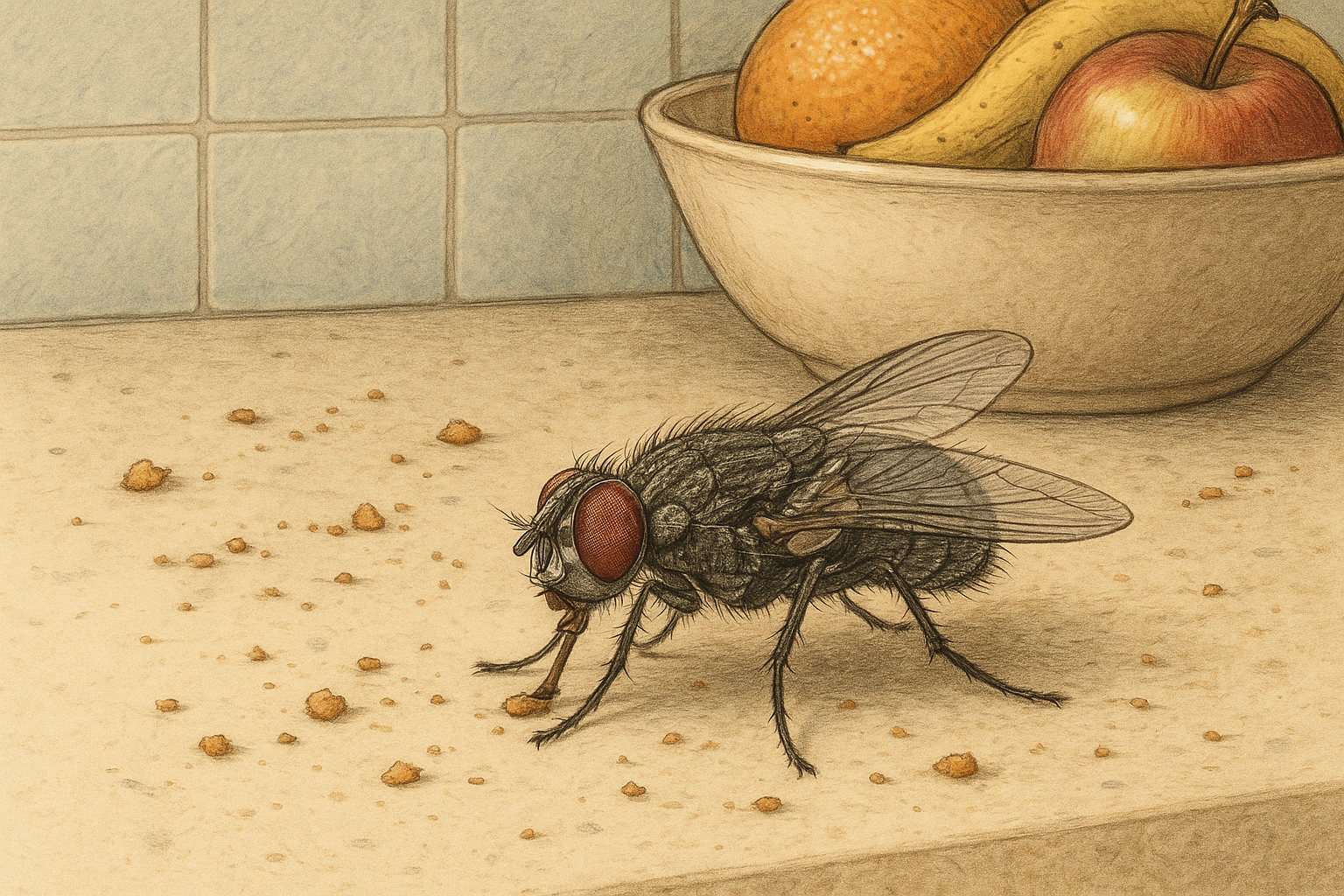
Store pantry staples, cereals, and snacks in airtight containers made of glass or heavy‑wall plastic. Sweep crumbs from countertops and floors immediately after meals, and always cover dishes when they sit out. Even a small pile of sugar can turn your pantry into a fly hotspot.
Exclusion Techniques
Flies slip through the tiniest openings. Inspect every window and door for damaged screens and replace or repair them without delay. Use caulk or weatherstripping to seal cracks around baseboards, utility openings, and vent pipes. A sealed home forces flies to look elsewhere for entry.
Environmental Management
Standing water is a breeding ground not only for mosquitoes but also for flies that need moisture to lay eggs. Empty pet water dishes nightly, clean up pet waste promptly, and keep feeding stations on a mat that can be washed. Regularly wipe down outdoor grills and patio furniture to remove residue.
Natural Deterrents
Essential oils such as peppermint, eucalyptus, and lavender repel flies when diffused or applied to cotton balls placed near entry points. For a low‑cost trap, fill a shallow bowl with equal parts apple cider vinegar and sugar, cover it with plastic wrap, and poke a few tiny holes—flies are drawn in but can’t escape.
Over‑the‑Counter Options
When the infestation spikes, commercial fly sprays, sticky ribbons, and electric zappers can provide rapid relief. Use sprays outdoors or in well‑ventilated areas, following label directions and keeping children and pets away. Sticky ribbons work best on windows and door frames, while zappers should be positioned away from food prep zones to avoid contaminating surfaces.
When DIY Isn’t Enough
Even the best home‑grown tactics have limits. If you notice persistent fly swarms despite regular cleaning, larvae in drains, or flies breeding in hidden wall voids, it’s a sign that professional inspection is needed. Anthem Pest Control can locate hidden breeding sites, apply targeted treatments, and set up a long‑term prevention plan that safeguards your home year‑round.
Professional Fly Treatment Options and What to Expect
Why Choose a Licensed Exterminator?
Licensed pest‑control technicians have completed state‑mandated training, passed rigorous exams, and maintain continuing‑education credits. This background ensures they understand fly biology, resistance patterns, and the safest application methods. When you hire a certified professional, you’re guaranteed that the chemicals used are EPA‑approved, that treatment plans comply with local regulations, and that any warranty is backed by a qualified expert.
Core Professional Treatment Methods
- Residual indoor sprays: Long‑lasting chemicals applied to walls, ceilings, and baseboards that keep flies from landing and reproducing for weeks.
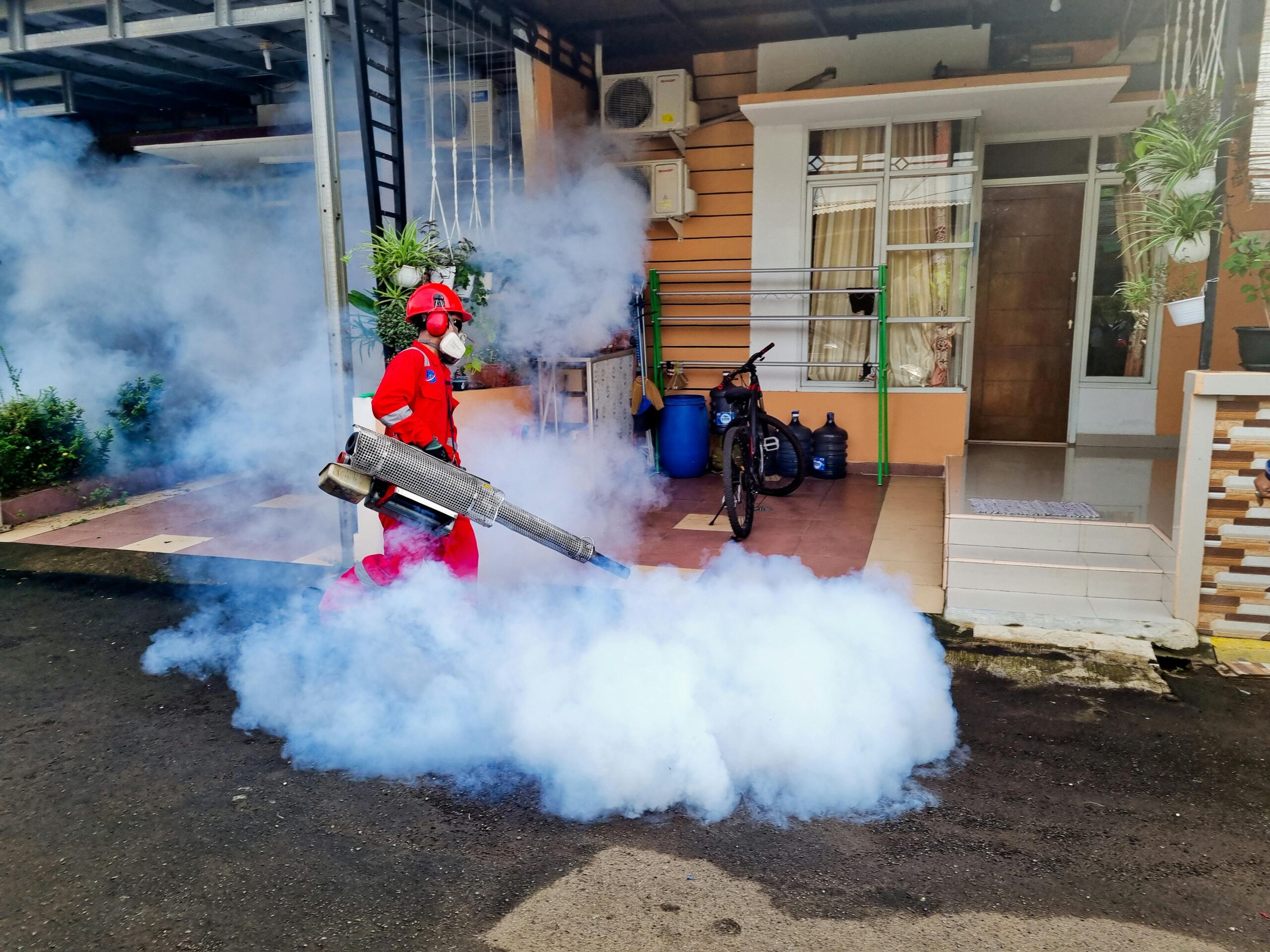
- Fogging: A fine mist that reaches cracks and crevices, delivering rapid knock‑down in heavily infested rooms.
- Bait stations: Enclosed containers with attractants and slow‑acting toxins; flies ingest the bait and die away from your living spaces.
- UV light traps: Electrified grids that lure flies with ultraviolet light, providing a non‑chemical, continuous capture solution for kitchens and porches.
Gentle Solutions for Historic and Delicate Homes
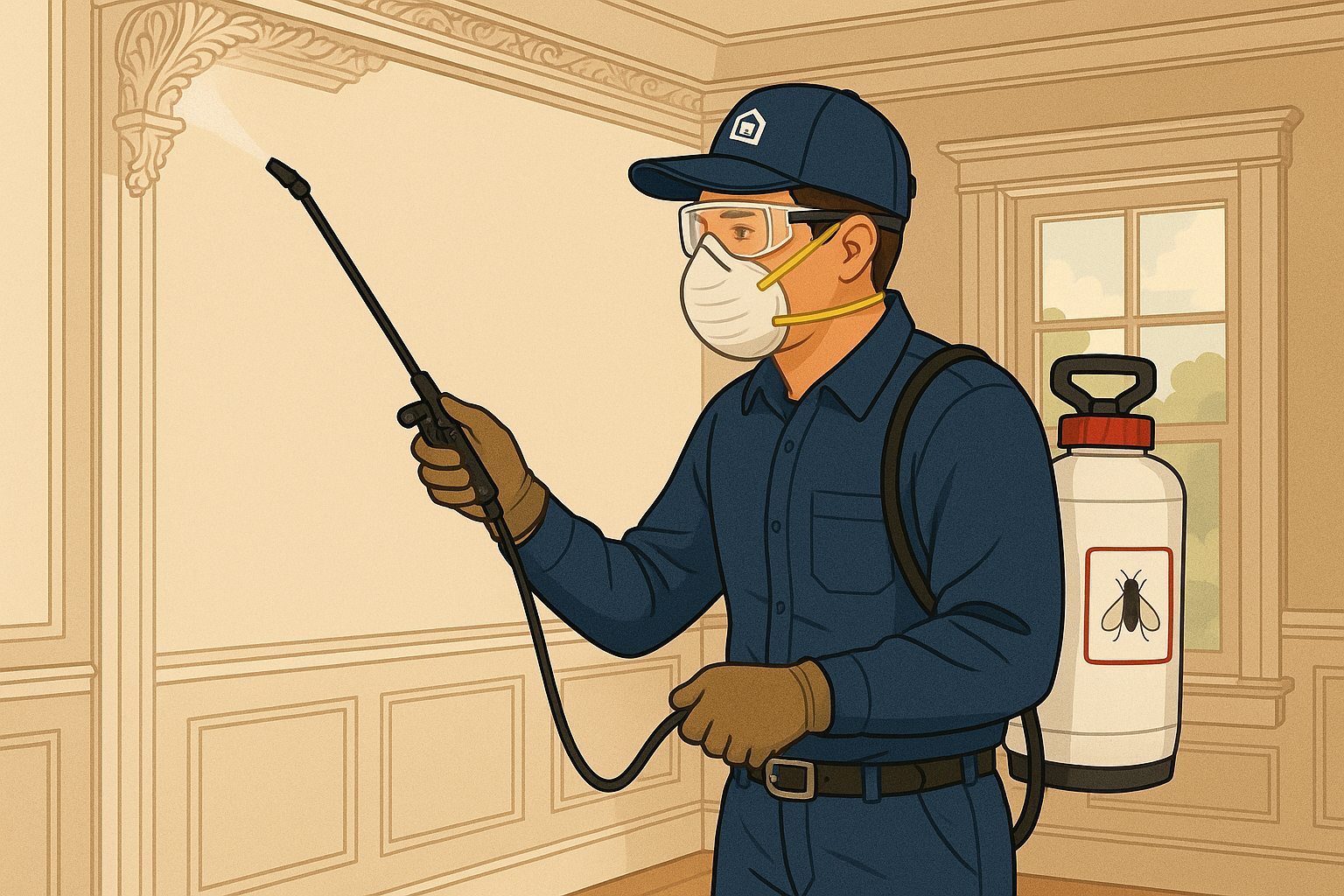
Older homes often feature plaster walls, original woodwork, or delicate finishes that can react poorly to strong odors or high‑toxicity sprays. Professionals can switch to low‑odor, low‑toxicity formulations—such as botanical‑based residuals or micro‑encapsulated aerosols—that protect both the structure and the occupants while still delivering effective fly control.
Safety First: Protocols You’ll See on the Job
Every technician arrives in full personal protective equipment (PPE), including gloves, goggles, and respirators when needed. Products are clearly labeled with active ingredients, concentration, and re‑entry intervals. Technicians also advise on proper ventilation—opening windows or using fans—to ensure any residual vapors dissipate quickly, keeping families and pets safe.
What a Service Visit Looks Like
- Inspection: The technician conducts a thorough walk‑through, identifying breeding sites, entry points, and any structural concerns.
- Customized treatment plan: Based on the inspection, a written plan outlines the chosen methods, product brands, and application locations.
- Application: Targeted sprays, fogging, or trap placement are performed with precision, respecting homeowner preferences (e.g., low‑odor zones).
- Follow‑up visits: Most plans include one or two return appointments to assess effectiveness and apply booster treatments if needed.
- Warranty details: A clear guarantee explains what is covered, the duration, and any conditions for re‑treatment.
Pricing Transparency
| Home Size | Infestation Severity | Estimated Cost (USD) |
|---|---|---|
| Up to 1,500 sq ft | Low | $150 – $250 |
| 1,500 – 3,000 sq ft | Moderate | $250 – $400 |
| Over 3,000 sq ft | High | $400 – $650 |
Factors that shift the price include the number of treatment zones, the need for specialized low‑toxicity products, and any required structural repairs to seal entry points.
Anthem Pest Control’s Tailored Approach
Anthem Pest Control evaluates each property’s age, construction style, and occupant sensitivities before recommending a solution. For historic homes, we prioritize low‑odor, low‑toxicity sprays and discreet UV traps that blend with period décor. Modern residences benefit from rapid‑action fogging combined with strategically placed bait stations for maximum coverage. Every plan comes with a written estimate, clear re‑entry times, and a satisfaction warranty, so homeowners know exactly what to expect.
Secure a Fly‑Free Home with Anthem Pest Control
Over the past sections we’ve walked through how to spot a fly infestation, the health risks these buzzing intruders pose, simple DIY steps to keep them at bay, and why professional treatment often delivers the fastest, most lasting results. Those fundamentals set the stage for a decisive next move: partnering with a trusted expert who can seal every entry point and eradicate the problem for good.
Why Anthem Pest Control is the Smart Choice
Anthem’s technicians bring years of experience to every home, whether you live in a suburban ranch, a downtown condo, or a sprawling farmhouse. Our approach blends safe, EPA‑approved products with targeted application techniques that protect your family, pets, and the environment while delivering a swift knock‑down of flies at all life stages.
Transparent Pricing & Guarantees
- Clear, upfront quotes – no hidden fees, just a straightforward cost for the exact service you need.
- 100% satisfaction guarantee – if flies return within the treatment window, we’ll re‑treat at no extra charge.
- Nationwide coverage – our network spans every state, so you get the same high‑quality service whether you’re in Texas or Maine.
Take the Next Step—Free Inspection & Quote
Ready to put an end to the swat‑and‑scramble routine? Schedule a complimentary inspection, and we’ll provide a detailed, no‑obligation quote tailored to your home’s layout and fly pressure points. Our friendly team will walk you through the plan, answer any questions, and set a convenient appointment.
Call us today at 877‑371‑8196 or visit Anthem Pest Control to claim your free quote. Let’s make your home a place where flies simply can’t thrive.