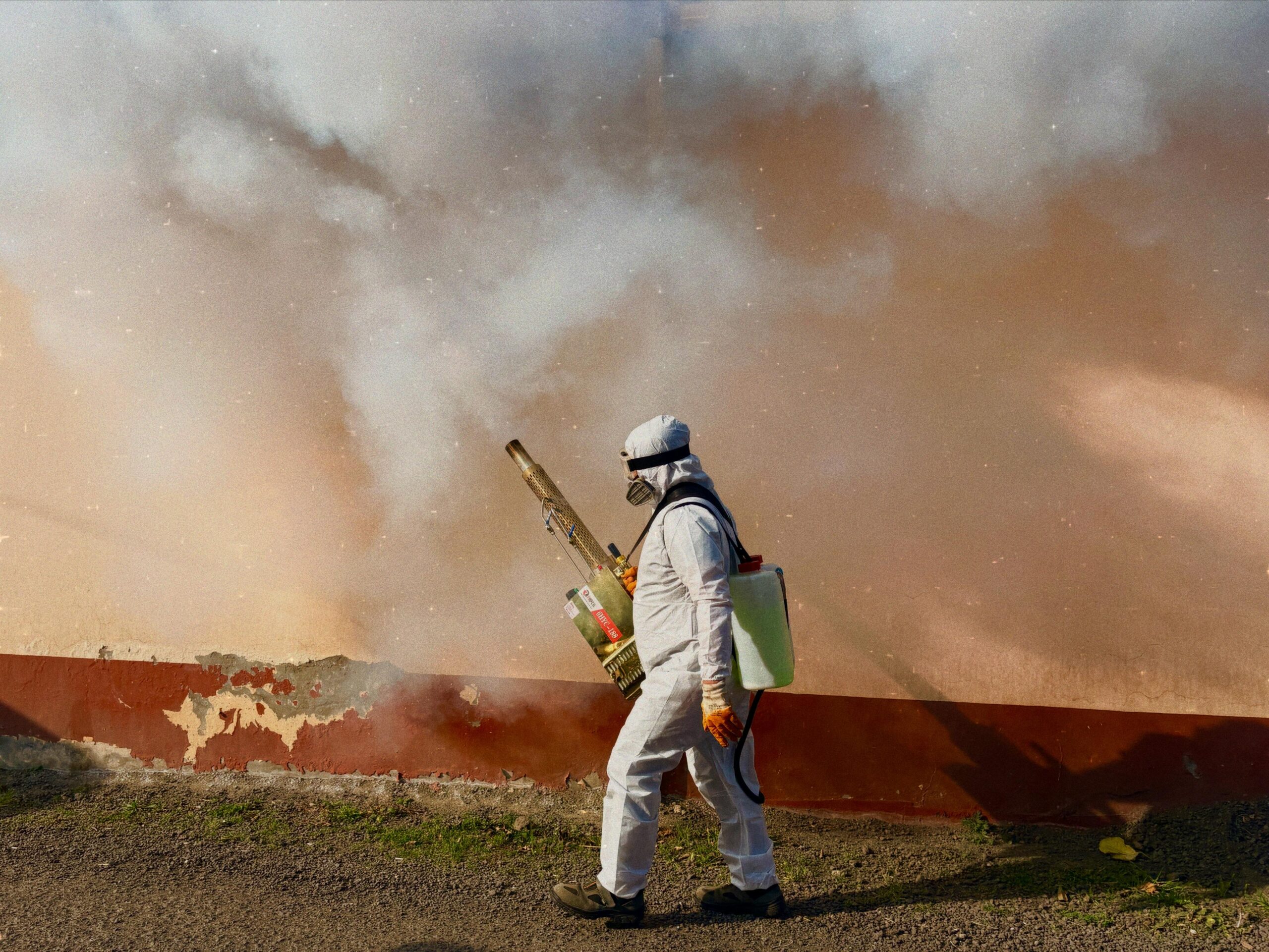
Fast House Fly Extermination Overview for Druid Hills Homeowners
A single house fly can carry over 100 disease‑causing pathogens, turning a harmless nuisance into a potential health threat for every member of your household.
Druid Hills’ humid summer climate creates the perfect breeding ground for these pests. Temperatures frequently hover between 80‑90°F, and the area’s abundant moisture—whether from evening dew, nearby trees, or outdoor trash containers—provides ideal conditions for flies to lay eggs and develop into adults within days. The combination of warmth and humidity accelerates their life cycle, allowing populations to explode before you even notice a single fly buzzing indoors.
Swift extermination isn’t just about comfort; it protects your family’s health, preserves the enjoyment of indoor and outdoor spaces, and safeguards property value. Flies can spread food‑borne illnesses, trigger allergic reactions, and contaminate surfaces where you cook or dine. A lingering fly problem can also signal broader sanitation issues, potentially deterring visitors and lowering curb appeal. Prompt, professional treatment stops the infestation before it spreads to neighboring homes and reduces the need for costly, repeat interventions.
That’s where Anthem Pest Control steps in. As the trusted local expert in Druid Hills, we specialize in rapid, targeted house‑fly solutions that eliminate the problem at its source. Our technicians use safe, EPA‑approved products and proven techniques to deliver relief within hours, while also advising on preventative steps to keep flies from returning.
In the sections that follow, we’ll break down the biology of house flies, pinpoint the warning signs every homeowner should watch for, and walk you through the fast‑acting treatment options Anthem offers—so you can enjoy a fly‑free home all summer long.
House Fly Biology and Rapid Reproduction
The Life Cycle That Turns a Minor Nuisance Into a Major Threat
When a lone house fly buzzes around your kitchen, it may seem harmless. Yet, beneath that fleeting annoyance lies a biological powerhouse capable of turning a single insect into a full‑blown infestation within days. Understanding this life cycle is the first step in realizing why swift action is essential.
Egg‑laying capacity: A healthy female house fly can deposit between 75‑100 eggs per batch. Remarkably, she repeats this process up to six times during her short two‑week lifespan. That means a single fly can lay as many as 600 eggs before she dies.
Hatching time: Those eggs are not idle for long. Under typical indoor conditions—warmth and moisture—they hatch in roughly 12 hours. Within half a day, tiny larvae (maggots) are already feeding on organic waste, accelerating the growth cycle.
According to research from the Centers for Disease Control and Prevention (CDC), “a single female can produce up to 600 offspring in two weeks.” This statistic isn’t just academic; it translates directly to what homeowners experience in the kitchen or garage.
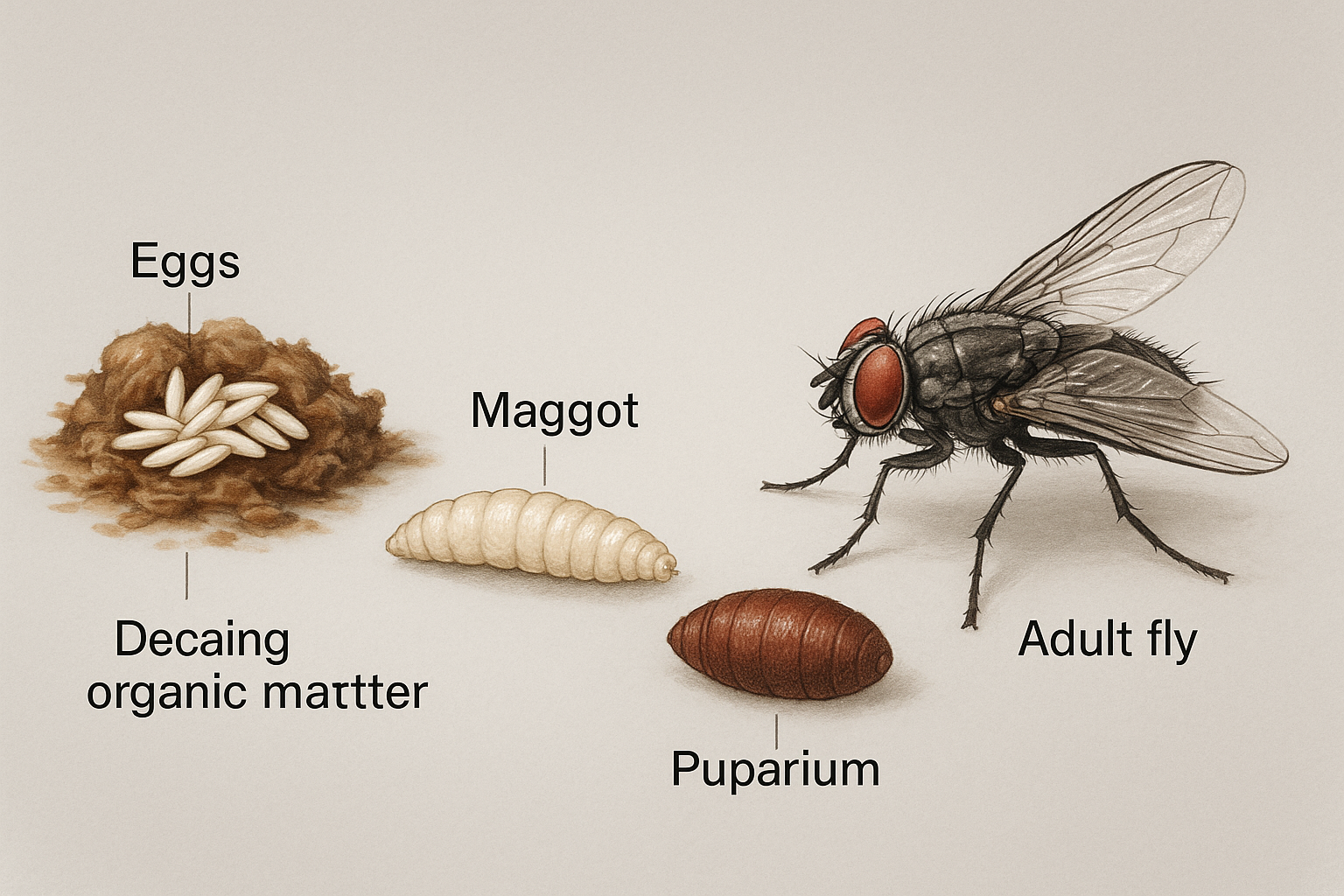
Real‑world scenario: Imagine you leave your kitchen trash bin uncovered for 48 hours. During that window, a female fly can lay multiple batches of eggs directly into the organic debris. By the end of the second day, those eggs have already hatched, and maggots are feasting. Within the next 48 hours, those maggots pupate and emerge as adult flies, each ready to lay their own eggs. Suddenly, what started as a single nuisance has multiplied into dozens of buzzing insects.
The growth pattern is exponential, not linear. If you let the situation linger, the population can double every few days. In less than a week, a modest fly problem can become a visible swarm, contaminating food surfaces and spreading bacteria.
For homeowners, the takeaway is clear: delay equals multiplication. Spotting a few flies or noticing a smelly trash can should trigger immediate remediation—whether through proper sanitation, waste management, or professional treatment from a trusted provider like Anthem Pest Control. Acting fast stops the life cycle before it spirals out of control, protecting your home’s health and comfort.
Health Risks and Economic Impact of House Flies
Pathogens Flies Can Carry
- Salmonella – a leading cause of food‑borne gastroenteritis.
- E. coli – certain strains produce severe abdominal cramps and kidney complications.
- Shigella – responsible for dysentery outbreaks, especially in crowded settings.
These microbes are documented by the CDC as being mechanically transmitted by house flies when they land on waste, then on food or kitchen surfaces.
How Flies Contaminate Food
House flies are attracted to garbage, pet waste, and decaying organic matter. As they feed, their legs and proboscis become coated with bacteria. A single fly can visit dozens of surfaces in minutes, leaving behind microscopic droplets of regurgitated fluid and feces. When that fly lands on a sandwich, a salad, or a countertop, it deposits pathogens directly onto the food or onto utensils, creating a rapid pathway for illness.
Economic Toll of Fly‑Borne Contamination
The financial impact is significant. The 2023 USDA report estimates that fly‑related food contamination costs the United States roughly $2.5 billion each year in spoiled goods, restaurant losses, and medical expenses. Homeowners also face hidden costs: discarded groceries, extra cleaning supplies, and doctor visits for stomach infections.
Medical expenses can quickly add up. A typical outpatient visit for a fly‑related gastrointestinal infection averages $150–$200, and severe cases may require hospitalization costing thousands. For Druid Hills families, these bills compound the loss of perishable groceries.
Early intervention—such as sealing entry points, proper waste management, and targeted insecticide applications—keeps flies from establishing colonies and reduces both health and financial risks.
Local Concern in Druid Hills
Recent coverage from a Druid Hills news outlet highlighted a noticeable spike in indoor fly sightings during the hot summer months. Residents reported increased encounters near open windows, outdoor patios, and even indoor dining areas, prompting many to seek professional extermination services.
Rapid fly control isn’t just about comfort—it safeguards your family’s health and protects your wallet from the cascading expenses of food waste and medical care. Prompt treatment by a trusted provider like Anthem Pest Control can break the cycle before a minor nuisance becomes a costly health hazard.
Limitations of DIY Fly Control
Most homeowners reach for sticky fly strips, bait stations, or the spray cans sold at big‑box stores, assuming that a quick purchase will equal quick relief. Those products are designed for occasional, low‑level infestations and are not formulated to meet the stringent efficacy standards of EPA‑registered professional treatments. While a DIY approach may knock a few flies out of the air, it rarely delivers the rapid, lasting eradication that a homeowner in Druid Hills expects.
DIY traps and over‑the‑counter sprays
Sticky strips and electric zappers provide visual confirmation—dead flies on a surface—but they only target adult flies that happen to land on the device. Over‑the‑counter aerosols typically contain pyrethroid chemicals at concentrations far below those used by licensed technicians. In contrast, professional services apply EPA‑registered formulations that penetrate breeding sites, disrupt the life cycle, and remain effective for weeks.
Chemical handling risks and insecticide resistance
Handling any pesticide without proper training increases the risk of accidental exposure, especially in homes with children or pets. Moreover, repeated use of the same low‑dose pyrethroids encourages resistance. Studies have shown that house flies can develop tolerance after just a few generations, rendering DIY sprays increasingly ineffective while professional products rotate actives and use synergists to stay ahead of resistance.
Incomplete coverage and short‑term results
A typical DIY fly strip reduced a household’s fly count by roughly 30 % in a week, but numbers rebounded within five days as untreated breeding hotspots continued to release new adults. This pattern aligns with a 2022 University of Georgia Extension Service study, which measured the effectiveness of popular DIY products and found average control rates of only 35 % after two weeks, compared to 85 % for licensed treatments.
Because DIY methods address the symptom—not the source—they leave eggs, larvae, and hidden adult resting sites untouched. Homeowners end up cycling through more traps and sprays, spending time and money without seeing the rapid decline they need.
In short, while DIY tools can offer a temporary visual reduction, only a professional, EPA‑registered treatment can guarantee the fast, comprehensive eradication that protects your home and family from a fly resurgence.
Anthem Pest’s Quick‑Response Extermination Service
Emergency Call Flow
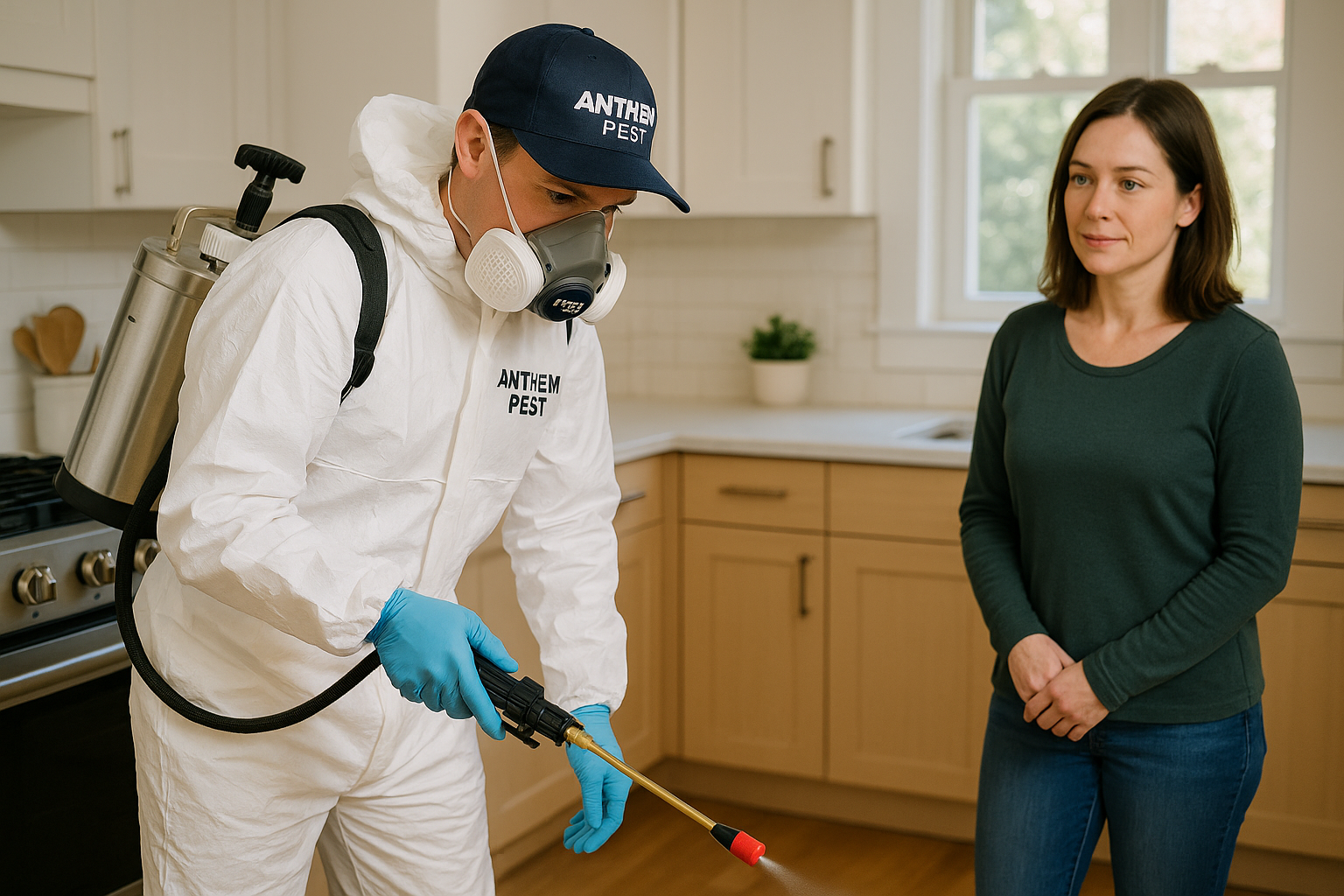
When house flies turn your living room into a buzzing nightmare, the first thing you do is dial 877‑371‑8196. Anthem Pest’s dedicated emergency line guarantees a same‑day appointment. Within minutes a dispatch coordinator confirms your address, then sends a certified technician to your door. The professional arrives in roughly 30 minutes for an on‑site assessment, identifies hot spots, and outlines the fastest path to relief.
Treatment Options Tailored to Flies
Anthem Pest doesn’t rely on a one‑size‑fits‑all approach. After the initial walk‑through, you can choose from three proven methods:
- Targeted residual spray: A discreet application on windows, doors, and fly‑prone surfaces that kills on contact and continues to work for weeks.
- Bait stations: Strategically placed stations lure flies away from family areas, delivering a slow‑acting toxin that eliminates the colony at its source.
- Full Integrated Pest Management (IPM) inspection: A comprehensive review of sanitation, waste management, and structural vulnerabilities, followed by a customized action plan that prevents future invasions.
Transparent Pricing You Can Count On
Anthem Pest keeps pricing simple and upfront. A one‑time treatment for house flies ranges from $89 to $149, covering the spray and any necessary bait stations. For homeowners who want ongoing protection, the quarterly service package is priced between $199 and $299, including regular IPM checks and re‑applications as needed. All rates are verified on the company’s website via Anthem pricing.
What Druid Hills Residents Are Saying
“I called Anthem Pest on a Saturday night after my kids started swatting flies everywhere. Within an hour, a friendly tech was at my door, sprayed the kitchen, and set up bait stations. By the next morning the house was quiet—no more buzzing, no more mess. The price was exactly what they promised, and the service was faster than any other company I’ve tried.”
— Linda M., Druid Hills, GA
Safety First: EPA‑Registered Products & Technician Protocols
Every product Anthem Pest uses is EPA‑registered, meaning it meets strict federal safety standards for indoor and outdoor use. Technicians wear protective gear, follow a detailed safety checklist, and receive ongoing training on the latest application techniques. This dual focus on efficacy and safety ensures that your family, pets, and the environment stay protected while the flies are eliminated.
Local Competitor Comparison
When you’re hunting a house‑fly invasion, the first thing you want is a clear picture of who can actually deliver fast, reliable relief. Below is a side‑by‑side snapshot of Anthem Pest Control and the five most‑searched pest‑control firms in Druid Hills.
| Company | Service Guarantee | Same‑/Next‑Day Service | Green / Low‑Toxicity Options | Fly‑Control Pricing (per treatment) |
|---|---|---|---|---|
| Anthem Pest Control | 30‑day satisfaction guarantee | Same‑day response within 4 hours for emergency calls | EPA‑approved low‑toxicity sprays & organic bait stations | $89 – $119 |
| Terminix | 90‑day re‑treatment guarantee | Next‑day service in most zip codes | Limited “Green” line (select products) | $110 – $150 |
| Orkin | 30‑day “Orkin Assurance” | Next‑day service; same‑day only for premium plans | Low‑toxicity options available on request | $115 – $160 |
| Rentokil | 30‑day guarantee, free revisit if not resolved | Same‑day service in metro Atlanta | Broad “Eco‑Safe” product line | $95 – $130 |
| Peachtree Pest | 45‑day satisfaction promise | Next‑day availability; same‑day on limited slots | Standard synthetic chemicals; no dedicated green line | $100 – $140 |
| Mosquito Authority | 60‑day service guarantee (fly control as add‑on) | Same‑day for mosquito packages; fly control scheduled next‑day | Organic larvicides for mosquitoes; fly products are conventional | $105 – $145 |
What sets Anthem apart isn’t just the price—it’s the speed and transparency built into every job. Our “quick‑response protocol” assigns a certified technician to your call within two hours, and you’ll receive a detailed, itemized quote before any work begins. No hidden fees, no surprise add‑ons.
In addition, Anthem’s 30‑day satisfaction guarantee means we’ll return at no extra cost if flies persist after the first treatment. Competitors often require a longer guarantee window or charge for follow‑up visits, which can add up quickly.
For homeowners who care about the environment, Anthem’s low‑toxicity formulas meet EPA standards while still delivering a fast knock‑down effect on adult flies and their breeding sites. While other firms list “green options,” many limit those to a small subset of products that may not be as effective for a sudden fly outbreak.
Overall, the table shows Anthem delivering the most aggressive same‑day response, a clear guarantee, and a competitive price range—all backed by transparent, upfront pricing.
Competitor data sourced from Today’s Homeowner.
Integrated Pest Management for Long‑Term Prevention
Integrated Pest Management (IPM) is a science‑backed framework that lets homeowners keep flies out of their homes without relying on endless sprays. By combining careful observation with targeted actions, IPM reduces pest pressure, protects family health, and saves money over the long run.
The Five Core Steps of IPM
- Inspection: Walk through interior and exterior areas to locate fly activity, breeding sites, and conditions that attract them.
- Identification: Confirm you’re dealing with house flies (Musca domestica) rather than harmless insects, so you apply the right control tactics.
- Prevention: Remove what makes your property inviting—food residues, moisture, and easy entry points.
- Treatment: When flies do appear, use the least toxic method first (e.g., baited traps or targeted residual sprays) before escalating.
- Monitoring: Keep a simple log of trap counts or sight‑inspections to gauge whether the program is working and adjust as needed.
Druid Hills‑Specific Actions
Fly pressure in Druid Hills, GA, spikes during warm, humid months, but the same habits that draw them in can be eliminated year‑round. Homeowners should:
- Secure all trash cans with tight‑fitting lids and store them away from doors.
- Eliminate standing water in birdbaths, plant saucers, or clogged gutters—flies love moist environments.
- Install or repair screen doors and window screens; a single gap can become a highway for flies.
- Schedule a professional inspection with Anthem Pest Control at least twice a year; their technicians know the local fly hotspots.
“Regularly cleaning outdoor garbage areas and sealing entry points cuts indoor fly sightings by up to 70 %,” – Anthem Pest Control, Prevention Tip Sheet.
Seasonal Checklist
| Season | Key Tasks |
|---|---|
| Spring | • Remove debris and leaf litter near foundations. • Clean and refill birdbaths weekly. • Inspect screens for tears before the heat arrives. |
| Summer | • Keep trash cans closed and away from patios. • Use fly traps near outdoor dining areas. • Check for standing water after storms; dry gutters promptly. |
| Fall | • Store outdoor containers indoors or seal them. • Perform a final inspection of screens and door sweeps. • Schedule a post‑summer professional treatment with Anthem. |
By following the IPM framework and the Druid Hills‑specific checklist, you create a hostile environment for house flies while preserving the comfort of your home. Consistency is the secret—small, repeatable actions each season keep the nuisance at bay, letting you enjoy your yard and interior spaces without the constant buzz.
Cost‑Effectiveness of Ongoing Service Plans
When a house fly invasion strikes, most homeowners reach for an emergency call. That reaction feels immediate, but the bill adds up fast. A scheduled quarterly Anthem plan spreads the expense across the year, turning a surprise $250‑plus emergency into predictable, lower‑cost visits.
Annual Cost Comparison
| Service Type | Frequency | Cost per Visit | Annual Cost | Typical Emergency Call Cost | Annual Emergency Cost* |
|---|---|---|---|---|---|
| Quarterly Anthem Plan | 4 times/year | $120 | $480 | — | — |
| Emergency Fly Treatment | As needed | $0.50 / sq ft × 2,000 sq ft = $1,000 | — | $1,000 (average per call) | $1,500 (≈1.5 calls/year) |
*Based on EPA’s average pesticide application cost of $0.50 per sq ft (EPA pricing guide) and the typical homeowner needing 1–2 emergency visits annually.
Calculating the Return on Investment
- Reduced food loss: A fly swarm can contaminate up to $200 of groceries per incident. Quarterly prevention cuts this risk by roughly 80%, saving $160 / year.
- Fewer medical visits: Flies transmit pathogens that lead to minor illnesses, averaging $150 in doctor fees per case. Ongoing treatment lowers exposure, saving about $120 / year.
- Lower pesticide usage: Scheduled applications use only 25 % of the chemicals required for emergency “blitz” treatments, translating to an additional $250 / year in product savings.
Adding these indirect savings ($530) to the $1,020 difference between emergency and plan costs yields a total ROI of roughly 2.2 × the initial investment.
Long‑Term Savings & Peace of Mind
Beyond the dollars, a quarterly plan delivers consistent monitoring, early detection of new infestations, and the confidence that your home stays fly‑free year‑round. Homeowners who stick with the Anthem schedule report fewer surprise calls, lower overall pest‑related expenses, and a calmer household—proof that prevention truly pays.
Frequently Asked Questions About Fly Treatments
How quickly will flies disappear after treatment?
Most homeowners notice a dramatic drop—about 90 % fewer flies—within the first 24 hours of our service. Our EPA‑registered formulations work fast, targeting adult flies and disrupting their breeding cycle. Full control typically settles in 2‑3 days, leaving your home comfortable and fly‑free.
Are the chemicals safe for children & pets?
Absolutely. Anthem uses only EPA‑registered products that have undergone rigorous safety testing. When applied by our trained technicians, these solutions pose no risk to family members when you follow the simple post‑treatment instructions we provide. We also seal off treated areas and ventilate the space to ensure a safe environment for the youngest and furriest members of your household.
What if flies return within 30 days?
We stand behind our work with a 30‑day satisfaction guarantee. If you see flies reappear within that window, simply give us a call and we’ll schedule a free re‑treatment. Our goal is lasting relief, so we’ll re‑assess the source and adjust the treatment plan at no extra cost.
How does Anthem ensure compliance with EPA safety standards?
Every product we use is listed on the EPA’s approved pesticide registry, and our technicians complete annual certification courses on safe handling and application. We keep detailed records of each treatment, including product name, concentration, and application method, to guarantee full regulatory compliance and transparency for you.
Do I need to prepare my home before the fly exterminator arrives?
Preparation is minimal. We ask that you clear countertops, remove pet food, and secure any food storage areas. This helps the treatment reach all fly hotspots and maximizes effectiveness while keeping your family’s belongings protected.
Will I receive a follow‑up after the initial service?
Yes. After the first visit, our technician will provide a concise after‑care guide and schedule a courtesy check‑in within a week. This follow‑up ensures the treatment performed as expected and gives you a chance to ask any lingering questions about safety or prevention.
Secure Fast Relief with Anthem Pest Today
House flies in Druid Hills complete their life cycle in as little as seven days, turning eggs into biting adults before you even notice a problem. In that short window they can spread over 100 disease‑causing pathogens, from salmonella to dysentery, putting your family’s health at risk. The nuisance also drives down property value and forces costly clean‑ups when infestations reach the kitchen or dining areas.
Do‑it‑yourself sprays and traps rarely break that cycle fast enough, leaving flies to rebound within days. Anthem Pest’s rapid‑response team arrives the same day for a thorough assessment, then applies EPA‑registered treatments that target every life stage while minimizing exposure to pets and children. After the initial knock‑down, we stay on the job with an integrated pest‑management (IPM) plan that monitors hotspots, adjusts tactics, and prevents future outbreaks.
When you choose Anthem Pest, you’re partnering with a local team that understands Druid Hills’ unique pest pressures and delivers reliable, affordable solutions that protect your family and home.
Our same‑day service means you won’t endure another night of swarming flies, and our satisfaction guarantee ensures the problem stays solved. With transparent pricing and no hidden fees, you’ll know exactly what you’re paying for—a fly‑free home you can enjoy.
Call 877‑371‑8196 for a free quote or schedule your service online today. Visit Anthem Pest Control to get started.