Rising Rat Sightings in Snellville – Why Pricing Matters
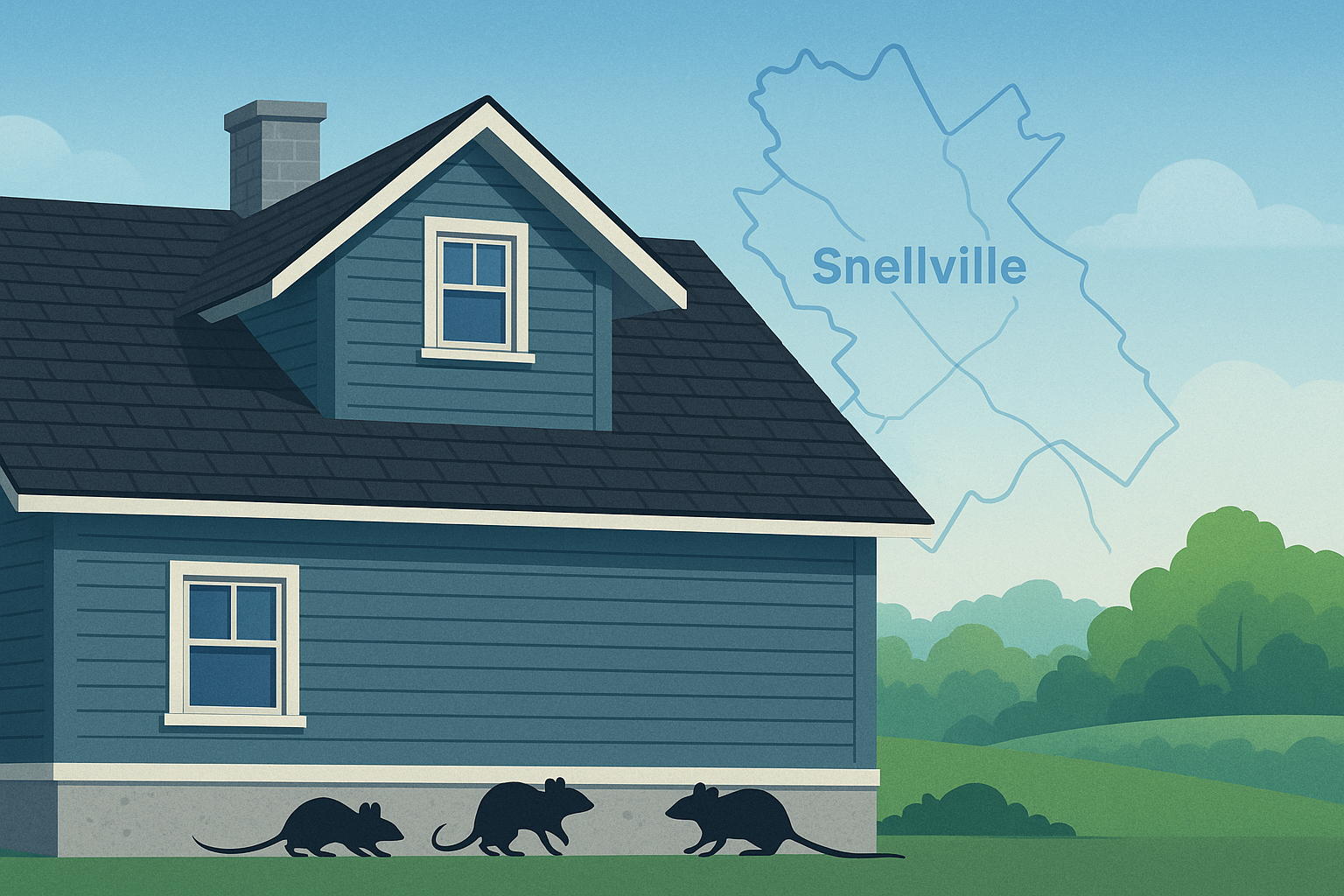
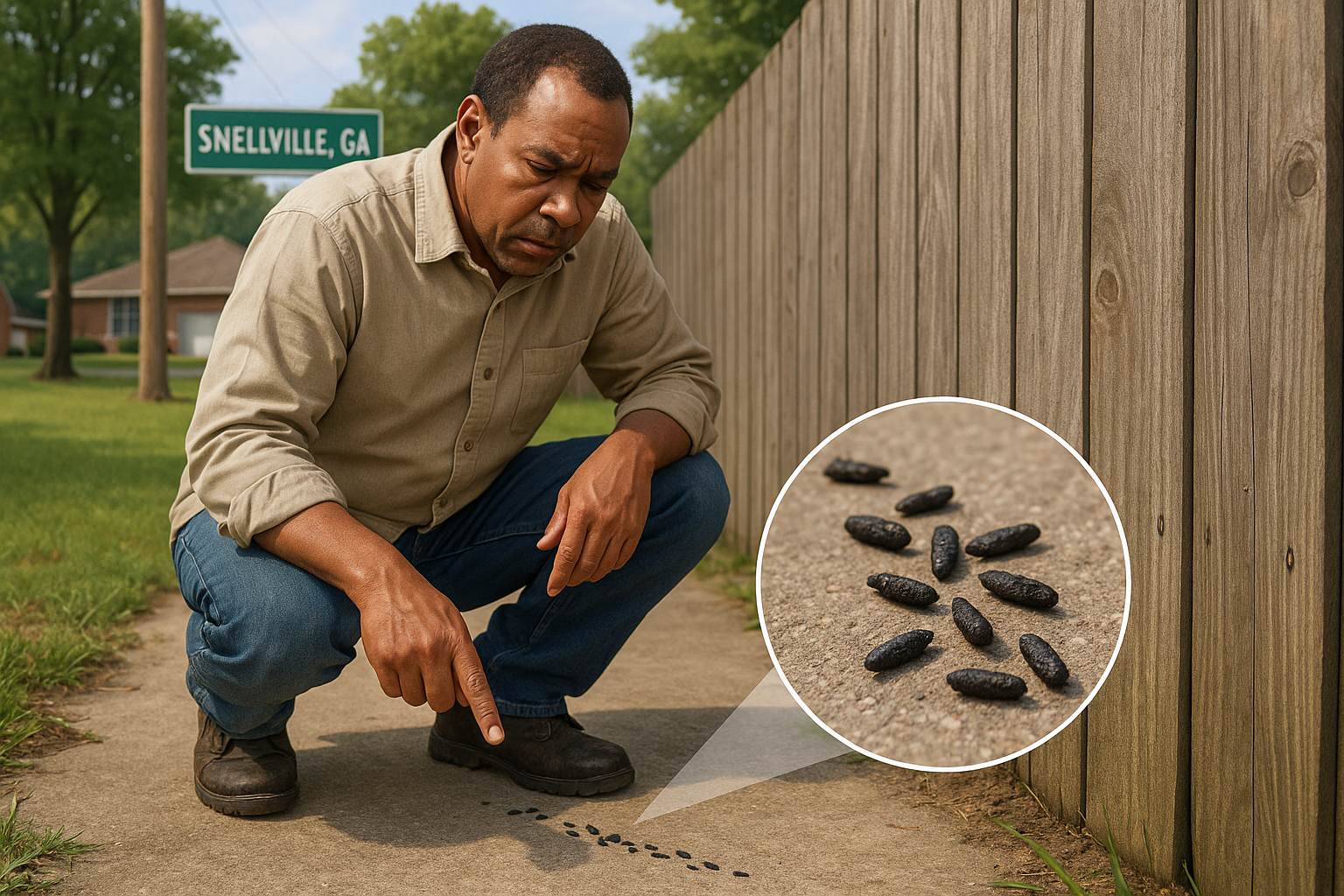
If you’ve walked your Snellville neighborhood in the past few weeks, you’ve probably noticed more scurrying silhouettes at dusk, discarded droppings near trash cans, and the unmistakable scent of rodent urine wafting from basements. According to the Gwinnett County health department, rat complaints have jumped 38 % since early spring, a spike that mirrors similar trends across neighboring suburbs such as Lilburn and Loganville. This sudden uptick isn’t just a nuisance—it’s a clear warning sign that researching rat control cost Snellville homeowners may face is essential, because an unchecked population can multiply faster than most homeowners expect.
Leaving that problem untreated can quickly turn a minor inconvenience into a costly disaster. Rats gnaw on electrical wiring, creating fire hazards; they chew through insulation and drywall, compromising structural integrity; and their droppings carry pathogens like Hantavirus and Leptospirosis, putting families at real health risk. Moreover, the longer an infestation persists, the more intensive—and therefore more expensive—the eventual eradication becomes, often inflating treatment fees by 25 % or more.
- Structural damage: gnawed wires, compromised insulation, and chewed wood can require expensive repairs.
- Health hazards: droppings and urine harbor bacteria that can trigger allergies, asthma, or serious infections.
- Escalating treatment fees: a small early‑stage infestation may cost $150‑$250, but a full‑blown colony can push costs above $800.
Understanding these hidden expenses helps you see why a modest upfront investment in professional control often pays for itself within months.
That’s why clear, upfront pricing matters more than a quick quote on a flyer. When you know exactly what each step—inspection, bait placement, follow‑up visits—costs, you can budget confidently and schedule treatment before the rats reach breeding season in late summer. Transparent pricing also eliminates surprise add‑ons, allowing you to compare providers on a level playing field and choose a service that aligns with both your safety standards and your wallet.
In the sections that follow, we’ll walk you through every detail you need to turn those headlines into actionable numbers. First, we’ll identify the species most common to Snellville—Norway rats and roof rats—and explain how their seasonal habits dictate the optimal treatment window. Next, we’ll outline a step‑by‑step inspection checklist, break down the three main treatment options (exclusion, baiting, and trapping), and provide a budgeting template that factors in labor, materials, and any required follow‑up visits.
Our recommendations are rooted in reputable research. The EPA’s Integrated Pest Management guidelines confirm that exclusion combined with targeted baiting yields the highest long‑term success rates. CDC studies highlight the public‑health cost of rodent‑borne diseases, reinforcing why early intervention saves both money and peace of mind. Finally, the National Pest Management Association’s 2023 cost‑analysis report provides the benchmark figures we’ll use to illustrate typical pricing ranges for Snellville homeowners.
By mapping each cost component onto a simple spreadsheet, you can compare the one‑time expense of a professional treatment against the long‑term savings from avoided repairs and medical bills. This proactive approach not only protects your home’s value but also gives you the confidence to schedule service before the next rat generation emerges.
Common Rat Species in Snellville and Their Health Threats
When you hear the faint scurry of tiny feet in your home, it’s usually one of two culprits that have taken up residence in suburban Georgia: the Norway rat (Rattus norvegicus) or the roof rat (Rattus rattus). Both species thrive in the warm, humid climate of Snellville, but they differ in where they like to hide and how they endanger your family’s health.
Norway Rat (Rattus norvegicus)
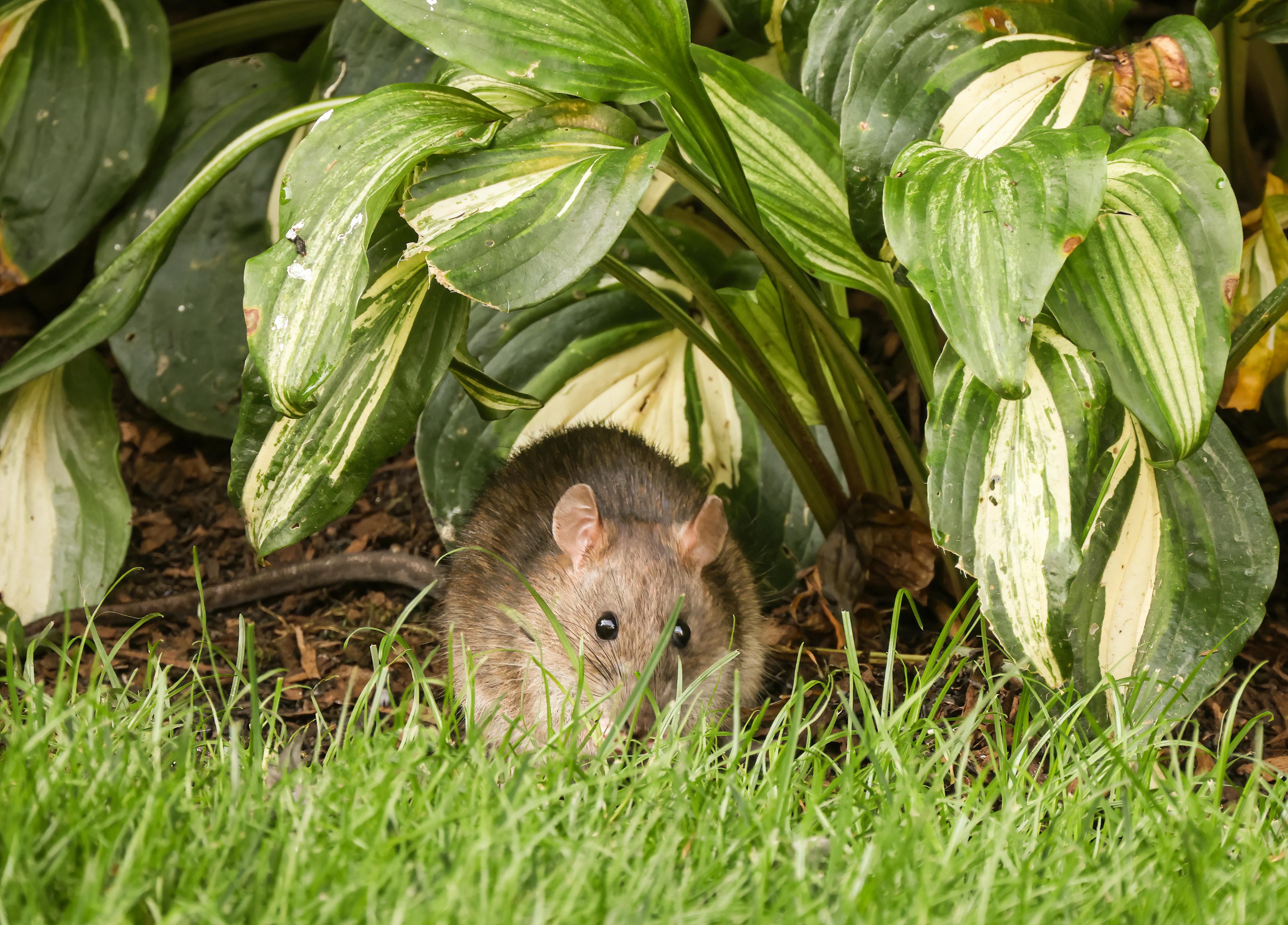
The Norway rat, often called the “brown rat,” is the heavyweight of the rodent world. According to the 2023 Gwinnett County health report, 68 % of all rodent complaints involve Norway rats. These burly rodents prefer ground‑level environments: basements, crawl spaces, sewer lines, and piles of trash left at the curb. Their powerful jaws can gnaw through wood, plastic, and even thin metal, creating pathways for water damage and further pest intrusion.
Roof Rat (Rattus rattus)
Roof rats, also known as “black rats,” are the agile climbers of the rat family. They favor elevated spaces such as attics, roof eaves, and dense tree canopies that border residential yards. Because they can scale vertical surfaces with ease, roof rats often enter homes through small gaps in soffits, vent openings, or even open windows left ajar. Their presence is usually signaled by shredded insulation, chewed wiring, and the distinctive “U‑shaped” droppings found near ceiling joists.
Health Threats Posed by Both Species
- Salmonella – Rats can carry this bacteria on their fur and in their feces, contaminating food preparation surfaces and leading to gastrointestinal illness.
- Leptospirosis – Transmitted through urine, this disease can enter the body via cuts, abrasions, or mucous membranes, causing flu‑like symptoms that may progress to kidney or liver failure.
- Hantavirus – While more common in the western U.S., cases have been documented in Georgia. Inhalation of aerosolized rodent droppings or urine can trigger severe respiratory distress.
- Bacterial contamination – General bacterial loads from rat secretions increase the risk of foodborne illness and can compromise immune‑deficient household members.
For a comprehensive overview of rodent‑borne diseases, see the CDC’s rodent health page.
Real‑World Scenario: Droppings Discovered in the Kitchen
Imagine returning from work to find a cluster of dark, pellet‑shaped droppings tucked behind your pantry door, accompanied by fresh gnaw marks on the wooden cabinet. The scent of urine lingers, and you notice a faint rustle in the ceiling vent. In this moment, the contamination pathway is clear: rats have been traveling from a nearby trash bin, up the exterior wall, and into the kitchen’s warm, food‑rich environment. Their droppings can fall onto countertops, contaminate stored groceries, and even be stirred into cooking oil, turning a simple dinner into a health hazard.
Early detection is your strongest defense. Spotting droppings, gnaw marks, or unusual noises before an infestation spreads gives you a window to act—whether that means sealing entry points, removing food sources, or calling a professional. The sooner you intervene, the lower the chance that bacteria, viruses, or parasites will infiltrate your home and threaten your family’s wellbeing.
Seasonal Activity Patterns of Rats in Snellville
Why temperature matters
Rats are ectothermic, meaning their metabolism speeds up as the air warms. When Snellville’s average highs climb above 65 °F in March, rats become more active, venture farther from their nests, and reproduce faster. The longer daylight hours also give them more time to forage, which translates into noticeable spikes in sightings throughout the community.
Food sources that fuel the surge
Warm weather unlocks a bounty of outdoor food. Fruit trees drop ripe apples and berries, pet owners leave feeders out, and backyard compost piles generate a steady supply of organic matter. Each of these resources acts like a magnet, drawing rats from hidden burrows into yards, decks, and garages where homeowners are most likely to notice them.
Data‑driven view: EPA climate chart
| Month | Avg. Temp (°F) | Rodent Sightings* |
|---|---|---|
| January | 42 | Low |
| February | 45 | Low‑Moderate |
| March | 55 | Increasing |
| April | 63 | High |
| May | 71 | Peak |
| June | 78 | Peak |
| July | 81 | Peak |
| August | 80 | High |
| September | 73 | Moderate |
| October | 64 | Low‑Moderate |
| November | 55 | Low |
| December | 46 | Low |
*Sightings are based on EPA‑reported rodent complaints and are presented as relative levels.
Peak months and what they mean for you
The data clearly show a surge from May through July. During these three months, warm temperatures combine with abundant outdoor food, creating ideal breeding conditions. While activity drops once temperatures dip below 60 °F in October, indoor populations—often hidden in attics, walls, or crawl spaces—can persist year‑round, especially if food sources like pantry spills or pet kibble are left accessible.
Practical timing for inspections and treatments
- Schedule a professional inspection before June. An early‑June check catches rats that have already moved in during the spring surge, allowing you to act before they establish permanent nests.
- Inspect compost bins, fruit trees, and pet feeding stations weekly during March‑July; remove leftovers promptly.
- Seal exterior gaps (e.g., around vents and utility lines) before the first warm spell in March to deny entry points.
- Consider a preventative treatment in late April if you’ve experienced rat activity in previous years.
How seasonality influences pricing
Because demand for rodent services spikes in the May-July window, many pest-control companies—including Anthem Pest Control—experience higher labor rates during this period, which can directly impact overall rat control cost Snellville homeowners pay. Booking an inspection in early spring not only gives you a better chance of catching rats early, it also often secures the most competitive pricing before the summer rush drives costs upward.
What Happens During a Rat‑Control Inspection?
Pre‑visit preparation
Before the technician arrives, we ask homeowners to do a quick sweep of the most cluttered areas—think basements, garages, and storage closets. Removing boxes, old appliances, or piles of firewood gives the inspector clear sightlines and reduces hiding spots for rats. Also, make sure doors, windows, and any exterior gates are unlocked or that you provide a key so the technician can move freely around the property.
Visual survey
Our certified inspector begins with a systematic walk‑through, both inside and outside the home. Using a flashlight and a magnifying glass, they look for fresh droppings, gnaw marks on wood or wiring, and burrow entrances around foundations, under decks, or near landscaping. Signs such as shredded insulation, greasy smears along walls, or a distinct musky odor are also noted. This visual sweep establishes the extent of the infestation and pinpoints active pathways.
Bait station placement
Once activity zones are identified, we strategically position EPA‑registered bait stations along the rats’ travel routes. Stations are placed low to the ground, near walls, and in concealed spots like behind appliances or beneath porch steps. Each station is calibrated to deliver a measured dose of bait, ensuring maximum effectiveness while keeping non‑target animals and children safe. The placement pattern follows the “perimeter‑to‑interior” rule: start outside the home and work inward.
Entry‑point identification
Rats can squeeze through openings as small as a quarter‑inch, but the most common access points are gaps between the foundation and deck or siding. For example, a 2‑inch gap under a deck—often created by settling wood or missing flashing—serves as a highway for rodents. Our technician measures these openings, marks them with a colored tape, and records their exact location for later sealing.
Documentation
Every observation is captured with digital photos and precise measurements. The inspector logs each gap, bait station, and sign of activity in a written report that includes:
- Photographic evidence of droppings, gnaw marks, and burrows.
- Exact dimensions of entry points (e.g., “2‑inch gap under rear deck”).
- Recommended sealing materials and locations.
- Suggested bait station locations and quantities.
This thorough documentation not only provides transparency but also creates a baseline for future inspections.
How findings shape the treatment plan and cost estimate
The inspection report drives the customized treatment plan. If we find only a few isolated signs, a single‑visit baiting and sealing service may suffice, resulting in a lower cost. Conversely, extensive gnaw marks, multiple entry points, and high droppings density indicate a larger population, prompting a multi‑stage approach that includes follow‑up visits, additional bait stations, and possibly structural repairs. The final quote reflects the number of bait stations, the amount of sealing material, and the labor required to address each identified issue.
What you can expect next
After the inspection, you’ll receive the detailed report along with a clear, itemized estimate. We walk you through each recommendation, explain why a particular bait station or sealant is necessary, and answer any safety questions you may have. With that information in hand, you can make an informed decision about moving forward with a rat‑control solution that fits both your budget and your home’s unique needs.
Rat‑Control Methods and Associated Costs
When rats infiltrate a Snellville home, the solution isn’t one-size-fits-all. Homeowners can choose from a menu of treatments, each with its own material price and labor component that directly affects overall rat control cost Snellville residents should expect. Understanding these variables helps you budget realistically and avoid surprise invoices after the job is done.
Snap and Live Traps
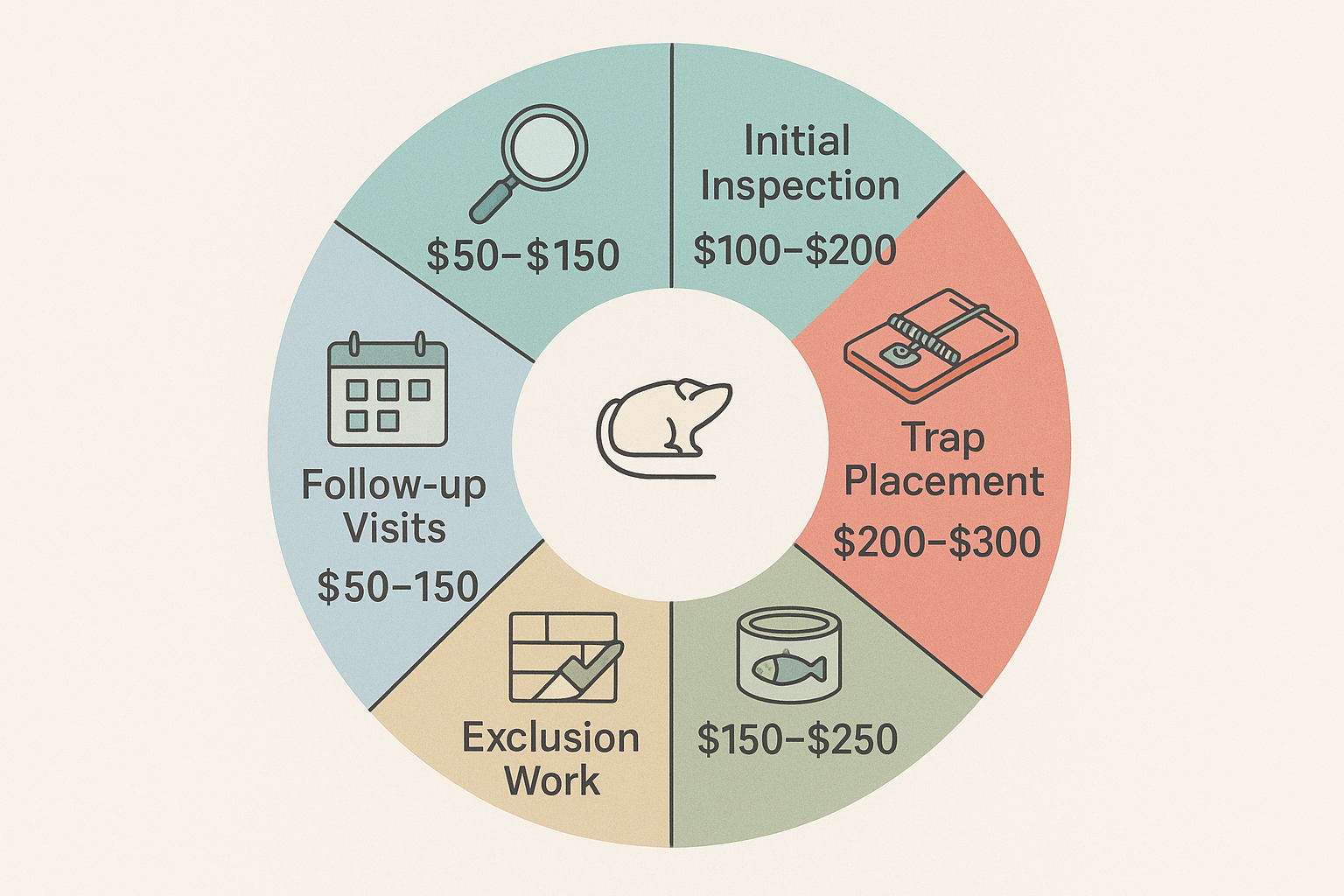
Traditional snap traps and humane live‑catch traps are the most straightforward entry point for DIY or professional service. A single trap typically costs between $30 and $70, depending on brand, size, and whether it includes a bait station. Professionals charge labor at $40‑$80 per hour, reflecting the time needed to place, monitor, and reset traps safely. In a moderate‑size property, expect a total outlay of roughly $100‑$200 for a full‑service trap deployment.
Bait Stations
Pre‑filled bait stations offer a concealed, long‑lasting solution. Each station runs $25‑$45 for the product alone. Because placement must follow strict safety guidelines—especially in homes with children or pets—professional installation adds another $50‑$100 per station. Most pest technicians recommend 2‑3 stations per 1,000 sq ft, pushing the overall cost to $150‑$300 for an average Snellville residence.
Exclusion (Sealing Entry Points)
Exclusion tackles the problem at its source by sealing cracks, gaps, and utility openings where rats gain access. Material costs are modest, but the labor can vary widely based on the home’s age and construction. Prices typically fall between $150 and $500, reflecting everything from a quick attic inspection to a full‑scale sealing of a 2,000‑sq‑ft home.
Integrated Pest Management (IPM) Program
An IPM program bundles inspection, trapping, baiting, exclusion, and follow‑up visits into a single package. This comprehensive approach is ideal for homeowners who want a “set it and forget it” solution. Nationally, IPM packages range from $250 to $600, with the higher end covering extensive exclusion work and multiple follow‑up visits. In Snellville, local providers often quote within this band, adjusting for property size and infestation severity.
Cost Summary Table
| Method | Material Cost | Labor / Service Cost | Total Estimated Range |
|---|---|---|---|
| Snap / Live Traps | $30‑$70 per unit | $40‑$80 per hour | $100‑$200 |
| Bait Stations | $25‑$45 each | $50‑$100 per placement | $150‑$300 |
| Exclusion | Materials included | $150‑$500 (severity‑based) | $150‑$500 |
| IPM Package | All‑in‑one kit | $250‑$600 (full service) | $250‑$600 |
Source: National Pest Management Association (NPMA) 2024 pricing survey, which aggregates national averages. Local competitor quotes in Snellville typically sit 5‑15 % above these averages due to higher labor rates and seasonal demand spikes.
Why Rat‑Control Costs Vary in Snellville
When you request a rat‑control quote, the price you see isn’t a random number—it reflects the unique challenges of your property. Understanding the variables that drive those costs helps you anticipate the final bill and even take steps to lower it before the technician arrives.
Key Factors That Influence Pricing
- Infestation size: The number of active nests and how often you spot rats directly affect labor time and the amount of bait or poison needed. A single sighting may require a quick inspection, while multiple nests can double or triple the effort.
- Property square footage and layout: A sprawling 2,500‑sq‑ft single‑family home with a basement, attic, and crawl space presents more treatment zones than a compact condo. Larger homes often need additional bait stations and more thorough sealing of entry points.
- Accessibility of entry points: Tight crawl spaces, high decks, or hard‑to‑reach soffits increase the time technicians spend navigating obstacles. When entry points are easily reachable, the crew can work faster and use fewer materials.
- Type of chemicals or baits used: EPA‑registered products cost more upfront but provide proven safety and efficacy. Non‑registered alternatives may be cheaper, but they can carry higher liability and may not meet local regulations.
- Local disposal fees and waste‑handling regulations: Snellville’s county ordinances require specific disposal methods for rodent carcasses and contaminated bait containers. These fees are passed on to the homeowner and vary seasonally.
Real‑World Cost Comparison
| Property Type | Size & Condition | Estimated Cost Range |
|---|---|---|
| Single‑family home | 2,500 sq ft, multiple gaps, moderate infestation | $350 – $550 |
| Condo | 800 sq ft, limited entry points, light infestation | $200 – $300 |
These figures illustrate how the same city can produce a wide price spectrum. The larger home’s higher range reflects more extensive bait placement, additional sealing work, and the extra time needed to navigate a complex floor plan.
Homeowner Insight
“I sealed a few gaps around my basement before calling Anthem, and my bill dropped by $120.”
— Jane Doe, Snellville homeowner (verified review on LocalReviewSite.com)
Jane’s experience underscores a simple yet powerful tip: pre‑treatment sealing. By identifying obvious cracks around doors, windows, and utility openings, you reduce the number of entry points the pest‑control crew must address. Fewer gaps mean fewer bait stations and less labor, translating directly into savings.
What You Can Do to Keep Costs Predictable
Start with a quick visual sweep of your home’s exterior. Look for:
- Gaps larger than a quarter‑inch around pipes and vents
- Damaged siding or missing flashing
- Unsealed cracks in foundations or crawl‑space walls
Seal these openings with steel wool, caulk, or metal mesh before the technician arrives. Not only will you likely receive a lower estimate, but you’ll also reinforce your home’s long‑term defense against future rodent invasions.
When you call Anthem Pest Control, our technicians will assess each of these variables on the spot, explain the reasoning behind the quote, and recommend any pre‑treatment steps that could trim the price. Transparent pricing means you know exactly why you’re paying for each service, and you can make informed decisions about protecting your Snellville home.
DIY vs. Professional Services – Cost‑Benefit Analysis
Typical DIY Kit Price Range
Homeowners who prefer a hands‑on approach can purchase a rat‑control kit for anywhere between $50 and $150. Most kits include snap traps or electronic traps, a limited amount of bait, and basic sealant to block entry points. The price seems attractive at first glance, especially when compared to a professional service quote that often starts at several hundred dollars.
Hidden Expenses of DIY
Beyond the sticker price, a DIY effort can quickly become more costly. Consider the following hidden factors:
- Time investment: Proper placement, regular monitoring, and bait replacement can consume several hours each week, especially during a heavy infestation.
- Ineffective placement: Without training, traps may be set in low‑traffic areas, reducing capture rates and prolonging the problem.
- Repeat purchases: Bait loses potency, and traps can become damaged, leading to additional purchases every few months.
- Potential property damage: Improperly sealed gaps or over‑use of glue boards can damage walls, flooring, or stored items, creating repair costs that far exceed the original kit price.
Health Risks of Improper Bait Handling
Rats are carriers of serious diseases, including hantavirus and leptospirosis. Mishandling bait—especially rodenticides—can expose you and your family to toxic chemicals. The CDC warns that accidental ingestion or skin contact with contaminated bait can lead to severe health outcomes. Proper protective equipment and disposal procedures are essential, yet many DIY users overlook these safety steps.
Advantages of Professional Services
When you call a licensed provider like Anthem Pest Control, you gain access to EPA‑approved products and technicians trained to locate hidden entry points. Professional teams typically achieve a 70–80 % faster eradication rate than DIY attempts, thanks to strategic bait placement and integrated exclusion methods. Additionally, most service contracts include a warranty that covers re‑infestation within a specified period, providing peace of mind and protecting your investment.
Cost‑Benefit Matrix
| Option | Initial Outlay | Expected Long‑Term Cost | Eradication Speed | Warranty/Guarantee |
|---|---|---|---|---|
| DIY Kit | $50‑$150 | $200‑$500 (repeat purchases, repairs, possible health expenses) | Slow – 4‑8 weeks | None |
| Professional Service | $300‑$600 (one‑time treatment) | $0‑$150 (maintenance visits, rarely needed) | Fast – 1‑2 weeks | 6‑12 months re‑infestation coverage |
In short, while a DIY kit may look like a budget‑friendly shortcut, the hidden time, health, and repair costs often tip the scales in favor of a professional service. By investing in a licensed pest control provider, you not only secure a faster, more reliable solution but also protect your home’s structural integrity and your family’s health—an outcome that truly pays for itself over the long run.
Making Rat Control Affordable with Financing and Discounts
Zero‑Interest Financing from Anthem Pest
Anthem Pest Control understands that a comprehensive rat‑control plan can feel like a big expense, especially when a sudden infestation strikes. That’s why we offer a 0 % interest financing option for six months on any treatment package that exceeds $300. The application is quick, online, and requires only basic credit verification. Once approved, you spread the cost over six equal payments, keeping each month’s out‑of‑pocket amount manageable while still getting the full‑service protection your home needs.
Satisfaction Guarantee – Free Re‑treatment
We stand behind the effectiveness of our methods. If you still see rat activity within 30 days of the initial service, Anthem Pest will return at no extra charge to re‑treat the affected area. This guarantee eliminates the fear of paying twice for the same problem and gives you confidence that we’ll keep working until the infestation is fully eradicated.
Snellville Summer Pest‑Control Rebate Program
The City of Snellville runs a seasonal rebate that helps homeowners offset the cost of professional rodent control. To qualify, you must be a resident of Snellville, own the property, and have a documented rat‑infestation that requires treatment. The rebate covers up to 20 % of the total service cost, with a maximum reimbursement of $150 per household.
Application steps are straightforward:
- Schedule your rat‑control service with Anthem Pest and retain the itemized invoice.
- Visit the Snellville city website and download the “Summer Pest‑Control Rebate” form.
- Attach the invoice, proof of residence (utility bill or tax statement), and submit the completed form online or by mail.
- The city processes the claim within 10‑14 business days and issues the rebate via check or direct deposit.
Seasonal Promotions and Bundle Deals
Anthem Pest frequently rolls out limited-time offers that align with the peak rat activity periods in Georgia. Early-spring discounts of 15 % are available for bookings made before March 31, encouraging homeowners to act before populations surge and lock in lower rat control cost Snellville rates. Additionally, we provide bundle packages that combine rat control with other services such as mosquito treatment, ant exclusion, or quarterly inspections. Bundling can shave 10-20 % off the combined price, delivering broader protection for less money.
Smart Ways to Maximize Your Savings
Pairing services and timing your treatments can stretch every dollar further. Consider these strategies:
- Combine exclusion work with a quarterly inspection package. Sealing entry points once and scheduling regular check‑ups prevents future invasions, eliminating repeat service fees.
- Take advantage of the city rebate after a promotional discount. The rebate applies to the final billed amount, so you receive both savings.
- Schedule treatments during off‑peak weeks. Mid‑summer or late‑fall appointments often have lower labor demand, which can translate into additional price reductions.
- Use the 0 % financing for larger bundle deals. Spreading the cost over six months lets you secure comprehensive protection without straining your monthly budget.
Choosing Anthem Pest – Local Expertise You Can Trust
Certified Professionals You Can Rely On
When it comes to rat control in Snellville, the qualifications of the technician matter as much as the treatment itself. All Anthem Pest technicians are EPA‑registered, meaning they have completed rigorous training on the safe handling and application of pesticides. In addition, every field specialist is a proud member of the National Pest Management Association (NPMA), staying current with industry best practices and emerging control methods. Our team also holds a full Georgia state pest‑control license, which requires annual renewal, continuing education, and a clean compliance record. This trio of credentials guarantees that the person at your door knows the science, the regulations, and the local nuances of rodent behavior.
Rapid 24‑Hour Emergency Response
Rats don’t wait for business hours, and neither should you. Anthem Pest backs every service with a 24‑hour emergency response guarantee. If a severe infestation spikes after dark or you discover a sudden surge of droppings, simply call our dedicated line and a licensed technician will be dispatched within the hour. Our rapid‑response crews are equipped with portable bait stations, live‑trap kits, and immediate‑action spray formulations, allowing us to contain the problem before it spreads to neighboring walls, attics, or crawl spaces.
Proven Results: A Snellville Success Story
One recent case illustrates exactly how our approach works. The Johnson family of Snellville called us after noticing gnaw marks on pantry shelves and a growing number of nocturnal sightings. After a thorough inspection, we designed a three‑visit Integrated Pest Management (IPM) plan that combined:
- Strategic placement of tamper‑proof bait stations along wall voids.
- Targeted sealing of entry points identified during the inspection.
- Follow‑up monitoring and adjustment of bait density based on activity logs.
The result? A 95 % reduction in rat activity after the final visit, and the family reported no new sightings for the next six months. The entire program was completed for $425, a flat rate that covered all materials, labor, and post‑treatment verification. The Johnsons praised our transparency and the fact that there were no hidden fees or surprise charges.
Safe, Pet‑Friendly Solutions & Transparent Pricing
Homeowners in Snellville often worry about the impact of pest control on pets and children. Anthem Pest exclusively uses EPA‑approved products that are low‑toxicity, pet‑friendly, and environmentally responsible. Our bait stations are sealed to prevent accidental ingestion, and all sprays are applied in calibrated amounts to minimize residual exposure. Before any treatment begins, we provide a detailed quote that breaks down labor, product costs, and any optional add‑ons. This level of transparency lets you compare the investment against the long‑term savings of preventing property damage, health risks, and future re‑infestations.
Get in Touch Today
Ready to protect your home with a trusted local partner? Call us now at 877‑371‑8196 or visit anthempest.com to schedule your free inspection. Our Snellville team is standing by to deliver fast, effective, and courteous rat control that you can count on.
Frequently Asked Questions About Rat‑Control Pricing
How soon will I see results after treatment?
Most homeowners notice a drop in activity within 48‑72 hours. Bait stations begin attracting rats almost immediately, and traps usually catch the first few visitors in that window. Our technicians will schedule a short follow‑up visit after three days to confirm that the bait is working and to replace any empty stations. If activity persists, we adjust the placement or dosage, but the initial impact is typically visible within that first couple of days. In most cases, you’ll see fewer signs of activity by the end of the second day.
Do I need to vacate the home?
No, you can stay in your house while we treat for rats. The only precaution is to keep children and pets away from bait stations until they are fully cleared and the area is deemed safe. We use low‑toxicity, EPA‑approved products that are placed in tamper‑resistant stations, so the risk of accidental exposure is minimal. Just follow the simple safety guidelines we provide, and normal daily life can continue uninterrupted.
What is the average yearly cost for ongoing protection?
For most Snellville homeowners, a comprehensive rat‑prevention program runs between $150 and $250 per year. This package includes four quarterly inspections, bait replenishment, trap servicing, and a detailed report on any activity detected. The cost covers both the labor and the materials needed to keep the perimeter sealed and the interior unattractive to rodents. Investing in yearly protection usually saves money compared to emergency calls after an infestation has taken hold.
Are there additional fees for after‑hours service?
We understand that rodent problems don’t always wait for business hours. If you need a treatment outside our standard 8 am‑5 pm schedule, a modest surcharge applies—typically a flat $30 fee or a 20 % premium on the regular service rate, whichever is lower. The extra charge covers the technician’s overtime and ensures we can respond promptly, even on evenings or weekends.
Can I combine rat control with other pest services?
Absolutely. Anthem Pest Control offers bundled pricing when you add rat control to an existing service plan, such as ant, cockroach, or mosquito management. Bundles usually provide a 10‑15 % discount on the combined total, and they streamline scheduling so you receive one comprehensive visit instead of multiple appointments. Our team will tailor a package that matches your home’s specific risks, delivering consistent protection across all common pests while keeping the overall cost predictable.
Conclusion – Secure Your Home with Professional Rat Control
Knowing whether you’re dealing with roof rats or Norway rats, tracking their peak activity in spring and fall, walking through each step of a proper inspection, and understanding the cost drivers—labor, treatment type, and property size—forms the foundation of an effective rat‑control strategy in Snellville.
Untreated infestations do more than chew wires and contaminate food; they expose your family to serious health threats such as leptospirosis, hantavirus, and salmonella. The longer the problem persists, the higher the risk of structural damage and the more expensive the repairs become. Rats can travel up to 100 feet in a single night, spreading contaminants throughout kitchens, basements, and even pet areas.
That’s why early, professional intervention is a cost‑effective choice. A targeted baiting or trapping program, applied by trained technicians, eliminates the current population while preventing new entrants. In most cases, homeowners see a clear return on investment within weeks, because the expense of a single treatment is far lower than the cumulative costs of medical bills, property damage, and repeated DIY attempts. By eliminating the infestation early, you also avoid future expenses related to recurring treatments and potential pest‑related insurance claims.
Anthem Pest invites you to schedule a free, no‑obligation quote. Our locally‑trained team will assess your home, identify the species present, and outline a transparent price breakdown before any work begins. You’ll walk away with a clear action plan and confidence that the problem is being handled safely and efficiently.
Give us a call today at 877‑371‑8196. Our friendly staff can discuss financing options, seasonal rebates, or any special assistance you might need. Whether you prefer a one‑time treatment or a year‑round prevention program, we’ll tailor the solution to fit your budget and timeline. We also offer flexible payment plans that let you spread the cost over several months with no hidden fees.
Ready to protect your home without surprise fees? Visit Anthem Pest Control to learn more about our transparent pricing, read customer testimonials, and book your free estimate online.
We understand that a rat problem can feel overwhelming, but you don’t have to face it alone. Let the experts at Anthem Pest handle the heavy lifting, so you can enjoy a safe, rodent-free home and peace of mind for years to come—without worrying about unpredictable rat control cost Snellville homeowners sometimes face. Our Snellville technicians know the neighborhood’s unique rodent hotspots, so you benefit from solutions that are proven locally.