Why Gnats Matter in Decatur Homes

If you’re searching for a reliable gnat exterminator in Decatur, you’re likely dealing with tiny, buzzing insects hovering near your kitchen sink or bathroom vanity. These silent intruders may look harmless, but gnats can quickly multiply and turn a minor annoyance into a full-room infestation within days.
Unlike larger pests, gnats slip through the smallest cracks, breed in damp organic matter, and reproduce rapidly—especially in Decatur’s humid climate.
The annoyance goes beyond the itch of a bite; many residents report sneezing, watery eyes, or skin irritation after prolonged exposure, and the insects can unintentionally contaminate uncovered food, fruit bowls, and even pet dishes.
The problem is not just anecdotal. According to the EPA’s Indoor Pest Management report, household gnats accounted for 12 % of indoor pest complaints in the Southeast in 2023, a figure that mirrors the uptick we see in Decatur neighborhoods each summer.
For a homeowner, that statistic translates into lost evenings spent swatting, extra cleaning to remove gnat‑laden debris, and the lingering worry that a minor annoyance could evolve into a health concern for children or seniors.
Because gnats thrive in the humid micro‑climates created by Decatur’s summer rains and the frequent use of indoor plants, prompt identification and treatment are essential to protect your family’s comfort and the integrity of your food storage areas.
That’s why Anthem Pest Control approaches gnat infestations with a local‑first mindset—combining fast‑acting treatments, moisture management advice, and ongoing monitoring to keep your home gnat‑free without compromising safety.
Beyond the immediate irritation, a gnat presence can erode the sense of calm that homeowners cherish. The constant buzzing disrupts sleep, especially when insects congregate near light fixtures or open windows, and the visual clutter of swarms can make entertaining guests feel uncomfortable, prompting unnecessary stress for the host.
In Decatur’s tight‑knit neighborhoods, a single untreated gnat hotspot can quickly become a community concern, as neighbors share experiences on local social groups and homeowner forums. Addressing the issue early not only safeguards your family’s health but also helps maintain the overall reputation of your block, keeping property values stable and community confidence high. It’s a small step that makes a big difference.
Spot the Difference: Fungus Gnats vs. Biting Gnats
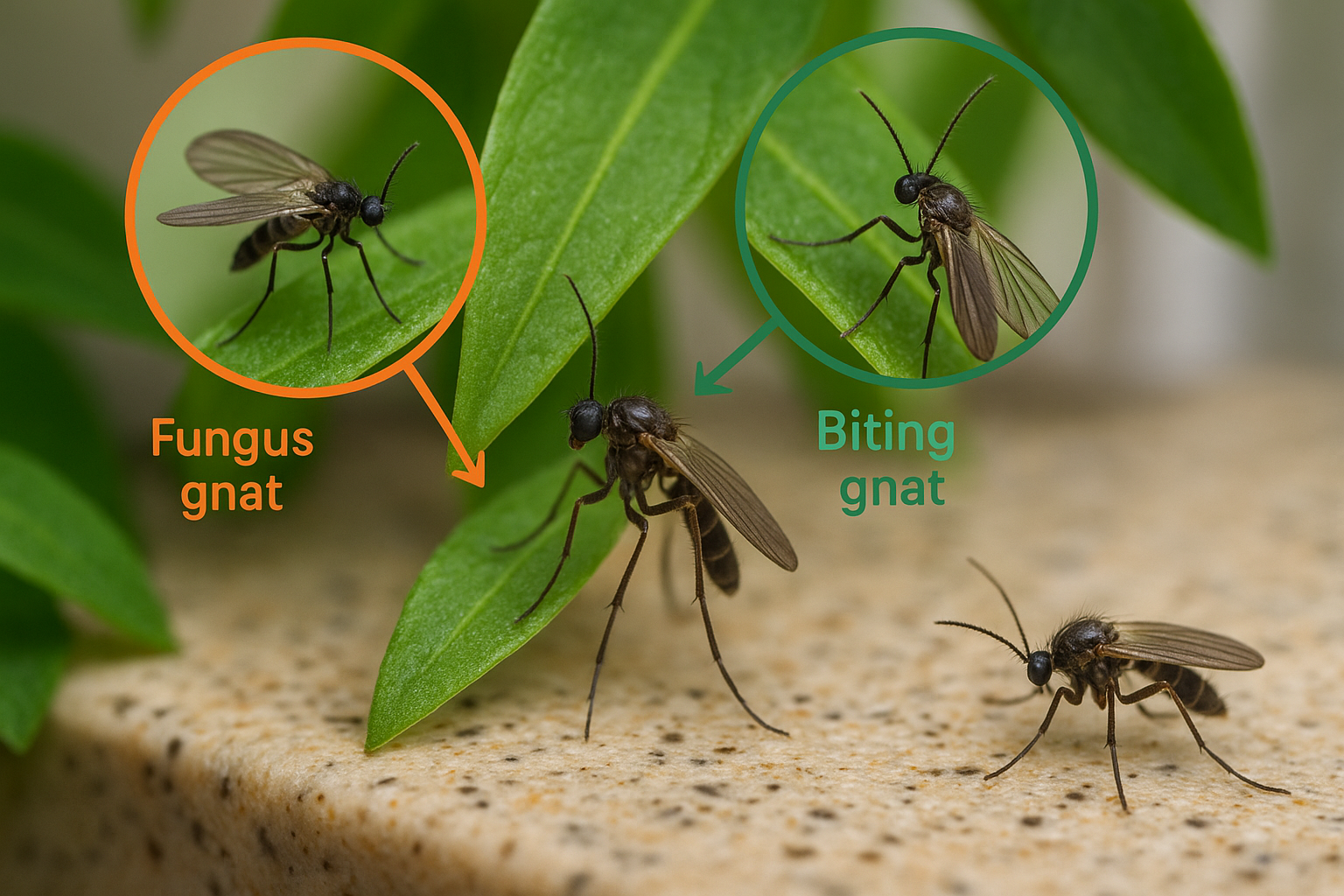
When tiny flies start buzzing around your windowsill, the first step is to know which gnat you’re dealing with. In Decatur homes the two culprits are fungus gnats and biting gnats, and they look alike at a glance but behave very differently. Spotting the subtle differences can save you time, money, and unnecessary pesticide use.
Visual cues that tell the tale
- Size: Fungus gnats are the smaller of the pair, measuring roughly 2‑4 mm in length. Biting gnats (often called black flies) are a bit larger, typically 4‑6 mm.
- Wing pattern: Hold a gnat up to the light. Fungus gnats have clear, almost invisible wings, while biting gnats display faint spots or a smoky tint on each wing.
- Typical breeding sites: Look where moisture lingers. Fungus gnats love the damp soil of over‑watered houseplants. Biting gnats prefer the wet environment of drains, leaky pipes, or standing water in basements.
These clues become especially useful when you pair them with a quick field test. Place a sticky trap near a potted plant; if you catch a swarm, you’re likely looking at fungus gnats. Move a second trap to the kitchen sink or bathroom drain—captures there point to biting gnats.
What the research says
According to the University of Georgia Extension, “Fungus gnats thrive in over‑watered houseplants, with infestation rates up to 45% in homes with indoor foliage” (UGA Extension). That statistic underscores why proper watering habits are the first line of defense.
Real‑life example from Oakhurst
Imagine a typical kitchen in the Oakhurst neighborhood. A homeowner keeps a row of potted herbs on the windowsill—basil, mint, and thyme—watered daily to keep the leaves vibrant. After a week, tiny dark flies begin hovering near the pots. A sticky trap placed on the countertop catches dozens of 2‑mm insects with clear wings, confirming a fungus gnat outbreak. The same homeowner later notices a second set of flies, slightly larger with spotted wings, congregating around the sink drain. A second trap placed there nets these specimens, revealing a secondary biting‑gnat problem caused by a slow‑draining pipe.
Quick tips for confirming the species
- Set a yellow sticky trap within 12 inches of houseplant soil for 48 hours. Predominantly small, clear‑winged catches = fungus gnats.
- Place a second trap near sinks, bathtubs, or basement drains. Larger, spotted‑winged insects = biting gnats.
- Inspect the breeding site: soggy potting mix versus damp pipe interiors. Adjust watering or fix drainage accordingly.
When Gnats Are Most Active in the Atlanta Metro Area
Decatur homeowners notice gnats the most during two predictable windows each year. Knowing when those peaks hit lets you act before the insects turn your porch, garden, and kitchen into a buzzing nuisance.
Spring spike – March to May
As daytime highs climb above 65 °F and humidity rises with the thaw, female gnats lay eggs in moist soil and standing water. The combination of warm nights and daytime dew creates an ideal incubator, so you’ll see a noticeable uptick in flying adults by mid‑April. The CDC’s climate‑pest correlation data for the Southeast confirms that temperature spikes of 5–10 °F above seasonal averages trigger a surge in gnat activity.
Late‑summer spike – July to August
Even though summer heat can be brutal, the evenings stay humid, especially after afternoon thunderstorms. Those conditions revive the next generation of gnats that emerged from spring‑laid eggs. Expect the most aggressive swarms in early August when nightly humidity exceeds 70 % and temperatures linger around 80 °F.
Local micro‑climates that amplify the problem
Decatur’s historic park and its surrounding neighborhoods retain moisture longer than the surrounding city. Shaded tree canopies, ornamental ponds, and well‑watered lawns create pockets of higher relative humidity. Residents near these green spaces often report gnats appearing a week earlier in spring and persisting later into fall.
Timing your DIY prevention and professional treatment
DIY steps (early March & early July):
- Eliminate standing water in birdbaths, gutters, and plant saucers.
- Trim overgrown vegetation to improve airflow.
- Apply a low‑toxicity larvicide to soil around outdoor seating areas.
Professional treatment (mid‑April and mid‑August): schedule a visit from Anthem Pest Control. Our technicians will target breeding sites with EPA‑approved solutions, giving you a gap in the gnat life cycle that DIY measures alone can’t achieve.
Seal the Gaps: DIY Prevention Steps
Even before you call a professional, a few simple fixes can shut the door on gnats trying to turn your home into a breeding ground. The best part? Most of the supplies cost less than a night out, and the results are immediate. These fixes target hidden moisture and entry points, so you’ll notice fewer gnats within days.
1. Fix leaky pipes and drips
Gnats love the constant moisture that comes from a slow‑leaking faucet or a pipe that drips behind the wall. Turn off the water, tighten any loose connections, and seal joints with plumber’s tape or a quick‑set epoxy. If the leak persists, replace the worn‑out washer or call a plumber, but the initial DIY fix usually stops the moisture source in minutes.
2. Install drain covers or mesh
Kitchen sinks, bathroom showers, and floor drains are perfect entry points. Purchase inexpensive silicone drain covers or fine‑mesh screens and snap them over each opening. Make sure the mesh is tight enough to keep insects out while still allowing water to flow. A quick check each month ensures the cover hasn’t shifted.
3. Reduce over‑watering of indoor plants
Plants are a natural humid oasis, but soggy soil creates a gnat nursery. Water only when the top inch of soil feels dry to the touch, and consider adding a layer of sand or perlite on the surface to improve drainage. If you forget, a simple moisture meter can alert you before the soil stays wet for too long.
4. Add screen doors and repair window screens
Every gap around a door or window is a highway for flying insects. Install a magnetic screen door for the main entry and inspect existing screens for tears or loose mesh. Use a fiberglass repair patch or replace the screen entirely; the cost is minimal and the barrier lasts for years.
5. Store food waste in sealed containers and clean crumbs promptly
Food residue is an attractant that gnats can’t resist. Transfer kitchen scraps to a trash can with a tight‑locking lid and empty it daily. Sweep or vacuum countertops and floors after meals, and wipe down surfaces with a mild disinfectant to erase any lingering scent.
Cost range for supplies: You can gather everything you need for roughly $15‑$60. This budget covers plumber’s tape, a set of drain covers, a small bag of sand or perlite, screen‑door kits, and a few replacement screen patches. Investing a modest amount now prevents costly professional treatments later, and most items can be found at your local hardware store or online with free shipping.
“Proper sanitation reduces indoor flying‑insect complaints by 30%.” – NPMA 2023 Statistics
To keep these habits from slipping, create a simple weekly checklist: inspect drains, test screen integrity, verify plant moisture, and confirm that all food waste is sealed. Tick each item off a printed sheet or a phone reminder, and you’ll notice fewer gnats before they even have a chance to multiply.
What Anthem Pest Does Differently
When gnats swarm your kitchen or greenhouse, you need more than a quick spray—you need a solution that combines cutting‑edge technology, proven safety standards, and clear pricing. Anthem Pest’s approach is built around three core treatment methods that target the problem at every stage, plus a transparent cost structure that lets homeowners know exactly what they’re paying for before any work begins.
Targeted ULV Fogging
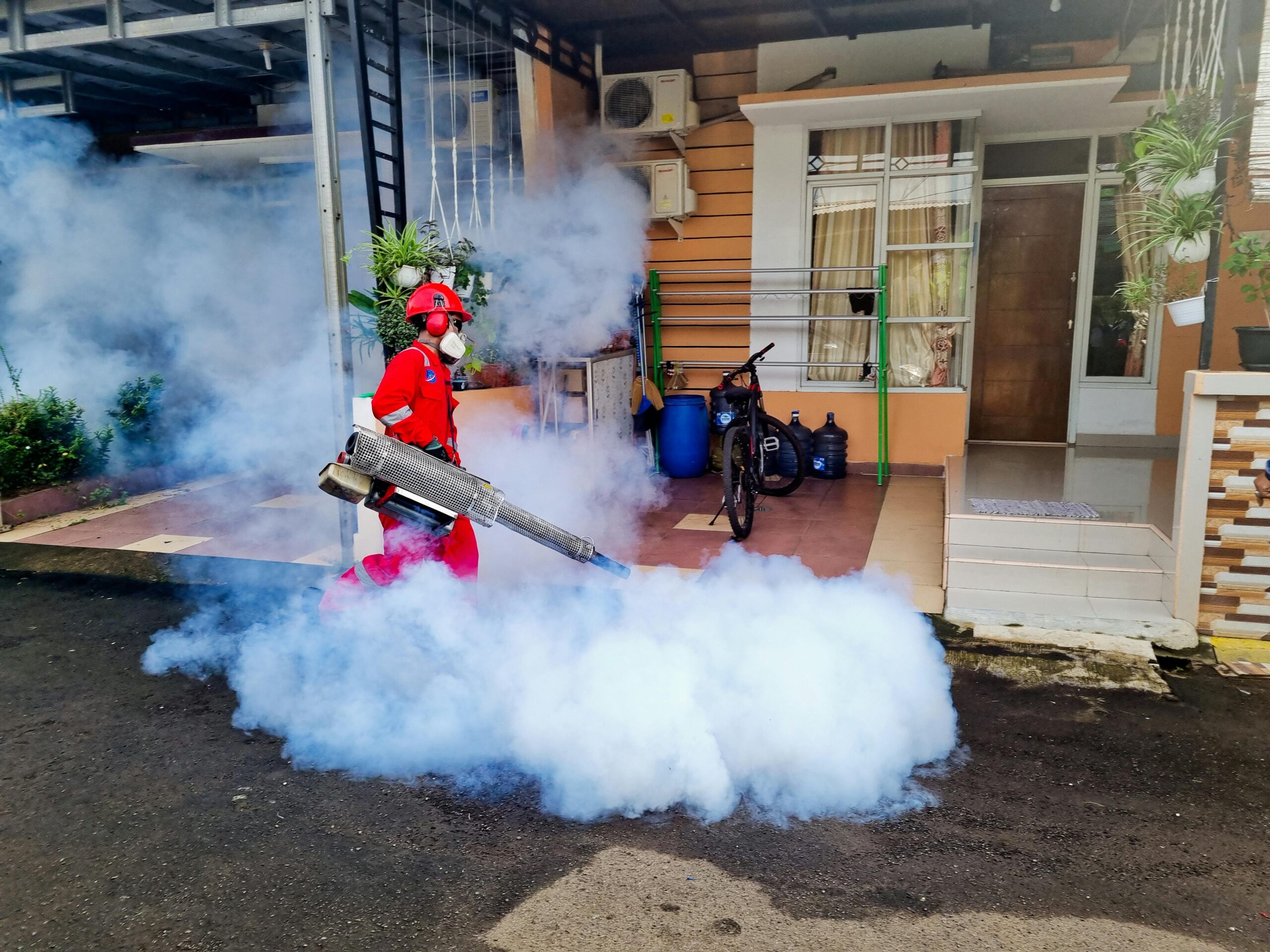
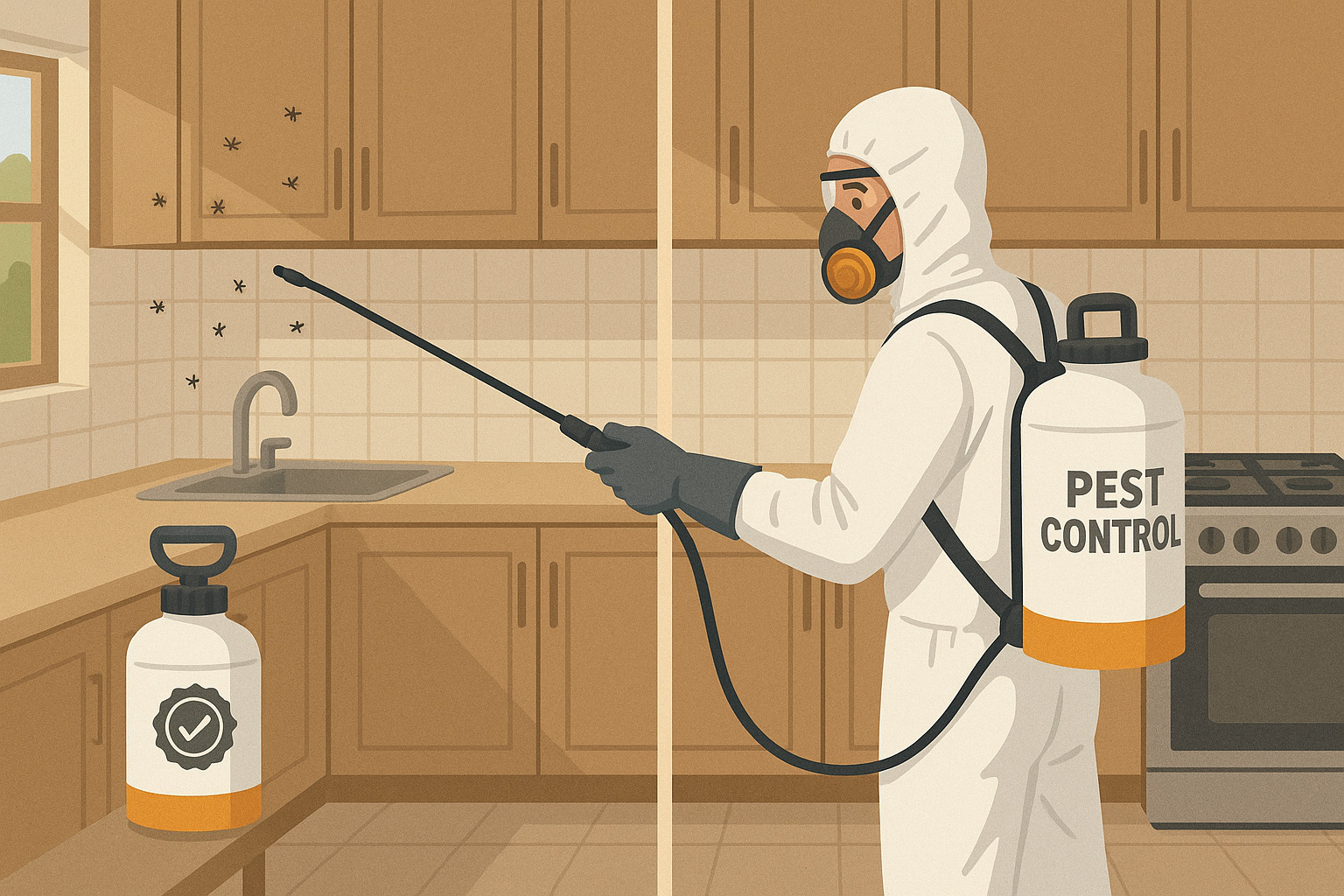
Our Ultra‑Low Volume (ULV) fogging system delivers a fine mist of EPA‑approved insecticide that settles on surfaces and into the air space where adult gnats congregate. The mist is calibrated to a specific droplet size, ensuring rapid knock‑down of flying insects while minimizing residue on countertops and pet areas. Because the fog disperses quickly, treatment time is under five minutes per room, and the effect can be felt within minutes—perfect for homeowners who need immediate relief without disrupting daily routines.
Larvicide Soil Drench
Fungus gnats spend most of their life hidden in the moist soil of houseplants. Anthem Pest applies a water‑soluble larvicide directly to the root zone, creating a protective barrier that stops larvae from maturing into adults. The formula is certified for indoor use on ornamental plants, so your beloved foliage stays healthy while the pest cycle is broken at its source. The drench is safe for children and pets, and it degrades naturally within weeks, leaving no long‑lasting chemical footprint.
Structural Exclusion Services
Prevention starts with sealing the entry points that gnats use to invade your home. Our locally trained technicians install door sweeps, replace worn weather‑stripping, and reinforce window screens with fine‑mesh material that blocks even the smallest insects. We also assess ventilation openings and recommend simple upgrades—like installing a bug‑tight vent cover—that keep gnats out while preserving airflow. By combining these physical barriers with chemical treatments, Anthem Pest creates a multi‑layer defense that reduces the need for repeat visits.
Pricing Transparency
We believe homeowners should never guess the cost of a service. All of Anthem Pest
Step‑by‑Step Local Search Checklist
Step 1: Verify the license with the Georgia Department of Agriculture
Before you schedule any service, confirm that the exterminator holds a current Georgia pesticide license. The Department of Agriculture maintains an online lookup where you can enter the company’s name or license number. A valid license guarantees that the technician has completed state‑required training and is authorized to apply EPA‑registered products.
Step 2: Read online reviews on Google and Yelp, focusing on Oakhurst & Downtown Decatur experiences
Neighborhood feedback is a goldmine. Search “gnat exterminator Decatur GA” and filter results to the Oakhurst and Downtown areas. Pay attention to comments about punctuality, thoroughness, and post‑treatment follow‑up. Consistently high ratings from local homeowners indicate a company that understands the specific gnat pressures in Decatur’s micro‑climates.
Step 3: Request a written estimate that breaks down inspection, treatment, and follow‑up costs
A transparent quote should itemize every charge: initial inspection fee, the type and amount of product applied, labor hours, and any scheduled follow‑up visits. This level of detail helps you compare offers side‑by‑side and prevents surprise fees later on.
Step 4: Ask about EPA‑registered products and safety data sheets
Legitimate pest professionals use only EPA‑registered chemicals and can provide the corresponding Safety Data Sheets (SDS). Request to see these documents; they outline active ingredients, proper application rates, and safety precautions for pets and children. Knowing the exact product builds confidence that the treatment is both effective and safe for your household.
Step 5: Confirm service warranty and any guarantees on re‑infestation
Ask the provider what warranty backs their work. A solid guarantee will cover a repeat treatment if gnats return within a specified period, typically 30‑90 days. Understanding the warranty terms lets you gauge the company’s confidence in their solution and protects your investment.
Ready for a professional opinion? Call Anthem Pest at 877‑371‑8196 or visit https://anthempest.com/ for a free gnat inspection.
Decatur Homeowners Who Beat Gnats
Case Study 1: Avondale Estates Family
A family in the historic neighborhood of Avondale Estates was battling a relentless gnat swarm that invaded their kitchen, patio, and even the indoor herb garden. After a thorough inspection, Anthem Pest Control applied a single ULV (ultra‑low volume) fogging followed by a targeted soil drench around the garden beds. The fogging created an immediate knock‑down effect, while the drench disrupted the larvae developing in the moist soil.
“We hadn’t seen a gnat in weeks – the kids can finally enjoy our indoor garden.” – Homeowner
Result: Monitoring over the next three weeks showed a 90 % reduction in adult gnat counts, and no new larvae were detected in the soil. The family reported a return to normal indoor air quality and resumed planting without fear of another outbreak.
Case Study 2: Downtown Decatur Condo
A condo building in downtown Decatur struggled with seasonal gnat invasions that threatened resident comfort and guest satisfaction. Anthem introduced its preventive plan, which combines quarterly ULV fogging, perimeter barrier treatments, and routine moisture‑management inspections. The program also includes resident education on eliminating standing water sources.
“The peace of mind is priceless; we feel safe hosting guests again.” – Property Manager
Result: Over a twelve‑month period, the building recorded zero re‑infestations. Post‑treatment surveys indicated a 100 % satisfaction rate among residents, and the condo’s maintenance logs showed a 40 % drop in reported moisture‑related complaints.
Key Actions & Measurable Outcomes
- Single ULV fogging + soil drench → 90 % gnat reduction in 3 weeks.
- Preventive plan with quarterly treatments → 0 re‑infestations for 12 months.
- Resident education and moisture control → improved indoor comfort and reduced complaints.
FAQ – Gnat Control in Decatur
Are the chemicals safe for children and pets?
Yes. Anthem Pest only applies EPA‑registered products that are formulated for low toxicity. Our certified technicians target adult gnats while minimizing exposure to non‑target species. When used as directed, these treatments are safe for families, pets, and the surrounding environment.
How often should professional treatment be applied?
Most homeowners need 1‑3 initial visits to break the adult gnat cycle and eliminate larvae. After the initial phase, we recommend an annual preventive treatment to keep new infestations from taking hold, especially during the humid months when gnats thrive.
How long do results last?
The first application delivers an immediate knock‑down of adult gnats. Larval control typically remains effective for 4‑6 weeks, after which new eggs may hatch. A yearly preventive program extends protection, reducing the likelihood of a repeat outbreak for the entire season.
What can I do between visits?
Maintain dry soil around foundations, eliminate standing water, and keep drains clear of debris. Simple traps—such as a mixture of sugar water and dish soap—can catch lingering adults. Regularly empty birdbaths and clean gutters to remove breeding sites.
Does homeowner’s insurance cover pest control?
In most cases, standard homeowner’s policies do not cover routine pest control, including gnat treatments. However, some insurers may offer optional endorsements or allow you to apply a deductible toward the service cost. It’s best to check your policy details or speak with your agent for clarification.
Take Back Your Home from Gnats Today
When gnats swarm your kitchen, patio, or yard, the most effective solution blends professional treatment with simple DIY steps. Our certified technicians start with a targeted ULV fogging that blankets indoor spaces, killing adult gnats on contact. Next, a soil drench penetrates the ground where larvae develop, cutting the life cycle at its source. Finally, we seal entry points—window screens, door sweeps, and vent covers—to keep new insects out. Pair these services with everyday prevention like eliminating standing water, proper trash storage, and regular garden upkeep, and you’ll enjoy lasting relief.
Anthem Pest brings deep local knowledge of Decatur’s climate and common gnat hotspots. We pride ourselves on transparent pricing—no hidden fees—and back every job with a satisfaction guarantee. Our friendly technicians treat your home as if it were their own, ensuring safe, effective results every time.
If you’re ready to enjoy a gnat‑free home, give Anthem Pest a call for a free, no‑obligation inspection. Our Decatur team is standing by at 877‑371‑8196 to help you reclaim comfort. Visit Anthem Pest Control today.